
Cherry Jammin’ Smoothie
This simple cherry smoothie is made with frozen dark cherries and banana, all blended together with Greek yogurt into a creamy and delicious drink.
- Prep Time: 2
- Total Time: 2 minutes
- Yield: 2 1x
Ingredients
- 1/2 cup (125 ml) frozen dark sweet cherries
- 1 banana (frozen or fresh)
- 1/2 cup (125 ml) plain Greek yogurt
- 1/2 cup (125 ml) coconut water
- Juice of 1 lime
Instructions
- Process all the ingredients in a blender at high speed until smooth.
- Serve immediately.
Additional Tips:
- Use frozen fruit straight from the freezer when preparing smoothies.
- Adjust the texture of your smoothie by adding or reducing the quantities of the listed ingredients.
- Add chia seeds or flaxseed in order to boost your intake of Omega-3 fatty acids.
Notes

To celebrate summer, getting out of the house and seeing family and friends for the first time in what seems like forever, Canadians are raising their glasses at restaurant and bar patios from coast to coast. And their expectations are high.
Are your liquid libations worthy of such an important toast?
Although many have embraced their inner bartender or mixologist during the pandemic, your customers are still thirsty for more, especially if your beverage menu is hitting at least one of the many drinks trends this season and reaching far beyond alcoholic options.
Technomic’s Seasonal Menu Report featuring Canada’s Summer LTO Innovations shows drinks of all kinds are the perfect addition to LTO menus. And with good reason. Limited time offers allow operators to try on some trends and flavours to see what pairs best with their menu and looks perfect on the patio.
Canadians are looking for indulgent treats
Canadians are more than ready to live a little. They want to get out and indulge. Give them the opportunity one sip at a time.
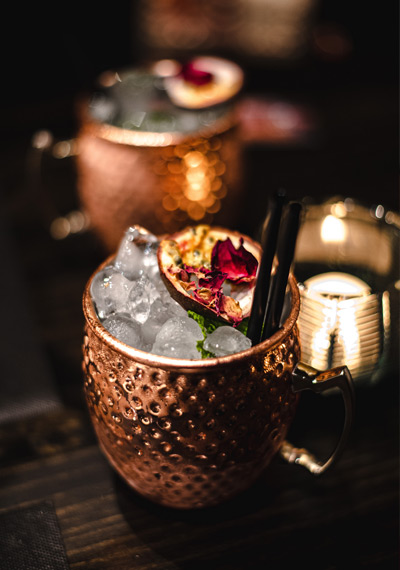
Chic Cocktails – Classic cocktails with a new twist. A Northern Double Old Fashioned using maple syrup and Canadian whisky or a Wild Blueberry Kombucha Martini, and remember to give them a garnish they will never forget. Chic cocktails are a great option for a Date Night package.
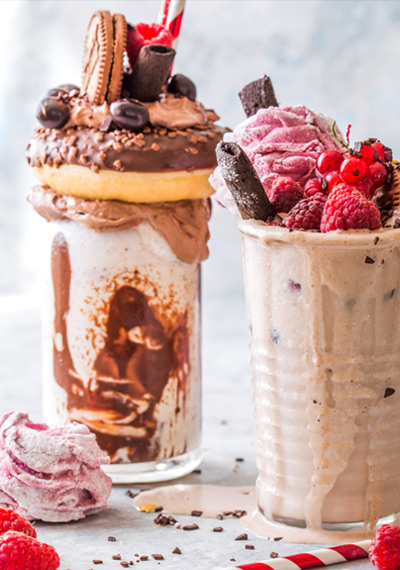
Over The Top Milkshakes -You know the ones, where ice cream shoppe favourites explode out of the fountain glass. Banana Split Shake with a pineapple, strawberry and brownie skewer or a Classic Vanilla shake garnished with slice of birthday cake with extra sprinkles.
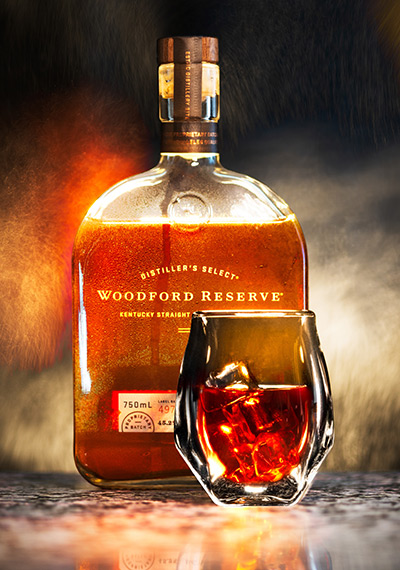
Premium Pours – Top shelf liquors, the best of the best. Make it an experience by using a specially selected glass.
Homegrown is still trending
In Technomic’s What to Expect in Canada in 2021 they predict there will be no stopping the local trend. There will be continued promotion of local and even hyper-local ingredients to support and celebrate farms and businesses.
Craft breweries, small wineries and distilleries have flourished throughout the last few years and show no sign of losing momentum. Available regionally across the country, these local independents and are now providing a wide selection of beers, ciders, wines and spirits. It’s simple for operators to join the local game with that much choice.
International flavours tempt Canadians
Yes, Canadians love local, but they have also been missing the adventure of international travel. Give them the global taste they crave throughout your menu including your beverage selections.
Technomic’s Summer LTO Innovation report shows that tropical options continue to tempt tastebuds. Guava in mocktails, cocktails and mojitos provide a sweet flavour addition with tropical appeal. Hibiscus gives a sweet-tart flavour profile and a warm colourful presentation. Add some to margaritas and iced tea.
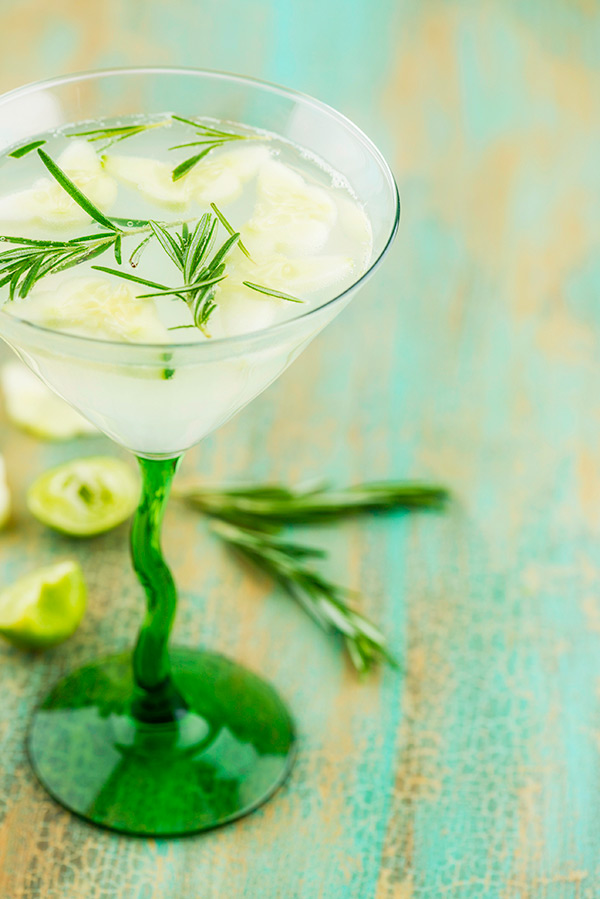
Drinks are full of spirit
Low to non-alcoholic beverages appeal to more than those under the legal drinking age. Providing a choice of spiritless options is a wise choice. But a sparkling water with slices of lemon and lime aren’t always going to cut it anymore.
Many Canadians are looking for beverage options when they dine out that give the experience of imbibing but with none of the side effects. Zero proof spirits or flavoured de-alcoholized spirits are gaining favour in this market providing the depth of flavour customers crave without sacrificing the experience.
Don’t forget umami
Delicious flavour — the rough translation of the Japanese word umami — deserves a place on patio drink menus. Canadians have been adding umami flavours to their beverages for decades (all hail the Caesar!) but umami has skyrocketed in the last few years with such innovations as Bloody Marys and Caesars garnished with pickled beans and crispy bacon, and pushing the boundaries between beverage and appetizer with the addition of lobster, Montreal smoked meat and beef jerky.
Umami is a savoury flavour (as opposed to sweet, sour, bitter or salty) that can be found in fermented foods, seafood, meats, cheeses and some vegetables. It is pouring into bar glasses in surprising ways — from using dashi for infusing spirits to smoked ice cubes to martinis with tomato water.
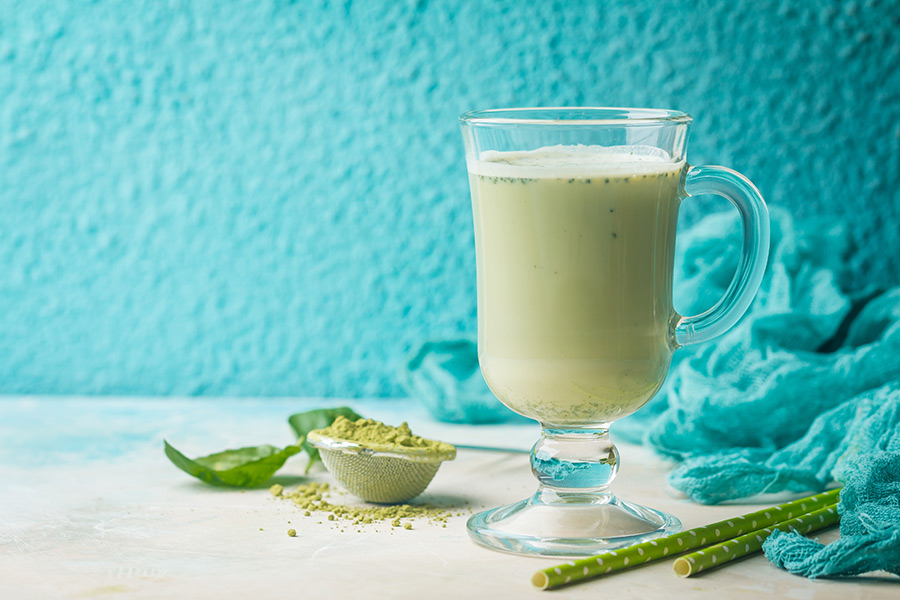
Help your diners chill out
Temperatures are soaring across the country this summer but aren’t stopping your guests from enjoying the patio. Let them chill with a glass of goodness.
Feeling drained from the uncertainty of the last year, Canadians are turning to smoothies and juices as a way to increase wellness and balance out the chaos. They expect to find functional ingredients and flavour included for an extra boost. Fermented drinks continue to gain popularity, and the push for plant-based options is not dissipating.
Kids also need to celebrate. They will cheerfully raise their glasses full of frozen flavour that brings on the brain freeze.
Pour a little summer fun into each and every glass and you will be the toast of the patio.
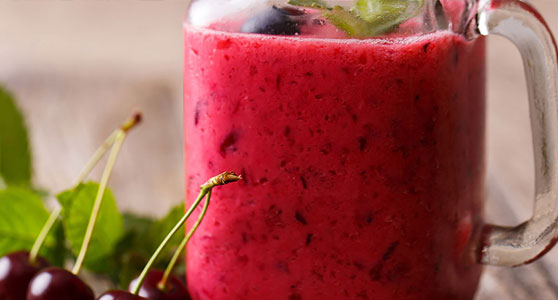
Cherry Jammin’ Smoothie
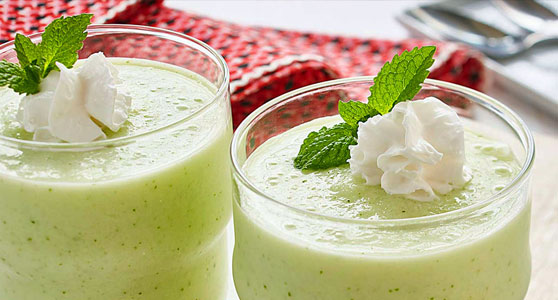
Honeydew & Coconut Frappé
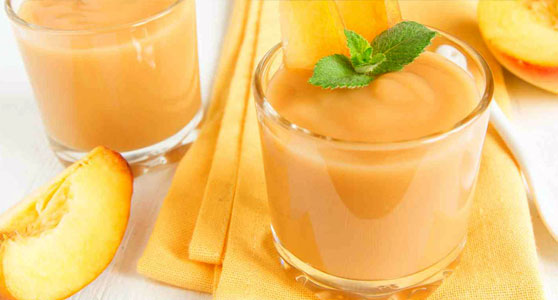
Fuzzy Navel Smoothie
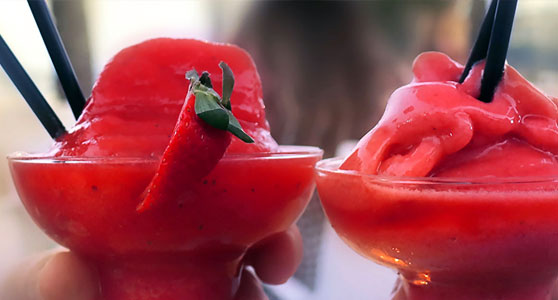
Strawberry Lemonade Blast
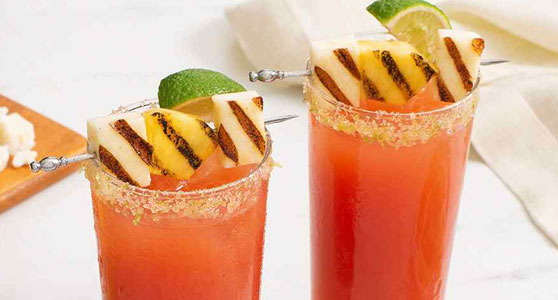
Pineapple Caesar Pitcher with Grilled Halloumi
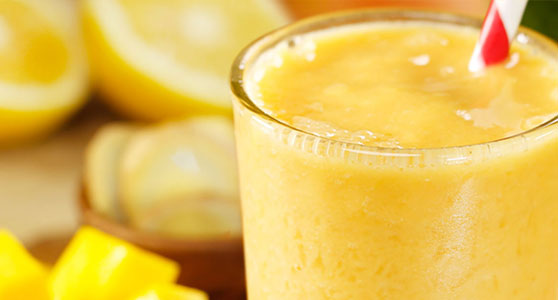
Mango Lassie
If you can remember Encyclopedia Britannica, Swanson TV dinners, party lines, TV converter boxes, banana seat bicycles, transistor radios, the Sears Wishbook catalogue, and the last Stanley Cup parade in Toronto, then you’re a Baby Boomer or the parent of one.
Baby Boomers remain, according to Statistics Canada, the most significant age group in Canada. They are, however, approaching a tipping point. At some point in the not too distant future, the Baby Boomer market segment (born between 1946 and 1964) will no longer be the largest market segment by population. It’s inevitable that Millennials will overtake Boomers in sheer numbers. But that doesn’t tell the whole story.
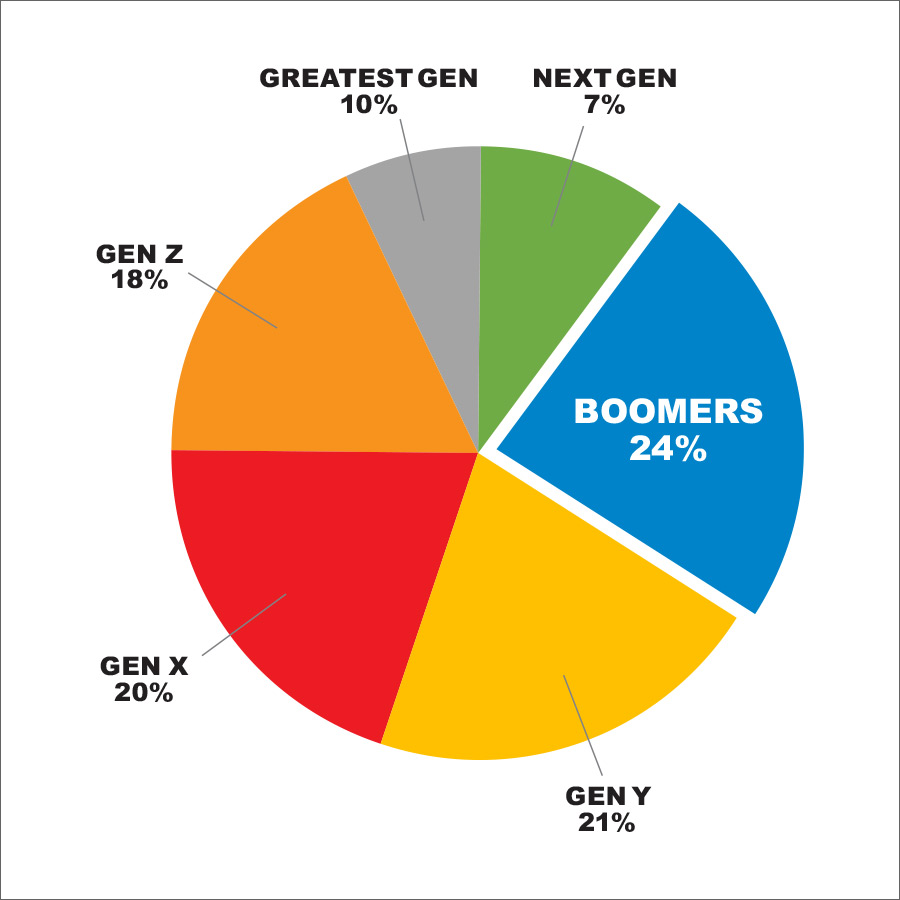
Meet Canada’s generations
- Baby Boomers: 1946-1964
Back-end Boomers: Age 57-68
Front-end Boomers: Age 69-75 - Generation X: 1965 to 1979
Age 42-56 - Generation Y: 1980 to 1994
Age 27-41, often referred to as Boomers’ kids or Millennials - Generation Z: 1995 to 2010
Age 11-28, the newest generation to be named
Baby Boomers still make up the largest segment of the Canadian population. But, beyond this, they hit above their weight in terms of economic impact. Even as back-end and front-end Baby Boomers age, they will remain a consumer force to be reckoned with.
Going, going, not gone
Close to five decades years ago, fewer than one in 12 Canadians was a “senior” (65+). By the mid-1990s, that had risen to almost one in eight. In 2011, when the first of the Baby Boom generation crossed the threshold, the number of seniors began to mushroom. By 2030, less than a decade from now, nearly one in four Canadians will be seniors.
In some ways, the Baby Boomers’ golden years could be a golden age for discretionary and leisure purchases. Over half still have a household income above $60K/year, and only about one-quarter of Baby Boomer households still have kids at home who have failed to launch.
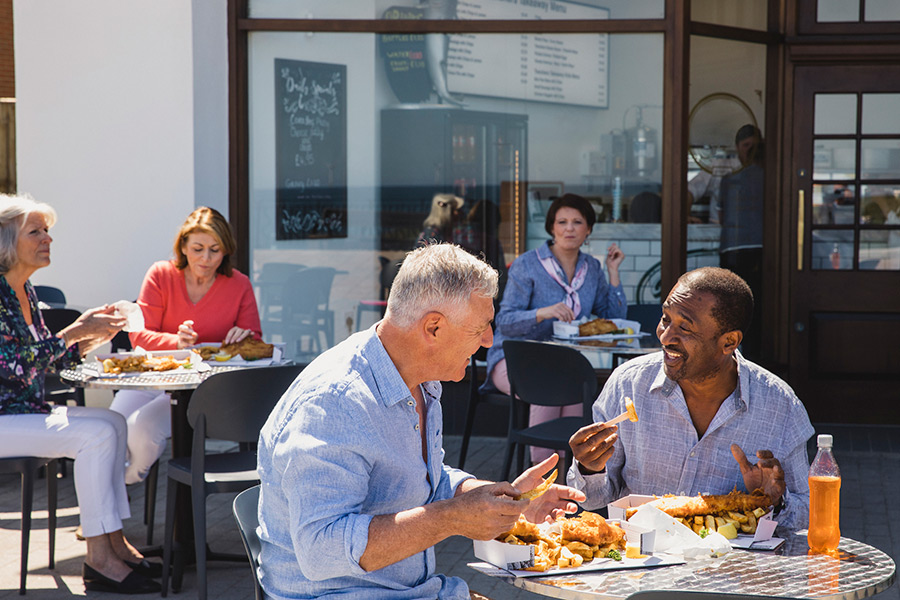
The end is not quite nigh
In Canada circa 1976, almost 12% of jobs were held by someone 55 years of age or older. Comparatively, the current participation rate has nearly doubled to 21.5%. That’s more than one in five jobs held by those who, a generation ago, were approaching or in their retirement years.
In her piece titled, “Like it or not, the Boomers are here to work,” Linda Nazareth coined the term “Perennials” to describe mature working boomers — they keep coming back every year.
This trend will likely not significantly abate in the near term. Nazareth cites the U.S. Bureau of Labour Statistics prediction that, by 2024, the over-55 cohort will be the largest segment of the workforce. Canada and other Western-developed economies will likely be in the same boat.
Not going quietly
According to Technomic’s Generational Consumer Trend Report, more than half of people (in the U.S.) between the ages of 53 and 72 use foodservice on a weekly basis.
Given their disposition to not go gently into retirement, and the purchasing power that accrues from their accumulated personal wealth, Baby Boomers are worth paying attention to.
Here are some other trends Technomic has flagged for savvy restaurant operators:
- Boomers are big flavour seekers. 66% of respondents like to explore new flavours, especially when they are added to perennial favorites, such as burgers and chicken.
- Boomers are brand loyal and enjoy patronizing their favourite restaurants. Thirty-six percent tend to visit the same few restaurants each time they go out to eat. But they also value food quality and taste more than other age groups — 70% say taste is an important menu attribute and 68% value food quality.
- Boomers like deals. 50% enjoy looking for value in their dining experiences.
- Boomers like their restaurants clean. 63% of boomers say cleanliness is a very important feature in restaurants, especially as it applies to clean bathrooms and utensils.
The challenge for marketers is to provide what Boomers want as their needs evolve in the back furlongs of their lives. There’s a tendency to shift from conspicuous consumption to more experiential consumption.
While, overall, Baby Boomers’ appetite for conspicuous consumption may be waning, travel, leisure, and foodservice spending remains a priority. This holds for both Baby Boomers in retirement and those still in the workforce.

Baby Boomer eating habits are changing
How have Baby Boomer tastes and eating habits changed over the past two decades? The NPD Group has a number of survey instruments that track historical food consumption of Canadians at home and away from home.
Compared to the beginning of this century, Baby Boomers have markedly shifted their food consumption:
Eating more:
- Better-for-you foods – yogurt, RTE cereal, hot cereal, fish and vegetables
- Front-end Boomers are more likely than Back-end Boomers to choose special labels like “all natural,” “cholesterol free,” “low fat” and “no artificial sweeteners”
- Special labels at breakfast, such as “low fat/diet/light,” “whole grain” and “vitamins added.”
Eating less:
- Family friendly, less nutritious foods – waffles, pancakes, hot dogs and French fries.
Limiting the meat:
- Dr. Sylvain Charlebois, Project Lead, Institute of Agrifood Analytics at Dalhousie University, has data confirming the finding that Baby Boomers are eating less meat.
Overall, Canadian beef consumption is down by 16% or 94 million kilos per year, compared to 2010. Over six million Canadians have either adopted a meatless diet or are have adopted a “flexitarian” lifestyle, limiting the amount of meat they eat every week, AND, nearly a third of Canadians are “thinking about” reducing meat consumption in 2019.
While this trend noticeably skews to younger consumers, more than 42% of flexitarians are Boomers, who view reduced meat consumption as a healthy choice.
The bottom line?
For the first time in its history, as of 2017, Canada had more residents 65+ than children 14 years or younger.
Time will continue to march for Baby Boomers who remain working, and those participating in society in other ways. But, just as they demanded attention when they first came of age, aging Baby Boomers will reward restaurant operators who hear them.
So, it makes good sense, and will make for good business, to keep the specific likes and dislikes of this demographic multitude in mind to keep fueling the growth of your foodservice operation.
Meet your Baby Boomer diners
Factors driving Baby Boomer food choices and restaurant visits

- Flavour seekers
Boomers enjoy trying new flavors in familiar foods – 66% of respondents like to explore new flavors. - Brand loyal
Thirty-six percent tend to visit the same few restaurants each time they go out to eat. - Quality and taste
Boomers index food quality and taste more than other age groups — 70% say taste is an important menu attribute and 68% value food quality. - Deal or no deal
Along with taste and quality, price turns the dial for Boomers. Gen Xers are the most likely to seek deals and discounts at restaurants (55% say they do so), baby boomers come in a close second at 50%. - Flexitarians
Few Boomers are full-time vegetarians BUT more than 50% say they plan to increase their consumption of fruits and vegetables. - Cleanliness matters
Restaurant cleanliness matters to Boomers, with 63% saying it is a very important attribute. - Picky about takeout
Order accuracy is a top priority to 70% of baby boomers, and 75% expect the food quality and taste to be as good as it is when dining in the restaurant. Convenience is not as important to this generation as it is to millennials and Gen Zers. - Personalized service
Boomers are less likely to order from a mobile device or app. Boomers still value customer service in casual dining. - Cash is king
Not fans of cashless operations and kiosk ordering at QSRs and restaurants.
Crispy Chicken Sandwich with Citrus Fennel Slaw
- Total Time: 30
- Yield: 1 Serving 1x
Ingredients
Fennel Poppyseed Slaw:
- 1/2 cup (125 ml) fennel, very thinly shaved
- 1/2 cup (60 ml) flat-leaf parsley, finely chopped
- 2 tbsp (30 ml) mint, chiffonade
- 1 radish, very thinly sliced
- 3 tbsp (45 ml) prepared lemon poppy seed dressing
Assembly:
- 1 hamburger bun
- 1 pc Reuven Fully Cooked Crispy Breaded Chicken Thigh (Product Code 10621)
- 1/4 cup (33 g) fennel poppy seed slaw
- 1 tbsp (15 ml) mayonnaise
- 1 slice cheddar cheese
- 3–4 bread & butter pickles
Instructions
Fennel Poppyseed Slaw:
- In a medium size bowl, add fennel, parsley, mint, radish and toss with lemon poppyseed dressing; set aside.
Assembly:
- Prepare Crispy Breaded Chicken Thigh according to package directions.
- Toast the bun and build your sandwich starting with the bottom bun.
- Layer half with fennel poppyseed slaw, prepared Crispy Breaded Chicken Thigh, cheddar cheese and pickles.
- Top with remaining bun half.
Notes

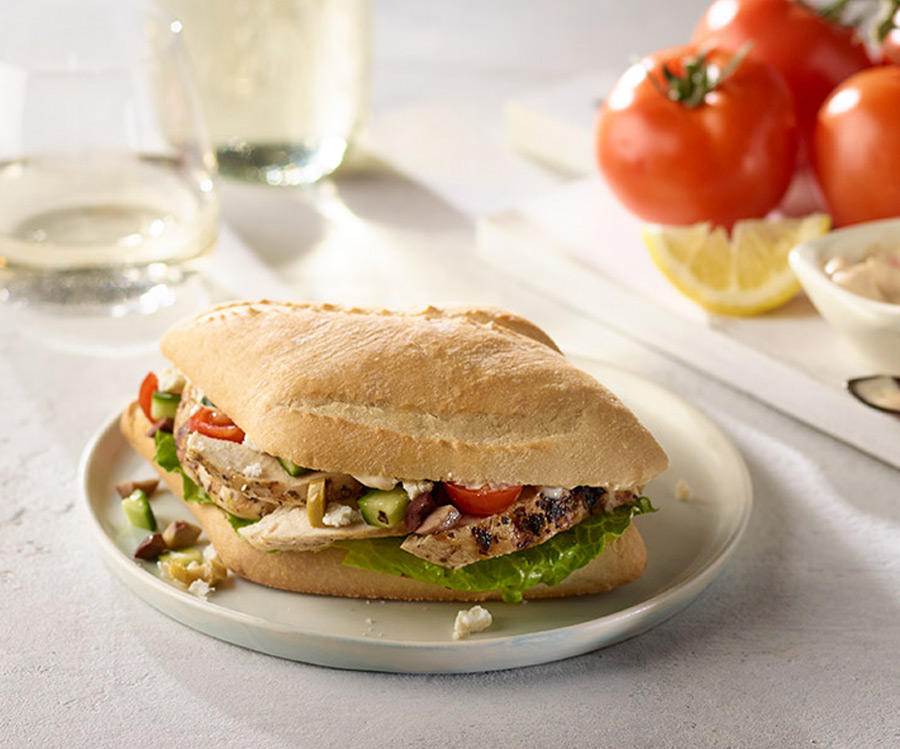
Canadians love their sannies. Nearly two-thirds of Canadian restaurant operators (63.6%) include sandwiches on their menus, according to Technomic.
Sales data reveal diners adore their favourites, and there is also a big appetite for new temptations that go beyond the usual, while limited time offers help drive traffic.
The pandemic has shone new light on portability, and sandwiches show tremendous ability to travel, with their ingredients intact.
Top sandwich pairings
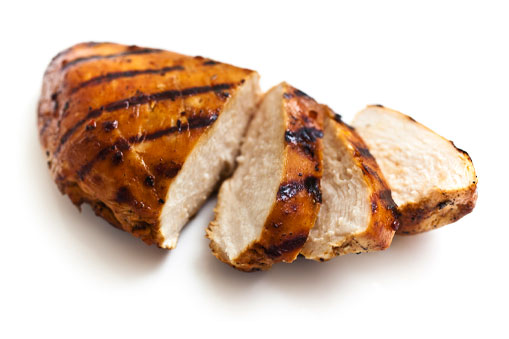
Chicken 32.9%
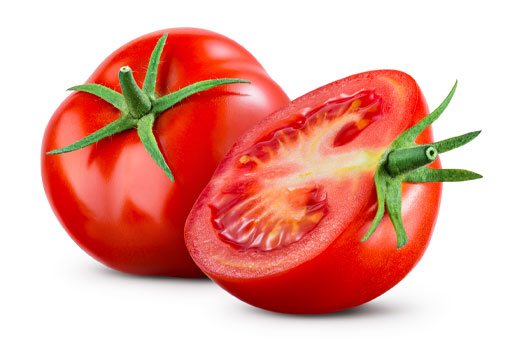
Tomatoes 32.1%
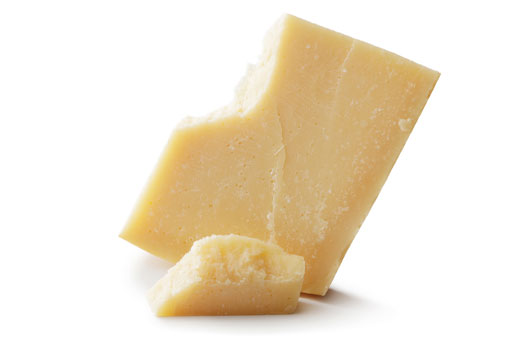
Cheese 31.1%
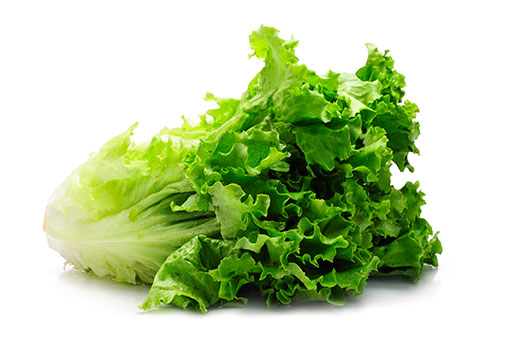
Lettuce 25.2%
59.1% of restaurant operators feature sandwiches and wraps on their menus
Source: Technomic 2020 Sandwich Report
Choosing the right ingredients to build the perfect sandwich
High quality ingredients make the sandwich, says Camille Fortier, marketing supervisor at Boulart. “From the outside to inside, having the right components makes the experience and taste so much better. At Boulart, we believe that a great bread is the canvas to all your culinary creations. Our breads are made with simple ingredients, are versatile and have great holding power — which means they can handle all the condiments without getting soggy.”
What goes inside is just as important as the bread that holds it in place, says Chef William Wallace, director of culinary for Erie Meats.
Chef’s tips
- Taste what you are going to serve. “You would be surprised how many sandwiches get made and no one has ever taste tested what is being offered,” says Chef William.
- Buy what is in season for fresh produce and develop a good relationship with the company that makes your most expensive part of your sandwich — the protein. “Ask them to work with you to develop what you want, creating a partnership with your suppliers,” he says. “If you can, take the opportunity to see how your food is made — the meats, the breads, and the cheeses in all great sandwiches are all made by great companies with hard working people who are proud of what they do. Go see them in action.”
- Check out the competition’s operations, too. “See what they are doing and how they are doing it.”
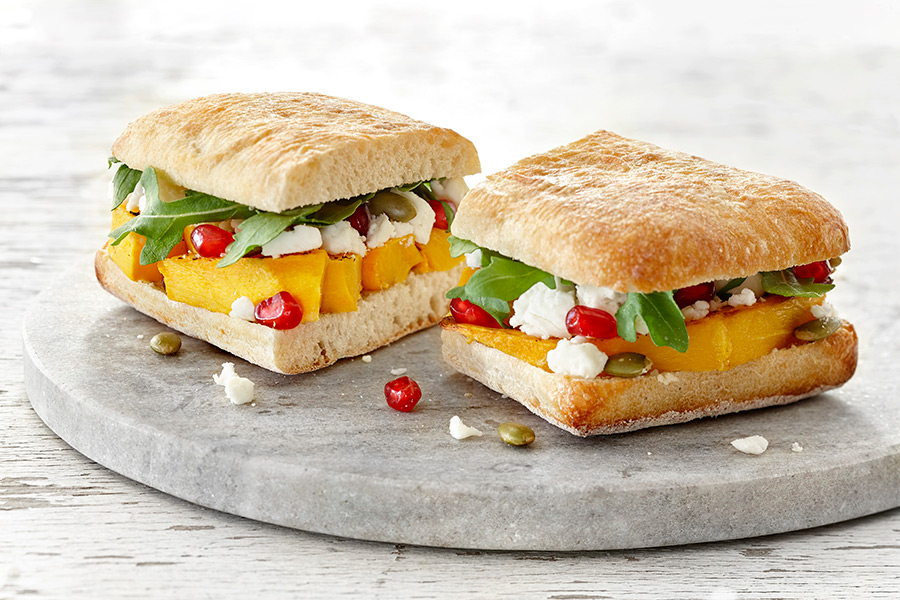
Tips on how to build the perfect sandwich
- Choose a bread with strength and texture. Be sure the bread/bun doesn’t overpower the fillings and that they taste good together.
- Layer your condiments on both bottom and top of the bread/bun to hold everything inside, Boulart’s Fortier recommends.
- Put the heaviest on the bottom — “Keep meats, cheese and other dense ingredients at the bottom and top with lighter ingredients such as vegetables. Lettuce acts like a blanket and holds everything into place wherever you place it,” she says.
- Include a wide range of textures and flavours. Thinly sliced meats and cheeses and bite-sized vegetable pieces are easier to layer and eat. Smaller fillings make it easier to bite into any sandwich without having them all slide out.
- Watch the moisture. Wet lettuces and overripe tomatoes will not make a great sandwich, Erie Meats’ Chef William Wallace says.
- Go for consistency, so choose pre-sliced deli meats. Food that tastes great gets purchased again and again.
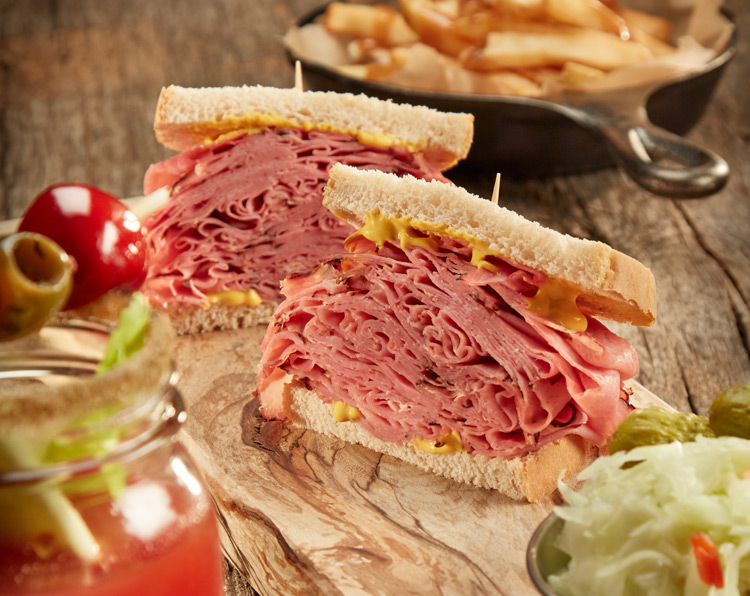
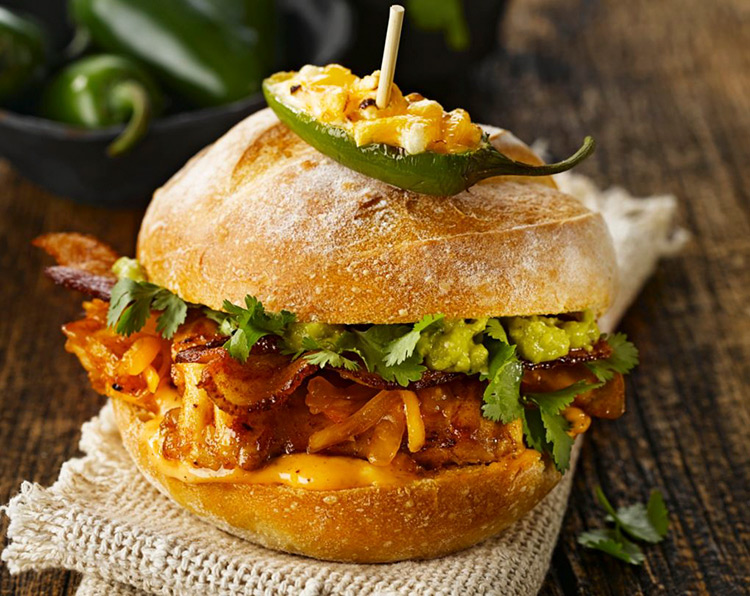
Taste for excellence
Make sure that your sandwich tastes like what it is, Wallace says. “A Chicken Caesar Wrap should taste like chicken, not Caesar dressing. Make sure that your staff can make the same great sandwich, the same way, every time.” A good training regimen is vital.
Don’t be reluctant to be creative with your offers, Fortier adds. “Sandwiches don’t have to be boring and always the same. Simple ingredients like pickles and flavourful condiments add a lot character to a sandwich and can easily elevate it. Offer different sandwiches made with a variety of breads to make choices more appealing to your guests.”
Breakfast sandwiches remain one of the hottest trends in the category — and no wonder. “They are convenient and accessible, and perfect for diners on the go,” she says.
Protein alternatives such as plant-based patties are stoking consumer interest. “Spicy foods heated with condiments like sriracha and harissa are on the rise. Consider how they could be included, in the best possible light, in your sandwich offers,” Wallace says.
And, don’t be afraid to be creative. The best sandwiches are those that tap ingenuity and combine new ingredients, held together deliciously and beautifully presented.
Top tips to up your sandwich takeout game
- Use the right packaging for the job. One size does not fit all when it comes to sandwich packaging. The right takeout package for the job depends on the temperature of the sandwich, the ingredients, sauces and condiments. Certain packaging can actually make the food soggy and turn even the best ingredients into mush. Check out this chart from Tundra Restaurant Supply, which recommends the proper packaging for each type of meal.
- Create custom labels. By this time most restaurants offering takeout & delivery have got the new routine down pat. But how about the opportunities offered by packaging to enhance your branding? With the space available on bags and even the inside packaging, you could advertise your restaurant and any special offers. It’s a quick, and inexpensive, way to increase your branding and keep your business top of mind with customers.
- Add a separate sandwich menu. Highlight the wide variety of sandwich and wrap offerings, including popular breakfast sandwiches, separately from your regular takeout menu to generate interest. Many customers are looking for a light bite — your sandwich offerings could be the answer.
- Don’t forget social media. Adding something new to your menu lineup? Don’t forget to photograph sandwiches in scrumptious detail and share widely through your SM channels.