
Most foodservice operators have pivoted from their usual revenue streams to balance the ups and downs of the last year. Takeout has been a lifeline for many operators. Some just dabbled in it before but are now realizing the added new sales and opportunities it may offer.
But pivoting, while supplementing revenue, can also add unforeseen costs. To stand out from the crowd and create a successful takeout service, you have to do it right. Brand Points PLUS (BP+) is here to help.
Kristen Storer and Michelle DaSilva are responsible for the national sales and marketing strategy for Greenbridge Foodservice, representing 12,500 independent restaurant operators. They kindly shared their insights, knowledge and tips on how to strategically use the BP+ program to build a successful takeout service.
Keys to a successful takeout service:
- The Right Menu
- The Space
- Easy Ordering
- Proper Packaging
- Service
The Right Menu
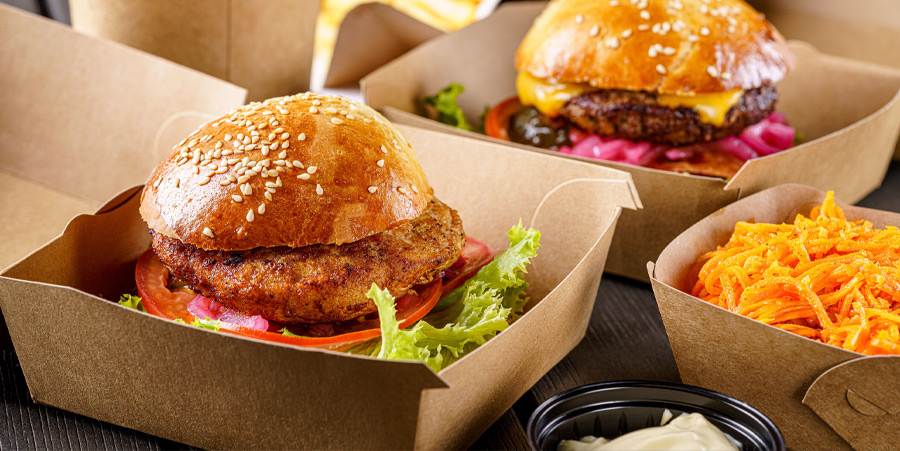
“Adjust, remove and add to build the best takeout menu. Winners from your dining room might not translate well to a 30-minute (or more) transit time. Plan a menu that is takeout worthy,” advises Kristen Storer.
Whether delivered or picked up, all food in your restaurant is now considered takeout, so the quality must be there to earn a returning customer.
Time, temperature, taste, texture and visual appeal must all be considered. The right product or ingredient can make a big difference in customer satisfaction.
“Vendors have a vested interest in operators’ success,” says Storer. “Cavendish, for example, has developed potato products and onion rings meant to hold their quality and texture specifically for takeout.”
Build a menu that uses products and ingredients within the BP+ program. With more than 75 nationally recognized and trusted vendors in the program, it’s simple to make strategic choices to add value to products that operators are already purchasing.
Every product in the program will earn points. Storer says to remember to check out the bi-monthly promotions to increase your point balance more quickly.
Create a takeout menu with BP+ vendors and their products in mind and reap the rewards.
The Space
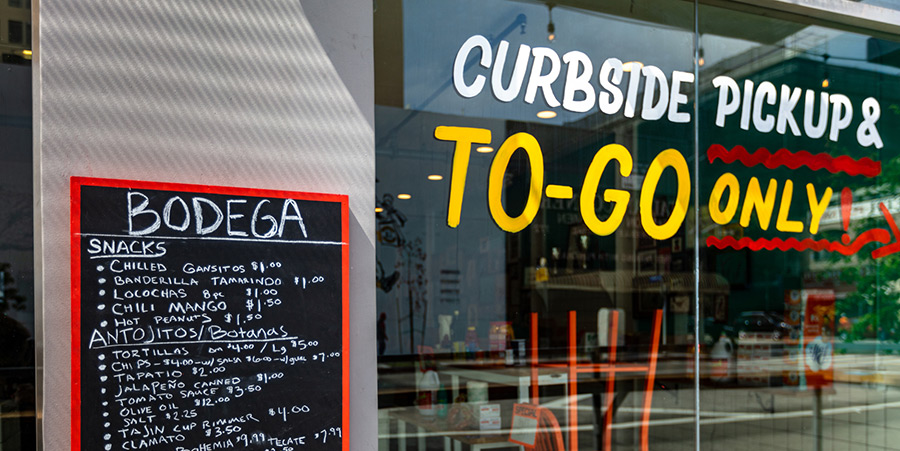
Making do will only work for the short term. As the “short term” becomes longer term, and if you want to continue successfully, your takeout space might need some adjustments — takeout counter, pickup area, retail space addition, new signage and appropriate lighting.
“Operators have been required to pivot their operations. Takeout, for example, has added costs like packaging and equipment — large and small. Why not use points to make your takeout service more successful?” asks Michelle DaSilva.
“The program is completely automatic. Operators don’t need to do any work,” she adds. “Just redeem their points for rewards.”
Although you can use your rewards any way you wish — from personal items to gifts for your valued employees — why not use them to help your takeout business?
- Display fridges and freezers for storing and to entice customers during pickup. Having as many menu items as possible (and think beyond to retail only items) prepackaged and ready to grab can save valuable time (and steps) and hopefully increase cheque size.
- Add signage for clarity. Chalkboards, whiteboards, a bigger (brighter) open sign, direction decals, tent boards or whatever you need to ensure customers clearly understand your business, your offerings and ways to stay safe.
- Increase lighting to brighten things up. Lighting, the proper type and location, can make a huge impact on customers. The ambience you established in the past for your dining room might not be suitable for pickup from customers (and delivery drivers) to do business effectively.
Easy Ordering
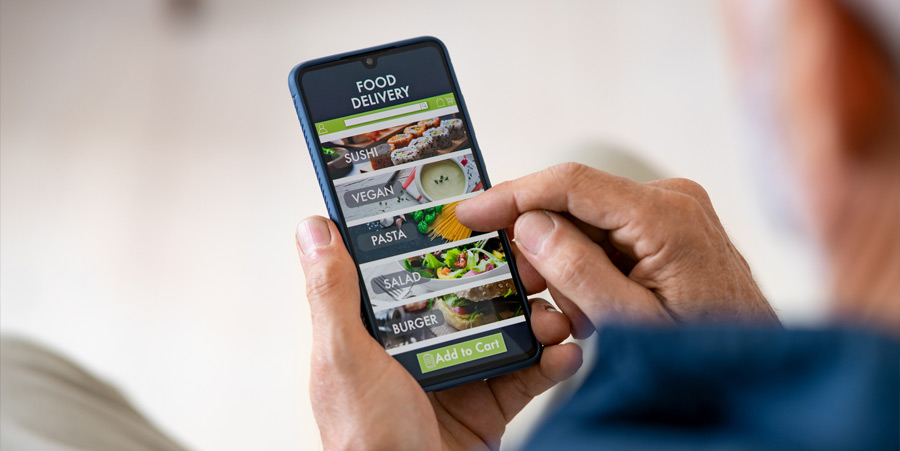
“Is the menu accessible? On a website? An app? Are the images of the food tasty-looking and entice the customer to place an order?” DaSilva suggests operators should ask themselves these questions.
The reality is that a paper menu isn’t going to cut it for these times. And as restaurants begin to reopen more widely, more operators are going completely digital. Ensure your online presence is clear, concise, true to your brand and continually updated.
The takeout menu should include: how to order, how to pick up/receive orders, your retail operation menu, and, importantly, details on how your business and staff are operating safely. Your customers want to know everything, especially now. Don’t make them have to think twice — they have a lot going on, too.
Proper Packaging
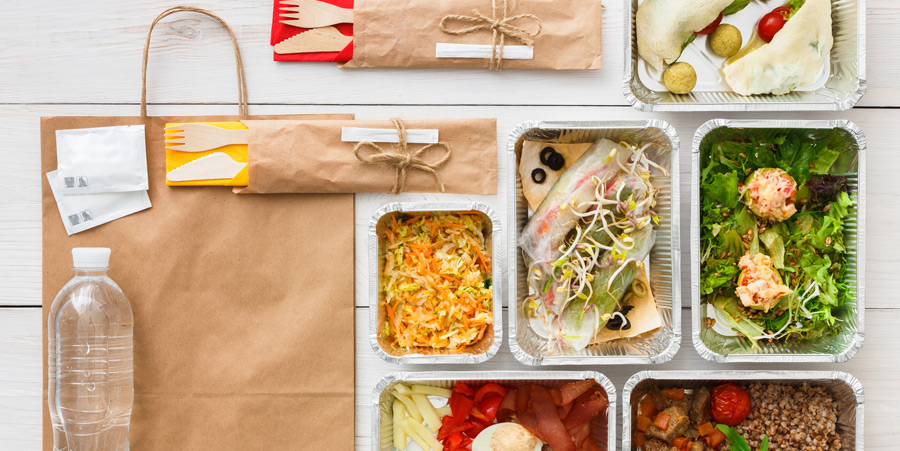
Once your food leaves the building, its quality is at the mercy of the package.
“Choice of packaging should depend on the menu item and not based on a standard takeout package that operators have always used,” says DaSilva.
Storer agrees, “Operators should consider packaging choices to maintain quality like vented lids to keep crisp food crisp. Try out some of these innovative products. Your food and your customers will appreciate the effort.”
Retail items, over and above your takeout menu, deserve attention as well. Typically stored for longer periods of time and requiring visual appeal, the packaging might be out of your budget. Again, why not use BP+ rewards, such as a vacuum sealer and bags (a reward that keeps on giving), divided snack and meal boxes, reusable bowls or glass jars for soups and chilis, or even a printer for eye-catching labels.
Service
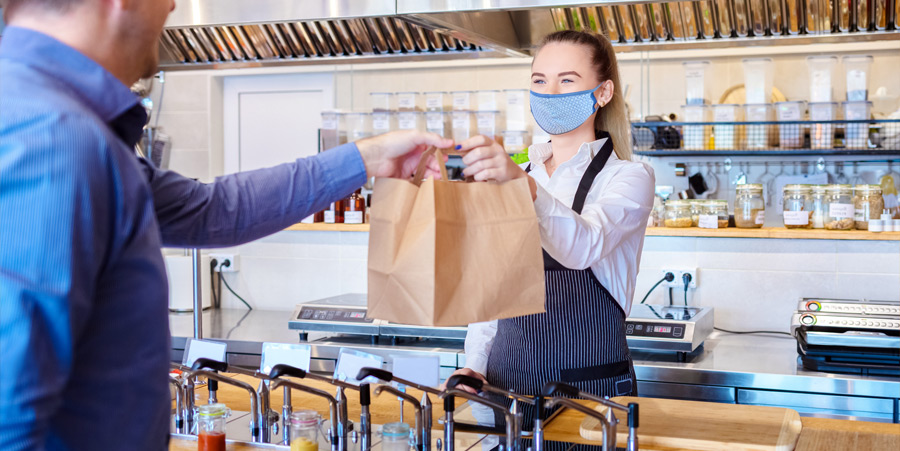
Be practically perfect in every way possible. It’s easier to fix problems in-house, a little more difficult when both the customer and the food have left the building. From having a dedicated expeditor on each shift to double-check orders to a policy if an error does occur, you should offer your customers the same service they’d receive in your dining room.
Can BP+ help with service? Yes! Rewards can be used for an exclusive rolling table for expediting orders and tamper-proof stickers to give your customers peace of mind. “We want to help you. The BP+ vendors want to help you,” says Storer. “So, help yourself by choosing products that earn you BP. And take advantage of our service. Use the tools and resources we have compiled to help you and your business. Your success is important to us. We’re all in it together.”
“The foodservice and hospitality industry is made up of many Black, Indigenous, People of Colour, and new Canadians, who all contribute to our industry, and it could not function without their input and work.”
Restaurants Canada, in their commitment to inclusion and anti-racism
The meaningful participation of Black, Indigenous and People of Colour (BIPOC) goes beyond numbers. It’s also measured by more nuanced matters of inclusion, such as their representation at higher levels in the workplace and the quality of their work experience.
Understanding barriers to inclusion and their impact on BIPOC
The first barrier to inclusion is the attitude that barriers don’t exist. Restaurants Canada states: “… the belief that there is no racism, discrimination and hatred within our industry is in itself a barrier to addressing it.”
Christina Veira, Bar and Beverage Curator for Restaurants Canada, General Manager of Bar Mordecai, and a Spirits Educator with WSET (Wine and Spirits Education Trust), says that inclusivity issues in foodservice don’t exist in isolation from broader society. “We like to think in hospitality of racism or sexism as being something that exists outside of our places that is brought in, either by guests or by certain elements. But I actually think it’s best to think of it being in our restaurants or bars or hotels as reflective of the general society.”
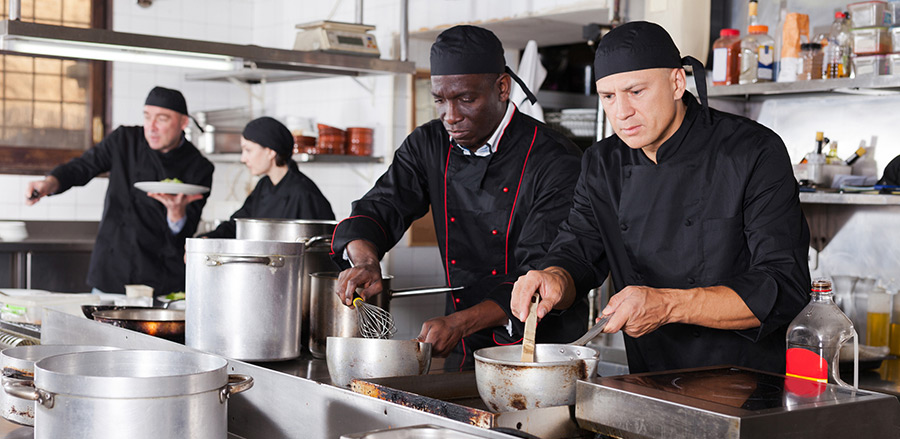
Trevor Lui, restaurateur, cookbook author and co-founder of the agency Quell, identifies the lack of clear paths of succession as an obvious barrier. He says, “If you take a look at the backbone of our industry, it’s generally the BIPOC community, immigrant community, and first generation of new Canadians doing the most labourious work.” He asks what a young dishwasher who wants to be GM one day sees when they look all the way to the leadership at the top. “If there isn’t someone who looks like someone like me and understands what my journey is going to be like, that path is not very clear.”
Veira notes that many establishments point to the diversity of their staff, but asks, “Does that translate to the various levels in your company, or does it tap out at the bottom or mid level?”
Lack of BIPOC involvement in inclusion discussions is also an issue. “What we cannot have is isolated discussions at a boardroom table, at the highest levels, about how to improve diversity and inclusion when you have no diversity at the boardroom table,” Lui says.
Misconceptions about merit are also barriers to BIPOC inclusion. “We don’t want to be given something as a token because we’re of colour and companies are looking to be more diverse,” he adds. “What we want people to understand is we have merit first. And so, I should qualify from my skillset first, but do not exclude me from the process because of my colour.”
“One of the biggest barriers is for organizations to understand what the barriers are for people of colour.”
Trevor Lui, restaurateur, cookbook author and co-founder of the agency Quell
Lui says, “One of the biggest barriers is for organizations to understand what the barriers are for people of colour. So, before understanding where an organization needs to be, the organization needs to understand where the BIPOC community and their struggles are on a day-to-day basis.”
Veira says it’s simplistic to look only at the career success of some BIPOC individuals as a hallmark of inclusion. She says this negates that they’ve had to navigate barriers and negative interactions that others, such as white males, don’t necessarily face. As an example, she speaks of the assumptions that suppliers and guests may have about the knowledge or competence of BIPOC in front-of-house roles:
“It’s not that there are not Black somms [sommeliers]. There are many Black somms. There are many good Black somms. There are many incredibly talented Black somms. But the average even very good Black somms often have a much higher barrier for success at a table because they battle against people’s stereotypes, against people’s expectations of what their knowledge level would be, even when it comes to their ability to upsell. They’re more likely to be seen as potentially scamming a table.”

What can the foodservice industry do to address BIPOC representation?
+ Review your HR practices.
Both Veira and Lui identify the need for restaurants and bars to review business practices such as hiring, training, and promoting staff, not only from a legal perspective, but also through the lens of inclusivity.
For example, Veira asks if restaurateurs consider that guest complaints against BIPOC staff may be informed by racism. She says, “It’s not necessarily being distrustful of everyone that enters, but you have to be able to look at all your interactions in a way that is protecting your staff and acknowledging [the tensions involved in] creating an inclusive environment in your place in a society that is inherently not inclusive.”
+ Review and audit your processes.
Lui says that BIPOC individuals should be included in discussions about addressing diversity and inclusion. He also suggests that you be open to engaging outside agencies such as his to perform audits on your processes and assist you in moving toward a more positive work environment.
+ Be truly inclusive, avoid tokenism.
He cautions against tokenism, like only including BIPOC in your marketing campaigns during occasions such as Black History Month or Lunar New Year. He says you need to “look within your organization to see how you can sustainably create a greater vision of what I would call authentic diversity and inclusion.”
Veira notes that embodying diversity and inclusion has benefits for guests too. She says that many people, especially from identities where they’re used to feeling unwelcome or that they have to build themselves up to enter a place, will see that and connect with your establishment as someplace they can easily go.
Learn more, do more
- How to Create a Positive and Inclusive Workplace, with complementary information sheets, by Restaurants Canada in partnership with Centennial College
- Inclusive Kitchen: Tackling Systemic Racism presentation at this year’s virtual RC show from February 28 to March 3
At the height of the COVID-19 pandemic, 800,000 Canadian foodservice workers were laid off or had their hours cut down to zero. Across the country, employment in the industry dropped an average of 21 per cent.
As we all climb out of the COVID cellar, resumption of operations presents challenges for restaurant operators. Uncertainty is the only certainty.
How to go about hiring and rehiring staff once restrictions start to ease? How to manage fluctuating workloads and uncertainty about shifting and unpredictable restraints and restrictions on restaurant operations?
“Without knowing what is going to happen a few weeks or a few months from now, the ebbs and flows are challenging,” says Jeff Dover, Principal at fsStrategy Inc. “Scheduling may be difficult for those restaurants that have been closed and those looking at reopening with uncertain and different business levels.”

Dover recommends a labour matrix for scheduling. “It’s a valuable scheduling tool that requires forecasting covers per hour and determining how many cooks you need based on forecasted covers.”
The matrix can help track crucial staffing questions including:
- At what level of covers do you need a second cook, a third, a full team?
- When do you need to bring in a dishwasher?
Once you have worked through the matrix, adjust to allow for prep and meet labour requirements, including provisions to be flexible on shift length. Adjustments must be made to ensure time for prep as well as meeting labour laws (e.g., three-hour minimum shift).
Some operators are hiring contract staff to help through the uncertain times, but Dover advises seeking out salaried staff instead. They will pay better attention and know cook times, portion times, presentation and are more likely to be loyal after the pandemic is over — at long last. Remember also that government tax rules may consider contract staff to be employees, if they appear to be doing the job of full-time employees, so there’s not necessarily a benefit from that.
“A silver lining of COVID is that it should be easier to find good cooks.”
Jeff Dover, Principal at fsStrategy Inc.
“A silver lining of COVID is that it should be easier to find good cooks,” he says. “That has been such a challenge forever and, in the short term, you may be able to acquire some good people. If they are treated well and compensated well, they are more likely to stick around.”
Other staffing-related questions to consider as you ramp up to reopen:
- How are you going to handle delivery business once your dining room reopens?
- Are you going to continue focusing, at least in the short term, on takeout & delivery, with menus geared to T&D?
- Do you have production capacity for both eat-in and takeout given delivery volumes might be greater than they were before the pandemic?
- How will you enforce health and safety protocols for all types of staff — indoor and delivery?
Once the operational parts are in place and the doors of the restaurant are allowed to open again for dine-in, don’t forget to make sure your guests know what you’re doing.
“Communicate your cleaning and sanitizing practices clearly. Your guests need to be comfortable coming back.”
Jeff Dover, Principal at fsStrategy Inc.
“Communicate your cleaning and sanitization practices clearly,” Dover says. “Your guests need to be comfortable coming back. In the past, we have done this privately. Now people want to know.”
Hindsight is 2020, as the old expression goes. Certainly, as we rounded the corner in 2019, the prospect of a bright new year was uppermost in our minds.
Who could have foreseen a pandemic that would upend every aspect of foodservice? But there is a resilience in the industry and a sense of optimism that once we return to some semblance of normality, or at the very least, a new normal, restaurants will shine once again. To get a better read on what’s in store for foodservice, we turned to our data partner, Technomic Inc., to take a deeper dive into the trends for 2021:
Diversity & Inclusion (Operations)
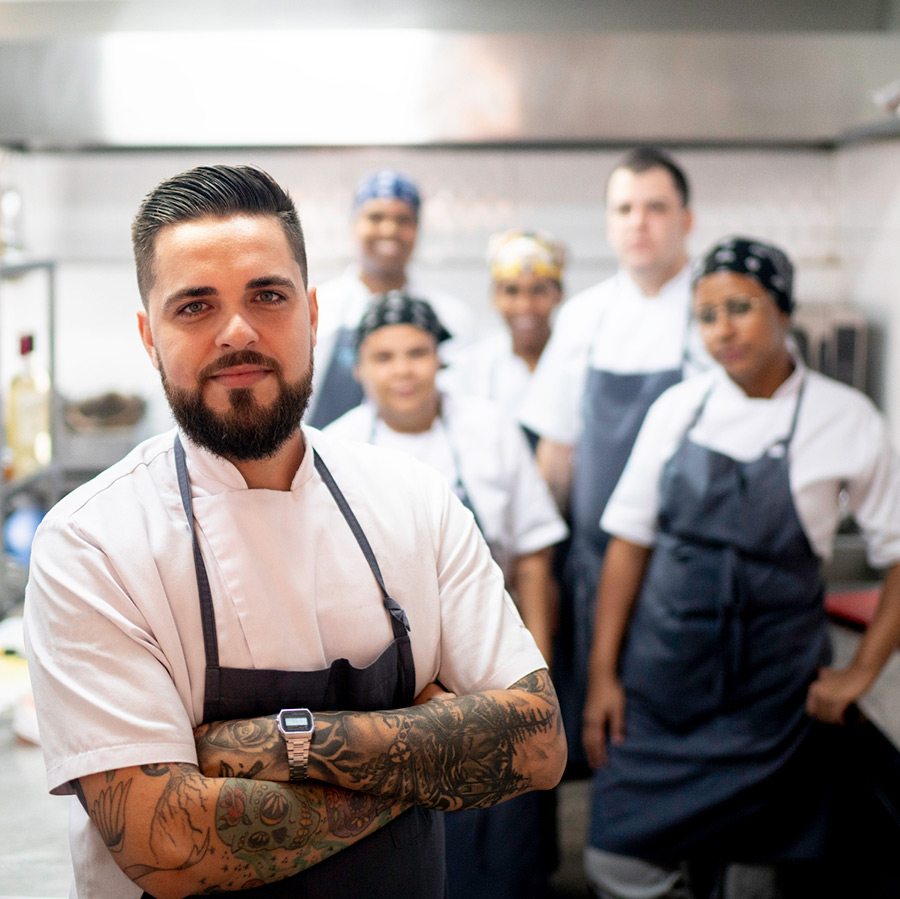
Black Lives Matter protests in 2020 spurred calls to action for foodservice companies to fight for social justice and equality. As a result, businesses across the supply chain are committing to working harder to produce meaningful change. We’ll see more conscious efforts to hire, mentor and promote (especially in leadership positions) minority races and ethnicities, as well as women. There will also be an uptick in internal antibias training, partnerships that support minority organizations and donations to social justice-related causes.
Stat: Nearly half (46%) of consumers report that it’s important to them that restaurants are engaged in social justice — consistent across all generations. In addition, more than two-fifths (42%) of consumers, including 59% of Gen Zers, express that it’s important to them that restaurants support the Black Lives Matter movement.
Base: 1,000 consumers ages 18+
Source: Technomic Canadian Omnibus consumer survey data
Example: Uber Eats waived delivery fees for consumers ordering from Black-owned restaurants throughout 2020.
Safety Stays Top of Mind (Consumer)
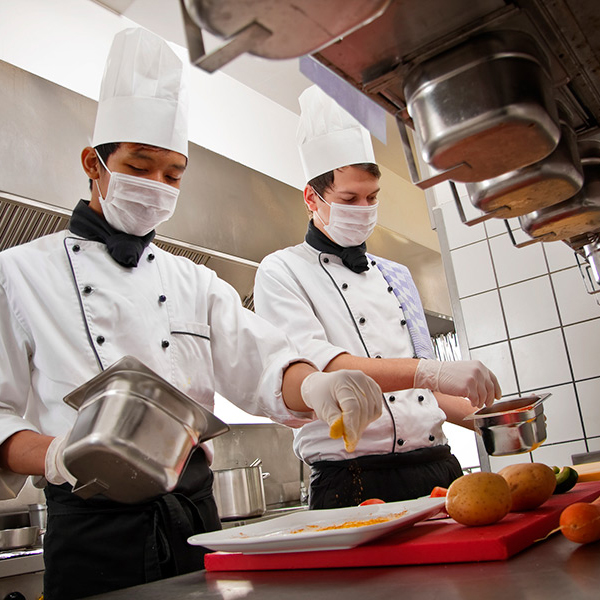
As the pandemic rolls into another year, consumers will continue to prioritize safety when making restaurant decisions. They’ll favour operators who earn their trust by always executing strict sanitation and social distancing protocols, such as proper food handling, rigorous restaurant cleaning and limited indoor seating. This will lead to more touchless digital menu boards, contactless ordering and delivery options, pre-packed and grab-and-go items, tamper-proof packaging, and high-quality air filtration and ventilation systems.
Stat: Nearly two-fifths (38%) of consumers think restaurants could do a better job promoting their safety and sanitation protocols.
Base: 1,000 consumers ages 18+
Source: Technomic Canadian Omnibus consumer survey data
Post-Lockdown Buzz (Global)
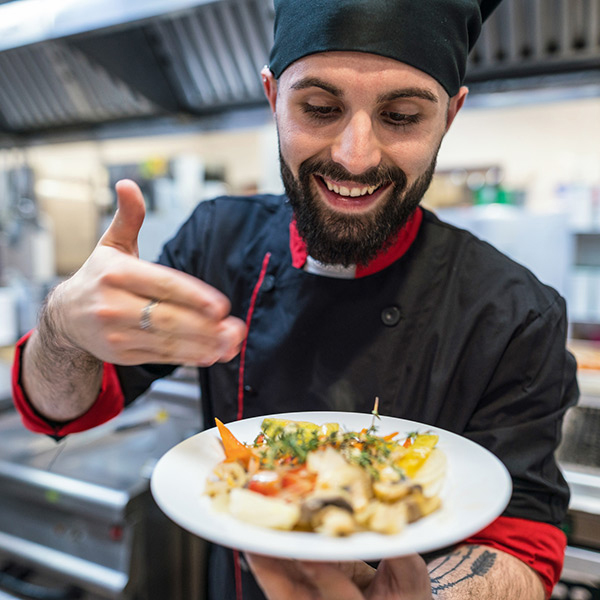
In anticipation of a vaccine, operators across the world will innovate highly buzzworthy products to attract guests back into restaurants and stand above the competition. This is a tactic we’ve seen Asian markets employ during a previous easing of lockdown restrictions. Compelling menu development will include inventing wacky mashups and next-level collaborations, expanding into new mealparts and dayparts, and investing in product improvements.
Stat: Most consumers agree that they are likely to visit a fast-food (65%) or fast-casual (71%) restaurant that they don’t typically patronize if it has a unique limited-time offer.
Base: 551 and 701 consumers ages 18+
Source: Technomic Ignite consumer data featuring the 2020 Canadian Future of LSR Fast Food & Fast Casual Consumer Trend Report
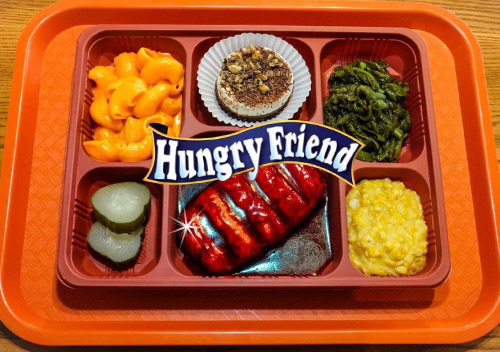
Example: Woodhouse Brew Pub launched a modern take on nostalgic TV dinner trays with its “Hungry Friends” reheatable meals. (Toronto)
Investing in Technology (Operations)
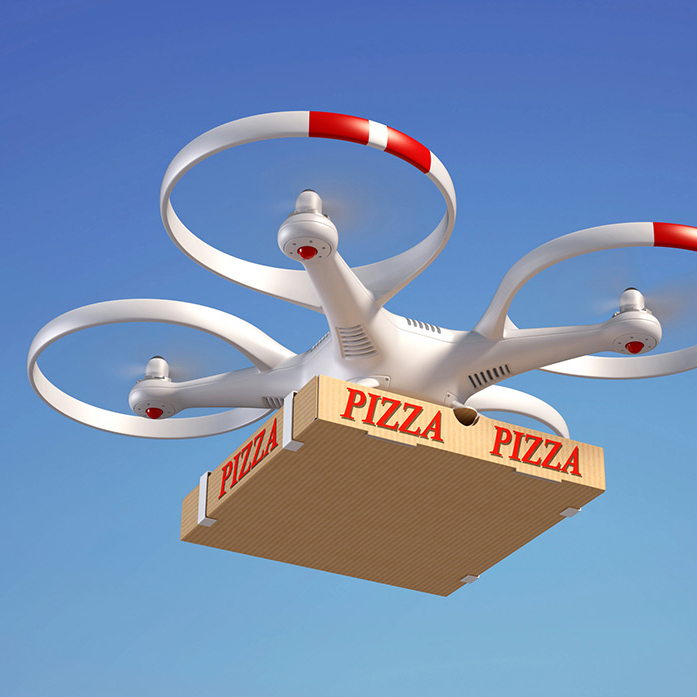
COVID-19 has motivated both consumers and operators to quickly embrace foodservice technologies that offer contactless and/or touchless aspects, including mobile apps, ordering kiosks and digital menu boards. Operators will test more advanced technologies in the coming year as consumers continue to prioritize safety and convenience. On the horizon innovations will include more GPS tracking, voice ordering via an AI assistant, facial recognition systems and drone delivery to provide frictionless off-premise services, as well as greater investments in robotics to maximize labour efficiencies for both back and front of house operations.
Stat: Nearly a quarter (23%) of consumers 18-34 strongly agree that if available, they would be interested in having items delivered via innovative delivery technologies (e.g., drones, self-driving robots, etc.).
Base: 1,282 consumers who ever order off-premise
Source: Technomic Ignite consumer data featuring the 2020 Canadian Delivery and Takeout Consumer Trend Report
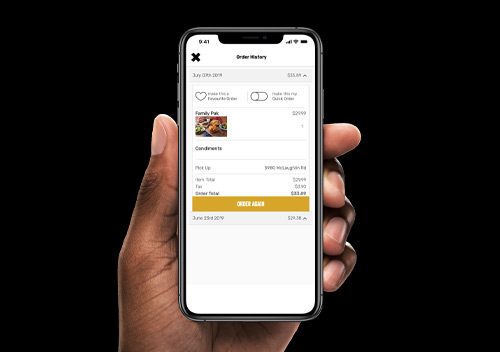
Example: Swiss Chalet updated its mobile app. The chain’s new version of its mobile app features an updated interface where guests can save their favorite items, collect coupons in the Coupon Wallet, opt in or out of receiving silverware with their order, tip ahead and more. It also includes a “giving” feature where customers can gift Swiss Chalet meals to friends and family.
Going Dark (Menu)
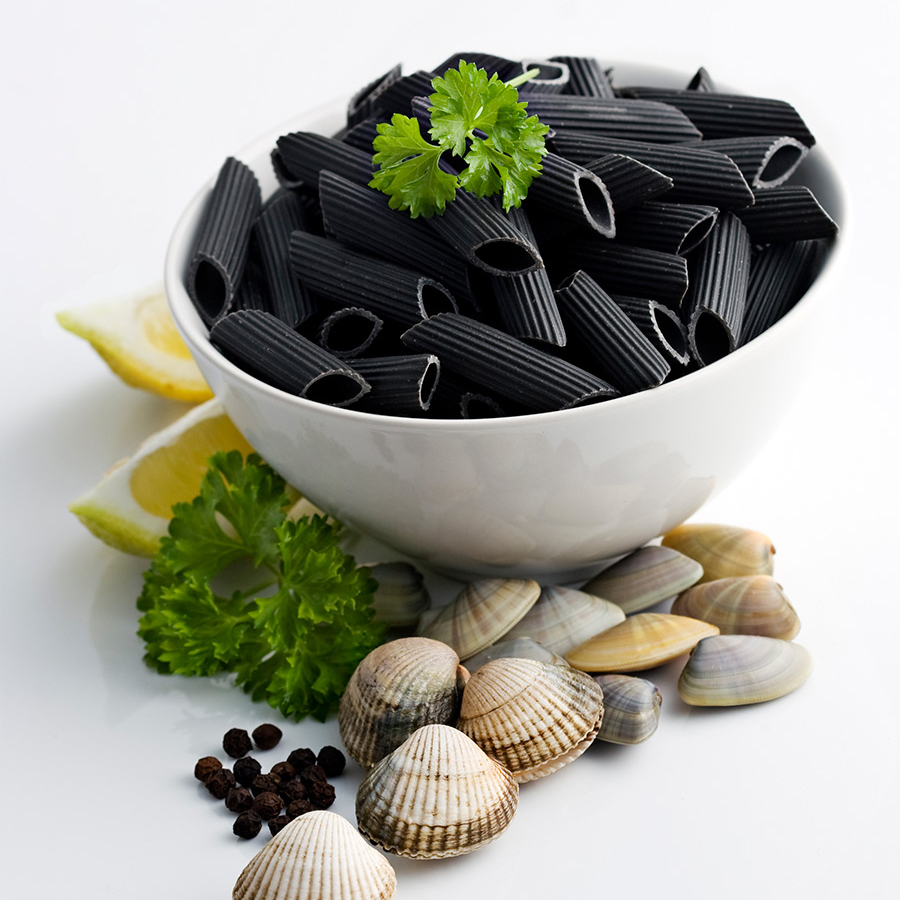
Operators will increasingly look to black and deep purple ingredients in 2021. All of these ingredients provide a wow-factor colour when featured in food and drink, and some also have either umami flavour profiles or immunity-boosting benefits (due to their anthocyanin-rich capabilities). Ingredients to watch include dark berries, such as saskatoon serviceberry and blackcurrant; purple corn and potato; black salt, kale and gnocchi; activated charcoal cocktails; squid ink beyond pasta dishes; and ingredients in ashes, such as ash-covered cheeses, onion or leek ash, etc.
Example: RGE RD’s Purple City cocktail with Park Distillery vodka, Hanson Distillery cherry rye, maple saskatoon berries and plum bitters (Edmonton)

Image Source: Shutterstock
Thinking Local (Operations)

Movements to support Canada’s economy will grow as borders remain closed and small businesses continue to struggle. We’ll see operators increase their sourcing from area suppliers and visibly promote these collaborations on menus. At the same time, community-minded consumers will actively seek to patronize restaurants where their money also helps support local farmers and other purveyors. Driving this effort will be distributor partnership with local suppliers and producers that help spread awareness of their products and fulfill growing patron demands.
Stat: Approximately two-thirds of consumers (67%) say they are more likely to purchase and/or are willing to pay more for food and beverage that is locally sourced.
Base: 355 consumers ages 18-73
Source: Technomic Ignite consumer data featuring the 2020 Canadian Generational Consumer Trend Report
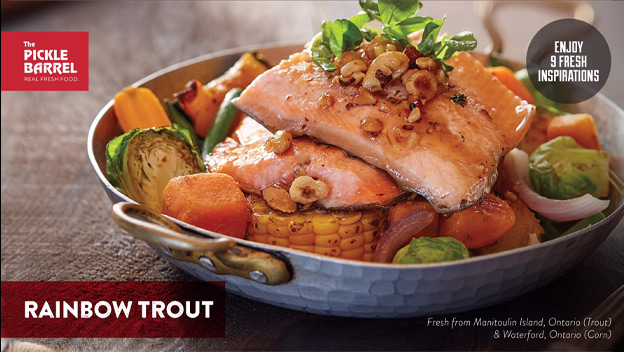
Example: The Pickle Barrel celebrated Ontario farmers by rolling out LTOs featuring local ingredients, including rainbow trout from Manitoulin Island and corn from Waterford.
Off-Premise Escalates (Operations)
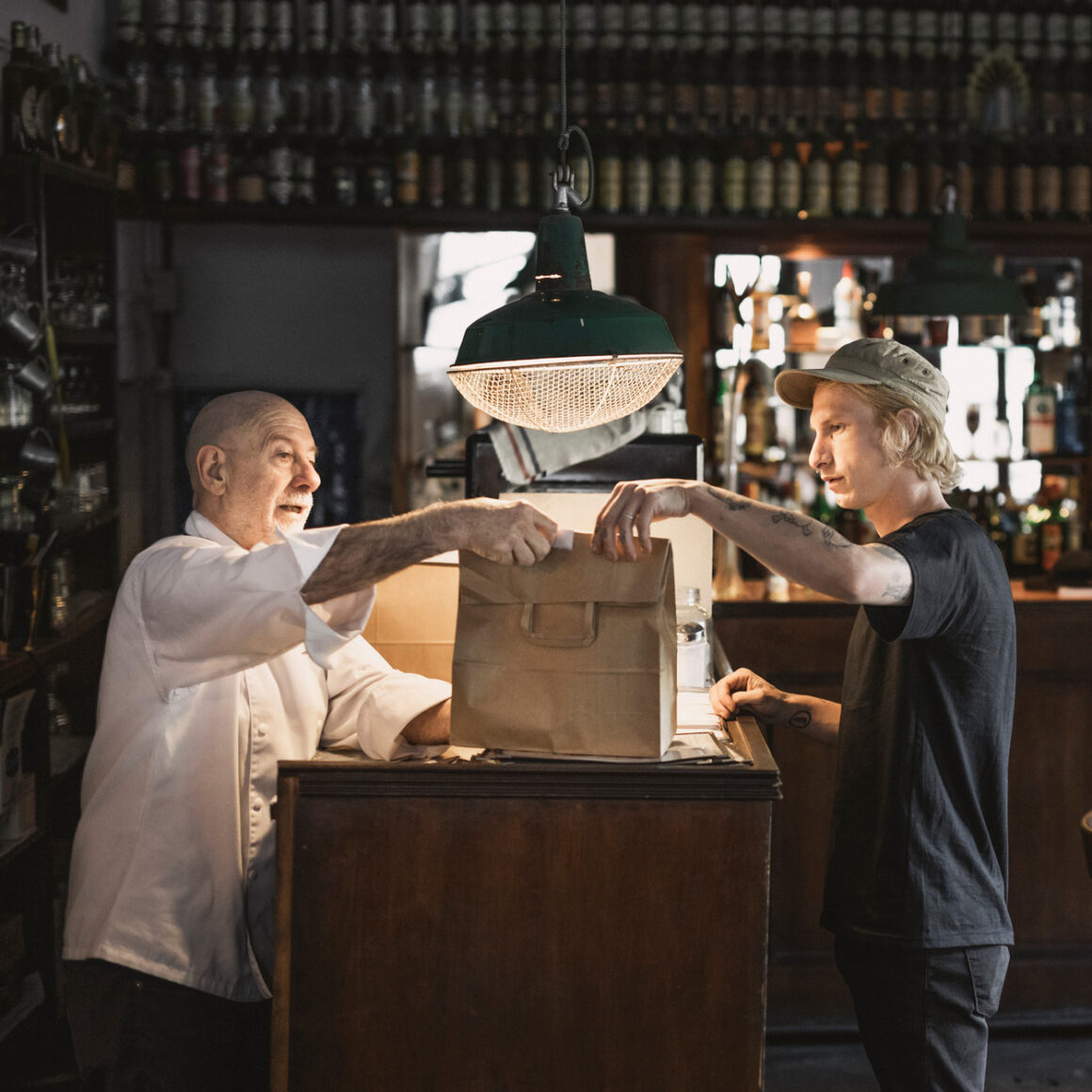
Off-premise services have served as a lifeline for operators throughout the pandemic. But as consumers grow accustomed to the perks of these occasions (i.e., convenience, speed and contactless experiences), operators are hedging their bets by incorporating off-premise into their long-term strategy to offset future dine-in disruptions. We’ll see an uptick in new and remodeled stores that emphasize takeout, delivery, drive-thru and curbside pickup, as well as new and upgraded technology to make these services seamless and distinctive.
Stat: Approximately a third of consumers say they plan on ordering food and beverage for takeout (38%) and delivery (31%) more in 2021 than they did in 2020.
Base: 1,000 consumers ages 18+
Source: Technomic Canadian Omnibus consumer survey data
Trend source: Laura McGuire
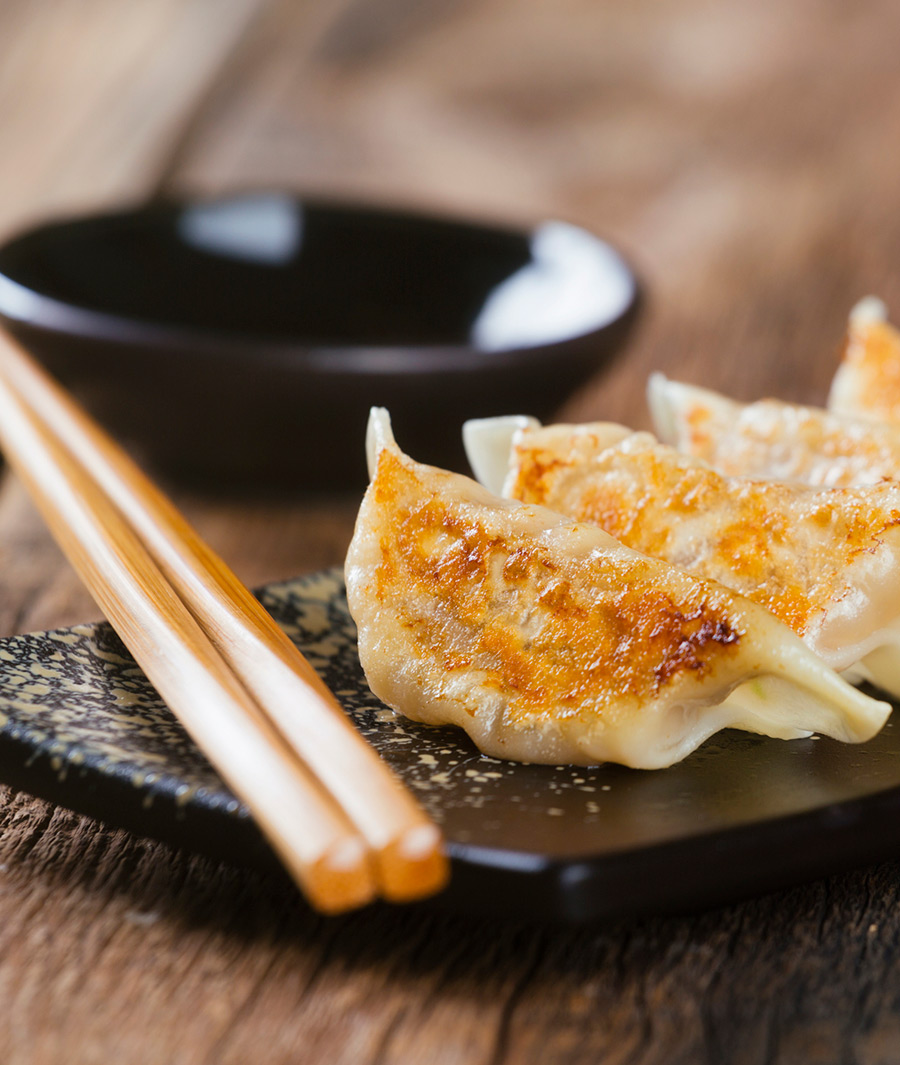
Universally adored, dumplings are as diversified as Canada’s population and can fit into any restaurant’s all-star lineup. With dumplings on the menu, your customers are one bite away from a series of world flavours providing a big win for your team.
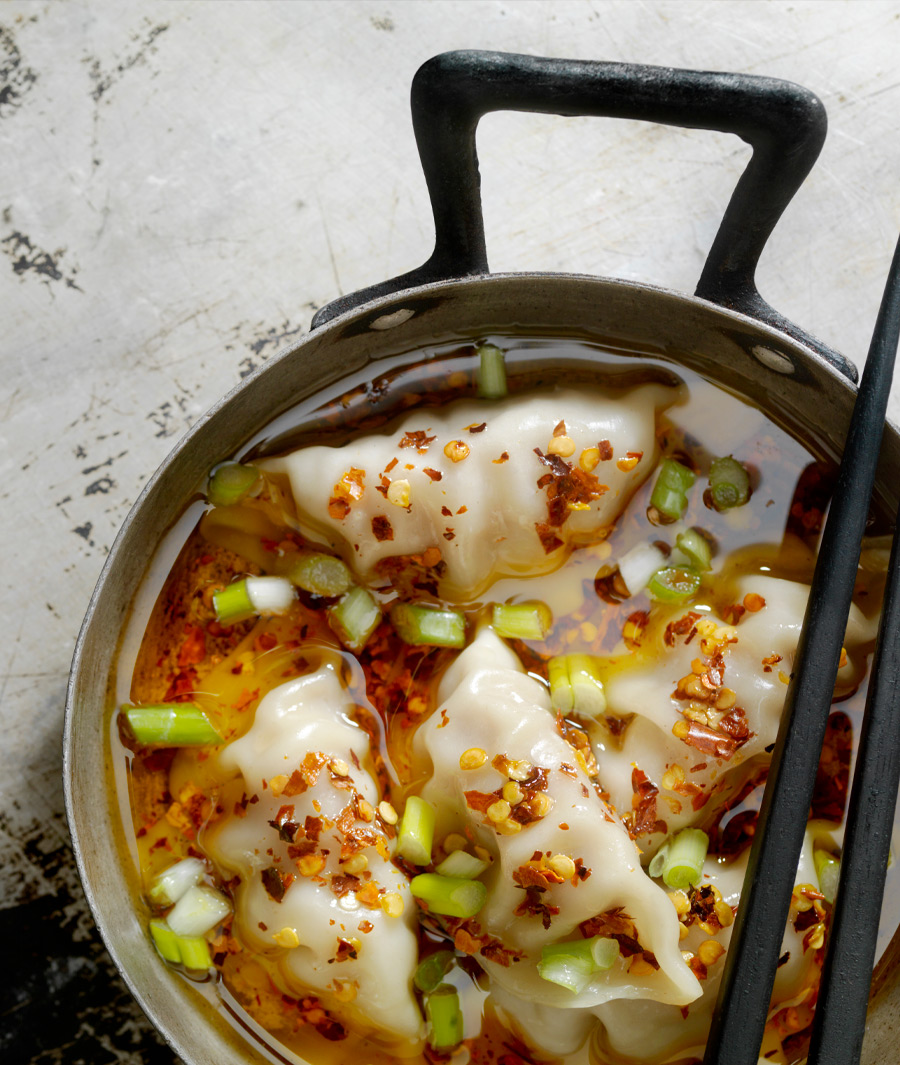
With the rise of ethnic-influenced street eats, dumplings are breaking out as the new versatile dish that crosses many cultures, from the traditional Asian-influenced dumpling and soup dumplings to more adventurous takes with innovative, spicy fillings.
James Keppy, National Culinary Manager at Maple Leaf Foodservice, grew up eating two types of dumplings. “The first would be the flour, baking powder and milk variety dropped and cooked in a chicken or beef stew. The other would be the pierogi.” Other dumplings were not on his radar, he adds.
Dumplings, a typically humble offering, can take so many forms. Keppy suggests trying out-of-the-box fillings: cheeseburger, lemon chicken or Korean pork. “The traditional flavours will always be favourites, but customers will be intrigued by chef-inspired offerings.”
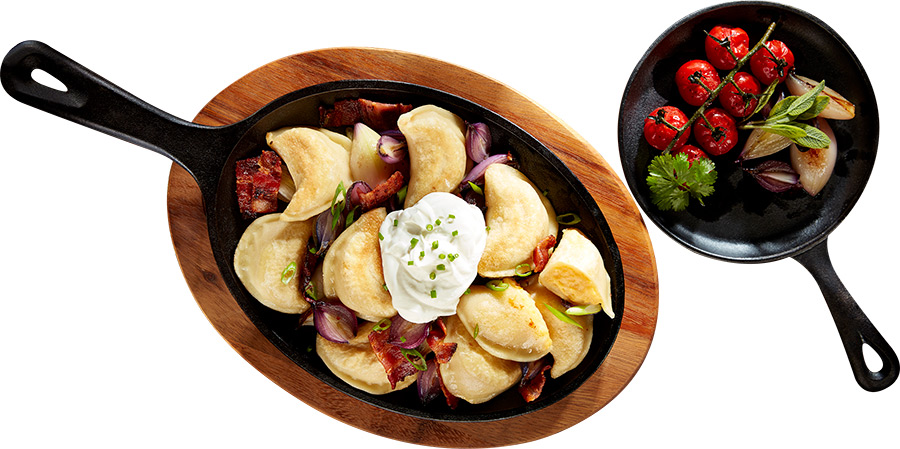
“The traditional [dumpling] flavours will always be favourites, but customers will be intrigued by chef-inspired offerings.”
James Keppy, National Culinary Manager at Maple Leaf Foodservice
A switch hitter
Easily mix and match doughs and fillings to create signature dumplings to reflect the style and personality of your operation. Remember to switch between cuisines — think an Asian dumpling wrapper with pulled pork, roasted jalapeà±o and corn filling or a chickpea and paneer tikka masala with dropped cilantro yogurt flour dumpling.
“Restaurants that have trained cooks creating signature dishes can add ‘from scratch’ dumplings to the menu,” says Keppy. “Often customers order products that they don’t make at home and dumplings fall into that category. But, it’s important to tell the story on the menu so customers appreciate the value of your ‘house-made’ offerings.”
He reminds operators that fillings for dumplings are most likely part of your existing mise en place like Maple Leaf’s industry leading RWA (Raised Without Antibiotics) pork and poultry products and plant-based proteins. The flavour combinations are limitless without an increase in pantry items.
The bases are loaded
Changing positions on the menu from an appetizer to a small plate, small plate to side or even to dessert attracts attention and interest. Don’t forget your delivery and take-out menus.
“Operators should consider providing small plate dishes as they tend to have a higher average price compared to appetizers. These flexible dishes are being used to cater to snacking and social occasions,” says Technomic’s report on starters, small plates and sides.
Spicy flavours are still leading flavour trends, however independents are cashing in on Asian-specific flavour trends by offering an eclectic variety of ethnic flavours, according to Technomic’s latest Canadian Ethnic Food and Beverage Consumer Trend Report. The key is balancing authenticity and accessibility.
The dumpling World Series starting lineup
| Type of Dumpling | Country of Origin |
|---|---|
| Mandu | Korea |
| Pelmeni | Russia |
| Samosa | India |
| Knish | Eastern Europe |
| Jiaozi | China |
| Empanada | Southern America |
| Tamale | Mexico |
| Bao | China |
| Ravioli | Italy |
| Pierogi | Poland |
| Gnocchi | Italy |
| Pasty | Great Britain |
| Coxinhas | Brazil |
| Momo | Nepal |
| Spanokopita | Greece |
| Kroppkakor | Sweden |
The go-ahead run
“For the past year, operators have been struggling to determine how they can balance increased costs from food and labour against having to raise menu prices. Premade dumplings are quick for service and create a consistent product,” says Maple Leaf’s chef.
This global team provides the flavour profiles your customers crave, while being light on your food cost budget. Rarely is a menu item such a well-rounded player. With dumplings on the menu, you’re sure to be in a league of your own.