
Home for the holidays? That’s a fact for many Canadians who are still grounded by COVID-19. But that doesn’t mean celebrating the festive season has to be a bust — for your guests or you.
Hanukkah, Christmas, Kwanzaa, and New Year’s are just around the corner, and many guests are already preparing for Zoom and other virtual holiday get-togethers. Even though many restaurants are closed or limited for eat-in business because of the pandemic, you can still offer special holiday and seasonal menus to capture some of those holiday dining dollars. Think festive takeout and meal kits to help your guests ring in the season.
- Tip: Do something seasonal with your takeout packaging. Use splashes of colour, add festive messaging on packages, wrap with bows or even tie with balloons. Christmas crackers and New Year’s hats can help turn takeout into memorable experiences.

Ramp up your meal kit service
Some of your guests will want to replicate the experience of creating that special holiday meal, whether they’re eating with close family or Zooming with a crowd of fellow diners. You can provide the inspiration, the ingredients, and the packaging while letting your guests feel they’re the chefs.
- Tip: Pre-prep your packaging and simple step-by-step instructions for a select group of holiday meals so you’re ready.
Offer “fancy” meals to go
While most restaurants with takeout and delivery are offering pared down, simple versions of their menus, there’s a niche for operators who also want to feature a gourmet menu for special occasions like the winter holidays. “Fancy” food still has a place with guests celebrating the season who don’t want the same old, same old menu items. For a higher price point you can feature a stylish, one-off menu, along with a good wine, that replicates a fine dining experience. Bon appétit!
- Tip: Ramp up your Instagram photography to show diners the fancy dishes that are just a click away.

Don’t forget cocktail kits
Now that many restaurants can add alcohol to takeout and delivery food orders, why not do something fun, like creating cocktail kits? In many areas, operators are not permitted to sell actual cocktails for delivery, but there is no law against sending deconstructed versions of your guests’ favourites. For instance, a Mexican restaurant could include the ingredients for a mojito — sealed bottles of rum, lime juice, soda water, sugar and mint. One bar in Toronto, Project Gigglewater, used Instagram to advertise cocktail kits ready for delivery with such names as “Keep Calm & Quarantine” and “Toilet Paper Greens.”
- Tip: Consider creating winter holiday-themed cocktail kits. Eggnog, anyone?
According to the Coffee Association of Canada, coffee is the most commonly consumed beverage among Canadians. In fact, in one year alone, 71% of Canadians, aged 18 to 79, consumed more coffee than tap and bottled water, tea, alcohol, milk beverages, juice, pop and other drinks. That’s a lot of joe!
Despite the number of coffee shops — both chains and independents — full-serve restaurants can certainly get a big piece of the coffee consumption dollar with a little bit of java savvy.
To be clear, we’re not talking necessarily about lattes and espressos. If your establishment is mainly focused on food and your coffee comes from a brewing machine in a regular pot it’s still a great opportunity to tap into this lucrative niche and up your coffee game. Here are some ideas to keep the pots flowing and your bottom line growing.

“Canadian Coffee Drinking Trends Study”
Don’t cheap out
Coffee drinkers are discerning and most look for a smooth cup with great flavour. You might even go so far as to say that, when it comes to breakfast and brunch menus, a low-quality acidic cup of coffee could impact a customer’s decision about whether to choose your restaurant over your competition. So, while it seems appealing to choose a lower-priced coffee, that may not actually be the best option.
And while the price may be $20 more per case, when you break it down, it adds up to fractions of a penny per cup. That small price difference could mean a big difference in taste.
Promote the right taste profile for your diners
75% of the market in Canada today prefers light to medium roast coffee. For the average, independent restaurant you can only serve one taste profile so it should be one that appeals to the largest percentage of the market. For that reason, you shouldn’t rely on the chef or owner’s personal taste in determining what coffee to serve your guests.
Don’t be afraid to compete with local roasters
Companies like Mother Parker’s, a privately-held, family owned business manufacturing and selling coffee, tea and some related beverages, find the bulk of their business is in the foodservice industry.
The best way for operators to compete with local roasters is by offering consistent quality, service and your restaurant’s great reputation. You’ve already got name recognition when you work with a branded company.
The best way for operators to compete with local roasters is by offering consistent quality and service.

To pod or not to pod
Interested in competing with the local coffee shops with their espresso and latte combinations? You might want to consider a pod or capsule machine. These sleek, compact coffeemakers have become a regular sight at even some of the finest Michelin-starred restaurants. They’re easy to clean and versatile, plus they are a fraction of the cost of fine espresso machines, which can run in the tens of the thousands – not only for the equipment but also the staff training (think baristas) and maintenance.
Top tips to up your java savvy
Equipment service, maintenance and cleaning
A properly working coffee brewer that provides the right level of water to coffee ratio means a consistent cuppa with the right taste profile:
- Check your machine daily to make sure it’s brewing a full pot — not too little or overflowing.
- Make sure your brewing temperature isn’t too hot or cold. Correct brewing temperature means the perfect extraction of flavours.
- Wipe the spray head daily with a wet cloth to ensure it’s not getting clogged and no grains are getting into the filter.
Upsell coffee
Customers are there already. Don’t let the opportunity slip away.
To your diners
- “Would you like coffee or tea?” Reminding customers can be enough to prompt a coffee or tea sale. Upselling your coffee course is also a great way to upsell dessert with beverage for as much as a 20% lift in the dining tab.
- Run a promotion like coffee with dessert specials.
- Have takeout cups and offer coffee to go. Here’s an added opportunity to brand your establishment and build good will.
To your waitstaff
- Train your waitstaff not to think of themselves just as order takers. They can be your greatest ambassadors in promoting every course of the menu, but they need to be trained to be top salespeople.
- Consider holding competitions for the server who upsells the most coffees and desserts in a week. The server who upsells the most gets a free meal or some other suitable incentive.
- Make sure servers don’t just offer beverages. They should be romancing the entire after-dinner menu, from coffees and desserts to after-dinner drinks.
- Train waitstaff to use suggestive language to upsell coffees and desserts. Instead of “anyone for coffee or tea,” consider “you really should try our special dessert of the day, and we’ve just put on a fresh pot of coffee.”
With this type of java savvy, you’re bound to keep your diners in their seats instead of heading to the local coffee shop.
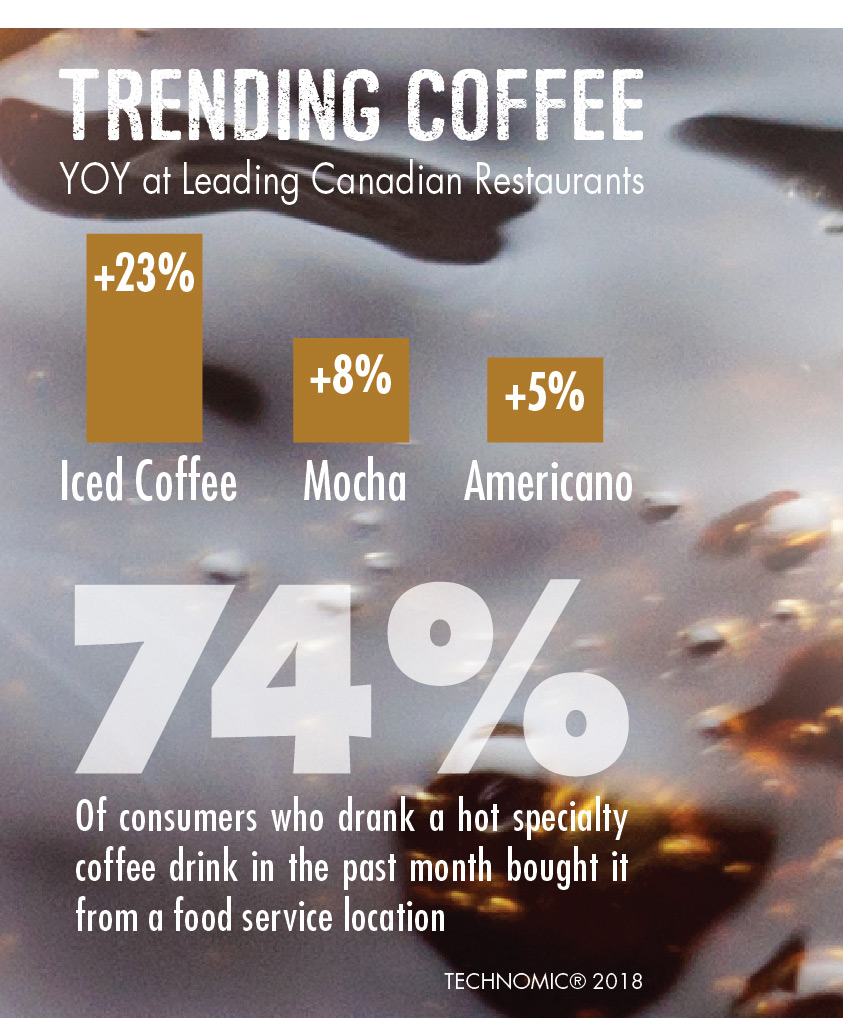


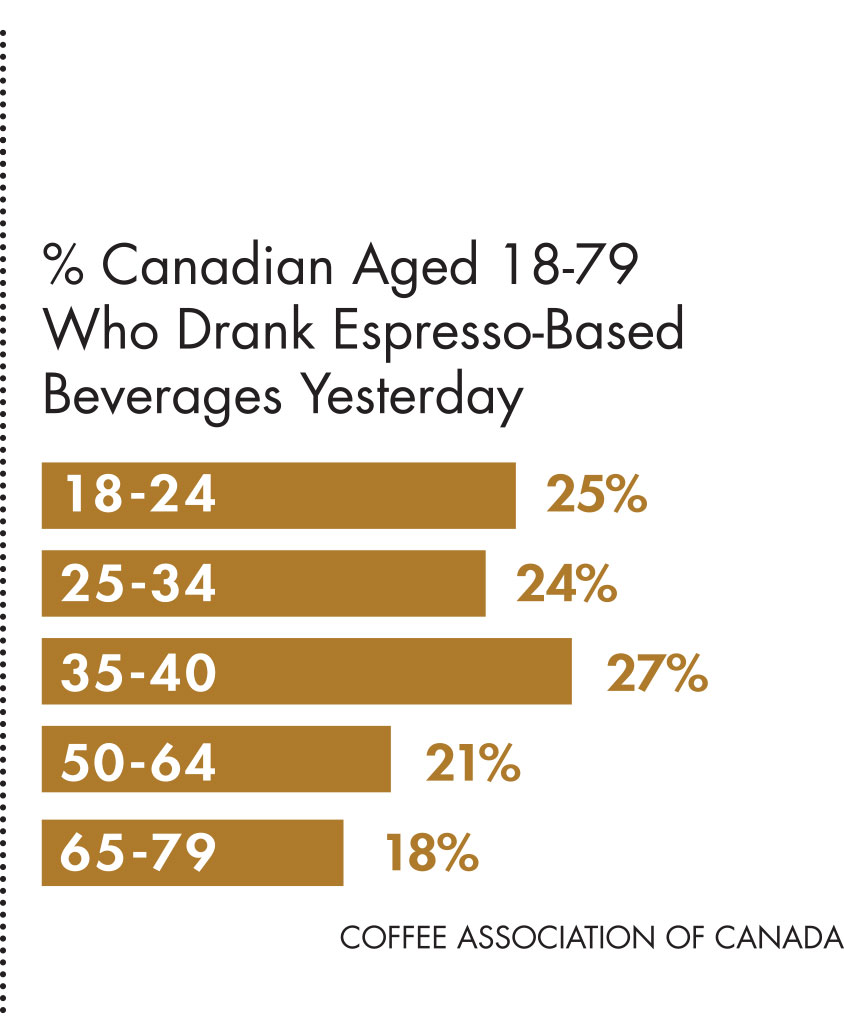
Coffee by the numbers – the coffee industry in Canada:
- $6.2 billion industry
- $4.8 billion sales in Foodservice
- $1.4 billion sales in Grocery / Retail Sales
Source: Coffee Association of Canada
Although it seems the odds may be against foodservice operators these days, winterizing menus with layered dishes can stack the deck back in your favour.
James Keppy, Corporate Chef for Foodservice for Maple Leaf Foods, wholeheartedly agrees.
“While layered entrées fall into the popular comfort food category, the important note for operators is that they travel well, hold their heat for delivery and can also be prepared and sold unbaked for customers to finish at home.”
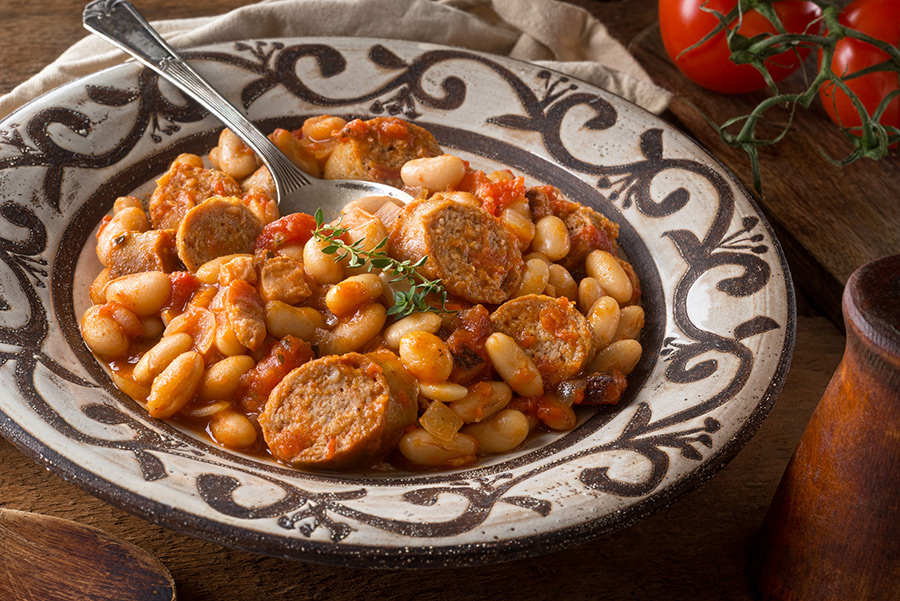
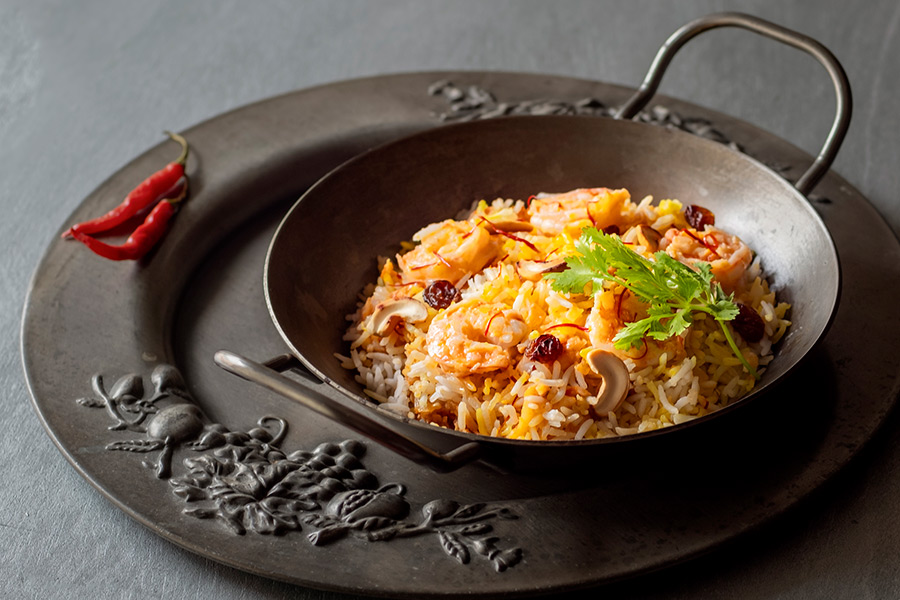
With layered dishes like shepherd’s pie, moussaka, biryani, pinon, cassoulet and chilaquiles (or sweet layers like tiramisu, fruit cobblers and parfaits), you can fortify your menu against the bracing storm.
Shuffle your ingredients
Canadian chefs have an amazing hand of ingredients to work with. With a simple shuffle, operators can pack and pile and heap and mound flavours to satisfy their customers’ cravings. Typically prepared in advance with cost-effective ingredients and sometimes even leftovers, layered dishes are convenient for operators yet a comforting and delicious choice for customers.
Comfort and classic mean different things to everyone. Take shepherd’s pie for instance: for some it can only be made with lamb, others only beef, and yet others are enamoured with just the idea of shepherd’s pie — saucy protein on the bottom, vegetable and root vegetable purée on top.
“The great thing about shepherd’s pie and all the other nationalities’ versions is that the ground beef can now be substituted with several equally good options. Where ground lamb was often replaced with ground beef, now we can suggest plant-based LightLife grounds and Field Roast Italian Sausage Crumble to offer flavourful ingredients for a traditional recipe. These can make for a vegetarian or vegan option of your dish and therefore making it available to more customers.”
Remember to go beyond just changing the protein. Vegetable combinations for the middle and unique mashes and purées for the top can elevate your stacked dishes and showcase the talents of your kitchen. Or take your dishes for a spin around the world to dazzle your customers’ tastebuds.
Shepherd’s Pie Variations
| Cuisine | Protein | Vegetable | Topping |
|---|---|---|---|
| Classic | Lamb | Carrots | Mashed Potatoes |
| Canadian (Cottage Pie) | Beef | Corn | Masked Yukon Gold Potatoes |
| Vegetarian | Lentils & Mushrooms | Carrots & Peas | Butternut Squash Mash |
| Vegan | LightLife Ground | Zucchini & Carrots | Cauliflower Mash |
| Indian | Chicken & Chickpea | Peppers & Green Beans | Spinach and Potato |
| Tex-Mex | Beef & Black Bean | Corn | Sweet Potato |
| Moroccan | Lamb | Tomatoes, Carrot & Celery | Sweet Potato |
Try plant-based
Plant-based is a big deal that’s here to stay. Whatever the reason — health, preference, ethical, religious or environmental — your customers are asking for more options. But, at the same time, they won’t compromise on taste.
The simplest approach is substitution. If up to now you’ve been a protein-centred establishment, take advantage of all the vegetarian options available.
“LightLife and Field Roast products include a varied list of plant-based products to use in your operation.”
James Keppy, Corporate Chef for Foodservice for Maple Leaf Foods
Keppy tells us, “LightLife and Field Roast products include a varied list of plant-based products to use in your operation. Grounds, sausage crumble, sausage patties, burgers, non-dairy cheese, hot dogs, pepperoni and chicken nuggets to start.”
Maple Leaf has made it straightforward and can add more plant-based options to your menu way beyond winter comfort foods.
“LightLife grounds look and cook the same as ground beef. They can be used to make meatballs, lasagnas and bolognese as well as allowing chefs to make their own signature dishes.”
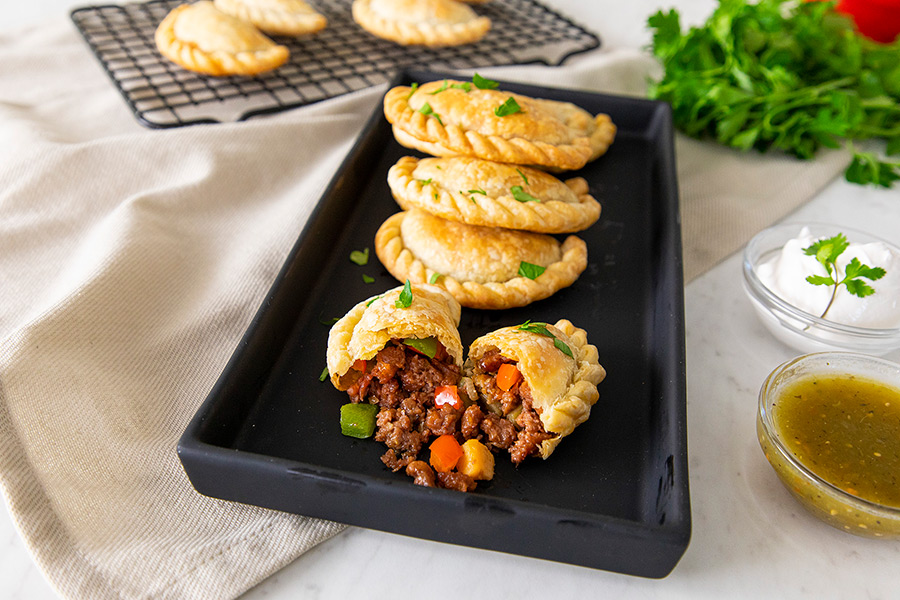
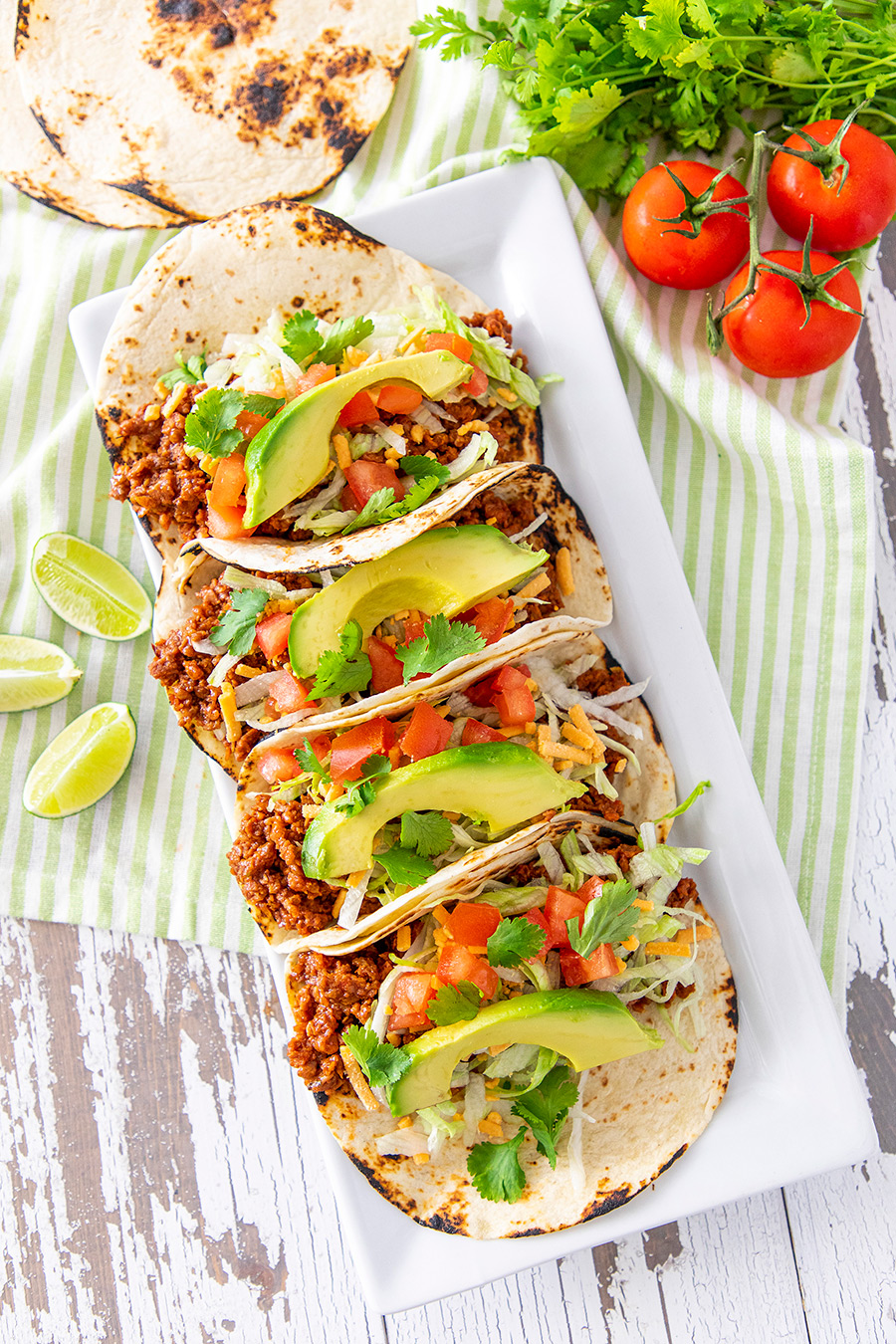
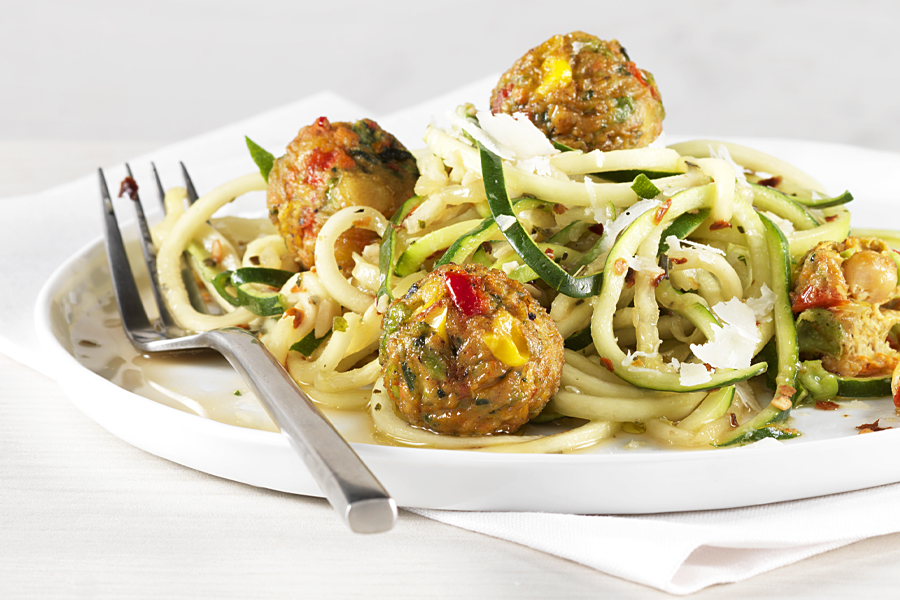
Traditional to Plant-Based
- Chicken Biryani → Chickpea Biryani
- Beef or Lamb Moussaka → Lentil Moussaka or LightLife Beef Moussaka
- Pinon → Black Bean Pinon
- Cassoulet → LightLife Sausage Cassoulet
- Chilaquiles → Vegetable Chilaquiles
Wild Card
It’s difficult to know what to expect this winter (not just talking about the weather), but one thing you can do is offer comfort through food using these winter favourites. As Maple Leaf’s Keppy said, no matter where your customers are dining, layered foods travel well for those picking up, are excellent for delivery, and also the option of selling unbaked for customers to bring warmth (and delectable scents) to their own kitchens.
At your table or theirs, play your stacked dishes and stack more of the odds in your favour.
As Canadians add layers to ward off the elements, they also crave menu options with added layers. Flavour, warmth and comfort are naturally built into layered foods and should feature on cold weather menus.
Enzo D’Adamo, sales and marketing director for foodservice at Grisspasta, agrees.
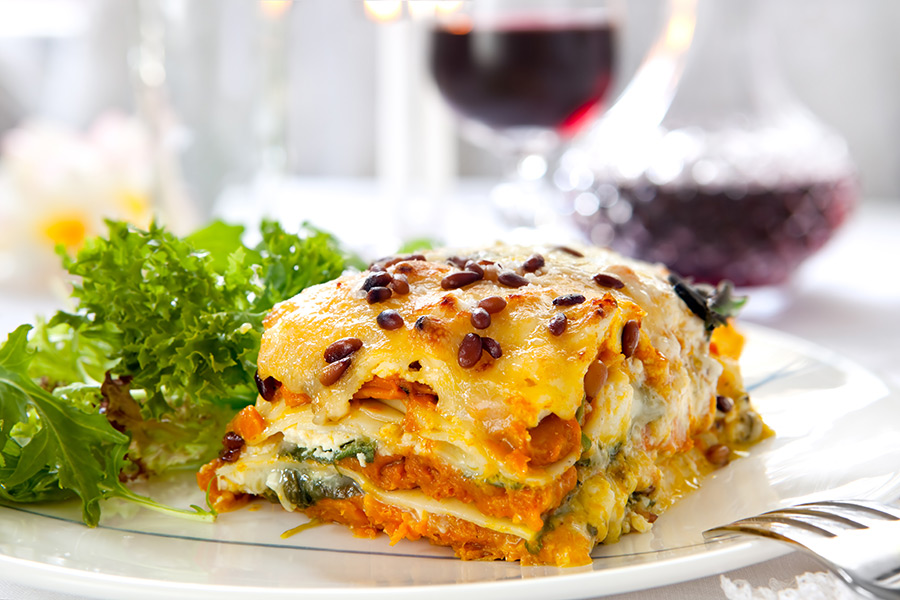
“Customers are looking for heartier meals when the temperature drops, and of course, pasta is one of those heartier dishes. Pasta dishes come back into vogue and should be prominent on winter menus — layered products like lasagna, stuffed cannelloni, filled jumbo shells, and macaroni casserole.”
Strong foundations to build on
Quality ingredients are paramount to build strong foundations. For pasta, that means using ingredients grown in Canada and manufactured in Canada.
“Lasagna, by far, is my favourite quintessential cold weather layered food,” says D’Adamo.
“For an operator, lasagna covers all the bases. It can be made well in advance, has great portability and longevity. Lasagna thaws and reheats to serve while maintaining great taste and texture profile. Lasagna is a no brainer for operators.”
Grisspasta is well known for lasagna in the industry and offers many types (10″, 20″, thin-style, oven ready). With products packaged for foodservice — 10lb box with 4 x 2.5 lb individually wrapped packs to maintain integrity of the product — this family-owned company always puts quality first.
D’Adamo reminds us that “pasta remains a favourite and has become even more so in our desire for comfort throughout the pandemic. Pasta lends itself to so many possibilities, is delicious and nutritious.”
Benefits of layered pasta dishes
- Time savers – making ahead and in large quantities
- Outdoor patio friendly — portioned and baked in ceramic, these dishes retain heat
- Infinite combinations — easily tweaked to fit season
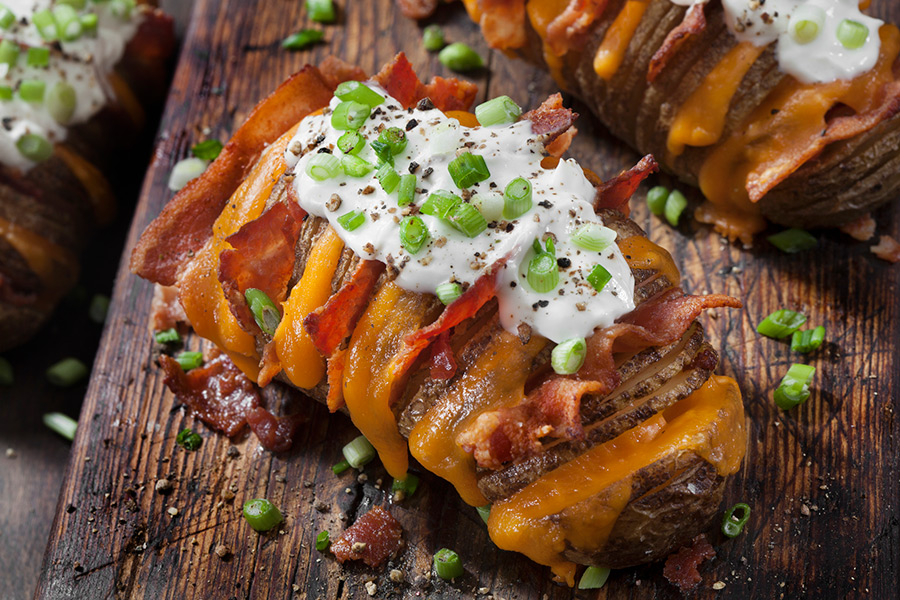
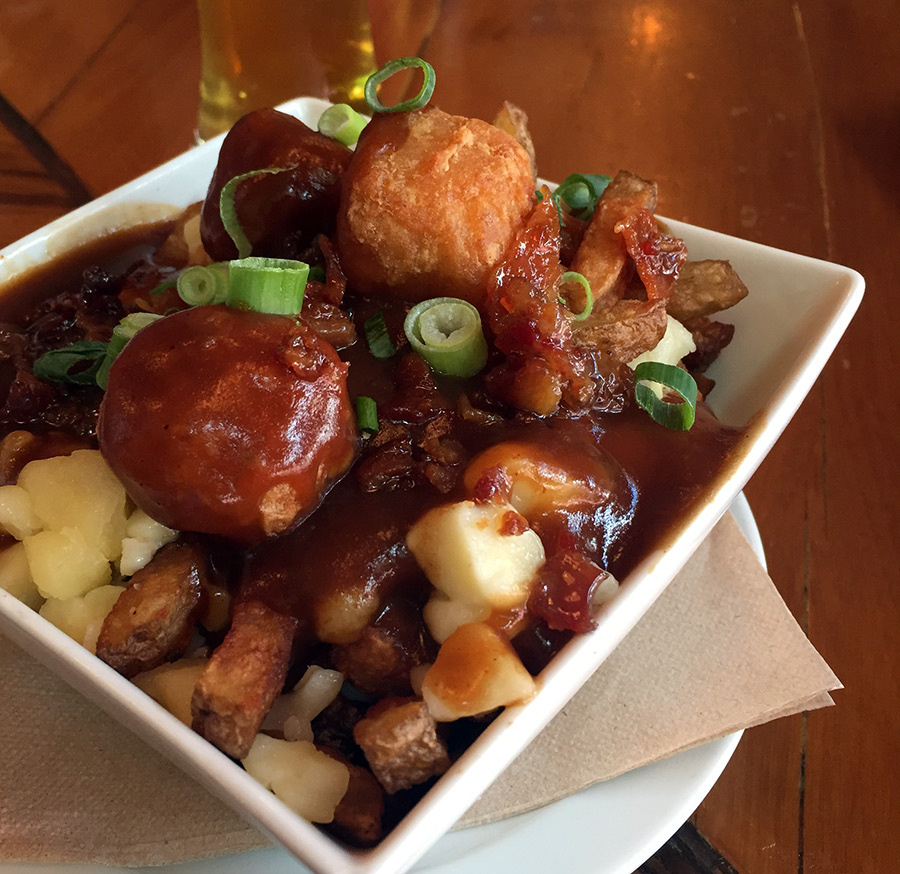
Towers of strength
Holding it all together is key to visually appealing layered dishes, whether open portioned or contained. Using an ingredient that provides strength but also brings flavour is a bonus.
“When I think of layered foods, I think of premium food, quality ingredients, taste variety and appetizing visual presentation — lasagna, casseroles, premium sandwiches and layered desserts,” says Steve Hutchinson, VP of marketing for foodservice, ingredients & export for Lactalis (Parmalat).
“Don’t underestimate the versatility of dairy in layered foods. Dairy is a fantastic ingredient. Cheese (hard, firm and soft varieties) is a great ingredient for taste variation and functionality (feta, fresh mozzarella, aged cheddar, etc.).”
And don’t count out cottage cheese, cream cheese, yogurt and whipping cream when assembling layered creations both sweet and savoury.
“When I think of layered foods, I think of premium food, quality ingredients, taste variety and appetizing visual presentation — lasagna, casseroles, premium sandwiches and layered desserts.”
Steve Hutchinson, VP of Marketing for Foodservice,
Ingredients & Export for Lactalis (Parmalat)
Building bridges (of flavour)
With a foundation of pasta and the strength of dairy, building hearty, quality layered dishes to winterize your menu is easy. The tricky part is choosing the combination that tells your story.
“Simply put, layered foods are a great way for operators to showcase their chef’s expertise and recipes that highlight their point of difference from other establishments,” says Hutchinson.
Customers’ flavour expectations are worldly. Yes, they love classics but they also desire more global mash-ups.
- Lasagna alla Bolognese → Butter Chicken Lasagna
- Spinach and Ricotta Lasagna → Harissa Roasted Vegetable Lasagna
- Pasta with Tomato Sauce → Pizza Pasta Skillet
- Greek Pastitsio → Southwest Style Pastitsio
- Classic Mac & Cheese → Chickpea Masala Mac & Cheese
Stack up layers and flavours to comfort customers and warm up your menu this winter.
Grisspasta/D’Adamo’s top lasagna tips:
- Never over-cook your lasagna. Stop cooking a minute or two before reaching al dente.
- Allow for rethermalizing. You also will have a product that resists breaking during assembly.
- Don’t use oil to separate pasta or lasagna sheets; oil will create a barrier on the pasta that will encourage the sauce to slide off.
According to Food Allergy Canada, over three million Canadians (9.3%), including almost 500,000 children, have food allergies. Reactions range from mild to life-threatening so those with food allergies must be vigilant when it comes to knowing the ingredients in whatever they eat.
Despite the daily challenges of managing food allergy, Canadians still enjoy dining out, so when they know you’re making their health a priority, and they can have a worry-free dining experience, chances are they’ll come back for more.
“Individuals with food allergies, and their families, are loyal, repeat diners,” says Beatrice Povolo, Director, Advocacy & Media Relations at Food Allergy Canada. “When they find a restaurant that can accommodate and provide them with a sense of confidence in their ability to manage their food allergy, they can be your biggest supporters and recommend your restaurant to others.”
Common food allergens
The most common food allergies, identified by Health Canada, the Canadian Food Inspection Agency (CFIA), allergy associations, and the medical community are peanuts, nuts, milk, eggs, mustard, fish, crustaceans and mollusks, wheat and triticale, sesame, soy, and sulphates (preservatives in foods and beverages). Anaphylaxis, the most severe reaction with rapid onset, can cause death.

Most people who know they suffer from a severe food allergy carry an EpiPen that contains a life-saving medication, but that’s not always the case. And even if they do, you don’t want to put your diners at risk. That’s why it’s so important that people who choose to dine out know that everything is being done to ensure they’ll be able to enjoy their meal worry free.
Good food allergy practices for operators
There’s no specific food allergy legislation or requirements for allergen risk management in Canada, so each operation is responsible for deciding how to manage allergens in their establishment.
Oliver & Bonacini Hospitality, with restaurants and event venues throughout Canada, takes food allergies seriously for all their dining experiences, whether restaurants, event spaces, or catering. Sarah Lawson, Sr. Manager, People, says staff are trained on protocols to ensure diners with food allergies are safe.
Communication and vigilance are key. For example, the managing chef oversees back-of-house from order in, to prep, and is the last person to check the food going out on the floor. Servers are told to input any information regarding allergens in the POS for both kitchen and bar as there can be allergy issues in both areas.
“Communication and training are the best things the operator can do… You’re building trust with your guests and obviously want them to feel comfortable and safe to dine with you.”
Sarah Lawson, Sr. Manager, People, Oliver & Bonacini Hospitality
Communication is key
“You can never overcommunicate when it comes to food allergy,” says Povolo.
“Communication and training are the best things the operator can do,” adds Lawson. “You’re building trust with your guests and obviously want them to feel comfortable and safe to dine with you.” This includes knowing about all allergens and their derivatives so when customers ask questions staff have the answers.
“Inviting diners to disclose their food allergy prior to ordering makes individuals with food allergies feel more welcomed,” says Povolo. “Having the opportunity to engage diners in this conversation is an important part of any communication process and should be standard in all foodservice operations.”
- Tip: Put a message on your menu and menu boards asking patrons to inform their server if someone in their party has a food allergy.
- Tip: List ingredients on your menu and website to help customers who opt for delivery or takeout orders.
- Tip: Use your social media platforms to spread the word that you’re allergy friendly.
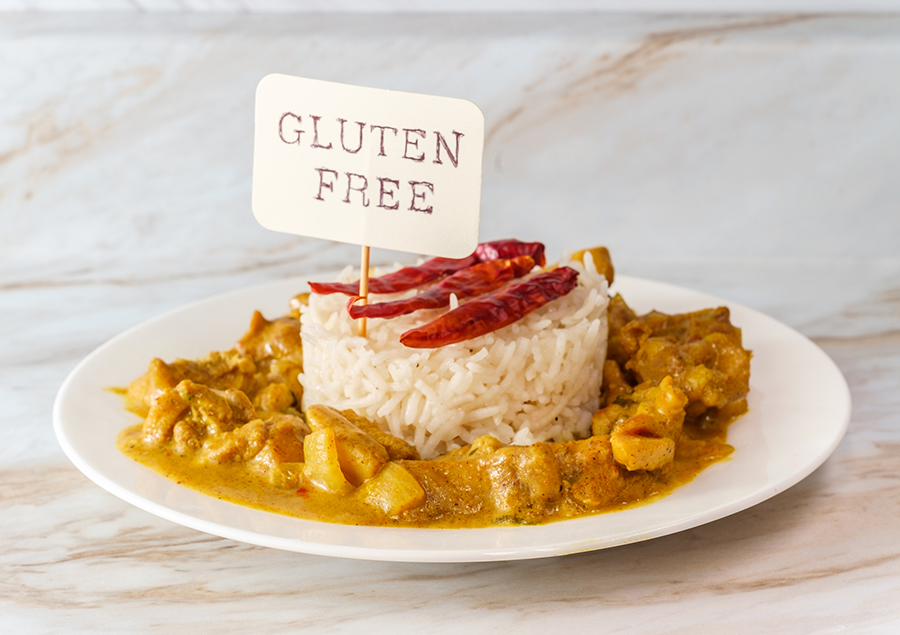
Allergy safe restaurants
Though it’s impossible for any kitchen to be totally allergen free, there are some simple things you can do to avoid cross contact or contamination — transfer of an allergen from food that doesn’t contain an allergen.
Back of house
- Wash and sanitize cookware, utensils, and equipment after handling food allergens.
- Remove food from surfaces with soap and water.
- Ensure prep cooks and chefs wash their hands and change gloves before encountering known allergens.
- If possible, use separate equipment for food prep that includes common allergens.
- Double check orders before they leave the kitchen.
Front of house
- Servers should ask about food allergies when customers are seated.
- Consider using different coloured plates to designate allergy-free meals.
- Have servers deliver allergen-sensitive meals separately, avoiding close proximity to other food plates.
“As food allergy continues to be a growing concern for many Canadians, being sensitive to this important consumer segment has the potential to be very good for business,” says Povolo.