
By this time most restaurants offering takeout & delivery have got the new routine down pat. But how about the opportunities offered by packaging to enhance your branding?
Make the most of takeout & delivery to advertise
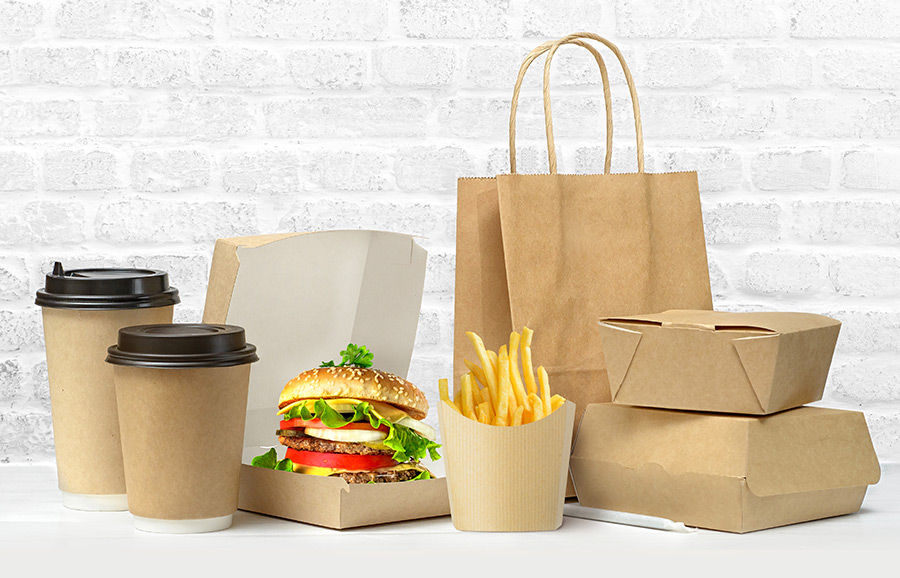
With the space available on bags and even the inside packaging, advertise your restaurant, new grocery/pantry (if you have one), and any special offers. It’s a quick, and inexpensive, way to increase your branding and keep your business top of mind with customers.
Consider biodegradable options
Your packaging can say a lot about your approach to sustainability. Consider swapping out plastics for more sustainable and compostable materials like bioplastics and sugar cane.
Cut the waste
Going more minimal with your packaging will not only save you money but also send the right message to your customers that you care about waste and excess. Check how much packaging you really need to deliver food without spillage.
Personalize your packaging
Here’s your chance to be creative at a time when restaurants are not fully reopened and more people are choosing to eat at home. Personalized packaging helps to further your brand. Try out new colours, fonts, logo — and consider adding inspirational messages.

TouchBistro asks:
- Do the materials you’re using align with your brand?
- Do the visuals and information on the packaging properly communicate your brand identity?
- Does the packaging speak to your audience?
- Does your packaging include relevant information (i.e. your website or social media handles)?
Because we all really do judge a book by its cover.
Flexible restaurant operators converted quickly from eat-in to takeout during the COVID-19 pandemic. And whether they’re fine dining, QSR or casual eating establishments, they’re finding it’s not as hard as you may think to revamp an eat-in operation. Also, according to infectious disease specialist Isaac Bogoch, the risk of contracting the virus from takeout & delivery is “so extraordinarily small” — good news for consumers and restaurant operators alike.
Still, perfect takeout & delivery are not a matter of just putting food into any old containers and hoping it makes the journey in one piece.
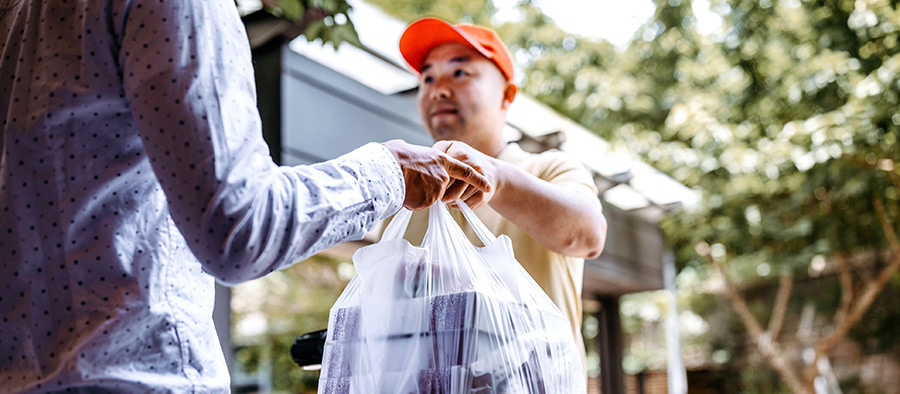
You may not be able to judge a book by its cover, but when it comes to foodservice, your takeout packaging had better hold up to scrutiny. More importantly, your takeout packaging has to stand up to delivery… and still look appetizing when it reaches its destination.
“With takeout, the customer is in control of when that food is consumed,” says John Veder, director of innovation – paper for Novolex North America. “For delivery, the customer is at home, waiting. Their expectation is that the food is ready to eat. Not soggy. Not cold.”
Must Have: The right packaging for the food being delivered
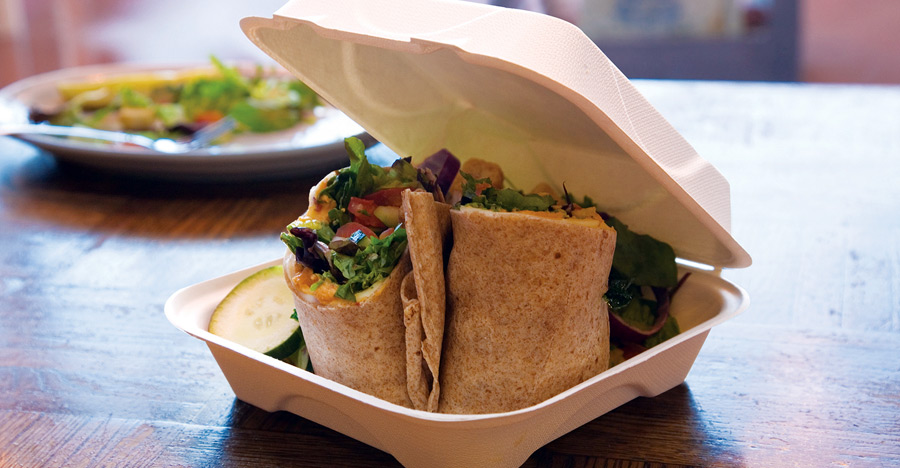
When food is delivered, customers see the packaging first, and they eat with their eyes. Is it clean, neat and tidy? You need to make a great first impression otherwise customers may not go to you for takeout again. That’s why Veder suggests ensuring the packaging is correct for the application in terms of size and material. “The packaging a french fry requires for travel is different than a pasta dish. And packaging will also depend on the miles or time it needs to travel.”
Must Have: Packaging designed specifically for foodservice
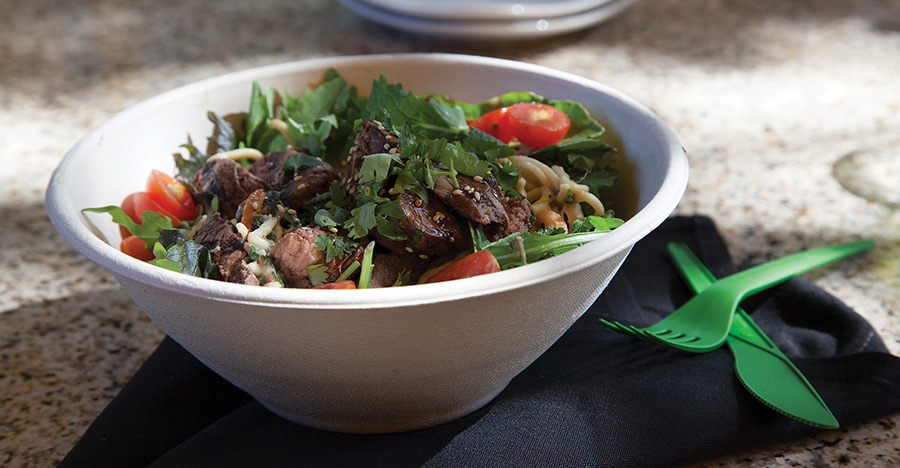
No one likes to pick up or receive soggy, leaking, messy or unattractive food packages. Companies like W. Ralston, Novolex and Polar Pak, a Novolex brand, feature packaging specifically for foodservice operations that include takeout & delivery, and also packaging that’s size-appropriate.
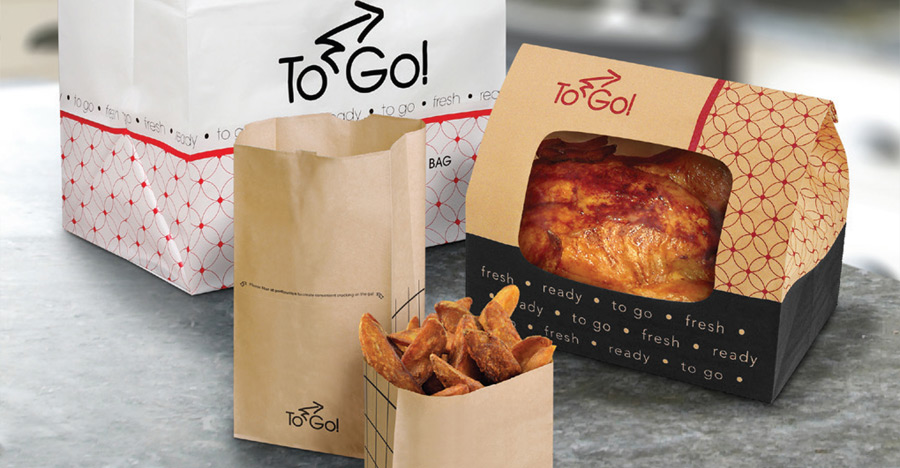
Must Have: Customizable packaging
Consider customizing your existing menu specifically for delivery, Veder advises.
Novolex’s innovation is driven by providing solutions to delivery (and takeout) packaging needs, offering a wide range of options with thermal properties, moisture resistance, visual appeal, and security. “Our load and fold bag offers functionality in terms of transport but also that tamper evident feature where a branded sticker could be added to give your customer peace of mind.”
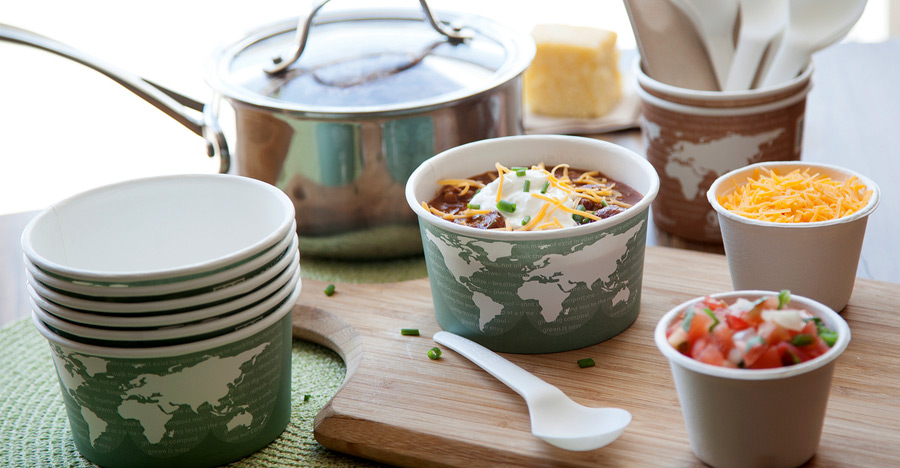
Must Have: Meal-in-a-package ease of use
Many of your guests turned to takeout & delivery because they couldn’t enjoy the eat-in experience at your restaurant. A winning strategy to keep your food — and your brand — front of mind is a mealkit approach to takeout & delivery. When they open the packaging at home, their order should as closely as possible resemble a restaurant meal you might serve. Attractively presented, appetizing, clean (as in, no drips or sogginess) — food that’s ready to eat and that leaves your customers with good feelings and continued loyalty.
 |
About the AuthorsJANE AUSTER & CHERIE THOMPSON |
Jane Auster is the editor of ChefConnexion.com. She has been a foodservice writer and editor for more than 30 years. Jane was the editor of Your Foodservice Manager, a national magazine for professionals in the foodservice and hospitality industry in Canada, and FoodBiz.ca digital site. She was also editorial consultant and managing editor for the relaunch of Flavours magazine.
Cherie Thompson understands foodservice from field to fork. A B.Sc. in Agriculture and experience in quality control, food science, product development, recipe development/editing, customer service, and teaching as well as owning and operating two independent foodservice operations have given her a unique perspective on the food industry.
COVID-19 has made the general public much more aware of restaurant cleanliness. Here’s your perfect opportunity to do the kind of deep cleaning that makes regular spring-cleaning look like a light dusting — and make it part of your routine.
“Cleaning is getting the visible; disinfecting is getting the invisible, the germs, the viruses.”
Cleaning Expert Mark Mellish, Owner of Saskatoon Janitorial
Here’s how to do it right:
Think like Mr. Clean
It’s not just about cleaning now, it’s about sanitizing. That means sanitizing all work surfaces (i.e., countertops, equipment, etc.) and focusing on key touchpoints (tables, chairs, door handles, credit/debit machines, self-serve kiosks, light switches, utensils/plate ware… anywhere hands can carry germs). Back-of-house and front-of-house should both receive heightened attention.
Institute a cleaning schedule
Even if you haven’t reopened to dine-in business and with fewer staff in place, you still need a rigorous cleaning schedule and checklist that you share with all employees. Hourly cleaning may sound excessive, but it will ensure your surfaces remain clean — and likely germ-free.

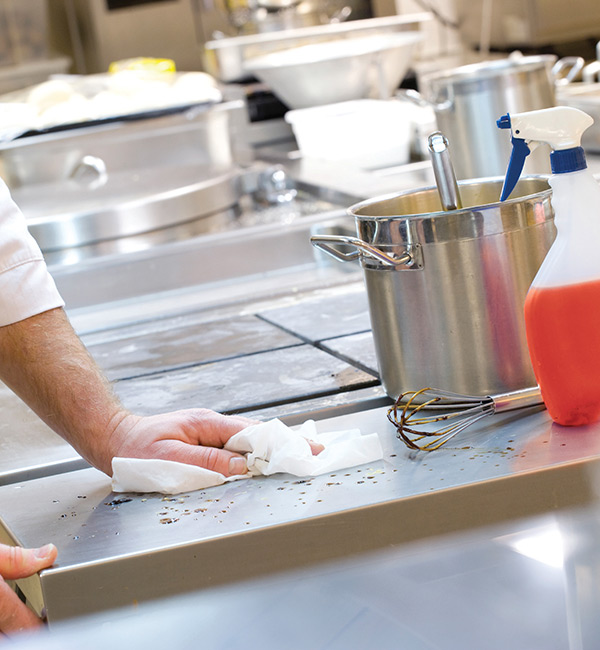
Read the labels
The fine print on cleaning products recommends how long to keep the disinfectants on the surface for them to be effective at killing germs. Also, make sure you’re using the right product for the right job. Homemade mixtures with vinegar, for instance, have not been shown to be potent enough against COVID-19.
Don’t forget your washrooms
While washrooms are removed from the kitchen and dining area, they, too, need extreme cleaning. That means toilets, stalls, hand dryers, toilet paper dispensers, sinks, waste bins, and any other people-facing equipment.
Mind your menus
If menus can be discarded, whether they’re made of paper or plastic, replace them with new ones. If you have laminated menus and this isn’t feasible, disinfect them carefully and “isolate” them from everyday use until it’s safe to return to more normal operations.
Remember, the little things count
Deep cleaning means taking into consideration even the smallest items, such as the salt and pepper shakers. Empty them before cleaning and allow them to air dry before refilling. Empty and thoroughly clean any other tabletop food containers, like ketchup, mustard and vinegar dispensers.
Give walls, curtains and blinds a thorough cleansing
COVID-19 is a respiratory virus and not considered to be a food-borne illness. To be on the safe side, clean vertical surfaces, which may carry air-borne pathogens.
Let your customers know
Use social media and signage in your front window to tell diners what steps you’re taking to keep your operation clean. Use this as an opportunity to keep in touch and keep customers informed and loyal. They’ll thank you for the care you’re taking.
In our digital age the influence of a titled food critic’s opinion has been replaced by the emergence of guest review websites, social media, and food influencers. Food critics per se are not as common as they used to be, however the thorough process that notable food critics follow is extremely useful in understanding how your operation stacks up.
Unlike unforgiving guests who often give you one chance to make it, food critics never dine just once at a restaurant and they often wait until a few weeks post opening to test it out. To gain a deeper understanding of how your restaurant brand is actually performing, it’s critical that you maintain operational check-ins regularly to see the level of consistency in the service, food quality and overall brand experience.
So, put on your food reviewer hat, it’s time to put your own operation under the microscope.
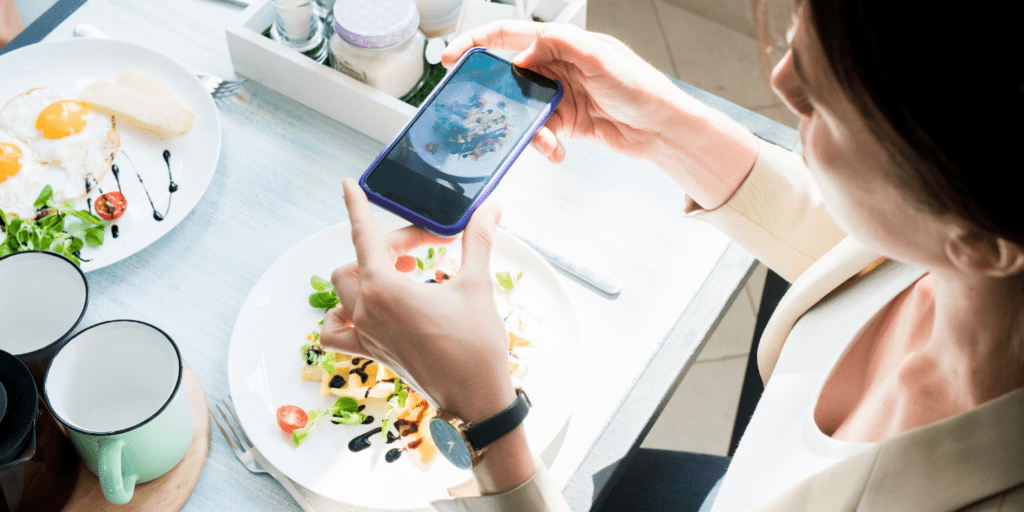
Investigate the competition
Dine at your competitors on a regular basis to get a true picture of the lay of the land. Make notes of what they are doing well and not so well, and overall how their service, food, and brand stack up to yours
Take a seat at your own table
In addition to regular tastings for quality control, invite a few guests in for a complimentary experience that you can trust will offer an authentic opinion. Sit at the table with them to see your operation from the guests’ perspective.
- TIP: To maintain a typical experience, refrain from letting your service and kitchen teams know in advance that you will be dining in!
Review each guest touchpoint
Every touchpoint in your restaurant needs to be representative of the experience you want to offer your guests. Take the time to review each brand touchpoint; you know your biggest critics will be!
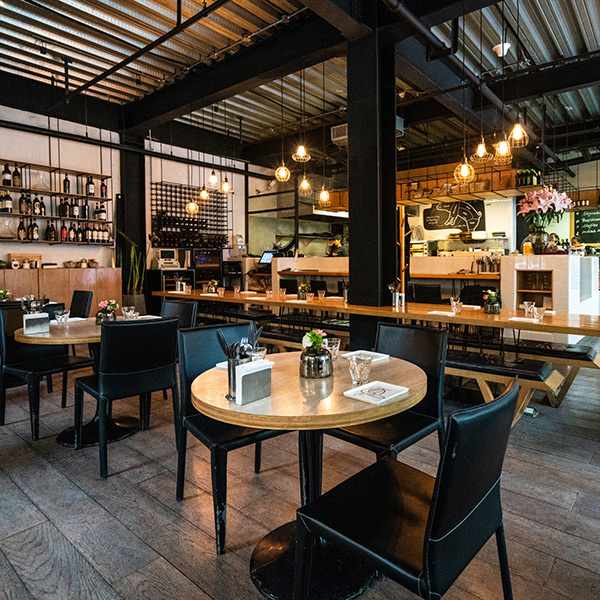
- Exterior design and décor — entranceway, front signage, patio, sidewalk, parking area, planters and foliage. Ensure these first impression zones are clean, up to your brand standards and guest expectations.
- Entrance and greeting area — doors, lighting, floor mat, greeting stand. The first greeting and entrance to the space set the tone for the guests’ dining experience.
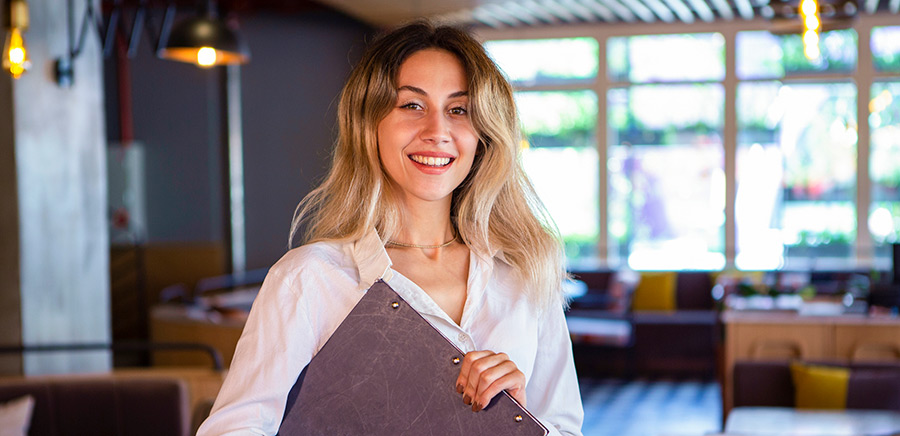
- Team attire and presentation — ensure the team attire is professional and aligns with the personality of your brand, whether it is causal or upscale.
- Interior design — floor layout, lighting, flooring, wall designs, accent décor, signage, floral and live plants, window coverings, bar design, washrooms, menus — each detail must be consistent with your overall brand experience.
- Music — this sets the tone and the mood for your space. It needs to suit your guest demographic, ideally changed for the time of the day, and matching and enhancing the vibe of your brand.
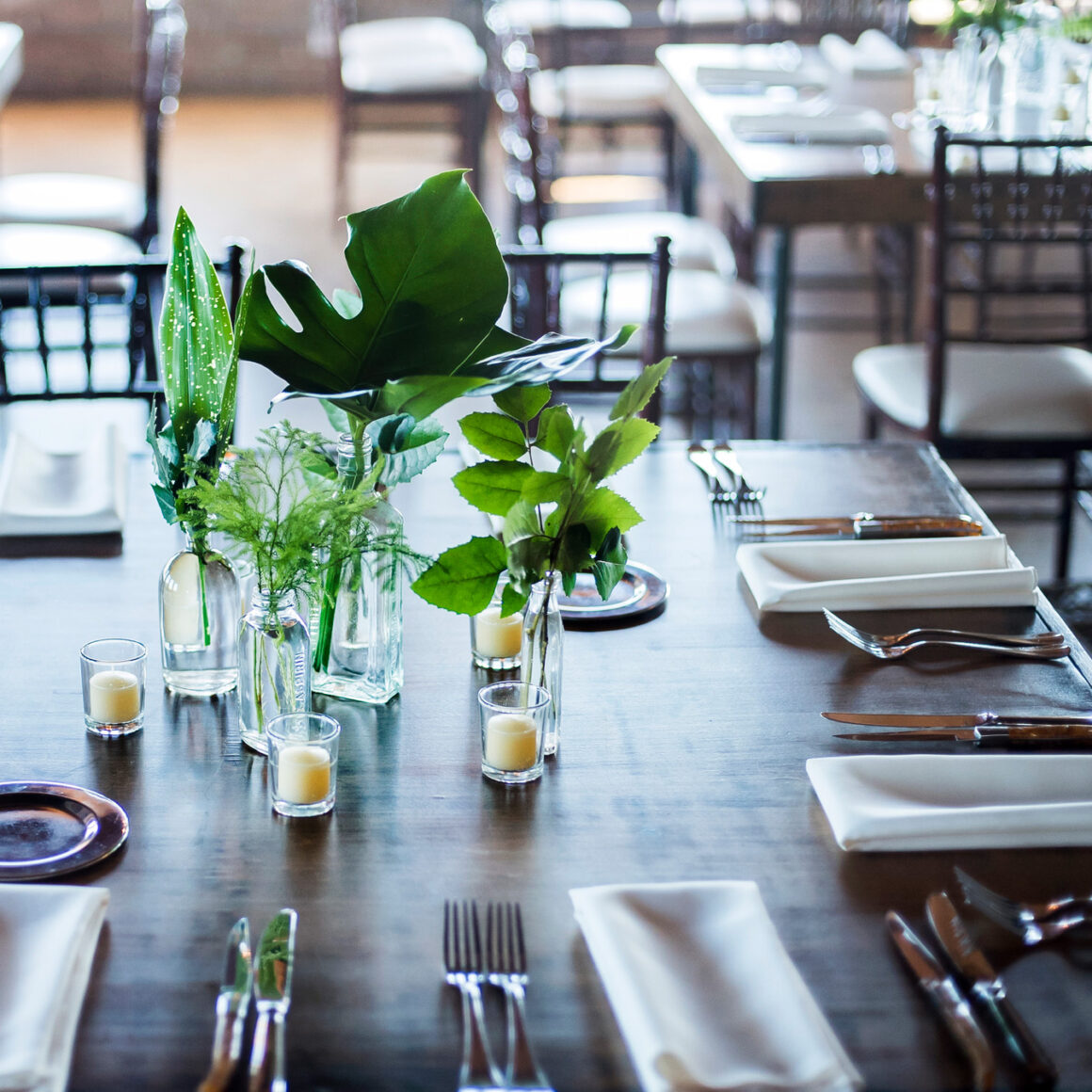
- Table setting and arrangement — whether you’re a modern upscale restaurant or casual vibrant pub, your table setting needs to provide guests with the tools and information they need to understand your restaurant offering and enjoy what’s to come, without having to ask.
- Kitchen and server stands — guests have eyes and ears open to what’s going on in the restaurant, so be alert to how your team is congregating in visible areas.
- Service — professional, caring and consistent service is essential in running a successful restaurant operation.
- Quality — the presentation, the quality and the freshness of dishes and drinks is your number one biggest factor for success or failure. Just like a food critic, trying all menu items at various times will give you a true sense of quality consistency.
These three practices will provide beneficial insight into your operational opportunities for improvement, and the changes needed to achieve a 5-star review.
PrintCoconut Breaded Chicken Wings with Mango Chili Glaze
- Total Time: 45
- Yield: 10–12 1x
Ingredients
Slurry:
- 1 tbsp (15 ml) corn starch
- 1/4 cup (60 ml) water
Mango Chili Glaze:
- 500 g frozen mango pieces
- 1/4 cup (60 ml) water
- 1/4 cup (60 ml) granulated sugar
- 2 tbsp (30 ml) soy sauce
- 3 tbsp (45 ml) garlic chili paste
Coconut Dusted Chicken Wings:
- 2 kg Reuven Plain Steamed Chicken Wings
(Product Code 35001 or 35002), thawed - 1 cup (250 ml) all purpose flour
- 1 tbsp (15 ml) salt
- 1 tbsp (15 ml) black pepper, ground
- 2 eggs, whisked
- 1/4 cup (60 ml) milk
- 3/4 cup (190 ml) panko bread crumbs
- 1 cup (250 ml) sweetened shredded coconut
Instructions
- Slurry: In a bowl add corn starch and 1/4 cup of water, stir to a slurry like consistency and set aside.
- Mango Chili Glaze: In a medium sauce pan over medium heat add sugar and 1/4 cup of water, stir and bring to boil. Add mango, soy sauce and garlic chili puree. Remove sauce pan from heat and blend to a puree like consistency.
- Return sauce pan to heat and stir in slurry. Heat until desired consistency is reached and keep warm.
- Coconut Dusted Chicken Wings: Create a three stage breading process.
- Stage 1 — Mix AP Flour with salt and black pepper
- Stage 2 — Mix together eggs and milk
- Stage 3 — Mix Panko breadcrumbs, coconut and thyme
- Deep fry wings after the 3 stage breading process for 5 minutes at 350°F (180°C). Plate prepared Coconut Dusted Chicken Wings on a bed of Mango Chile Glaze.
Notes