
How do foodservice operators plan for the unknowable? While not recommended, surviving a previously unimaginable experience — like the first wave of a pandemic — is one way.
Before Canada confirmed its first COVID-19 case in late January 2020, dining out was something operators and patrons took for granted. But in March all provinces prohibited in-restaurant dining. During the summer, eateries could reopen, but with restrictions in place.
As we face the unknowns of the upcoming colder months, it’s timely to reflect on lessons for the foodservice business learned during the pandemic to date:
Income and expense management
Statistics Canada reports that sales in foodservice and drinking establishments fell 36.6% in March. David Lefebvre, VP, federal & Quebec for Restaurants Canada, says a top lesson is “the necessity to have multiple streams of income.” Operators who were able to pivot to alternative income strategies like takeout, delivery, grocery services, and meal boxes were generally more successful.
Both Lefebvre and Jeff Dover, principal of foodservice and hospitality consultants fsSTRATEGY INC., point to the need to also reduce expenses to withstand lower revenues.
Communicating protocols and compliance
Communicating safety measures is increasingly important, Dover says. “Best practice has become making sure cleaning and sanitation is visible,” for example, by seating guests at unset tables and then giving them disposable menus and sanitized cutlery.
Lefebvre advises operators to respect all public health requirements, “because you definitely don’t want a second wave to close you. We want to make sure that restaurants are seen as part of the solution, not part of the problem.”
Customer relations and experience
The pandemic has highlighted the importance of the core relationship with the customer, Lefebvre says. Patrons want to support restaurants they have good relationships with. Dover advocates that operators connect proactively with their guest base and listen to their feedback.
Sylvain Charlebois, senior director of Dalhousie University’s Agri-Food Analytics Lab, says restaurants have been open and transparent in communicating their need for support to the public. “The tone was right too, and I think people showed up.”
Despite measures like physical distancing, masks and plexiglass barriers, guests can still enjoy the customer experience while feeling safe. Charlebois says operators have “done a pretty good job just allowing people to forget about things and relax and enjoy their time there.”
Staff relations
As Lefebvre notes, operators with positive labour relationships were better able to survive pandemic-related business disruption. This included closures, operational changes, the impact of government support programs like work-sharing agreements, and a more challenging work environment.
Embracing technology
Customer demand for contactless payment increased during the pandemic, and Dover says embracing technology is a major lesson. “Mobile order and pay, apps, websites, etc. were around before the pandemic and increasing in popularity; however, adoption rates have soared. We are three years ahead in technological acceptance to where we were before the pandemic.”
“We want to make sure that restaurants are seen as part of the solution, not part of the problem.”
David Lefebvre, VP, federal & Quebec for Restaurants Canada
These lessons have better prepared operators for the fall and winter challenges ahead, including the end of patio season, ongoing physical distancing, PPE requirements, and changes to government support programs.
What about future catastrophes?
But has the pandemic better prepared Canada’s foodservice operators to survive as yet unknown catastrophes like fires, floods, or other public health crises?
Charlebois points to foodservice operators’ collective resiliency. And Dover says, “going through the COVID pandemic will make operators better prepared for the next challenge; however, I think operators are able to react to whatever challenges come.”
Lefebvre says the pandemic itself has been a worst-case scenario, and those who survive it will be better at making contingency plans for future worst-case scenarios.
What do Hank Aaron, Bill Clinton, Mike Tyson, Thomas Edison, and Nikola Tesla have in common? The tie that binds them is their vegetarian/vegan diet.
Our ancestors started eating meat about 2-½ million years ago — probably as scavengers, having stumbled upon a half-eaten carcass. Since then, we’ve been omnivorous — eating a mixed diet of meat and plant-based foods.
It wouldn’t be an exaggeration to suggest that consumption of meat was the key to our success as a species. Mark Thomas, professor of evolutionary genetics at University College London, estimates that the human brain grew three times in size after introducing meat into our diet. Our larger brains enabled higher cognitive abilities, which facilitated our ability to compete and propogate within hunter-gatherer social groups.
As CBC producer Kevin Ball opined in his podcast, The Matter of Meat, for humans “there was a correlation between IQ & BBQ.”
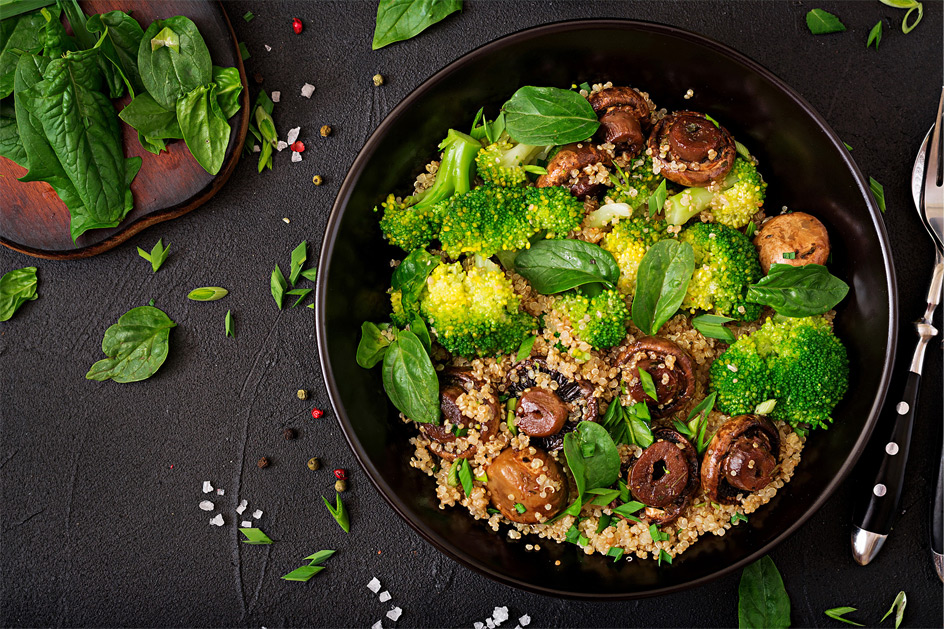
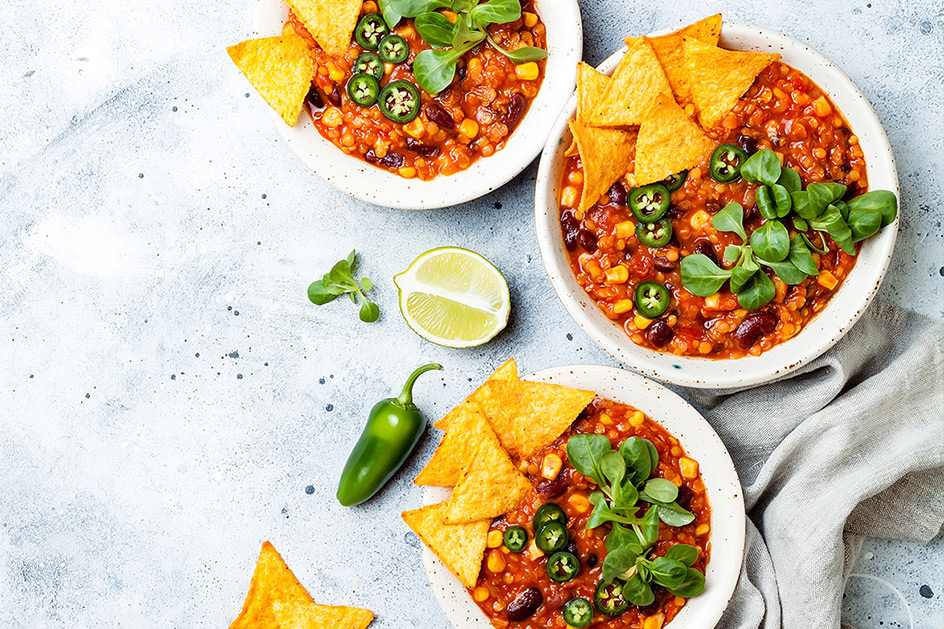
Plant by numbers
In the Autumn of 2018, Dalhousie University published an extensive report on the eating habits of Canadians. At that time, roughly 7 per cent of Canadians considered themselves vegetarians and roughly 2 per cent identified as vegans. More than half of these vegetarians/vegans were under the age of 35.
In addition, the study found:
- Over six million Canadians reported dietary preferences which reduce or eliminate meat consumption
- Fully one-third of Canadians were thinking of reducing their meat consumption over the next six months
- The majority of Canadians had considered making an effort to reduce meat consumption
The report’s author, Dalhousie University’s Dr. Sylvain Charlebois, has followed on with regular fieldwork over the last two years, to plot this trend. Based on the research conducted in January 2020, Dr. Charlebois estimates vegans now represent 2.5% of the population, and that over 16M Canadians could potentially be following a diet that restricts or eliminates meat consumption by 2025.
“…vegans now represent 2.5% of the population, and… over 16M Canadians could potentially be following a diet that restricts or eliminates meat consumption by 2025.”
Dr. Sylvain Charlebois, Dalhousie University’s
Online community
Increasingly, we live our lives online. Social media provides a powerful window into the collective zeitgeist.
According to Google Trends, over the last five years “Vegan” has been trending up as a web search topic, while “Vegetarian” has been relatively stable and reflecting less interest among consumers.
The Google Trends graphic displays interest relative to the highest point on the chart for Canada since 2015. Vegetarian has had a value of 25 relative to the peak value of Vegan, indicating about one-quarter the amount of search incidence. The data underscores the growth of Vegan, with particular strength in BC and Ontario.
Google Trends — Canadian Web Searches for “Vegan” and “Vegetarian”

Pinterest Canada Account Director Ashley Shantz reports that more people than ever before are turning to Pinterest for well being and self-care, and that includes trying new lifestyles such as veganism. Pinterest searches for veganism in Canada were up +50% in June 2020 compared to the prior year.
Veganuary
“Veganuary” is a registered British charity encouraging consumers, at the beginning of each year in the month of January, to try a 30-day vegan plant-based diet. In 2020, over 400,000 consumers from nearly 200 countries signed up for the challenge, up from 250,000 in 2019. The highest participating countries were the U.K., U.S., and Germany. In 2018, 5,500 Canadians signed up for the challenge. This number rose to over 7,000 in 2019.
In the 2020 follow-up survey with participants, it was reported that the biggest challenge to sticking to their vegan diets during Veganuary was “eating out.” Given that nearly 75% of participants stated their intention to “continue with a vegan diet after (their) Veganuary pledge,” the opportunity for foodservice operators to expand vegan and plant-based offerings is clear.

Staking a claim
According to Technomic Canada’s Ignite Menu database, there has been a +10% increase in operators menuing plant-based items in Q2-2020 versus Q2-2019. Sophie Mir, associate editor at Technomic, reports that plant-based menu mentions increased by over 25% year-over-year.
The upscale BC-based chain, Earls, has embraced the vegan opportunity. Earls introduced a permanent, dedicated vegan menu in all its restaurants in 2018, including Spicy Tofu Tacos, a Crispy Tofu Zen Bowl, Avocado Toast, a Vegan Field Greens Salad, Vegan Hunan Kung Pao, and a Vegan Quinoa and Avocado Power Bowl.
Earls has also mirrored popular menu items, like its Dragon Roll, in a vegan-friendly version: The Green Dragon Roll – with yam, mango, and cucumber, topped with nori.
Where there’s fire
Increasingly, it appears, the pro-plant arguments are finding broader ground. As an operator, there is another very practical justification for meeting the emerging demand for vegan fare. Given the higher margins to be made on meat-free appetizers, sides, and centre-of-plate items, expanding your plant-based menu may add juice to both your top line sales and bottom line results.
While it’s likely that our long-ago ancestors initially started eating meat by accident, it is now, ironically, an evolved understanding and more informed sensibilities guiding us back to our herbivorous roots.
In late 2019, after years of hype and anticipation, Eataly opened its first Canadian operation in Toronto, joining a global empire of 40 stores, encompassing close to 50,000 square feet and employing 300+ people. It’s been described by Sylvain Charlebois, a professor of food distribution and policy, and director of the Agri-Food Analytics Lab, at Dalhousie University, as “an Italian-only food court on steroids: nine restaurants, a cooking classroom, a wine bar, a brewpub, a grocery area and even a mozzarella-making counter, all in one spot.”
As he told me, “these food halls appeal to patrons in a hurry looking for convenience solutions, eating on the go, grabbing on the go, as individuals or as a group. The reality is that more and more people will spend an increasing amount of money on food spent outside the home, a trend that will only continue to grow. That’s why the line between foodservice and food is blurring. Food halls are really smack in the middle.”
Eataly (though it does not refer to itself as a “food hall“) — and operations like it (Time Out Market is another big food hall that’s come our way) is part of a growing trend in Canada that, according to Technomic’s Canadian Emerging Channels Consumer Trend Report, speaks to urbanization, the influence of ethnically diverse younger consumers and the popularity of communal experiences.
Food halls, unlike the food courts of the past, are destinations in themselves, often showcasing local chefs, independent operators and global tastes. Many food halls are hyper-local in that they reflect their communities’ tastes so that consumers are able to find everything from fresh pasta to smoked meat sandwiches, depending on the location and its population.
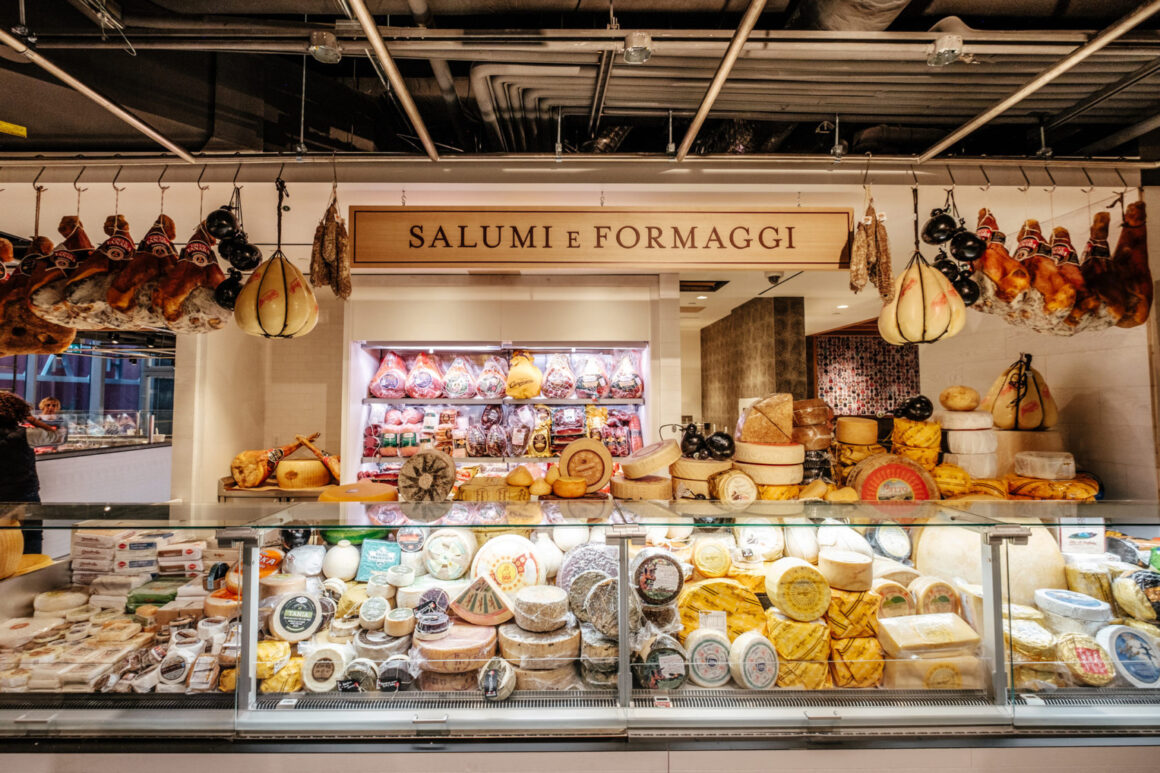
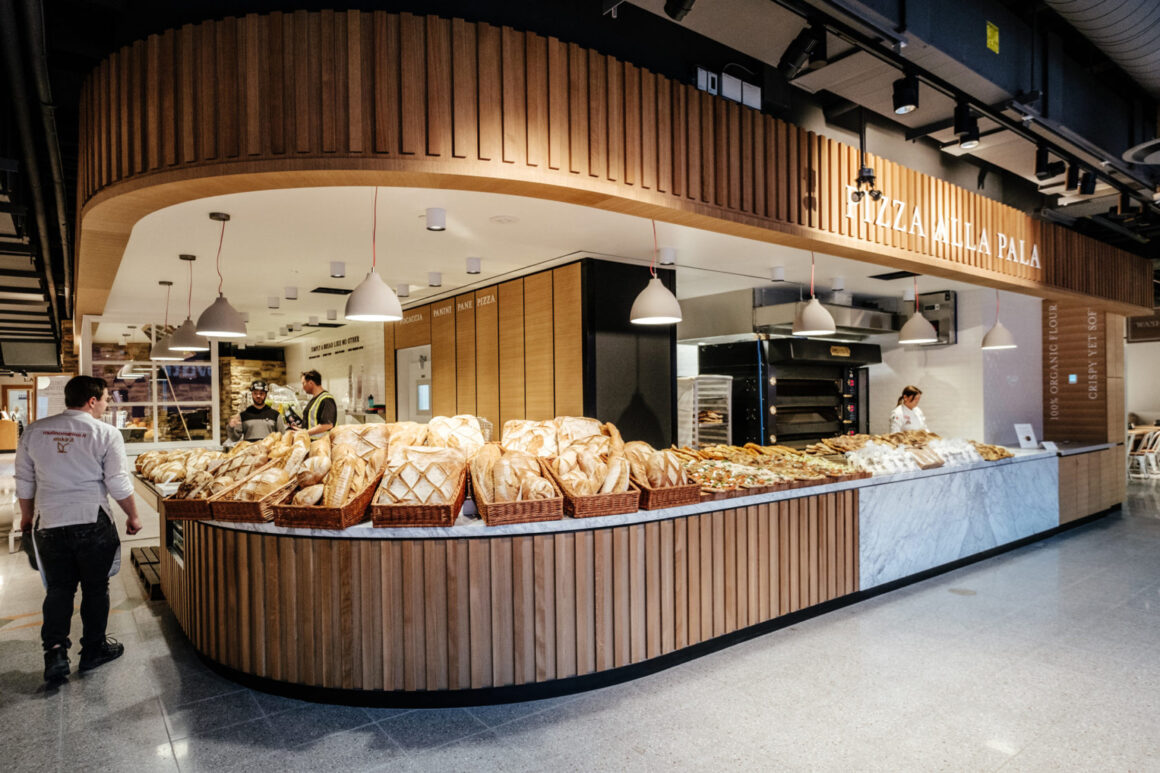
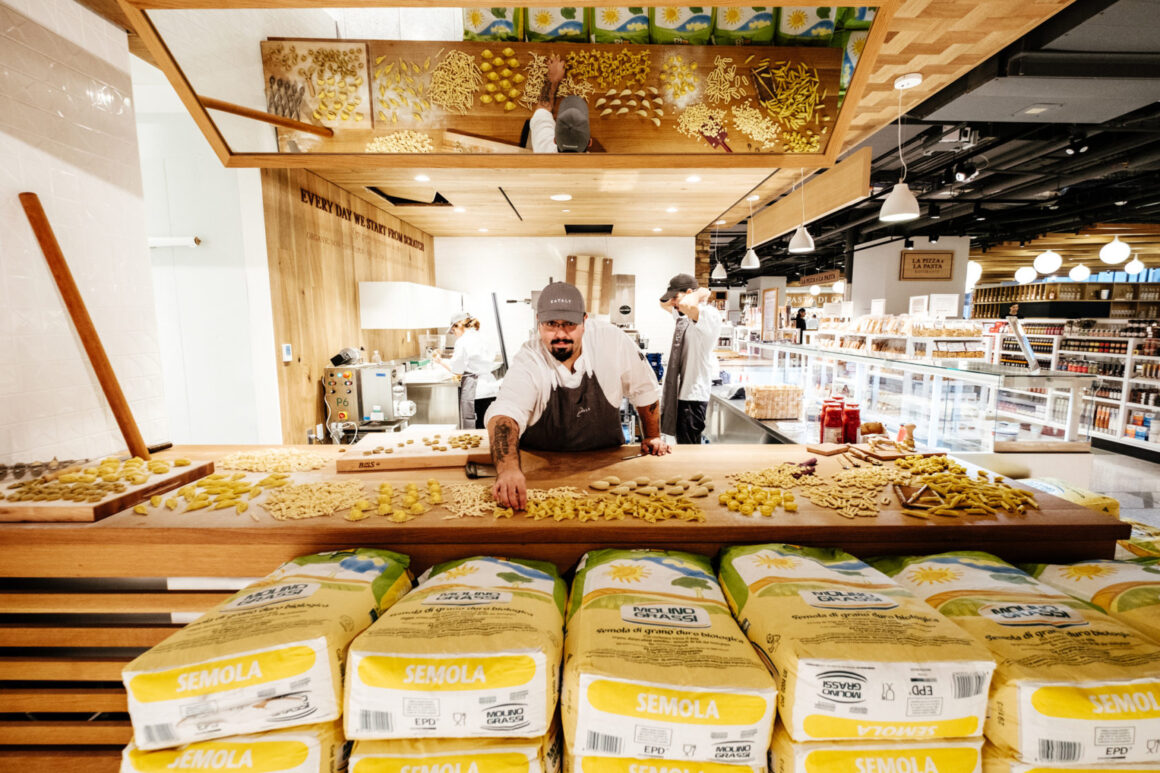
And, as with so many other foodservice trends, it’s mainly Millennials driving the interest in these new foodie havens.
- While 15% of consumers visit food halls at least once a month, the number jumps to 26% among consumers aged 18-34 and 28% among men aged 18-34.
- 28% of consumers aged 18-34 are visiting food halls more often compared to two years ago.
- When it comes to food halls, variety and a sense of discovery are key. Overall, 75% of food hall users at least somewhat agree that food halls introduce them to dishes they have never tried before, and 73% say this channel introduces them to locally owned restaurants they were not aware of before. As a result, consumers often want to try as much as possible, with roughly a quarter saying they typically order multiple dishes from different stations when they visit food halls.
Source: Technomic’s Canadian Emerging Channels Consumer Trend Report
“…it is capturing the energy of food markets, restaurant rows and street food from around the world and making it more accessible and fresh.”
Lisa Hutcheson, Managing partner, strategic planning, operations, human resources with J.C. Williams Group
Are food halls here to stay?
Despite their recent entry into the Canadian market, food halls appear to be here to stay — trend rather than fad. “They already are [here to stay] and in continuous development,” says Lisa Hutcheson, managing partner, strategic planning, operations, human resources with J.C. Williams Group. “This is actually more grassroots than most give credit for… it is capturing the energy of food markets, restaurant rows and street food from around the world and making it more accessible and fresh.”
Threat or opportunity?
Should more traditional foodservice operations — independent restaurants, fast casual chains, family dining spots — be quaking?
“It depends on the operator’s skill to recognize and position themselves to capture the market share they need to survive,” adds Hutcheson. “Operators need to understand where they fit in the marketplace.“
Plus, they need to know what their guests are looking for and whether they’re meeting those changing needs. “You need to be proactive and not take anything for granted,” advises Charlebois. “Everyone is after that food-moving money that is moving with the modern consumer. I think it’s not specific to one generation, but what’s new to Millennials is they are not accepting what has been acceptable in the food industry before. New rules are required. It’s this awakening that the food market is much more fragmented.“
Food halls are a wakeup call for operators to focus on what makes them unique as well as an opportunity to hone their brand.
These venues could also become a new place for chefs and restaurateurs to collaborate.
“With rents soaring, independent chef-driven restaurants are struggling to keep the doors open in most Canadian cities,” says Dana McCauley, director, new venture creation at the University of Guelph. “Food halls where chefs with different concepts and complementary offerings can congregate and share the cost of common spaces such as storage, washrooms, etc. make economic sense and give diners access to variety. This strategy seems to be working for Assembly Chef’s Hall (which bills itself as Canada’s first chef-driven community market) and I think has potential to morph into new themes quite easily.“
Time will tell if food halls are a serious, long-term threat to more traditional operations or just the current hotspot for adventure-seeking diners.
Tips for competing against marketplace foodhalls
- Add pizzazz to your menu descriptions. Train your staff to better describe the food they’re serving rather than simply being order takers.
- Try something completely different. How about going menu-less at least one night a week so diners can be surprised? Or consider having your chef choose the food for diners as some Japanese Omakase eateries do.
- Consider opening up the kitchen to make it part of the dining theatre.
- Bring back some of that old school tableside food prep to create excitement.
- Add more shareable dishes to the menu to bump up the fun quotient.
- Increase your market footprint and increase foot traffic by using delivery services.
Brace yourself…winter is coming. Despite so many uncertainties in the last months, seasons continue to change. Winter (especially in Canada) requires preparation in order to weather the coming cold. Food vocabulary changes with the drop in temperature, too. Anything braised, roasted, baked, slow-cooked, hearty, and home-style will feed your customers’ need for comfort food. Is your menu ready?
Don’t hibernate
“Operators should be developing their menu based on the season,” says Gerald Drummond, Executive Chef for Campbell’s Foodservice.
“When looking to do a seasonal menu, stay within the confines of your critical core, the centre of the plate.”
In years past, operators could get away with changing the menu once or twice a year. Because of social media, ever-changing times, the need to stay relevant and build excitement, that model doesn’t work anymore.
Instead, Chef Gerald suggests, “Base a portion of the menu that can constantly be revolving between seasons. Three or four items that can pop on and off the menu based on the season.”
- TIP: This is a perfect opportunity for LTOs. Work with your distributor and suppliers to create the best LTO for your operation.

Insulate your profits
“Foodservice operators run on very thin margins. When winterizing your menu, for cost savings look at your inventory,” says Chef Gerald. “Take your summer grilled chicken served with mango and asparagus. Keep the chicken and adjust the complements to make it trendy, modern and seasonal.”
Campbell’s Foodservice products can be integrated into menus regardless of season, he adds.
“We recently assisted in the development of a Vegetarian Pot Pie, incorporating a multitude of root vegetables in our Butternut Squash Soup base and topping with a traditional pastry.”
“You get a soup that also works as an ingredient. You can control your inventory and ease labour costs because of its ease of prep. A win, win, win.”
Keeping warm (hot)
Winterizing your menu is key. However, there are other factors to consider as temperatures plunge.
“Patios may stay open longer into fall and early winter because of capacity restrictions. It’s imperative even with additional patio heaters that hot food stay hot longer — stews, meat pies, chilis and hearty soups are a great fit,” says James Keppy, Corporate Chef for Foodservice for Maple Leaf.
Preheated dishes and bowls or baked items would heat things up — and keep them hot.
Chef James reminds us, “Call out your winter menu, highlight the creative offerings you’ve made and always factor in how well these dishes travel for delivery.”
With current capacity restrictions and knowing patios will be too cold for comfort at some point, delivery and pickup will remain strong solutions to maintaining and building business. Unkind Canadian winter temperature and distance (time) can be enemies of certain menu items.
- TIP: Ensure success by evaluating the holding ability of each dish. Takeout & delivery will continue to be important components of your operation even into winter.
“Call out your winter menu, highlight the creative offerings you’ve made and always factor in how well these dishes travel for delivery.”
Gerald Drummond, Executive Chef for Campbell’s Foodservice
A snowball’s chance
Travelling to southern climates this winter might not fly. So, it may not be necessary to completely abandon warm weather fare. Who won’t be ready for a taste of summer in January?
“Items like BBQ ribs will still appeal to customers not willing to shovel snow to get to their barbecues,” says Chef James.
“Restaurants that adapt to offer off-premise meals for family or work groups can still pull items from summer menus. Burgers and hot dogs work as a takeout solution in the winter.”
Winter is coming, no matter what. Before you get snowed under, take the time to winterize your menu (and operation) to comfort your customers and protect your profits.
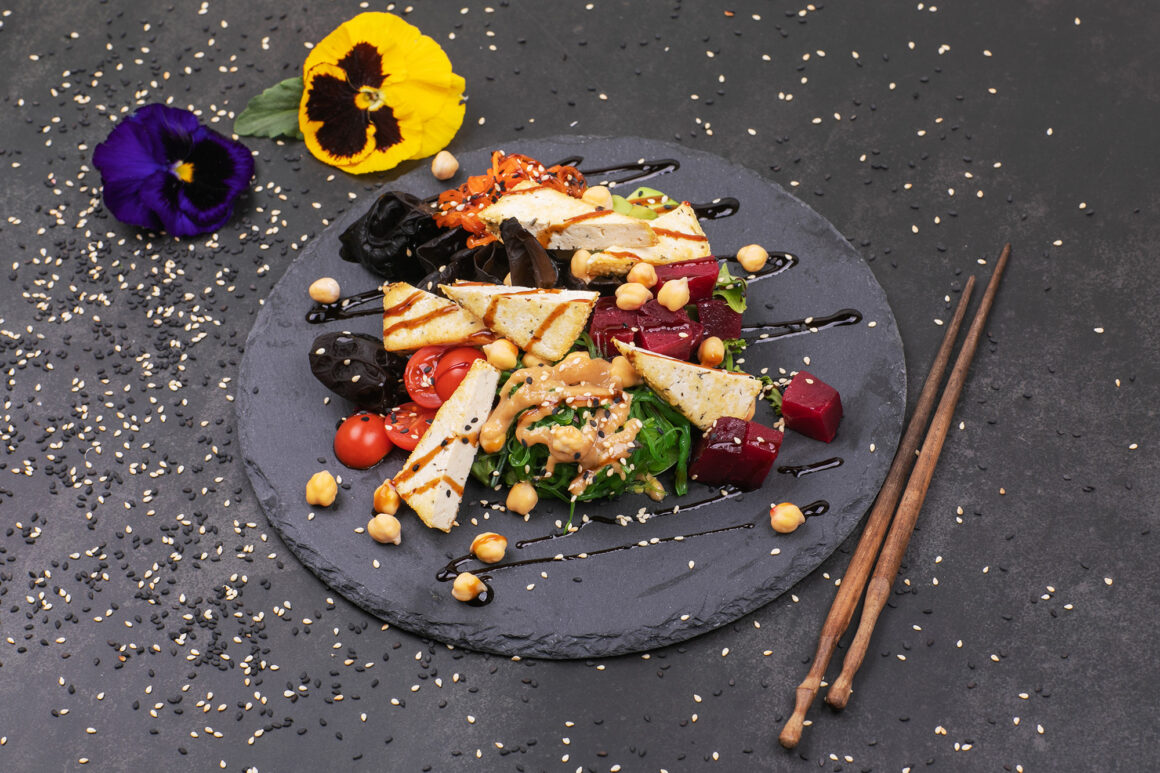
No matter how you plant them, seeds can grow into a mighty delicious menu. These tiny, power-packed ingredients can be sprinkled, stirred, crushed and ground to add texture, colour, flavour and nutrition wherever they are sown.
“Seeds add texture and interest to the appearance of a dish,” says Victoria Horton, in charge of sales and quality assurance at Horton Spice Mills.
“Right now, an everything bagel blend is always on hand in my kitchen. It’s great on meats, veggies and salad.”
TRY THIS: Everything bagel blend
- 30 mL poppy seeds
- 15 mL white sesame seeds
- 15 mL black sesame seeds
- 15 mL minced garlic
- 15 mL minced onion
- 10 mL sea salt flakes
- Toast the sesame seeds, if desired, for a stronger flavour. Try sprinkling this blend on the crust of pizza before baking. Or how about on hard boiled eggs, avocado toast, Buddha bowls, and sandwiches?
“At Horton Spice Mills, we are focused on providing access to edible seeds of the highest quality to ensure the best possible flavour result, either ground or whole.”

Grow into flavour
“The flavour is hidden inside most seeds,” says Horton.
- TIP: Dry-roast, crush, grind or simmer for maximum flavour extraction.
Roasting whole spices in a dry pan intensifies flavours and makes them easier to grind. Large quantities can be dry-roasted in the oven.
Frying also brings out the flavour, which infuses the oil. Try heating a sweet vinaigrette containing celery seeds before pouring over bean salad or coleslaw.
Freshly ground or crushed seeds are always more aromatic than already ground, not to mention cost effective.
“Whole seeds are generally cheaper than ground as they are not manufactured. They also have a long shelf life.”
Grow into health
“Whole seeds promote the idea of health,” says Horton. She remembers as a kid being freaked out when her bread had seeds on it. Now she looks for them. “And, I really enjoy seeds in my salads.”
Although consumers continue to demand healthy options, they will not compromise on flavour. Adding seeds is a simple delicious solution — great as crunchy coatings for lean cuts of fish and chicken, wonderful toasted and crushed to garnish seasonal vegetable sides, versatile when stirred into the plant-based entrées your customers are craving increasingly.
There’s no place on the menu that couldn’t be enhanced by the addition of seeds:
- Use them to poach fruits.
- Turn to them for health benefits and a zing of taste.
- Sprinkle them on plain yogurt or use in a dip for crudités.
- Give them prominent on a whole grain crust veggie pizza.
“Whole seeds are generally cheaper than ground as they are not manufactured. They also have a long shelf life.”
Victoria Horton, Sales and quality assurance at Horton Spice Mills
Grow globally
Seeds are universal. The distinctive flavours of worldly cuisine would be remiss without them. What would these foods be without their seeds? Pepperoni without fennel. Rye bread without caraway. Garam masala without cardamom, coriander or cumin. Pickles without mustard.
Your customers’ demand for global cuisine is not dissipating. Embrace using seeds to enhance your ability to stay on trend and tempt palates without cutting into profits.
TRY THIS: DUKKAH – an Egyptian nut and spice blend
- 500 mL hazelnuts and/or almonds
- 125 mL white sesame seeds
- 250 mL coriander seeds
- 85 mL cumin seeds
- 5 mL sea salt
- Oven roast nuts and dry-pan roast seeds. Transfer to grinder with salt and pulse to medium-fine consistency. Add freshly ground pepper to taste.
A bounty of flavour lies ahead when you plant seeds across your menu. Your customers will reap the goodness; your operation will harvest the rewards.
Find out more about Horton Spice Mills’ whole seeds inventory