
Every operator deals with basically the same deck of ingredients. Sorting those ingredients into a winning plate or bowl takes planning, time and creativity. But just when you have it all figured out, customers are craving something new. Wouldn’t it be nice to have an ingredient up your chef coat sleeve? You do! The sauce.
“Sauce is king!” says Gerald Drummond, Executive Chef for Campbell’s Foodservice. “If you have a sauce that really complements and pops, that’s what customers remember most about the dish.”
Considerable time goes into planning and calculating the best use of proteins on your menu. You have planned ahead to drive profit and sales.
“By changing the sauce, you have a new dish,” says Chef Gerald. “(It’s) a simple way to continuously refresh your menu.”
And he knows what he’s talking about, since the chef was a foodservice operator for almost 30 years before joining the Campbell’s team. He supports operators from their point of view.
Check (your inventory)
“Our Roasted Poblano and White Cheddar is a perfect example of how Campbell’s can help operators manage their inventory. It helps with labour, ingredients and storage. Receive and serve.”
- TIP: Using soup as an ingredient in dishes can help reduce other ingredient costs and preparation time while also adding flavour.
“Roasted Poblano and White Cheddar is an excellent soup. But it can also be spread across all dayparts of your menu. Think eggs, pasta, Spanish dishes, steak, chicken, mashed potatoes, Mac and cheese,” says Chef Gerald.
Versatility is key and although sauces — either purchased or made from scratch — can completely change an entrée, remember you can serve them throughout your menu to really take advantage of their versatility.
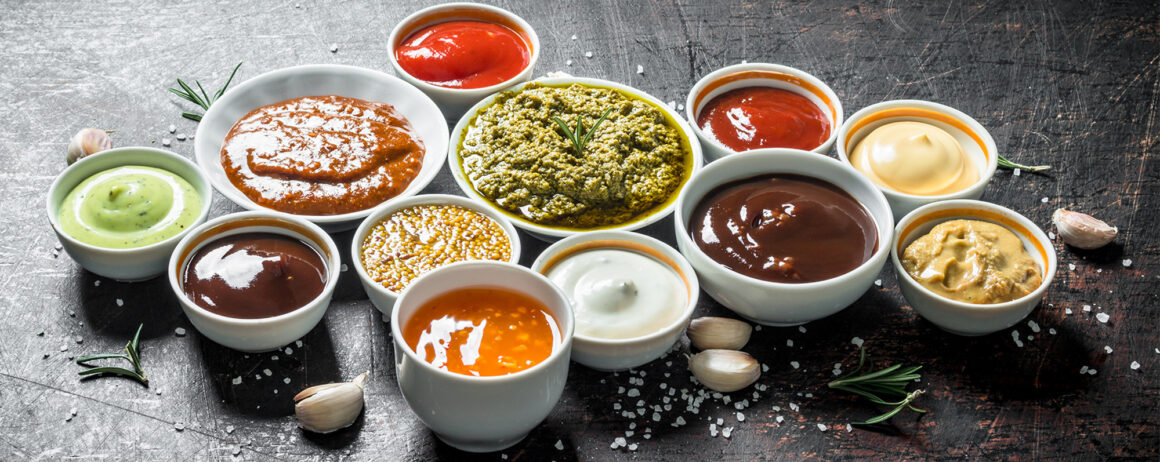
Raise the steaks (and chicken, seafood and plant-based proteins)
Switching up an entrée’s sauce is a simple way to keep your menu on trend. Customers continue to crave global flavours, healthy options and clean ingredients. Bring the world to your plates. With ease.
“We’ve only touched the tip of the iceberg in Asian cuisine,” says the chef.
Understanding that not every operator has his diverse background, he recommends taking advantage of manufacturers’ know-how, since they have put considerable time and energy into developing flavour forecasts and building quality products around them — like Campbell’s Pho bases.
Your odds of winning increase when you partner with manufacturers that support operators.
“We’ve only touched the tip of the iceberg in Asian cuisine.”
Gerald Drummond, Executive Chef for Campbell’s Foodservice
All-in
Certainly, choose sauces to change up entrées but be creative when it comes to inserting them elsewhere on your menu. Think dips, drizzles, and dollops on appetizers and salads; change up a pizza or swirl into a soup.
- TIPS: Consider changing up sauces for healthier options or change to plant-based:
- Béarnaise to salsa verde
- Aioli to gremolata
- Mayo to hummus
- TIPS: Take an entrée around the world — chicken breast + potato + seasonal veg — change the sauce and maybe the cooking method to effortlessly globalize your menu.
- Chimichurri
- Paprikash
- Thai Green Curry
- Ponzu
- Sambal
- Gochujang
- Peri Peri
- Romesco
- Mole
Don’t forget about your dessert sauces
Switch from a strawberry sauce to a lime ginger mango sauce to accompany your grilled pound cake. It’s a whole new flavour experience.
“It’s small changes to a menu that can work wonders,” Chef Gerald reminds us.
A new sauce can really be your kicker. Give your operation the best hand to deal your customers a winning plate.
Heat things up with dutch-style pancakes
In light of current trends, and especially during these cooler weather months, hot desserts are, well… they’re hot. Consumer interest in innovative takes and ethnic twists on dessert continues to be on the rise. Surpass customers’ expectations by including an array of Dutch-style pancake offerings from Cérélia to create sweet treats (and a few savoury dishes) for your menu. Here’s a selection of tips and ideas your customers will flip over.
Poffertjes:
Akin to mini-sized pancakes, these soft and super-puffy pancakes are a classic Dutch treat. A mainstay at festivals and fairs from street vendors in the Netherlands, they’re often served warm with icing sugar, syrup or fruit. Cérélia Poffertjes need only be heated before serving with your sweet or savoury toppings of choice.
Sweet Poffertjes — Heat and serve with:
- Icing sugar and lemon simple syrup
- Melted butter and cinnamon sugar
- Warm chocolate hazelnut spread thinned with cream and sliced bananas
- Warm apricot jam and vanilla ice cream
- Warm maple syrup, caramelized apples and toasted walnuts
Belgian Chocolate Poffertjes — Heat and serve with:
- Skewered, alternating with strawberries and drizzled with salted caramel sauce
- Warm cherry compote and crème fraiche
- Icing sugar and whipped cream
- Ice cream, chocolate sauce and toasted sliced almonds
- Liqueur, such as Grand Marnier, Amaretto or Advocaat and whipped cream


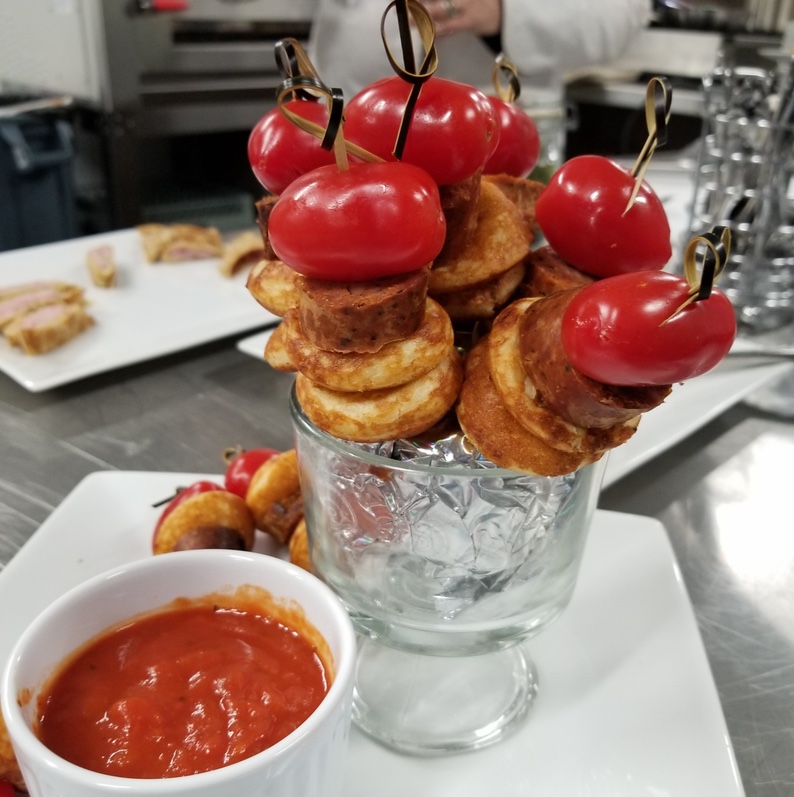
Smoked Gouda Poffertjes — Heat and serve with:
- Skewered, with prosciutto-wrapped shrimp, and served with basil pesto
- Skewered, with chorizo sausage and grape tomatoes, and served with warm Marinara sauce
- In a skillet, with Cheddar cheese sauce and salsa as a shared appetizer
- Melted garlic butter and shredded Asiago cheese
Pannenkoeken:
Similar to both French crêpes (though not quite as thin) and North American-style pancakes (but definitely thinner), this traditional Dutch pancake is one of the most versatile base menu items going. Plain, they can be filled, rolled, folded and topped with any number of options, from sweet to savoury and from breakfast through to dessert. A trio of filled and rolled offerings from Cérélia need only be warmed through and served as is, or with a simple garnish or two.
7″ Plain Pannenkoeken — Heat and serve with:
- Stacked as a crêpe cake with orange simple syrup and cardamom whipped cream
- Whipped mascarpone cheese and whipped cream topped with fresh fruit
- Spread with cream cheese and smoked salmon, then rolled and sliced as canape-size “pinwheels”
- Filled with sautéed spinach, ham and Cheddar cheese
- Folded and topped with salami and fried egg for breakfast
Strawberry-Filled Pannenkoeken — Heat and serve with:
- Hot fudge or chocolate sauce
- Dusted with icing sugar
- Drizzled with cream cheese icing
- Alongside Chocolate-Filled Pannenkoeken
Apple-Filled Pannenkoeken — Heat and serve with:
- As is, as a dessert-style pastry
- Dusted with cinnamon and icing sugar
- Warm caramel sauce
- Aged Cheddar cheese and toasted slivered almonds
Belgian Chocolate-Filled Pannenkoeken — Heat and serve with:
- Vanilla ice cream and brandied cherries
- Fresh blueberries and raspberries
- Whipped cream and shaved dark chocolate
- Coffee or espresso-flavoured mousse
Let your creativity flow
- Dutch Crêpes are the perfect base for any meal
- You can choose any sweet or savoury topping or filling
- Dutch Crêpes and Poffertjes are trending on menus
- A very versatile product that is fully cooked — ideal for QSR’s
If you’re not on Instagram, you don’t exist. That’s the hard truth. The social media landscape has quickly become the dominant marketing tool for restaurants to connect globally and directly with existing and potential customers. No biggie, there are just around 1 billion of them.
The “gram” user, combined with Instagram algorithms, continues to challenge restaurants to push creative limits, in order to achieve Follows, Likes and Comments.
What are some social media tactics your restaurant can employ to develop impactful social campaigns?
Start with a monthly plan
Take the time to plan out your key messages and posts for the upcoming month by developing a social media content calendar. Your goal should be to support and highlight initiatives within your restaurant operation that set your brand apart, while reinforcing key brand messages.

Put your best post forward
Instagram can be a powerful tool to stay in touch with your loyal customers, to let them know what you’re doing:
- How you’ve changed your menu for takeout and delivery
- Strategies you’ve put in place to retain staff
- Gift cards and other loyalty promotions to keep customers engaged if your restaurant is closed to eat-in dining
Times to post
Social media reporting suggests that the social guest is most engaged in the early mornings, lunch and dinner hours, and later in the evening. These moments tend to be when we are taking a “break,” which results in spikes in social media activity. Instagram for businesses also provides effective reporting on your social guests’ most engaged days and times per day. Utilize this data to identify the optimal days and times of when to post.
#Hashtag
Hashtags can make or break the effectiveness of your content strategy by how relevant they are to the content you are posting. Digital users can follow hashtags to collect content on their feed that is of interest to them. The goal is to use hashtags that will place your content on the feeds of your target guests. Popular hashtags are identified in the “TAGS” search bar on Instagram by the number of times they have been used in a post.
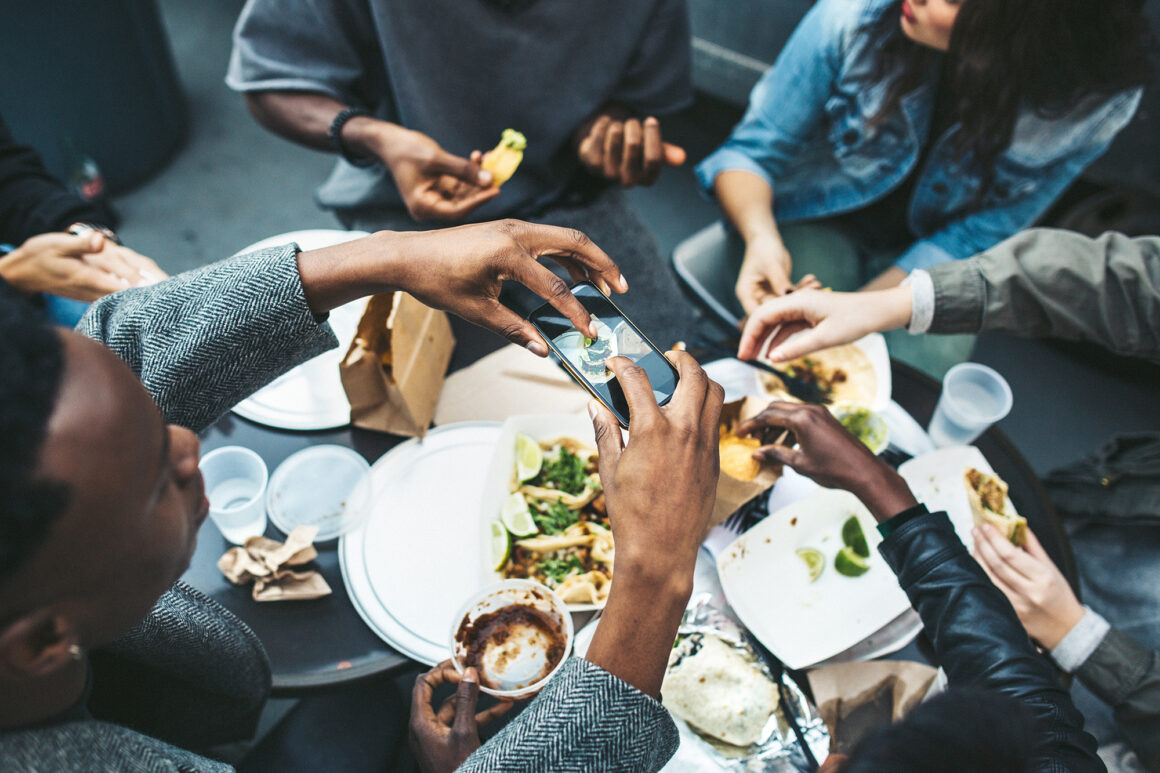
Follow these five top tips to develop a list of hashtags relevant to your brand content:
- Research what competitors and the foodie community are using as popular hashtags.
- Identify 30-50 hashtags that align with your menu offerings and location, and are popular, and reference them selectively within your content calendar.
- Post hashtags that match the photography or video content you are sharing.
- Post the hashtags as a “comment” to your post, versus within the post.
- Post between 15 and 30 hashtags from your list per post.
As you monitor the effectiveness of your social campaign, be aware of spikes in your engagement when certain hashtags are used in your posted content, to identify your top-performing hashtags.
Utilize apps
Developers are launching innovative useful social media content editing, organizing and publishing apps on a monthly basis to support small businesses in managing digital campaigns. We recommend downloading a few different apps to test them out and understand which will be most effective in supporting your social media goals.
Using Instagram and Facebook to build a community of engaged brand advocates can seem intimidating, until you realize what makes them work. Implement these tactics to see what a powerful tool social media campaigns can be for your restaurant business.
To say that Instagram’s food community is an impactful marketing channel for your restaurant business is an understatement.
Restaurateurs need always to be thinking about how every element and square inch of their restaurant can be used to create their unique brand and be “Instagram worthy.” The more potential photo opportunities designed within your restaurant and menu, the more diners will want to snap and share, and the bigger your following will become. It’s that simple.
So first off, who is your customer base?
Of the current 800+ million Instagram users, the majority are Millennials with 90% of the Instagram user base 35 years and younger. That’s not to say Instagram can’t be effective connecting with a mature restaurant clientele, you just might experience slower growth through the platform.
Cater your Instagram content to your demographic by sharing photos and messages that will matter to them.

What should restaurants posts?
Before it was just about food, now it’s about sharing everything about your restaurant that is consistent with your brand.
- TIP: Organize your Instagram feed as a story of six posts; each post should depict a different part of your restaurant brand.
- TEAM
- MENU ITEM
- DÉCOR
- DRINK ITEM
- SERVICE
- BRAND ELEMENT
#Food #Drink
When designing your food and drink menus, create three to five items that will become your “Instagram stars” in addition to your other items. The “Insta Stars” should be unique to your restaurant — for example, in their presentation, the ingredients, or the way they’re prepared or consumed. Snap these items with a consistent aesthetic to your brand and add a custom hashtag so you can track how many times they’re posted.
Your Insta Stars will be the key elements that get you the most #instalove, and are likely to be snapped and shared the most, garnering your brand the most attention. Try to create new Insta Star dishes seasonally so Instagrammers and diners continue to come back to see what’s new.
#InstaDesign
Your restaurant’s design and décor provide endless opportunities to incorporate Instagram-worthy elements that are consistent with your brand.
- TIP: Consider messaging in tiles or signs, unique wallpaper, interesting colour palettes, feature photo walls, and themed sitting areas.
Exterior to interior design, nothing should be over looked as Instagrammers flock to restaurants for the trendy design photo opp, but then stay for the food.
#GoTeam
Action shots of your chefs cooking or plating, servers sharing their favourite dishes, bartenders shaking up fancy cocktails are all great photo opportunities. It is an Instagram fact that photos featuring faces get 38% more likes than those without, according to Sproutsocial.com.
#PicturePerfect
A professional photographer will always take the better shot and edit it to perfection, hands down. But for restaurateurs who are managing Instagram in-house it is most effective to have one team member manage the process for consistency.
- TIPS:
- Take your shots in natural light or bright, well-lit spaces.
- Purchase a Selfie Right Light to attach to your phone for immediate lighting.
- Avoid using a flash.
- Use a tripod built for phones.
- Figure out if the shot will be of one item or a few items to create a scene.
- Use props to help fill in the shot.
- Try different angles.
- Add a human element. Maintain a consistent filter.
#Hashtags
- Hashtags allow users who are searching that hashtag to connect with your post.
- Hashtags allow your posts to be part of a trending topic.
- Hashtags allow you to track the number of posts associated with the hashtag, for effectiveness.
- TIPS:
- Create unique brand-specific hashtags.
- Post hashtags that are relevant to the image and message being posted to capture the RIGHT follower attention.
- Be aware of the trending food holidays on Instagram to join in the conversation when appropriate for your brand.
Instagram is a restaurant’s gateway to the influential food photo frenzy community…
Over the last decade, like burning wild fire, word of mouth advertising has erupted into a fierce, influential, and potentially detrimental digital landscape called online reviews.
Platforms like Zomoto, Yelp, Dine, Trip Advisor, Facebook, and Google Reviews have given public opinion an open forum to share their restaurant dining experiences on a global scale. If, and how you manage these digital guest reviews can make a significant impact on your brand’s reputation and business success.
Chew on this:
- 94% of consumers say an online review has convinced them to avoid a business.
- 89% of consumers read businesses’ responses to reviews. (BrightLocal)
- 3.3 is the minimum star rating of a business consumers would engage with. (Podium)
- A one-star increase in Yelp rating leads to a 5-9% increase in revenue. (Harvard Business School)
So, not only is the guest’s review influencing whether or not potential guests will come and dine with you, but so is how you respond to the online review, and what your total star rating is.
Moral: it is possible to come back from negative online reviews when brand authenticity is paired with transparency.
Managing your online review profile can be your most influential marketing strategy, second only to social media. It requires a plan with daily dedication and management consistent with your restaurant guest service standards. I’ve termed this strategy “Digital Guest Relations,” and this is your opportunity to increase your conversation rate of digital guests (visitors) into actual guests. Customers are willing to spend 31% more on a business with excellent reviews, so set that as your objective. (Invesp)
- TIP: First and foremost — be prepared to respond to ALL guest online reviews. Not just the good, and not just the bad.
- Begin by identifying around the three most critical online review platforms, by reviewing where the most review activity is taking place by guests. Ensure the number you commit to is manageable on a daily basis, as ideally you are responding to each review within 24 hours to maintain an above average response rating.
- Where possible, claim your online review profile page and update your profile with photography, menus, hours of operation, contact information, descriptions of the service level, and any other key details that set your restaurant brand apart.
- Train a senior team member or members on how to use the platforms. Many of the platforms have phone apps, which are useful in responding to guests in a timely manner on the go.
- Develop a response strategy that your trained team members can use as a guide, with example situations and responses, to maintain consistent guest service standards.
- Train wait staff, bartenders and floor managers to encourage positive guest reviews in the restaurant during service. In a recent study, 68% of consumers indicated they will leave a review if asked (BrightLocal), and a half-star rating increase translates into a 19 per cent greater likelihood that a restaurant’s seats will be full during peak dining times (UC Berkeley). This guest touch point might also uncover dissatisfaction with a guest’s experience, providing another opportunity to turn a potential negative review into a positive experience.
- TIP: Add a personalized touch to each response in addition to using the guest’s name. Remember, potential guests are reading your responses too!
You can go even one step further by incentivizing the guest with a complimentary dish or discount as thank you for their time and feedback. This can be really effective to retain your regulars and encourage repeat business.
How to effectively manage online guest reviews
I recently supported a restaurant client who experienced the wild fire destruction that negative online feedback can cause. A guest had found a worm in their dish, snapped a picture of it, and posted it online with a detailed re-enactment of the situation from their perspective.
Within two days the negative review had spread to 200 additional guest comments, with the majority of the comments supporting the guest, and a community now claiming to boycott the establishment.
The restaurant had experienced a loss of over $50,000 in just 48 hours, and was in panic mode, as the wild fire continued to burn.
Lost from the one-sided online review were the facts:
- This was the first and only time this had happened in the 10 years of being open.
- Management had apologized profusely and did not charge the table.
- The food and safety inspector was brought in immediately and found that their recent shipment of organic cabbage was the source of the problem, and it was quickly removed. Being organic, the cabbage is not sprayed with pesticides and therefore attracts insects.
The biggest concern was that although the restaurant was given a clear report to continue operations, no one was listening. So, we took immediate action, were honest and transparent both publicly and digitally:
- Developed a lengthy and thorough apology to the guest and the public incorporating the “facts” and posted in online.
- Posted images of the health and safety report to be as transparent as possible.
- Followed up with a highly successful guest appreciation weekend event for the entire community.
Within seconds, the wild fire went out, as guests appreciated the transparency of the response and learning all the facts. The online community began to advocate for the restaurant brand, recognizing that sometimes, just sometimes, mistakes do happen and the customer isn’t always right.
Moral: it is possible to come back from negative online reviews when brand authenticity is paired with transparency.
Another effective approach is to take the conversation offline, by encouraging the guest to contact management directly to resolve the matter.
Restaurant guests will continue to post their experiences in the digital space, which is becoming the first touchpoint potential guests have with your brand before they walk through your front door.
For more useful stats:
https://www.qualtrics.com/blog/online-review-stats/