
Turn Holiday Catering into Your Most Profitable Season Yet
Holiday catering is one of the best opportunities for restaurants to increase revenue without adding seats. Done right, it turns your kitchen’s downtime into high-margin business that extends brand reach. The key is building a catering menu that looks festive, travels well, and delivers exceptional value — for both the guest and your bottom line.
Why It Matters
Catering taps into a different kind of customer: the office planner, the host who doesn’t cook, or the loyal guest looking to share your food at home. It builds exposure, generates volume, and keeps your staff busy during slower dine-in periods. And since catering dishes are pre-ordered, pre-paid, and predictable, it’s one of the few revenue streams that truly scale for independents.
Step 1: Build Around Efficiency and Profit
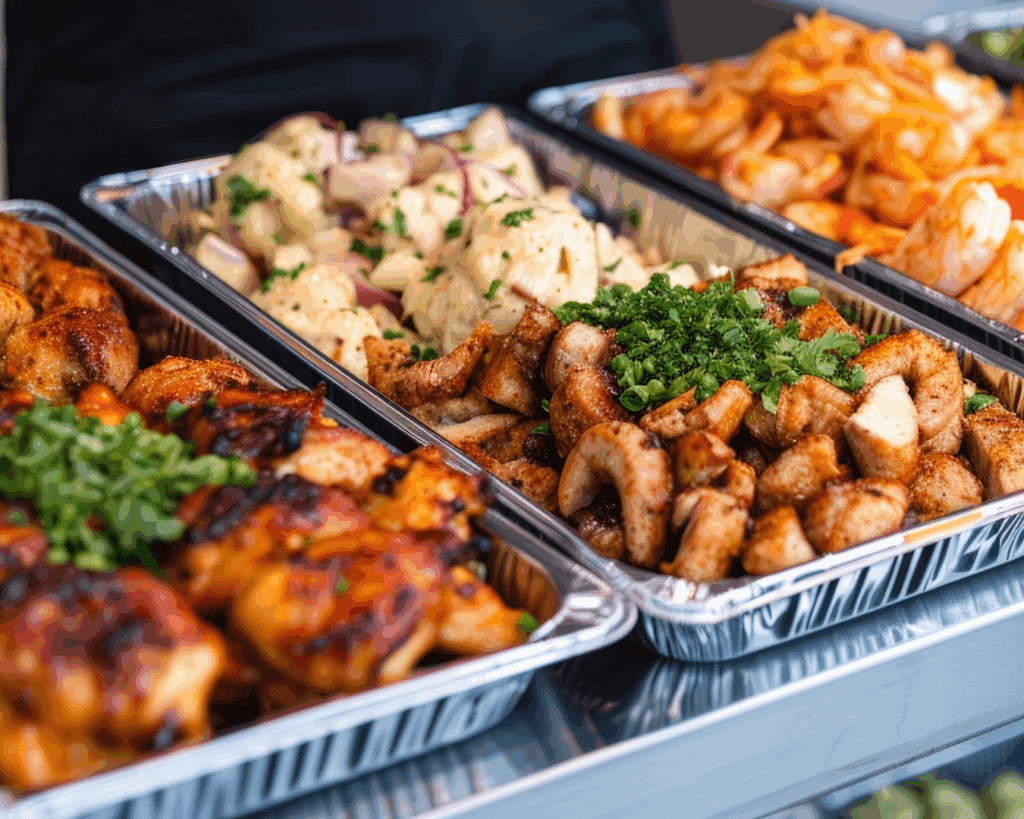
The most profitable catering menus start with dishes that hold heat, reheat beautifully, and share well. Braised meats, lasagnas, stews, gratins, and composed salads are workhorses. Use affordable base ingredients like grains, beans, and root vegetables to stretch premium proteins. Build trays to meet specific food-cost targets — ideally 30% or less for mains and 20–25% for sides.
Step 2: Tier Your Offerings
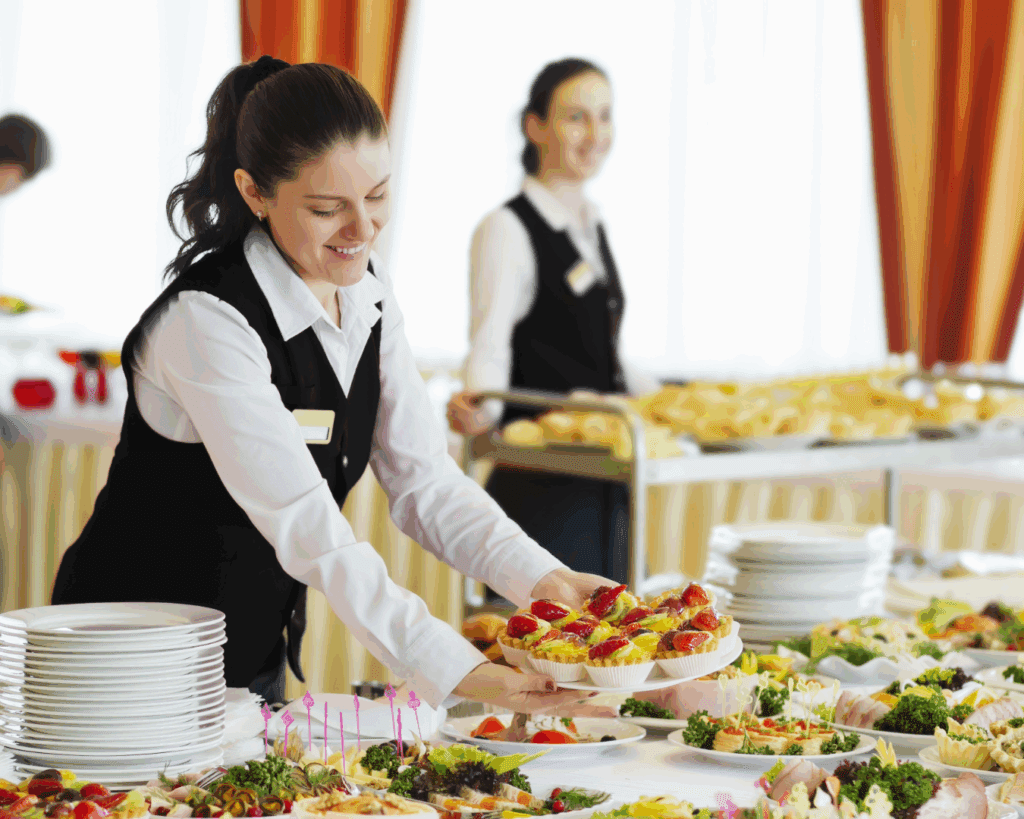
Simplify ordering with a three-tier system — Classic, Premium, and Signature. Classic might include roast chicken or pasta al forno. Premium could highlight slow-braised beef or cedar-plank salmon. Signature showcases your chef’s creativity — maple-glazed pork loin with roasted apples, or mushroom Wellington for plant-forward groups. Tiering allows flexibility without overwhelming production.
Step 3: Leverage Off-Peak Production
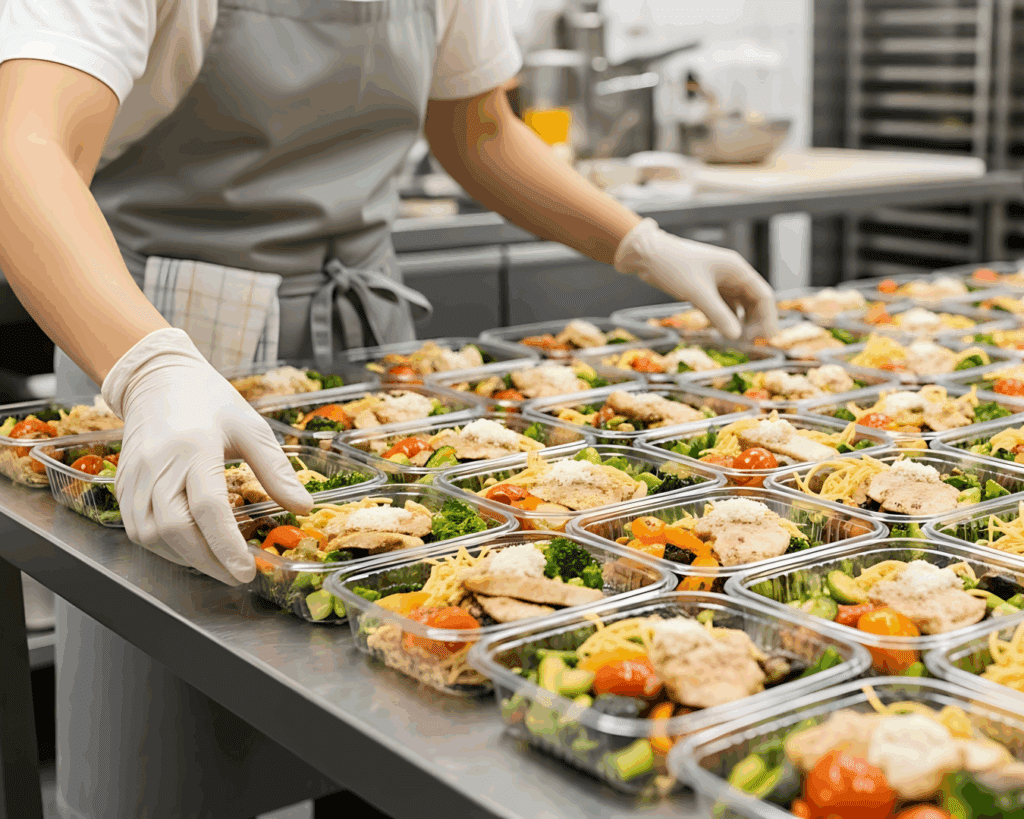
Catering thrives on prep discipline. Assign early-day hours or specific prep zones to catering orders so they don’t collide with dinner service. Colour-code labels by pickup time and tier to avoid confusion. Plan packaging stations that flow like an assembly line — efficiency saves both time and labour.
Step 4: Make Local a Selling Point
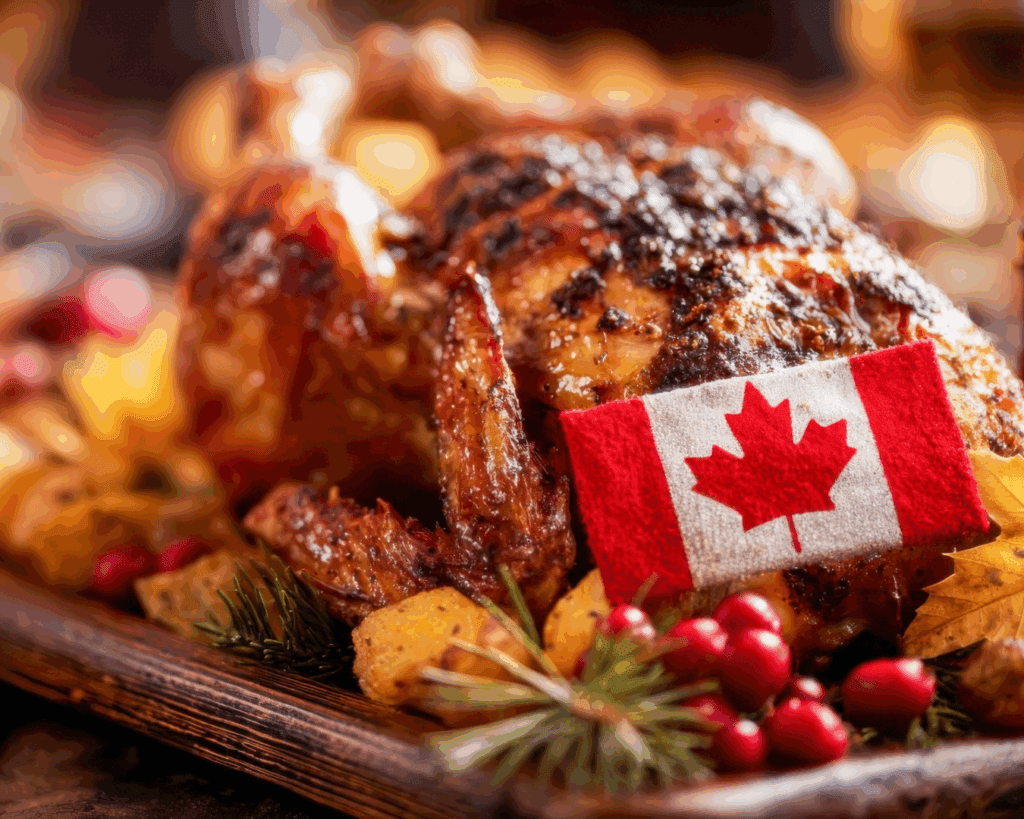
Wherever possible, weave in Canadian-sourced ingredients — Ontario turkey, PEI potatoes, BC cranberries, Quebec maple syrup. Guests view “locally made” as premium and trustworthy, and it reinforces your restaurant’s authenticity. You can mention these origins on menu cards or catering inserts for extra storytelling power.
Step 5: Market Early and Often
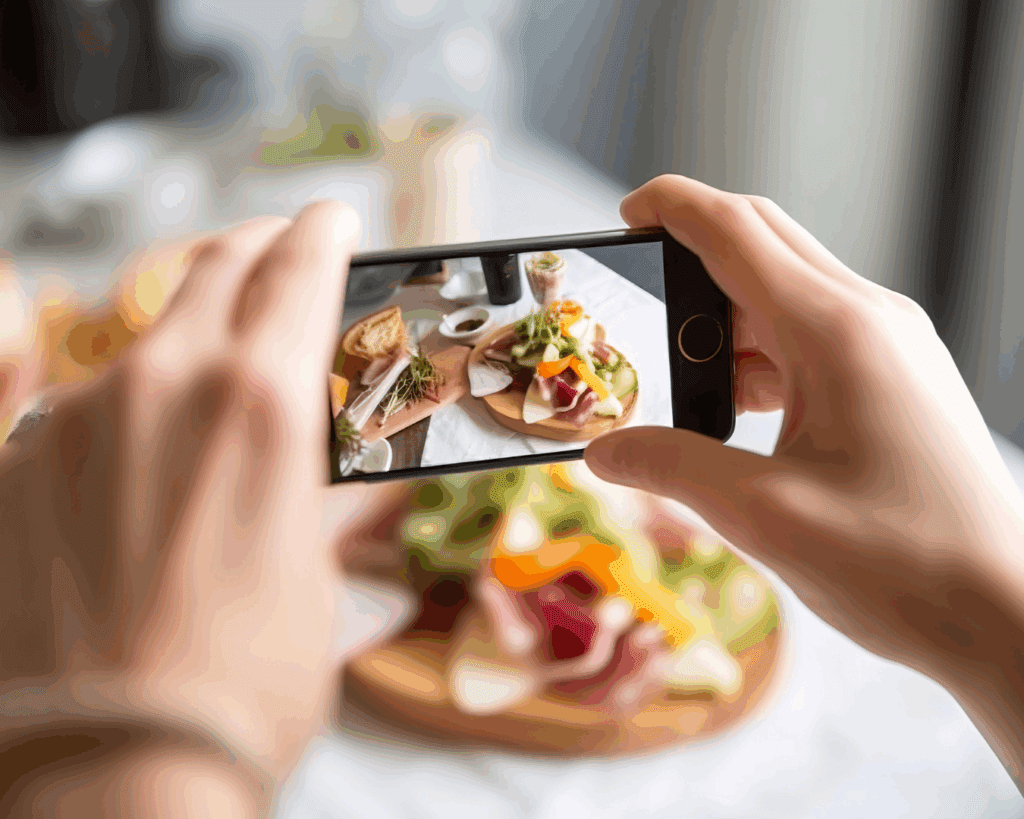
Begin promoting catering early. Create a downloadable PDF menu, post appetizing photos on social media, and send targeted emails to past customers and local businesses. Encourage pre-orders with a small incentive like a 10% discount for orders placed two weeks early.
Step 6: Presentation Sells
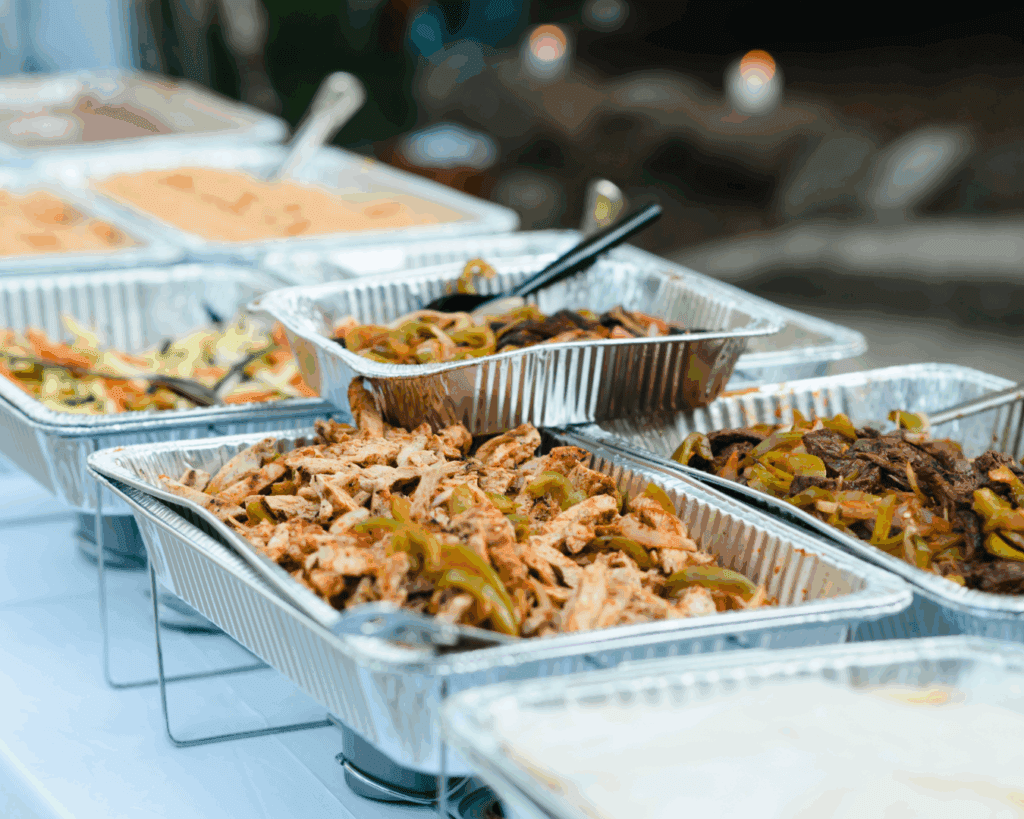
Invest in quality, recyclable containers with branded stickers or sleeves. Include heating instructions, a thank-you note, and plating tips. These touches elevate your brand while keeping packaging costs predictable.
The Takeaway
A well-engineered catering menu delivers repeatable profit and strengthens your brand identity. Make it simple to order, easy to execute, and unmistakably yours.
Keep Your Dream Team Through the Holidays
The holiday season is make-or-break for restaurants, but its success depends less on menu design than on morale. Long shifts, larger crowds, and tighter timelines can push even experienced teams to the limit. Building staff loyalty before December is the most effective way to maintain consistency, prevent burnout, and deliver the guest experience that drives repeat visits.
Why It Matters
Turnover spikes in Q4, just when operators need reliability most. Recruiting new people in close to the holidays is both costly and risky, while retaining trained, trusted employees preserves efficiency and culture. Loyal staff sell better, work faster, and stay calmer under pressure.
Step 1: Start Recognition Early

Don’t wait until holiday week to say thank-you. Start to celebrate team wins and acknowledge effort. Small, visible gestures — hand-written notes, meal comps, or shout-outs at pre-shift — set the tone that hard work will be noticed and rewarded. Recognition builds goodwill that pays off when overtime hits.
Step 2: Plan Schedules Collaboratively

Holiday scheduling is one of the biggest stress triggers. Involve staff early: post the draft early, collect feedback, and be transparent about coverage needs. Offer shift swaps or a digital scheduling app like 7shifts to give employees flexibility. When staff feel respected, they’re more likely to step up voluntarily.
Step 3: Invest in Short-Term Perks That Matter
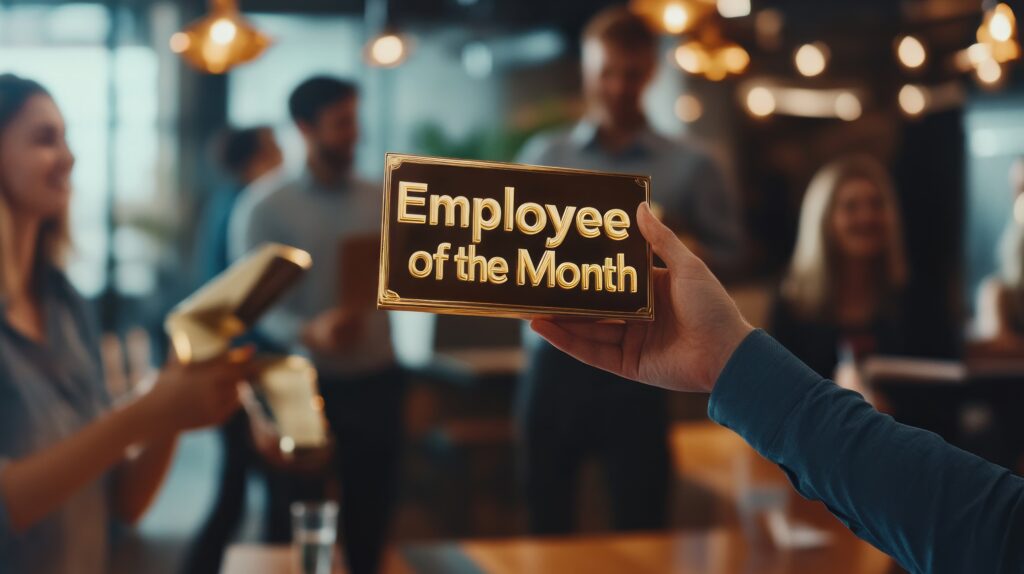
You don’t need lavish bonuses. Provide meaningful, low-cost rewards tied to real behaviour — free meals during long shifts, transit credits, or gift cards for perfect attendance. For kitchen teams, provide branded knives or aprons; for servers, highlight upsell leaders. Tangible tokens help retain pride and connection.
Step 4: Communicate Openly and Often

Hold quick weekly “pulse” meetings to share upcoming promos, expected volumes, and menu changes. Information reduces anxiety. Encourage staff to share concerns and suggestions; implementing even one small idea shows management listens.
Step 5: Build a Culture of Care
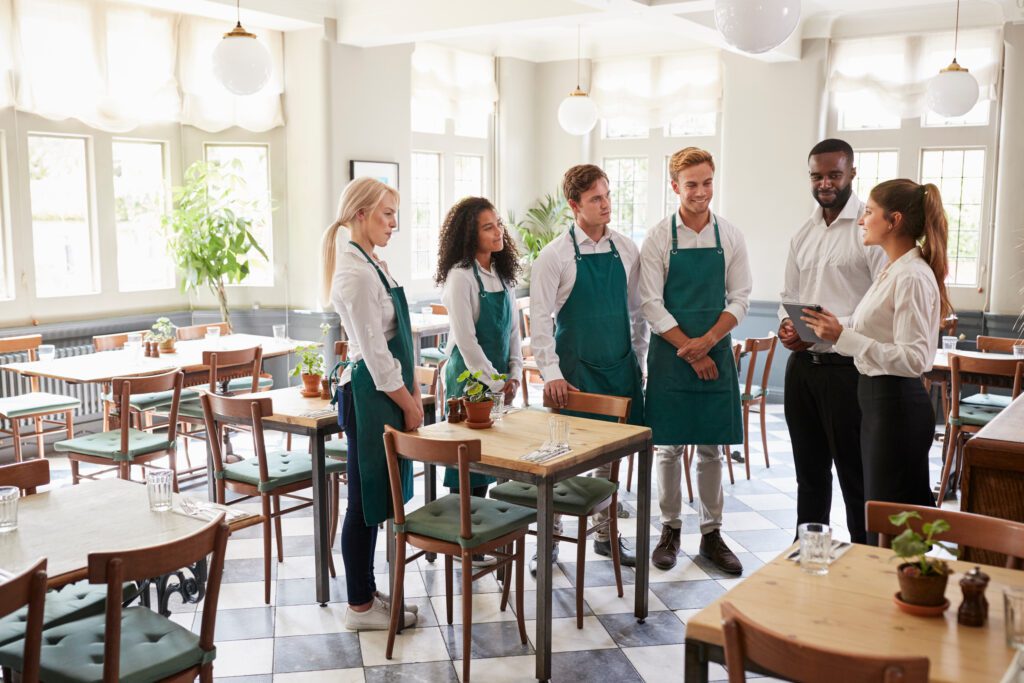
Hospitality starts internally. A five-minute “check-in” at line-up asking, “What do you need tonight?” creates psychological safety. Provide staff meals that reflect the same care given to guests — nourishing, not leftovers. Loyal employees come from loyal leadership.
Step 6: Train for Holiday Efficiency
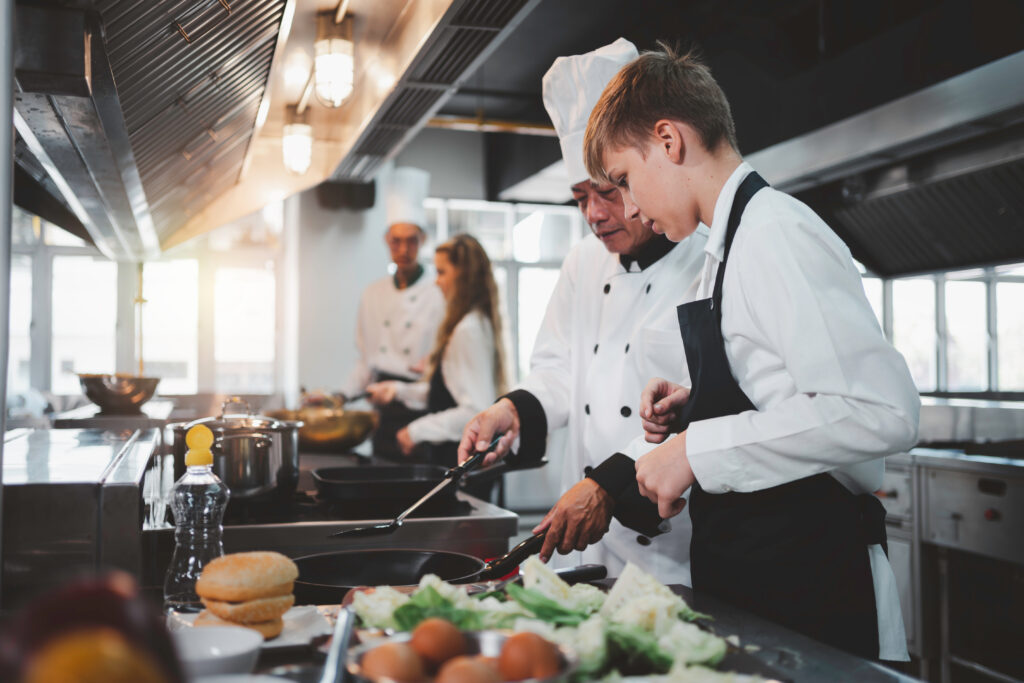
Cross-training servers to run food, bartenders to expedite, or cooks to float between stations keeps operations flexible. Offer mini training sessions focused on your holiday menu, allergen awareness, and timing under pressure. When everyone feels capable, chaos turns into flow.
Step 7: Celebrate the Finish Line

Plan a “post-holiday thank-you” in advance — even a pizza night or group outing. Knowing appreciation is coming sustains morale through the December crunch.
The Takeaway
Loyalty is built before it’s tested. By investing in recognition, fairness, and care now, independent operators enter the holidays with a motivated team ready to deliver their best.
How to Market Family-Style Takeout for the Holidays
When holiday stress hits, convenience wins. Family-style takeout meals let operators serve more guests without overloading the dining room. They travel well, reduce packaging waste, and deliver the comfort food people crave — while keeping operations efficient and profitable.
Why It Works
- Families want connection without cooking chaos.
- Takeout demand spikes when dine-in tables are booked.
- Operators can pre-batch, portion, and schedule pickups for maximum control.
It’s the ideal mix of comfort, convenience, and consistency. Done right, these meals command premium pricing and fill slower prep periods.
Step 1: Choose Menus That Scale
- Offer packages serving 4–6 or 8–10 guests, including balanced proteins, sides, and desserts.
- Example: Slow-roasted pork loin with apple glaze, maple-butter carrots, Yukon Gold mash, and butter tarts.
- Stick to two or three core options to simplify execution. Add one vegetarian or comfort classic for variety but avoid over-customization.
Step 2: Build for Labour Efficiency
- Batch-cook roasts, sauces, and sides for quick finishing.
- Label and refrigerate kits for easy handoff.
- Set pickup windows (e.g., every 30 minutes) to manage flow.
- Use colour-coded labels to identify meal types and reduce mix-ups.
- A streamlined system reduces stress and keeps service smooth when volume peaks.
Step 3: Market Emotion and Ease
Your biggest selling point isn’t the food — it’s the relief you provide.
Use simple, emotional messaging:
“You host. We handle the cooking.”
“Enjoy the holidays without the cleanup.”
Show families gathered around your dishes and highlight locally sourced ingredients to reinforce quality and care.
Step 4: Promote Across Channels
Start early — launch “Family Feast Packages” in early November.
- Feature menus in-store, online, and in loyalty emails.
- Post prep photos and reminders on social media.
- Offer pre-payment and curbside pickup for convenience.
Early promotion builds anticipation and helps forecast staffing and supply needs.
Step 5: Add-On Opportunities
- Family-style doesn’t mean basic. Use sturdy, branded, eco-friendly containers that stack neatly.
- Include reheating instructions and a short thank-you note — a personal touch that drives repeat business.
Step 6: Perfect the Packaging
Invest in quality, recyclable containers with branded stickers or sleeves. Include heating instructions, a thank-you note, and plating tips. These touches elevate your brand while keeping packaging costs predictable.
Step 7: Plan and Coordinate
- Map out prep timelines two weeks ahead. Use order heat maps to forecast peaks and staff accordingly.
- Offer small team incentives — cash bonuses or post-rush meals — to keep morale high and execution flawless
The Takeaway
Family-style takeout meals turn kitchen efficiency into customer convenience and predictable profits. They let you serve more guests, showcase signature dishes, and strengthen loyalty — without expanding your dining room.
The formula for success: simplicity, emotion, and planning.
Predictive Scheduling: The Smart Way to Cut Restaurant Overtime Costs
Matching labour to demand is one of the hardest parts of running a restaurant. Too few hands and service suffers; too many and profits evaporate. Predictive scheduling—using data to anticipate traffic—helps independents find the sweet spot, trim overtime, and create schedules staff can trust
Why It Matters
Labour is usually your second-largest expense. Unplanned overtime quietly erodes contribution, while chaotic schedules drive turnover. Predictive planning reduces both: smarter coverage during peaks and fewer idle hours on slow days. Stability also improves morale; employees with reliable shifts are more engaged and less likely to leave.
Operator Strategies

- Use Affordable Tools: Platforms like 7shifts, Push Operations, and Homebase pull sales history, weather, and local events into a simple forecast. If Saturday shows a home game or the forecast swings to sun, your schedule reflects it before the rush hits.
- Cross-Train for Flex: Teach servers to host during preshift, barbacks to run food, and prep cooks to swing onto a station. Versatility reduces total headcount per hour.
- Automate Overtime Alerts: Set thresholds so managers get pings when a team member approaches daily or weekly limits. Swap or split shifts before the cost spikes.
- Seasonality Rules: Fall often means busy weekends and softer weekdays. Write templates for each day type (Sun–Thu vs. Fri–Sat) and let the forecast fine-tune.
- Publish Early: Post schedules at least 10 days ahead. Predictability reduces call-outs and supports compliance where notice rules apply.
Building the Forecast

- Start with Last Year, Adjust for Today: Pull the last 8–12 weeks of fall sales, then weight recent weeks more heavily. Layer in reservations, events, and promo plans.
- Weather & Event Impact: Track how rain, cold snaps, or playoffs moved sales last season (a 15–25% swing isn’t uncommon). Teach managers to add those multipliers.
- Kitchen vs. Floor: Staff the line to the longest prep bottleneck (e.g., fry station) and FOH to the highest table-turn target. The bottleneck sets the pace; schedule to it.
Case Example
A mid-size café in Alberta faced overtime spikes on variable Fridays. After adopting a forecast tool and setting overtime alerts, the GM split one heavy closer into two partial shifts on busy nights and added an on-call role triggered by weather. Within three months, overtime dropped 17%, ticket times improved, and staff satisfaction rose in post-shift surveys.
Retention, Service, and Reviews
Predictable schedules build goodwill. Balanced labour means faster greet times, fewer comped items, and better online ratings. In tight labour markets, that reputation helps recruiting and retention—worth real dollars in saved hiring time.
Common Pitfalls & Fixes
- Pitfall: Managers ignore the forecast on sunny surprise days. Fix: Pre-approve a short “on-call” list with a 3-hour minimum; confirm by text 2–3 hours out.
- Pitfall: Templates never change. Fix: Recalibrate weekly with a 10-minute variance review; adjust for new patterns.
- Pitfall: Staff distrust new tools. Fix: Give a 2-week runway, solicit feedback, and show wins (reduced OT, more predictable hours).
Compliance & Culture
Predictable scheduling supports fairness: fewer shifts, better rest windows, and more stable incomes. That culture pays back in lower turnover and faster training curves for new team members.
The Takeaway
Predictive scheduling isn’t just a tech trend—it’s a profit safeguard and a morale booster. Use simple data to run leaner, serve faster, and keep teams steady through the fall swing.
Designing Shareable Fall Appetizers and Platters
As evenings cool, diners crave connection and cozy experiences. Shareable fall appetizers and platters tap into that feeling — encouraging conversation, longer stays, and higher spending. With a creative mix of boards and bites, operators can turn slower nights into profitable, social occasions
Why It Matters
- Shared plates can raise per-table spend by 20–30% as groups add extra rounds or desserts.
- Centralized prep keeps the line calm while boards assemble quickly during service.
- Beautiful platters become organic marketing when guests post and tag your restaurant.
Operator Strategies

Start with a set foundation:
- Harvest Veg & Dips: Roasted squash hummus, pickled beets, warm bread.
- Cheese & Cured: Ontario cheeses, prairie mustards.
- Warm Bites: Maple-glazed pork bites, fried mushrooms, pretzels with fondue.
Rotate one or two components weekly to stay fresh.
2. Make the Math Work
A $24 board for four equals $6 per guest — often better than individual apps. Keep food cost under 28% by focusing on vegetables, grains, and dips, while one premium ingredient adds the “wow.”
3. Balance Portions
Aim for three to four bites per guest. Too much food looks generous but reduces profit and slows second orders.
4. Prep Once, Sell Often
Roast, pickle, and blend dips during off-peak hours. Cross-use these items in sandwiches, mains, or sides.
5. Pairings Boost Profit
Offer cider or craft beer flights as optional add-ons. Small pours feel special without overwhelming the check.
Marketing and Programming

- Theme Nights: Try “Share & Save Tuesdays” or “Tapas & Tasting Thursdays.” Consistency builds habits.
- Table Prompts: Add a table card that says, “Perfect to share — start with our Harvest Board.”
- Takeout and Events: Offer charcuterie-to-go kits with a simple assembly guide.
Front-of-House Tips
Send out warm bread or spiced nuts right away to set the tone. Train staff to say, “Would you like something to share while you decide?” or “Our Harvest Board is a guest favorite — perfect for four.” Suggest boards early to increase attachment rates.
Menu Engineering and Pricing
Price boards based on perceived value first, then engineer costs below that point. Use one premium anchor ingredient and balance with cost-effective sides. Offer tiered options — Classic, Deluxe, Vegan — so guests self-select.
Dietary-Friendly Options
Include at least one gluten-aware and one plant-forward board. Roasted mushrooms, olives, nuts, and bean purées add satisfying textures.
Catering and Corporate Opportunities
Promote “Hour Two Boards” for office meetings or after-hours events. Pre-orders can increase weekday revenue with minimal labour.
The Takeaway
Sharing is both social and strategic. With smart prep, balanced portions, and creative presentation, shareable platters turn cool nights into your warmest opportunities.