
Expert Advice Archives - Page 15 of 30 - Brand Points Plus

Do you lead a fair kitchen? According to Fair Kitchens, “A Fair Kitchen is a positive working environment where staff happiness is as important as diner satisfaction.” 

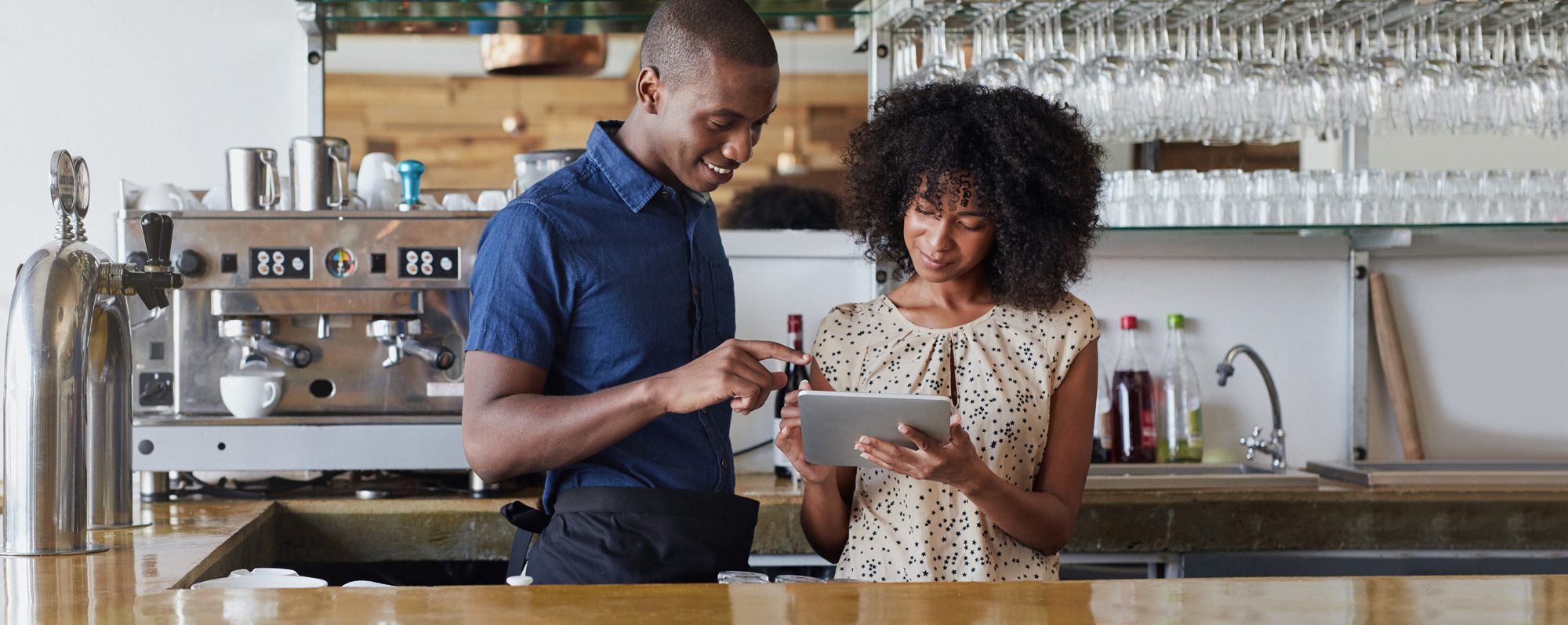
When the rush is on and tensions spike, a healthy functional team can determine whether your foodservice workplace is happy or toxic. By building a fair, friendly and emotionally healthy environment where team members are valued, foodservice operators can build greater job satisfaction, improve employee retention, and increase productivity.

Peter De Bruyn, a restaurant consultant and provincial chair of the B.C. Restaurant and Foodservices Association (BCRFA), says clear communication on each person’s role is one of the most important elements of a highly functioning team. “Depending on the size of the kitchen, people’s roles may change daily, and as long as it is clear what that role is, then they have a greater chance of being successful.”


Opening lines of communication — and keeping them open — can help quash small issues before they become big ones.


Opening lines of communication — and keeping them open — can help quash small issues before they become big ones. Unchecked annoyances may lead to disgruntled employees who may ultimately leave over something that could have been fixed. 

Good results are the result of empowered leaders who have the authority to make decisions, De Bruyn says. “A leader can be a line cook who has simply taken a leadership mentality to make thoughtful decisions. Employees who don’t make decisions generally tend to not be as successful and may not cooperate as well in the team environment.”

Saying ‘thank you’ doesn’t cost anything 

“Small things like ‘thank yous’ help build the ‘healthy’ portion of the functional team,” he says. “Kitchens can be a stressful place to work and often communication is direct — not necessarily rude or pleasant, but simply direct. When time permits, small gestures of gratitude for a job well done can go a long way to help build the support of the team.”

Being grateful positively impacts the culture of the restaurant business as well. Young people entering the workforce who have a positive experience with a restaurant are far more likely to stay in an environment that treats them well. 

And, remember: rewards don’t have to be monetary. They can be the staff member’s perfect schedule, or the days off requested. Small things go a long way. 

Enjoying Working Together

Share the vision with your team

De Bruyn says it’s crucial that foodservice operators share their vision of success with their team members. 

“A clear vision of the property and what is expected out of the employees is a great way to start and probably the most important.”

It’s important to be clear about roles and responsibilities, and how to deal with issues, through empowerment. “Barriers can also be that shift leaders don’t have enough accountability and responsibility to deal with issues,” he says. “If that leader needs to check with the manager on each issue, this can slow service and create undue stress. Empowered shift leaders yield better results.”


By nurturing a culture of inclusion and diversity, foodservice operators can build a space where everyone feels welcomed and valued.


By nurturing a culture of inclusion and diversity, foodservice operators can build a space where everyone feels welcomed and valued. “Fair scheduling and rates of pay for all staff based on experience and capability is essential for all workers,” De Bruyn advises. 

When challenges arise, clear communication and a culture of appreciation can help ensure success. “Transparency and achievable goals help pull the staff together,” he says. “For example, if food cost is running 32% and the target is 31% and five key elements to achieve this goal are clearly communicated, then the team is far more likely to achieve results.”

Five tips for nurturing healthy teams and restaurant work environment

  1. Clear communication. Formalize the dialogue with practices like regular short check ins, and encourage honest feedback throughout the team. 
  2. Identify and knock down barriers. Determine what is holding somebody back, and remove it. 
  3. Empower engagement and efficiency. Share responsibility, provide support when something works (and when it doesn’t) and encourage innovation.
  4. Appreciate effort and acknowledge achievement. Say thank you and tell your team members when they have done a good job. 
  5. Pull together, not apart. Working collaboratively when challenges arise helps to enhance a sense of belonging, loyalty and pride in shared success.

Focus on positive performance

Caring and sharing

  1. Take an empathetic approach. Instead of putting your feelings on someone else’s actions, assume others have positive intentions.
  2. Watch your tone. No yelling, and no harassment or offensive humour. Identity is important, and nicknames may not necessarily be nice. 
  3. Cultivate respect for all. Hierarchies are by their nature lopsided, so encourage growth. Understand that not everybody is at the same level — but everybody is valued. 

More resources for a healthy kitchen

Fair Kitchens

United States-based Fair Kitchens is working to create a healthy kitchen culture based on open communication, passion, support and teamwork. More than 50 Canadian foodservice and beverage operators have already signed on as friends.

To celebrate summer, getting out of the house and seeing family and friends for the first time in what seems like forever, Canadians are raising their glasses at restaurant and bar patios from coast to coast. And their expectations are high. 

Are your liquid libations worthy of such an important toast?

Although many have embraced their inner bartender or mixologist during the pandemic, your customers are still thirsty for more, especially if your beverage menu is hitting at least one of the many drinks trends this season and reaching far beyond alcoholic options.

Technomic’s Seasonal Menu Report featuring Canada’s Summer LTO Innovations shows drinks of all kinds are the perfect addition to LTO menus. And with good reason. Limited time offers allow operators to try on some trends and flavours to see what pairs best with their menu and looks perfect on the patio.

Canadians are looking for indulgent treats

Canadians are more than ready to live a little. They want to get out and indulge. Give them the opportunity one sip at a time.

Chic Cocktails

Chic Cocktails – Classic cocktails with a new twist. A Northern Double Old Fashioned using maple syrup and Canadian whisky or a Wild Blueberry Kombucha Martini, and remember to give them a garnish they will never forget. Chic cocktails are a great option for a Date Night package.

Over The Top Milkshakes

Over The Top Milkshakes -You know the ones, where ice cream shoppe favourites explode out of the fountain glass. Banana Split Shake with a pineapple, strawberry and brownie skewer or a Classic Vanilla shake garnished with slice of birthday cake with extra sprinkles.

Premium Pours

Premium Pours – Top shelf liquors, the best of the best. Make it an experience by using a specially selected glass.

Homegrown is still trending

In Technomic’s What to Expect in Canada in 2021 they predict there will be no stopping the local trend. There will be continued promotion of local and even hyper-local ingredients to support and celebrate farms and businesses.

Craft breweries, small wineries and distilleries have flourished throughout the last few years and show no sign of losing momentum. Available regionally across the country, these local independents and are now providing a wide selection of beers, ciders, wines and spirits. It’s simple for operators to join the local game with that much choice.

International flavours tempt Canadians

Yes, Canadians love local, but they have also been missing the adventure of international travel. Give them the global taste they crave throughout your menu including your beverage selections. 

Technomic’s Summer LTO Innovation report shows that tropical options continue to tempt tastebuds. Guava in mocktails, cocktails and mojitos provide a sweet flavour addition with tropical appeal. Hibiscus gives a sweet-tart flavour profile and a warm colourful presentation.  Add some to margaritas and iced tea.

Drink Infused with Flavour

Drinks are full of spirit 

Low to non-alcoholic beverages appeal to more than those under the legal drinking age. Providing a choice of spiritless options is a wise choice. But a sparkling water with slices of lemon and lime aren’t always going to cut it anymore.

Many Canadians are looking for beverage options when they dine out that give the experience of imbibing but with none of the side effects. Zero proof spirits or flavoured de-alcoholized spirits are gaining favour in this market providing the depth of flavour customers crave without sacrificing the experience.

Don’t forget umami

Delicious flavour — the rough translation of the Japanese word umami — deserves a place on patio drink menus. Canadians have been adding umami flavours to their beverages for decades (all hail the Caesar!) but umami has skyrocketed in the last few years with such innovations as Bloody Marys and Caesars garnished with pickled beans and crispy bacon, and pushing the boundaries between beverage and appetizer with the addition of lobster, Montreal smoked meat and beef jerky.

Umami is a savoury flavour (as opposed to sweet, sour, bitter or salty) that can be found in fermented foods, seafood, meats, cheeses and some vegetables. It is pouring into bar glasses in surprising ways — from using dashi for infusing spirits to smoked ice cubes to martinis with tomato water.

Refreshing Beverages

Help your diners chill out

Temperatures are soaring across the country this summer but aren’t stopping your guests from enjoying the patio. Let them chill with a glass of goodness.

Feeling drained from the uncertainty of the last year, Canadians are turning to smoothies and juices as a way to increase wellness and balance out the chaos. They expect to find functional ingredients and flavour included for an extra boost. Fermented drinks continue to gain popularity, and the push for plant-based options is not dissipating.

Kids also need to celebrate. They will cheerfully raise their glasses full of frozen flavour that brings on the brain freeze.

Pour a little summer fun into each and every glass and you will be the toast of the patio.

Cherry Jammin' Smoothie

Cherry Jammin’ Smoothie

Honeydew & Coconut Frappé

Honeydew & Coconut Frappé

Fuzzy Navel Smoothie

Fuzzy Navel Smoothie

Strawberry Lemonade Blast

Strawberry Lemonade Blast

Pineapple Caesar Pitcher with Grilled Halloumi

Pineapple Caesar Pitcher with Grilled Halloumi

Mango Lassie

Mango Lassie

If you can remember Encyclopedia Britannica, Swanson TV dinners, party lines, TV converter boxes, banana seat bicycles, transistor radios, the Sears Wishbook catalogue, and the last Stanley Cup parade in Toronto, then you’re a Baby Boomer or the parent of one.

Baby Boomers remain, according to Statistics Canada, the most significant age group in Canada. They are, however, approaching a tipping point. At some point in the not too distant future, the Baby Boomer market segment (born between 1946 and 1964) will no longer be the largest market segment by population. It’s inevitable that Millennials will overtake Boomers in sheer numbers. But that doesn’t tell the whole story.

The Age of Canadian Population

Meet Canada’s generations

  • Baby Boomers: 1946-1964
    Back-end Boomers: Age 57-68
    Front-end Boomers: Age 69-75
  • Generation X: 1965 to 1979
    Age 42-56
  • Generation Y: 1980 to 1994
    Age 27-41, often referred to as Boomers’ kids or Millennials
  • Generation Z: 1995 to 2010
    Age 11-28, the newest generation to be named

Baby Boomers still make up the largest segment of the Canadian population. But, beyond this, they hit above their weight in terms of economic impact. Even as back-end and front-end Baby Boomers age, they will remain a consumer force to be reckoned with.

Going, going, not gone

Close to five decades years ago, fewer than one in 12 Canadians was a “senior” (65+). By the mid-1990s, that had risen to almost one in eight. In 2011, when the first of the Baby Boom generation crossed the threshold, the number of seniors began to mushroom. By 2030, less than a decade from now, nearly one in four Canadians will be seniors.

In some ways, the Baby Boomers’ golden years could be a golden age for discretionary and leisure purchases. Over half still have a household income above $60K/year, and only about one-quarter of Baby Boomer households still have kids at home who have failed to launch.

Baby Boomer consumers eating at a restaurant

The end is not quite nigh

In Canada circa 1976, almost 12% of jobs were held by someone 55 years of age or older. Comparatively, the current participation rate has nearly doubled to 21.5%. That’s more than one in five jobs held by those who, a generation ago, were approaching or in their retirement years. 

In her piece titled, Like it or not, the Boomers are here to work,” Linda Nazareth coined the term “Perennials” to describe mature working boomers — they keep coming back every year.

This trend will likely not significantly abate in the near term. Nazareth cites the U.S. Bureau of Labour Statistics prediction that, by 2024, the over-55 cohort will be the largest segment of the workforce. Canada and other Western-developed economies will likely be in the same boat.

Not going quietly

According to Technomic’s Generational Consumer Trend Report, more than half of people (in the U.S.) between the ages of 53 and 72 use foodservice on a weekly basis. 

Given their disposition to not go gently into retirement, and the purchasing power that accrues from their accumulated personal wealth, Baby Boomers are worth paying attention to. 

Here are some other trends Technomic has flagged for savvy restaurant operators:

The challenge for marketers is to provide what Boomers want as their needs evolve in the back furlongs of their lives. There’s a tendency to shift from conspicuous consumption to more experiential consumption.

While, overall, Baby Boomers’ appetite for conspicuous consumption may be waning, travel, leisure, and foodservice spending remains a priority. This holds for both Baby Boomers in retirement and those still in the workforce.

Baby Boomer consumers

Baby Boomer eating habits are changing

How have Baby Boomer tastes and eating habits changed over the past two decades? The NPD Group has a number of survey instruments that track historical food consumption of Canadians at home and away from home. 

Compared to the beginning of this century, Baby Boomers have markedly shifted their food consumption:

Eating more:

Eating less:

Limiting the meat:

The bottom line?

For the first time in its history, as of 2017, Canada had more residents 65+ than children 14 years or younger. 

Time will continue to march for Baby Boomers who remain working, and those participating in society in other ways. But, just as they demanded attention when they first came of age, aging Baby Boomers will reward restaurant operators who hear them.

So, it makes good sense, and will make for good business, to keep the specific likes and dislikes of this demographic multitude in mind to keep fueling the growth of your foodservice operation.

Meet your Baby Boomer diners

Factors driving Baby Boomer food choices and restaurant visits

Happy With His Food

Canadians love their sannies. Nearly two-thirds of Canadian restaurant operators (63.6%) include sandwiches on their menus, according to Technomic

Sales data reveal diners adore their favourites, and there is also a big appetite for new temptations that go beyond the usual, while limited time offers help drive traffic. 

The pandemic has shone new light on portability, and sandwiches show tremendous ability to travel, with their ingredients intact.

Top sandwich pairings

Chicken
Chicken 32.9%
Tomato
Tomatoes 32.1%
Cheese
Cheese 31.1%
Lettuce
Lettuce 25.2%

59.1% of restaurant operators feature sandwiches and wraps on their menus

Source: Technomic 2020 Sandwich Report

Choosing the right ingredients to build the perfect sandwich

High quality ingredients make the sandwich, says Camille Fortier, marketing supervisor at Boulart. “From the outside to inside, having the right components makes the experience and taste so much better. At Boulart, we believe that a great bread is the canvas to all your culinary creations. Our breads are made with simple ingredients, are versatile and have great holding power — which means they can handle all the condiments without getting soggy.”

What goes inside is just as important as the bread that holds it in place, says Chef William Wallace, director of culinary for Erie Meats.

Chef’s tips

How to build the perfect sandwich
Boulart pumpkin feta arugula panini

Tips on how to build the perfect sandwich

Taste for excellence 

Make sure that your sandwich tastes like what it is, Wallace says. “A Chicken Caesar Wrap should taste like chicken, not Caesar dressing. Make sure that your staff can make the same great sandwich, the same way, every time.” A good training regimen is vital. 

Don’t be reluctant to be creative with your offers, Fortier adds. “Sandwiches don’t have to be boring and always the same. Simple ingredients like pickles and flavourful condiments add a lot character to a sandwich and can easily elevate it. Offer different sandwiches made with a variety of breads to make choices more appealing to your guests.” 

Breakfast sandwiches remain one of the hottest trends in the category — and no wonder. “They are convenient and accessible, and perfect for diners on the go,” she says. 

Protein alternatives such as plant-based patties are stoking consumer interest. “Spicy foods heated with condiments like sriracha and harissa are on the rise. Consider how they could be included, in the best possible light, in your sandwich offers,” Wallace says.

And, don’t be afraid to be creative. The best sandwiches are those that tap ingenuity and combine new ingredients, held together deliciously and beautifully presented.

Weston Foodservice Greek Chicken Sandwich
Weston Foodservice Greek Chicken Sandwich on a Diamond Ciabatta Bun

Top tips to up your sandwich takeout game

Our love affair with the scent and flavour of smoke is primal, evoking memories from deep within us. Canadian diners continue to be enchanted with all things smoke.  

Gone are the days where customers only want smoky flavours associated with BBQ. Smoke continues to waft across menus. Although proteins (both animal and plant-based) continue to dominate the smoky spotlight, this delectable flavour profile now permeates salads, desserts and even drinks.

Go all in with in-house smoking or utilize the flavour packed offerings from Canadian suppliers who know their smoke. Fan those delicious smoky flames and ignite your menu.

Smoked Drink

Not fizzling out

Smoking and smoke flavours have been around for millennia, but restaurant customers still can’t get enough as smoke continues to waft through menus across the country.

Technomic’s foodservice industry intelligence platform tracks flavours and preparations on menus. And they see smoke!

Among the foodservice establishments Technomic tracks, 45% of operators have menu items featuring smoke flavour or smoke preparation methods. And depending on the segments, the rate is even higher. Food Trucks – 75%, Upscale CDR – 68%, Fine Dining – 66%.

It all makes sense when you consider that poutine appetizers, specialty burgers, sushi and even breakfast platters boasting this flavour profile continue to show growth. When you look at meal parts, desserts that feature smoke are showing an astonishing 33% growth.

Yes, smoke for dessert. And well beyond s’mores, banana boats and mountain pies. How about Smoky Banana Bourbon Bites, Apple Pie with Smoked Cheddar Crust or Smoky Spiced Chocolate Cake?

Blaze a trail  

Hanging out at the cottage, delighting in bonfires and watching grandpa at the BBQ are fond memories evoked by the smell and taste of smoke for Victoria Horton, sales and quality assurance for Horton Spice Mills.

“People love smoky flavours because of the memories. It reminds us of summertime, nice weather and social gatherings.” And who isn’t craving that right now? “The scent gives us a moment to reminisce, but the flavour is delicious and keeps us coming back for more,” she adds. 


“People love smoky flavours because of the memories. It reminds us of summertime, nice weather and social gatherings.”

Victoria Horton, sales and quality assurance for Horton Spice Mills

“Operators should add smoky flavours for the experience,” Horton suggests. “And for the nostalgia.”

“Smoking meats and other ingredients takes time. It’s a low and slow process,” she reminds us. “If operators want to achieve dishes with smoky flavours without all the work and time needed, spices and seasonings can do the trick. Add them before, add them after, or both, to whatever you are cooking.”

Horton Spice Mills has a few items that can bring smoke to a dish without all the time and effort. How about a Smoky Salted Caramel Pear Tart using their smoked salt. Or a quick Portobello Mushroom Paprikash with smoked paprika.

“Our chipotle seasoning adds a hint of smoke and we have created a Smoked Montreal Steak Spice,” says Horton. 

All fired up

“Smoky flavours offer a sensory experience like no other,” says Steve Hutchinson, VP of marketing for foodservice for Parmalat/Lactalis.

“It’s a flavour adventure not easily replicated with in-home dining and can therefore make dining out an incredible experience. Operators who can create these unique smoky flavour experiences and link it to their signature dishes can keep customers coming back.”

Cheese and cheddar are top ingredients paired with smoke. Lactalis takes it a step further with Balderson’s Double Smoked Cheddar. Using it on the menu can impart intense wood smoke flavour, and the fact it pairs well with dark and amber beers, ales and lagers is a bonus.

Balderson Double Smoked Cheddar Fondue

Balderson Double Smoked Cheddar Fondue

Mini Smoked Balderson Cheddar Zucchini Loaves

Mini Balderson Double Smoked Cheddar Zucchini Loaves

Double Smoked Cheddar Mushroom Caps

Balderson Double Smoked Cheddar Mushroom Caps

Kick it up a notch higher and pair smoky appetizers with smoke-infused cocktails. A Manhattan, Bloody Mary or Martini will take centre stage when you add smoky elements — infused spirits, smoked ice cubes, smoking the glass or adding a smoked garnish. 

Smoke signals

“Differentiation and craveability are key to gaining new customers,” says Unilever Corporate Chef Kyla Tuori, who has been working with operators to help their businesses excel for the past 14 years.

“The flavours we associate with “smokiness” add complexity to so many recipes, craveable enough that they are now being incorporated into vegetables dishes,” she says.

“Smokiness in your dishes allows for simple, yet impactful, enhancements for a variety of cuisines. Adding smoke flavour, or the process of smoking can be introduced as a subtle background note or leading flavour.”

Not all operators have access to smoking equipment or the inclination to add another process to their busy kitchens. But there’s always another way.

Says Chef Kyla, “Unilever created the Knorr Intense Flavours Deep Smoke. This concentrated liquid seasoning allows you to easily add the rich smoky taste.” 

Mojo Pork Tacos with Pineapple and Pickled Jalapeno Salsa

Mojo Pork Tacos with Pineapple and Pickled Jalapeno Salsa

She also reminds us that yes, smoky is amazing but adding other flavours can further enhance your dishes. Knorr Citrus Fresh Flavour is a great example of a complement to smoky dishes but can also be used multiple places on your menu.

Where there’s smoke, there’s fire. Grab your ingredients, add the fuel of your imagination and creativity, stay true to your brand and add some major heat to your menu.

Technomic – Top Ingredients Paired with Smoke

Best Ingredients Paired With Smoke