Expert Advice Archives - Page 8 of 30 - Brand Points Plus

Ways to Make the Dining Experience Extra Special

Going to a restaurant with family and friends is a favourite experience for many people, but with the economy as it is, there are far fewer people eating out impulsively or planning get-togethers as often.

Special Image

Food presentation is an important detail—whether your restaurant serves economical offerings or more lavish ones.

In order to encourage customers to eat at your restaurant, consider the following:

  1. Train your greeters to welcome customers sincerely and enthusiastically. Even if they’re extremely busy, looking up, smiling, and mentioning that they’ll be right with the customer will go a long way. Customers don’t want to feel as if they’re being ignored.
  2. Attentive, personable wait staff can make all the difference. Even if they must cover several tables, a smile, a kind word, and accurately filling the customer’s order will increase the likelihood that the customer will return and recommend your restaurant to others.
  3. Asking whether customers are celebrating a special occasion—and being sensitive to the guest(s) of honour’s preferences—is a nice touch. Offering the choice between two free desserts for the individual(s) will set your establishment apart
  4. Food presentation is important to several of your customers—whether your restaurant serves economical offerings or more lavish ones.
  5. Creating at least one signature dish with a twist that your restaurant does extremely well make an impression on your customers, and the word will spread.
  6. If you serve a complementary appetizer, consider alternatives to a breadbasket.
  7. If you do serve a complementary bread product, consider adding a gluten friendly option to the menu. There is an increasing number of people who are cutting back on their gluten intake.
  8. Whether your restaurant is casual or more formal, cleanliness is important to your customers. And don’t forget to tend to your washrooms regularly.
  9. Do you still put salt and pepper on your tables? Replacing traditional dispensers with grinders that hold sea salt and others that hold peppercorns is just one special touch customers will notice.

These are only a few of the many things you can do to make your customers’ dining experience extra special.

Ask yourself what makes a dining experience stand out to you, and then, seek to provide that experience for your customers.

Do locals tell their friends and family members, “You definitely have to eat here”?

The chains and franchises may have big marketing budgets and instantly recognizable brands, but many people prefer—and are fiercely loyal to—the unique, small restaurants, bars, and coffee shops in their communities. 

Here are ten big ideas that don’t require a big budget:

Follow your personality

Does your establishment have a homey Mom and Pop vibe, or is it funky and casual? Is it green and clean or elegant and sophisticated? Up your recognition factor by making that personality a consistent part of your brand through your storefront, signage, décor, food styling, digital presence, and even the music you play.

Carve out your niche

Focus on your signature dishes. When people feel your restaurant is the place to get these menu items, it’s a powerful way to establish your presence.

Celebrate local specialties

Go beyond the usual Canadian dishes available across the country to celebrate your local or regional specialties, including craft beer and wine.

Source locally

Locally sourced ingredients are becoming important to an increasing number of customers.

  • Be a local booster – Promote your local producers and suppliers. If you’re flipping pancakes in Trois-Rivières, be loud and proud about serving them with local maple syrup. Making burgers in Red Deer? Celebrate local Alberta beef. Consider flags on the menu or a chalkboard featuring suppliers.
iStock 1370199987 edit

Rock your digital presence

Regardless of its size, your independent diner or sports bar can have an attention-grabbing Instagram account and popular videos on TikTok. A multi-functional website enhances the guest experience from ordering takeout to making reservations.

Ideas to amplify your restaurant’s presence digitally – Your social channels and website are powerful tools for complementing and amplifying what’s happening on your premises. Here are some tips to bolster your presence digitally:

  • Ensure your digital presence is true to your eatery’s personality and stay on brand. 
  • Profile local dishes.
  • Celebrate your signature dishes.
  • Share the stories of local suppliers.
  • Promote community events and fundraisers.
  • Feature your staff.
  • Honour your regulars with profiles or photos.
  • Publicize pop-ups, special events, promotions and loyalty programs.
  • Celebrate your history and thank the community for making it possible.

Support your community

While sponsoring sports teams and donating financially to important causes may not be in your budget, there are alternatives (i.e.: hosting an event at your establishment). Focusing on the cause rather than your contribution will prevent you from appearing boastful.

iStock 601365860 edit

Know your customers well

Being small gives you a unique advantage to build relationships with your regulars.

Get out into the community

Feature your specialties at local fairs and events. You’ll not only contribute to the success of the events but also entice new customers to visit your restaurant.

Create standout promotions

Unique promotions, especially ones with a local angle, draw people in. Go beyond the standard holiday promotions by selecting a few signature days each year and creating special offers. You may also want to consider partnering with local suppliers for cross-promotions.

Be consistent

iStock 1293368647 crop

It’s not a bad thing to keep things fresh and occasionally add new dishes to your menu, but don’t change for the sake of change. Customers appreciate the sense of coming home to their favourite dishes that is provided by staff they’ve come to know. 

Based on the post “Small restaurant, BIG presence—does size matter?” written by Marlene Cornelis.

These questions don’t just apply to clothing, personal care products, and the latest bestsellers. They also apply to the foodservices industry. Being aware of applicable trends going into the new year will help restaurant owners make their customers’ experience so special that they will want to return often.

Below are what Technomic foresees as foodservice trends for 2023:

Because of current economic concerns, 58% of consumers are more cautious about eating out and 44% will no longer make impulse visits to a restaurant. Restaurant owners will want to keep this in mind when making decisions for the year ahead.

Social Highlight

While the above statistics are of concern, there are statistics from the third quarter of 2022 that are encouraging. 71% of those surveyed indicated they enjoyed the social aspect of eating out and 65% said it was one of their favourite activities to do with friends. Restauranteurs who make their customers’ experience especially enjoyable will increase the likelihood of family and friends continuing to gather at their establishments.

Beyond the Social Aspect

Customers also consider the following elements important to an enjoyable restaurant experience: the use of premium ingredients, the use of fresh ingredients, and appealing flavours. Gen Zers and Millennials in particular pointed out the importance of the following: knowledgeable staff that pays attention to the fundamentals and good value with quick, high-quality service.

The Use of Preserved Foods

Research indicates there will be more preserved food on restaurant menus. Preservation methods will include pickling, fermenting, dehydrating, and freeze-drying. Stocking these foods when available will lessen supply chain issues, as they can be kept far longer than fresh ingredients. Restauranteurs will want to keep an eye on these trends in the coming months: fermented beverages other than kombucha (i.e.: the fermented sugarcane spirit cachaca and the Japanese fermented rice drink amazake) and global pickled or fermented condiments (i.e.: the Indonesian fermented kasundi sauce and the Indian pickled amba condiment).

Return to Physical Menus

While we rely on technology in virtually every aspect of life, a vast percentage of customers (82%) prefer a physical menu. More than half of restaurant-goers find the QR code menus lessen their dining experience. This is something restaurant owners will want to take into account when finalizing their 2023 budget.

Rewarding Loyalty

Loyalty programs keep customers coming back. 41% of Gen Xers actually prefer to visit restaurant that offer such a program. This is a good time for restaurant owners to brainstorm what type of program they could implement if they don’t already have one in place.

Food Items from Down South—Way Down South

Canadian operators are looking for inspiration beyond the U.S. and Mexico. In particular, they are looking to food options from Central America and the South American Andean states. These are just three of the dishes with a southern flavour: quesadillas made with refried beans, cashew cheese, coconut crema, charred corn salsa, curtido, and sprouts, all served on flatbread; jerk cauliflower made from apple puree, wasakaka, and toasted coconut; and Honduran baleadas, flour tortillas with grilled flank steak or spiced sweet potato, scrambled eggs, refried beans, cotija cheese, avocado, and lime crema.

Health-Consciousness

Restaurant owners will want to keep the following preference in mind: the desire for fresh offerings made from scratch, using locally sourced, preservative-free ingredients. Customers want their food to be “clean, natural, and real.” Many also want it to be low-calorie, low-fat, and low-salt.

So Much to Think About

Restaurant owners face many challenges for the year ahead. In summary, the experts at Technomics recommend going back to the basics, balancing the old with the new, and adding new and quirky styles and cuisines.

Just when you thought you were getting the hang of social media and content marketing, along comes another digital platform to shake things up!

Although it may seem relatively new, TikTok began in 2016, and since then has become the fastest growing social media platform, with more than 1 billion people worldwide and an average of  3.2 million Canadians, engaging in the video platform monthly. That’s a BIG consumer audience that you can be tapping into, and similar to Instagram, food, drinks and recipe creation continue to be top trending topics.  And as any successful foodservice operator knows, it is important to stay ahead of the latest trends in restaurant marketing.

Currently on TikTok there are more users generating restaurant content with a rise in hospitality brands beginning to utilize the platform. Let’s dive into 101 on how restaurants can utilize TikTok’s video sharing platform to generate buzz and reach more guests.

Who’s your TikTok audience?

Since launching, the platform has continued to attract a younger audience with more than 50% of global users being under the age of 34, 41% of them aged 16-24, and in Canada 60% of users are female. Even if this core audience doesn’t represent your average customers, it is still worth having them connect with your restaurant brand for future business, and keep in mind, the other 50% are 35 and over. These audience profiles are critical to developing effective TikTok content and messaging.  

TikTok Basics

TikTok videos can range between 5 and 60 seconds in length. One of the most exciting benefits for restaurant brands is that unlike other social platforms that are driven by highly professional and polished content, TikTok is popular for videos that are fun, creative, authentic, personalized, and humorous. As you get started, forgo hiring a professional videographer until you understand if this platform is right for your brand. However, invest in a phone camera adjustable tripod that allows you to set up shots from many angles, and provides some additional lighting. Prices range from $30-$200, and tripods can easily be sourced through Amazon.ca

3 Steps to follow before you create your first TikTok post:

  1. Set Up a TikTok Business Account, versus a personal account, as it provides you with performance analytics that will be useful for future advertising campaigns.
  2. Use a well-branded image or logo (recommended size 200 x 200), as your profile picture, include a brief description including a custom hashtag unique to your brand, and links to either your website or takeout platform. Link your TikTok account to Instagram for automatic sharing. 
  3. Follow similar businesses to yours within your industry, and follow their followers. Then monitor the types of video content that your competitors are sharing, and make note of what is achieving engagement, likes, and comments. 

Explore your creative side

TikTok’s unique in-app content creation features have set the platform apart, as the creative opportunities are endless yet they do take some time to master. 

TikTok 101 for restaurants

TikTok content ideas for your restaurant

Start creating simple and fun video content that showcases what your brand does best.

Post and grow your restaurants TikTok account

Here are additional tips to effective posting, and growing your TikTok reach:

Stay tuned for TikTok 102 for restaurants, to learn how to leverage influencer campaigns and advertising best practices.

Playing the right music at the right time and at the right volume is as essential to a restaurant’s health as the food on the menu or the décor of the room. The music you play tells your guests that you want them to linger and relax, get up and dance, or leave quickly and never come back.

Music engages us on an emotional level and has the power to help us through the most challenging times. Combine good music with great food and the result can be a positive and comfortable experience your guests will cherish – and make them more likely to linger, spend, and return. 

In an increasingly competitive market space, progressive businesses are realizing the power of music to define themselves and communicate the aesthetic of their brand, says Noel Steen, creative director of Bespoke Music Services at MOOD:MEDIA. “The strategic selection of music can help communicate and strengthen a brand’s identity, can influence consumer behaviour, and increase sales.”


“The strategic selection of music can help communicate and strengthen a brand’s identity, can influence consumer behaviour, and increase sales.”

Noel Steen, creative director of Bespoke Music Services at MOOD:MEDIA

One study showed consumers are more likely to purchase higher priced wines when a restaurant is playing classical music rather than pop or top 40. The power of suggestion is strong, and customers are more apt to choose French wines when a restaurant plays French music.  

Music impacts food choices 

We perceive our environment through five senses: touch, taste and sight are proactive, while smell and hearing are passive. Unless we plug our ears, we cannot actively decide whether we want to hear something. 

“Because our ability to listen is always present, hearing music is pervasive,” Steen says. “Guests in a retail or restaurant environment will always hear the music that’s played, which makes it an extremely effective part of the environment, but also stresses the importance of getting it right. Music is evocative – it speaks to emotion and it sets the tone and creates a mood that adds to the experience and can have a significant influence on a listener.”


“Music is evocative – it speaks to emotion and it sets the tone and creates a mood that adds to the experience and can have a significant influence on a listener.”

Noel Steen, creative director of Bespoke Music Services at MOOD:MEDIA

Studies show that faster paced music encourages faster eating. When it comes to volume, age and gender impact preferences, research shows younger people will linger when music is louder, while older people prefer restaurants where music is in the background. Volume impacts the food choices guests make, too, and can have an influence on overall sales, according to this 2018 study.

For foodservice operators to take control of the music and truly realize its powerful effect (in a legal way), it’s best to partner with a professional music curation and licensing provider. “Reducing your music program to the whim of your staff is a sure way to miss the mark,” Steen says. 

“It’s also really important to understand the flow of a typical weekday or weekend, evening or dinner and to ensure that your music selection and volume is appropriate for each. Not every part of your day is the same, and the music should reflect that.”


Music restaurant menu

7 music strategy tips for your restaurant

  1. Sound systems should meet the needs of your room and your format. Pay attention to sound quality, speaker selection and placement, and volume levels. 
  2. Online, streaming, disc or satellite? The choice is yours. 
  3. A music designer can help to create your custom playlists, a fully branded soundtrack that your customers won’t hear anywhere else. 
  4. As the mood and tempo of the day change, so too should the music you play. Answering the demand of dayparts means not only offering different food menus, but also different musical menus. 
  5. An effective music program might include faster paced tunes for the business lunch crowd, relaxing background for mid-afternoon loungers, sophisticated slower paced selections during dinner, then up-tempo choices for night caps and late-night diners.
  6. Music should make the dining experience fun, refreshing and relaxing for your guests. Give them a place they can put aside the stresses of the outside world for a while. 
  7. Feedback from your customers and staff about what they like and what they don’t should be part of your music choices. Elevated conversations can be a sure sign background music is too loud. 

Licensing and regulations to play music in your restaurant

When a business plays music in a commercial setting, it is using an artist’s work to enhance their business. Regulation requires that these artists be compensated for the commercial use of their intellectual property. 

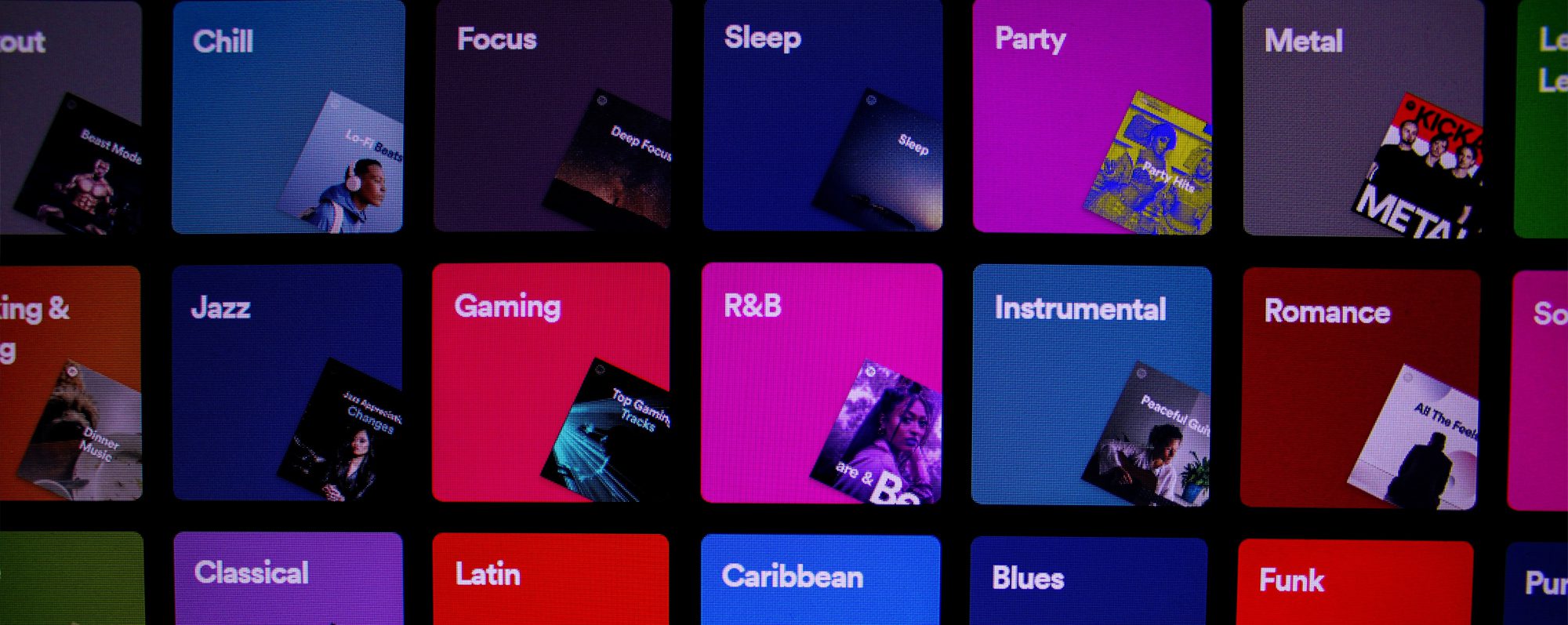
There is currently no license available that allows the end users, restaurant operators, to select music ‘on-demand’ and manage this content themselves. To be compliant, a subscription to a commercial background music provider is required. In short, consumer products, like Spotify, are not allowed.

Music creators and their publishers have rights under Canada’s Copyright Act. Any time music is played in restaurants, whether downloaded or streamed, copyright laws apply, and public performance license fees must be paid through performing rights organizations, like the Society of Composers, Authors and Music Publishers of Canada (SOCAN). 

In Canada, SOCAN music licenses take into consideration the value of music to a business and ensure that the owners of that music are compensated legally and ethically. Entandem is a joint venture between RE:SOUND and SOCAN, created to simplify the licensing process. 

Understand what your customers want to hear 

A signature sound says a lot about your restaurant and your brand, and it’s often underutilized. Music consultants say it’s vital to evaluate selections for their energy and sound density and to understand your target demographic and those you want to attract – both as customers and employees. If the music stimulates and makes your staff happy, they’re going to do a much better job keeping diners happy. 

Consultants recommend that restaurateurs ask themselves a simple question that sometimes doesn’t have a simple answer: Do you want to keep people in their comfort zone or do you want to play up to them? So-called “randomization,” so the music remains fresh and ever changing, is a critical element. Playing the same song or the same playlist over and over is a sure recipe for staff malaise and customer irritation.

The content and relative variety of a music program really depend on the particular aesthetic of the brand, Steen says. “The brand identity should lead all creative decisions. If a brand values variety, then the music should reflect this. At the same time, if a brand’s values are narrow, I would expect a more consistent sounding music program.”

Choosing the right music mix can lift restaurant sales. When the music fits, it elevates the restaurant, the food and the service, and sets it apart from the competition. The best restaurants are more than just places to eat; they are places that sing with positive energy and ambience as they say precisely what their guests want to hear.