
With efficiency and grace, yogurt is stealing the spotlight on menus worldwide. Gone are the days when yogurt was only served with breakfast or as a healthy snack. As Canadians continue to crave global cuisine, this smooth operator is here to stay.
Already a dominant presence for breakfast, yogurt is a natural in all menu dayparts and well beyond a traditional tzatziki.
Greek yogurt, for instance, with its creamy, dense texture, is an excellent substitute for many ingredients; having — in some cases — less fat and more protein than other ingredients is a bonus. Yogurt provides a fresh, tangy pop of flavour in your favourite recipes.

| Original Ingredients | Replace with | Applications |
| Mayonnaise | Mayonnaise 1 part mayo and 3 parts Greek yogurt |
Dips, salad dressing, creamy salads |
| Sour cream | Plain | Fajitas, coleslaw, baked potatoes |
| Ice cream | Vanilla | Cake or pie topping |
| Cream | 1 part cream and 3 parts Greek yogurt | Soups, sauces, mashed potatoes |
| Cream cheese | 1 part cream cheese and 1 part Greek yogurt |
Icing and cheesecake |
| Cream cheese | Plain | Dips and spreads |
| Oil | 1 part oil and 2 parts Greek yogurt |
Cake batter, muffins, scones, pancakes |
Yogurt is confidently offering versatility in your kitchen, one dollop at a time.
Recipes
PrintFried Chicken Breast with Greek Yogurt and Saffron
Ingredients
- 500 g lean chicken fillet
- 500 g Krinos plain greek yogurt
- 200 g wheat flour
- 1 garlic clove diced
- ½ tbsp saffron
- 1 tbsp paprika
- 3 tbsp Krinos extra virgin olive oil
- ½ lemon juiced
- ½ tbsp ground mint
- salt and pepper to taste
Instructions
- Wash chicken fillet thoroughly and chop into bite sizes.
- Mix yogurt, garlic, paprika, salt, pepper and mint. Dissolve saffron in ¼ cup of water and add to mix. Stir well. Once mix has colour from the saffron, add chicken and mix well.
- Cover bowl and refrigerate for 1 hour. Remove chicken from fridge, cover in flour and put in pan with hot olive oil. Fry until chicken is golden brown.
Notes

Stuffed Peppers with Ground Beef & Yogurt
Ingredients
- 6 large red peppers
- 500 g lean ground beef
- 2 onions
- 5 tbsp Krinos extra virgin olive oil
- 4 garlic cloves diced
- 1 tbsp Krinos oregano
- 250 g diced tomatoes
- 350 g Krinos plain greek yogurt
- Salt and pepper to taste
Instructions
- In a skillet, heat olive oil in medium to high heat. When the oil is hot add the garlic and onion, sauté until golden.
- Add ground beef along with oregano, salt, pepper and tomatoes. Stir well for 5 minutes.
- Add 2 cups of water and let cook for 15 minutes in medium heat. Once the water is absorbed remove from heat, add yogurt and mix well.
- Meanwhile, remove stems from the peppers leaving a small part attached to the pepper to use as lid.
- Stuff the peppers with the mix and place them in tray. Any remaining mix can be placed between the peppers.
- Add two cups of water in the tray. Cook for 1 hour at 400°F. For the first 40 minutes cover the tray with aluminum foil, remove foil for the last 20 minutes.
Notes
Potato Salad with Greek Yogurt Sauce
Ingredients
- 4 large potatoes
- 4 tbsp dijon mustard
- 200 g Krinos greek yogurt
- 1 tbsp apple vinegar
- 2 tbsp finely chopped dill
- salt and pepper to taste
Instructions
- Bring potatoes to boil, cook until tender.
- In a bowl, mix mustard and yogurt.
- Cut potatoes into medium sized cubes and drizzle with apple vinegar. Combine sauce with potatoes, mix well. Add salt and pepper if desired. Add dill and serve.
Notes
Brace yourself…winter is coming. Despite so many uncertainties in the last months, seasons continue to change. Winter (especially in Canada) requires preparation in order to weather the coming cold. Food vocabulary changes with the drop in temperature, too. Anything braised, roasted, baked, slow-cooked, hearty, and home-style will feed your customers’ need for comfort food. Is your menu ready?
Don’t hibernate
“Operators should be developing their menu based on the season,” says Gerald Drummond, Executive Chef for Campbell’s Foodservice.
“When looking to do a seasonal menu, stay within the confines of your critical core, the centre of the plate.”
In years past, operators could get away with changing the menu once or twice a year. Because of social media, ever-changing times, the need to stay relevant and build excitement, that model doesn’t work anymore.
Instead, Chef Gerald suggests, “Base a portion of the menu that can constantly be revolving between seasons. Three or four items that can pop on and off the menu based on the season.”
- TIP: This is a perfect opportunity for LTOs. Work with your distributor and suppliers to create the best LTO for your operation.

Insulate your profits
“Foodservice operators run on very thin margins. When winterizing your menu, for cost savings look at your inventory,” says Chef Gerald. “Take your summer grilled chicken served with mango and asparagus. Keep the chicken and adjust the complements to make it trendy, modern and seasonal.”
Campbell’s Foodservice products can be integrated into menus regardless of season, he adds.
“We recently assisted in the development of a Vegetarian Pot Pie, incorporating a multitude of root vegetables in our Butternut Squash Soup base and topping with a traditional pastry.”
“You get a soup that also works as an ingredient. You can control your inventory and ease labour costs because of its ease of prep. A win, win, win.”
Keeping warm (hot)
Winterizing your menu is key. However, there are other factors to consider as temperatures plunge.
“Patios may stay open longer into fall and early winter because of capacity restrictions. It’s imperative even with additional patio heaters that hot food stay hot longer — stews, meat pies, chilis and hearty soups are a great fit,” says James Keppy, Corporate Chef for Foodservice for Maple Leaf.
Preheated dishes and bowls or baked items would heat things up — and keep them hot.
Chef James reminds us, “Call out your winter menu, highlight the creative offerings you’ve made and always factor in how well these dishes travel for delivery.”
With current capacity restrictions and knowing patios will be too cold for comfort at some point, delivery and pickup will remain strong solutions to maintaining and building business. Unkind Canadian winter temperature and distance (time) can be enemies of certain menu items.
- TIP: Ensure success by evaluating the holding ability of each dish. Takeout & delivery will continue to be important components of your operation even into winter.
“Call out your winter menu, highlight the creative offerings you’ve made and always factor in how well these dishes travel for delivery.”
Gerald Drummond, Executive Chef for Campbell’s Foodservice
A snowball’s chance
Travelling to southern climates this winter might not fly. So, it may not be necessary to completely abandon warm weather fare. Who won’t be ready for a taste of summer in January?
“Items like BBQ ribs will still appeal to customers not willing to shovel snow to get to their barbecues,” says Chef James.
“Restaurants that adapt to offer off-premise meals for family or work groups can still pull items from summer menus. Burgers and hot dogs work as a takeout solution in the winter.”
Winter is coming, no matter what. Before you get snowed under, take the time to winterize your menu (and operation) to comfort your customers and protect your profits.
No matter how you plant them, seeds can grow into a mighty delicious menu. These tiny, power-packed ingredients can be sprinkled, stirred, crushed and ground to add texture, colour, flavour and nutrition wherever they are sown.
“Seeds add texture and interest to the appearance of a dish,” says Victoria Horton, in charge of sales and quality assurance at Horton Spice Mills.
“Right now, an everything bagel blend is always on hand in my kitchen. It’s great on meats, veggies and salad.”
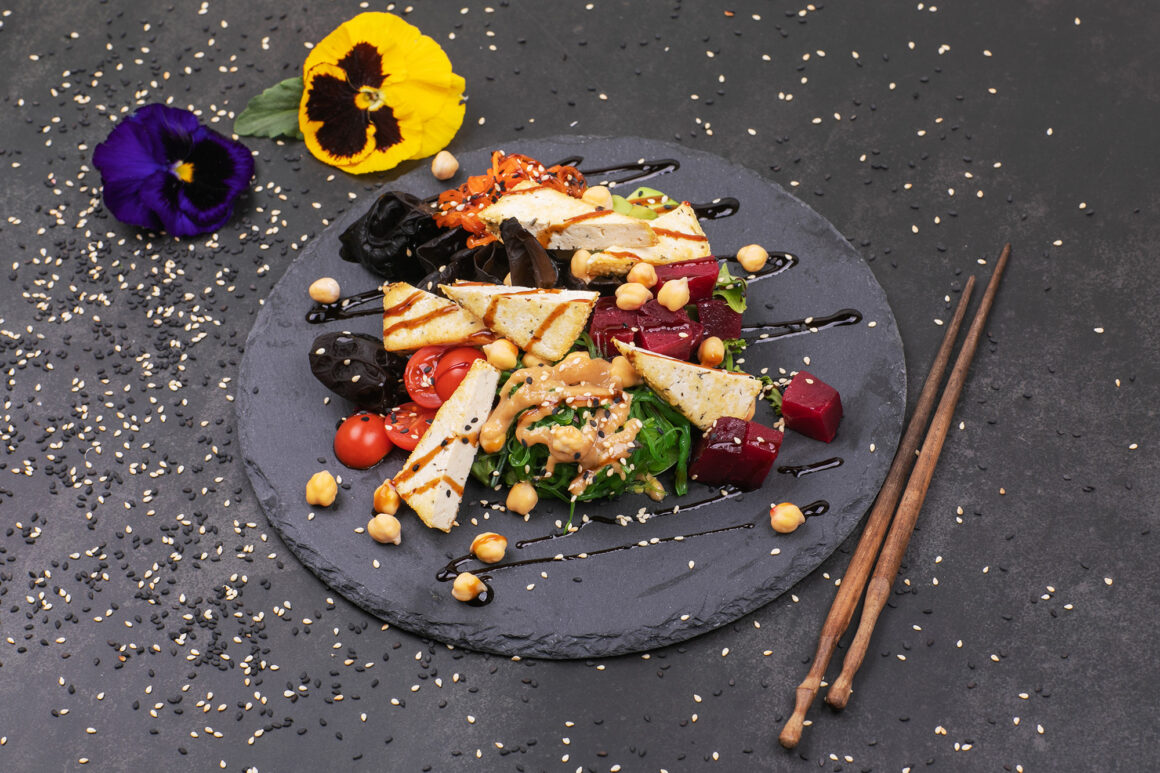
TRY THIS: Everything bagel blend
- 30 mL poppy seeds
- 15 mL white sesame seeds
- 15 mL black sesame seeds
- 15 mL minced garlic
- 15 mL minced onion
- 10 mL sea salt flakes
- Toast the sesame seeds, if desired, for a stronger flavour. Try sprinkling this blend on the crust of pizza before baking. Or how about on hard boiled eggs, avocado toast, Buddha bowls, and sandwiches?
“At Horton Spice Mills, we are focused on providing access to edible seeds of the highest quality to ensure the best possible flavour result, either ground or whole.”

Grow into flavour
“The flavour is hidden inside most seeds,” says Horton.
- TIP: Dry-roast, crush, grind or simmer for maximum flavour extraction.
Roasting whole spices in a dry pan intensifies flavours and makes them easier to grind. Large quantities can be dry-roasted in the oven.
Frying also brings out the flavour, which infuses the oil. Try heating a sweet vinaigrette containing celery seeds before pouring over bean salad or coleslaw.
Freshly ground or crushed seeds are always more aromatic than already ground, not to mention cost effective.
“Whole seeds are generally cheaper than ground as they are not manufactured. They also have a long shelf life.”
Grow into health
“Whole seeds promote the idea of health,” says Horton. She remembers as a kid being freaked out when her bread had seeds on it. Now she looks for them. “And, I really enjoy seeds in my salads.”
Although consumers continue to demand healthy options, they will not compromise on flavour. Adding seeds is a simple delicious solution — great as crunchy coatings for lean cuts of fish and chicken, wonderful toasted and crushed to garnish seasonal vegetable sides, versatile when stirred into the plant-based entrées your customers are craving increasingly.
There’s no place on the menu that couldn’t be enhanced by the addition of seeds:
- Use them to poach fruits.
- Turn to them for health benefits and a zing of taste.
- Sprinkle them on plain yogurt or use in a dip for crudités.
- Give them prominent on a whole grain crust veggie pizza.
“Whole seeds are generally cheaper than ground as they are not manufactured. They also have a long shelf life.”
Victoria Horton, Sales and quality assurance at Horton Spice Mills
Grow globally
Seeds are universal. The distinctive flavours of worldly cuisine would be remiss without them. What would these foods be without their seeds? Pepperoni without fennel. Rye bread without caraway. Garam masala without cardamom, coriander or cumin. Pickles without mustard.
Your customers’ demand for global cuisine is not dissipating. Embrace using seeds to enhance your ability to stay on trend and tempt palates without cutting into profits.
TRY THIS: DUKKAH – an Egyptian nut and spice blend
- 500 mL hazelnuts and/or almonds
- 125 mL white sesame seeds
- 250 mL coriander seeds
- 85 mL cumin seeds
- 5 mL sea salt
- Oven roast nuts and dry-pan roast seeds. Transfer to grinder with salt and pulse to medium-fine consistency. Add freshly ground pepper to taste.
A bounty of flavour lies ahead when you plant seeds across your menu. Your customers will reap the goodness; your operation will harvest the rewards.
Find out more about Horton Spice Mills’ whole seeds inventory
Every operator deals with basically the same deck of ingredients. Sorting those ingredients into a winning plate or bowl takes planning, time and creativity. But just when you have it all figured out, customers are craving something new. Wouldn’t it be nice to have an ingredient up your chef coat sleeve? You do! The sauce.
“Sauce is king!” says Gerald Drummond, Executive Chef for Campbell’s Foodservice. “If you have a sauce that really complements and pops, that’s what customers remember most about the dish.”
Considerable time goes into planning and calculating the best use of proteins on your menu. You have planned ahead to drive profit and sales.
“By changing the sauce, you have a new dish,” says Chef Gerald. “(It’s) a simple way to continuously refresh your menu.”
And he knows what he’s talking about, since the chef was a foodservice operator for almost 30 years before joining the Campbell’s team. He supports operators from their point of view.
Check (your inventory)
“Our Roasted Poblano and White Cheddar is a perfect example of how Campbell’s can help operators manage their inventory. It helps with labour, ingredients and storage. Receive and serve.”
- TIP: Using soup as an ingredient in dishes can help reduce other ingredient costs and preparation time while also adding flavour.
“Roasted Poblano and White Cheddar is an excellent soup. But it can also be spread across all dayparts of your menu. Think eggs, pasta, Spanish dishes, steak, chicken, mashed potatoes, Mac and cheese,” says Chef Gerald.
Versatility is key and although sauces — either purchased or made from scratch — can completely change an entrée, remember you can serve them throughout your menu to really take advantage of their versatility.
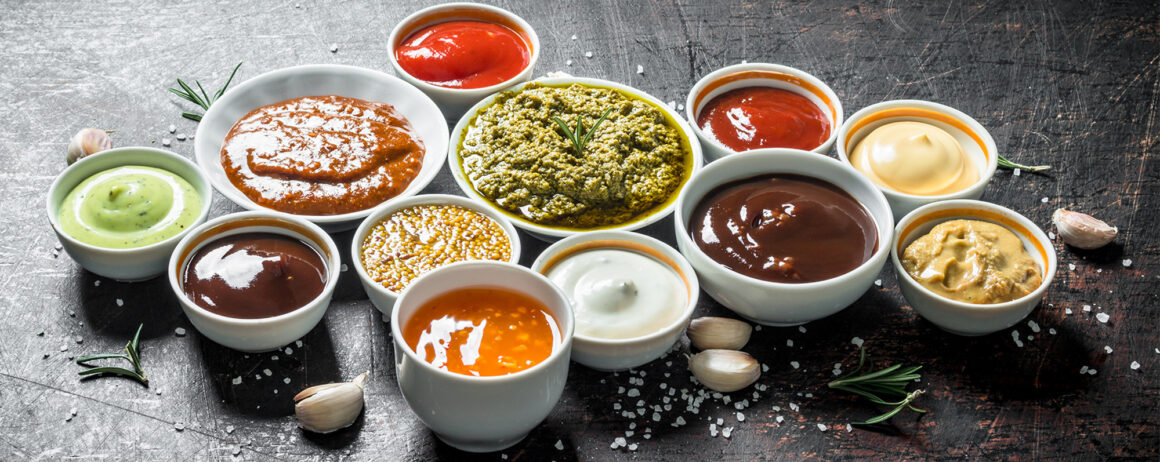
Raise the steaks (and chicken, seafood and plant-based proteins)
Switching up an entrée’s sauce is a simple way to keep your menu on trend. Customers continue to crave global flavours, healthy options and clean ingredients. Bring the world to your plates. With ease.
“We’ve only touched the tip of the iceberg in Asian cuisine,” says the chef.
Understanding that not every operator has his diverse background, he recommends taking advantage of manufacturers’ know-how, since they have put considerable time and energy into developing flavour forecasts and building quality products around them — like Campbell’s Pho bases.
Your odds of winning increase when you partner with manufacturers that support operators.
“We’ve only touched the tip of the iceberg in Asian cuisine.”
Gerald Drummond, Executive Chef for Campbell’s Foodservice
All-in
Certainly, choose sauces to change up entrées but be creative when it comes to inserting them elsewhere on your menu. Think dips, drizzles, and dollops on appetizers and salads; change up a pizza or swirl into a soup.
- TIPS: Consider changing up sauces for healthier options or change to plant-based:
- Béarnaise to salsa verde
- Aioli to gremolata
- Mayo to hummus
- TIPS: Take an entrée around the world — chicken breast + potato + seasonal veg — change the sauce and maybe the cooking method to effortlessly globalize your menu.
- Chimichurri
- Paprikash
- Thai Green Curry
- Ponzu
- Sambal
- Gochujang
- Peri Peri
- Romesco
- Mole
Don’t forget about your dessert sauces
Switch from a strawberry sauce to a lime ginger mango sauce to accompany your grilled pound cake. It’s a whole new flavour experience.
“It’s small changes to a menu that can work wonders,” Chef Gerald reminds us.
A new sauce can really be your kicker. Give your operation the best hand to deal your customers a winning plate.
Heat things up with dutch-style pancakes
In light of current trends, and especially during these cooler weather months, hot desserts are, well… they’re hot. Consumer interest in innovative takes and ethnic twists on dessert continues to be on the rise. Surpass customers’ expectations by including an array of Dutch-style pancake offerings from Cérélia to create sweet treats (and a few savoury dishes) for your menu. Here’s a selection of tips and ideas your customers will flip over.
Poffertjes:
Akin to mini-sized pancakes, these soft and super-puffy pancakes are a classic Dutch treat. A mainstay at festivals and fairs from street vendors in the Netherlands, they’re often served warm with icing sugar, syrup or fruit. Cérélia Poffertjes need only be heated before serving with your sweet or savoury toppings of choice.
Sweet Poffertjes — Heat and serve with:
- Icing sugar and lemon simple syrup
- Melted butter and cinnamon sugar
- Warm chocolate hazelnut spread thinned with cream and sliced bananas
- Warm apricot jam and vanilla ice cream
- Warm maple syrup, caramelized apples and toasted walnuts
Belgian Chocolate Poffertjes — Heat and serve with:
- Skewered, alternating with strawberries and drizzled with salted caramel sauce
- Warm cherry compote and crème fraiche
- Icing sugar and whipped cream
- Ice cream, chocolate sauce and toasted sliced almonds
- Liqueur, such as Grand Marnier, Amaretto or Advocaat and whipped cream


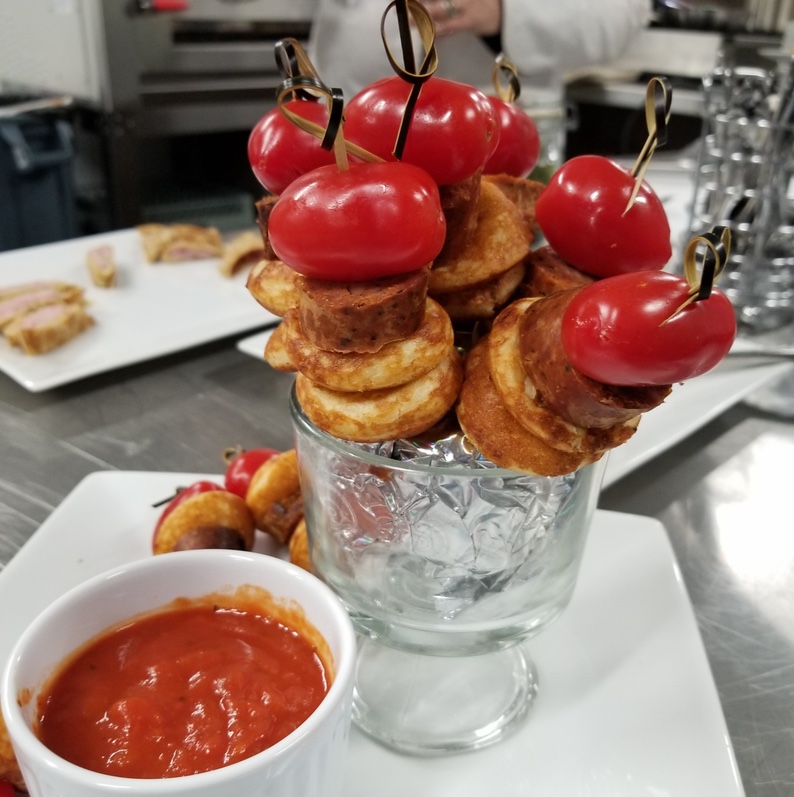
Smoked Gouda Poffertjes — Heat and serve with:
- Skewered, with prosciutto-wrapped shrimp, and served with basil pesto
- Skewered, with chorizo sausage and grape tomatoes, and served with warm Marinara sauce
- In a skillet, with Cheddar cheese sauce and salsa as a shared appetizer
- Melted garlic butter and shredded Asiago cheese
Pannenkoeken:
Similar to both French crêpes (though not quite as thin) and North American-style pancakes (but definitely thinner), this traditional Dutch pancake is one of the most versatile base menu items going. Plain, they can be filled, rolled, folded and topped with any number of options, from sweet to savoury and from breakfast through to dessert. A trio of filled and rolled offerings from Cérélia need only be warmed through and served as is, or with a simple garnish or two.
7″ Plain Pannenkoeken — Heat and serve with:
- Stacked as a crêpe cake with orange simple syrup and cardamom whipped cream
- Whipped mascarpone cheese and whipped cream topped with fresh fruit
- Spread with cream cheese and smoked salmon, then rolled and sliced as canape-size “pinwheels”
- Filled with sautéed spinach, ham and Cheddar cheese
- Folded and topped with salami and fried egg for breakfast
Strawberry-Filled Pannenkoeken — Heat and serve with:
- Hot fudge or chocolate sauce
- Dusted with icing sugar
- Drizzled with cream cheese icing
- Alongside Chocolate-Filled Pannenkoeken
Apple-Filled Pannenkoeken — Heat and serve with:
- As is, as a dessert-style pastry
- Dusted with cinnamon and icing sugar
- Warm caramel sauce
- Aged Cheddar cheese and toasted slivered almonds
Belgian Chocolate-Filled Pannenkoeken — Heat and serve with:
- Vanilla ice cream and brandied cherries
- Fresh blueberries and raspberries
- Whipped cream and shaved dark chocolate
- Coffee or espresso-flavoured mousse
Let your creativity flow
- Dutch Crêpes are the perfect base for any meal
- You can choose any sweet or savoury topping or filling
- Dutch Crêpes and Poffertjes are trending on menus
- A very versatile product that is fully cooked — ideal for QSR’s