
In our digital age the influence of a titled food critic’s opinion has been replaced by the emergence of guest review websites, social media, and food influencers. Food critics per se are not as common as they used to be, however the thorough process that notable food critics follow is extremely useful in understanding how your operation stacks up.
Unlike unforgiving guests who often give you one chance to make it, food critics never dine just once at a restaurant and they often wait until a few weeks post opening to test it out. To gain a deeper understanding of how your restaurant brand is actually performing, it’s critical that you maintain operational check-ins regularly to see the level of consistency in the service, food quality and overall brand experience.
So, put on your food reviewer hat, it’s time to put your own operation under the microscope.
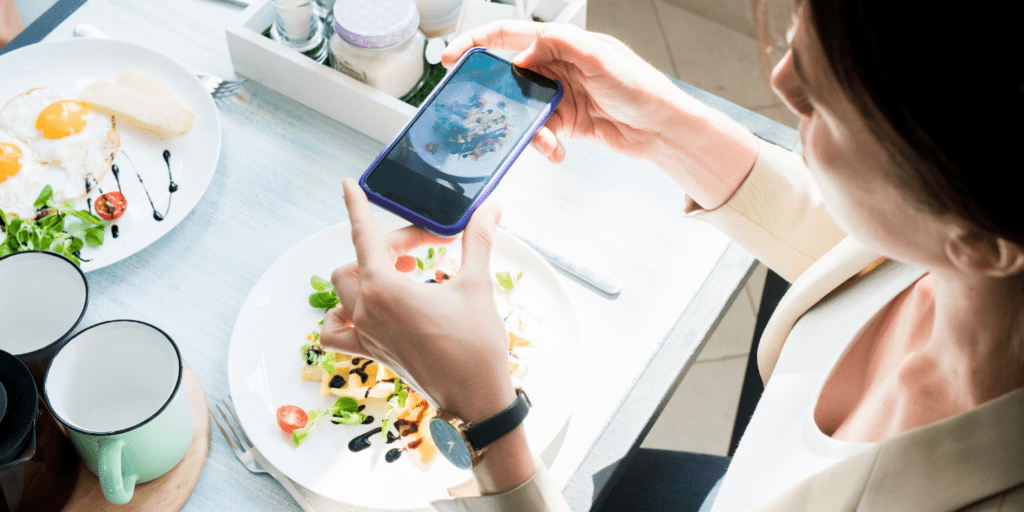
Investigate the competition
Dine at your competitors on a regular basis to get a true picture of the lay of the land. Make notes of what they are doing well and not so well, and overall how their service, food, and brand stack up to yours
Take a seat at your own table
In addition to regular tastings for quality control, invite a few guests in for a complimentary experience that you can trust will offer an authentic opinion. Sit at the table with them to see your operation from the guests’ perspective.
- TIP: To maintain a typical experience, refrain from letting your service and kitchen teams know in advance that you will be dining in!

Review each guest touchpoint
Every touchpoint in your restaurant needs to be representative of the experience you want to offer your guests. Take the time to review each brand touchpoint; you know your biggest critics will be!
- Exterior design and décor — entranceway, front signage, patio, sidewalk, parking area, planters and foliage. Ensure these first impression zones are clean, up to your brand standards and guest expectations.
- Entrance and greeting area — doors, lighting, floor mat, greeting stand. The first greeting and entrance to the space set the tone for the guests’ dining experience.
- Team attire and presentation — ensure the team attire is professional and aligns with the personality of your brand, whether it is causal or upscale.
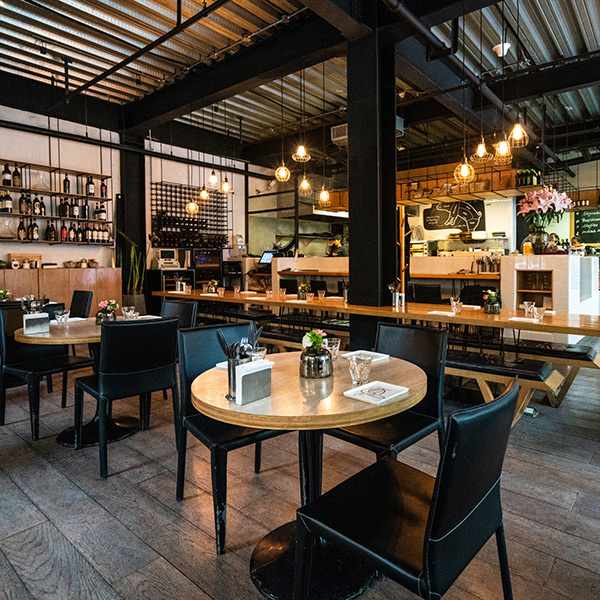
- Interior design — floor layout, lighting, flooring, wall designs, accent décor, signage, floral and live plants, window coverings, bar design, washrooms, menus — each detail must be consistent with your overall brand experience.
- Music — this sets the tone and the mood for your space. It needs to suit your guest demographic, ideally changed for the time of the day, and matching and enhancing the vibe of your brand.
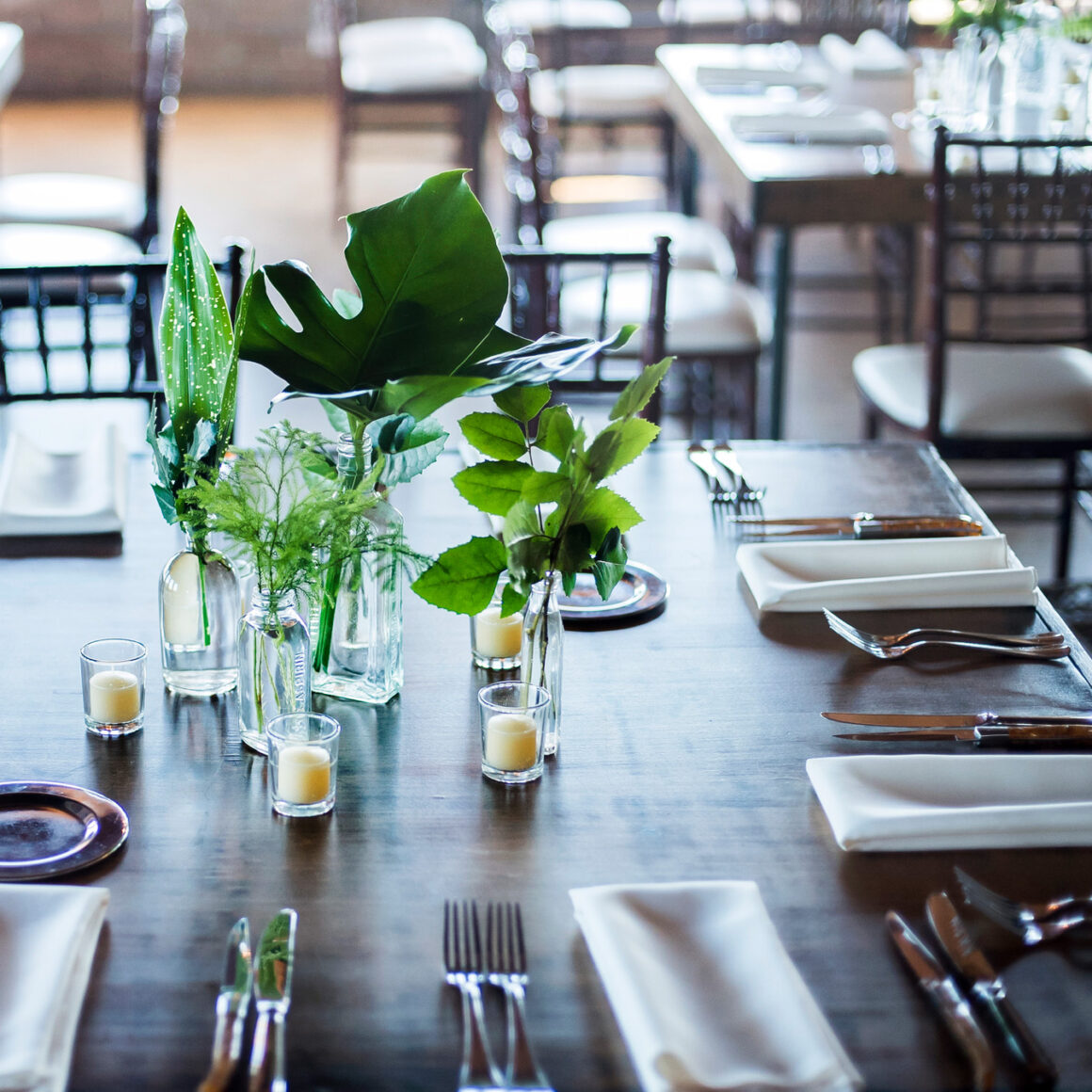
- Table setting and arrangement — whether you’re a modern upscale restaurant or casual vibrant pub, your table setting needs to provide guests with the tools and information they need to understand your restaurant offering and enjoy what’s to come, without having to ask.
- Kitchen and server stands — guests have eyes and ears open to what’s going on in the restaurant, so be alert to how your team is congregating in visible areas.
- Service — professional, caring and consistent service is essential in running a successful restaurant operation.
- Quality — the presentation, the quality and the freshness of dishes and drinks is your number one biggest factor for success or failure. Just like a food critic, trying all menu items at various times will give you a true sense of quality consistency.
These three practices will provide beneficial insight into your operational opportunities for improvement, and the changes needed to achieve a 5-star review.
Over the last decade, like burning wild fire, word of mouth advertising has erupted into a fierce, influential, and potentially detrimental digital landscape called online reviews.
Platforms like Zomoto, Yelp, Dine, Trip Advisor, Facebook, and Google Reviews have given public opinion an open forum to share their restaurant dining experiences on a global scale. If, and how you manage these digital guest reviews can make a significant impact on your brand’s reputation and business success.
Chew on this:
- 94% of consumers say an online review has convinced them to avoid a business.
- 89% of consumers read businesses’ responses to reviews. (BrightLocal)
- 3.3 is the minimum star rating of a business consumers would engage with. (Podium)
- A one-star increase in Yelp rating leads to a 5-9% increase in revenue. (Harvard Business School)
So, not only is the guest’s review influencing whether or not potential guests will come and dine with you, but so is how you respond to the online review, and what your total star rating is.
Moral: it is possible to come back from negative online reviews when brand authenticity is paired with transparency.
Managing your online review profile can be your most influential marketing strategy, second only to social media. It requires a plan with daily dedication and management consistent with your restaurant guest service standards. I’ve termed this strategy “Digital Guest Relations,” and this is your opportunity to increase your conversation rate of digital guests (visitors) into actual guests. Customers are willing to spend 31% more on a business with excellent reviews, so set that as your objective. (Invesp)
- TIP: First and foremost — be prepared to respond to ALL guest online reviews. Not just the good, and not just the bad.
- Begin by identifying around the three most critical online review platforms, by reviewing where the most review activity is taking place by guests. Ensure the number you commit to is manageable on a daily basis, as ideally you are responding to each review within 24 hours to maintain an above average response rating.
- Where possible, claim your online review profile page and update your profile with photography, menus, hours of operation, contact information, descriptions of the service level, and any other key details that set your restaurant brand apart.
- Train a senior team member or members on how to use the platforms. Many of the platforms have phone apps, which are useful in responding to guests in a timely manner on the go.
- Develop a response strategy that your trained team members can use as a guide, with example situations and responses, to maintain consistent guest service standards.
- Train wait staff, bartenders and floor managers to encourage positive guest reviews in the restaurant during service. In a recent study, 68% of consumers indicated they will leave a review if asked (BrightLocal), and a half-star rating increase translates into a 19 per cent greater likelihood that a restaurant’s seats will be full during peak dining times (UC Berkeley). This guest touch point might also uncover dissatisfaction with a guest’s experience, providing another opportunity to turn a potential negative review into a positive experience.
- TIP: Add a personalized touch to each response in addition to using the guest’s name. Remember, potential guests are reading your responses too!
You can go even one step further by incentivizing the guest with a complimentary dish or discount as thank you for their time and feedback. This can be really effective to retain your regulars and encourage repeat business.
How to effectively manage online guest reviews
I recently supported a restaurant client who experienced the wild fire destruction that negative online feedback can cause. A guest had found a worm in their dish, snapped a picture of it, and posted it online with a detailed re-enactment of the situation from their perspective.
Within two days the negative review had spread to 200 additional guest comments, with the majority of the comments supporting the guest, and a community now claiming to boycott the establishment.
The restaurant had experienced a loss of over $50,000 in just 48 hours, and was in panic mode, as the wild fire continued to burn.
Lost from the one-sided online review were the facts:
- This was the first and only time this had happened in the 10 years of being open.
- Management had apologized profusely and did not charge the table.
- The food and safety inspector was brought in immediately and found that their recent shipment of organic cabbage was the source of the problem, and it was quickly removed. Being organic, the cabbage is not sprayed with pesticides and therefore attracts insects.
The biggest concern was that although the restaurant was given a clear report to continue operations, no one was listening. So, we took immediate action, were honest and transparent both publicly and digitally:
- Developed a lengthy and thorough apology to the guest and the public incorporating the “facts” and posted in online.
- Posted images of the health and safety report to be as transparent as possible.
- Followed up with a highly successful guest appreciation weekend event for the entire community.
Within seconds, the wild fire went out, as guests appreciated the transparency of the response and learning all the facts. The online community began to advocate for the restaurant brand, recognizing that sometimes, just sometimes, mistakes do happen and the customer isn’t always right.
Moral: it is possible to come back from negative online reviews when brand authenticity is paired with transparency.
Another effective approach is to take the conversation offline, by encouraging the guest to contact management directly to resolve the matter.
Restaurant guests will continue to post their experiences in the digital space, which is becoming the first touchpoint potential guests have with your brand before they walk through your front door.
For more useful stats:
https://www.qualtrics.com/blog/online-review-stats/