
The 3 Types of Customers Walking into Your Restaurant (and How to Sell to Each)
Not all customers walk in with the same mindset. Some know exactly what they want. Others are browsing. And some? They just want the easiest option.
The key to driving more sales isn’t treating every customer the same; it’s recognizing who they are and guiding them accordingly.
Here are the 3 most common types of customers, and how to sell to each one.
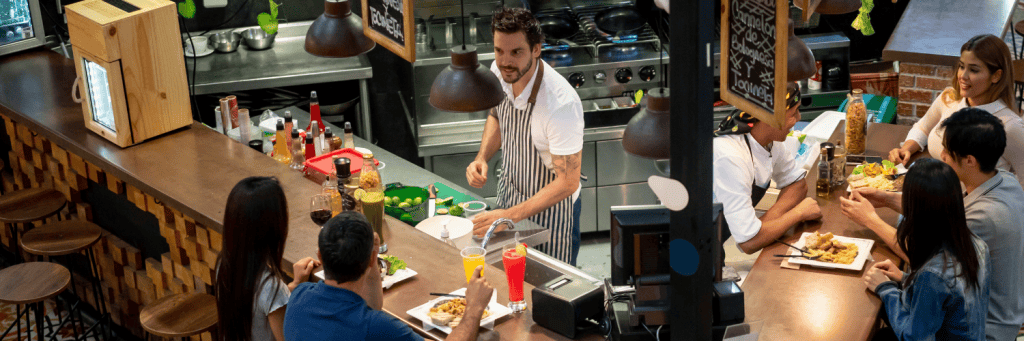
1. The Decided Customer
“I know what I want.” This customer walks in with a plan. They’ve been here before or already made up their mind.
What they care about:
Speed
Consistency
Getting exactly what they expect
How to sell to them:
Don’t slow them down, keep the process smooth
Suggest a quick add-on:
“Would you like to add a drink or fries?”
Offer easy upgrades (large size, combo)
They won’t change their main order, but they’re open to small additions.
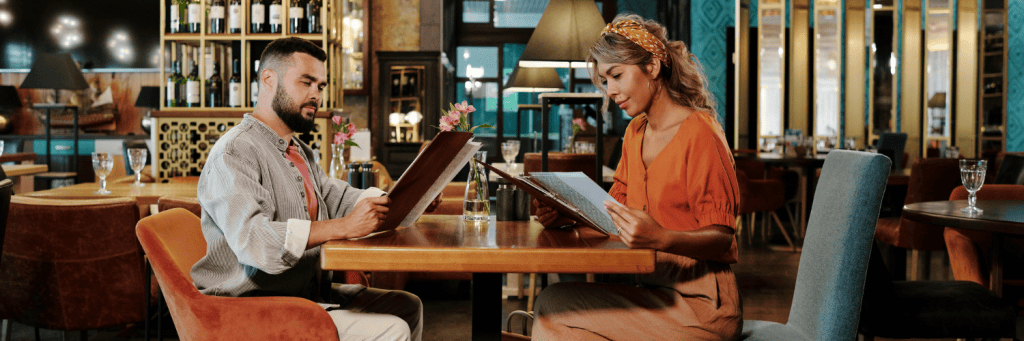
2. The Undecided Customer
“I’m not sure yet…” This is your biggest opportunity. They’re looking at the menu, comparing options, and open to influence.
What they care about:
Guidance
Clarity
Confidence in their choice
How to sell to them:
Highlight “Most Popular” or “Customer Favourite” items
Use descriptive menu language
Train staff to recommend:
“A lot of people love this—it’s one of our top items.”
Whoever guides them best usually wins the sale.
3. The Value-Seeker
“What’s the best deal?” This customer is looking to maximize what they get for their money. Important: they’re not always looking for the cheapest option, they’re looking for the best value.
What they care about:
Getting more for what they spend
Bundles or combos
Feeling like they made a smart choice
How to sell to them:
Promote combos and bundles
Use language like “best value” or “popular combo”
Highlight what they’re getting, not just the price
Value perception drives their decision, not just cost.
Why This Matters
When you understand these three types, everything becomes easier:
Your menu works better
Your staff sells more naturally
Your promotions become more effective
Instead of guessing, you’re guiding.
Final Thought
Every customer is different, but most fall into one of these three categories.
The operators who win aren’t trying to sell harder; they’re selling smarter by matching the experience to the customer in front of them.
And when you do that?
Better decisions, better experiences… and better sales.
A Day in the Life of a High-Performing Restaurant Operator
Every restaurant operator understands the importance of controlling costs, but the most successful ones don’t wait until month-end financial statements arrive to find out how they’re doing. They know that profitability is built through dozens of small decisions made every day.
What separates consistently profitable operators from those who are constantly reacting isn’t necessarily a better location, a bigger marketing budget, or even lower food costs. It’s discipline. High-performing operators develop daily routines that help them spot problems early, make informed decisions quickly, and keep their teams focused on the details that matter.
Let’s follow a typical day.

The Morning: Start with Yesterday’s Numbers
Before the kitchen comes to life, successful operators spend a few minutes reviewing the previous day’s performance.
How many guests came through the door?
What was the average cheque?
Were labour costs in line with expectations?
Did one menu feature outperform the others?
These quick checks provide an early warning system. Instead of waiting for issues to become expensive problems, operators can make adjustments while they’re still small.
Just fifteen minutes of reviewing yesterday’s numbers can influence dozens of decisions throughout the day.
Before Service: Walk the Kitchen
A high-performing operator rarely begins the day in the office. Instead, they walk through the kitchen and storage areas. They check refrigeration temperatures, inventory levels, prep stations, and product rotation. They aren’t looking to catch mistakes—they’re looking to prevent them.
Simple questions become powerful management tools:
“Are we prepping too much?”
“What’s selling faster than expected?”
“Is there anything we need to feature before it becomes waste?”
This five-minute walk often saves far more money than another hour behind a desk.
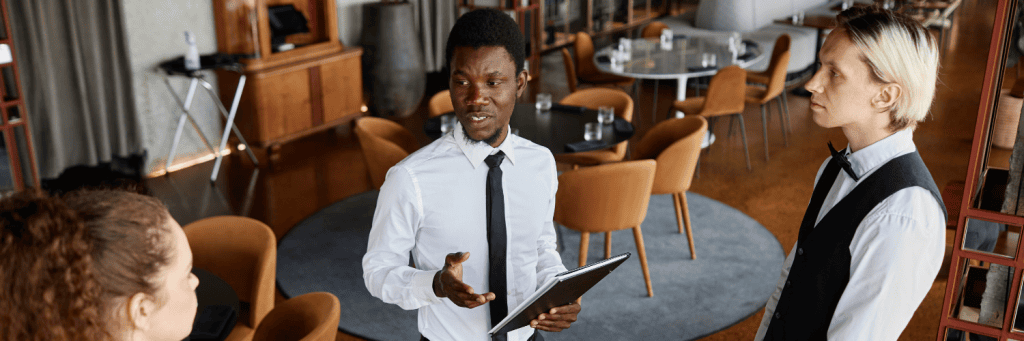
Mid-Morning: Talk with the Team
Strong operators understand that information flows both ways. During a short pre-shift meeting, they share priorities for the day.
Maybe reservations are higher than normal.
Perhaps the weather suggests patio traffic will increase.
Maybe a supplier was short on a key product.
The conversation isn’t complicated. It’s focused. Staff leave knowing exactly what’s important today. They also have the opportunity to raise concerns before service begins.
Throughout Service: Watch the Floor
Successful operators don’t spend the lunch rush glued to a computer. They’re watching. They’re paying attention to table turns, kitchen timing, guest reactions, and how confidently servers recommend specials. If guests consistently leave food on a particular plate, they notice. If one feature is selling exceptionally well, they notice that too.
Small observations become tomorrow’s improvements.
Afternoon: Review Inventory with Purpose
Inventory isn’t simply counting products. It’s understanding movement. Experienced operators know which items are moving quickly and which are quietly tying up cash. Instead of asking, “What do we need to order?”
They ask, “What do we already have that we should be selling?”
This subtle shift often reduces waste more effectively than chasing lower prices.

Supplier Relationships Are Ongoing
High-performing operators don’t only call suppliers when there’s a problem; they ask about seasonal availability, Canadian alternatives, and upcoming promotions.
These conversations often uncover opportunities to save money or improve menu planning long before they become urgent.
Good suppliers become valuable business partners when communication is consistent.
End of Day: Learn Before Tomorrow Begins
Before leaving, successful operators take a few minutes to reflect.
What worked particularly well today?
Where did service slow down?
Did staffing match demand?
These aren’t formal meetings. They’re short conversations with managers, chefs, or key staff. Small improvements repeated every day create remarkable long-term results.
The Takeaway
The biggest misconception about successful restaurant operators is that they have better systems than everyone else. Often, they simply follow them more consistently. They review yesterday’s numbers, they walk the kitchen, they communicate with staff.
And they finish every day by asking one simple question:
“What can we do a little better tomorrow?”
Patio Season Playbook: What Actually Drives Traffic (and Profit)
Summer is here, and suddenly everyone is talking about patio season. Tables come out of storage, umbrellas go up, and social media fills with photos of people enjoying meals outdoors. It’s easy to assume that simply opening your patio will automatically increase business. The reality is very different.
Some restaurants fill every patio seat from lunch until close. Others open the doors only to discover that guests aren’t arriving as expected. The difference usually isn’t the weather—it’s the experience.
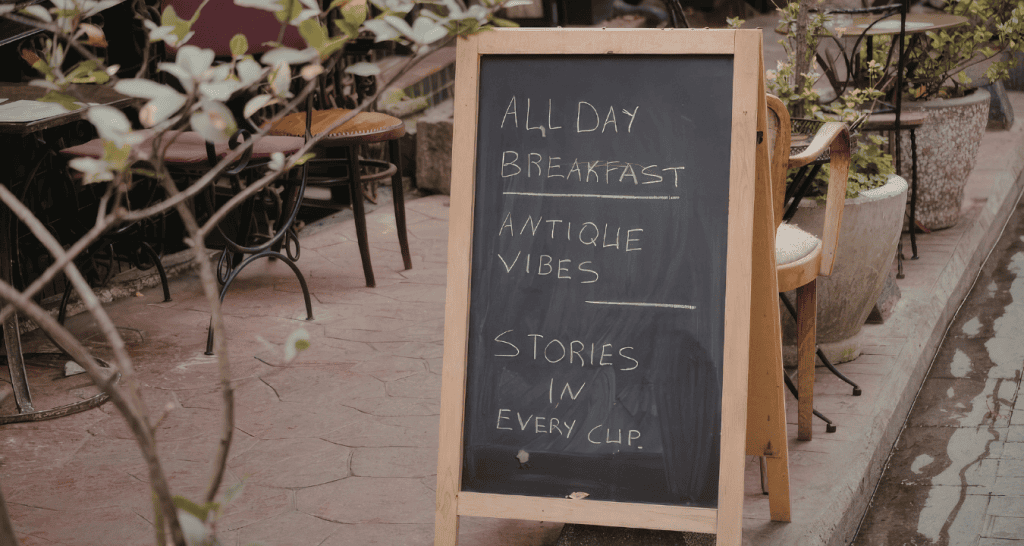
Think Like a Guest
Ask yourself one simple question: “If I drove by my restaurant today, what would make me stop?”
Is it the atmosphere? The energy? The menu? The people?
Or is it simply a collection of tables sitting beside the building?
Guests rarely decide on a patio because of square footage. They choose based on emotion. They want to imagine themselves relaxing, socializing, and enjoying the experience. That emotional connection begins long before they arrive.
The Patio Starts Online
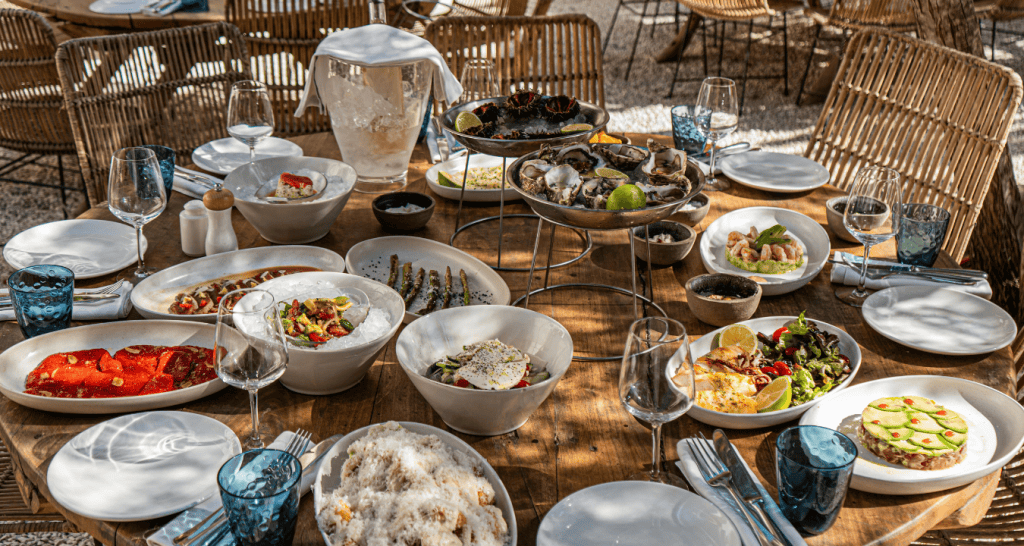
For many guests, the first patio visit happens on a phone. When was the last time you updated your patio photos? Many restaurant websites and Google listings still feature winter interiors or photos taken years ago. Fresh, bright patio images immediately communicate that spring has arrived. Consider sharing:
Seasonal menu features
Sunset dining
Signature spring cocktails
Instead of saying: “Our patio is open.”
Tell a story: “Sunshine is on today’s menu.”

Drinks Drive Margins
While entrées fill tables, beverages often drive profits. Guests lingering outdoors frequently order:
A second cocktail
Local craft beer
Premium iced coffee
Mocktails
Train servers to make recommendations naturally: “Our new strawberry basil lemonade has been really popular on the patio.” It feels like helpful advice, not a sales pitch.

Service Should Feel Relaxed—Not Slow
Guests expect a more leisurely experience outdoors. Patio guests are remarkably forgiving of relaxed pacing, but only when they feel acknowledged. Simple improvements include:
Greeting tables within two minutes.
Clearing finished plates promptly.
Presenting dessert menus before guests begin asking for the bill.
The rhythm should feel attentive rather than rushed.
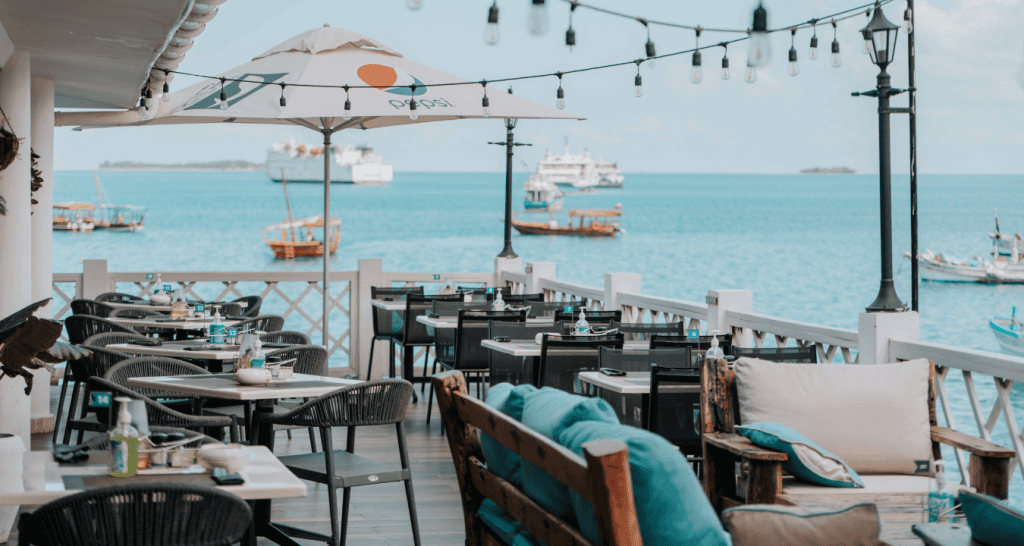
Learn From Every Sunny Day
Busy patios generate valuable information. Pay attention to:
Which tables fill first.
Which menu items consistently sell.
Average table times.
Small observations help refine staffing, inventory, and promotions throughout the season. The operators who improve week after week rarely make dramatic changes. They simply keep adjusting.
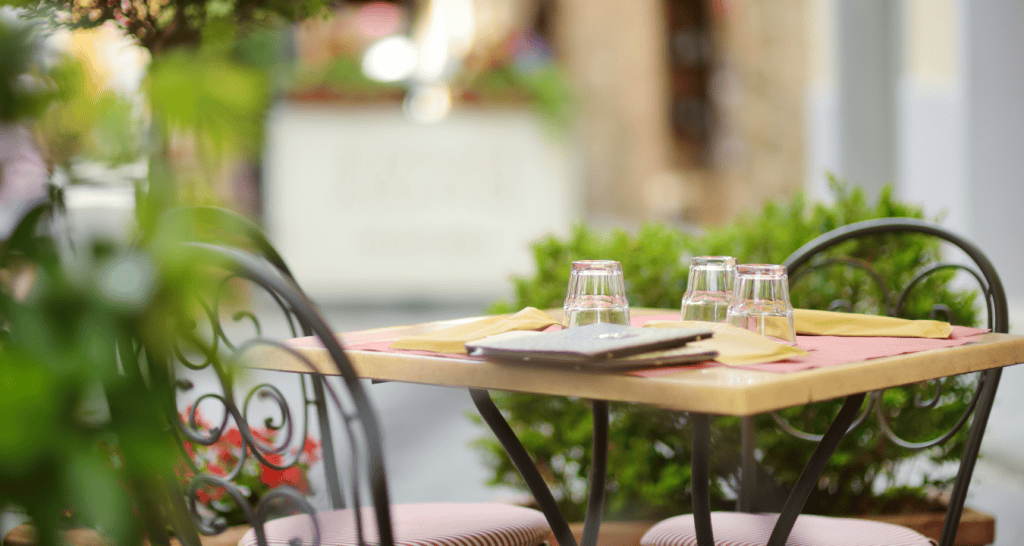
The Takeaway
Successful patios aren’t built on sunshine alone. They’re built on thoughtful planning, welcoming experiences, attentive service, and smart operational decisions. Every outdoor table is an opportunity to create memories that keep guests returning long after summer ends.
Instead of asking, “Is the weather good enough to open the patio?” ask a better question:
“Have we created a patio experience guests will choose over everyone else’s?”
Biggest Menu Mistakes We See (And How to Fix Them)
In today’s Canadian restaurant environment, your menu isn’t just a list of food anymore. It’s a profitability tool, a labour management tool, and a marketing tool.
The challenge? Many independent operators are still carrying menu habits from a very different operating environment, before labour shortages, before major food inflation, and before customers became so value-conscious. The result is that some menus are quietly hurting profitability every single day. Here are some of the biggest menu mistakes we continue to see, and some practical ways to fix them.
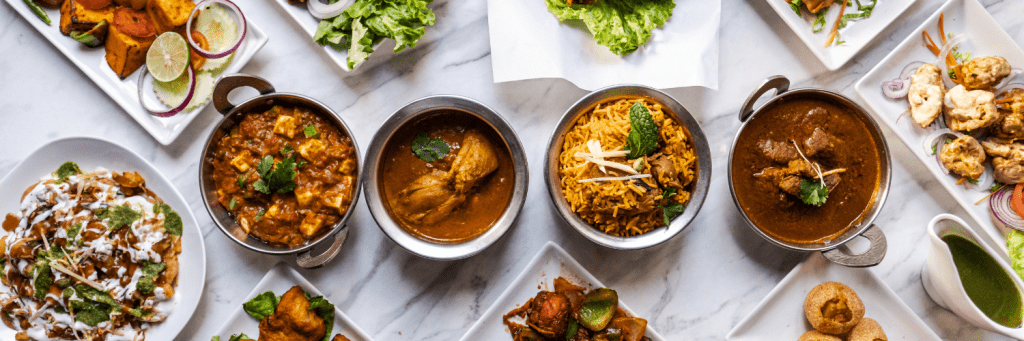
1. Too Many Menu Items
This is still one of the most common problems in independent restaurants.
Operators often believe: “More choice means more customers.”
But oversized menus usually create higher inventory costs, more waste, slower kitchens, more prep labour, and inconsistent execution. And customers often become overwhelmed by too many choices anyway.
The Fix:
Start trimming low performers. Ask:
What rarely sells?
What creates complicated prep?
What ties up expensive inventory?
A smaller, more focused menu is often more profitable—and easier to execute consistently.

2. Pricing Based on “What Feels Fair”
Many operators still price emotionally instead of strategically. They worry: “Customers won’t pay that.”
Meanwhile, food costs continue rising, labour costs continue rising, and competitors are quietly increasing prices too. The reality in 2026 is that customers already expect restaurant prices to be higher than they were a few years ago.
The Fix:
Price based on actual plate cost, labour involved, portion size, market conditions, and overall value perception. Not just what “feels right.”
And remember, a properly priced menu item that sells slightly less can still be more profitable than an underpriced bestseller.
3. Too Much Prep for Too Little Profit
Some menu items look great on paper, but create major headaches behind the scenes.
Things like multiple garnishes, unique sauces used once, complicated plating, and excessive prep steps all add labour cost. And in today’s labour environment, complexity is expensive.
The Fix:
Simplify wherever possible. Use shared ingredients across dishes, cross-utilized sauces, and easier plating systems. The goal isn’t to make the menu boring.
The goal is to make it executable on a busy Saturday night with a short-staffed kitchen.
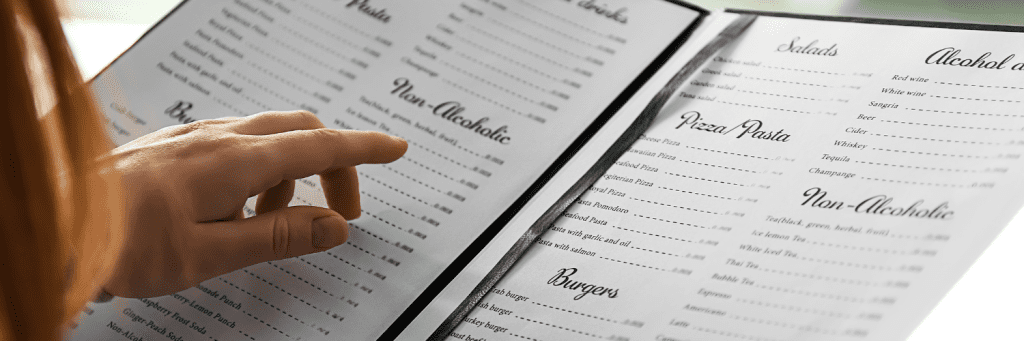
4. Ignoring Menu Psychology
Many operators underestimate how customers read menus. Customers naturally gravitate toward featured items, boxes or highlighted sections, descriptive wording, and items placed strategically on the page.
Meanwhile, profitable items often get buried.
The Fix:
Guide attention intentionally. Highlight:
Signature items
High-margin dishes
Add-ons and upgrades
Small menu layout changes can meaningfully influence ordering behaviour.

Final Thought
Your menu should not be a collection of random items.
It should be a carefully built operating system for your restaurant.
And sometimes, the biggest profitability gains don’t come from adding something new…
They come from fixing what’s already there.
The Secret to Getting Customers to Spend Just a Little More
You don’t need customers to spend a lot more to grow your sales. In fact, the real opportunity is getting them to spend just a little more, consistently. Here’s how to do it.
1. Make the “Next Step” Easy
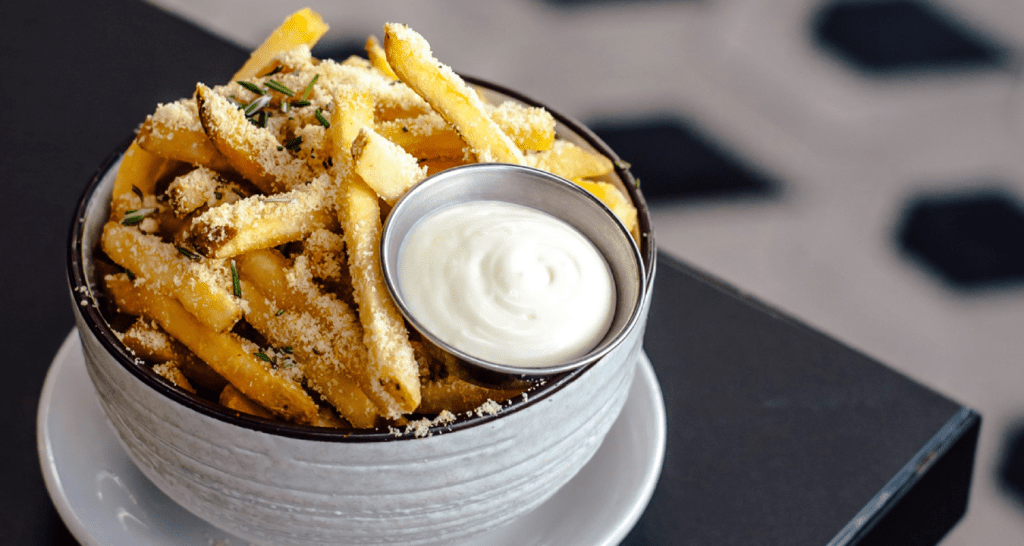
Customers are more likely to add something small than make a big jump.
Try this:
Offer simple add-ons (drink, side upgrade)
Keep the price difference minimal
Small steps feel easy—and they add up.
2. Use Smart Bundling
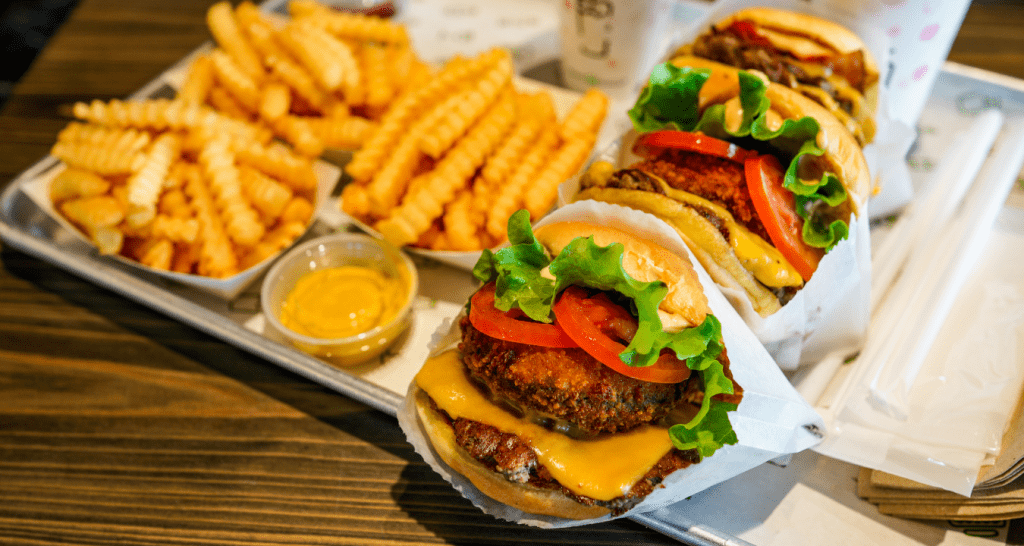
Bundles remove decision-making and increase perceived value.
Example:
Main + side + drink at a slightly better price
Customers spend more without feeling like they are.

3. Suggest, Don’t Sell
Pushy upselling doesn’t work—but helpful suggestions do.
Train staff to say:
“Would you like to add…?”
“Most people pair this with…”
Guidance feels natural, pressure doesn’t.
4. Anchor the Price
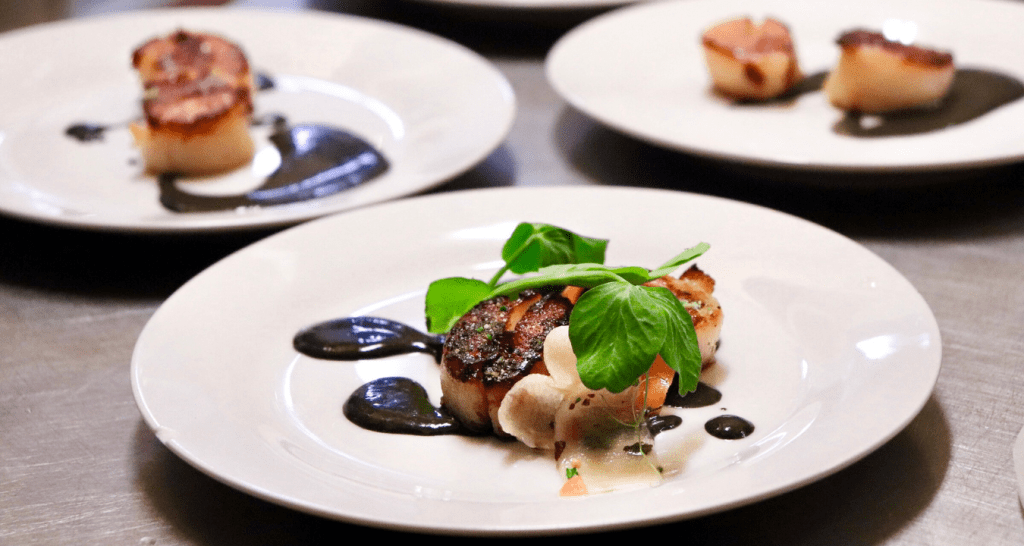
Show a higher-priced option first to make others feel more reasonable.
It’s not about what they buy—it’s what they compare it to.
5. Highlight Popular Choices
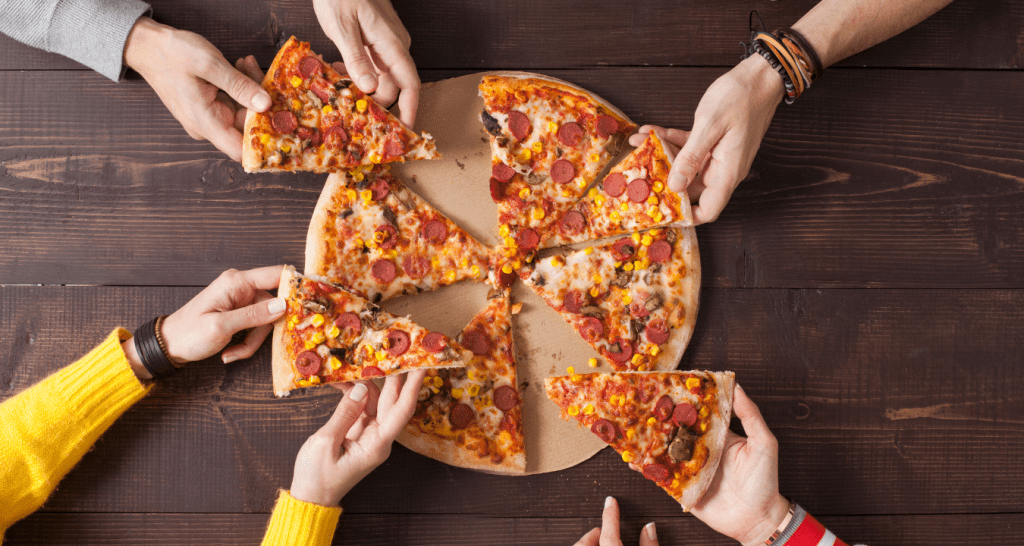
People feel more confident choosing what others are already buying.
Use:
“Most popular”
“Customer favourite”
Social proof drives decisions.
Final Thought
Increasing sales doesn’t always mean more customers.
Sometimes, it’s about helping each customer spend just a little more—without making it feel like more.
And those small increases? They add up fast.