
Marketing Archives - Page 4 of 7 - Brand Points Plus

The COVID-19 pandemic has placed unprecedented stresses on supply chains worldwide. Policies adapted to contain the spread of the virus have contributed to bottlenecks in farm labour, processing, transport and logistics and momentous shifts in demand, according to the OECD. Factory shutdowns and slowdowns, staff shortages, congested shipping routes and lean manufacturing with low inventories have all contributed to major obstructions at each stage of the supply chain. 

As some shipments are delayed or unavailable, foodservice operators are adapting and embracing flexibility. With recent storms knocking out primary supply routes, operators in B.C. and Newfoundland in particular have had additional challenges to face that exacerbate supply chain challenges.


“Buy what you need … and trust the system. The long-term goal of sourcing locally-made ingredients that are plentiful is the best way to shelter your business from disruptions.”

Peter De Bruyn, provincial chair of the BCRFA

Peter De Bruyn, provincial chair of the BCRFA, says the best way for foodservice operators to get through this is to “buy what you need, not necessarily overbuy, and trust the system. The long-term goal of sourcing locally-made ingredients that are plentiful is the best way to shelter your business from disruptions.” 

Experts recommend that foodservice operators focus on what they can control. That means nurturing strong (and local, when possible) partnerships, creating flexible menus that can be easily adapted, working out dish substitutions in advance, and keeping the lines of communication open with your staff, customers, and suppliers. 

Working with restaurant supplier

Building relationships to enhance supply links

By working with your foodservice distributors, operators can be better positioned to alleviate the impact on their business. “The supply challenges we have all faced have made the communication between operators and suppliers that much more important,” says Jason Voisey, purchasing manager at F. J. Wadden and Sons, based in Mount Pearl, Newfoundland. 

“When distributors communicate any supply issues to their operators as soon as possible, the operator can adjust or modify menu plans,” he adds. “Addressing the circumstance early and working closely together helps ease the frustration and improves the relationship.” 

Tips to streamline your menus and simplify kitchen operations 

Be flexible to achieve results

During these challenging times, being open to more generic products adds flexibility, Voisey advises. “Each operator has preferred products that they would like to use. By working with their distributors to understand which products are available, operators can find suitable alternatives. This may impact some recipes and plate profiles, but it can help keep items on the menu and avoid guest disappointment.” 

Suppliers may have several SKUs of similar products, and while some work well, others don’t, De Bruyn says. “Know what items you can easily substitute while you wait for your main supply to return.”

Managing expectations is important, adds Sylvain Charlebois, director, Agri-food Analytics Lab at Dalhousie University. “We are already seeing menus shrinking as well, which is not a bad strategy. Less could and will likely be better in the future, from a supply chain perspective.”

Carrying extra inventories can help get through the current challenges, Voisey says. “But equally, distributors have to monitor their carrying costs and cash flow closely.”

Supply chain restaurant industry

Assess your risk and plan ahead

Audits and stress tests will become more critical for companies, Charlebois says. And more supplier options will also be critical if the company experiences a breach of some sort across the supply chain.

“Most companies have an emergency plan, but most did not include a strategy for dealing with a pandemic. Cybersecurity is another issue most companies will need a plan for, and that plan needs to be linked to the supply chain.”

Technology can help 

Using technology by tracking sales helps the foodservice operator make more informed decisions when it comes deciding if an option should be kept on the menu, Voisey says. “Focusing on the most popular items and working with the supplier to ensure these items are available allows the operator to focus on what they can sell and not what is unavailable.” 

Data and technology are more important now than ever, and we generally have great access to it, De Bruyn says. “Most of us have point-of-sale systems; as well, we may have the data from our third-party delivery companies. This data can help us understand not only what products consumers are buying specifically, but what trends exist with purchasing behaviour. In times of supply shortages especially, there is no benefit to investing extra labour sourcing ingredients for a low-selling menu item.”

The use of more predictive analytics and forecasting are great tools to understand what lies ahead for foodservice businesses, Charlebois says. “We are expecting more companies in the sector to use promising technologies offered by machine learning, for example.” 

Ingredient tips

Great idea 💡

If a popular menu item is unavailable for a time, advertise it on social media when it does return – even for just a limited time offer – to build diner excitement.

More information: 

Food Supply Chains and COVID-19: Impacts and Policy Lessons

Marketing your restaurant brand successfully, meaning you’re actually experiencing a return on your marketing dollars, can often seem an insurmountable task.  

It’s important to keep in mind that some of the most effective restaurant marketing strategies are designed to produce long-term results, as guests need constant visual reminders and communication about your brand to persuade their decision-making.

Here are 10 restaurant marketing strategies to leverage with the core objective of increasing revenue in the short- and long-term: 


Targeted Digital Advertising

Instagram and Facebook have made it extremely easy to attract and gain new guests with targeted digital advertising. Set your ad objective to target audiences similar to who follows your social pages, and drive them right to your website for reservation bookings. You can track the results, and not only begin seeing your social community grow, but also your reservation bookings.


Ticketed Events and Experiences

Create a seasonally inspired ticketed experience or event that requires guests to secure their spot in advance with a ticket. Not only does this guarantee a full house, but also allows you to manage the profit margin to increase your revenue, while creating a unique experience for guests. Try EventBrite for ease of ticket management. 

Live Events

Promotional Marketing

Promotional Marketing

Promotional marketing has a reputation of hurting the bottom line, but that isn’t always the case if planned strategically. There are many ways to maintain your brand experience and reputation, while offering a nominal perk to encourage guests to dine with you, and spend a little bit more. The objective with promotional incentives should be to increase the average check, by upselling the order on profitable menu items. Themed menu nights, pre-set menus, menu specials, alcohol features, and combos are all forms of promotional restaurant marketing that can increase revenue. 


Sampling and Tastings

What better way to encourage sales than by giving someone a complimentary experience first! This marketing tactic allows you to communicate one on one the key selling features of the menu item or beverage, while making the guest feel special with a complimentary tasting. Work with your suppliers to create the experience and provide additional support and product, which will also reduce your expenses and increase your profit. 

FACT: Customers are 93% more likely to purchase an upgraded bottle of wine ($10 more) when offered a sampling. 

Enjoying Food Samples

Pop-Up

Why wait for the guests to come to you, when you can go to them? Pop-up carts, booths, and street activations can be very a cost-effective way of reaching a new audience and marketing your brand experience directly. Be sure to hand out a promotional piece, such as a complimentary appetizer or dessert card, to invite guests to your physical location to dine again!  


Private Label Products To Go

Consider leveraging your most popular dishes, sauces, or made-in-house products that have the highest profit margin, and packaging them to go for guests to enjoy at home. This out-the-door form of marketing keeps your brand top of mind in guest homes, sparks word-of-mouth advertising, and provides your business with another revenue stream. 

Private Label Foods

Dining Rewards

Most restaurant point-of-sale systems have built-in rewards programs that track guest’s information and dining history. The systems are extremely sophisticated, and often provide digital marketing opportunities to reward guests based on their dining behaviour and milestones, such as birthdays and anniversaries. Whether it’s a complimentary birthday dessert or points towards achieving a unique experience, be sure to maximize the preexisting marketing tools in your point-of-sale, or reservation booking systems, to encourage repeat business. 


A picture of a chef preparing food

Brand Collaborations

You know the saying – “Keep your friends close, and your enemies closer”? This rings true for restaurant competitors too! Over the last few years, as restaurants have struggled with new industry challenges, we’ve witnessed the birth of restaurant and chef collaborations with the objective of bringing unique experiences to guests and driving new business. Consider hiring a well-known chef to design your seasonal menu, or feature some unique menu items designed by another popular restaurant that serves a different type of cuisine, or collaborate on a pop-up to share costs. The ideas are endless, and with the right collaboration the results can be very positive for the bottom line.  


Google Business

When it comes to marketing your restaurant brand, Google Business is a tactic that many restaurant brands have still not tapped into fully. Google Business pages provide a platform where you can showcase images, post daily updates, create digital promotions for guests, link to your website and social platforms, and encourage guests to reward you with 5-star reviews. When a guest Googles your brand, your Google Business page is likely the first thing that pops up, which is why it’s so critical to manage this platform. The best part, all of the digital tools are free. 


Own Your Restaurant Website

Let your website be the front door to your restaurant where diners can learn about you before they make a reservation. Your online strategy isn’t complete without one and sites such as the all-in-one platform Sociavore was developed for independent restaurant operators like you to be in full control of your brand, content, online ordering and reservation booking system. Your website attracts visitors and drives sales, so take control of your online presence. Book a Sociavore demo here.

Restaurant Website

Take your marketing efforts to a more profitable level by implementing one or more of these creative strategies for your restaurant brand. 

During the pandemic, the need for outstanding visuals to sell your food is even greater than before, when competition was already fierce for food dollars. That’s where professional-looking food photography comes in.

Consider food photography being worth not only a thousand words, but a thousand dollars in revenue for your restaurant brand. In a digital world that’s easily influenced by visual storytelling, this is the impact that high quality styled food images can have in attracting new business to your restaurant.


Consider food photography being worth not only a thousand words, but a thousand dollars in revenue for your restaurant brand.


According to the TripAdvisor “Influences on Diner Decision-Making” survey from 9,500 international diners, 60% of respondents from the US reported that online photos influence their dining decisions. The impact of online photos proved even higher in Spain at 72%, followed by Italy with 67%, France with 64%, and the UK with 52%. This is definitely something to keep in mind when trying to attract tourist (and other) diners.

For restaurant brands large and small, the importance of capturing high quality, well-planned menu photography remains the same – HIGHLY IMPORTANT! And during the pandemic, the need for outstanding visuals is even greater.

Cell Phone Photography

So, when is using a phone to take your restaurant brand’s photography a good idea?

For chefs or restaurateurs, if you have basic photography knowledge and understand lighting, angles, product positioning, shot styling, and are tech-savvy with the latest editing applications, then go for it! 

However, if you are like most of us, with little photography expertise beyond selfies, and even less time to spend in this area, and if you want to put your best visual face forward, here are some other solutions to create a professional profile at reasonable cost:

Hire new talent

Aspiring photographers or recent photography graduates are a great place to start as they need projects to build their portfolios and often have very affordable rates. Try posting a free ad on jobsites like Indeed.com and on your restaurant’s social media pages to attract résumés.  

Social Media Influencer

Find the food influencers

A food influencer is an Instagram user with an above average following who focuses on curating and sharing food and restaurant-related content that produces user engagement to influence consumers’ decision-making. 

These are savvy photographers and editors who are always on the lookout for new content to curate! 

TIPS:

Whether you choose to take your own photos, or use a trained photographer, understanding how to make your food look its best from the kitchen preparation to the final shot can help to achieve your desired look.  

Your website and social media channels might be the first experience and interaction potential guests have with your brand. You have one chance to attract business from that first impression.

This is why it is so important to put your best shot forward!

TIPS:

Consumers will search your website and scroll through your social media channels to read reviews and look at photos of your menus and space before deciding whether or not to book a reservation or order from your restaurant. Those visuals may mean the difference between choosing your place…or the eatery down the street.

Managing guest expectations during times of constant change through effective communications tactics

Keeping your guests informed and up to date about what to expect when dining at your establishment has never been so critical to the success of your foodservice operation. The restaurant industry remains in a state of constant change, and to maximize the allowable dining capacities, you need to up your communications game.  

Start off by keeping these key questions top of mind for a more tactical approach to your communications: 

  1. What do guests want to know right now about my restaurant?
  2. How will the message we’re communicating make them feel?
  3. Where and how do they want to receive messages?
  4. How will they respond and how can our team be ready?

Transparency is a Winning Tactic

First and foremost, a transparent and authentic approach is critical in achieving effective communications that will leave your restaurant guests feeling comfortable, safe and informed about the NEW dining experience at your establishment. Be first to share your health and safety procedures, operational changes such as seating and team updates, and menu modifications, so guests know upfront what to expect without having to ask. This tactic will help to demonstrate that your team takes the changing circumstances seriously, you’re informed, and you want to provide the best guest experience. 

Digital Marketing for restaurants

Consistent and Timely Information is Key for Restaurant Marketing

In a recent poll, 59% of respondents shared that they use Google to find out information about a restaurant, while 41% use Instagram.

Reservation booking platforms, search engine listings, your website, social media, and review websites all share pertinent information about your restaurant that informs guests decision-making. The information listed on these digital touch points must to be current and consistent for maximum awareness. There is nothing more frustrating for a guest than showing up to find a closed restaurant, when online it says it’s open. 

Here is the key information guests are looking when they search; be sure to keep it updated:

  1. Health policies and procedures
  2. Hours of operation and seating times
  3. Menus 
  4. Reservation system 
  5. Takeout and delivery options
  6. Specials 
  7. Contact information

Focus on the Fun

It’s easy these days to overuse the pandemic in our communication, however when the time is right, focus on the new and exciting things happening at your restaurant to entice guests back in to dine and continue to take out. New menu items, improved service, seasonal drinks, revamped décor and design, weekend events, and special occasion celebrations are all things to communicate that will remind guests of why they should choose to dine with you versus a competitor.  Promote what you’re best known for, and feature it on all of your communications platforms! 

Get Even More Social

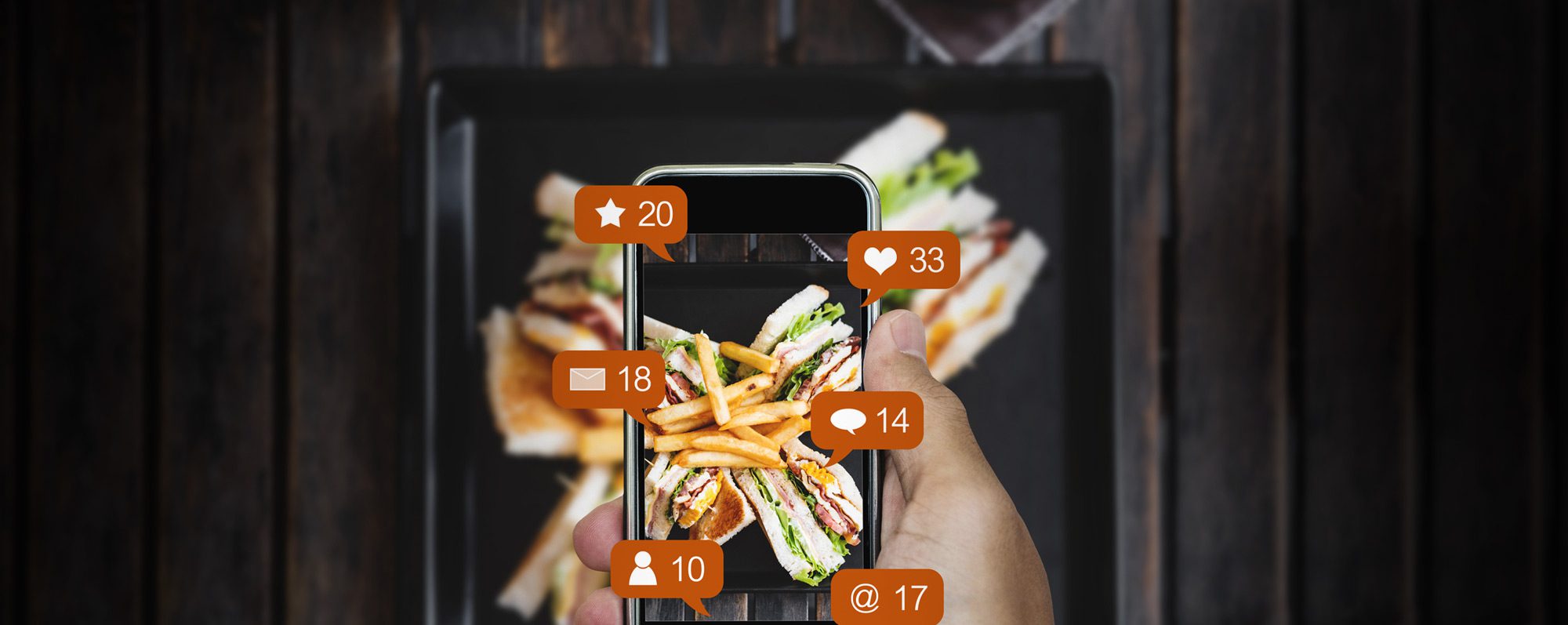
Social media is your simplest and quickest way to share what’s happening at your establishment with guests, and to spark two-way communication. Up your posting to daily, and share the unique brand experiences that will excite guests the most. With health and safety top of mind for diners, ensure your photography and video content showcase your team following the proper procedures, in order to resolve any guest concerns; transparency is absolutely the best policy. When boosting your social media presence be prepared for increased guest inquiries through direct messages and comments, and have a plan in place to respond within less than 24 hours. The FAQs and responses are also a useful tool when responding on social media. 

Land in the Inbox

Whether you send monthly emails or have never sent email communication from your brand, now is the time to get in the inbox. You’ll be fighting for space, however email communication is a great tactic to provide more detailed information for guests to help keep them informed of your weekly or monthly happenings. E-newsletters should be short and sweet, with a catchy subject line, and include hyperlinks either back to your website or a direct email for more information. Utilize email communication to feature operational and safety news, menu features, and special events.  

Guests are eager and excited to get back to in-dining, and the most effective approach to filling your seats is to communicate timely and accurate information that sets a clear guest expectation. Your brand can’t over-communicate right now; it’s time to get loud!

If there is one thing this pandemic has proven, it’s that hospitality businesses can no longer rely on one service offering as a sole source of revenue.

Over the last 16 months we’ve witnessed a complete shift in the hospitality industry as businesses pivoted and innovated their experiences to keep doors open, which resulted in new concepts evolving from bodegas, to takeout windows, pop-up restaurants within restaurants, and private brand consumable retail expansion.  

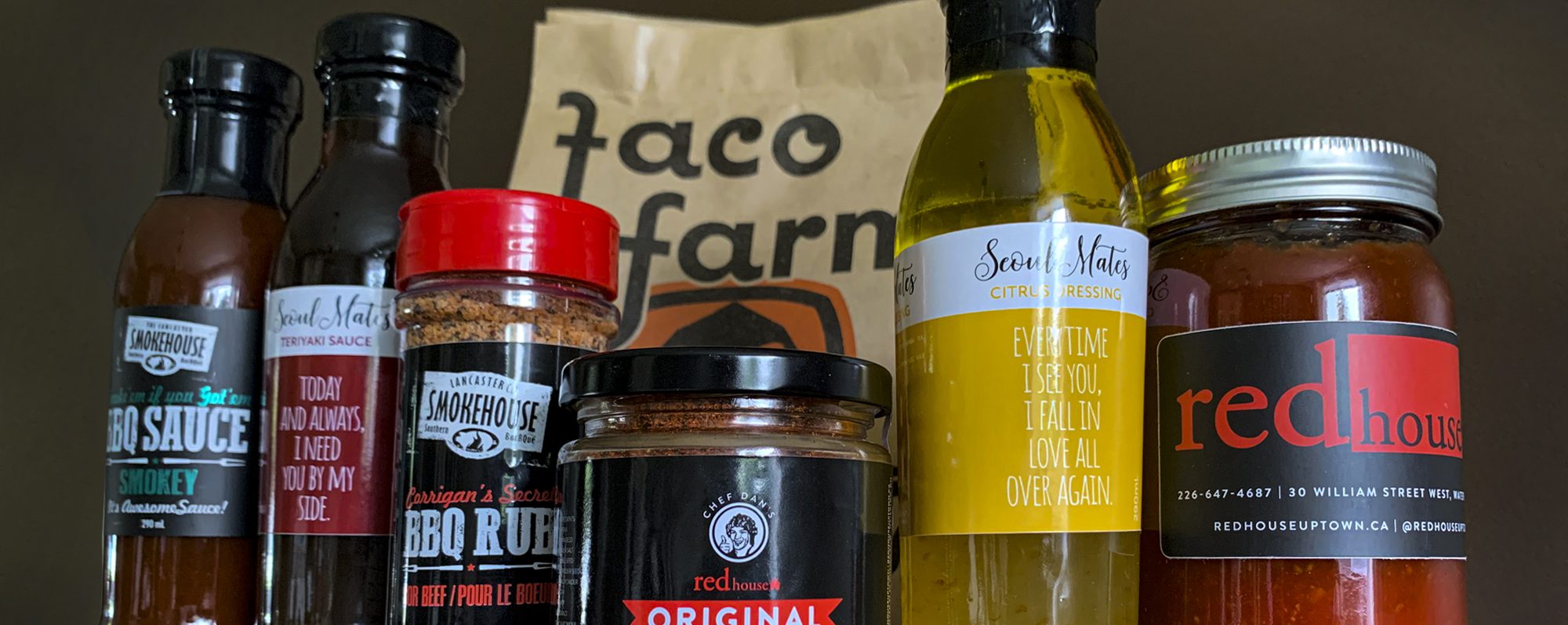
For restaurants, leveraging top-selling dishes and ingredients by converting them into sellable products is an effective way to deliver a taste of your brand for guests to enjoy at home, while driving new and repeat business. Another effective approach is to sell similar items to what’s featured on your menu, which are less seasonal and can be offered all year round. This secondary strategy provides more flexibility in terms of product development, allowing your team to create items that are better suited to the retail experience.

Whether you plan to sell consumables within your restaurant space, or through specialty shops, developing a retail assortment is an excellent opportunity for increased brand positioning, especially when you design standout packaging that keeps your brand top of mind wherever the product goes.

Packaging is typically categorized as an operational necessity, and most businesses are looking to source the most cost-effective options, but this sourcing often results in the packaging falling short in terms of creating a well-branded consumer experience. Like visiting your website, or dining at your restaurant, packaging is another touchpoint representative of your overall brand experience and therefore requiring sufficient investment.

When designing your packaging consider this:

Size and shape

You want to first consider how it will be stored in a retail setting and a consumer’s home, to ensure your sizing is suitable for easy storage. Go with standard shapes and sizes that can be easily shipped, stored and stacked to optimize shelf space and product display. The larger the packaging, the more it will cost; uniquely shaped or custom sizing will also incur more costs, and again will be more challenging to display and ship. If a brand value is environmentally friendly, then your packaging should also reflect and communicate that same experience.

Lancaster Smokehouse Products

Get branded

From the container to the carryout bag, your packaging should be consistent in terms of brand colours, fonts, design aesthetic, and messaging. The objective is to have consumers see your packaging and recognize it’s your brand.

Unless you’re a design wiz, hire an experienced designer who understands packaging, labels, and printing, to create your custom branded look. Standout labels, bright colours, key messages, ribbons, and custom stickers are just a few of the ways to add a custom branded touch to your packaging.

With Instagram being your most feasible and effective communication tool to leverage, consider how you can add Instagrammable moments to your packaging that consumers would want to share. For example, a call-to-action tagline on the inside of a flap or cap.  Keep in mind, packaging is a silent form of “word of mouth” marketing; every side of your package is an opportunity to tell a piece of your brand story and connect with guests.

If you’re looking to expand into the retail sector, then get ready to shift your perspective on packaging to successfully apply this effective marketing tool. For some consumers, this may be their first time experiencing your offering, and it needs to be representative of what you want your brand experience to be, from restaurant to retail.