
How Restaurant Owners Can Turn Feedback into Success | Mastering the Art of Review Management
As a restaurant owner, you know how important reviews are for your business. They can either make or break your reputation and affect the number of customers who visit your establishment. Positive reviews can bring in new customers while negative ones can drive them away. Therefore, it is essential to understand the significance of reviews and learn how to respond to them.

“When people are searching for a place to eat, they often read reviews to help them decide where to go.”
Consider the following reasons that make reviews and review management so vital:
They Help Build Trust
Reviews are a form of social proof that can build trust with potential customers. When people see positive reviews from others who have visited your restaurant. they are more likely to trust their experience will be positive as well.
They Provide Feedback
Reviews are a valuable source of feedback that can help you improve your business. You can learn what your customers like and dislike about your restaurant and use this information to make changes that will enhance their experience.
They Boost SEO
Reviews can also improve your search engine rankings. Google and other search engines take into account the number and quality of reviews when determining search rankings. Therefore, the more positive reviews you have, the higher your restaurant will rank in search results.
They Attract New Customers
Positive reviews can help attract new customers to your restaurant. When people are searching for a place to eat, they often read reviews to help them decide where to go. If your restaurant has a lot of positive reviews, it’s more likely to be chosen over a restaurant with few or negative reviews.

Responding to Reviews
Now that you understand the importance of reviews, it is crucial to know how to respond to them. Responding to reviews, both positive and negative, shows that you value your customers and are willing to listen to their feedback.
Respond Quickly
Responding quickly to reviews shows that you care about your customers and their experience. Responding promptly also allows you to address any issues before they escalate.
Thank Them for Their Review
Thanking customers for taking the time to write a review shows that you appreciate their feedback and value their opinions.
Address Any Concerns
If a customer leaves a negative review, it is essential to address their concerns. Apologize for their negative experience and offer to make things right. This shows that you are committed to customer satisfaction and are willing to go above and beyond to make things right.
Keep it Professional
When responding to reviews, it is essential to keep it professional. Avoid getting defensive or argumentative, even if the review is negative. Always remain polite and respectful, even if the customer is not.
Use it as a Learning Opportunity
Negative reviews can be used as a learning opportunity. Take the feedback and use it to make changes to your business that will improve the customer experience. This shows that you are committed to continuous improvement and that you value your customers’ opinions.
Reviews are a crucial part of your restaurant’s reputation. They help build trust, provide feedback, boost SEO, and attract new customers. Responding to reviews shows that you care about your customers and their experience. By thanking customers for their reviews, addressing any concerns keeping it professional, and using it as a learning opportunity, you can turn negative reviews into positive ones and improve your business’s overall reputation.
6 Strategies for Restaurants to Thrive During Inflationary Periods
As a restaurant owner, you may be feeling the pressure of inflationary periods.

With the cost of goods and services on the rise, it can be difficult to maintain profitability while still delivering high-quality food and service to your customers. However, there are several strategies you can implement to improve your business during these challenging times.
- Monitor Your Food Costs: One of the biggest expenses for restaurants is food. During inflationary periods, the cost of ingredients can skyrocket, which can seriously impact your bottom line. It’s important to regularly review your food costs and make adjustments as needed. This might mean finding new suppliers or sourcing ingredients locally to cut down on transportation costs. You can also consider adjusting your menu prices to reflect the increased costs of your ingredients.
- Focus on Efficiency: Another way to improve your business during inflationary periods is to focus on efficiency. Look for ways to streamline your operations and reduce waste. This might mean investing in new equipment or technology that can help you cook faster and more efficiently. It could also mean rethinking your menu to focus on dishes that are easier to prepare and require less prep time.
- Offer Special Deals: During inflationary periods, consumers are often more price-sensitive. Offering special deals or promotions can help attract customers and boost sales. For example, you might offer a “happy hour” promotion with discounted drinks or appetizers during off-peak hours. You could also create a “family meal” deal that offers a discounted price on a larger meal for families or groups.
- Prioritize Customer Service: Inflationary periods can be stressful for everyone, including your customers. It’s important to prioritize customer service and ensure that your guests feel valued and appreciated. This might mean training your staff to be more attentive and responsive to customer needs or investing in technology that can help you provide faster and more personalized service.
- Consider Alternative Revenue Streams: Finally, during inflationary periods, it’s important to think creatively about alternative revenue streams. This might mean offering catering services or partnering with local businesses to offer packaged meals or meal kits. You could also consider expanding your delivery or takeout options to reach more customers who may be hesitant to dine in.
- Buy Canadian-Made Products: Supporting local Canadian suppliers can help restaurants navigate inflationary pressures more effectively. Purchasing Canadian-made products reduces reliance on international supply chains, which are often affected by rising costs and delays. Locally sourced ingredients not only ensure fresher, higher-quality food but also contribute to the local economy. Additionally, marketing your restaurant as one that prioritizes Canadian products can attract customers who are passionate about supporting homegrown businesses.
In conclusion, while inflationary periods can be challenging for restaurant owners, there are several strategies you can implement to improve your business. By monitoring your food costs, focusing on efficiency, offering special deals, prioritizing customer service, and considering alternative revenue streams, you can position your restaurant for success during these challenging times. Remember, with a little creativity and hard work, you can weather any economic storm and continue to deliver high-quality food and service to your loyal customers.
Ways to Make the Dining Experience Extra Special
Going to a restaurant with family and friends is a favourite experience for many people, but with the economy as it is, there are far fewer people eating out impulsively or planning get-togethers as often.

Food presentation is an important detail—whether your restaurant serves economical offerings or more lavish ones.
In order to encourage customers to eat at your restaurant, consider the following:
- Train your greeters to welcome customers sincerely and enthusiastically. Even if they’re extremely busy, looking up, smiling, and mentioning that they’ll be right with the customer will go a long way. Customers don’t want to feel as if they’re being ignored.
- Attentive, personable wait staff can make all the difference. Even if they must cover several tables, a smile, a kind word, and accurately filling the customer’s order will increase the likelihood that the customer will return and recommend your restaurant to others.
- Asking whether customers are celebrating a special occasion—and being sensitive to the guest(s) of honour’s preferences—is a nice touch. Offering the choice between two free desserts for the individual(s) will set your establishment apart
- Food presentation is important to several of your customers—whether your restaurant serves economical offerings or more lavish ones.
- Creating at least one signature dish with a twist that your restaurant does extremely well make an impression on your customers, and the word will spread.
- If you serve a complementary appetizer, consider alternatives to a breadbasket.
- If you do serve a complementary bread product, consider adding a gluten friendly option to the menu. There is an increasing number of people who are cutting back on their gluten intake.
- Whether your restaurant is casual or more formal, cleanliness is important to your customers. And don’t forget to tend to your washrooms regularly.
- Do you still put salt and pepper on your tables? Replacing traditional dispensers with grinders that hold sea salt and others that hold peppercorns is just one special touch customers will notice.
These are only a few of the many things you can do to make your customers’ dining experience extra special.
Ask yourself what makes a dining experience stand out to you, and then, seek to provide that experience for your customers.
These questions don’t just apply to clothing, personal care products, and the latest bestsellers. They also apply to the foodservices industry. Being aware of applicable trends going into the new year will help restaurant owners make their customers’ experience so special that they will want to return often.
Below are what Technomic foresees as foodservice trends for 2023:
Financial Concerns
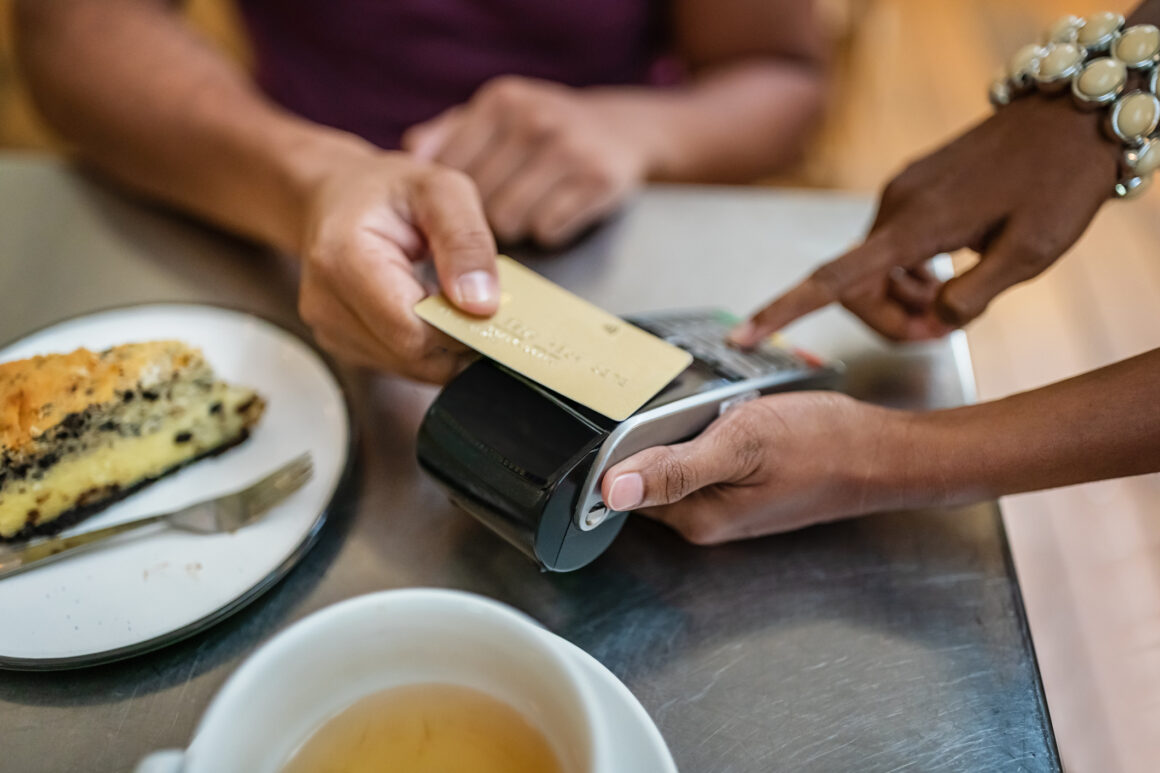
Because of current economic concerns, 58% of consumers are more cautious about eating out and 44% will no longer make impulse visits to a restaurant. Restaurant owners will want to keep this in mind when making decisions for the year ahead.
Social Highlight

While the above statistics are of concern, there are statistics from the third quarter of 2022 that are encouraging. 71% of those surveyed indicated they enjoyed the social aspect of eating out and 65% said it was one of their favourite activities to do with friends. Restauranteurs who make their customers’ experience especially enjoyable will increase the likelihood of family and friends continuing to gather at their establishments.
Beyond the Social Aspect
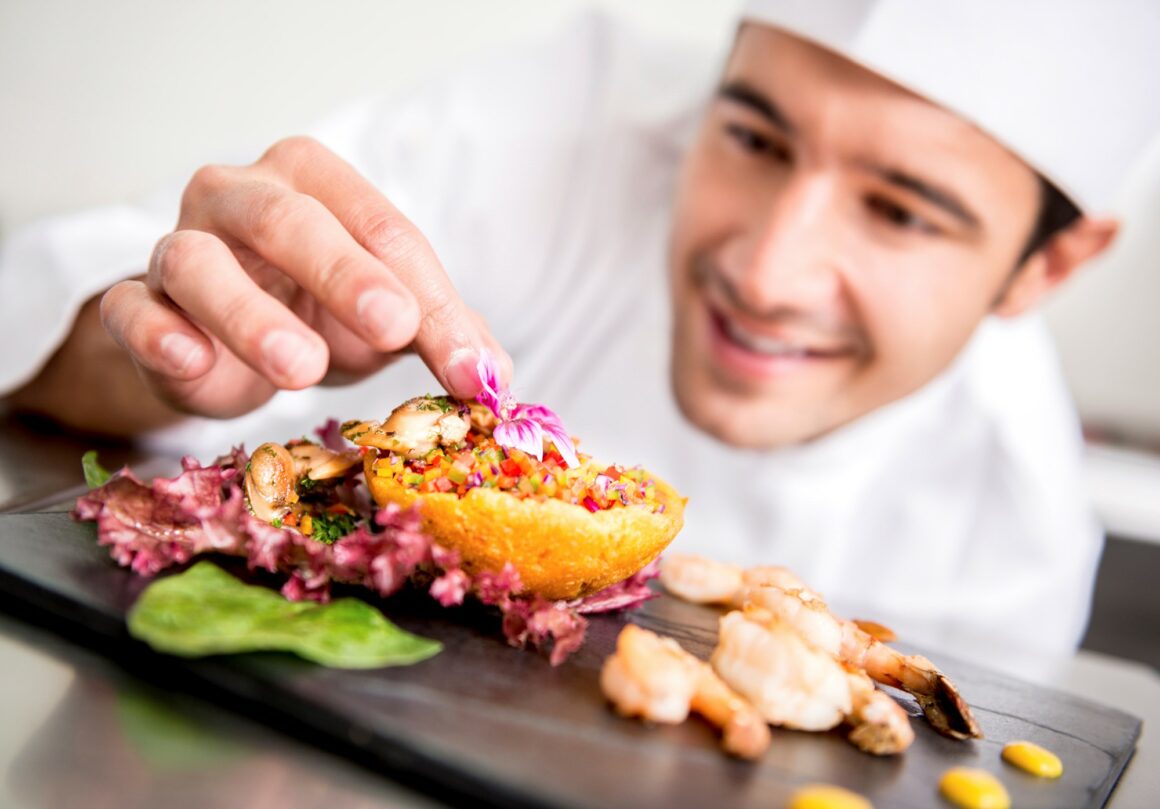
Customers also consider the following elements important to an enjoyable restaurant experience: the use of premium ingredients, the use of fresh ingredients, and appealing flavours. Gen Zers and Millennials in particular pointed out the importance of the following: knowledgeable staff that pays attention to the fundamentals and good value with quick, high-quality service.
The Use of Preserved Foods

Research indicates there will be more preserved food on restaurant menus. Preservation methods will include pickling, fermenting, dehydrating, and freeze-drying. Stocking these foods when available will lessen supply chain issues, as they can be kept far longer than fresh ingredients. Restauranteurs will want to keep an eye on these trends in the coming months: fermented beverages other than kombucha (i.e.: the fermented sugarcane spirit cachaca and the Japanese fermented rice drink amazake) and global pickled or fermented condiments (i.e.: the Indonesian fermented kasundi sauce and the Indian pickled amba condiment).
Return to Physical Menus

While we rely on technology in virtually every aspect of life, a vast percentage of customers (82%) prefer a physical menu. More than half of restaurant-goers find the QR code menus lessen their dining experience. This is something restaurant owners will want to take into account when finalizing their 2023 budget.
Rewarding Loyalty

Loyalty programs keep customers coming back. 41% of Gen Xers actually prefer to visit restaurant that offer such a program. This is a good time for restaurant owners to brainstorm what type of program they could implement if they don’t already have one in place.
Food Items from Down South—Way Down South

Canadian operators are looking for inspiration beyond the U.S. and Mexico. In particular, they are looking to food options from Central America and the South American Andean states. These are just three of the dishes with a southern flavour: quesadillas made with refried beans, cashew cheese, coconut crema, charred corn salsa, curtido, and sprouts, all served on flatbread; jerk cauliflower made from apple puree, wasakaka, and toasted coconut; and Honduran baleadas, flour tortillas with grilled flank steak or spiced sweet potato, scrambled eggs, refried beans, cotija cheese, avocado, and lime crema.
Health-Consciousness

Restaurant owners will want to keep the following preference in mind: the desire for fresh offerings made from scratch, using locally sourced, preservative-free ingredients. Customers want their food to be “clean, natural, and real.” Many also want it to be low-calorie, low-fat, and low-salt.
So Much to Think About
Restaurant owners face many challenges for the year ahead. In summary, the experts at Technomics recommend going back to the basics, balancing the old with the new, and adding new and quirky styles and cuisines.
Recruiting and retaining staff has long been one of the biggest challenges for foodservice operators, and COVID-19 has upped the intensity. Public health restrictions, lockdowns, loss of employee positions, uncertainty about job security and apprehension around health and safety practices are all factors that have turned up the HR heat.
In its Q3 2021 Restaurant Outlook Survey, Restaurants Canada reported 93% of respondents are contending with a shortage of workers, and 50% say they are struggling with a significant staffing shortage. Three-quarters of respondents said the labour shortage has put more pressure on owners and management level staff to work more hours. Seven out of 10 respondents said they are reducing their hours of operation. Where they can afford to, 63% said they are raising wages to entice staff to work for them.
The crunch is especially acute in back-of-house, notes Jeff Dover, principal at fsSTRATEGY Inc. “Enrollment is down in culinary programs across Canada, so help isn’t on the horizon, and now is especially the time for operators to be innovative.”

“Minimum wage increases are forcing the industry to restructure operating budgets and operations as a whole. Operators are competing with other industries who are offering higher pay rates.”
Laura Traynor, district manager for ADP Canada
Compensation is becoming a challenge for all industries, and especially in foodservice. “Minimum wage increases are forcing the industry to restructure operating budgets and operations as a whole,” says Laura Traynor, district manager for ADP Canada. “Operators are competing with other industries who are offering higher rates of pay even for those with little to no work experience or post-secondary education.”
By stepping up their recruiting, hiring and retention game, restaurant operators can successfully compete for labour and get their restaurants running at peak efficiency. By taking a page from the gig economy playbook, restaurants can lure back workers who might be otherwise enticed by platforms like UberEats and DoorDash by offering flexibility and the added sweeteners of benefits.
“It’s important that operators continue learning and staying ahead of trends,” ADP’s Traynor says. “Employees will feel safer and more likely to stay if they know their employer is on top of the latest legislation and health and safety regulations.”
The wage challenges for restaurant owners
Wages are on the way up right across the country, and some restaurant operators are paying much more than minimum wage. One of them is Alex Moore, owner of Bampot House of tea and Board Games, in Toronto. He pays his employees $22.50 an hour before tips. “I’ve been working in this business for a long time, and I honestly feel like a liveable wage is the bare minimum I can do. I don’t want people who work for me to struggle. So I’ve made the numbers work.”
Moore says paying a liveable wage helps to improve morale and builds loyalty. He is also looking at instituting a salary grid and profit sharing with his three employees. “I’m running it tight, but I want to make it happen because it’s the right thing to do.”
The increase of minimum wage has created a domino effect across this and many other industries, ADP’s Traynor says. “With new employees being hired at a higher rate than before, this puts pressure on employers to increase the rate of more tenured employees in order to keep compensation structure fair.”

“Signing bonuses and retention bonuses and being flexible with scheduling can help with recruitment and retention.”
Jeff Dover, principal at fsSTRATEGY Inc.
In many markets, offering minimum wage is not enough, and many employers are offering well over that to retain talent. “Applicants know they can get wages at more than minimum wage and are not settling,” fsSTRATEGY’s Dover says. “Signing bonuses and retention bonuses and being flexible with scheduling can help with recruitment and retention.”
Top tips to recruit and retain hospitality workers:
- Treat staff like the valuable assets they are
- Pay more and increase wages as quickly as you can
- Be flexible on scheduling and time off
- Offer signing and retention bonuses
- Customize benefits to meet employee needs
- Provide rewards, recognition and opportunities for career advancement
- Offer mental health support
“All of this comes at a cost to operators but there is, at least in the short term, a willingness amongst consumers to accept price increases,” Dover adds. “Adjust operating hours if you must and close when not profitable. With a five-day week, one core team can work full time with two days off.”
Use technology to empower your restaurant staff
Third-party solutions like ADP’s HR Assist can help operators stay on top of and properly apply rapidly changing government policies. “Implementing technology solutions to streamline scheduling and management of paid time-off requests from employees makes navigating the unknowns more efficient,” says Shubh Mann, director of sales – channels at ADP Canada. “Giving employees the power to view their schedules in advance, request days off and swap shifts empowers them to have more control over their work-life balance and in the long run can help lower employee turnover.”
Shubh Manns top tips for restaurant operators:
- Take advantage of data-analyzing technology to effectively make decisions when scheduling staff so you do not over- or under-staff
- Outsource day-to-day admin tasks (e.g. payroll, HR, time and labour management) to free up time to focus on people and operations
- Streamline the onboarding process
- Use HR portals to efficiently create job descriptions, onboarding guides etc.
- Post jobs on sites such as Zip Recruiter to avoid looking through hundreds of résumés and posting manually on several locations to drive enough traffic
- Revaluate your current HR setup to ensure HR support is in place for your employees
Employ smart scheduling in your restaurant
“By reviewing your historical sales data, you can anticipate staffing as much as possible and plan accordingly,” Mann says. “If possible, get to know a bit about your employees’ lives outside of work and schedule them accordingly. For instance, a parent of three might be a better fit to handle the lunch rush and single students will likely prefer the evening shift.”
- Make scheduling controlled, organized, and easily accessible for staff
- Be prepared to quickly onboard with rapid training programs
- Activate a scheduling app that allows staff to show their availability, request days off, easily view their schedules, and swap shifts
- Post schedules in advance to help smooth out any bumps with seasonal ups and downs
- Establish clearly understood guidelines for time-off requests
- Where possible, ensure staff take paid time off in advance of holiday seasons and busy times to ensure they are well rested and ready to handle the workload
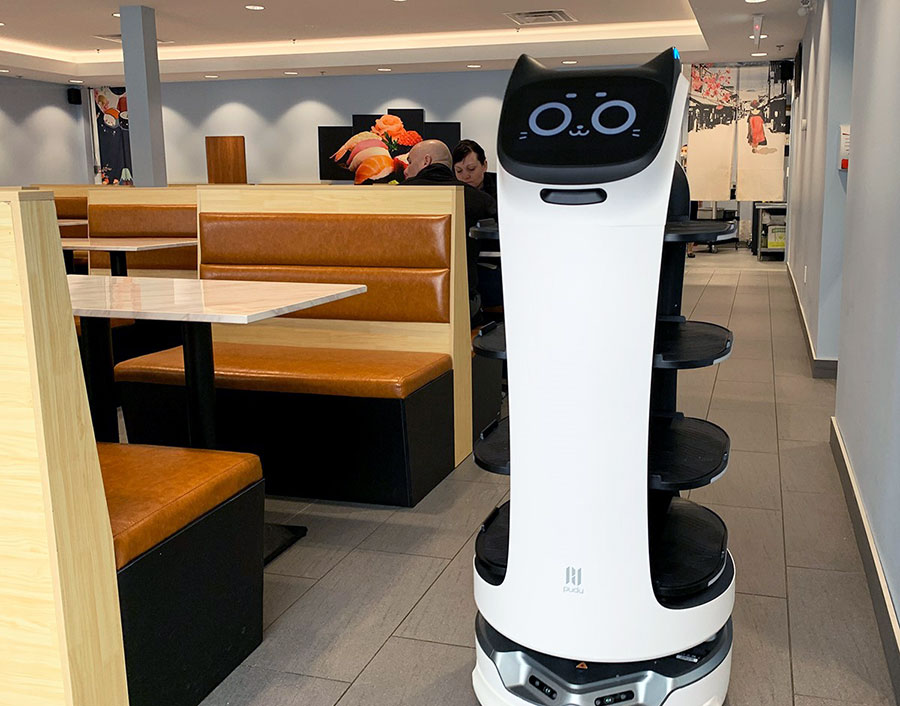
Try robot retail to alleviate staffing shortages
Robotics and artificial intelligence (AI) have been making strides across every industry and the restaurant and hospitality sectors are no exception, reports Restaurants Canada. Robot retail is making its way into dining experiences – from sanitation and disinfection to serving and hosting. Brands like GreenCo Robots are leading the way with robotics applications in restaurants.
Headed by engineer Liang Yu, the Edmonton-based company has about 40 robots in use across Canada. “The idea is not to replace people completely,” he says. “The robot is an assistant for the labour-intensive and repetitive work like busing and delivering water.”
Kitty Tong, owner of Golden Ocean Seafood Restaurant in Vancouver, says they’ve been using their robot to help serve food and alleviate some staffing issues during the pandemic. The robot has also attracted interest from regular customers and others who have heard about it by word of mouth and through media reports. “Both adults and children like to take photos with ‘Bella.’ They think the robot has a very special and fresh feeling.”
GreenCo robots range in cost from $16,000 to $30,000, depending on the model, and the company offers a three-year lease-to-own program and a one-week trial.