
Although it seems the odds may be against foodservice operators these days, winterizing menus with layered dishes can stack the deck back in your favour.
James Keppy, Corporate Chef for Foodservice for Maple Leaf Foods, wholeheartedly agrees.
“While layered entrées fall into the popular comfort food category, the important note for operators is that they travel well, hold their heat for delivery and can also be prepared and sold unbaked for customers to finish at home.”
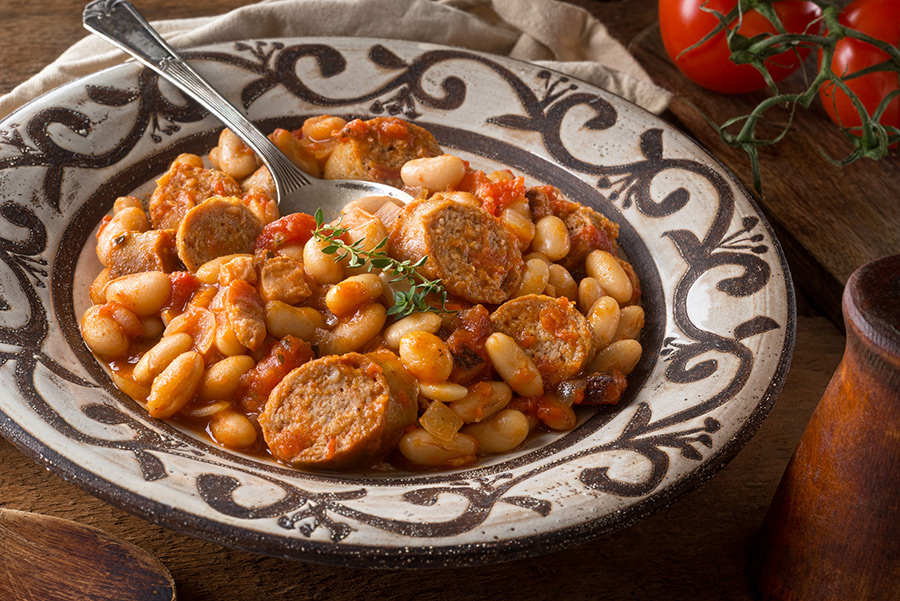
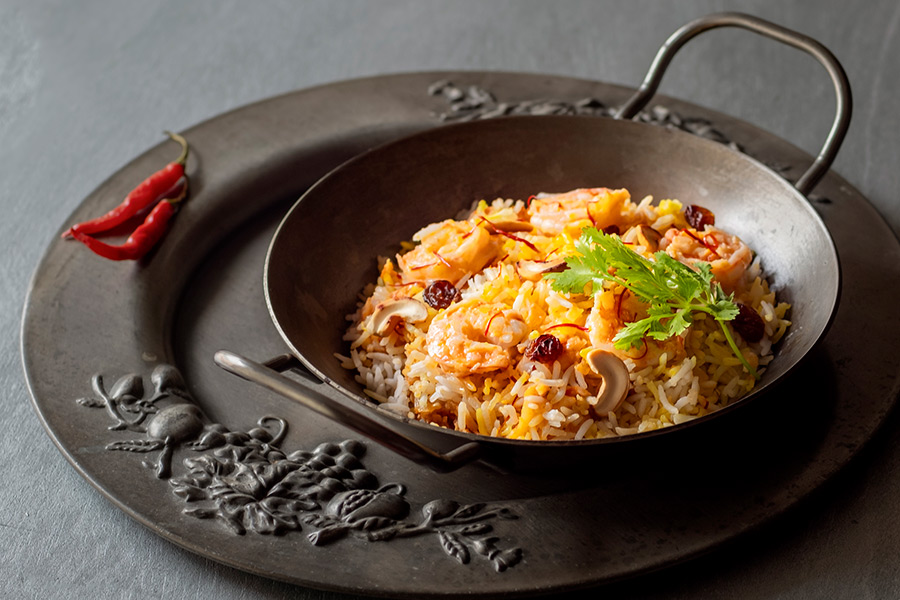
With layered dishes like shepherd’s pie, moussaka, biryani, pinon, cassoulet and chilaquiles (or sweet layers like tiramisu, fruit cobblers and parfaits), you can fortify your menu against the bracing storm.
Shuffle your ingredients
Canadian chefs have an amazing hand of ingredients to work with. With a simple shuffle, operators can pack and pile and heap and mound flavours to satisfy their customers’ cravings. Typically prepared in advance with cost-effective ingredients and sometimes even leftovers, layered dishes are convenient for operators yet a comforting and delicious choice for customers.
Comfort and classic mean different things to everyone. Take shepherd’s pie for instance: for some it can only be made with lamb, others only beef, and yet others are enamoured with just the idea of shepherd’s pie — saucy protein on the bottom, vegetable and root vegetable purée on top.
“The great thing about shepherd’s pie and all the other nationalities’ versions is that the ground beef can now be substituted with several equally good options. Where ground lamb was often replaced with ground beef, now we can suggest plant-based LightLife grounds and Field Roast Italian Sausage Crumble to offer flavourful ingredients for a traditional recipe. These can make for a vegetarian or vegan option of your dish and therefore making it available to more customers.”
Remember to go beyond just changing the protein. Vegetable combinations for the middle and unique mashes and purées for the top can elevate your stacked dishes and showcase the talents of your kitchen. Or take your dishes for a spin around the world to dazzle your customers’ tastebuds.
Shepherd’s Pie Variations
| Cuisine | Protein | Vegetable | Topping |
|---|---|---|---|
| Classic | Lamb | Carrots | Mashed Potatoes |
| Canadian (Cottage Pie) | Beef | Corn | Masked Yukon Gold Potatoes |
| Vegetarian | Lentils & Mushrooms | Carrots & Peas | Butternut Squash Mash |
| Vegan | LightLife Ground | Zucchini & Carrots | Cauliflower Mash |
| Indian | Chicken & Chickpea | Peppers & Green Beans | Spinach and Potato |
| Tex-Mex | Beef & Black Bean | Corn | Sweet Potato |
| Moroccan | Lamb | Tomatoes, Carrot & Celery | Sweet Potato |
Try plant-based
Plant-based is a big deal that’s here to stay. Whatever the reason — health, preference, ethical, religious or environmental — your customers are asking for more options. But, at the same time, they won’t compromise on taste.
The simplest approach is substitution. If up to now you’ve been a protein-centred establishment, take advantage of all the vegetarian options available.
“LightLife and Field Roast products include a varied list of plant-based products to use in your operation.”
James Keppy, Corporate Chef for Foodservice for Maple Leaf Foods
Keppy tells us, “LightLife and Field Roast products include a varied list of plant-based products to use in your operation. Grounds, sausage crumble, sausage patties, burgers, non-dairy cheese, hot dogs, pepperoni and chicken nuggets to start.”
Maple Leaf has made it straightforward and can add more plant-based options to your menu way beyond winter comfort foods.
“LightLife grounds look and cook the same as ground beef. They can be used to make meatballs, lasagnas and bolognese as well as allowing chefs to make their own signature dishes.”
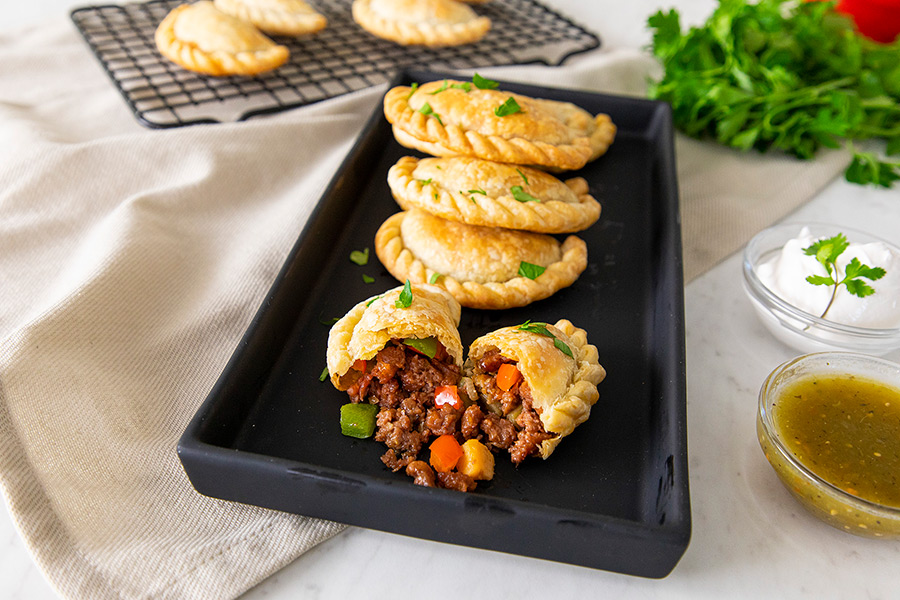
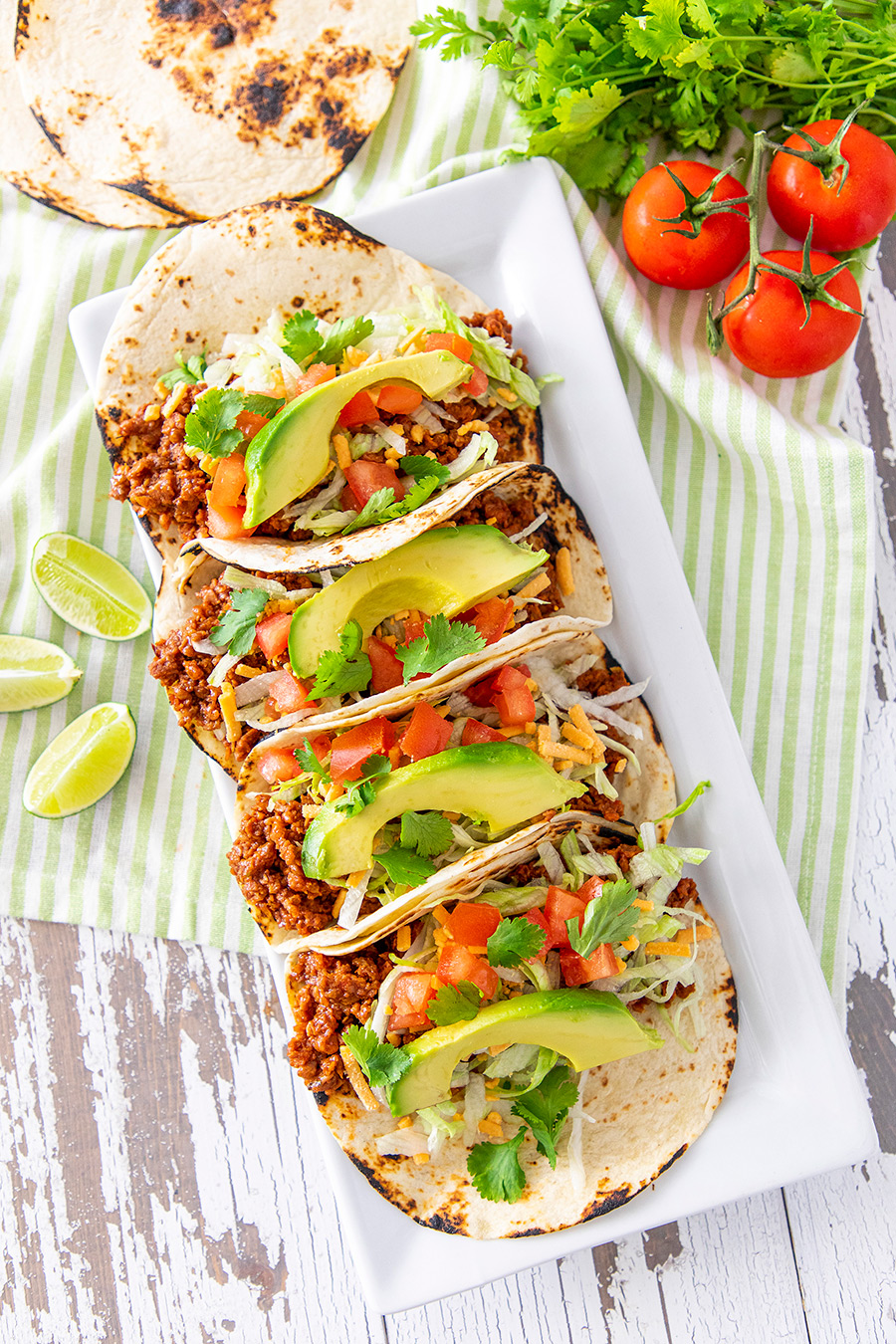
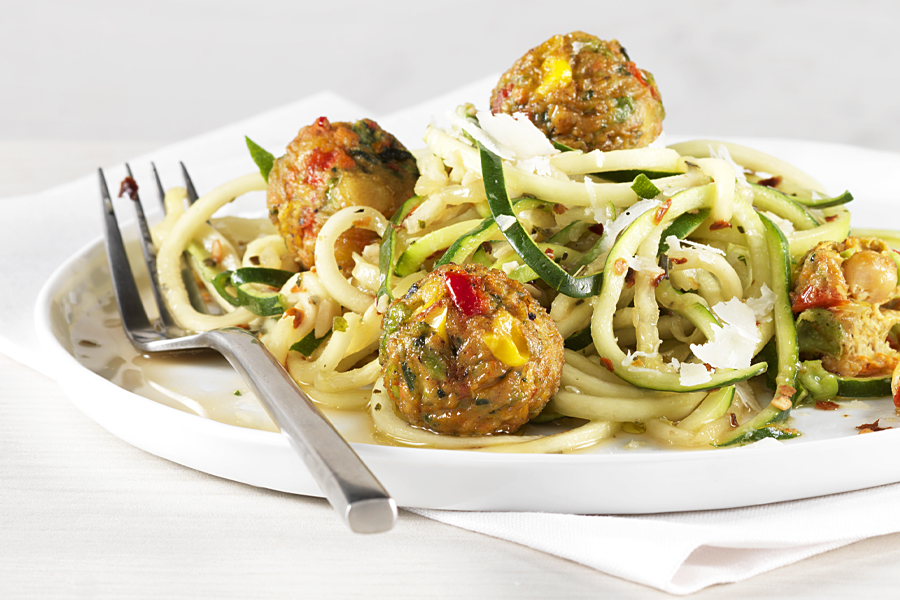
Traditional to Plant-Based
- Chicken Biryani → Chickpea Biryani
- Beef or Lamb Moussaka → Lentil Moussaka or LightLife Beef Moussaka
- Pinon → Black Bean Pinon
- Cassoulet → LightLife Sausage Cassoulet
- Chilaquiles → Vegetable Chilaquiles
Wild Card
It’s difficult to know what to expect this winter (not just talking about the weather), but one thing you can do is offer comfort through food using these winter favourites. As Maple Leaf’s Keppy said, no matter where your customers are dining, layered foods travel well for those picking up, are excellent for delivery, and also the option of selling unbaked for customers to bring warmth (and delectable scents) to their own kitchens.
At your table or theirs, play your stacked dishes and stack more of the odds in your favour.
As Canadians add layers to ward off the elements, they also crave menu options with added layers. Flavour, warmth and comfort are naturally built into layered foods and should feature on cold weather menus.
Enzo D’Adamo, sales and marketing director for foodservice at Grisspasta, agrees.
“Customers are looking for heartier meals when the temperature drops, and of course, pasta is one of those heartier dishes. Pasta dishes come back into vogue and should be prominent on winter menus — layered products like lasagna, stuffed cannelloni, filled jumbo shells, and macaroni casserole.”
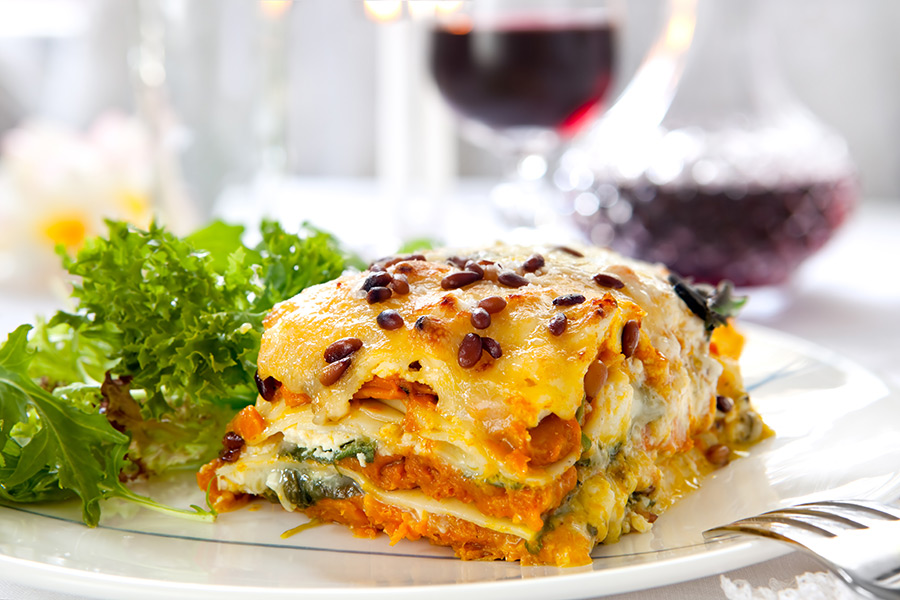
Strong foundations to build on
Quality ingredients are paramount to build strong foundations. For pasta, that means using ingredients grown in Canada and manufactured in Canada.
“Lasagna, by far, is my favourite quintessential cold weather layered food,” says D’Adamo.
“For an operator, lasagna covers all the bases. It can be made well in advance, has great portability and longevity. Lasagna thaws and reheats to serve while maintaining great taste and texture profile. Lasagna is a no brainer for operators.”
Grisspasta is well known for lasagna in the industry and offers many types (10″, 20″, thin-style, oven ready). With products packaged for foodservice — 10lb box with 4 x 2.5 lb individually wrapped packs to maintain integrity of the product — this family-owned company always puts quality first.
D’Adamo reminds us that “pasta remains a favourite and has become even more so in our desire for comfort throughout the pandemic. Pasta lends itself to so many possibilities, is delicious and nutritious.”
Benefits of layered pasta dishes
- Time savers – making ahead and in large quantities
- Outdoor patio friendly — portioned and baked in ceramic, these dishes retain heat
- Infinite combinations — easily tweaked to fit season
Towers of strength
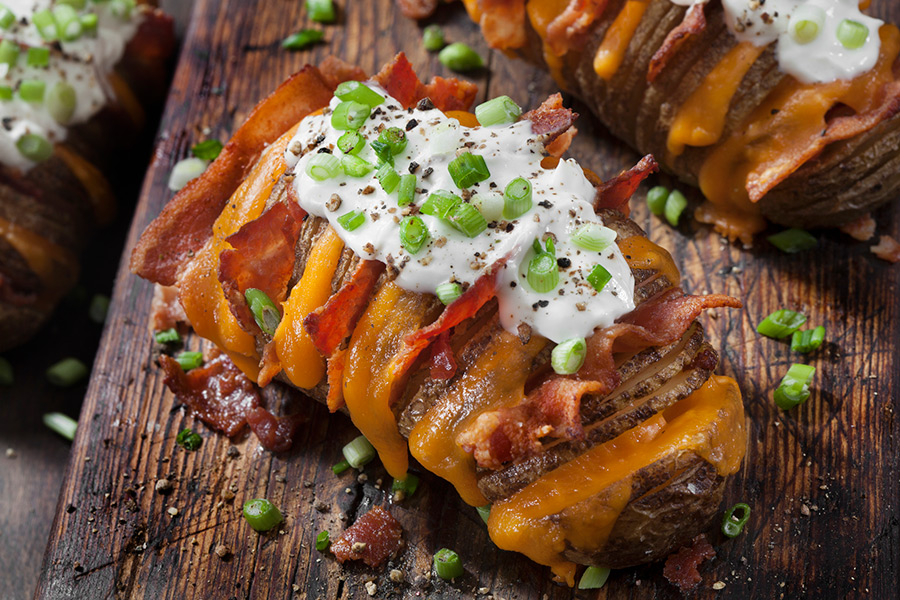
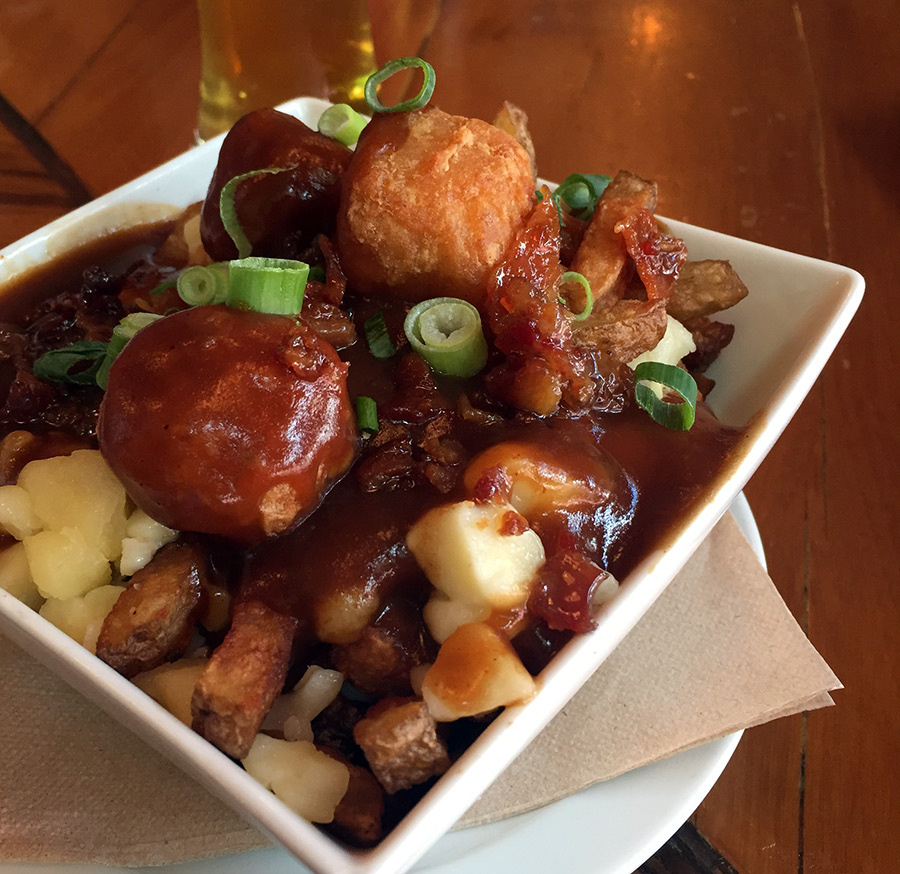
Holding it all together is key to visually appealing layered dishes, whether open portioned or contained. Using an ingredient that provides strength but also brings flavour is a bonus.
“When I think of layered foods, I think of premium food, quality ingredients, taste variety and appetizing visual presentation — lasagna, casseroles, premium sandwiches and layered desserts,” says Steve Hutchinson, VP of marketing for foodservice, ingredients & export for Lactalis (Parmalat).
“Don’t underestimate the versatility of dairy in layered foods. Dairy is a fantastic ingredient. Cheese (hard, firm and soft varieties) is a great ingredient for taste variation and functionality (feta, fresh mozzarella, aged cheddar, etc.).”
And don’t count out cottage cheese, cream cheese, yogurt and whipping cream when assembling layered creations both sweet and savoury.
“When I think of layered foods, I think of premium food, quality ingredients, taste variety and appetizing visual presentation — lasagna, casseroles, premium sandwiches and layered desserts.”
Steve Hutchinson, VP of Marketing for Foodservice,
Ingredients & Export for Lactalis (Parmalat)
Building bridges (of flavour)
With a foundation of pasta and the strength of dairy, building hearty, quality layered dishes to winterize your menu is easy. The tricky part is choosing the combination that tells your story.
“Simply put, layered foods are a great way for operators to showcase their chef’s expertise and recipes that highlight their point of difference from other establishments,” says Hutchinson.
Customers’ flavour expectations are worldly. Yes, they love classics but they also desire more global mash-ups.
- Lasagna alla Bolognese → Butter Chicken Lasagna
- Spinach and Ricotta Lasagna → Harissa Roasted Vegetable Lasagna
- Pasta with Tomato Sauce → Pizza Pasta Skillet
- Greek Pastitsio → Southwest Style Pastitsio
- Classic Mac & Cheese → Chickpea Masala Mac & Cheese
Stack up layers and flavours to comfort customers and warm up your menu this winter.
Grisspasta/D’Adamo’s top lasagna tips:
- Never over-cook your lasagna. Stop cooking a minute or two before reaching al dente.
- Allow for rethermalizing. You also will have a product that resists breaking during assembly.
- Don’t use oil to separate pasta or lasagna sheets; oil will create a barrier on the pasta that will encourage the sauce to slide off.
Brace yourself…winter is coming. Despite so many uncertainties in the last months, seasons continue to change. Winter (especially in Canada) requires preparation in order to weather the coming cold. Food vocabulary changes with the drop in temperature, too. Anything braised, roasted, baked, slow-cooked, hearty, and home-style will feed your customers’ need for comfort food. Is your menu ready?
Don’t hibernate
“Operators should be developing their menu based on the season,” says Gerald Drummond, Executive Chef for Campbell’s Foodservice.
“When looking to do a seasonal menu, stay within the confines of your critical core, the centre of the plate.”
In years past, operators could get away with changing the menu once or twice a year. Because of social media, ever-changing times, the need to stay relevant and build excitement, that model doesn’t work anymore.
Instead, Chef Gerald suggests, “Base a portion of the menu that can constantly be revolving between seasons. Three or four items that can pop on and off the menu based on the season.”
- TIP: This is a perfect opportunity for LTOs. Work with your distributor and suppliers to create the best LTO for your operation.
Insulate your profits
“Foodservice operators run on very thin margins. When winterizing your menu, for cost savings look at your inventory,” says Chef Gerald. “Take your summer grilled chicken served with mango and asparagus. Keep the chicken and adjust the complements to make it trendy, modern and seasonal.”
Campbell’s Foodservice products can be integrated into menus regardless of season, he adds.
“We recently assisted in the development of a Vegetarian Pot Pie, incorporating a multitude of root vegetables in our Butternut Squash Soup base and topping with a traditional pastry.”
“You get a soup that also works as an ingredient. You can control your inventory and ease labour costs because of its ease of prep. A win, win, win.”
Keeping warm (hot)
Winterizing your menu is key. However, there are other factors to consider as temperatures plunge.
“Patios may stay open longer into fall and early winter because of capacity restrictions. It’s imperative even with additional patio heaters that hot food stay hot longer — stews, meat pies, chilis and hearty soups are a great fit,” says James Keppy, Corporate Chef for Foodservice for Maple Leaf.
Preheated dishes and bowls or baked items would heat things up — and keep them hot.
Chef James reminds us, “Call out your winter menu, highlight the creative offerings you’ve made and always factor in how well these dishes travel for delivery.”
With current capacity restrictions and knowing patios will be too cold for comfort at some point, delivery and pickup will remain strong solutions to maintaining and building business. Unkind Canadian winter temperature and distance (time) can be enemies of certain menu items.
- TIP: Ensure success by evaluating the holding ability of each dish. Takeout & delivery will continue to be important components of your operation even into winter.
“Call out your winter menu, highlight the creative offerings you’ve made and always factor in how well these dishes travel for delivery.”
Gerald Drummond, Executive Chef for Campbell’s Foodservice
A snowball’s chance
Travelling to southern climates this winter might not fly. So, it may not be necessary to completely abandon warm weather fare. Who won’t be ready for a taste of summer in January?
“Items like BBQ ribs will still appeal to customers not willing to shovel snow to get to their barbecues,” says Chef James.
“Restaurants that adapt to offer off-premise meals for family or work groups can still pull items from summer menus. Burgers and hot dogs work as a takeout solution in the winter.”
Winter is coming, no matter what. Before you get snowed under, take the time to winterize your menu (and operation) to comfort your customers and protect your profits.