
The Art of Wine and Food Pairing
For restaurants looking to elevate their dining experience, a well-crafted wine-pairing menu can make all the difference. When done right, wine complements the flavours of a dish, enhances the overall dining experience, and can even encourage customers to try new menu items. Here are some essential tips to help restaurants master the art of wine and food pairing.
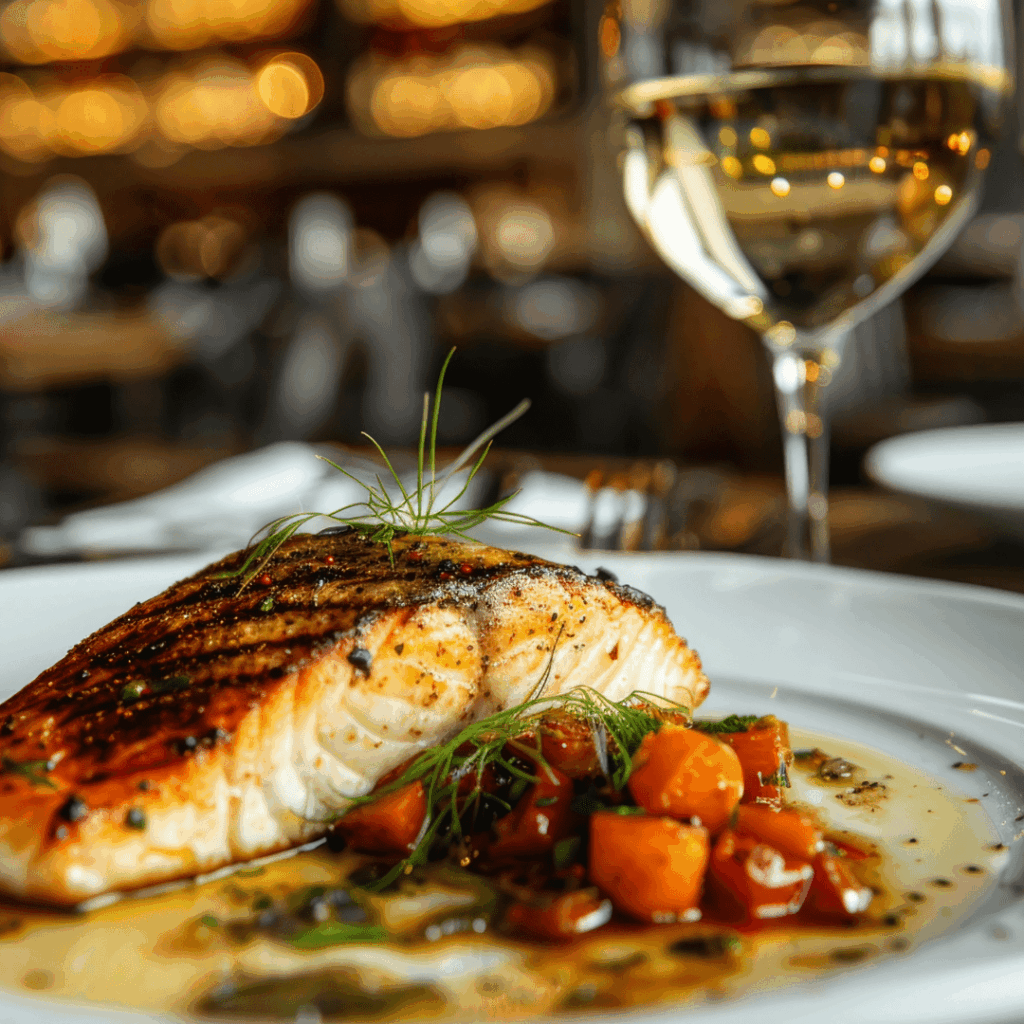
1. Match Intensity and Weight: One of the fundamental principles of wine pairing is balancing the weight of the food with the weight of the wine. A light dish, such as a fresh seafood salad, pairs best with a crisp white wine like Sauvignon Blanc. Heavier dishes, such as a rich beef stew, demand a full-bodied red wine like Cabernet Sauvignon.
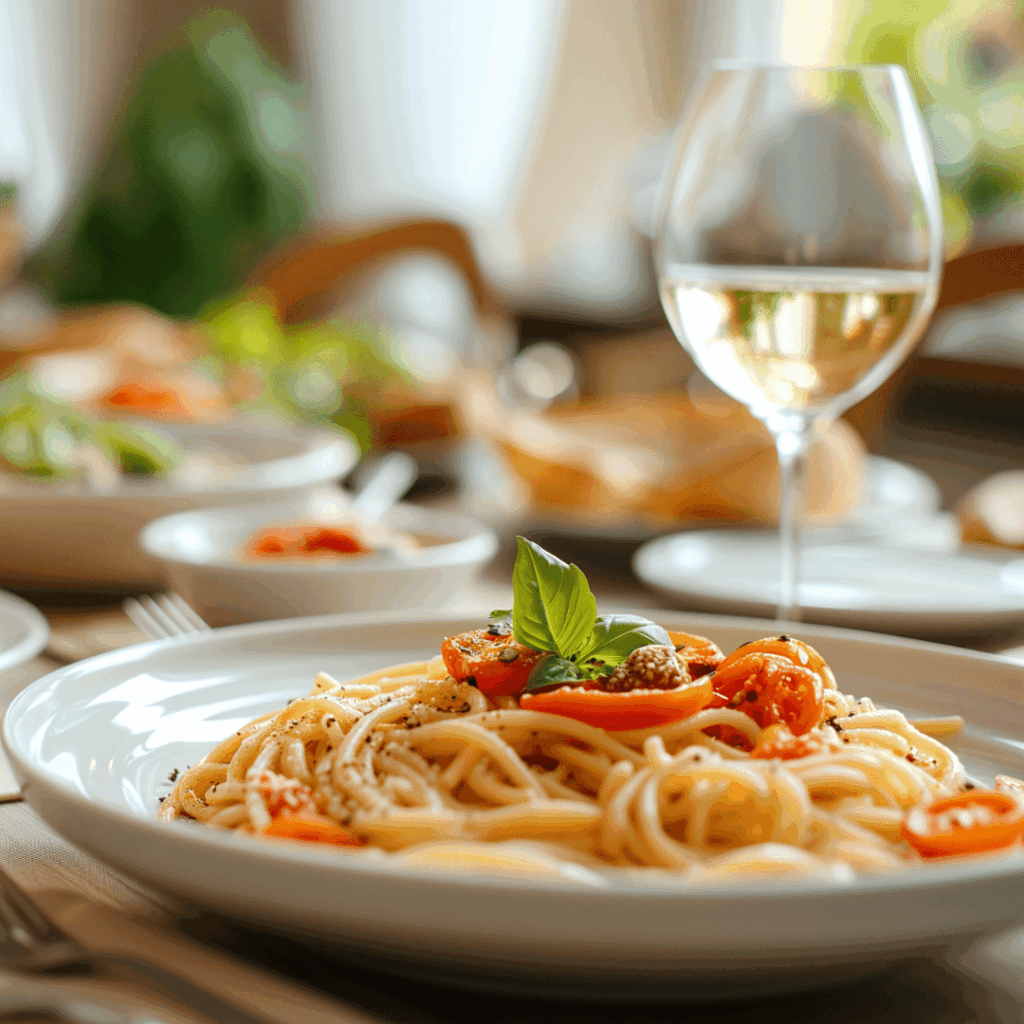
2. Consider Acidity Levels: Acidity plays a key role in complementing a dish. High-acid wines, such as a Chardonnay or Pinot Grigio, pair beautifully with acidic foods like tomato-based pasta dishes or citrusy seafood. This balance prevents either element from overwhelming the other.
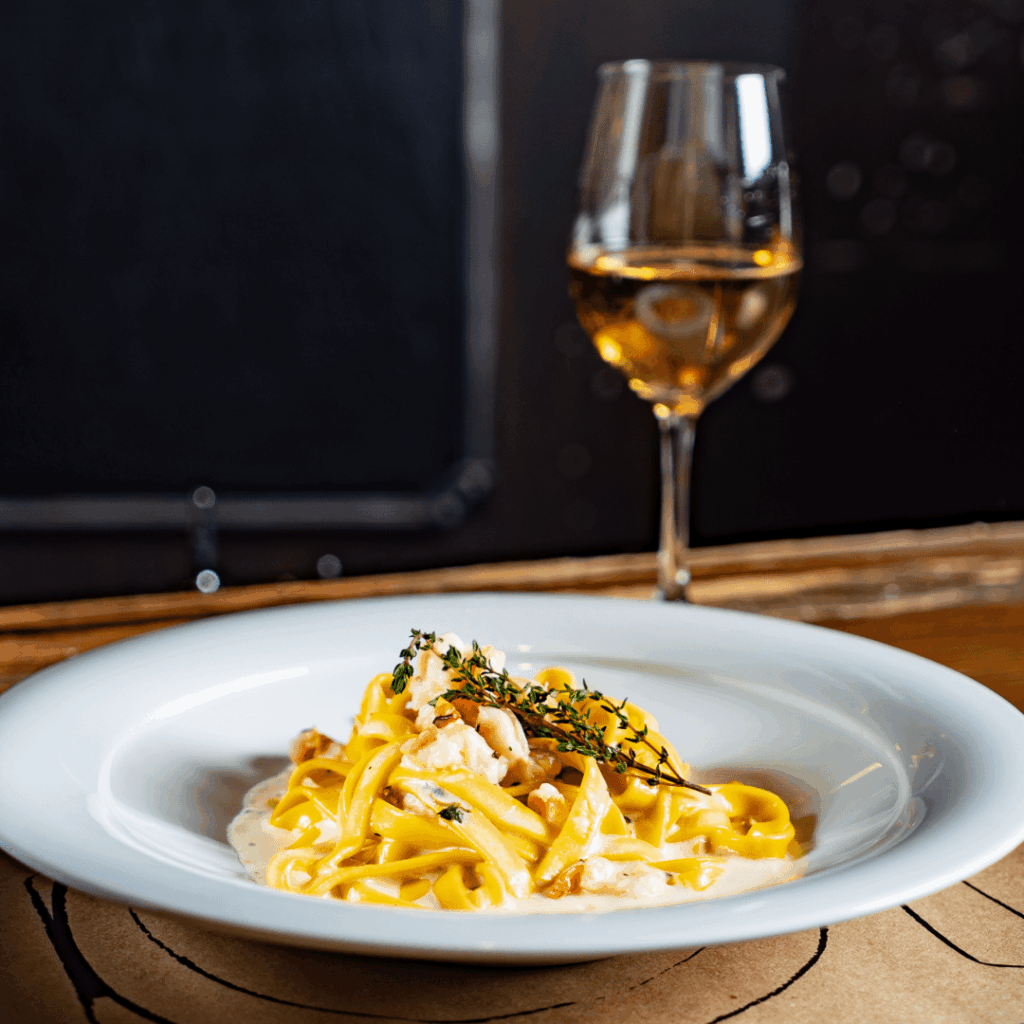
3. Complement or Contrast Flavours: Restaurants can take two approaches to wine pairing: complementing flavours or contrasting them. A buttery Chardonnay can enhance a creamy pasta dish, complementing its richness. On the other hand, a zesty, high-acid white wine can cut through the creaminess, providing a delightful contrast.
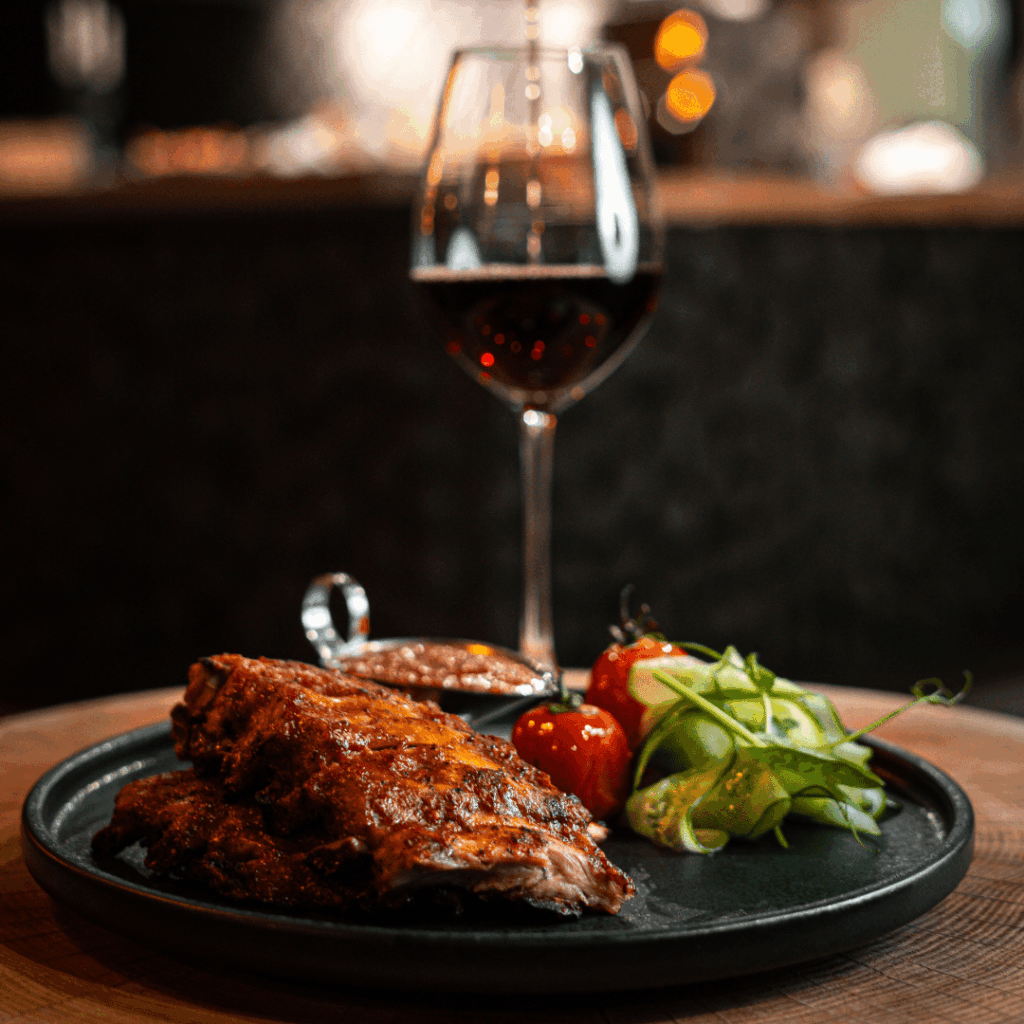
4. Match Wine with the Sauce, Not Just the Protein: Many restaurant dishes feature complex sauces that can influence the pairing more than the protein itself. For example, a chicken dish with a creamy garlic sauce may pair better with a full-bodied white wine, while the same chicken prepared with a red wine reduction may be better suited for a Pinot Noir.
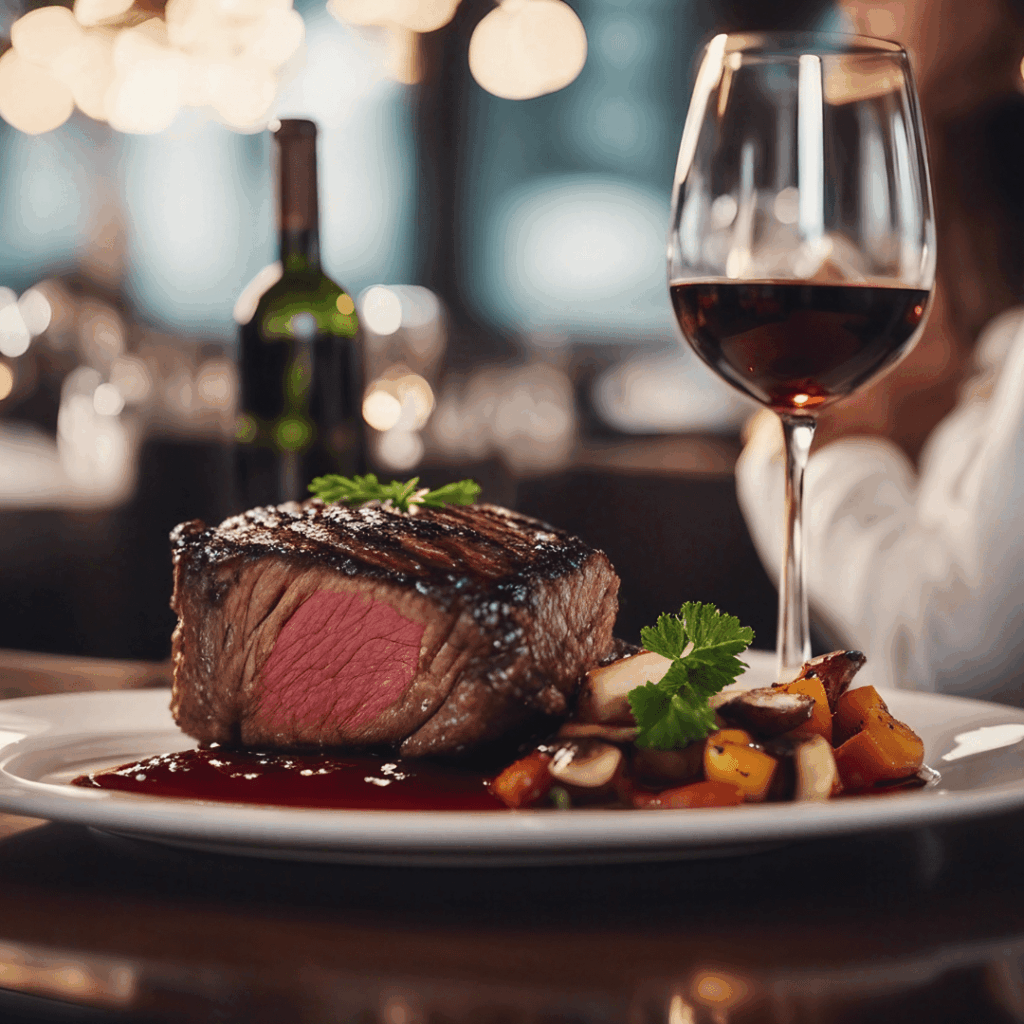
5. Keep Tannins in Check: Tannins, found in red wines like Cabernet Sauvignon and Malbec, interact with proteins and fats. This is why tannic wines pair well with rich, fatty meats like steak. However, they can clash with delicate fish or spicy foods, making the dish taste overly bitter or harsh.
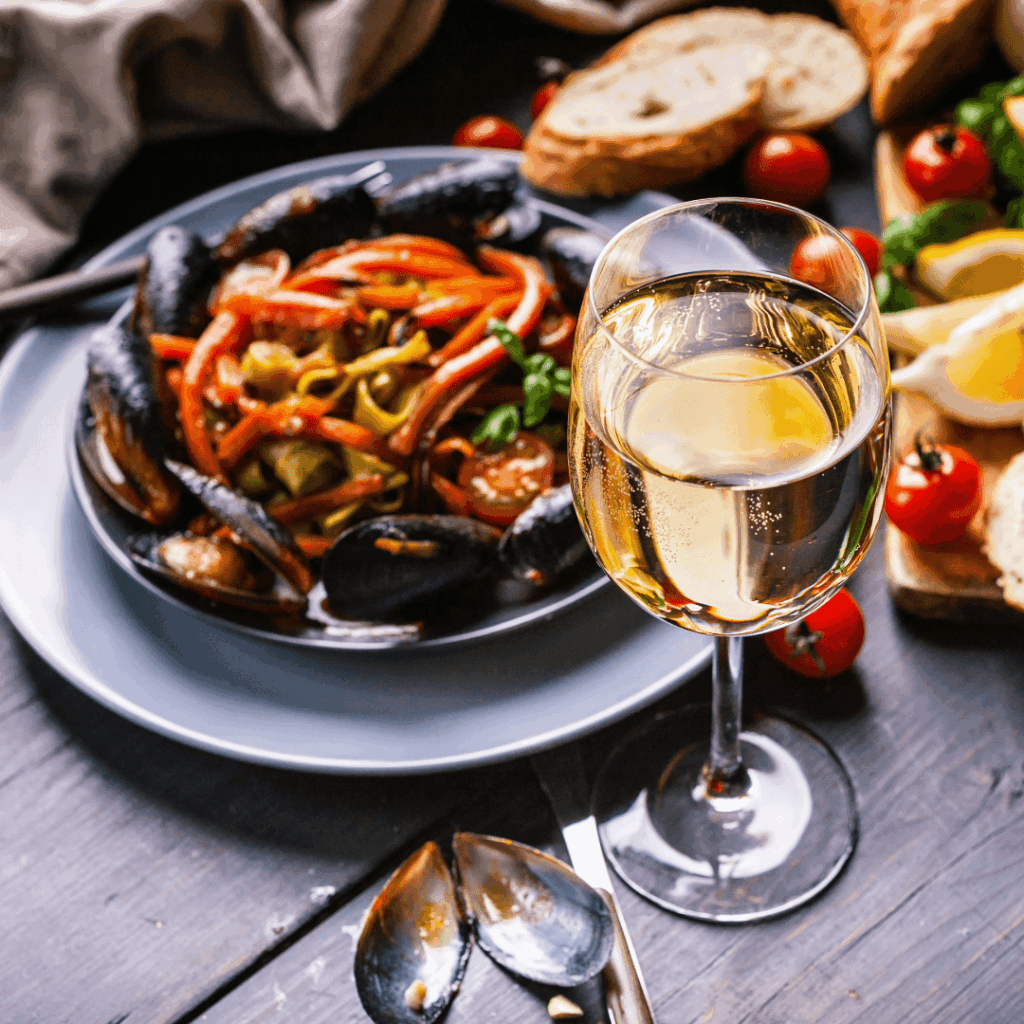
6. Sweet Wines for Spicy Dishes: If your restaurant serves spicy dishes, consider pairing them with slightly sweet wines like Riesling or Gewürztraminer. The sweetness helps to balance the heat, creating a more enjoyable dining experience.
By following these tips, restaurants can craft an exceptional wine and food pairing experience that elevates their menu and keeps customers coming back for more.