
According to Food Allergy Canada, over three million Canadians (9.3%), including almost 500,000 children, have food allergies. Reactions range from mild to life-threatening so those with food allergies must be vigilant when it comes to knowing the ingredients in whatever they eat.
Despite the daily challenges of managing food allergy, Canadians still enjoy dining out, so when they know you’re making their health a priority, and they can have a worry-free dining experience, chances are they’ll come back for more.
“Individuals with food allergies, and their families, are loyal, repeat diners,” says Beatrice Povolo, Director, Advocacy & Media Relations at Food Allergy Canada. “When they find a restaurant that can accommodate and provide them with a sense of confidence in their ability to manage their food allergy, they can be your biggest supporters and recommend your restaurant to others.”
Common food allergens
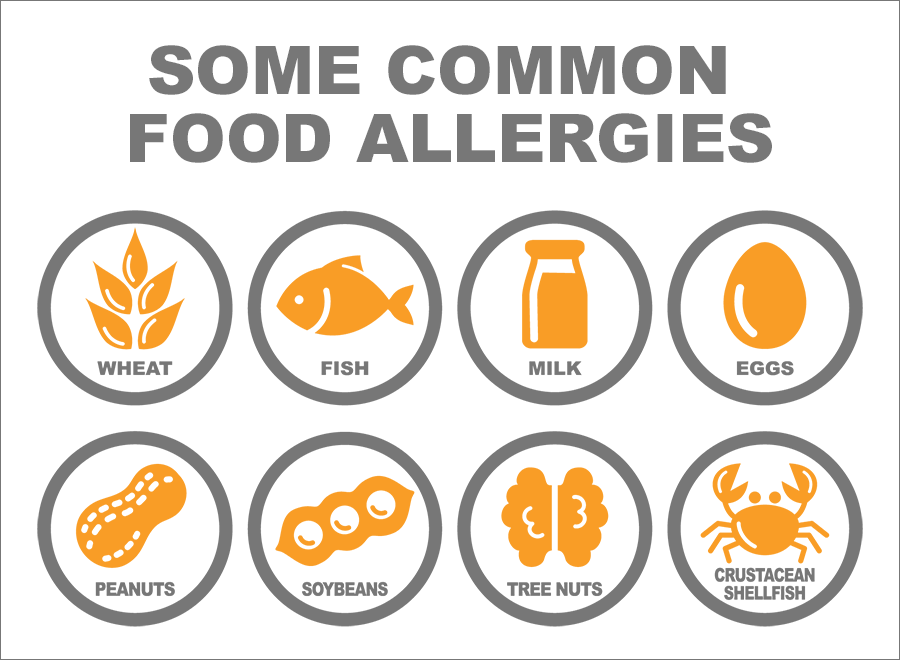
The most common food allergies, identified by Health Canada, the Canadian Food Inspection Agency (CFIA), allergy associations, and the medical community are peanuts, nuts, milk, eggs, mustard, fish, crustaceans and mollusks, wheat and triticale, sesame, soy, and sulphates (preservatives in foods and beverages). Anaphylaxis, the most severe reaction with rapid onset, can cause death.
Most people who know they suffer from a severe food allergy carry an EpiPen that contains a life-saving medication, but that’s not always the case. And even if they do, you don’t want to put your diners at risk. That’s why it’s so important that people who choose to dine out know that everything is being done to ensure they’ll be able to enjoy their meal worry free.
Good food allergy practices for operators
There’s no specific food allergy legislation or requirements for allergen risk management in Canada, so each operation is responsible for deciding how to manage allergens in their establishment.
Oliver & Bonacini Hospitality, with restaurants and event venues throughout Canada, takes food allergies seriously for all their dining experiences, whether restaurants, event spaces, or catering. Sarah Lawson, Sr. Manager, People, says staff are trained on protocols to ensure diners with food allergies are safe.
Communication and vigilance are key. For example, the managing chef oversees back-of-house from order in, to prep, and is the last person to check the food going out on the floor. Servers are told to input any information regarding allergens in the POS for both kitchen and bar as there can be allergy issues in both areas.
“Communication and training are the best things the operator can do… You’re building trust with your guests and obviously want them to feel comfortable and safe to dine with you.”
Sarah Lawson, Sr. Manager, People, Oliver & Bonacini Hospitality
Communication is key
“You can never overcommunicate when it comes to food allergy,” says Povolo.
“Communication and training are the best things the operator can do,” adds Lawson. “You’re building trust with your guests and obviously want them to feel comfortable and safe to dine with you.” This includes knowing about all allergens and their derivatives so when customers ask questions staff have the answers.
“Inviting diners to disclose their food allergy prior to ordering makes individuals with food allergies feel more welcomed,” says Povolo. “Having the opportunity to engage diners in this conversation is an important part of any communication process and should be standard in all foodservice operations.”
- Tip: Put a message on your menu and menu boards asking patrons to inform their server if someone in their party has a food allergy.
- Tip: List ingredients on your menu and website to help customers who opt for delivery or takeout orders.
- Tip: Use your social media platforms to spread the word that you’re allergy friendly.

Allergy safe restaurants
Though it’s impossible for any kitchen to be totally allergen free, there are some simple things you can do to avoid cross contact or contamination — transfer of an allergen from food that doesn’t contain an allergen.
Back of house
- Wash and sanitize cookware, utensils, and equipment after handling food allergens.
- Remove food from surfaces with soap and water.
- Ensure prep cooks and chefs wash their hands and change gloves before encountering known allergens.
- If possible, use separate equipment for food prep that includes common allergens.
- Double check orders before they leave the kitchen.
Front of house
- Servers should ask about food allergies when customers are seated.
- Consider using different coloured plates to designate allergy-free meals.
- Have servers deliver allergen-sensitive meals separately, avoiding close proximity to other food plates.
“As food allergy continues to be a growing concern for many Canadians, being sensitive to this important consumer segment has the potential to be very good for business,” says Povolo.