Big non-meat, plant-based alternatives are here to stay – and growing.
A recent study by Technomic reports “almost two-thirds of Canadian consumers (65%) consider vegetarian offerings to be slightly or much more healthy. And, a quarter express they are ordering more healthy items at foodservice now than two years ago.”

According to Technomic, “Gluten free is the top health claim across segments due to its popularity for both dietary and allergy reasons. Gluten-free claims also line up with many low carb diets like keto that are rising in popularity. Since these leading labels are on the top 200 restaurant menus, consumers may expect to see specialty options more widely available.”
Healthy Claims at Top 200 Limited-Service Restaurants
| Leading Claims | Fastest-Growing Claims | |
|---|---|---|
| 1 | Gluten-free | Vegan |
| 2 | Vegetarian | Dairy-free |
| 3 | Diet | Diet |
| 4 | Vegan | |
Healthy Claims at Top 200 Full-Service Restaurants
| Leading Claims | Fastest-Growing Claims | |
|---|---|---|
| 1 | Gluten-free | Vegan |
| 2 | Vegetarian | Diet |
| 3 | Diet | Dairy-free |
| 4 | Vegan | Keto |
As a result of this demand shift, restaurants are featuring plant-based proteins in a variety of applications. Optimism that the future is bright for plant-based protein has been fuelled by the reaction to the wave of products from Beyond Meat and others that have seemingly cracked the code and done the improbable – bridging the chasm between meat and meat-alternatives – by offering healthful and appetizing alternatives to beef and pork that replicate the taste and mouth feel consumers crave.
A&W introduced the Beyond Meat burger in Canada in 2018 and, thanks to unexpectedly high consumer trial, sold out beyond the ability of the supply chain to maintain inventory. A&W soon after introduced a Beyond Meat Breakfast Veggie-sausage sandwich that shocked consumers by the degree to which the product tasted like “real” sausage.


Large protein players like Tyson Foods and Maple Leaf are betting many millions that this trend has even longer legs. Maple Leaf announced plans in 2019 to build a US$300 million 230,000-sq.-ft. processing plant in Shelbyville, Indiana to more than double Maple Leaf’s investment in meat alternative offerings like its Lightlife Burger. Michael McCain has called plant-based protein “a billion dollar opportunity,” and recently told analysts that “it is on the cusp of becoming mainstream.”
In an interview with the Toronto Star, he said “in our plant-based business, we are confident that there’s a significant growth opportunity. Right now, most of our activity is around organic growth. We’re investing in new plant capacity, new innovation.”
Kids and plant-based restaurant menu alternatives
Even kids’ menus, traditionally boasting options like breaded chicken fingers and mac ‘n cheese, are going healthier.
According to a recent Technomic insights report: Over the past year, traditional kids menu offerings have declined, including kids grilled cheese (-16.5%), kids hamburger (-22.2%) and kids french fries (-36.4%), while lighter categories, such as kids salad, have seen an increase (+29.4%). “This demonstrates the swap of some heavier dishes for healthier choices that millennial parents most especially have been gravitating toward for their children.”
Fastest growing ingredients on kids’ menus

Savvy operators are taking note and adjusting their kids’ offerings to make them healthier and more mature.
Where do you play in the “healthy” sandbox?
A host of operators – including heavyweights like McDonald’s and Tim Hortons – emerging in all segments of foodservice have, in full or part, revamped their offerings to appeal to the broad constituency of health-seeking consumers (Exhibit 2). Sift your menu through this growing group to see how much ground you cover in the “healthy” sandbox.
One company, Montreal-based Copper Branch, billed as the largest vegan restaurant chain in the world, has ridden the plant-based wave to more than 30 locations including in the US.
Copper Branch has gone beyond vegetarian/vegan, and embraced the key elements of what “healthy” means to today’s consumer – fresh, natural (non-GMO, nothing added), free-from, unprocessed, sustainable, low carbs, nutraceutical, and more. Their menu items tick a lot of consumer boxes, from raw and organic naturally fermented Kombucha beverages, to sandwiches served on a choice of organic ancient grain kamut bun, gluten-free bun, collard green wrap or organic spelt wrap… and they let their customers know through bold menu design and social media.

Does your restaurant menu measure up?
It’s clear, if your menu is not speaking the language of current consumer health and wellness perceptions, you’re losing ground.
So, how do you make sure this key sales tool of your restaurant operation reflects your values if you want to communicate a shift to healthier options? The solutions are easier – and less expensive – than you might think:
- Speak the language. Copper Branch uses terms like “100% plant-based, gluten-free options, all-natural, many organic & non-GMO ingredients.” If you choose to make these claims, though, be prepared to back them up with what emerges from the kitchen.
- Use symbols in the form of a menu legend and place them next to menu items, much the way soome restaurants let diners know if dishes are mild, spicy or super-hot. WebstaurantStore blog recommends a menu legend like this one:
- Grill – A grill shows that chicken, sandwiches, patties, fish, and other foods can be grilled rather than sauteed, deep fried, or cooked in butter.
- Leaf – A leaf shows that pasta dishes, sandwiches, wraps, salads, and other foods can be made vegetarian.
- V – A “V” shows that vegetarian dishes can be made vegan.
- Grain – A grain shows that sandwiches, subs, and wraps can be made with whole grains instead of white flour.
- Zigzag – A zigzag symbol inside of an oven shows that crab cakes, seafood, meats, and poultry can be broiled rather than deep fried or sauteed in butter.
- Vegetable – A vegetable shows that certain meals can be made with organic ingredients.
- Sugar-Free – A sugar-free symbol shows that desserts or drinks can be made without real sugar.

- Offer sensible substitutions – and let your guests know. Use your menu to communicate that you can create healthier alternatives, such as grilled instead of breaded and fried, if diners reqest them.
- Try “healthy” promotions like a special “Meatless Monday” menu.
- Use social media to spread the word that you’re a “healthy” place to be.
Canadians love Canadian beer. Now, more than ever, what they prefer is local craft beers. Beers designed to make the most of quality ingredients and build complex flavours into every bottle, can or glass. Sophisticated brews that taste like home.
What a sommelier means to wine, a cicerone means to beer. The mark of a beer professional, this relatively new certification trains and tests individuals on a vast knowledge of beer, including proper service and pairings. But having a cicerone on staff is not practical for most operators.
Whether beer is on the menu, in the menu, or the menu is built around a special brew, using trusted national food brands and working with local breweries can raise the bar on your beer offering.

Beer in the food menu
“A major trend coming out of the pandemic is that people are gravitating more towards comfort food,” says Kirk Borchardt, Executive Chef Advisor for Ardent Mills. “Our diverse portfolio can help operators meet this trend AND bring beer to their menus in a variety of ways. Everything from making hamburger buns and pizza crusts using beer, to making a simple roux for thickening beer sauces or a quick beer bread.”
“A major trend coming out of the pandemic is that people are gravitating more towards comfort food.”
Kirk Borchardt, Executive Chef Advisor for Ardent Mills
Bonus: beer is a natural go-to beverage to accompany hamburgers and pizza.
Ardent Mills offers innovative and nutritious grain-based solutions for Canadian foodservice operators. Borchardt does everything from product development (new pizza doughs) to recipe creation to fit today’s consumer trends and make it easier for commercial kitchens.
“We have a great recipe for beer-infused pizza crust. Infused crusts are a top Canadian foodservice pizza trend. For beers in bread and crusts, I find that wheat beers really bring out the flavours of the flour and reinforce that nice rounded subtle sweetness. Wheat beer-infused crusts go great with more delicate ingredients like caramelized onions and goat cheese. Heavier beers, like porters and stouts, stand up great to heavier ingredients like roasted mushrooms and cheddar cheese and bring a nice deep earthiness to the dough.”
Beer on the food menu
Beer and seafood make a delicious match.
Says High Liner Foodservice Corporate Chef Chef Philman George, “My goal is to place craveable seafood on your menu and help you generate more profit. High Liner is North American’s leader in beer-battered seafood. Just like craft beer, we rely on quality ingredients and experience to create unique seafood products.”
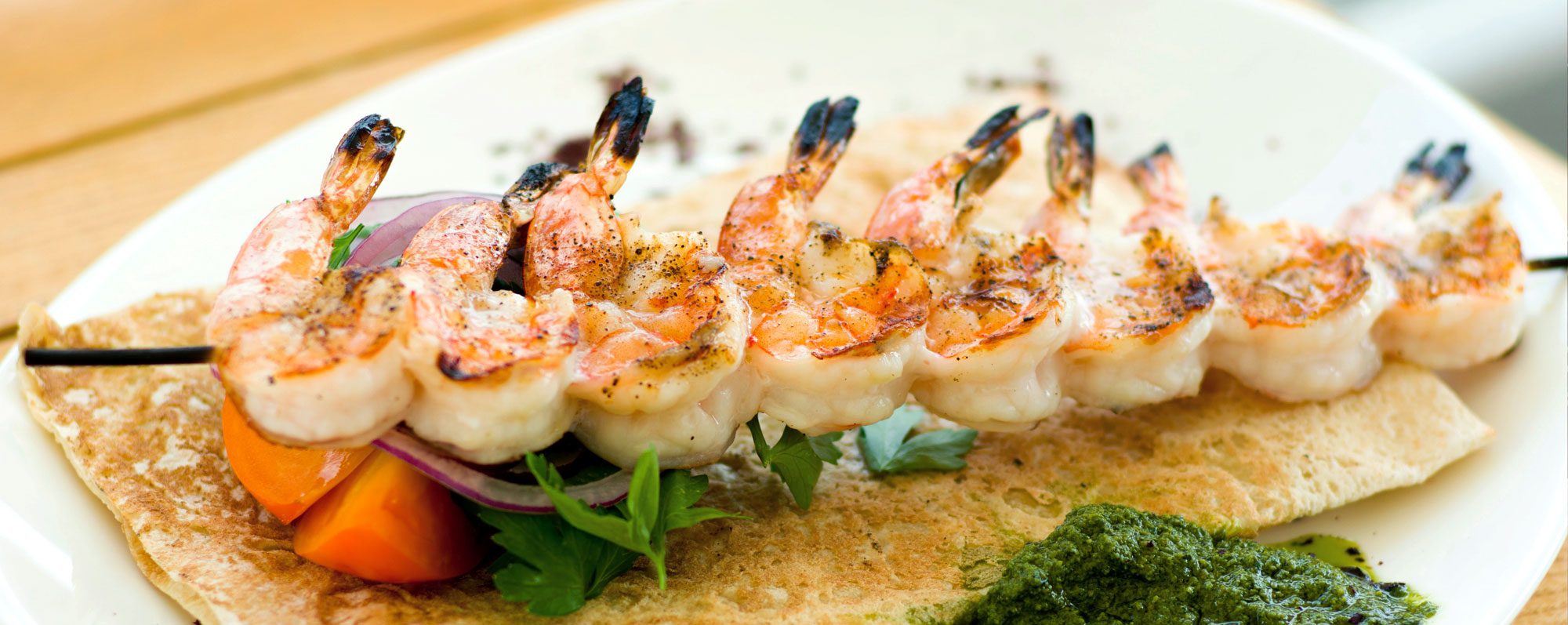
Guinness Beer Battered Cod Fillets and Guinness Beer Battered Shrimp are great examples of winning beer and seafood combos.


“Local craft beers pride themselves on brewing quality, unique beers with an attention to sourcing the finest ingredients,” says Chef Phil. “They often create seasonal varieties such as pumpkin spice ales or chocolate imperial stouts that flow nicely in the fall and winter months. These seasonal beer varieties and experimentation with intriguing ingredients mirrors up nicely with what restaurant chefs do with their menus and create opportunities for food and beer pairings.”
Pairing beer and your business
Jeff Macdonald is brewmaster for Black Donnelly’s Brewing Company, a small craft brewery located outside Mitchell, Ont. The six core beers are available in their 25-seat tap room, on-site retail store and at 10 local pubs and restaurants.
“Foodservice operators are bringing innovation to their menus through food flavours,” says Macdonald. “It makes sense to pair these dishes with beers that are just as complex.”
“Foodservice operators are bringing innovation to their menus through food flavours. It makes sense to pair these dishes with beers that are just as complex.”
Jeff Macdonald, brewmaster for Black Donnelly’s Brewing Company
“Choosing the right craft beers for your business comes down to understanding your customers, their drink preferences and the type of food you offer. If your customers primarily choose lagers, adding stouts and porters isn’t the right direction. But offering a variety of local craft lagers will add depth (and a local twist) to your beer list.”
Pairing beer and food
Pairing beer with food, as it is with wine, can be an extremely complex, but the beer-food combo, when done right, can definitely hit diners’ sudsy sweet spot.
The simplest approach is using colour. As the colour of beer typically ranges from light to dark, so does the depth of food flavours it can be paired with. Yes, an oversimplification but a good place to start.
Macdonald explains, “Colour is just one factor. Let’s use an IPA for an example. A light hoppy IPA is a great pairing with spicy Mexican dishes. But that hop flavour, depending on the brew, can be piney or have mango/fruity undertones which would pair better with other foods.”
You can choose brews that balance the food or choose brews that emphasize the food.

Carbonation level, hop level, alcohol content, maltiness (amount and roast level) are all considerations.
“Take a dark ale. In general, a great choice to pair with steak. One with low carbonation would pair extremely well with steak. However, one with high carbonation wouldn’t work as well, as the extra ‘bubbles’ take the flavour of the steak away from the tastebuds too quickly.”
“That’s why beers with higher carbonation are a go-to for summer months as they are palate cleansers and have that refreshing finish.”
Use a personal connection with the local brewers to work through your menu for best pairing opportunities. Match their brew expertise with your menu expertise.
But Macdonald also cautions, “You can make suggestions, and more customers are looking for pairing suggestions, but it will always come down to the type of beer your customer enjoys.”
Build a beer community
Communicating with local brewers is key to the best pairings but also supports the community.
“Try the beer, build the relationship,” Macdonald suggests. “Show them who you are and find out who they are, what they are doing. Everyone is busy, but a five- or 10-minute conversation can start a mutually beneficial business arrangement.”
Even foodservice operators without a liquor license can pair up with local craft breweries to cross-promote one another. Food trucks on a rotating schedule are a boon to small breweries that offer sampling but don’t have a kitchen.
Adding suggested beer pairing for local brews on takeout menus and local brewers posting your takeout menu doubles up on exposure and spreading the word.
Like all the best things in life, beer and food are best when they’re shared. Start brewing your plan. Cheers!
Recipes made with beer:

Crispy Haddock Sandwiches

Beer-Infused Pizza Crust

Big Bob’s® Haddock Surf Board
Is your small restaurant the place that locals most often name following the phrase, “You have to eat at …”?
Your eatery may be small, but that doesn’t mean it can’t be mighty. The chains and franchises may have big marketing budgets and instantly recognizable brands, but many people prefer – and are fiercely loyal to — the unique small restaurants, bars and coffee shops in their communities.
Translate your uniqueness into a big presence with the resources available to you. These 10 tips will help you make a big splash without a big budget:
Follow your personality
What’s your establishment’s personality? A homey Mom and Pop vibe, or funky and casual? Is it green and clean, or elegant and sophisticated? A restaurant’s personality may reflect the style of food it serves, the owner’s character, and more. Up your recognition factor by making that personality a consistent part of your brand through your storefront, signage, decor, food styling, digital presence and even the music you play.
Carve out your niche
Obviously, everything you serve should be delicious, but focus on your signature dishes. When people feel yours is the only place to go for homemade pie or vegan falafel, that’s a powerful way of establishing your presence.


Celebrate local specialties
Go beyond the usual Canadian dishes seen on menus across the country (poutine and a Caesar, anyone?) to celebrate your local or regional specialties. Serving brunch in St. John’s? Put touton on the menu, and how about salt beef hash with those eggs? Offer up hodgepodge for dinner in Truro, flapper pie for dessert in Edmonton, and puffed wheat squares in your Saskatoon coffee shop’s bakery case.
Source locally
Many locals and visitors are drawn to a locally-sourced menu. Paula and Richard Shea, owners of O’Shea’s Pub and Eatery in Kinkora, PEI, say, “Being part of a rural community, we are lucky to be surrounded by a variety of wonderful farms and resources. […] We have built relationships with those farmers and suppliers, which has helped keep a consistent supply of the freshest foods that our customers expect.”
- Be a local booster – Promote your local producers and suppliers. If you’re flipping pancakes in Trois-Rivières, be loud and proud about serving them with local maple syrup. Making burgers in Red Deer? Celebrate local Alberta beef. Feature local growers and producers in your small restaurant, from the fishery that provides your seafood to the farm that grows your spuds. Consider flags on the menu or a chalkboard featuring suppliers: Today’s asparagus comes from.…
Rock your digital presence
When it comes to having an attention-getting presence on social media, size doesn’t matter. Your independent diner or sports bar can have an attention-grabbing Instagram account and popular videos on TikTok. A multi-functional website enhances the guest experience from ordering takeout to making reservations to keeping in touch through your newsletter. The Sheas say, “Social Media is a great cost-effective way to grow a business.” Time invested in keeping your accounts current and well-managed is well spent.

Ideas to amplify your restaurant’s presence digitally – Your social channels and website are powerful tools for complementing and amplifying what’s happening on your premises. Here are some tips to bolster your presence digitally:
- Ensure your digital presence is true to your eatery’s personality and stay on brand.
- Profile local dishes, especially those unfamiliar outside your area like fish and brewis, to whet the appetite of visitors and stir local pride.
- Celebrate your signature dishes.
- Share the stories of local suppliers.
- Promote community events and fundraisers and maintain a digital calendar of events.
- Feature your staff and their stories.
- Honour your regulars with profiles or photos.
- Publicize pop-ups, special events, promotions and loyalty programs.
- Celebrate your history and thank the community for making it possible.
Support your community
Sponsoring sports teams and donating to causes may be top of mind as community support activities. But not every way of giving back requires a budget. Local organizations appreciate a well-managed community bulletin board to publicize their causes. Hosting events on your premises helps them and also boosts your profile. Just remember to keep the focus on the causes and not on your contributions to avoid the turn-off of appearing boastful.
“Whether it be donating to fundraisers, hosting events or contributing to local initiatives, we like to give the same support back to the community that we feel we get from them,” say the Sheas of O’Shea’s Pub and Eatery.
Know your customers well
Being small gives you a unique advantage in building relationships with your regulars, and so does having loyal, long-standing staff. “Listening to and engaging with our locals, learning their likes and dislikes and using that to maximize their experience are all factors we believe have helped grow our long-lasting business,” add the Sheas. “It makes our customers feel good when we have their beverage and table ready as they walk in our door.”
Get out into the community
Consider having a pop-up at local fairs and events, featuring your specialties. You’ll not only contribute to the success of community events but entice new customers to your establishment.

Create standout promotions
Unique promotions, especially ones with a local angle, draw people in. Go beyond the standard holiday promotions by selecting a few signature days each year and creating special offers for them. For example, celebrate your founder’s birthday for a multi-generation family restaurant or commemorate an important day in your community’s history. Leverage national food days or create your own days for your specialties! Partner with local suppliers for cross-promotions too. If you’re famous for your beer stew, you and the local craft brewery can collaborate on specials for your very own Beer Stew Day.
Loyalty cards can also work well. “Buy ten coffees and get one free” can be a powerful way of keeping regulars coming through your doors.
Be consistent
It’s not a bad thing to keep things fresh and add new dishes to your menu from time to time, but don’t change for the sake of change. As the adage goes, “If it ain’t broke, don’t fix it!” Customers appreciate the sense of coming home to their favourite dishes, maybe cooked and served by staff they’ve come to know over the years.
“Consistency is key,” say the Sheas. “We have been operating for 18 years and feel our customers know what to expect when they walk in the door. We do our best to offer the same meals with the same locally sourced ingredients and it seems to keep them coming back!”
Marketing your restaurant brand successfully, meaning you’re actually experiencing a return on your marketing dollars, can often seem an insurmountable task.
It’s important to keep in mind that some of the most effective restaurant marketing strategies are designed to produce long-term results, as guests need constant visual reminders and communication about your brand to persuade their decision-making.
Here are 10 restaurant marketing strategies to leverage with the core objective of increasing revenue in the short- and long-term:
Targeted Digital Advertising
Instagram and Facebook have made it extremely easy to attract and gain new guests with targeted digital advertising. Set your ad objective to target audiences similar to who follows your social pages, and drive them right to your website for reservation bookings. You can track the results, and not only begin seeing your social community grow, but also your reservation bookings.
Ticketed Events and Experiences
Create a seasonally inspired ticketed experience or event that requires guests to secure their spot in advance with a ticket. Not only does this guarantee a full house, but also allows you to manage the profit margin to increase your revenue, while creating a unique experience for guests. Try EventBrite for ease of ticket management.


Promotional Marketing
Promotional marketing has a reputation of hurting the bottom line, but that isn’t always the case if planned strategically. There are many ways to maintain your brand experience and reputation, while offering a nominal perk to encourage guests to dine with you, and spend a little bit more. The objective with promotional incentives should be to increase the average check, by upselling the order on profitable menu items. Themed menu nights, pre-set menus, menu specials, alcohol features, and combos are all forms of promotional restaurant marketing that can increase revenue.
Sampling and Tastings
What better way to encourage sales than by giving someone a complimentary experience first! This marketing tactic allows you to communicate one on one the key selling features of the menu item or beverage, while making the guest feel special with a complimentary tasting. Work with your suppliers to create the experience and provide additional support and product, which will also reduce your expenses and increase your profit.
FACT: Customers are 93% more likely to purchase an upgraded bottle of wine ($10 more) when offered a sampling.

Pop-Up
Why wait for the guests to come to you, when you can go to them? Pop-up carts, booths, and street activations can be very a cost-effective way of reaching a new audience and marketing your brand experience directly. Be sure to hand out a promotional piece, such as a complimentary appetizer or dessert card, to invite guests to your physical location to dine again!
Private Label Products To Go
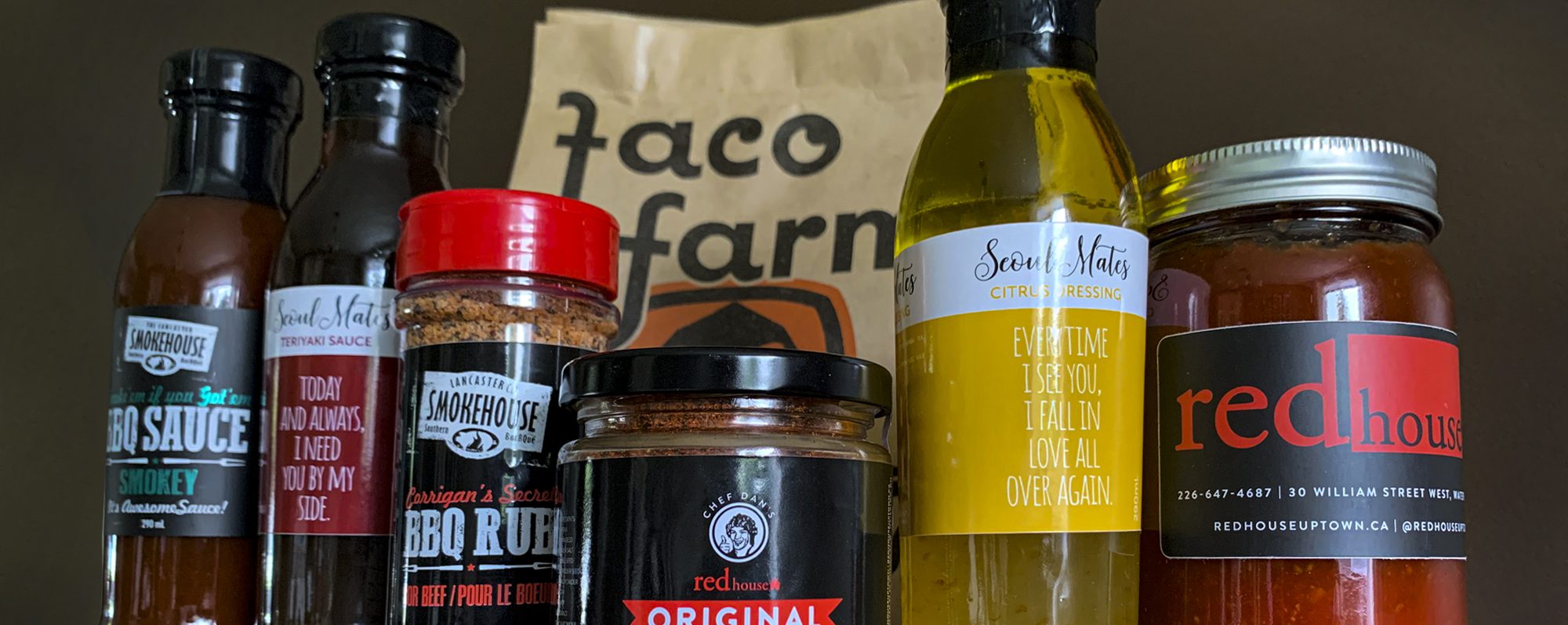
Consider leveraging your most popular dishes, sauces, or made-in-house products that have the highest profit margin, and packaging them to go for guests to enjoy at home. This out-the-door form of marketing keeps your brand top of mind in guest homes, sparks word-of-mouth advertising, and provides your business with another revenue stream.

Dining Rewards
Most restaurant point-of-sale systems have built-in rewards programs that track guest’s information and dining history. The systems are extremely sophisticated, and often provide digital marketing opportunities to reward guests based on their dining behaviour and milestones, such as birthdays and anniversaries. Whether it’s a complimentary birthday dessert or points towards achieving a unique experience, be sure to maximize the preexisting marketing tools in your point-of-sale, or reservation booking systems, to encourage repeat business.

Brand Collaborations
You know the saying – “Keep your friends close, and your enemies closer”? This rings true for restaurant competitors too! Over the last few years, as restaurants have struggled with new industry challenges, we’ve witnessed the birth of restaurant and chef collaborations with the objective of bringing unique experiences to guests and driving new business. Consider hiring a well-known chef to design your seasonal menu, or feature some unique menu items designed by another popular restaurant that serves a different type of cuisine, or collaborate on a pop-up to share costs. The ideas are endless, and with the right collaboration the results can be very positive for the bottom line.
Google Business
When it comes to marketing your restaurant brand, Google Business is a tactic that many restaurant brands have still not tapped into fully. Google Business pages provide a platform where you can showcase images, post daily updates, create digital promotions for guests, link to your website and social platforms, and encourage guests to reward you with 5-star reviews. When a guest Googles your brand, your Google Business page is likely the first thing that pops up, which is why it’s so critical to manage this platform. The best part, all of the digital tools are free.
Own Your Restaurant Website
Let your website be the front door to your restaurant where diners can learn about you before they make a reservation. Your online strategy isn’t complete without one and sites such as the all-in-one platform Sociavore was developed for independent restaurant operators like you to be in full control of your brand, content, online ordering and reservation booking system. Your website attracts visitors and drives sales, so take control of your online presence. Book a Sociavore demo here.

Take your marketing efforts to a more profitable level by implementing one or more of these creative strategies for your restaurant brand.
The perennial challenge of staffing in the labour-intensive foodservice industry has only been exacerbated by the COVID-19 pandemic. Widespread staffing shortages as restaurants reopen, coupled with serious financial losses due to long periods of closures and restrictions, mean savvy foodservice operators are looking for effective retention and hiring strategies that won’t break the bank.
Understanding the Issue
Objective analysis of a problem’s root causes is the first step to finding solutions. While some reasons for staff shortages are beyond your control, be open to the possibility that your own practices may be a factor. For instance, ongoing government support programs may be one reason foodservice staff aren’t flocking back. But telling staff that their colleagues who haven’t returned would rather collect a benefit cheque than work could backfire: finger pointing may be part of your retention problem.
There are many nuanced reasons that many have chosen to leave the foodservice industry — or perhaps your establishment — including:
- Pandemic downtime that led to reflection about career and life priorities, with some workers choosing to retrain online or start businesses from home.
- Safety concerns about serving the public and/or taking public transportation to work in a pandemic that’s now in its worsening fourth wave.
- Childcare shortages or the need to stay home with children who are schooling remotely.
- Your wages, benefits, advancement opportunities and workplace culture may be less attractive than the competition’s.
But What About Cost?
Some retention and recruitment strategies come with a price tag. Assess that against the costs of losing valuable employees you’ve already invested in and operating short-staffed. You may find that you can’t afford not to implement some of those strategies.
The cost of turnover can run to several thousands of dollars per departure, based on hiring process and training costs, lost productivity, and other factors. In pandemic times, turnover cost cuts even more sharply. Without enough staff to run your restaurant, tables may sit empty; some restaurateurs have even had to cut back on operating hours or close altogether.
Which Comes First: Hiring or Retention?
It may seem counterintuitive, but think about retention before hiring strategies. Why? Because the reasons your staff want to stay are also why people want to join your workplace. A poor reputation in the job market due to high turnover has a chilling effect on hiring; being known as a great employer attracts applicants.
The pandemic created a seller’s market in real estate, but when it comes to foodservice jobs, it’s a buyer’s market. Job seekers have their pick and so do your current staff — retention is more important than ever.

Retention and Hiring Strategies
Pay Increases
In addition to providing competitive starting wages, consider implementing pay ranges with increases at set intervals. On a four-step scale, the starting rate could be followed by three incremental increases every six months to a year to encourage employees to stay.
Tip Distribution
Is your tipping policy — or lack of one — a source of staff dissatisfaction? You may not be ready to build gratuities into menu costs, but tip sharing could address compensation inequities between front- and back-of-house staff.
Benefits
Jeff Dover, principal at the foodservice consultancy fsSTRATEGY Inc., says health and/or dental benefits can be cost effective for small operators. “Benefits are important and, given that many restaurants don’t offer them, can make a restaurant an attractive place to work. Help with childcare is very beneficial as well.” Dover says paid sick days are timely given the pandemic. While some employees may treat them as vacation days, there is a pressing need for employees not to come to work sick.
Referral Bonuses
“Referral bonuses are becoming more prevalent,” Dover adds. Not only are they attractive to current staff, but he says they work well too. “New hires are more likely to stay if they know someone, especially if that person has stuck their neck out to recommend them.”

Ongoing Training
Training isn’t just for new hires. Offer ongoing training and development for staff who’d like to learn new skills, rotate through different jobs, or advance into leadership. Ask what they’d like to learn more about to keep it timely and meet their needs.
Establish Career Paths
Communicate the career paths in your establishment. Dover says, “Teaching people what it takes to get promoted and helping them do so is great for retention.”
Prioritize Staff Health and Safety
Health and safety is top of mind these days. Make it a topic at all staff meetings, reviewing protocols to bolster employees’ confidence that they and their co-workers are doing the right things the right way for safety. Be proactive about discussing mental health, and consult industry and community resources to address any issues.
General Culture
Is your culture rigid or flexible? Do schedules take staff needs into account? Are minor repairs and interpersonal issues addressed quickly to minimize day-to-day work frustrations? Do you communicate openly with your team? Do staff feel safe bringing forward concerns? Do you offer open recognition but private criticism (constructive, of course)? Never underestimate the retention and hiring power of your staff feeling supported and heard.

Hiring Strategies that Reflect the Times
Asking applicants to drop off paper résumés can be off-putting for a digital-savvy labour pool. Trendy speed-dating-style hiring fairs are problematic during the pandemic. Think about recruiting online, offering applicants the choice of submitting traditional or video résumés, and conducting Zoom interviews. If you want to meet in person before making the final decision, use those tools to shortlist candidates.
Use Your Website for Hiring
Your website is an important tool in your hiring process. Amina Gilani, co-founder and COO of Sociavore, the independent restaurant website platform and Brand Points PLUS partner, says: “Use the Sociavore job creator tool to create customized job listings and generate mobile-friendly application pages right on your restaurant website. You will receive virus-screened application packages directly in your email — no third-party recruiting website required. Accept and manage application submissions all from one dashboard.”
Go Social for Recruiting
You work hard to build your social media accounts, so why not harness them for recruitment? Your followers just may want to work for you or refer candidates to you, so let them know you’re hiring and link to your website job listings.
Signing and Retention Bonuses
Signing and retention bonuses can sweeten the deal for potential new hires.
“The best thing you can do is make your restaurant a great place to work.”
Jeff Dover, principal at fsSTRATEGY Inc.
When it comes to hiring and retention, Dover says, “The best thing you can do is make your restaurant a great place to work. […] Treat employees like a valuable commodity (which they are), and do what you can to keep people happy. […] Make your restaurant a place where Gen Z wants to work. They want to work for a company whose values align with theirs, so be environmentally friendly, address social issues, etc. Get the staff involved in implementing programs. If you nail this, you will have a way easier time than other restaurants finding and retaining staff.”