
If there is one thing this pandemic has proven, it’s that hospitality businesses can no longer rely on one service offering as a sole source of revenue.
Over the last 16 months we’ve witnessed a complete shift in the hospitality industry as businesses pivoted and innovated their experiences to keep doors open, which resulted in new concepts evolving from bodegas, to takeout windows, pop-up restaurants within restaurants, and private brand consumable retail expansion.
For restaurants, leveraging top-selling dishes and ingredients by converting them into sellable products is an effective way to deliver a taste of your brand for guests to enjoy at home, while driving new and repeat business. Another effective approach is to sell similar items to what’s featured on your menu, which are less seasonal and can be offered all year round. This secondary strategy provides more flexibility in terms of product development, allowing your team to create items that are better suited to the retail experience.
Whether you plan to sell consumables within your restaurant space, or through specialty shops, developing a retail assortment is an excellent opportunity for increased brand positioning, especially when you design standout packaging that keeps your brand top of mind wherever the product goes.
Packaging is typically categorized as an operational necessity, and most businesses are looking to source the most cost-effective options, but this sourcing often results in the packaging falling short in terms of creating a well-branded consumer experience. Like visiting your website, or dining at your restaurant, packaging is another touchpoint representative of your overall brand experience and therefore requiring sufficient investment.
When designing your packaging consider this:
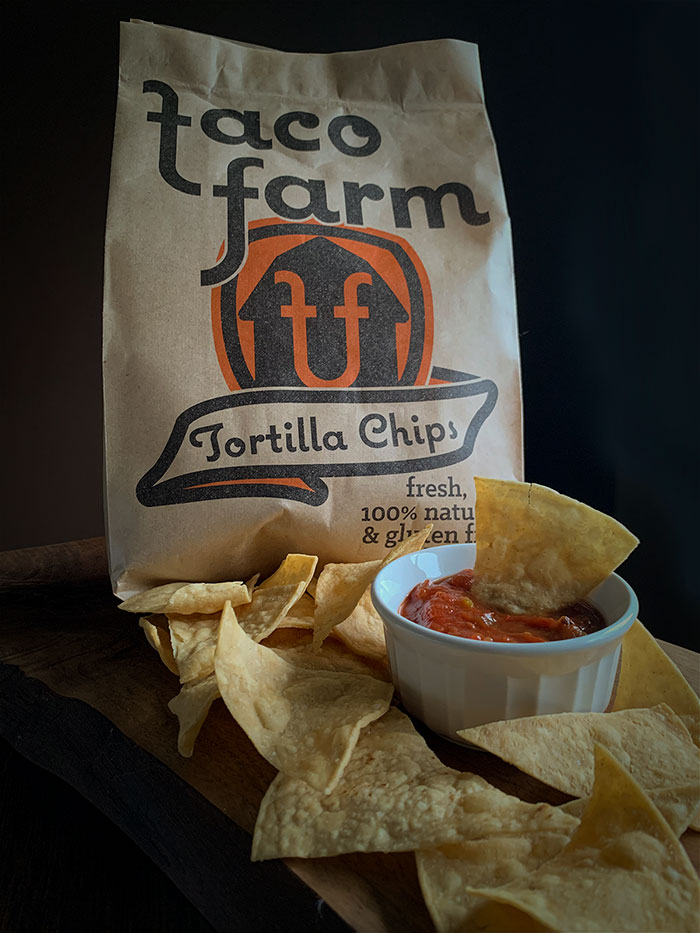
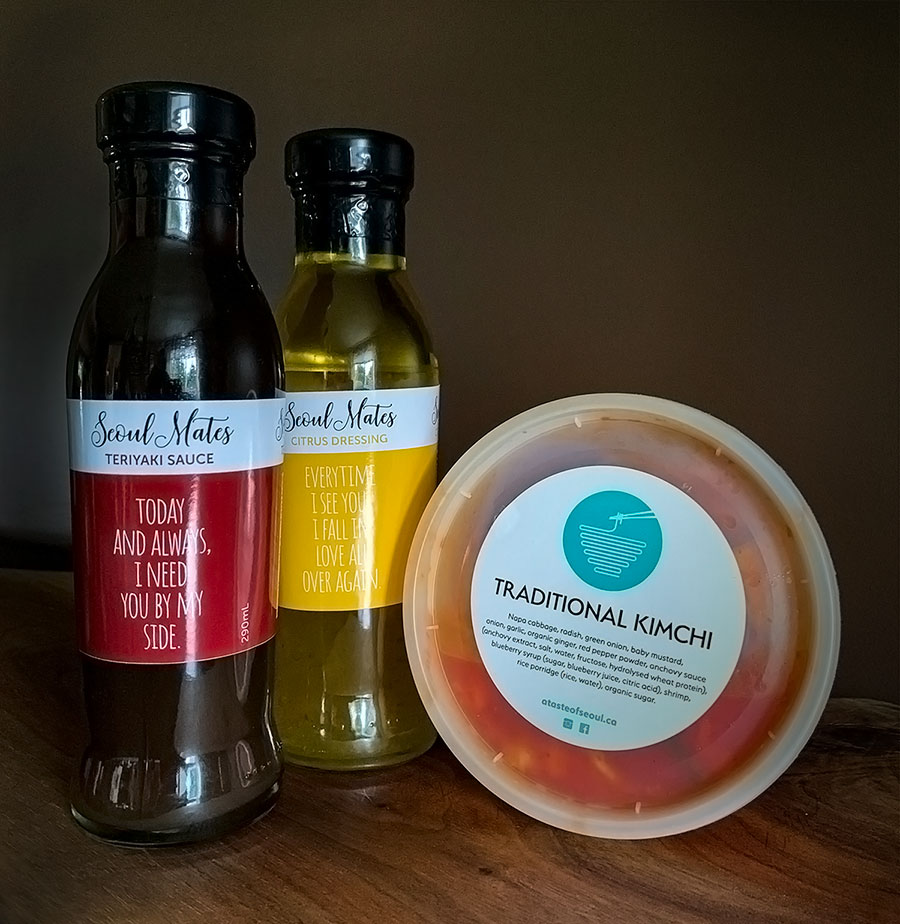
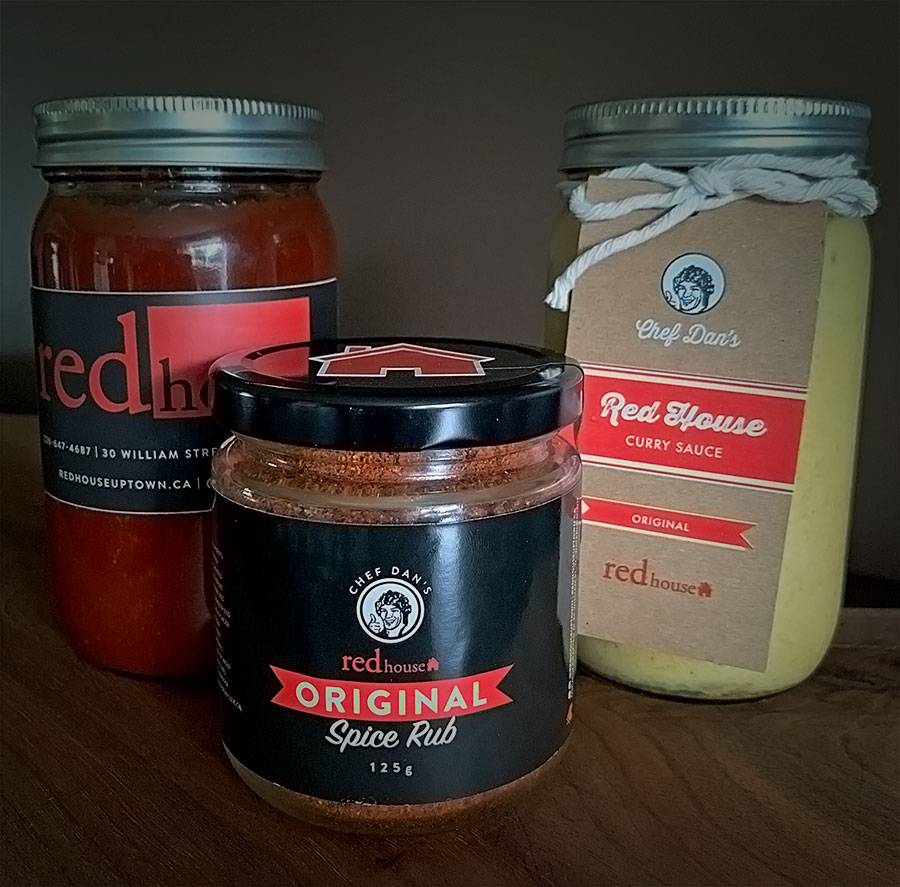
Size and shape
You want to first consider how it will be stored in a retail setting and a consumer’s home, to ensure your sizing is suitable for easy storage. Go with standard shapes and sizes that can be easily shipped, stored and stacked to optimize shelf space and product display. The larger the packaging, the more it will cost; uniquely shaped or custom sizing will also incur more costs, and again will be more challenging to display and ship. If a brand value is environmentally friendly, then your packaging should also reflect and communicate that same experience.
- TIP: To better guarantee guests experience the expected quality and freshness of your consumables, select a container size that provides consumers with enough to enjoy in a shorter period of time. This approach can also positively impact repeat purchases.
Get branded
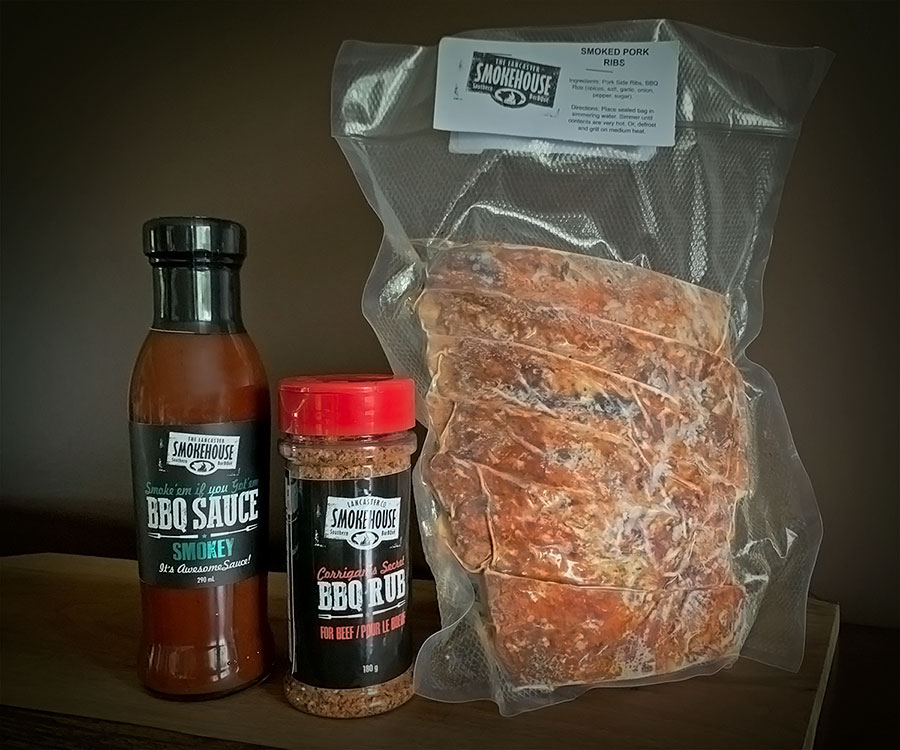
From the container to the carryout bag, your packaging should be consistent in terms of brand colours, fonts, design aesthetic, and messaging. The objective is to have consumers see your packaging and recognize it’s your brand.
Unless you’re a design wiz, hire an experienced designer who understands packaging, labels, and printing, to create your custom branded look. Standout labels, bright colours, key messages, ribbons, and custom stickers are just a few of the ways to add a custom branded touch to your packaging.
With Instagram being your most feasible and effective communication tool to leverage, consider how you can add Instagrammable moments to your packaging that consumers would want to share. For example, a call-to-action tagline on the inside of a flap or cap. Keep in mind, packaging is a silent form of “word of mouth” marketing; every side of your package is an opportunity to tell a piece of your brand story and connect with guests.
- TIP: Design a WOW factor, one element in your packaging that will surprise and delight consumers as they open or indulge in your goods. Give them a story to share.
If you’re looking to expand into the retail sector, then get ready to shift your perspective on packaging to successfully apply this effective marketing tool. For some consumers, this may be their first time experiencing your offering, and it needs to be representative of what you want your brand experience to be, from restaurant to retail.
Restaurants across Canada are opening up again. There are varying degrees of restrictions across jurisdictions, but one way or another, people are once more enjoying the experience of dining out. Although we don’t know the future of the COVID-19 pandemic, Canada’s vaccination rates are cause for optimism.
As Restaurants Canada reported on June 17, 2021, the pandemic’s brutal financial impact on restaurants has “stretched their resiliency to the limits.” Restaurant Canada’s survey data indicates that 80 per cent of restaurants have been losing money or “barely scraping by” during the pandemic, and that 45 per cent of foodservice operations have been losing money for over a year.
As restaurants navigate this period of recovery, the question of how to recoup lost revenues will be top of mind. Guest capacity, labour utilization and menu costs are key factors in achieving cost efficiency.
The guest experience is paramount
Foodservice operators need to find the right balance between cost reduction and meeting the expectations of eagerly returning guests.
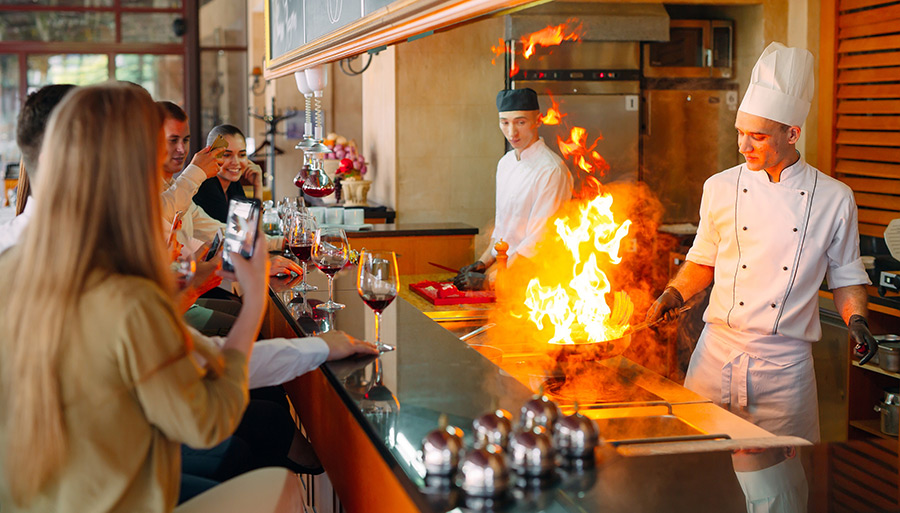
Jenny Companion, VP eastern operations for the hospitality consulting agency The Fifteen Group, says, “The key to regaining restaurant sales and profitability is tied to guest experience.” She notes that guests will be looking for ongoing safety measures and for “high levels of experience and service. People are excited to dine out again and are willing to spend their money, but just as before COVID, they expect value for their money.”
“The key to regaining restaurant sales and profitability is tied to guest experience.”
Jenny Companion, VP eastern operations, The Fifteen Group
Companion adds, “Trying to improve profits by cutting staff hours or changing the quality of product won’t work. Instead, restaurant owners and managers need to find ways to manage provincial restrictions and guidelines to make dining experiences seamless for guests from start to finish. Using screening apps and providing online information are quick, efficient ways to engage with guests and manage expectations.”
Focus on guest communications
Some cost-reduction measures won’t be visible to your guests, but others, like timed seating, impact them directly and shouldn’t come as a surprise. Open, upfront and ongoing communication is key to guest acceptance of such measures.
Advise guests about changes that affect them on your website and social media, and at the time of reservation, arrival, and at the table. Explain why these measures are needed, ask for their support, and thank them for understanding. Patrons, especially the regulars, want you to succeed.
Top 10 cost reduction tips for your restaurant
Maximize guest capacity
As restaurants focus on financial recovery, maximizing table turns is critical, especially in jurisdictions with ongoing restrictions. The more you can turn tables (without alienating guests!), the more efficiently your labour costs can generate profit.
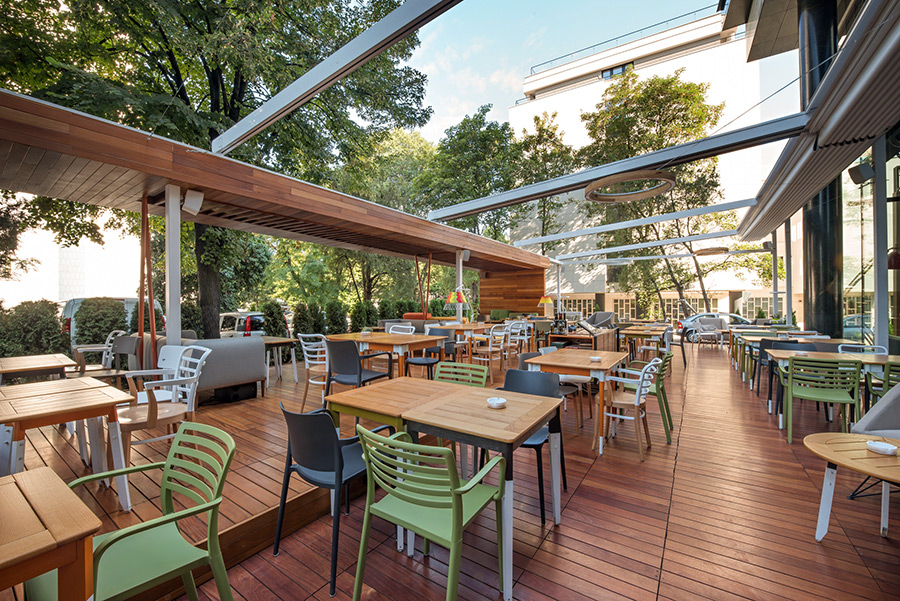

- The (almost) all-weather patio: Canadian weather can be capricious even in summer, from blisteringly hot to cool and wet. You need to outfit your patio for any number of conditions at any time of year. Umbrellas, misters, heaters, wind breaks and other options can make outdoor dining more comfortable for your patrons and keep those tables turning.
- The in-kitchen chef’s table: If you have the space and regulations permit it, consider adding a table for guests to dine right in the kitchen and be served by the chef. Discerning diners will clamour for this exclusive experience and you’ll have more table turns.
- Timed seating: Now more than ever, you simply can’t afford for guests to linger for hours over their meal. Setting time limits for seatings (e.g., 90 minutes for dinner) may be the answer. Encourage guests to review the menu before they arrive to expedite ordering. Give them a quality experience by expressing your gratitude and sending them on their way with a little treat for later.
- Fixed seatings: Take the concept of timed seating a step further with two or three fixed seatings for dinner, if not daily then on certain days. Guests may be familiar with this concept from past New Year’s and Valentine’s Day dinners. Keep up that spirit of celebration with a special seasonal menu and make it an event not to be missed. The time limits and a set menu also help you manage labour and menu costs.
Manage restaurant labour costs
- Utilize government wage subsidies: Research and take advantage of any federal or provincial wage subsidy programs available to restaurants. Companion says, “We recommend taking advantage of the wage subsidy to help cover some of the costs associated with proper staff training and skill-building, to create a more efficient, well-trained team executing at a 10 out of 10 level going forward.”
- Optimize staff scheduling: Reducing staff may be a tempting cost reduction strategy, but it can backfire if customer service suffers and affects sales. Focus instead on optimal scheduling. Your goal is to have the right number of staff for anticipated customer traffic, while keeping both cost effectiveness and employee retention front of mind. For example, don’t book one employee into an avoidable overtime pay situation when another could be scheduled at regular pay. Similarly, take care not to schedule staff on their requested day off if other employees are available to work.
Manage menu costs
“Controlling costs, and specifically menu costs, is vital to the profitability of any restaurant,” advises Companion. “Inventory costs are on the rise and some products are becoming increasingly difficult to find. This means that it’s more important than ever to know and document all of your recipes, determine the plated item costs and properly engineer your menu.” And while she says that foodservice operators need to be prepared to raise prices, hopefully these cost reduction tips can mitigate that.
- Work with your suppliers for the best prices: Work with your suppliers to secure the best prices, and buy in bulk according to items’ shelf life. You could share some of those savings with customers through limited time offers, another strategy for keeping seats filled.
- Streamline your menu: Putting your menu on a diet improves the guest experience by making choices easier. A shorter menu allows you to showcase your signature dishes while favouring those that generate the most revenue and profit. Other benefits include the economies of buying fewer items but in larger quantities, and staffing efficiencies.
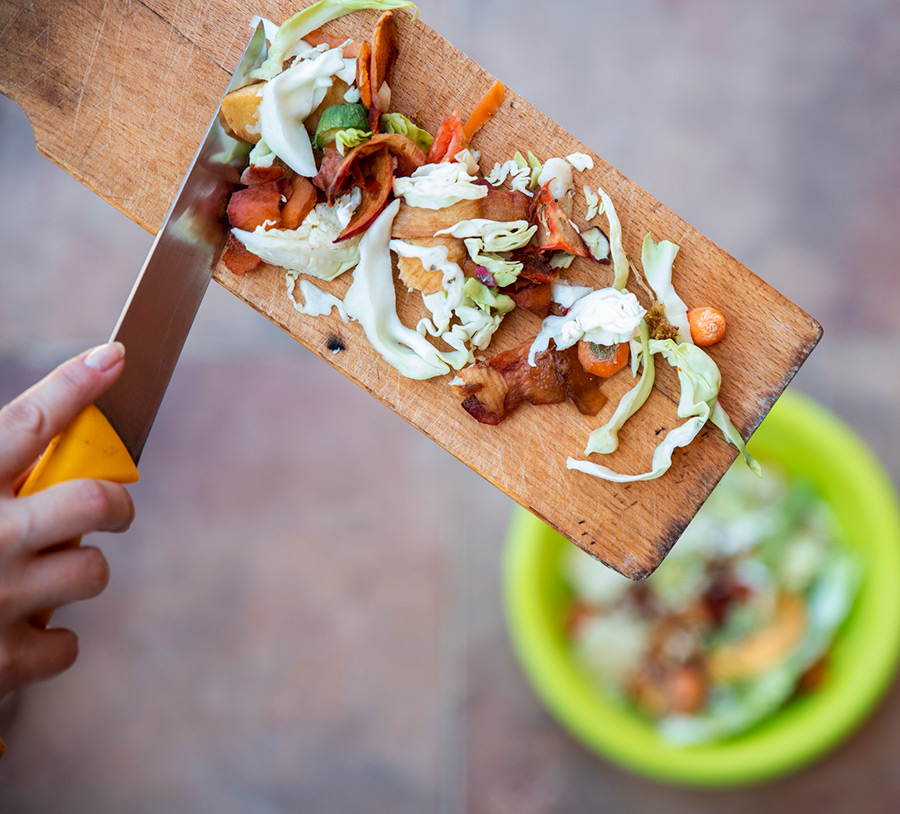
- Reduce food waste: Wasted food is wasted money. It’s also an ethical issue. Make the most of every ingredient you purchase through proper temperature-controlled storage, tip-to-tail cooking, reasonable portion sizes, creating specials using ingredients before they expire, and streamlining your menu.
- Know your inventory inside-out: Inventory management is crucial to managing menu costs. Keep a detailed stock inventory so you know what you have on hand at all times and expiry dates. This and understanding demand patterns can prevent overbuying. When food is delivered, inspect it to ensure it’s what you ordered and don’t accept anything with spoilage or damage.
It’s a fact. Restaurants across Canada are on the brink of reopening, whether to patio dining, in-restaurant meals, or both. Diners are understandably excited to return to their favourite culinary haunts. But what about restaurant staff, many of whom have been furloughed for part or all of the pandemic? How safe is it for them to return?
As Jeff Dover, principal of fsSTRATEGY Inc., says, “Very few cases of COVID-19 have been confirmed as spreading in restaurants; this includes areas of the country where indoor dining has been allowed. In short, the restaurant industry was [already] doing a good job of keeping staff safe.”
“Very few cases of COVID-19 have been confirmed as spreading in restaurants. In short, the restaurant industry was [already] doing a good job of keeping staff safe.”
Jeff Dover, principal of fsSTRATEGY Inc.
But keeping restaurant staff safe and having restaurant staff who feel safe are two different things. Canadian Restaurant Workers Coalition has been petitioning provincial governments to improve restaurant workers’ protections like paid sick leave and overtime pay. As reported in the Toronto Star, Not 9 to 5, a non-profit providing resources for mental-health well-being among hospitality workers, recently introduced the Mind Your Health project. The project includes a certification program on workplace safety from a psychological perspective, along with an online survey to collect data on mental-health well-being among hospitality workers.
Where to start
“The key for me is to ensure that staff wear masks and, even more so, keep six feet apart when possible,” advises Dover. “When staff have to be within six feet (e.g., taking orders, picking up food), the time of exposure should be limited. One of the primary challenges is tight kitchen spaces such as a line with multiple stations not six feet apart. Redesigning the menu to have fewer kitchen stations will help keep the staff safe. COVID-19 is more likely to be transmitted indoors and in close spaces. Redesign your workflows to eliminate or limit such interactions.”
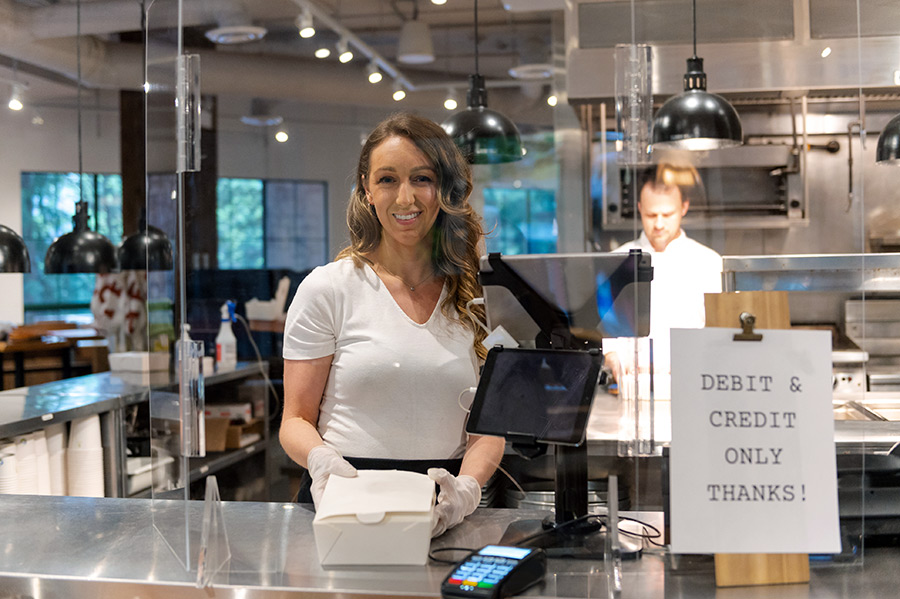
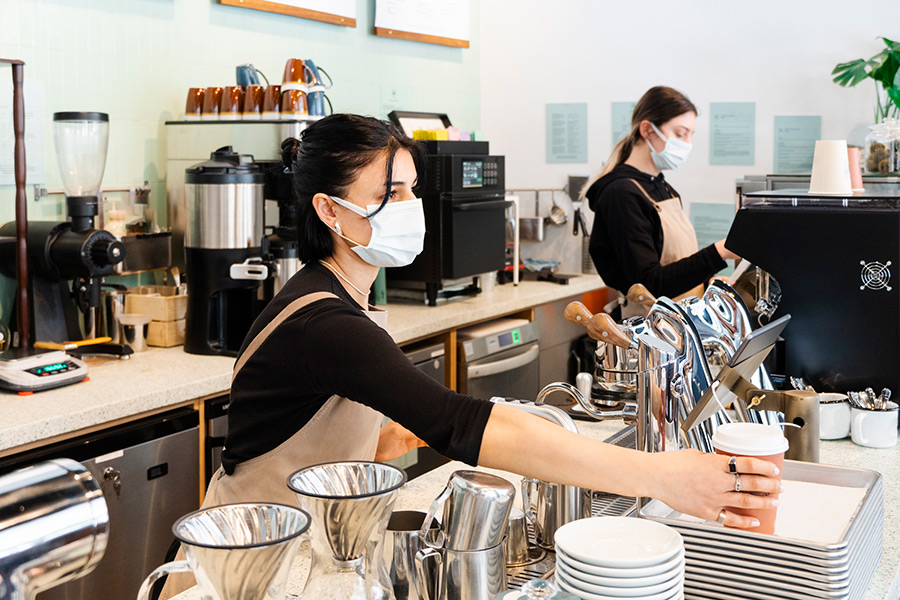
Sanitize regularly. Tables, work surfaces, and other areas, both front and back of house.
Reduce staff sharing. For instance, kitchen staff should never share utensils at back of house.
Change your menuing. Other changes will need to be instituted to ensure the safety of both your guests and your employees. Reusable menus, for instance, may become a thing of the past. Many restaurants, says Dover, are putting QR codes on tables to limit contact with shared items. “When guests request menus, they should be provided with a single use copy. Condiments should not be kept on tables and should be sanitized before use. Cutlery should be rolled and brought to the table after the guests are seated. Simple adjustments like these will assist in limiting the spread of COVID-19 for both guests and staff.”
Appoint a COVID-19 point person. “I recommend having someone responsible each shift to ensure COVID-19 prevention practices are adhered to,” says Dover. “This person could also be the go-to for questions about practices being employed to keep customers and staff safe.”
Organize vaccination days. A number of restaurant chains in the US have said they are providing pay for staff to get vaccinated and are even helping their employees to book appointments.
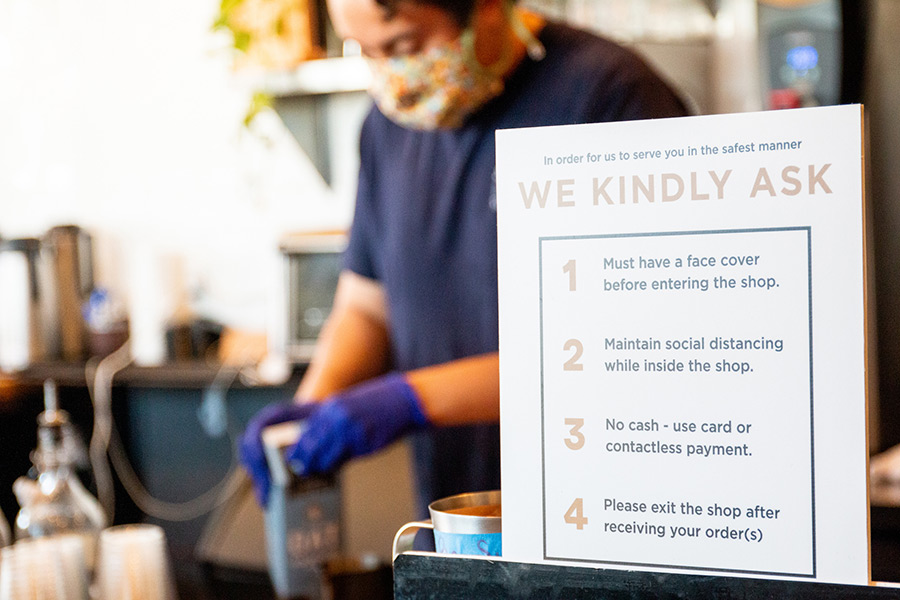
Offer paid sick days. This is key, says Dover. “You don’t want staff to come to work when they are not feeling well. Take advantage of federal and provincial paid sick day programs if you can. Paying sick days will be less expensive in the long run than having your restaurant closed due to a COVID-19 outbreak.” Should you experience an outbreak, make sure you have records of which employees worked when, along with info on your dine-in restaurant customers and who served them. Contact tracing is key.
Ramp up your communication. Let your staff know what you’re doing to keep them safe, and then inform your guests of the steps you’ve introduced to keep them — and your employees — safe. “If you are able to pay sick days, I would communicate it,” Dover advises. “The restaurant chains in the States paying staff (I heard two to four hours) to get vaccinated received great publicity. We have seen in jurisdictions that have opened up that there is significant pent-up demand. However, not all staff will be comfortable working and not all potential customers will be comfortable in dining rooms. Communication on the safety practices being employed will help alleviate any such fears.”

Your restaurant safety protocols checklist
Employee safety, testing and validation will be key to successful restaurant reopening. Healthcare and foodservice workers may be required to validate their health status before handling food in the post-COVID-19 environment. Here are some protocols you should initiate to ensure the highest level of safety:
- A Validated Body Temperature Check and Log for employees before they enter a place of work. These records will need to be maintained or even submitted to a higher authority on a regular basis, following the lead of most healthcare facilities.
- Food Safe Certification (or comparable) for all foodservice workers.
- Face Masks. All food handlers (and maybe even service staff) will be required to wear a protective mask. Ensure you have masks available for all your staff.
- Hand washing. Training in proper sanitary handwashing must be demonstrated and followed frequently.
- Sanitary uniforms. Many restaurants require uniforms but leave them up to employee. Gone may be that favourite Che T-shirt as a uniform of choice, along with unwashed shoes, baseball caps, or cargo pants and shorts, as operators pivot to requiring uniforms laundered daily and professionally, and not left in staff lockers or change rooms.
- Work surface sanitation protocol and records. Sanitizing of work surfaces, equipment and documentation of all protocols is recommended.
- HACCP enforcement. Temperature and travel logs must become second nature. HACCP (time temperature tracking) will become the most critical safety/sanitation issue in the future.
- New procedures for clean dishes, flatware and glassware. Flatware must be free of contamination before menu items are plated and delivered to a guest. Discuss with your chemical service providers how to ensure products and equipment are safe for staff and guests.
- Health inspections. Develop a plan to interact more with your local health department. Involve chefs and managers to create a flow of information.
- Focus on safe distances between employees. The typical design of a restaurant leads to the smallest amount of kitchen space to accomplish the job — leaving more space for revenue generation out front.
- Seek opportunities for menu change or equipment location swap to increase safe distancing in the kitchen and service area. While 2 metre social distancing may not be possible at all times, plan to incorporate more space.
- Rethink your staffing. Use the opportunity to rehire as many of your good staff as possible, but also consider adding new and better hires with more experience. Will you be continuing to offer delivery? Make sure you have the right staff for your right jobs.
Limited Time Offers (LTOs) are a longstanding feature of the restaurant scene, keeping regulars engaged and bringing in new traffic. Despite the COVID-19 pandemic, that hasn’t changed.
In fact, LTOs are even more important now and will be post-pandemic, with consumer hesitancy about eating out expected to linger for some time. Restaurants Canada forecasts that foodservice sales won’t surpass 2019 levels until 2023.
Use LTOs to continue testing new menu items — especially takeout
Pre-pandemic, LTOs were often used as a way to test potential menu items. For full-service restaurants that previously offered only on-premise dining, LTOs still play this role but with offerings suitable for takeout and delivery.
Chef Michael Hodgson, director of culinary operations for the Charcoal Group, located in Kitchener, Ont., says their strategy for LTOs has changed during the pandemic. “We shifted all of our thinking towards food that translates better for takeout. Even when we have been open for dining, the takeout has been a very important part of our revenue stream.”
An LTO success story during the pandemic is their Nashville-style hot chicken sandwich, which Hodgson says was “wildly popular […] and worked very well for takeout.”

Use LTOs to sharpen focus on cost control
With restaurants doing all they can to survive the financial disruption of the pandemic, the cost control aspect of LTOs has taken on new significance.
Jason Burns, general manager of the Lacombe, Alta. location of Cilantro and Chive, says, “More than ever, due to the last year, we’re very focused on our purchasing, inventory control, and benefits of getting products at a reduced rate.”
He relates a Cilantro and Chive success story from April 2021: “One of our wine reps helped set up an LTO for mini bottles of prosecco, which we use quite frequently in-house and also for off-sales. Thanks to that one specific LTO we have saved upwards of $500 between both of our locations by buying that high volume product in bulk.”
Looking to the future, Burns says, “I think LTOs are more important now than ever before. [The pandemic] has changed our focus in business to look at inventive ways to get the very best price on quality products and also increase communication with all of our suppliers.”
“I think LTOs are more important now than ever before.”
Jason Burns, general manager of the Lacombe, Alta. location of Cilantro and Chive
Use LTOs to enhance communication with suppliers is key
Whether the purpose of your LTOs is menu testing, cost control, or a combination of the two, working with your suppliers is key to a winning LTO program.
Keep in mind that you and your suppliers have a mutually beneficial relationship — it’s in both your interests for your restaurant to succeed. Open and honest communication with your suppliers about your needs is crucial to building a relationship based on trust and respect and crafting your LTO program.
“We are in constant contact with all of our suppliers on an ongoing basis,” Burns says. “They will often tell us of items going on LTO.”
Hodgson explains how they work with suppliers to develop a successful LTO program: “Most of the time we have a concept and then reach out to suppliers to source products. […] Keeping a good relationship with our vendors is [also] important to us so we see new products when they hit the market, particularly with plant-based and gluten-free options.”
Cindy Perri, brand guardian for the Charcoal Group, says that the pandemic shift is “where partnerships really came into play. Our suppliers have had to shift and adapt with us. If we didn’t have the solid relationships that we do, it would have made the last year much more difficult to navigate.”
Think out of the savings box
If you can’t work out a special price with suppliers, ask if they can provide some merchandise for promotions. Most craft breweries, for instance, offer branded barware and apparel.
Position LTOs to your customers
LTOs are very versatile for restaurant operators wanting to develop positive guest relationships. Be inventive and build in a sense of fun whenever you can to delight your customers.
What type of restaurant LTO works for you?
- Menu features – for a limited time, whether a few weeks or over a holiday weekend.
- BOGO (buy one, get one) features – for takeout, this could be buy one hot item and get a cold item to heat up the next day.
- Discounts on your menu – Cilantro and Chive’s menu currently offers craft beer specials at 20 per cent off for off-sales.
- Merchandise promotions – offer a brewery’s mug or ball cap with the first 25 orders that include one of their products while supplies last.
- Complimentary merchandise – add a piece of your own or a supplier’s merchandise to off-site orders as a surprise gift to thank your community for their loyalty.
- Community support – Cilantro and Chive has a “burger of the month” program where they donate a portion of sales to a different cause each month. During the pandemic, these cause promotions have done a lot of good – for both recipients and the restaurant donors.
Food trucks are having a moment… again! With the pandemic still keeping a number of restaurants closed or confined to takeout & delivery, the food truck — a sort of pop-up version of the full meal deal — is looking appealing to a number of operators.
Not all restaurant operators choose to stay inside in the comfort of their bricks and mortar buildings. Some decide to take their act on the road and try out a more mobile culinary experience.
Lancaster Smokehouse owner-operator Chris Corrigan decided to plunge into the food truck business in 2014. He purchased and outfitted a heavy-duty chassis with help from a local stainless-steel fabricator. “I built a versatile mobile kitchen and went with commercial grade quality to make it an extension of our Kitchener restaurant,” he says. “It cost more, but we feel it was important to do it right — especially as it reflects on the restaurant and our brand.”
Corrigan chose a late model lower mileage vehicle to outfit to his specifications. Originally he planned for curbside operation, but once he started running smack into webs of regulations, he decided to focus instead on catering and events.
“By putting our focus on catering, the costs and profit margins are more controllable,” he explains. “Our barbecue style product lends itself well to mobile operation, and we just modified our existing recipes to simplify and streamline where necessary. By catering events where we know the number of plates going in, we can be more efficient and it is far more lucrative.”
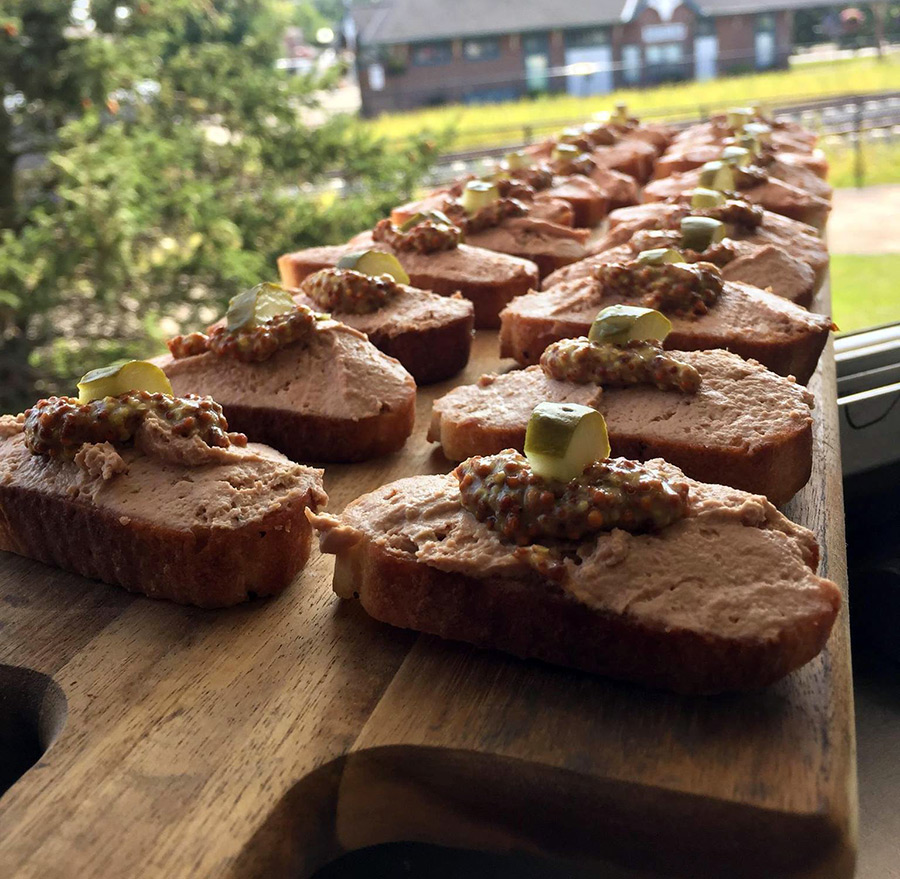
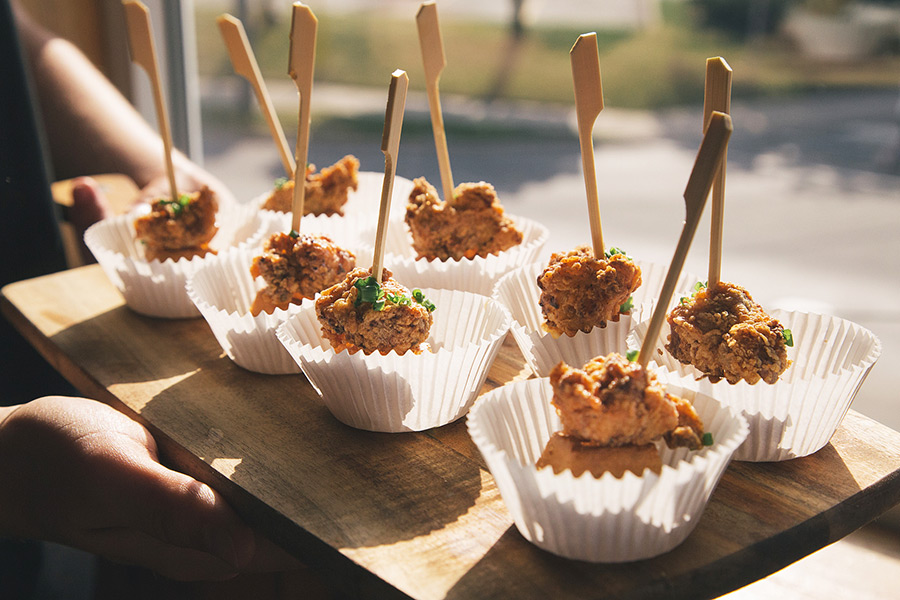
The pandemic has not put a damper on the food truck operation. “We are expecting a very busy season if we can ever get past this situation and are allowed to operate. It is my opinion based on enquiries and bookings that there is a lot of pent-up customer demand for both private (weddings, parties etc.) and corporate events,” says Corrigan.
Under normal times, Lancaster’s mobile kitchen helps increase the traffic at his standalone location and vice-versa. As part of the preparation for an event like a wedding, customers often come into the restaurant for a tasting session to help them decide on menu items for the event.
The restaurant’s kitchen staff love working the truck, he says. “When we go to events, they are competing to be along. There’s a lot of time pressure at the events and high energy. The service is fun because we’re parked at a location where everybody is having a great time.”
Corrigan is part of one of a growing number of foodservice operators choosing to go mobile. Canada-wide, estimates put the number of food trucks at more than 400, with more in the west than the east.
Corrigan’s takeaways
- For the best results, buy or build a quality food truck with commercial equipment that will last since it needs to handle a more industrial operation.
- Carefully evaluate the advantages and disadvantages of focusing on catering and events versus curbside service.
- Use a food truck as an opportunity for your staff, especially younger employees, to have fun and learn the business.
Top truck tips
- Build a menu with items that are simple, good and distinctive.
- Keep recipes simple and easy to vary.
- Get creative with dish names customers will remember.
- Watch your food costs and price points.
- Make your brand strong and distinctive.
- Get social, interact with your customers online.
- Be ready for bad weather.
- Budget for slow days in your business plan.
Calculate the $$$
Getting a food truck up and running is a challenging, competitive and potentially expensive venture. New fully operational trucks run to $120,000, and conversions of existing vehicles can cost between $30,000 and $100,000 plus the cost of a used truck like a step van.
As well, consider the costs of:
- licensing
- permits
- liability and business insurance
- vehicle registration
- parking
Sources: Canada Business Network, Internet search engines
Food truck start-up checklist:
How to Start a Food Truck Business in Canada
Source: Canadian Visa
Build your brand
Food trucks that distinguish themselves through smart marketing and menu choices can stand above the competition and reach customers they want to attract, says Small Business BC. Developing a strong brand is a top priority for successful food truck operators. “Aside from your menu, think of what sets you apart from your competition and sell it.”
Some food trucks proclaim their brand with LOUD letters and artistic flair, while others use a subtler approach. Experts say it’s important that branding fit and speak to your particular product niche and target clientele.
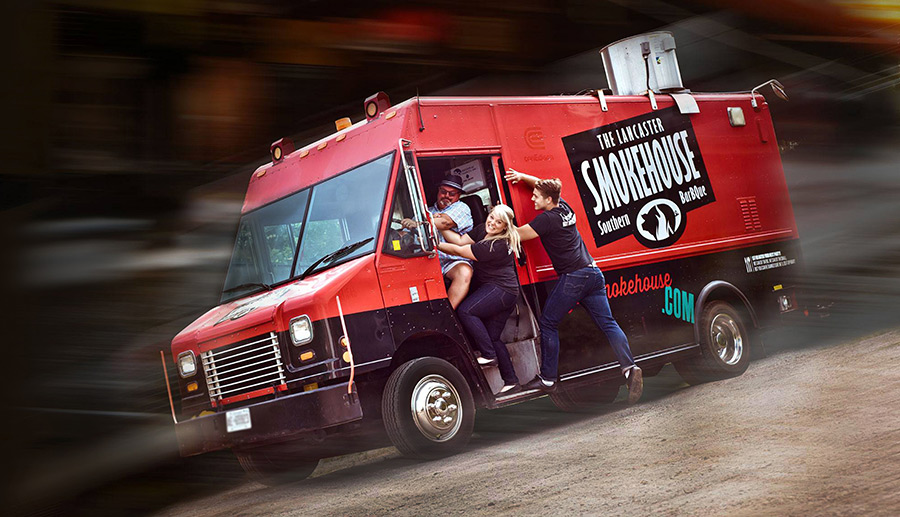
Lancaster Smokehouse opted to mirror the look of their restaurant with similar colour scheme, fonts and graphic design. “It gives us a consistency and helps build brand awareness between our mobile kitchen and our standalone location,” Chris Corrigan says.
What’s in a name?
Looking to be whimsical, clever, memorable, or humorous? Play on words, or keep it simple and descriptive? A name can make or break a food truck’s success. Some of Canada’s more popular food trucks over the past few years have featured names that are short and memorable: Winnipeg’s Tot Wheels (think tater tots), Duck Truck MTL (nothing but duck on the menu), Toronto’s Fidel Gastro’s (retro food), Vancouver’s Aussie Pie Guy (self-explanatory).
Looking to be whimsical, clever, memorable, or humorous? Play on words, or keep it simple and descriptive? A name can make or break a food truck’s success.
By choosing a name that is easy to pronounce, understand and remember, customers are more likely to tell their friends and colleagues. Avoid names that are too long, confusing or trendy because fads pass, after all. Consider the visual impact of any name you choose; how will it look on the side of your truck?
A useful name recognition exercise from the website mobile-cuisine.com: Share with 10 people the name you are considering and then, a week later, “connect with them again and ask them to recall that name. How many people were able to accurately remember it? If it was fewer than seven, you may want to consider other more memorable alternatives that truly grab people’s attention.”
Built to serve
In Canada, food trucks are outfitted by a range of manufacturers and fabricators. Here are just a few:
- Food Truck Canada
- Concession Nation
- Venture Food Trucks
- Apollo Custom Manufacturing
- Kitchens on Wheels
- Unique Food Truck
- UC Trailers
- Silver Star Metal Fabricating
So, what’s stopping you? It’s time to get truckin’.