
Could catering help restaurants bolster their bottom line? The question may seem counterintuitive since catering, like other areas of foodservice, has been hard-hit by the pandemic. But restaurateurs who have weathered pandemic restrictions and public hesitancy about dining out may be considering whether or not to add a catering operation.
The pros and cons of adding a catering operation
Glenn Whitehead, owner of Plant Matter Kitchen and Plant Matter Café in London, Ontario, says, “Adding any possible revenue stream is probably just good common sense, to be honest. […] If you own a business right now and you’re open, then offering whatever you can is certainly something that I would strongly suggest.”
Jeff Dover, principal at fsSTRATEGY Inc., a foodservice and hospitality industry consultancy, adds, “The pro is that catering is more profitable than the restaurant business. Some of the fixed costs that impact the profitability of restaurants are known. You know how many orders, of what, and at what time. It also makes use of kitchens and kitchen labour that are idle or have excess capacity during COVID.”
On the con side, he points out that pandemic gathering limits affect the size of events, decreasing demand for catering. And many businesses that used to have staff meals catered now have those staff working remotely for the foreseeable future. No staff = no office catering.

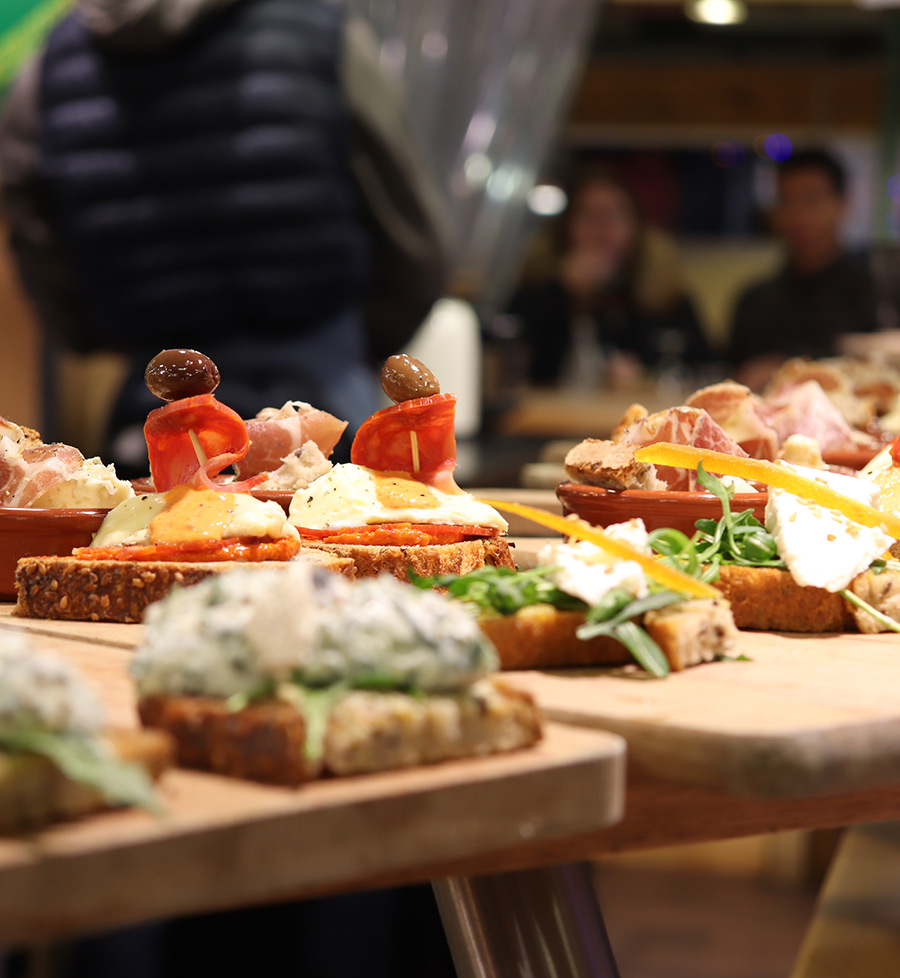
Is the future in event or office catering?
Which has a better future: event (e.g., weddings) or office catering? The answer depends on whether you’re looking at the short term or beyond.
Dover says he’d choose event catering because these contracts “are typically larger and can involve alcohol-generating additional revenues.” He also notes the pent-up demand for event catering.
Public health restrictions, however, continue to restrict catering demand for such events. Whitehead is well aware of the pandemic’s impact on this part of his business. He catered hundreds of events before COVID-19 took hold, but that business dried up once restrictions hit. “Basically, we haven’t done a thing in a year,” he says.
Many variables influence when a hundred or more people will be able to get together again, Whitehead says. He doesn’t anticipate catering large events of any kind before mid- to late-2022. However, he does see opportunity in catering office lunches, especially in office towers where there are multiple businesses open with non-skeletal staffing.
Think of catering differently
Adding a catering operation requires fresh thinking about what catering means and how to plan carefully, especially as the third wave of the pandemic is making its presence felt in Canada.
Whitehead says, “Looking for other [revenue] streams is a critical piece to try to get enough sales to cover things and keep moving forward.”
Rather than the traditional weddings and conferences, foodservice operators looking to get into catering need to consider smaller-scale approaches that can generate revenues in the short term. In addition to the office lunch trade, options include catering meals for small gatherings at people’s homes and meal kits, both of which have become more popular during the pandemic.
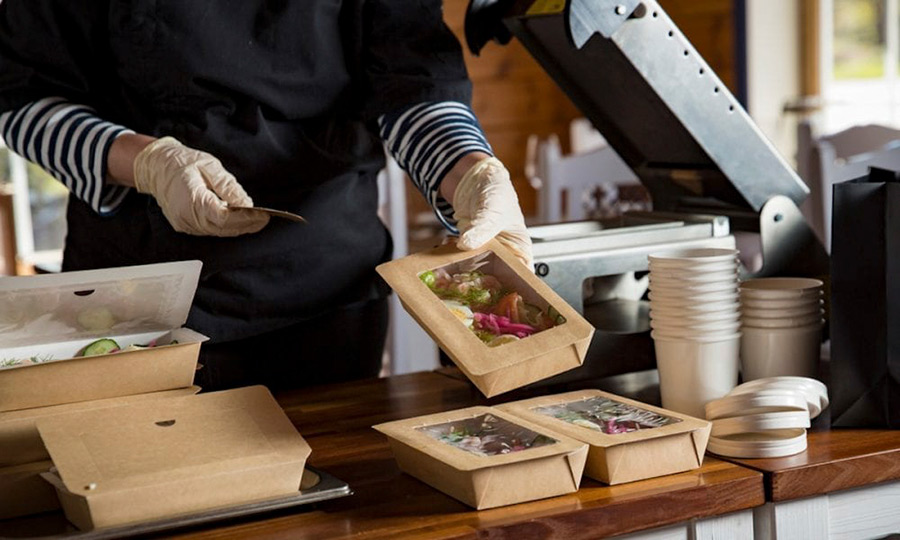
“45% of younger consumers, including Gen Zers and millennials, are buying more meal kits now from restaurants compared to before the pandemic.”
Technomic, Inc.
Technomic, Inc., which provides insights to the foodservice industry, reports that for the second quarter of 2020 in Canada “45% of younger consumers, including Gen Zers and millennials, are buying more meal kits now from restaurants compared to before the pandemic.”
Whitehead says that with people being more cautious but also bored of cooking, restaurants can offer them more variety through items like meal plans and seasonal kits. “It’s a little bit less catering and more meal kits, but I would put it under that same category.”
He has always offered a meal plan service, with clients who come twice a week to pick up several days’ worth of assembled meals. “They don’t have to do anything but heat them up,” he says, “so that’s certainly an option that I think will continue to grow.”
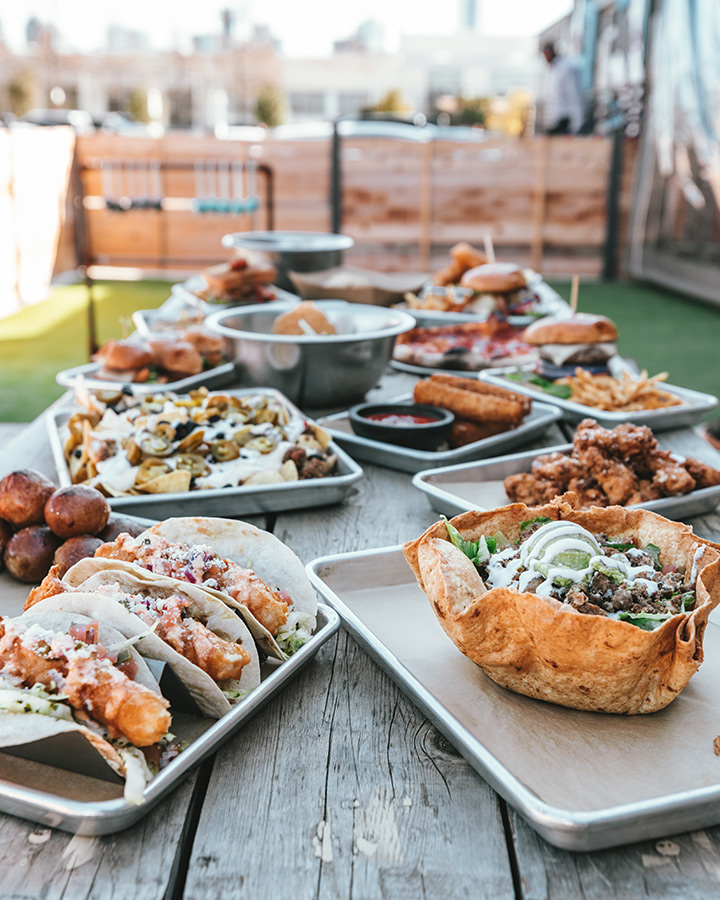
Tips for adding a catering operation
Operators exploring adding a catering operation should think about the following considerations.
- Investments — The equipment you need depends on the type of catering you’re doing. Dover suggests you may need smallwares for preparing and transferring food, and equipment to reheat or finish food on site. Whitehead advises you keep any investments to scale.
- Menu — “Play off your existing menu,” he says, “because every time you add or change something, you’re adding to your food costs [and potentially] everything else, like labour.” Dover suggests you select menu items that travel well, and you should also consider special diets.
- Marketing — “Try to get the word out without investing too much money, effort, or energy,” Whitehead recommends. He suggests marketing through social media and flyers attached to pickup and delivery orders.
- Feedback — Improve your catering efforts based on the feedback you receive, Whitehead advises.
- Adaptability — If there’s one thing we know about the pandemic environment, it’s that restrictions and rules can change with little notice as the situation evolves. Factor flexiblity into your catering operation.
Hindsight is 2020, as the old expression goes. Certainly, as we rounded the corner in 2019, the prospect of a bright new year was uppermost in our minds.
Who could have foreseen a pandemic that would upend every aspect of foodservice? But there is a resilience in the industry and a sense of optimism that once we return to some semblance of normality, or at the very least, a new normal, restaurants will shine once again. To get a better read on what’s in store for foodservice, we turned to our data partner, Technomic Inc., to take a deeper dive into the trends for 2021:
Diversity & Inclusion (Operations)
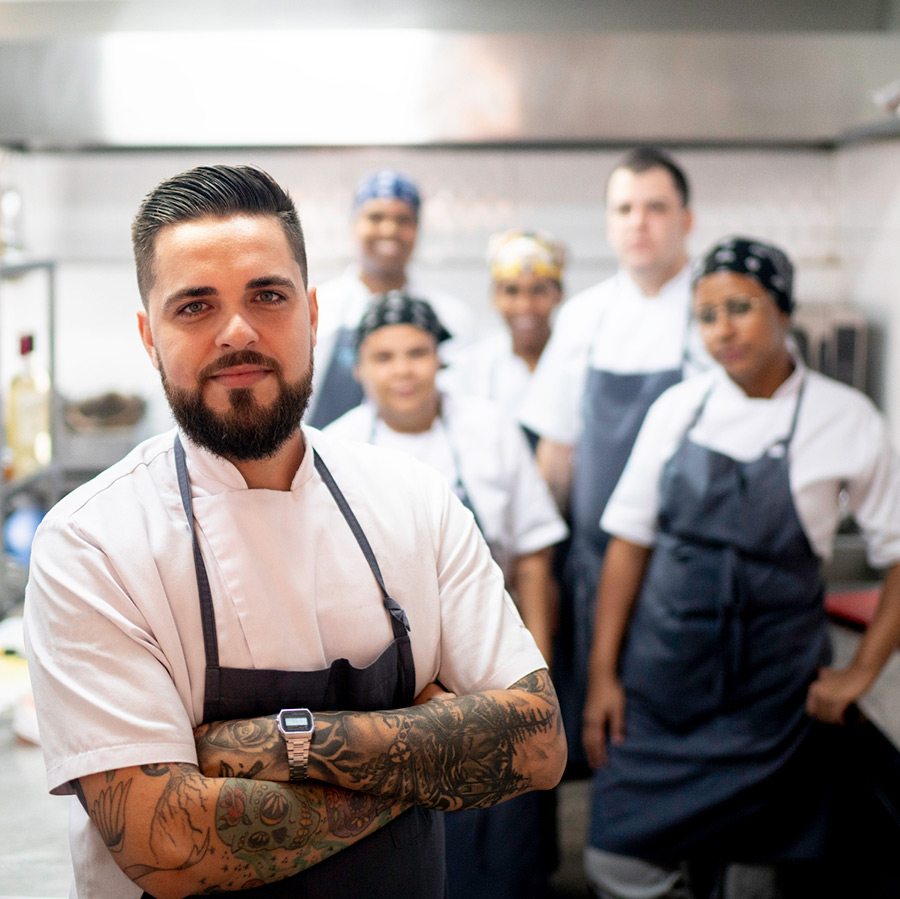
Black Lives Matter protests in 2020 spurred calls to action for foodservice companies to fight for social justice and equality. As a result, businesses across the supply chain are committing to working harder to produce meaningful change. We’ll see more conscious efforts to hire, mentor and promote (especially in leadership positions) minority races and ethnicities, as well as women. There will also be an uptick in internal antibias training, partnerships that support minority organizations and donations to social justice-related causes.
Stat: Nearly half (46%) of consumers report that it’s important to them that restaurants are engaged in social justice — consistent across all generations. In addition, more than two-fifths (42%) of consumers, including 59% of Gen Zers, express that it’s important to them that restaurants support the Black Lives Matter movement.
Base: 1,000 consumers ages 18+
Source: Technomic Canadian Omnibus consumer survey data
Example: Uber Eats waived delivery fees for consumers ordering from Black-owned restaurants throughout 2020.
Safety Stays Top of Mind (Consumer)
As the pandemic rolls into another year, consumers will continue to prioritize safety when making restaurant decisions. They’ll favour operators who earn their trust by always executing strict sanitation and social distancing protocols, such as proper food handling, rigorous restaurant cleaning and limited indoor seating. This will lead to more touchless digital menu boards, contactless ordering and delivery options, pre-packed and grab-and-go items, tamper-proof packaging, and high-quality air filtration and ventilation systems.
Stat: Nearly two-fifths (38%) of consumers think restaurants could do a better job promoting their safety and sanitation protocols.
Base: 1,000 consumers ages 18+
Source: Technomic Canadian Omnibus consumer survey data
Post-Lockdown Buzz (Global)
In anticipation of a vaccine, operators across the world will innovate highly buzzworthy products to attract guests back into restaurants and stand above the competition. This is a tactic we’ve seen Asian markets employ during a previous easing of lockdown restrictions. Compelling menu development will include inventing wacky mashups and next-level collaborations, expanding into new mealparts and dayparts, and investing in product improvements.
Stat: Most consumers agree that they are likely to visit a fast-food (65%) or fast-casual (71%) restaurant that they don’t typically patronize if it has a unique limited-time offer.
Base: 551 and 701 consumers ages 18+
Source: Technomic Ignite consumer data featuring the 2020 Canadian Future of LSR Fast Food & Fast Casual Consumer Trend Report
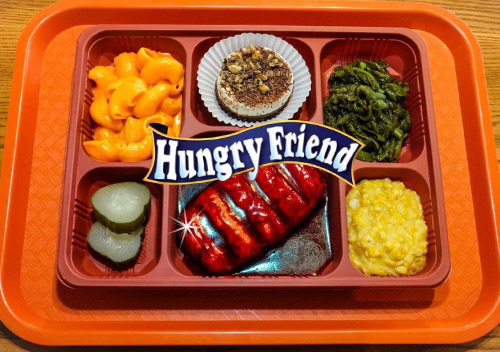
Example: Woodhouse Brew Pub launched a modern take on nostalgic TV dinner trays with its “Hungry Friends” reheatable meals. (Toronto)
Investing in Technology (Operations)
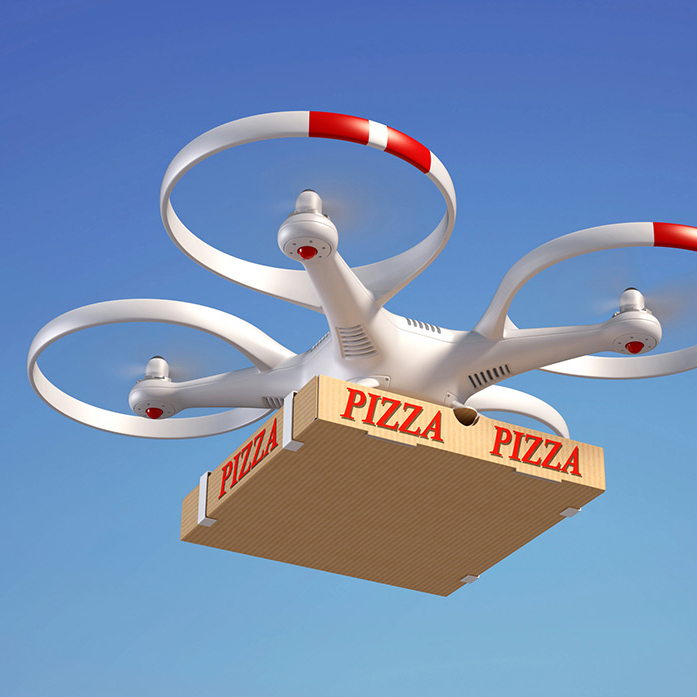
COVID-19 has motivated both consumers and operators to quickly embrace foodservice technologies that offer contactless and/or touchless aspects, including mobile apps, ordering kiosks and digital menu boards. Operators will test more advanced technologies in the coming year as consumers continue to prioritize safety and convenience. On the horizon innovations will include more GPS tracking, voice ordering via an AI assistant, facial recognition systems and drone delivery to provide frictionless off-premise services, as well as greater investments in robotics to maximize labour efficiencies for both back and front of house operations.
Stat: Nearly a quarter (23%) of consumers 18-34 strongly agree that if available, they would be interested in having items delivered via innovative delivery technologies (e.g., drones, self-driving robots, etc.).
Base: 1,282 consumers who ever order off-premise
Source: Technomic Ignite consumer data featuring the 2020 Canadian Delivery and Takeout Consumer Trend Report
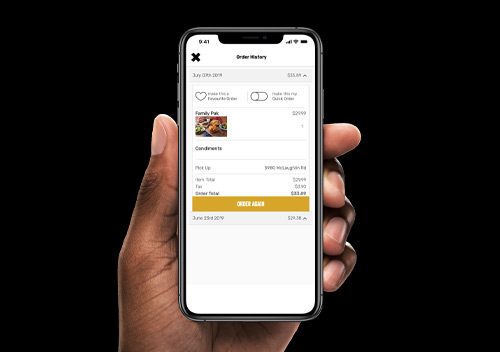
Example: Swiss Chalet updated its mobile app. The chain’s new version of its mobile app features an updated interface where guests can save their favorite items, collect coupons in the Coupon Wallet, opt in or out of receiving silverware with their order, tip ahead and more. It also includes a “giving” feature where customers can gift Swiss Chalet meals to friends and family.
Going Dark (Menu)
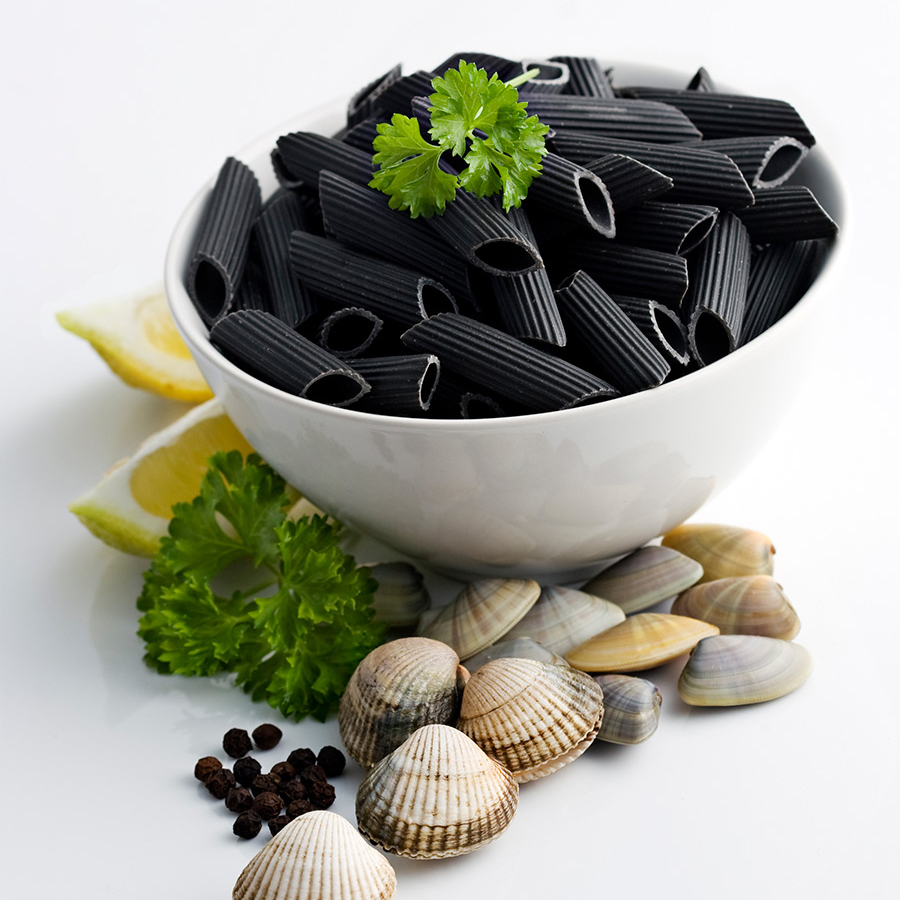
Operators will increasingly look to black and deep purple ingredients in 2021. All of these ingredients provide a wow-factor colour when featured in food and drink, and some also have either umami flavour profiles or immunity-boosting benefits (due to their anthocyanin-rich capabilities). Ingredients to watch include dark berries, such as saskatoon serviceberry and blackcurrant; purple corn and potato; black salt, kale and gnocchi; activated charcoal cocktails; squid ink beyond pasta dishes; and ingredients in ashes, such as ash-covered cheeses, onion or leek ash, etc.
Example: RGE RD’s Purple City cocktail with Park Distillery vodka, Hanson Distillery cherry rye, maple saskatoon berries and plum bitters (Edmonton)

Image Source: Shutterstock
Thinking Local (Operations)

Movements to support Canada’s economy will grow as borders remain closed and small businesses continue to struggle. We’ll see operators increase their sourcing from area suppliers and visibly promote these collaborations on menus. At the same time, community-minded consumers will actively seek to patronize restaurants where their money also helps support local farmers and other purveyors. Driving this effort will be distributor partnership with local suppliers and producers that help spread awareness of their products and fulfill growing patron demands.
Stat: Approximately two-thirds of consumers (67%) say they are more likely to purchase and/or are willing to pay more for food and beverage that is locally sourced.
Base: 355 consumers ages 18-73
Source: Technomic Ignite consumer data featuring the 2020 Canadian Generational Consumer Trend Report
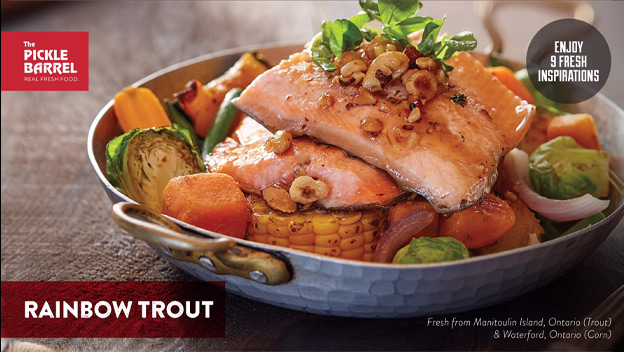
Example: The Pickle Barrel celebrated Ontario farmers by rolling out LTOs featuring local ingredients, including rainbow trout from Manitoulin Island and corn from Waterford.
Off-Premise Escalates (Operations)
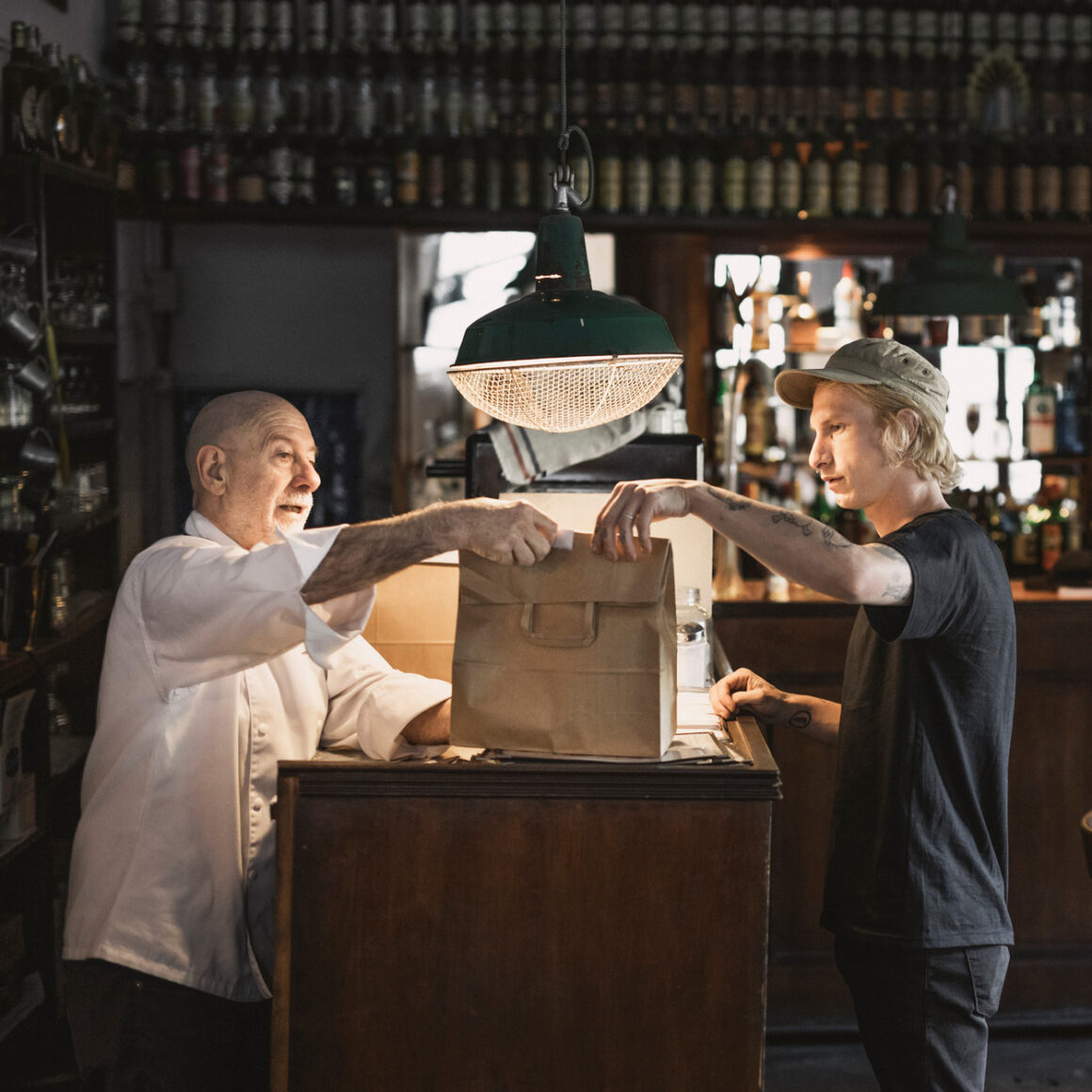
Off-premise services have served as a lifeline for operators throughout the pandemic. But as consumers grow accustomed to the perks of these occasions (i.e., convenience, speed and contactless experiences), operators are hedging their bets by incorporating off-premise into their long-term strategy to offset future dine-in disruptions. We’ll see an uptick in new and remodeled stores that emphasize takeout, delivery, drive-thru and curbside pickup, as well as new and upgraded technology to make these services seamless and distinctive.
Stat: Approximately a third of consumers say they plan on ordering food and beverage for takeout (38%) and delivery (31%) more in 2021 than they did in 2020.
Base: 1,000 consumers ages 18+
Source: Technomic Canadian Omnibus consumer survey data
Trend source: Laura McGuire
What happens when the sustainable food packaging movement collides with a global pandemic? New evidence shows that use of single-use plastic food packaging increases, while at the same time concern about the environmental impact of plastics remains high.
Dalhousie University’s Agri-Food Analytics Lab has published the results of a July 2020 survey about how the COVID-19 pandemic has affected Canadian consumers’ attitudes toward single-use plastic food packaging compared to 2019.
Results show that a strong majority of Canadians (87% compared to 91% in 2019) still feel that plastic food packaging is a serious environmental issue. And the percentage of consumers actively shopping for non-plastic packaged goods is almost unchanged at 60% (from 58% in 2019).
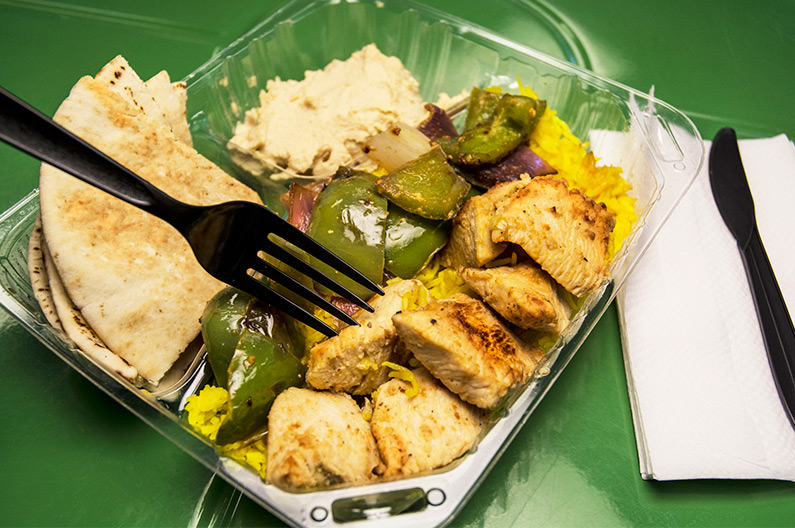
Yet 29% of survey respondents feel they’ve purchased more foods in plastic packaging during the pandemic. This is more prevalent among those aged 18 to 39.
According to Robert Kitz, research associate with the Agri-Food Analytics Lab and lead author on the study, the message for foodservice operators is that “generally this is not because they want to turn their backs on the environmental issue. There has been a change in priorities for now, but there is still strong commitment to achieving reductions in plastics waste.”
In March 2020, all Canadian provinces prohibited in-restaurant dining, leading to increases in takeout, delivery, and services like meal kits. This is one driver of increased plastics use. Although many restaurants have reopened, ongoing restrictions and concern about the pandemic’s second wave mean disposable-packaging-heavy off-premise dining options remain elevated.
An April 2020 report from Technomic, Inc., which provides insights to the foodservice industry, identifies the focus on to-go and delivery services as the second-highest Canadian foodservice trend in response to the pandemic.
“45% percent of younger consumers, including Gen Zers and Millennials, are buying more meal kits now from restaurants compared to before the pandemic.”
Report from Technomic, Inc.
Technomic also reports that for 2020’s second quarter in Canada, “45% percent of younger consumers, including Gen Zers and Millennials, are buying more meal kits now from restaurants compared to before the pandemic.”
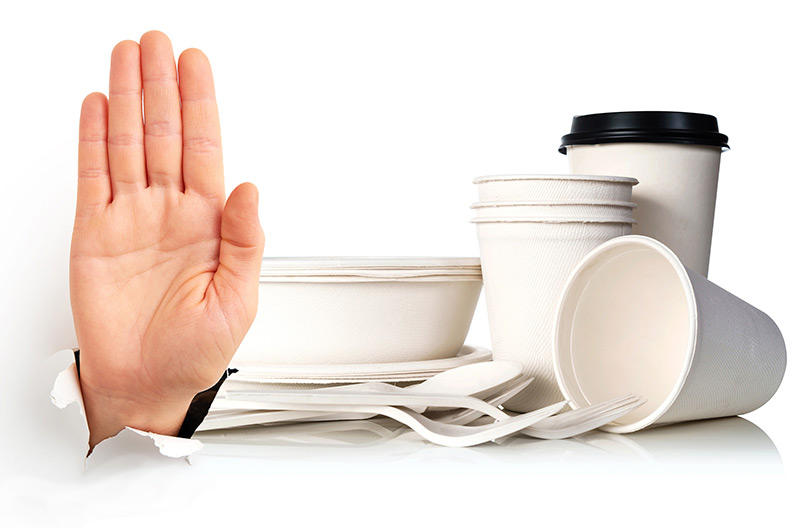
The Dalhousie report identifies COVID-19 food safety concerns as essentially tied with takeout and delivery as the top reasons people say they’re buying more plastics. It finds that 55% of respondents are more concerned about food safety since the pandemic began.
Food safety and sustainability
Can pandemic-related food safety and environmental sustainability in food packaging be compatible goals? Kitz definitely thinks they can. “Most evidence seems to show that the risk of COVID-19 transmission from food is very low,” he offers. “That said, we still need to ensure that consumers feel safe, where risk perceptions may not line up perfectly with actual levels of risk. But really, food in Canada remains very safe: the industry just needs to demonstrate that commitment to Canadians, while working to minimize dependence on single-use plastics. It is by no means an easy problem to solve, but nor is it incompatible or impossible.”
Dalhousie’s study reveals a shift in opinion on how to reduce plastics use. There’s been a substantial decrease in support for bans on plastics (from 72% to 58%), but a sharp increase in willingness to pay more for biodegradable packaging (from 40% to 55%). However, 50% of respondents are more price-conscious since COVID-19.
Kitz acknowledges the tension between these findings, noting that lower income households are more likely to be price-conscious, while higher income households tend to support paying for sustainable packaging. “But,” he says, “I would still say generally that a lot of consumers are feeling these competing pulls — both the desire to have green alternatives, and also a concern about costs.”
He also points out that many consumers and foodservice operators alike face economic uncertainty and food costs are rising rapidly.
The key message? When it comes to safety, affordability and sustainability, balance is required.
Read our story: 10 great ideas to win the war on plastics
Plastics have come under heavy fire, and heavy scrutiny, recently for the congestion and contamination they inflict on our landfills, our oceans and our parks. Governments, consumers, communities — and the restaurant industry — are looking for viable, affordable alternatives. Here are 10 great ideas to get you started and take you further along the plastic-free path:
Plan for less waste
There are a myriad of new approaches and new products chefs can use to satisfy customers, meet their individual kitchen needs, and lend the environment a helping hand. “The first option is improving waste management so that consumers have the ability to effectively dispose properly of items that are recyclable, and then the operator to effectively recycle it through their waste management stream,” says Jason Raven, national sales manager with the Polar Pak Company in Montreal.
Be rooted to better options
Restaurants are finding novel ways to return to the earth what customers are consuming — and gain some recognition for their efforts in the process. Last year the National Arts Centre (NAC) launched an innovative program that introduced plant-based food and drink containers and transformed them into rich compost. The move will divert 500,000 containers from the landfill every year. The containers, used at the NAC restaurant and banquet operations, intermission bars, as well as in the employee cafeteria, include wine and beer glasses, coffee cups, plates, utensils, straws, and take-out boxes. The compost created is being put back into the Centre’s rooftop herb garden, which in turn, provides fresh ingredients to the NAC’s culinary team.
“Audit what you purchase and what actually gets used by your customers, from delivery and food preparation to storage and disposal.”
The Plastic Pollution Coalition
Audit your restaurant
The Plastic Pollution Coalition, a global initiative launched to eliminate plastic litter, recommends restaurant owners and chefs start their plastic-free plan by looking at their current use. “Audit what you purchase and what actually gets used by your customers, from delivery and food preparation to storage and disposal,” the coalition says. Include monthly order size and costs for such items as plastic wrap, straws, bibs, and storage containers.
Test the waters
One project in Australia, Plastic Free Noosa, is helping restaurants reduce the number of plastic water bottles going to landfills with three very savvy suggestions. First, provide table water in glasses and/or have a water jug at the ready for customers. You might even want to toss in a few lemons or cucumber slices. Second, explore the use of an on-tap water system and offer up filtered and carbonated options for dine-in customers. Third, consider joining a water refill network such as Tap, an app that allows water bottle users to find nearby refill stations. This may also encourage new customers to your business and you can even sell your own branded reusable water bottles.
Be a Super Bowl fan
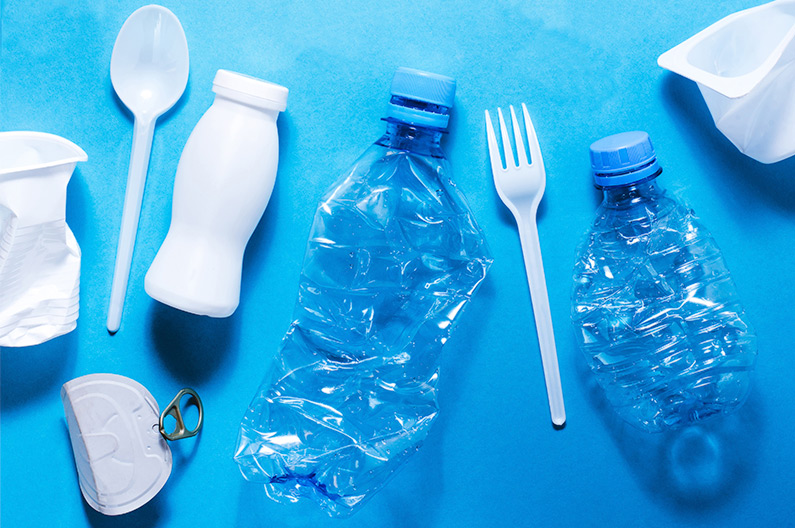
More and more eco-friendly options are on the market — and kitchen shelves. Polar Pak, for example, has “super bowls” that are made from 100 per cent sugarcane, a rapidly renewable resource. The bowls are grease and cut resistant, hot and cold food friendly, and both freezer and microwave safe.
Go for the green bin
In addition to thinking renewable, chefs and restaurant owners also need to think compostable, stresses Raven. “[Restaurants need] to use compostable products which again need to be ensured are effectively disposed of and then composted.”
Talk trash
Late last year Novolex, the foodservice packaging company that owns De Luxe Packaging in Montreal, launched Eco Blend Max, a new line of trash can liners made with 50 per cent post-consumer recycled content. The bags, using what so-called right-sizing dimensions, fit the most common cans. According to the company, correctly fitting liners use less material, which reduces costs and the impact on the environment, and saves time placing liners in cans.
Think big, act bold
Every small step you take to reduce or eliminate plastic is a thumb’s up for the environment. But thinking big can be better and bolder. McDonald’s Canada has announced it will be unveiling two Green Concept Restaurants in London, Ont., and Vancouver, B.C. These restaurants will act as incubator locations to test new packaging options and recycling initiatives including a fully repulpable cup for cold beverages, a Canadian QSR first. The cup uses an aqueous coating that is acceptable in recycling streams. New fibre lids, another Canadian QSR first, is made from 100 per cent Forest Stewardship Council-certified wood fibre and is recyclable. Wooden cutlery, wooden stir sticks, and paper straws will also be mainstays of the new eateries. But you don’t have to as big as the Golden Arches to introduce innovations like these to your operation.
Prepare for change
Less than 10 per cent of plastic used in Canada gets recycled. Without a change in the current course, by 2030, Canadians will throw away an estimated $11 billion worth of plastic materials each year. The federal government intends to reduce those numbers through a series of initiatives including banning single-use plastics by as early as 2021. This includes plastic bags, straws, cutlery, plates, and stir sticks. The government of Nova Scotia has already announced that single-use plastic bags will be banned this year [2020]. Will you be ready?
Plan for better business
The contemporary customer comes to your restaurant armed with an appetite — and expectations. Among those expectations: that your approach to preparing and serving food will mirror their values. One of those fundamental values is to protect the environment. That is smart business, says Raven. “Your investment in plastic alternatives and reduction will be paid back with consumer brand loyalty, improved experience and waste management expense.”
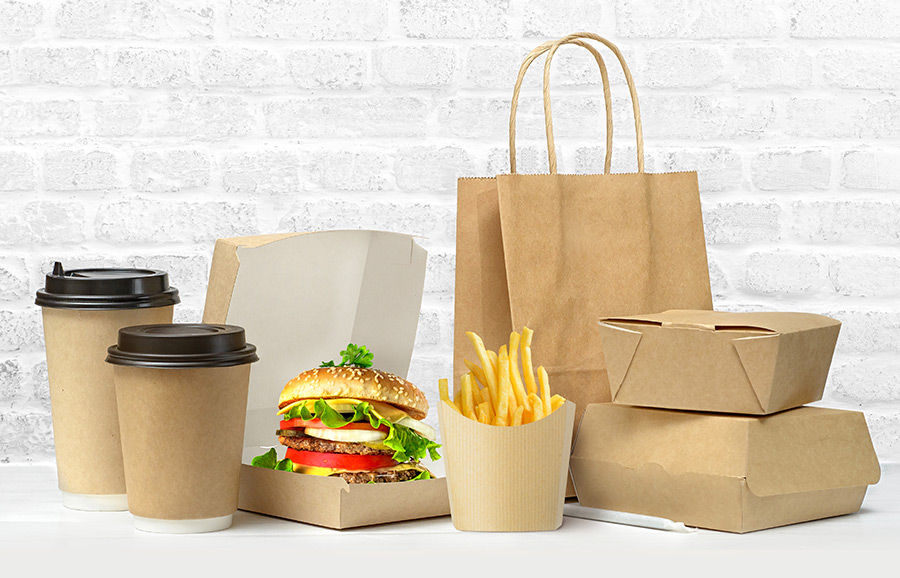
By this time most restaurants offering takeout & delivery have got the new routine down pat. But how about the opportunities offered by packaging to enhance your branding?
Make the most of takeout & delivery to advertise
With the space available on bags and even the inside packaging, advertise your restaurant, new grocery/pantry (if you have one), and any special offers. It’s a quick, and inexpensive, way to increase your branding and keep your business top of mind with customers.
Consider biodegradable options
Your packaging can say a lot about your approach to sustainability. Consider swapping out plastics for more sustainable and compostable materials like bioplastics and sugar cane.
Cut the waste
Going more minimal with your packaging will not only save you money but also send the right message to your customers that you care about waste and excess. Check how much packaging you really need to deliver food without spillage.
Personalize your packaging
Here’s your chance to be creative at a time when restaurants are not fully reopened and more people are choosing to eat at home. Personalized packaging helps to further your brand. Try out new colours, fonts, logo — and consider adding inspirational messages.


TouchBistro asks:
- Do the materials you’re using align with your brand?
- Do the visuals and information on the packaging properly communicate your brand identity?
- Does the packaging speak to your audience?
- Does your packaging include relevant information (i.e. your website or social media handles)?
Because we all really do judge a book by its cover.