
Your Restaurant Is One Viral Video Away from a Reality Check.
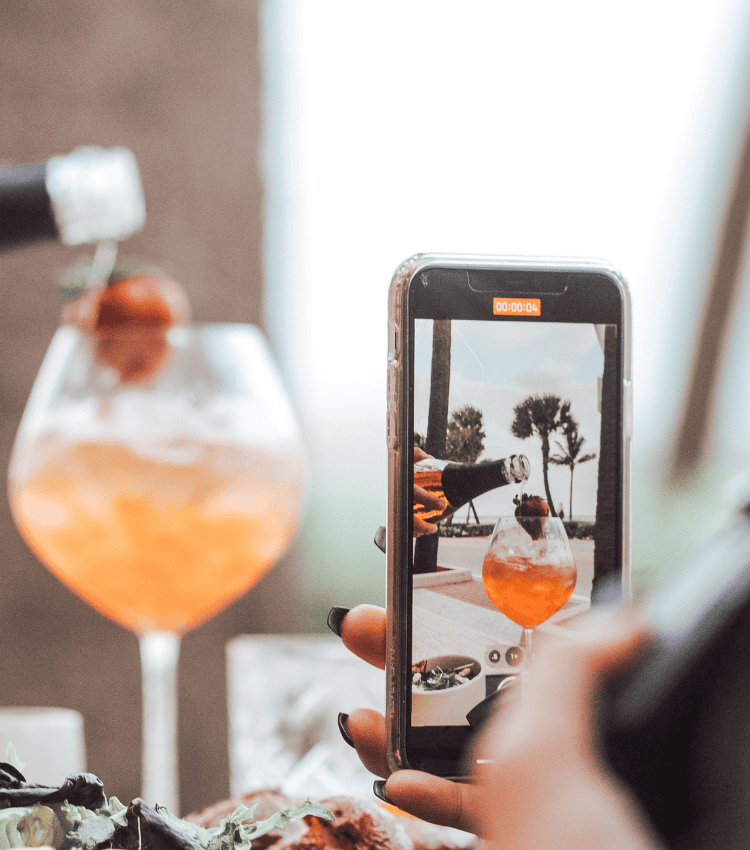
Imagine opening your phone tomorrow morning and discovering your restaurant has become the internet’s latest obsession. Maybe a customer filmed your spectacular burger. The video has half a million views, and people are already lining up outside.
Or maybe someone filmed a server losing their temper, a filthy-looking prep station, or a customer complaint handled badly. Now thousands of strangers are debating whether your restaurant deserves their business.
One video could make you famous. The other could make you infamous.
You Wanted More Customers. Can You Handle Them?
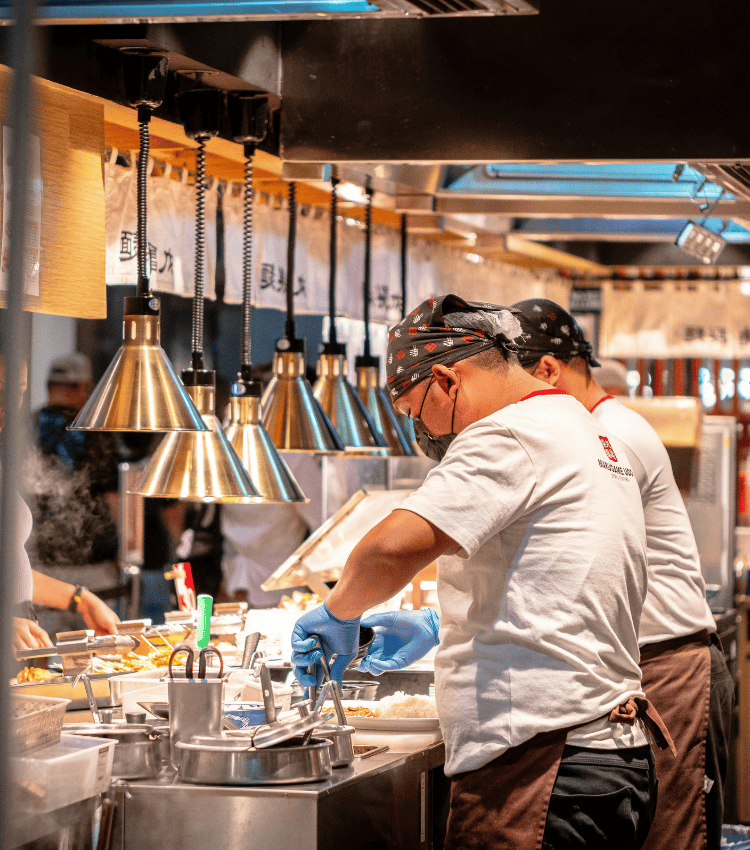
Restaurants spend money trying to attract attention. But suppose a viral post works. Your kitchen normally handles 80 dinner covers. Tonight, 140 people arrive expecting the dish they saw online. That’s a hypothetical 75% jump in covers, without 75% more equipment, trained staff, or preparation space.
Orders pile up. The signature dish sells out. Servers promise wait times the kitchen can’t meet. Customers who arrived excited leave irritated, and some post about that, too. A packed restaurant isn’t automatically a profitable restaurant. And a queue outside is not proof that the people inside are having a good experience.
What If the Video Shows Something Ugly?
Now consider the clip you really don’t want circulating: a heated exchange, a disappointing meal, or a questionable food-handling practice. Your first instinct might be to call the customer unreasonable, blame an employee, or insist the video lacks context. Perhaps it does. But an angry public rebuttal can give the story a second life.
Before posting anything, establish the facts. Preserve relevant records, speak with the people involved, and address any immediate food-safety concern. If the criticism is justified, acknowledge it and explain the corrective action. If it’s misleading, respond calmly with what you can verify.
Silence isn’t always wise. Neither is a rushed apology for something you haven’t confirmed. And don’t mistake removing a negative comment for solving the problem. If the complaint reflects a genuine failure, the issue remains long after the post disappears.

The Camera Isn’t the Problem
Here’s a tougher question: would you be comfortable if someone filmed an ordinary Friday-night shift, without warning? Not your polished promotional video. The real operation. How staff speak to guests when they’re stressed. Whether food is prepared consistently. What happens when an order is wrong. How the manager reacts when a customer complains.
If that prospect makes you nervous, your priority isn’t a better social media strategy. It’s better operating standards. Employees need clear procedures, support during rushes and the authority to escalate problems. Managers need to model calm responses. And owners need to stop treating recurring complaints as isolated bad luck.

Make a Plan Before Someone Presses Record
Pick one high-demand menu item and test how many orders your kitchen can produce consistently in an hour. Identify ingredients that could run short, decide when to pause orders and give staff language for realistic wait times.
Then rehearse the other scenario: Who verifies a serious complaint? Who can speak publicly? Who contacts customers or staff involved? What happens if the post alleges a food-safety issue? You don’t need a crisis consultant on speed dial. You need decisions that aren’t being invented in the middle of a crisis.
The most dangerous question isn’t whether your restaurant could go viral. It’s whether a stranger with a smartphone could show customers something you’ve been choosing not to see.