
6 Strategies for Restaurants to Thrive During Inflationary Periods
As a restaurant owner, you may be feeling the pressure of inflationary periods.
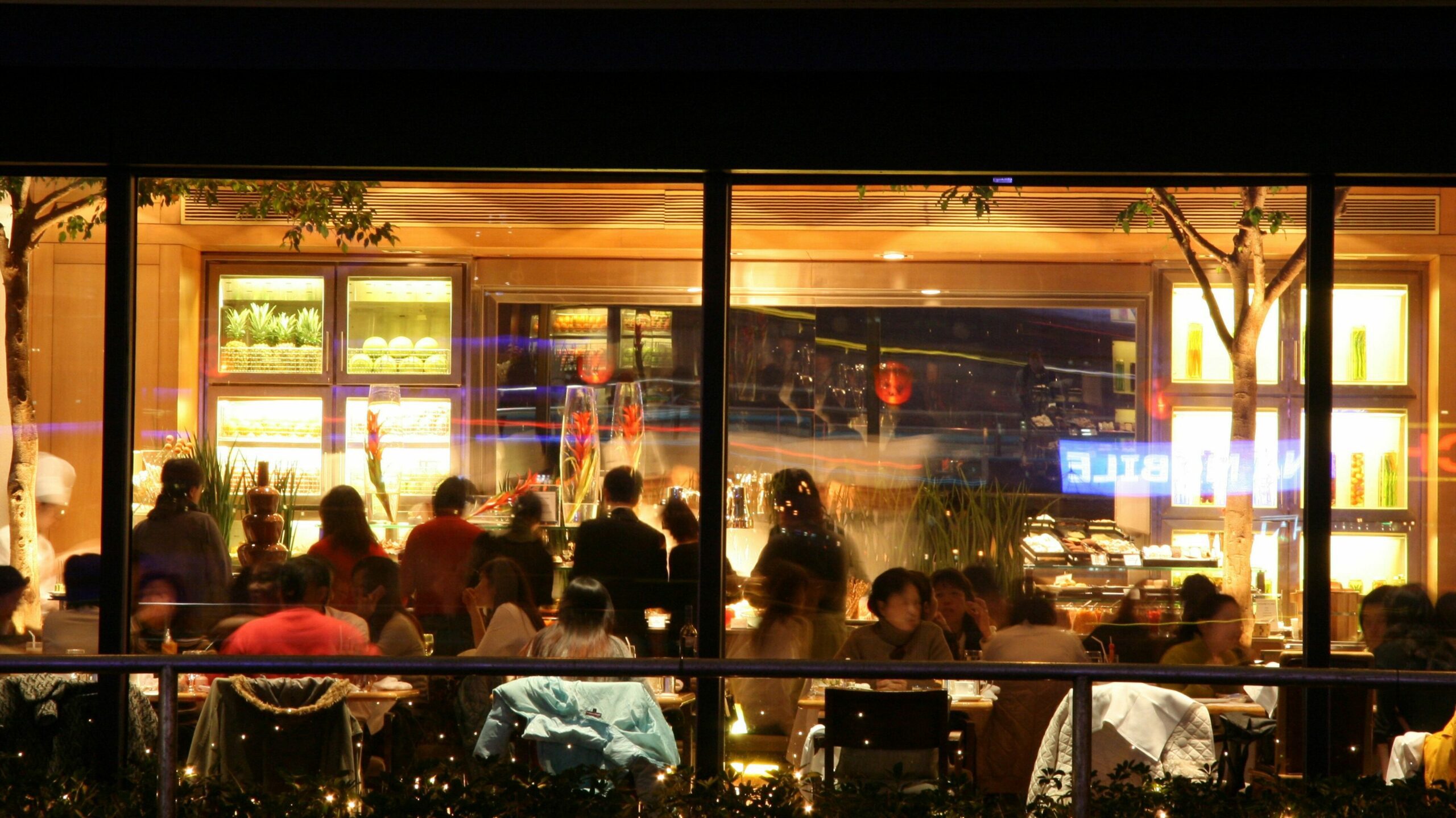
With the cost of goods and services on the rise, it can be difficult to maintain profitability while still delivering high-quality food and service to your customers. However, there are several strategies you can implement to improve your business during these challenging times.
- Monitor Your Food Costs: One of the biggest expenses for restaurants is food. During inflationary periods, the cost of ingredients can skyrocket, which can seriously impact your bottom line. It’s important to regularly review your food costs and make adjustments as needed. This might mean finding new suppliers or sourcing ingredients locally to cut down on transportation costs. You can also consider adjusting your menu prices to reflect the increased costs of your ingredients.
- Focus on Efficiency: Another way to improve your business during inflationary periods is to focus on efficiency. Look for ways to streamline your operations and reduce waste. This might mean investing in new equipment or technology that can help you cook faster and more efficiently. It could also mean rethinking your menu to focus on dishes that are easier to prepare and require less prep time.
- Offer Special Deals: During inflationary periods, consumers are often more price-sensitive. Offering special deals or promotions can help attract customers and boost sales. For example, you might offer a “happy hour” promotion with discounted drinks or appetizers during off-peak hours. You could also create a “family meal” deal that offers a discounted price on a larger meal for families or groups.
- Prioritize Customer Service: Inflationary periods can be stressful for everyone, including your customers. It’s important to prioritize customer service and ensure that your guests feel valued and appreciated. This might mean training your staff to be more attentive and responsive to customer needs or investing in technology that can help you provide faster and more personalized service.
- Consider Alternative Revenue Streams: Finally, during inflationary periods, it’s important to think creatively about alternative revenue streams. This might mean offering catering services or partnering with local businesses to offer packaged meals or meal kits. You could also consider expanding your delivery or takeout options to reach more customers who may be hesitant to dine in.
- Buy Canadian-Made Products: Supporting local Canadian suppliers can help restaurants navigate inflationary pressures more effectively. Purchasing Canadian-made products reduces reliance on international supply chains, which are often affected by rising costs and delays. Locally sourced ingredients not only ensure fresher, higher-quality food but also contribute to the local economy. Additionally, marketing your restaurant as one that prioritizes Canadian products can attract customers who are passionate about supporting homegrown businesses.
In conclusion, while inflationary periods can be challenging for restaurant owners, there are several strategies you can implement to improve your business. By monitoring your food costs, focusing on efficiency, offering special deals, prioritizing customer service, and considering alternative revenue streams, you can position your restaurant for success during these challenging times. Remember, with a little creativity and hard work, you can weather any economic storm and continue to deliver high-quality food and service to your loyal customers.
Ways to Make the Dining Experience Extra Special
Going to a restaurant with family and friends is a favourite experience for many people, but with the economy as it is, there are far fewer people eating out impulsively or planning get-togethers as often.

Food presentation is an important detail—whether your restaurant serves economical offerings or more lavish ones.
In order to encourage customers to eat at your restaurant, consider the following:
- Train your greeters to welcome customers sincerely and enthusiastically. Even if they’re extremely busy, looking up, smiling, and mentioning that they’ll be right with the customer will go a long way. Customers don’t want to feel as if they’re being ignored.
- Attentive, personable wait staff can make all the difference. Even if they must cover several tables, a smile, a kind word, and accurately filling the customer’s order will increase the likelihood that the customer will return and recommend your restaurant to others.
- Asking whether customers are celebrating a special occasion—and being sensitive to the guest(s) of honour’s preferences—is a nice touch. Offering the choice between two free desserts for the individual(s) will set your establishment apart
- Food presentation is important to several of your customers—whether your restaurant serves economical offerings or more lavish ones.
- Creating at least one signature dish with a twist that your restaurant does extremely well make an impression on your customers, and the word will spread.
- If you serve a complementary appetizer, consider alternatives to a breadbasket.
- If you do serve a complementary bread product, consider adding a gluten friendly option to the menu. There is an increasing number of people who are cutting back on their gluten intake.
- Whether your restaurant is casual or more formal, cleanliness is important to your customers. And don’t forget to tend to your washrooms regularly.
- Do you still put salt and pepper on your tables? Replacing traditional dispensers with grinders that hold sea salt and others that hold peppercorns is just one special touch customers will notice.
These are only a few of the many things you can do to make your customers’ dining experience extra special.
Ask yourself what makes a dining experience stand out to you, and then, seek to provide that experience for your customers.
Do locals tell their friends and family members, “You definitely have to eat here”?
The chains and franchises may have big marketing budgets and instantly recognizable brands, but many people prefer—and are fiercely loyal to—the unique, small restaurants, bars, and coffee shops in their communities.
Here are ten big ideas that don’t require a big budget:
Follow your personality
Does your establishment have a homey Mom and Pop vibe, or is it funky and casual? Is it green and clean or elegant and sophisticated? Up your recognition factor by making that personality a consistent part of your brand through your storefront, signage, décor, food styling, digital presence, and even the music you play.
Carve out your niche
Focus on your signature dishes. When people feel your restaurant is the place to get these menu items, it’s a powerful way to establish your presence.
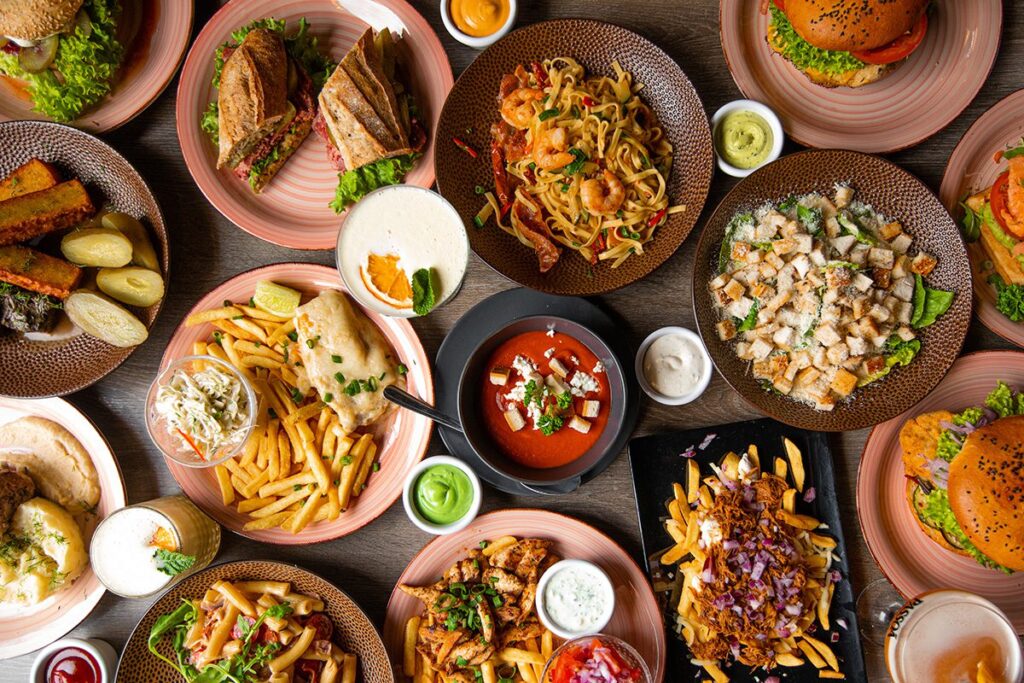
Celebrate local specialties
Go beyond the usual Canadian dishes available across the country to celebrate your local or regional specialties, including craft beer and wine.
Source locally
Locally sourced ingredients are becoming important to an increasing number of customers.
- Be a local booster – Promote your local producers and suppliers. If you’re flipping pancakes in Trois-Rivières, be loud and proud about serving them with local maple syrup. Making burgers in Red Deer? Celebrate local Alberta beef. Consider flags on the menu or a chalkboard featuring suppliers.
Rock your digital presence
Regardless of its size, your independent diner or sports bar can have an attention-grabbing Instagram account and popular videos on TikTok. A multi-functional website enhances the guest experience from ordering takeout to making reservations.
Ideas to amplify your restaurant’s presence digitally – Your social channels and website are powerful tools for complementing and amplifying what’s happening on your premises. Here are some tips to bolster your presence digitally:
- Ensure your digital presence is true to your eatery’s personality and stay on brand.
- Profile local dishes.
- Celebrate your signature dishes.
- Share the stories of local suppliers.
- Promote community events and fundraisers.
- Feature your staff.
- Honour your regulars with profiles or photos.
- Publicize pop-ups, special events, promotions and loyalty programs.
- Celebrate your history and thank the community for making it possible.
Support your community
While sponsoring sports teams and donating financially to important causes may not be in your budget, there are alternatives (i.e.: hosting an event at your establishment). Focusing on the cause rather than your contribution will prevent you from appearing boastful.
Know your customers well
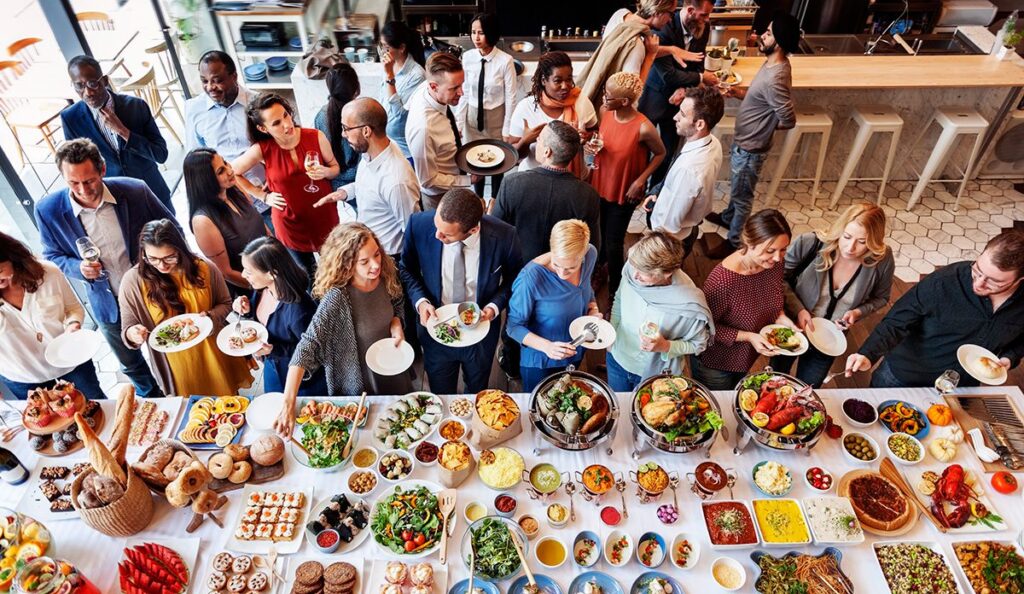
Being small gives you a unique advantage to build relationships with your regulars.
Get out into the community
Feature your specialties at local fairs and events. You’ll not only contribute to the success of the events but also entice new customers to visit your restaurant.
Create standout promotions
Unique promotions, especially ones with a local angle, draw people in. Go beyond the standard holiday promotions by selecting a few signature days each year and creating special offers. You may also want to consider partnering with local suppliers for cross-promotions.
Be consistent
It’s not a bad thing to keep things fresh and occasionally add new dishes to your menu, but don’t change for the sake of change. Customers appreciate the sense of coming home to their favourite dishes that is provided by staff they’ve come to know.
Based on the post “Small restaurant, BIG presence—does size matter?” written by Marlene Cornelis.
March 1, 2026
*Please note there will be a delay in the reflection of pricing trends at local distributors, attributed to the timing of inventory turnover and the arrival of new stock at distribution centers.
Beef Insights
What’s Happening?
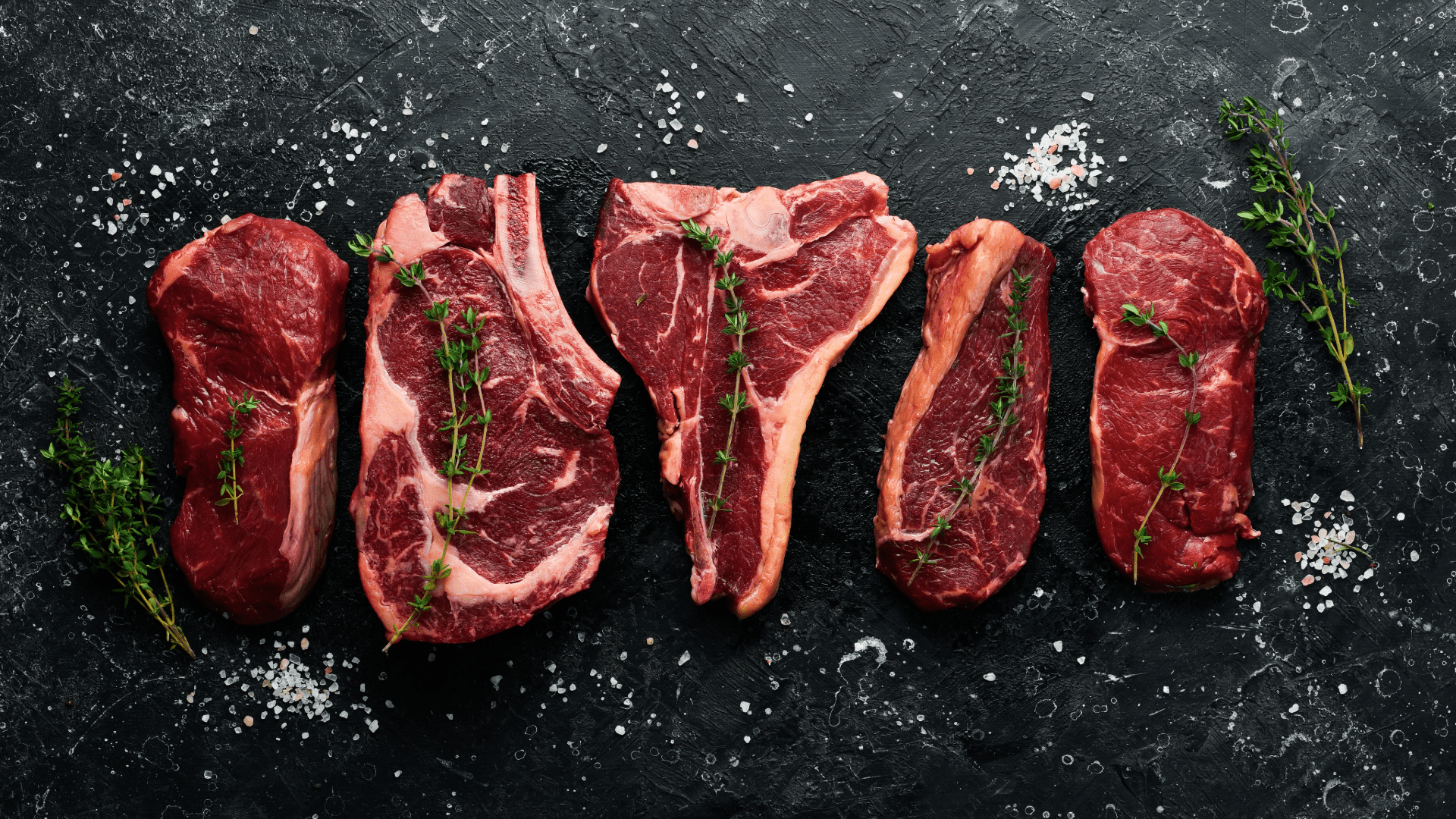
Beef pricing remains historically high and choppy as the industry moves through the late-winter “stall” and looks toward spring demand. Canadian buyers are still taking their cues from U.S. boxed beef and cattle markets, but the weaker Canadian dollar continues to inflate landed costs and reduce buying flexibility. Markets show cattle supplies staying tight, even as some end cuts soften. Rib and loin higher prices are being supported by limited availability and ongoing interest in “treat” dining, while chucks and rounds are trading more defensively as restaurant operators and retailers push value messaging to their customers. Lean trimmings remain a key pressure point, keeping ground beef prices very firm. Expect continued volatility through March, with a bias to higher prices once patio and grilling features start to ramp, especially if export demand stays active and retail continues to promote burger value. The market is offering fewer “easy” dips than normal, so plan on premium cuts staying expensive. Budget for higher replacement costs on steaks in March. Recommend consulting with your sales rep about freezer buys or forward deals for key items to smooth volatility on core items. Check our chart for individual cut pricing trends.
What Can You Do?
- Protect check average with portion discipline: 5–6 oz steak formats and upsell add-ons (shrimp, sautéed mushrooms, premium sauces)..
- Keep features flexible: rotate cuts weekly and avoid locking in rib/loin specials too far out; use “market feature” language.
- Use value-added SKUs to cut labour: pre-marinated strips, sliced roast beef, or fully cooked brisket for sandwiches and bowls.
Menu Suggestions
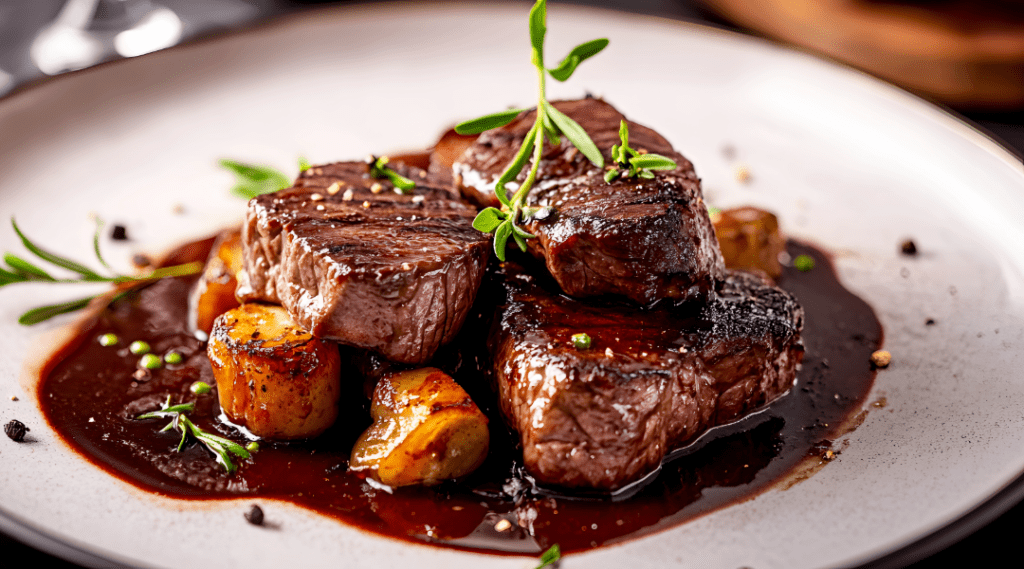
- Petite Steak Frites (6 oz) with herb butter and fries
- Beef & Mushroom Smash Burger with caramelized onions
- Braised Beef Bowl (shredded chuck, gravy, mash) – batch prep
Pork Insights
What’s Happening?
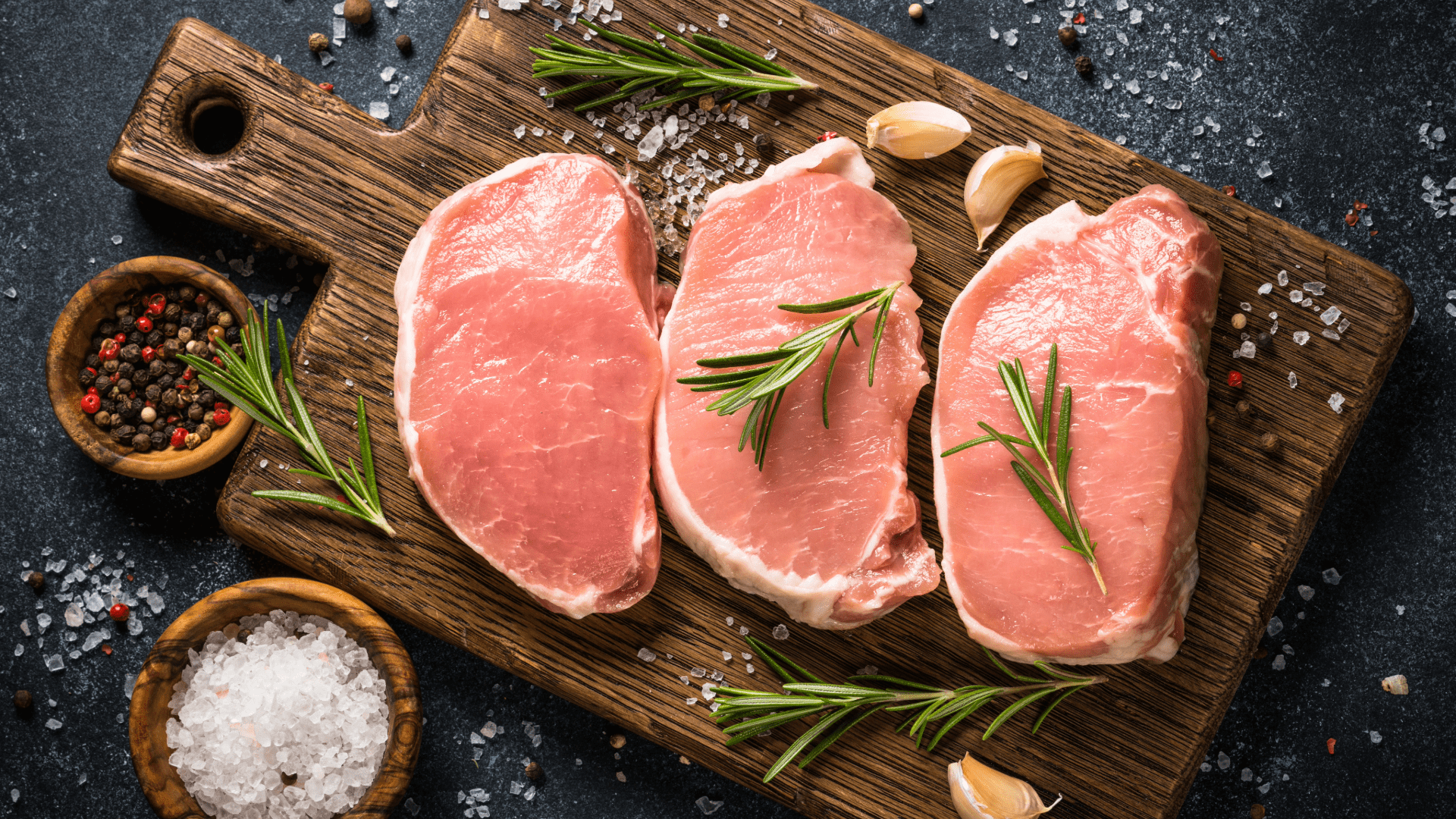
Pork pricing is holding firmer than typical for late winter, reflecting increased demand and slower supply growth. Bellies remain the swing item: bacon demand keeps prices from sliding much, but they can turn quickly. Loins and butts continue to offer operators centre-of-plate value versus beef, and ribs are still competitive for features. Looking ahead, seasonal production gains should help cap price increases, but the market tone suggests any dips may be brief if beef stays expensive and buyers continue to lean on pork. Expect a steadier market into March. Check our chart for individual cut pricing trends.
What Can You Do?
- Make pork your “value premium”: chops, schnitzel, or loin skewers priced below beef but presented as a feature for margins.
- Run comfort-food LTOs that batch well: braises, roasts, and sauced rib formats that hold in steam tables.
- Talk to your distributor about freezer buys or forward deals for key items to smooth volatility on core items.
Menu Suggestions
- Crispy Pork Belly Bao with hoisin and pickles
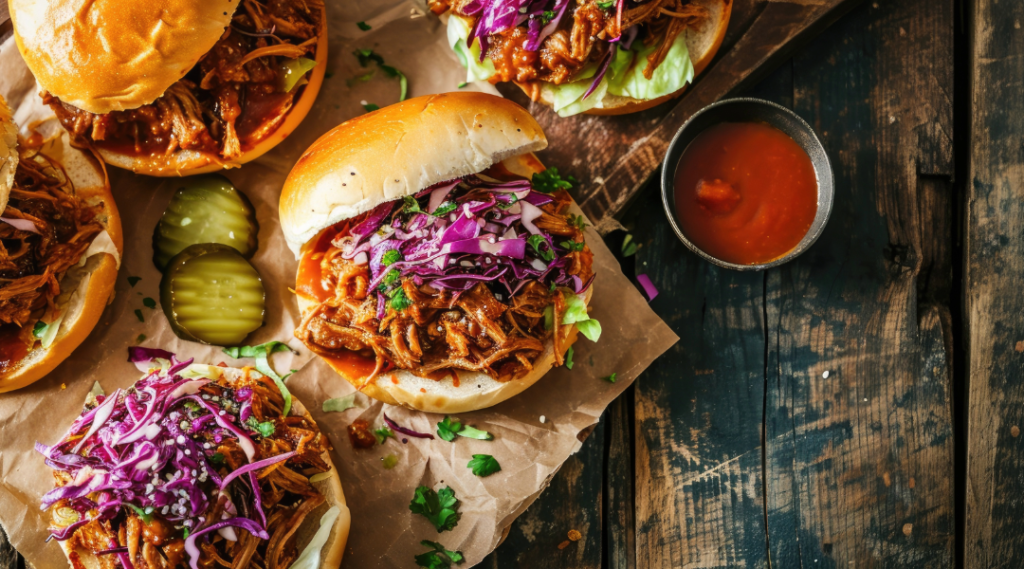
- Pulled Pork Grilled Cheese with BBQ dip and fries
- Pork Schnitzel Sandwich with slaw and Dijon mayo
Poultry Insights
What’s Happening?
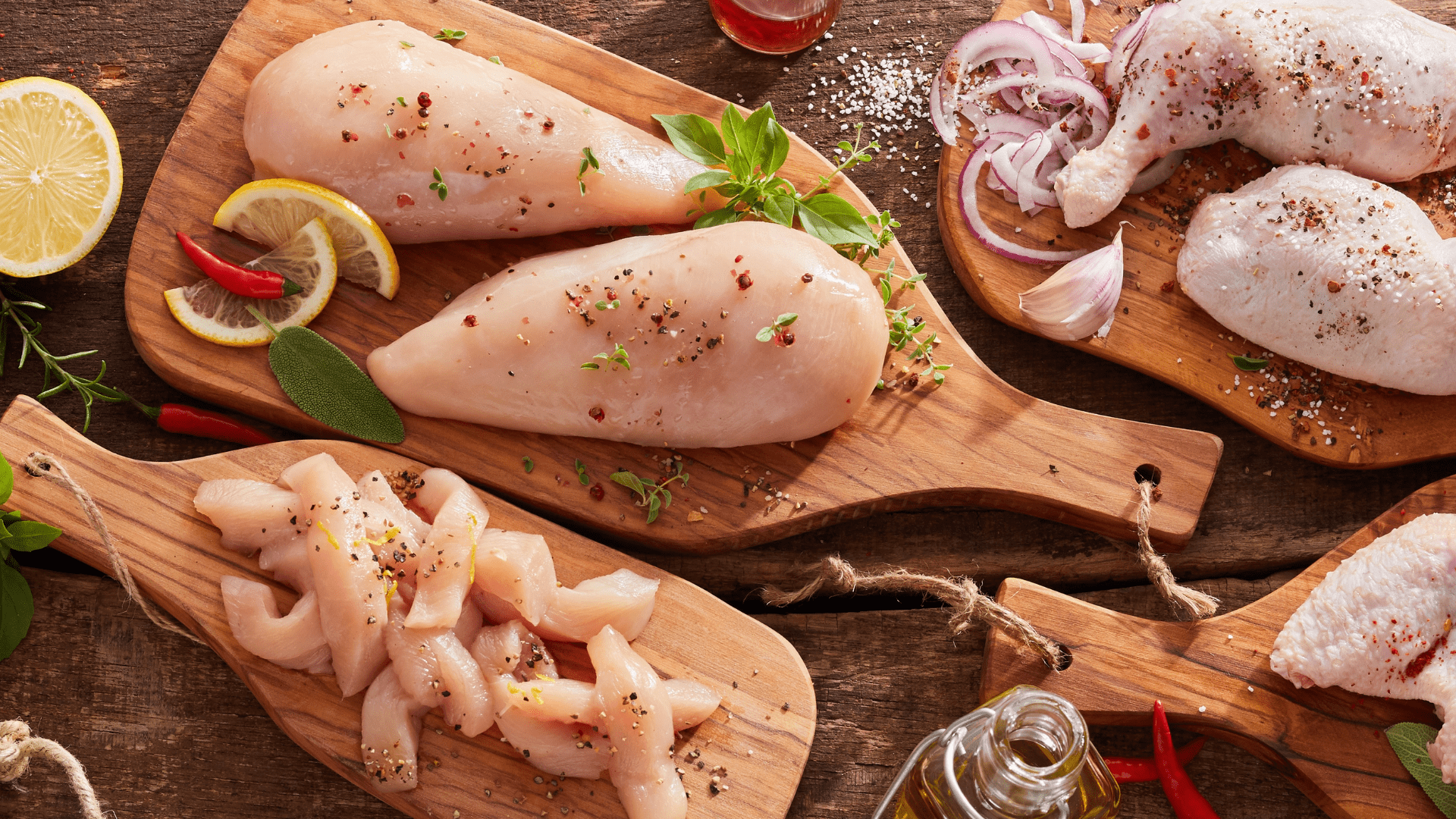
Chicken remains tight and expensive compared to last year. Market reports continue to point to constrained domestic production and limited import flexibility, keeping pricing elevated even as winter demand normally cools. Breast meat stays the most expensive and most contested between retail and foodservice. Wings are steady to firm heading into late-winter and spring sports promotions, while thighs and drums remain the best relative value for operators. The market is also seeing stronger adoption of labour-saving formats: marinated, portioned, breaded, or fully cooked. Expect only modest relief into March/April, with pricing remaining above historical norms. Check our chart for individual cut pricing trends.
What Can You Do?
- Shift mix toward dark meat: thighs, drums, leg quarters for better yield, better flavour, and better cost control, and menu it as shareables.
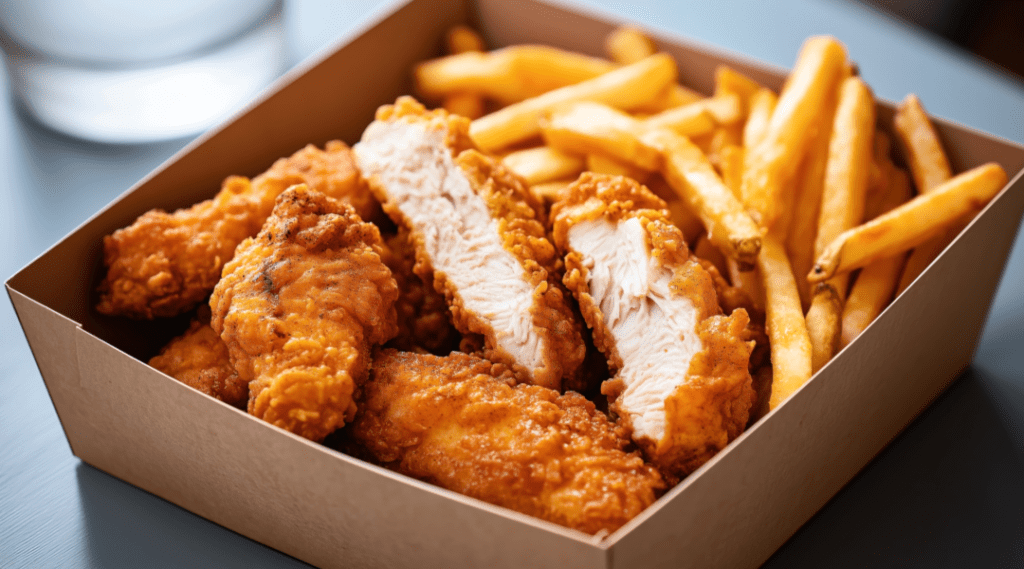
- Embrace “speed SKUs”: par-cooked tenders, breaded fillets, and marinated pieces to reduce prep time and variability for speed.
- Build chicken into value bundles: wing + fries combos, family trays, or two-for offers that maintain traffic.
Menu Suggestions
- Shawarma Chicken Wrap (thigh meat) with garlic sauce
- Garlic-Parmesan Boneless Wings with slaw
- BBQ Chicken Flatbread with onions and mozzarella
Seafood Insights
What’s Happening?
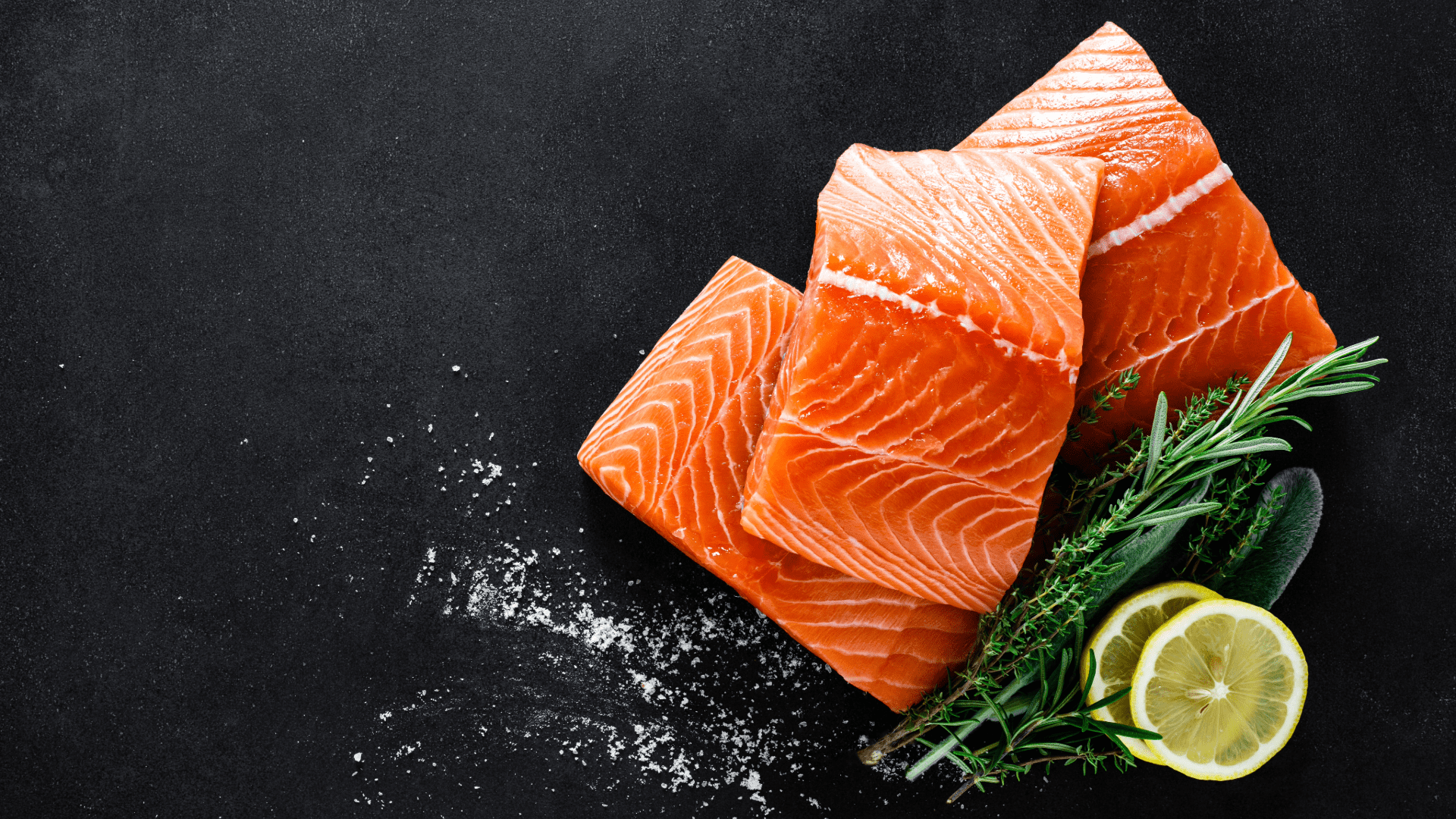
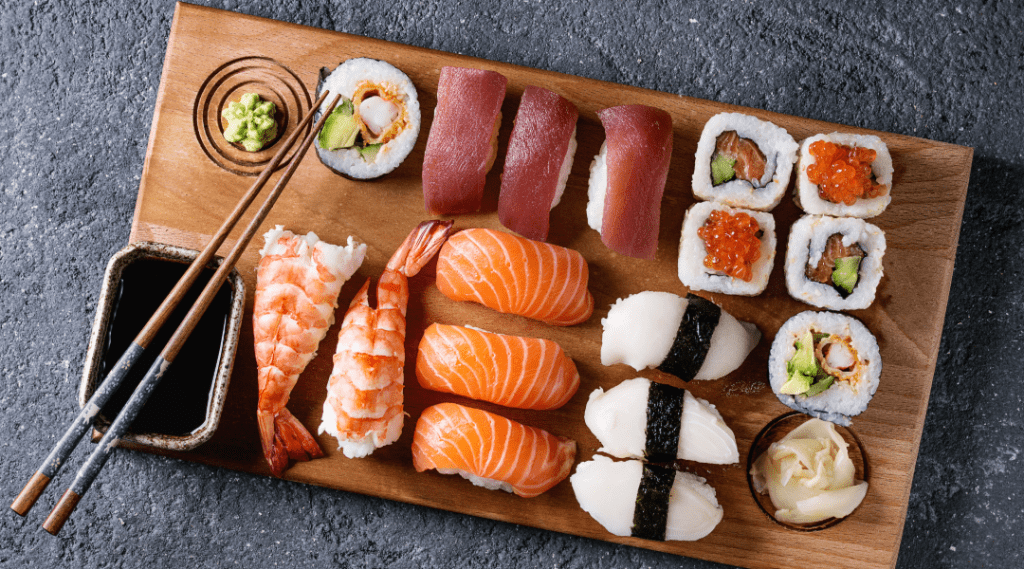
Seafood markets remain split. Whitefish options [Cod, Haddock, Pollock, Hake] continues to be the most dependable value set for foodservice, while salmon and shrimp are carrying the most inflation risk. Industry reporting points to early-2026 seafood supplies tightening in key areas, with resilient demand supporting pricing. Atlantic salmon pricing has also been described as firm/tight in early 2026. Black Tiger shrimp is strengthening as freight costs, timing delays, and holiday-to-Lent demand tighten supply across key sizes. In contrast, frozen cod/pollock/hake are trading more steadily, giving operators a predictable fish option for everyday features. Lobster remains premium-priced and best used as an add-on or occasional feature, while scallops are steadier but still sensitive to size and availability into March.
What Can You Do?
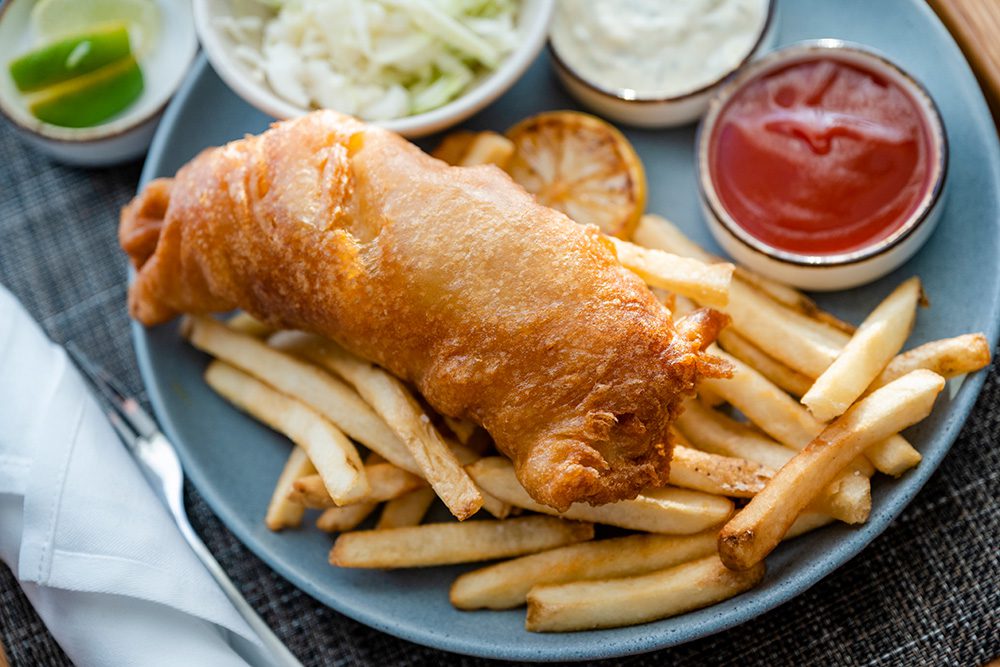
- Lead with value whitefish formats: fish & chips, tacos, sandwiches, chowders.
- Keep salmon as a priced-right feature: smaller fillets, salmon bowls, or cedar-plank specials only when costed.
- Promote sustainability callouts when available (MSC/ASC) to support price points.
Menu Suggestions
- Sheet-Pan Whitefish, lemon butter
- Baja Whitefish Tacos with chipotle crema
- Crispy Fish Sandwich with pickles and remoulade
Produce Insights
What’s Happening?
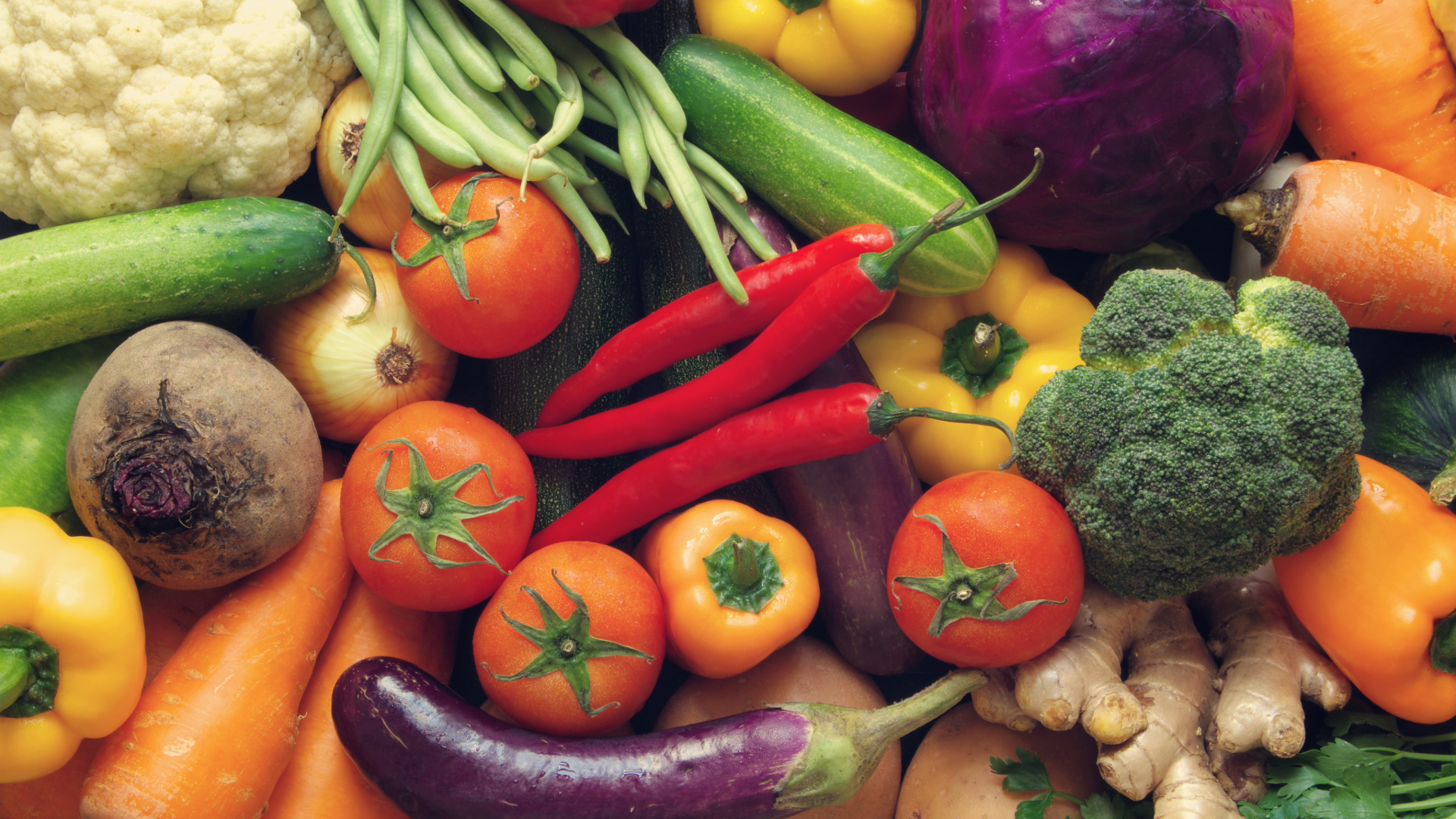
Canadian produce markets are settling into a winter pattern where quality and freight matter as much as farm price. Operators are seeing more reliance on Mexico and California, which increases exposure to weather swings, timing and transportation costs. Demand is also shifting: many restaurants are leaning harder into soups, bowls, and comfort sides, which tends to increase pull on core vegetables even when consumer traffic is soft. Greenhouse programs are helping keep cucumbers, peppers, and some tomato items more consistent, but volatility remains for items tied to field production. The strategy for March is to stay flexible on varieties and formats, and to plan features around items with dependable supply windows.
What Can You Do?
- Use frozen fruit and veg for desserts, smoothies, soups, and sides when fresh markets spike.
- Use pre-cut blends for labour savings on high-volume soups, stir-fries, and sheet-pan roasts.
- Pre-book high-usage items with your distributor when you see a window.
Price Alerts as of March 1, 2026
- Strawberries: tight supply; premium pricing.
- Lemons: market climbing as demand builds.
- Tomatoes: supplies scarce in Florida until mid-April.
- Melons: transition; availability is variable.
- Green beans: supply disruptions = firm market.
- Broccolini/baby broccoli: demand exceeds supply.
Consider Frozen with Alasko!
When fresh supply is volatile or labour is tight, Alasko frozen fruits and vegetables deliver consistent quality and predictable cost control.
These questions don’t just apply to clothing, personal care products, and the latest bestsellers. They also apply to the foodservices industry. Being aware of applicable trends going into the new year will help restaurant owners make their customers’ experience so special that they will want to return often.
Below are what Technomic foresees as foodservice trends for 2023:
Financial Concerns
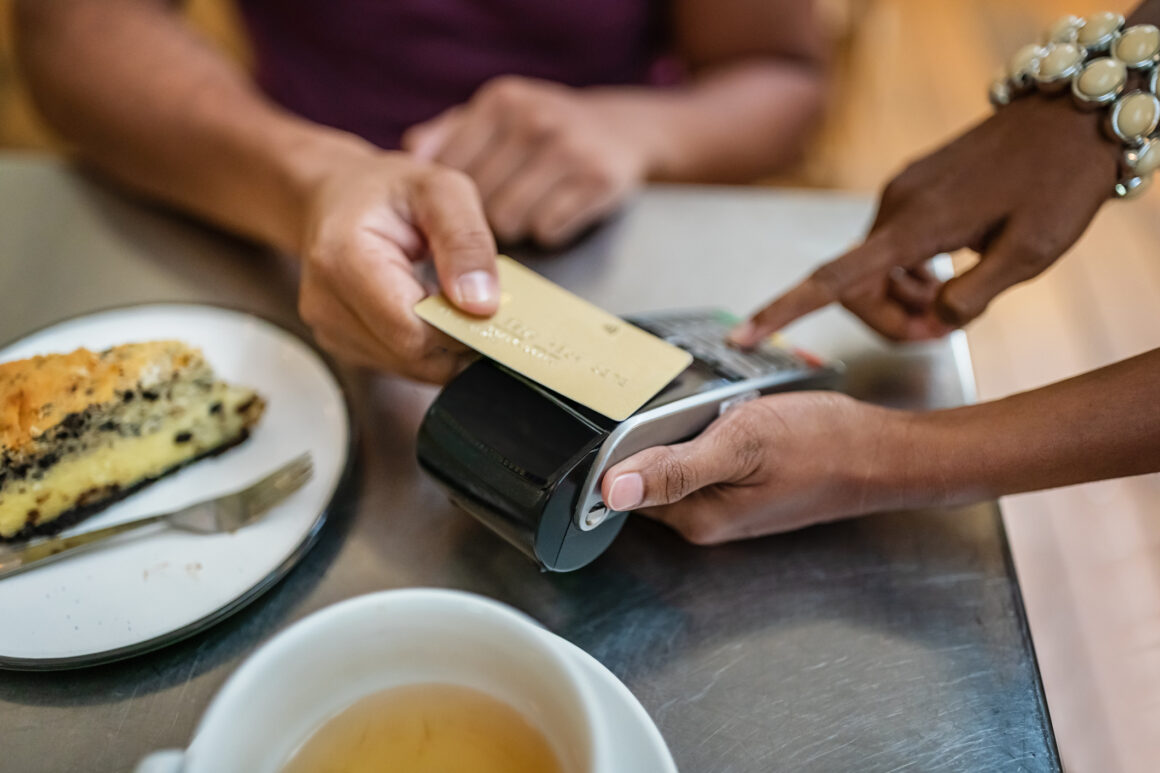
Because of current economic concerns, 58% of consumers are more cautious about eating out and 44% will no longer make impulse visits to a restaurant. Restaurant owners will want to keep this in mind when making decisions for the year ahead.
Social Highlight

While the above statistics are of concern, there are statistics from the third quarter of 2022 that are encouraging. 71% of those surveyed indicated they enjoyed the social aspect of eating out and 65% said it was one of their favourite activities to do with friends. Restauranteurs who make their customers’ experience especially enjoyable will increase the likelihood of family and friends continuing to gather at their establishments.
Beyond the Social Aspect
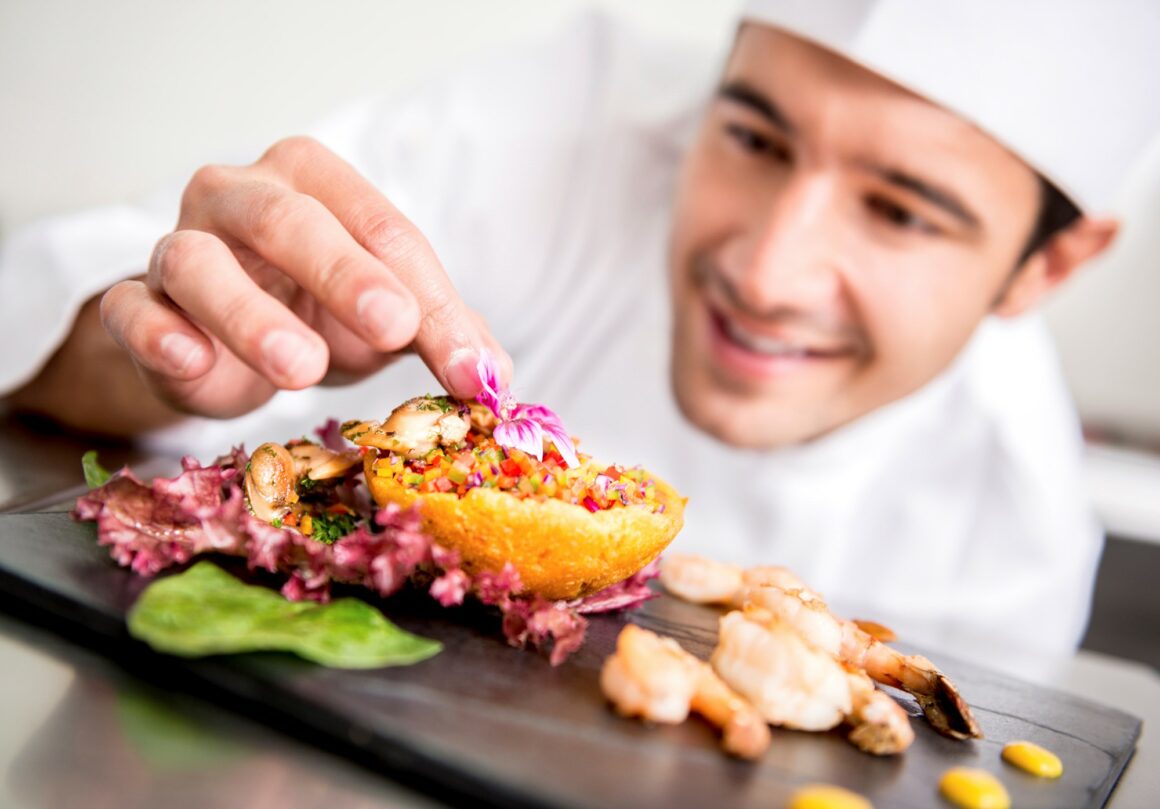
Customers also consider the following elements important to an enjoyable restaurant experience: the use of premium ingredients, the use of fresh ingredients, and appealing flavours. Gen Zers and Millennials in particular pointed out the importance of the following: knowledgeable staff that pays attention to the fundamentals and good value with quick, high-quality service.
The Use of Preserved Foods

Research indicates there will be more preserved food on restaurant menus. Preservation methods will include pickling, fermenting, dehydrating, and freeze-drying. Stocking these foods when available will lessen supply chain issues, as they can be kept far longer than fresh ingredients. Restauranteurs will want to keep an eye on these trends in the coming months: fermented beverages other than kombucha (i.e.: the fermented sugarcane spirit cachaca and the Japanese fermented rice drink amazake) and global pickled or fermented condiments (i.e.: the Indonesian fermented kasundi sauce and the Indian pickled amba condiment).
Return to Physical Menus

While we rely on technology in virtually every aspect of life, a vast percentage of customers (82%) prefer a physical menu. More than half of restaurant-goers find the QR code menus lessen their dining experience. This is something restaurant owners will want to take into account when finalizing their 2023 budget.
Rewarding Loyalty

Loyalty programs keep customers coming back. 41% of Gen Xers actually prefer to visit restaurant that offer such a program. This is a good time for restaurant owners to brainstorm what type of program they could implement if they don’t already have one in place.
Food Items from Down South—Way Down South
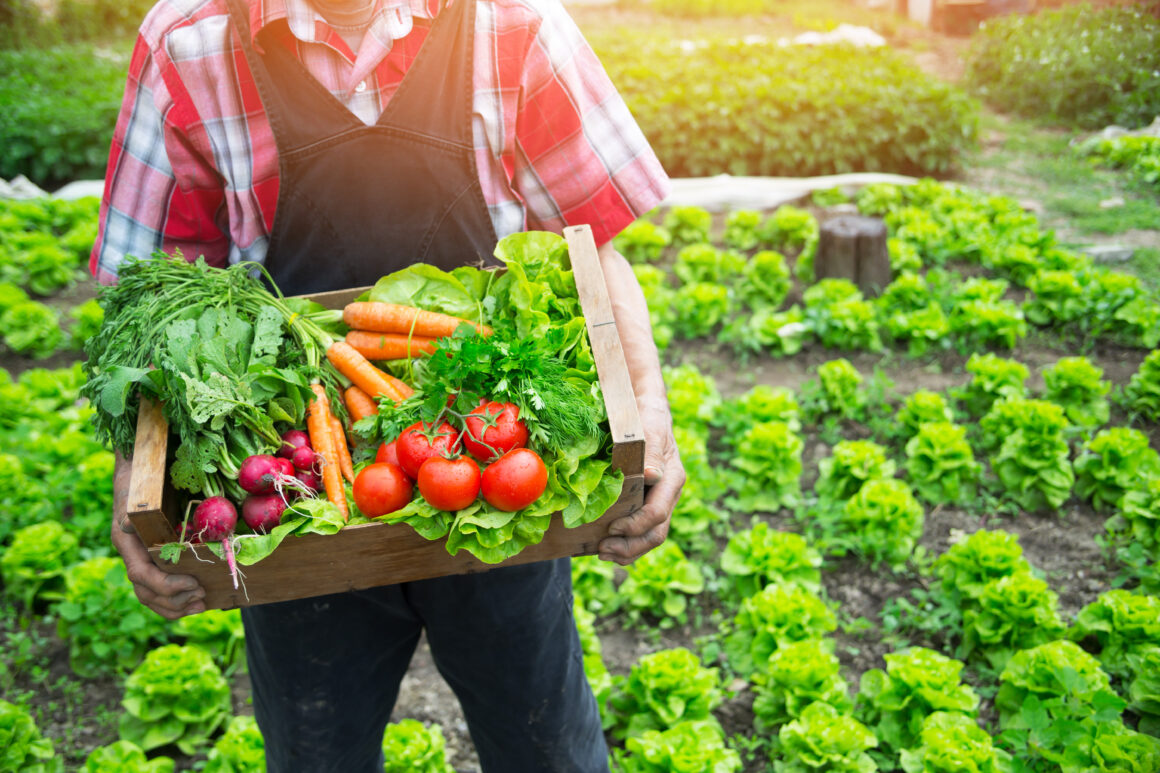
Canadian operators are looking for inspiration beyond the U.S. and Mexico. In particular, they are looking to food options from Central America and the South American Andean states. These are just three of the dishes with a southern flavour: quesadillas made with refried beans, cashew cheese, coconut crema, charred corn salsa, curtido, and sprouts, all served on flatbread; jerk cauliflower made from apple puree, wasakaka, and toasted coconut; and Honduran baleadas, flour tortillas with grilled flank steak or spiced sweet potato, scrambled eggs, refried beans, cotija cheese, avocado, and lime crema.
Health-Consciousness
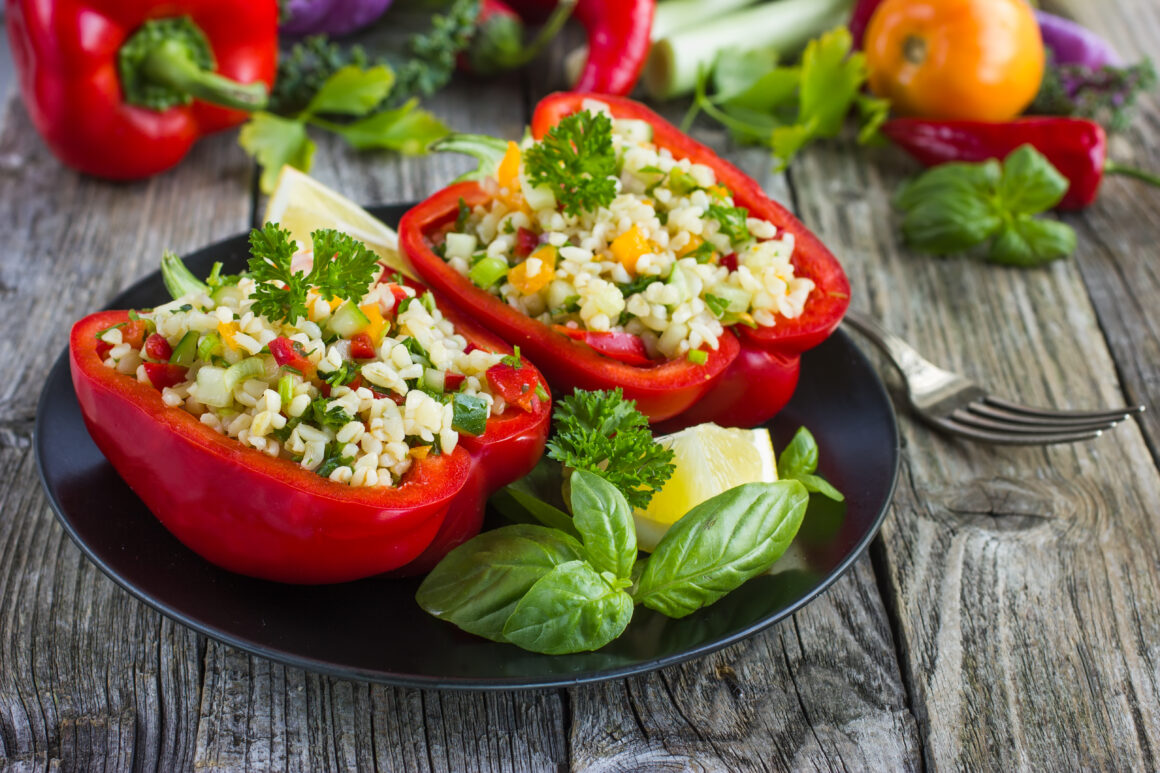
Restaurant owners will want to keep the following preference in mind: the desire for fresh offerings made from scratch, using locally sourced, preservative-free ingredients. Customers want their food to be “clean, natural, and real.” Many also want it to be low-calorie, low-fat, and low-salt.
So Much to Think About
Restaurant owners face many challenges for the year ahead. In summary, the experts at Technomics recommend going back to the basics, balancing the old with the new, and adding new and quirky styles and cuisines.