
Biggest Menu Mistakes We See (And How to Fix Them)
In today’s Canadian restaurant environment, your menu isn’t just a list of food anymore. It’s a profitability tool, a labour management tool, and a marketing tool.
The challenge? Many independent operators are still carrying menu habits from a very different operating environment, before labour shortages, before major food inflation, and before customers became so value-conscious. The result is that some menus are quietly hurting profitability every single day. Here are some of the biggest menu mistakes we continue to see, and some practical ways to fix them.
1. Too Many Menu Items
This is still one of the most common problems in independent restaurants.
Operators often believe: “More choice means more customers.”
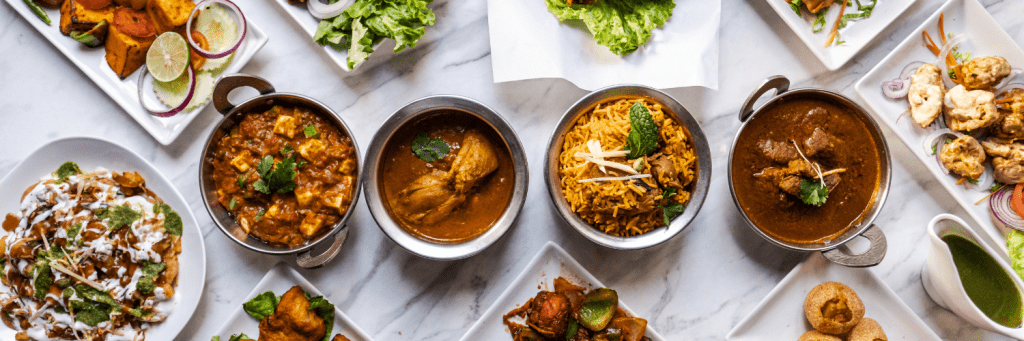
But oversized menus usually create higher inventory costs, more waste, slower kitchens, more prep labour, and inconsistent execution. And customers often become overwhelmed by too many choices anyway.
The Fix:
Start trimming low performers. Ask:
What rarely sells?
What creates complicated prep?
What ties up expensive inventory?
A smaller, more focused menu is often more profitable—and easier to execute consistently.

2. Pricing Based on “What Feels Fair”
Many operators still price emotionally instead of strategically. They worry: “Customers won’t pay that.”
Meanwhile, food costs continue rising, labour costs continue rising, and competitors are quietly increasing prices too. The reality in 2026 is that customers already expect restaurant prices to be higher than they were a few years ago.
The Fix:
Price based on actual plate cost, labour involved, portion size, market conditions, and overall value perception. Not just what “feels right.”
And remember, a properly priced menu item that sells slightly less can still be more profitable than an underpriced bestseller.
3. Too Much Prep for Too Little Profit
Some menu items look great on paper, but create major headaches behind the scenes.
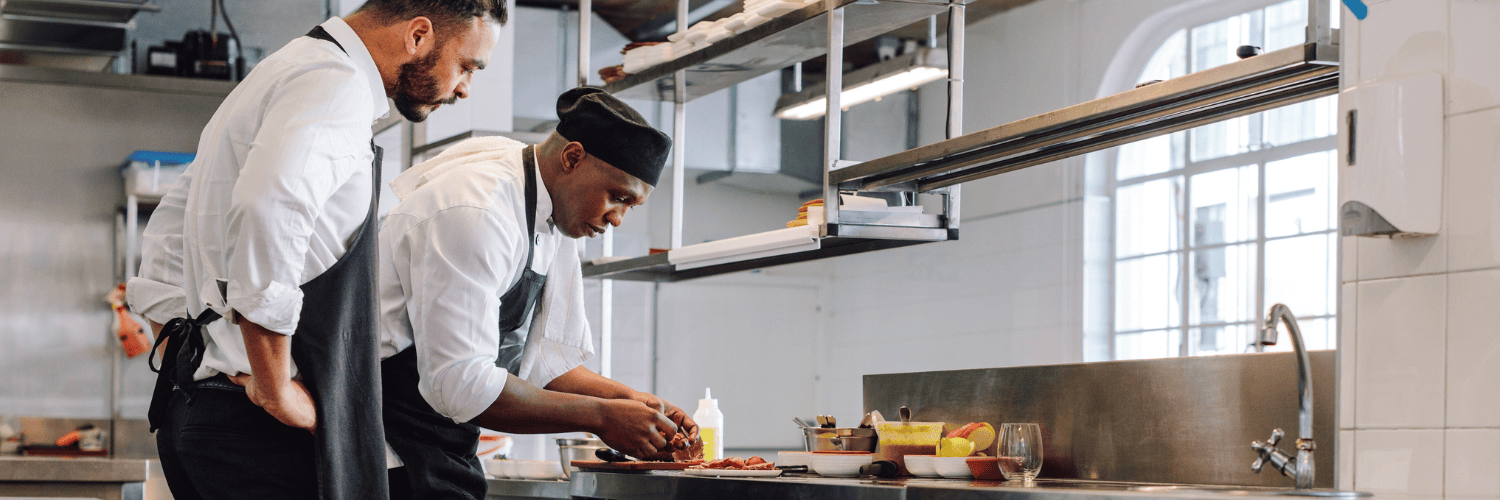
Things like multiple garnishes, unique sauces used once, complicated plating, and excessive prep steps all add labour cost. And in today’s labour environment, complexity is expensive.
The Fix:
Simplify wherever possible. Use shared ingredients across dishes, cross-utilized sauces, and easier plating systems. The goal isn’t to make the menu boring.
The goal is to make it executable on a busy Saturday night with a short-staffed kitchen.
4. Ignoring Menu Psychology
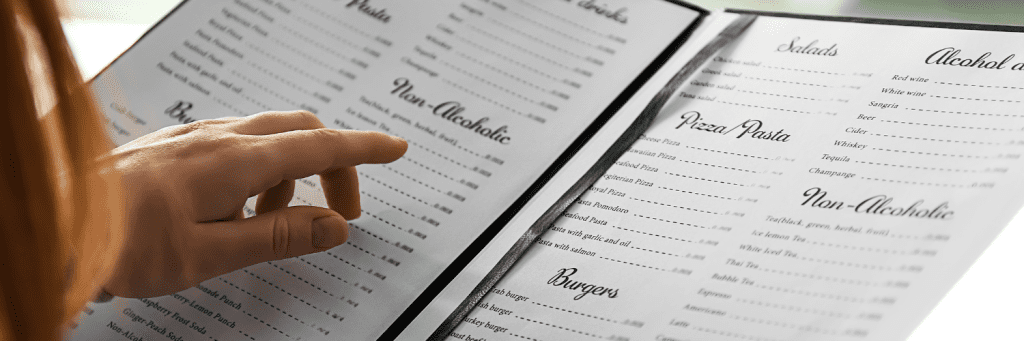
Many operators underestimate how customers read menus. Customers naturally gravitate toward featured items, boxes or highlighted sections, descriptive wording, and items placed strategically on the page.
Meanwhile, profitable items often get buried.
The Fix:
Guide attention intentionally. Highlight:
Signature items
High-margin dishes
Add-ons and upgrades
Small menu layout changes can meaningfully influence ordering behaviour.

Final Thought
Your menu should not be a collection of random items.
It should be a carefully built operating system for your restaurant.
And sometimes, the biggest profitability gains don’t come from adding something new…
They come from fixing what’s already there.