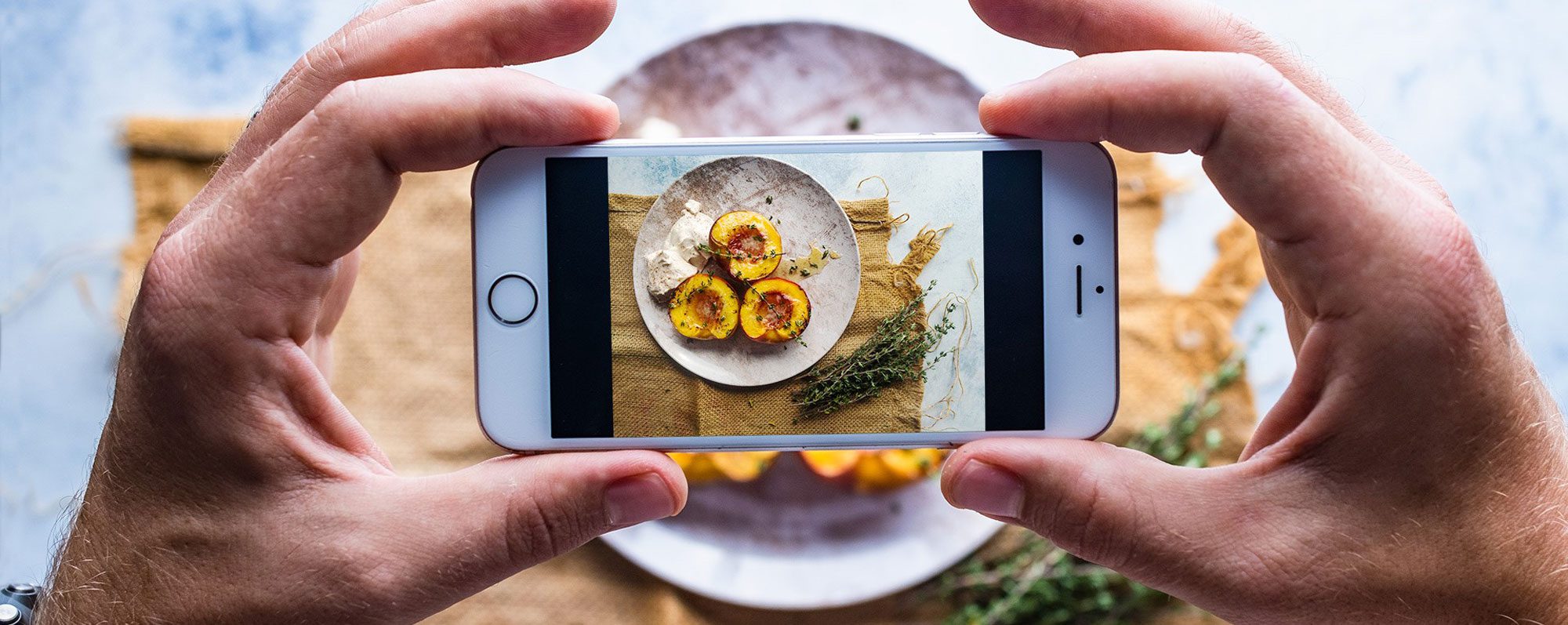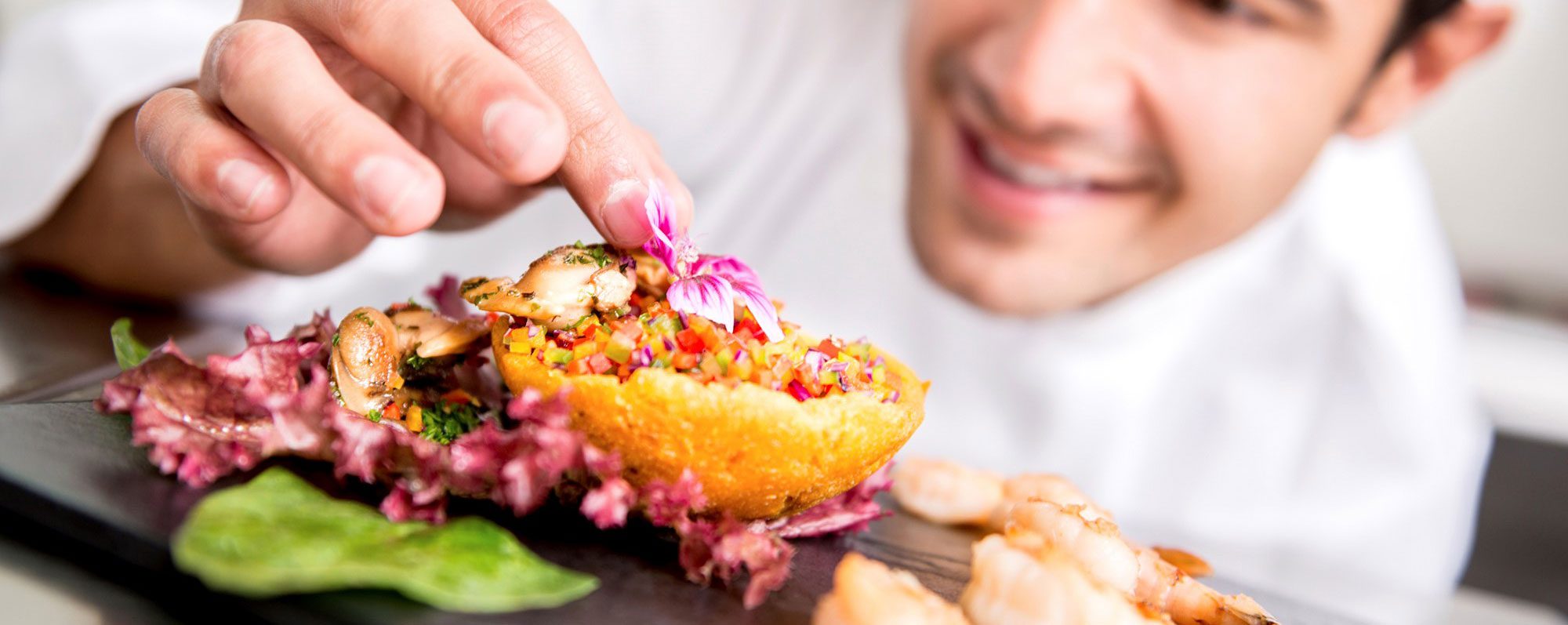
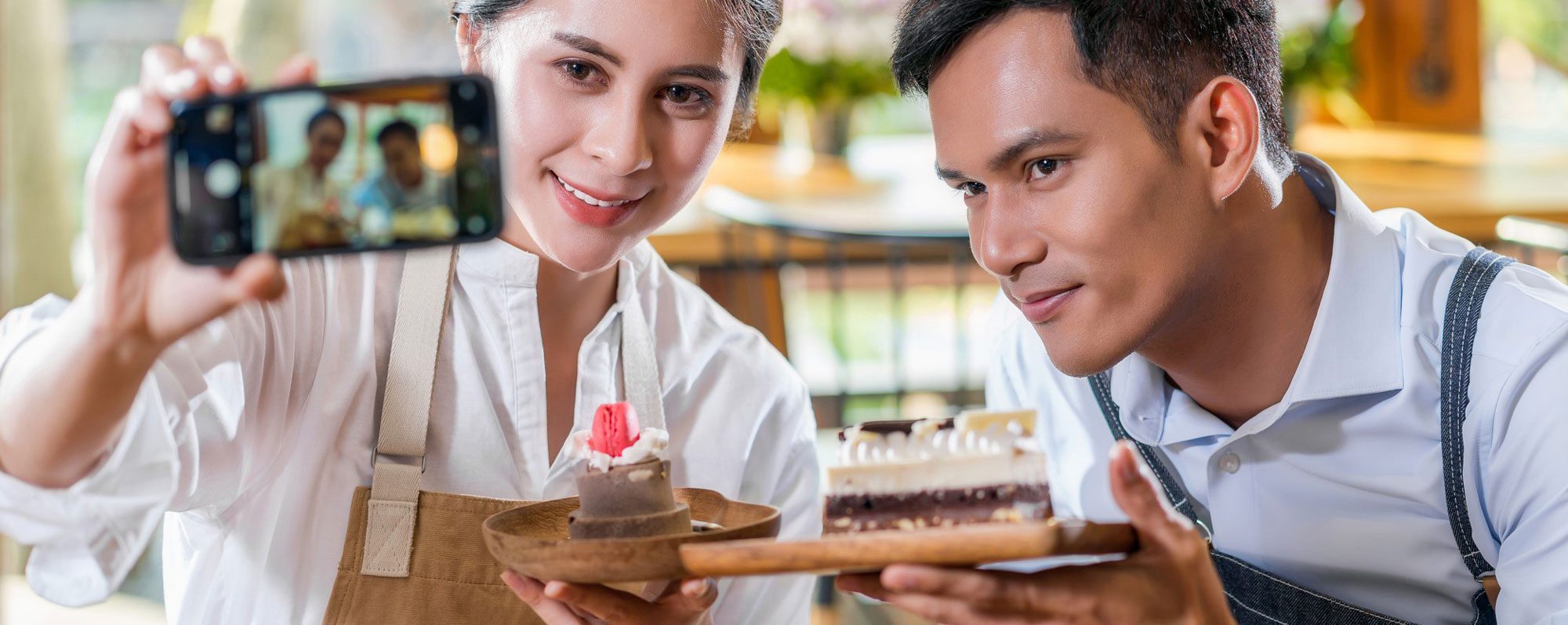
During the pandemic, the need for outstanding visuals to sell your food is even greater than before, when competition was already fierce for food dollars. That’s where professional-looking food photography comes in.
Consider food photography being worth not only a thousand words, but a thousand dollars in revenue for your restaurant brand. In a digital world that’s easily influenced by visual storytelling, this is the impact that high quality styled food images can have in attracting new business to your restaurant.
Consider food photography being worth not only a thousand words, but a thousand dollars in revenue for your restaurant brand.
According to the TripAdvisor “Influences on Diner Decision-Making” survey from 9,500 international diners, 60% of respondents from the US reported that online photos influence their dining decisions. The impact of online photos proved even higher in Spain at 72%, followed by Italy with 67%, France with 64%, and the UK with 52%. This is definitely something to keep in mind when trying to attract tourist (and other) diners.
For restaurant brands large and small, the importance of capturing high quality, well-planned menu photography remains the same – HIGHLY IMPORTANT! And during the pandemic, the need for outstanding visuals is even greater.

So, when is using a phone to take your restaurant brand’s photography a good idea?
For chefs or restaurateurs, if you have basic photography knowledge and understand lighting, angles, product positioning, shot styling, and are tech-savvy with the latest editing applications, then go for it!
- TIP: Scroll through Instagram to find inspiration and shot examples to guide your photoshoot.
However, if you are like most of us, with little photography expertise beyond selfies, and even less time to spend in this area, and if you want to put your best visual face forward, here are some other solutions to create a professional profile at reasonable cost:
Hire new talent
Aspiring photographers or recent photography graduates are a great place to start as they need projects to build their portfolios and often have very affordable rates. Try posting a free ad on jobsites like Indeed.com and on your restaurant’s social media pages to attract résumés.

Find the food influencers
A food influencer is an Instagram user with an above average following who focuses on curating and sharing food and restaurant-related content that produces user engagement to influence consumers’ decision-making.
These are savvy photographers and editors who are always on the lookout for new content to curate!
TIPS:
- Find and follow Instagram influencers whose content relates to your restaurant brand. For example, pizza places should find influencers who curate and post content about pizza.
- Invite influencers to your restaurant to taste the menu and enjoy the overall brand experience. If you put on a great show, they will likely take LOTS of photos!
- Get the photos! Discuss if you can use their photos to post on your digital platforms. NOTE: Some may request a fee per image.
- Give credit where credit is due. Social media etiquette is always giving photographers or curators credit for their photos by tagging them in the post. This helps to promote their skillsets and personal brand in return for photo use, which sometimes is enough to eliminate fees.


Whether you choose to take your own photos, or use a trained photographer, understanding how to make your food look its best from the kitchen preparation to the final shot can help to achieve your desired look.
Your website and social media channels might be the first experience and interaction potential guests have with your brand. You have one chance to attract business from that first impression.
This is why it is so important to put your best shot forward!
TIPS:
- Select menu items that are unique to your brand and also present well.
- Decide on a consistent element to your brand photography. Whether it’s a backdrop, tabletop surface, or prop, this helps to define your brand.
- Go for natural lighting. This means shooting near windows. If your restaurant interior is dark, then rent lighting and reflectors to achieve a natural lighting affect to avoid the “flash.”
- Develop a shoot schedule and shot list. This should outline:
- The item details, or combination of items. Consider the kitchen and bar prep time when arranging the shot list.
- Which dishware and glassware the items will be shot in.
- The angle of the shot and lighting details.
- What props or people will be featured in the shot.
- An example image of the final look you are trying to achieve.
Consumers will search your website and scroll through your social media channels to read reviews and look at photos of your menus and space before deciding whether or not to book a reservation or order from your restaurant. Those visuals may mean the difference between choosing your place…or the eatery down the street.
You don’t need a fine art degree to execute beautifully presented plates. Somewhere between Chicago restaurant Alinea’s Da Vinci-esque attention to detail and a cafeteria scoop and slap, there is a style of food plating that represents your very own establishment. Plating, like art, is personal and should tell the story of your menu.
Menus changed dramatically in the last year to cover losses from restrictions and shutdowns. Entire menus were downsized, menus became hyper-focused and the individual menu items remaining were squeezed to maximize profits. Has your plating adjusted accordingly?

With a splash of art, a touch of math, and a dollop of common sense, you will be on your way to palatable plating. Follow these handy tips:
The art of food plating
- Find your focal point. All meals have a focal point. Likely the starting ingredient you used to design the flavour of the dish. Focus on that one ingredient, usually the protein, and build complementary flavours around it. Apply the same principle when plating.
- Splash some colour. Plate colour should enhance the food. White plates are popular because they provide a blank canvas and great contrast for your dishes. However, a flavour-popping special’s ingredients that lean towards beige would benefit from a coloured plate instead. Black dinnerware gives a negative contrast matching well with brightly coloured ingredients.
- The colour of the ingredients can be adjusted for further visual appeal without compromising on design flavour, like using purple fingerling potatoes instead of white.
- Mix up your texture. Offer different visual textures on the plate by mixing and matching to find a balance. Adjust textures while maintaining flavour. Hard, soft, smooth, grainy, fluffy, flaky and coarse.

Math
- Find your best size. Choose plates large enough to accommodate food without overcrowding. Oversized plates offer a dramatic flair but can give the impression of too-small portions. The less on the plate, the more precision required as focus is tight.
- Scale down. Perception of quantity increases if your portion sizes match the scale of the plates, bowls or platters. Simply put, smaller portions on smaller plates. Reducing portion sizes by 10 per cent but visually filling the plate is good for your bottom line.
However, if your dinnerware inventory doesn’t contain the size you need and purchasing a new size is out of the budget, strategic placement and arrangement of smaller portions on larger dishes can still deliver. - Follow the rule of thirds. In food, the rule suggests placing the focal point to the left or right side of the plate. Go further and apply a well-used photography rule to your plates (or bowls or platters) no matter the shape or size to artfully showcase your focal ingredient.
- Work the odd numbers. Although never scientifically proven, many chefs believe an odd number of elements, like shrimp or meatballs, is more visually appealing and gives a perception of more food. Even numbers typically require more precise placement for balance.
- Consider shapes. Consider the shape of the food and the plate. Circles (dots of sauce, a timbale of grains, brussels sprouts) on a square plate add instant drama. Include height and depth.


Common sense
- Learn to fit in. How the dish reads on the menu should translate easily to the plate. The customer shouldn’t be confused as the order is placed on the table.
Plating must fit within the capabilities of the kitchen and skill level of staff.
A poor choice of plate, its size and colour, can throw off a well-organized kitchen if it doesn’t have a logical place. - Watch the trends. Tightening and reducing portion sizes on menus is smart business. Turn it up to brilliant by marketing your menu as nutritionally balanced to hit those customers craving healthy, tasty and beautiful food.
- Make it a movable feast. Walk around with your plated meal. Does it move?
- Step back. However beautiful your plate looks, it always comes down to how it “eats.” Sit in the diner’s chair and dig in. Is it the experience you were aiming for?
Remember:
- Use a clean plate – no chips, fingerprints, scratches or markings
- Plate quickly enough to maintain proper food temperature
- Don’t let food touch the rim
- Pick a focal point/ingredient
- Ensure servers know the direction in which the plate should be served
Elevating your food with thoughtful plating gives a memorable first impression before your customers even take a bite. If they grab their cameras before their forks? Your food plating is a masterpiece.
Managing guest expectations during times of constant change through effective communications tactics
Keeping your guests informed and up to date about what to expect when dining at your establishment has never been so critical to the success of your foodservice operation. The restaurant industry remains in a state of constant change, and to maximize the allowable dining capacities, you need to up your communications game.
Start off by keeping these key questions top of mind for a more tactical approach to your communications:
- What do guests want to know right now about my restaurant?
- How will the message we’re communicating make them feel?
- Where and how do they want to receive messages?
- How will they respond and how can our team be ready?
Transparency is a Winning Tactic
First and foremost, a transparent and authentic approach is critical in achieving effective communications that will leave your restaurant guests feeling comfortable, safe and informed about the NEW dining experience at your establishment. Be first to share your health and safety procedures, operational changes such as seating and team updates, and menu modifications, so guests know upfront what to expect without having to ask. This tactic will help to demonstrate that your team takes the changing circumstances seriously, you’re informed, and you want to provide the best guest experience.

Consistent and Timely Information is Key for Restaurant Marketing
In a recent poll, 59% of respondents shared that they use Google to find out information about a restaurant, while 41% use Instagram.
Reservation booking platforms, search engine listings, your website, social media, and review websites all share pertinent information about your restaurant that informs guests decision-making. The information listed on these digital touch points must to be current and consistent for maximum awareness. There is nothing more frustrating for a guest than showing up to find a closed restaurant, when online it says it’s open.
Here is the key information guests are looking when they search; be sure to keep it updated:
- Health policies and procedures
- Hours of operation and seating times
- Menus
- Reservation system
- Takeout and delivery options
- Specials
- Contact information
- TIP: Help reduce email inquiries, direct messages, and phone inquiries by providing a few frequently asked guest questions and up-to-date team responses on your website, Facebook, and Google Business page!
Focus on the Fun
It’s easy these days to overuse the pandemic in our communication, however when the time is right, focus on the new and exciting things happening at your restaurant to entice guests back in to dine and continue to take out. New menu items, improved service, seasonal drinks, revamped décor and design, weekend events, and special occasion celebrations are all things to communicate that will remind guests of why they should choose to dine with you versus a competitor. Promote what you’re best known for, and feature it on all of your communications platforms!


Get Even More Social
Social media is your simplest and quickest way to share what’s happening at your establishment with guests, and to spark two-way communication. Up your posting to daily, and share the unique brand experiences that will excite guests the most. With health and safety top of mind for diners, ensure your photography and video content showcase your team following the proper procedures, in order to resolve any guest concerns; transparency is absolutely the best policy. When boosting your social media presence be prepared for increased guest inquiries through direct messages and comments, and have a plan in place to respond within less than 24 hours. The FAQs and responses are also a useful tool when responding on social media.
Land in the Inbox
Whether you send monthly emails or have never sent email communication from your brand, now is the time to get in the inbox. You’ll be fighting for space, however email communication is a great tactic to provide more detailed information for guests to help keep them informed of your weekly or monthly happenings. E-newsletters should be short and sweet, with a catchy subject line, and include hyperlinks either back to your website or a direct email for more information. Utilize email communication to feature operational and safety news, menu features, and special events.
- TIP: Can’t afford a graphic designer? Try Canva at no charge for a well-designed branded e-newsletter you can create in no time.
Guests are eager and excited to get back to in-dining, and the most effective approach to filling your seats is to communicate timely and accurate information that sets a clear guest expectation. Your brand can’t over-communicate right now; it’s time to get loud!
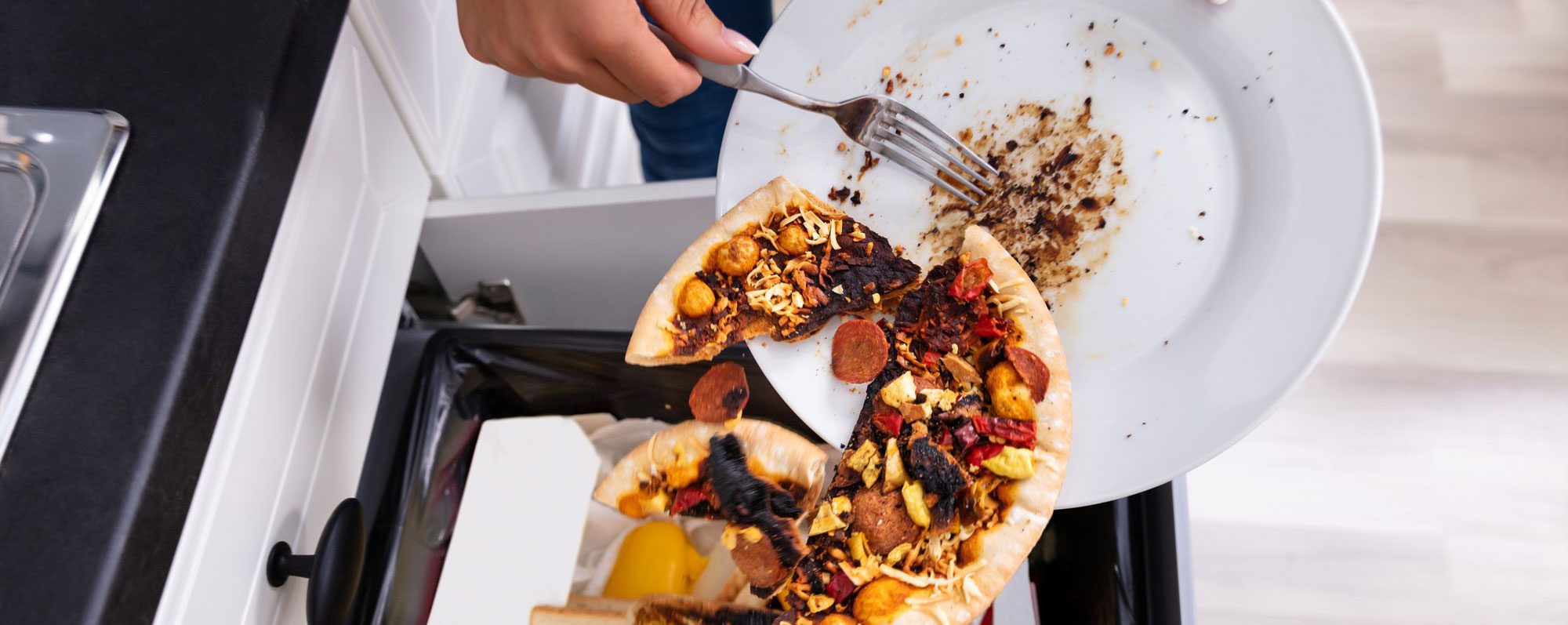
Every year, about 20% of all the food produced in Canada (11 million tonnes) is lost or wasted, according to Value Chain Management International (VCMI). Recent data collected from the foodservice industry (including restaurants, hotels and institutions), indicate 38% of produce, 21% of dairy, eggs and field crops, and 20% of meat products becomes waste.
Some estimates peg waste closer to 60%, or 35.5 million metric tonnes with a total value of nearly $50 billion annually. Nearly half of that, 11.2 million tonnes, is avoidable. That’s food that could have been eaten, but was instead landfilled, incinerated, or managed as organic waste.

Companies that are addressing the issue typically focus on food donation, and more are now identifying opportunities to reduce waste. In a 2019 survey of Restaurants Canada members, 98% reported they recycle and 77% track, compost or donate leftover food.
A 1% reduction in food waste can lead to the equivalent of a 4% increase in profits, according to VCMI.
| Before food is served, losses in the kitchen typically come from: |
|---|
| Food prepared but not served |
| Surplus inventory of ingredients |
| Inadequate storage |
| Post-consumer losses typically occur when: |
|---|
| Uneaten food is returned to the kitchen and must be disposed |
Second Harvest’s Food Rescue program connects foodservice operators with non-profits. It sets up networks between them to create mutually beneficial and sustainable uses for surplus food.
Top tips to reduce restaurant food waste
- Monitor sales and what customers most commonly leave on the plate to adjust the menu.
- Plate only what is needed and keep the rest properly stored so that unsold food can be donated to food rescue organizations.
- Watch portion control and use smaller plates if appropriate.
- Empower kitchen staff to be mindful of ways to reduce the food they waste during preparation.
- Design menus that cross-utilize ingredients.
- Rotate, label and date your stock.
- Monitor prep waste and watch for reuse opportunities such as day-old bread as croutons.
- Use seasonal and fresh and keep your ingredients moving.
- Tell your guests about your waste reduction initiatives and other ways you are striving to be more sustainable and environmentally friendly.


Too Good To Go: end restaurant food waste
Founded in Denmark in 2016 and now in 15 countries, Too Good To Go provides a marketplace using an app that connects consumers to restaurant operators and grocery stores with surplus food. It has launched in Toronto and is expanding across Canada.
Rather than throwing food out at the end of the day, items are packed by the businesses into surprise bags that are sold at one-third retail price, and consumers with the app come to collect them at a defined pickup window. The surprise bag approach addresses the unpredictable nature of food waste. It provides the flexibility to save any and all food, including prepared food and meals, that would otherwise go to waste.
“Operators win because they reduce food waste, drive incremental revenue from food items that would have otherwise gone to waste, and a new consumer in their doors.”
Sam Kashani, country manager Canada, Too Good To Go
“Operators win because they reduce food waste, drive incremental revenue from food items that would have otherwise gone to waste, and a new consumer in their doors,” says Sam Kashani, country manager Canada for Too Good To Go. “Consumers win because they get delicious food at great value and benefit the environment as we reduce food waste.”
By using the app, consumers discover their local neighbourhoods, find new spots to try, and can become repeat business, too. The company reports that 76% of Too Good To Go customers end up returning to make other full-priced purchases.
Once restaurants sign on to the platform, they gain immediate access through the MyStore Dashboard and can manage their surplus supply through any smartphone, tablet or computer. Too Good To Go handles all customer service and transfer of funds. The Too Good To Go app is available for iOS download in the Apple App Store and Google Play for Android.
Other helpful resources: to help you reduce restaurant food waste:
- Taking stock: Reducing food loss and waste in Canada. A June 2019 report from Environment and Climate Change Canada.
- B.C.’s Ministry of Environment and Climate Change Strategy has developed a Foodservice Food Waste Prevention Toolkit to support food waste reduction in the food service industry.
- The Avoidable Crisis of Food Waste is a report and roadmap compiled by Second Harvest and VCMI.
- Leanpath and Winnow Solutions offer a range of resources including software-based analytics platforms and smart weight meter technologies that are used by some Canadian foodservice providers to track and identify opportunities to reduce food waste.
- Leaders in Environmentally Accountable Foodservice offers programs that include evaluation for actions to reduce food waste in restaurants.
Breakfast for dinner? We can thank social media for popularizing this trend. A Twitter storm a few years ago helped McDonald’s Canada to decide that breakfast-for-dinner was here to stay.
And who were those tweeting customers? The Millennials, of course. Younger millennials in particular – also known as ‘trailing millennials’ – are changing the game in foodservice. An extensive ongoing tracking study by Ipsos Canada of eating habits of Canadians reveals that Millennials tend to eat “small meals through the day when it suits their needs.” Millennials seek food options that reflect their non-conventional lifestyle. According to the Ipsos study lead, “(Millennials) do things on their own time. They’ve never known ‘closed on Sundays,’ they shop when they want, they work – many of them – in situations that appease their need to have their own schedules.”
“(Millennials) do things on their own time. They’ve never known ‘closed on Sundays,’ they shop when they want, they work – many of them – in situations that appease their need to have their own schedules.”
Ipsos Canada
Foodservice operators – and not just the giants like McDonald’s – are taking notice and adapting to meet this expectation.
In Canada and the U.S., the Millennial Generation Y cohort is now as large as the Boomers, according to Statistics Canada. As a percentage of the labour force, GenY is already far and away the biggest group. These numbers speak volumes, and underscore the inevitability of demography in a “post-growth” 21st century.
In her book, “A Taste of Generation Yum: How the Millennial Generation’s Love for Organic Fare, Celebrity Chefs, and Microbrews Will Make or Break the Future of Food,” Eve Turow-Paul, herself a Millennial, spent close to four years interviewing peers, reviewing academic work, and talking to iconic foodies like the late Anthony Bourdain and Michael Pollan.

The genesis for the book was an observation she made while sitting in a college class. “One of the girls across from me was saying that there was a frozen yogurt place (that had) flavours that changed every day. She had the number on her phone and would call them every day to see what the flavour (du jour) was.”
This observation was the catalyst for her research. Her chief takeaways?
What?
Millennials are the most food-obsessed generation in history.
Newton’s 3rd Law states that for every action, there’s an equal and opposite reaction. After all of that screen time on their smartphones and other devices, it’s not surprising that Millennials are looking for something tangible, genuine, and sensory.
Why?
Generation Y is the product of the shock of colliding negative and positive factors.
The negative charges: political cynicism and sustained economic recession. On the positive side: ever expanding access to technology and information. The result is mixed and somewhat contradictory. Many studies have concluded that Millennials exhibit elevated rates of anxiety, depression, and even suicide. However, access to technology and social media provides Millennials with the sense of empowerment, community, and control they crave.
Now What?
Turow-Paul pulls no punches: “I think we need to make food something that Millennials want to be part of their brand. We need to make it hip. I don’t believe that this is a generation of people who just want to do good things; I think (Millennials) are self-serving and narcissistic. I think we’re really invested in branding ourselves.”
For Millennials, what and where they eat (or don’t eat) is as much a part of their identity as the social media sites they connect on. The labels Local, Organic, Gluten-free, GMO, Single-source, Bio-dynamic, Vegan, Cage-free, Paleo, Fair trade – have become powerful tags for this group.
Wondering how can your restaurant better engage with the Millennial tribe? There is no silver bullet. According to Environics Analytics, the group is extremely diverse. Beyond the “Living at Home” and “Left Home” divide, there are upwards of a dozen unique cultural, ethnic, educational, value, and economic archetypes among Millennials.

Millennials love their tech
The one commonality is technology. Smartphone ownership for Millennials is over 90% and significantly higher than for older Canadians. That’s why it is critical for restaurants to create an online presence where customers can easily find their menu.
All-in-one platform Sociavore helps independent foodservice operators manage their restaurant business online – from professional web presence to ordering, customer feedback, payments and analytics – so they can reach this tech-savvy cohort.
Top tips for foodservice operators to engage Millennials
- Make your brand their brand. Millennials are focused on personal brand-building. Try to make a connection between your offering and their personality.
- Work your social media channels. The Millennials are likely the most social media– and tech-obsessed generation.
- Consider your social conscience. Millennials are cause-focused, and they care about where their food comes from.
- Make it memorable. Millennials are looking for “experiential” eating. Touch, taste, appearance help to sell food to them.