
Give your customers the pleasure of slow food in this fast-paced world. Simple, yet sublime with infinite variety, this staple of kitchens worldwide brings comfort in every bite. Slow and relaxed, evoking an island state of mind.
Stew defines you. Ethnically diverse using cost-effective (and local) ingredients, stew can warm up your menu this fall and winter while at the same time keep your budget cool.
Love cooked into every bite
Yes, the love is in every serving of stew. You can smell and taste the memories – home, family, friends, meals shared. As one-pot wonders, traditionally using simple ingredients, stew is undeniably greater than the sum of its parts and a part of every nationality.
Find a stew that tells customers your story and transports them to happiness.
Philman George, corporate chef for High Liner Foods, has a life full of stew. “Every Sunday, my mother, who hails from the Caribbean, would prepare a one-pot stew. The house would smell so good, with aromatics like thyme and ginger root.”
Now, Chef Phil loves dry stew, a traditional West African dish, an influence of his wife, who is from Sierra Leone.
“It consists of taking a mix of vegetables and spices and cooking this mixture with roasted chicken legs and thighs until nearly all of the liquid has evaporated. What’s left is a rich paste that sticks to the chicken,” he says. As a fish and seafood-focused chef, he has adapted this stewing method and created a dry fish stew.
“Great care is taken to ensure that the seafood retains all its natural tenderness. I season and sear the seafood in cast iron and set aside. The vegetables, stock and aromatics are stewed down and seafood is added at the end. It’s big time comfort food!”
Chef Phil prides himself on fun, ethnic and approachable food. His goal is to place craveable seafood on your menu and generate more profit through the “Heart of the House.”
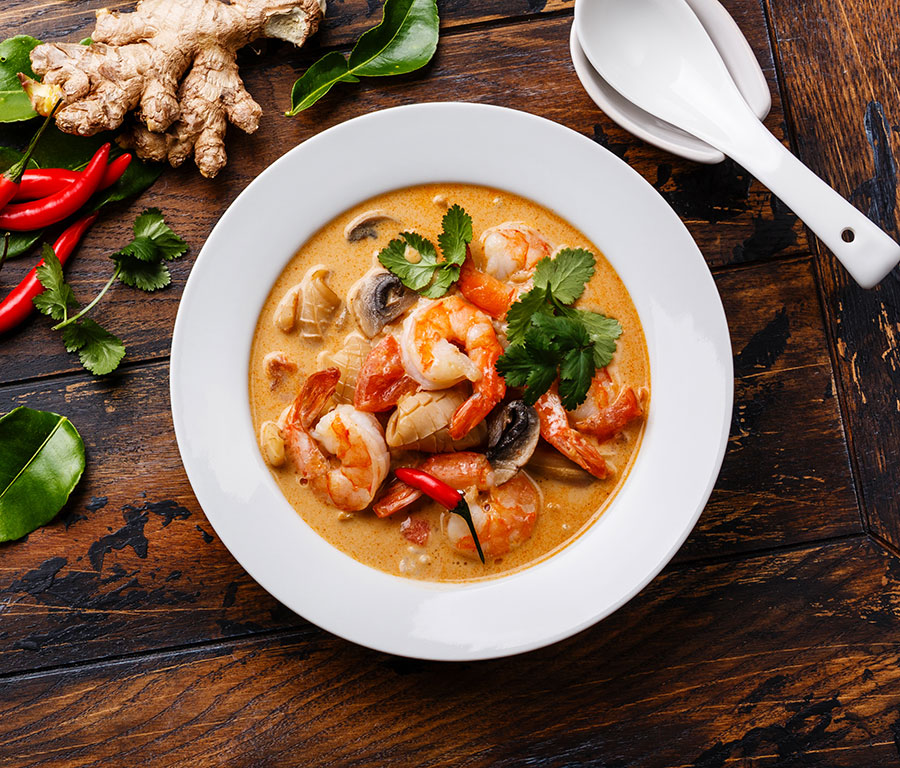
“Every culture has their version of stew. In Canada, especially on the east coast, chowders are our seafood stew! High Liner has some delicious stew recipes using cod and PEI mussels.”
Philman George, corporate chef for High Liner Foods
“Every culture has their version of stew. In Canada, especially on the east coast, chowders are our seafood stew! High Liner has some delicious stew recipes using cod and PEI mussels.”
As he says, “Stews are the go-to bowl for winter and fall.”
Stir up some fun with innovative approaches
“All ethnic stews can find a place on cold weather menus, when there is a focus on a single stew. There needs to be a story behind it – where the recipe comes from or a signature ingredient or cooking method the chef used to make it stand out,” says James Keppy, national culinary manager foodservice at Maple Leaf.
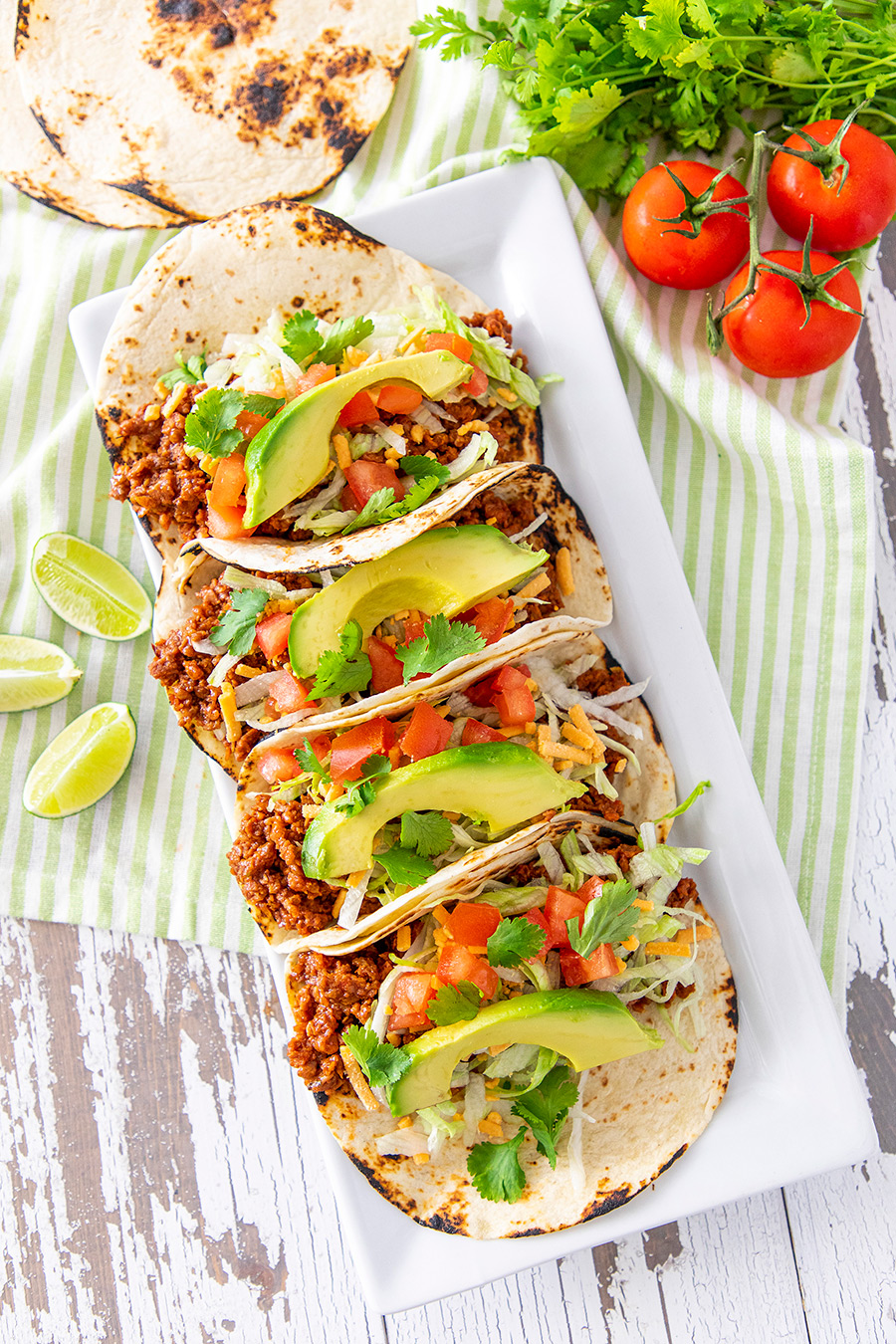
A favourite of his is a Mexican-Style Chicken Stew with chicken thighs, black beans, tomatoes and hot sauce, finished off with sour cream and tortilla chips.
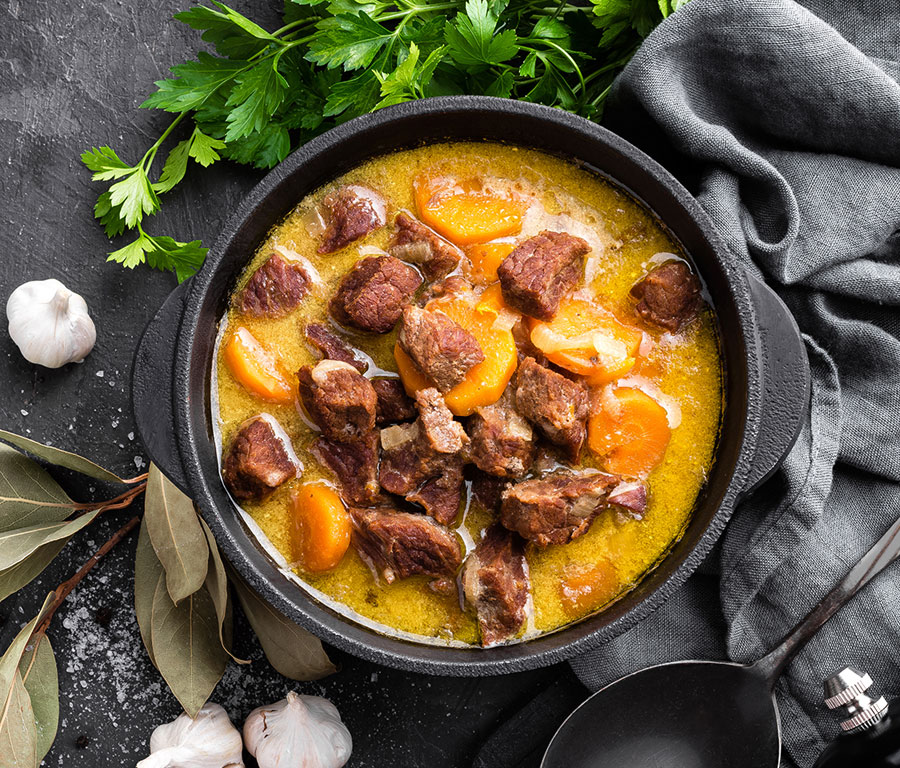
“All ethnic stews can find a place on cold weather menus. There needs to be a story behind it … to make it stand out.”
James Keppy, national culinary manager foodservice at Maple Leaf
Coaxing flavour and tenderness from underappreciated cuts is the real magic of stew, he says. “Using raw boneless, skinless chicken thighs and the pork cuts from the shoulder are cost-effective options for a great stew,” the chef reminds us.
Mix and match flavours and ingredients
Definitely not a thing of the past, a stew session using ingredients and flavours which do not regularly play together or crossing ethnic boundaries will create a unique stew that tells your story. If you do it right, it may even transport the ingredients to a new, undiscovered place.
Plant-based proteins will continue to drive menus. Maple Leaf’s au naturel! line of products and their Lightlife Plant Based Burger and Grounds deserve a place on your stew menu. Good for you, your customers and the planet – and distinctly on-trend.
“Maple Leaf also offers turkey breasts, pulled pork and beef, and sausages (Oktoberfest, Mediterranean, Andouille and Spanish Chorizo) for non-traditional twists to a stew,” adds Chef James.
With infinite protein, vegetable and spice combinations, there is a stew that is right for you and your customers. You will run out time before you run out of ideas!
Stew tips
- Think frozen. With the increasing number of dietary requests and restrictions, you may want to stew up delicious solutions that can be at the ready in the freezer. Simple additions like a hazelnut parsley gremolata add a punch of freshness and detail your customer appreciates.
- Go beyond the bowl. Elevate your stew with a puff pastry topper, drop in some signature dumplings or pull out a vegetable and showcase on top. Present with artisanal breads (great for getting every last morsel), mash, steamed grains, polenta or pasta. Or when in doubt, serve with more veggies.
- Consider the upsell. “Remember that shrimp is the most consumed seafood item in Canada. So, no matter what stew you’ve made in your establishment, upsell that stew with the addition of shrimp,” says High Liner’s Chef Phil.
Your time-starved kitchen deserves a break. Stew, a hands-free, budget-saving option that tastes even better the next day is the perfect solution. Don’t you worry about a thing, because in a stew, everything is going to be alright!

Try veggies (and fruit) first
Stews can showcase delicious locally available ingredients throughout the fall and winter months. Creatively choose seasonal options and design a stew around them, maybe a specific farm-focused flavour profile.
Customers increasingly crave food transparency, even for their fruits and veggies. Why not choose your veggies and fruit first? For instance, the humble rutabaga (not the same as turnip) soars out of obscurity in a spice-drenched Tagine.
Fruits deserve a spot in the pot, too. Apples, peaches, pears and plums add sweetness and a native flavour. How about Rhubarb Koresh, for instance? A fruit stew is a new approach to the dessert menu in the colder months.
Using seasonal vegetables and fruits in stew makes sense – and cents – cost-effective, locally sourced, with a twist on the flavours of home. Keep customers coming back for seconds and thirds.
Go global with your stews!
| Bredie Paprikash Bourgignon Irish Babotie Ratatouille Pot au feu | Chili Stroganoff Daal Feijoada Goulash Gumbo | Pozole Tagine Waterzooi Bo Kho Stifado Chowder |
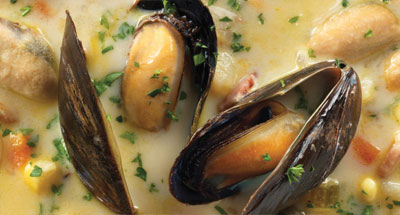
Hearty Mussel Chowder
Taking customers back to a simpler time through bites on your menu can bring very up-to-date new dollars to your bottom line. Whether it is fallout from dealing with COVID for way too long, or Canadians generally longing for the times in our lives that felt easier and safer, a quick trip down memory lane is, increasingly, through our tastebuds. But rest assured, you don’t need to completely revamp your menu to add some retro flavour.
For some, it just takes a phrase – cruising the strip on Friday night. For others, just a word – fondue. A few music notes might be all it takes. Or it might even just be an ingredient – maraschino cherries. All evoke memories of simpler, less COVID times.
Give your customers a moment in time, their time. The demographic of your guests will determine which decade or decades your menu (and bar) additions could play in.
Add a little retro to your restaurant menu
When it comes to food, retro is not necessarily about the flavour or taste. Retro is about the feeling that menu item or ingredient or style of presentation evokes.
No need to fully commit. It doesn’t have to be the whole menu or even an entire meal.
Sprinkle some memories all over the menu – a devilled egg here, a jellied salad there, Tequila Sunrise at the bar, Black Forest Cake for dessert. It doesn’t take much to add retro chic to the vibe.
Sprinkle some memories all over the menu – a devilled egg here, a jellied salad there, Tequila Sunrise at the bar, Black Forest Cake for dessert. It doesn’t take much to add retro chic to the vibe.
If you can’t decide or have a smorgasbord of ideas you want to try out, retro options lend perfectly to LTOs. They are time offers, after all. So, take a spin through the decades until something clicks – with you and your diners.
“Make mine retro” is an approach that might appeal to guests who love customizing their meals. They still get to order their favourite dishes from your menu but can give them a retro spin with a selection of add-ons – devilled eggs, scalloped potatoes, layered jelly, vegetable croquette.
Share the memories
Sharables bring people together. Adding some menu items that start conversations about the good ole days will fill your customers’ cravings for delicious comradery.
Retro night – change the music, adjust the lighting, make a few menu additions and you are ready to go. Pick a decade and jump all in or cycle through the decades each week.
Involve your guests – costume contest, trivia, vote for favourites (song/music artist, movie, tv show, fashion). Everyone is yearning for events, involvement and new experiences.
Take the 1950s, a very evocative decade. Change your music selection to Elvis, Frankie, Dean, maybe even a little Johnny Cash. Brighten the lighting and give your waitstaff a bandana (hair, neck or back pocket).
1950’s Menu Ideas
- Cocktail Hour – Manhattans and Sidecars, Stuffed Celery and Shrimp Cocktail
- Salad – Jellied Salad and Three Bean Salad
- Main – Chicken a la King in Puff Pastry
- Dessert – Chiffon Cake or Pineapple Upside Down Cake
How about shareable options? Platters or even retro flights. Pick a decade or offer a selection of items spanning decades. A retro flight could be used to travel the decades one bite at a time – bar selections, appetizers and desserts are a great fit for a trip back in time.
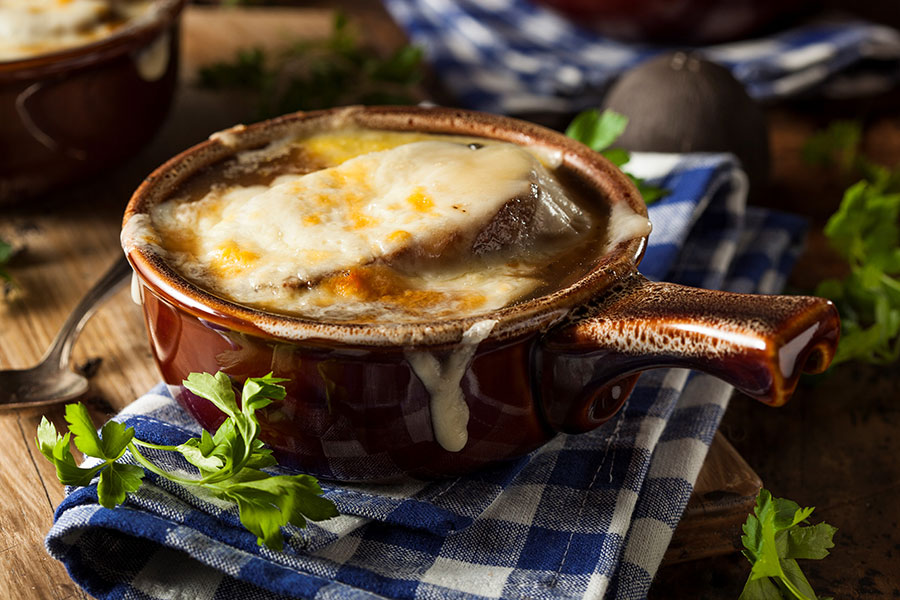

Try retro-fitted upgrades in your restaurant menu
Bringing a recipe back from the past to meet current trends while pleasing the nostalgic palate is a smart approach.
Do you remember hoping your mom would order French onion soup when you were a kid? That drool-worthy soup would arrive at the table, with broiled cheese melting generously over the side of the ovenproof crock. Remember impatiently waiting for it to cool enough to get that first extra cheesy bite, even suffering through a piece of onion?
You likely aren’t the only person with fond memories of this starter.
Sure, you can keep it classic, if that suits your brand. But consider giving it an upgrade to make it yours – stand out from the crowd. It doesn’t take much.
How to adapt your restaurant menu:
| Current Trends | How to Adapt |
|---|---|
| Vegetarian | Swap beef broth with vegetable broth, swap traditional gruyere with a smoked cheddar for a deeper flavour profile |
| Plant-Based | Swap out beef broth, use a plant-based fat to caramelize onions, add mushrooms to increase the umami flavours |
| Gluten-Free | Swap out bread for gluten-free options – bread or buns, first toasted before adding to the soup will keep their shape |
| Dairy-Free | Swap out cheese for non-dairy cheese product that has good melting properties |
| Healthy | Cut the amount of fat used to caramelize the onions, add more vegetables, shredded carrots, and cabbage, even some crushed tomatoes; slice bread thinner and use shredded cheese to get more spread, using less product |
| Customizable | Offer customers a choice of cheese (old cheddar, gouda, swiss, gruyere or a blend), serving size, extra onions, double the croûte |
| Local | All the ingredients for this simple yet rich soup are available in Canada |
| Simplified Prep | Heat ready-to-use onion soup, toast bread slices, top with pre-shredded cheese broil and it’s ready |
Whether you call it retro or nostalgic, it all comes down to comfort and remembering a time when things felt happy and right… When we were all younger and lives seemed simpler, easier and safer. All it takes is one bite to bring back the flavour, fun and fondness. It might be so popular that old school becomes new school.
Although it seems the odds may be against foodservice operators these days, winterizing menus with layered dishes can stack the deck back in your favour.
James Keppy, Corporate Chef for Foodservice for Maple Leaf Foods, wholeheartedly agrees.
“While layered entrées fall into the popular comfort food category, the important note for operators is that they travel well, hold their heat for delivery and can also be prepared and sold unbaked for customers to finish at home.”
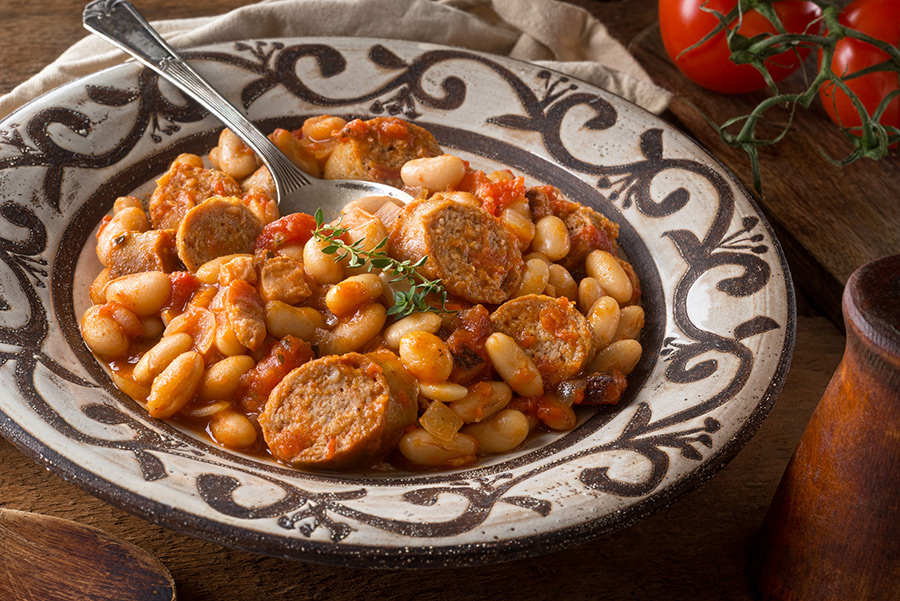
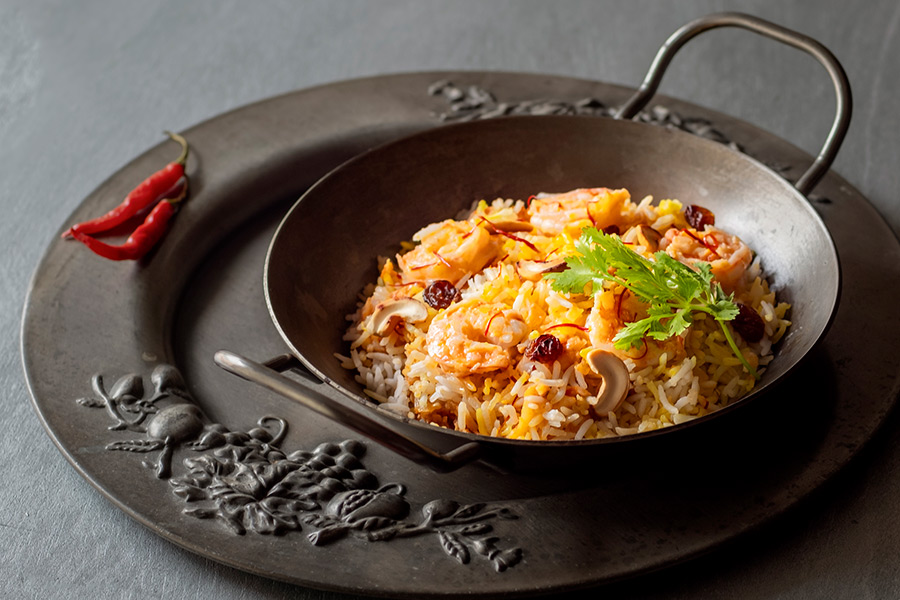
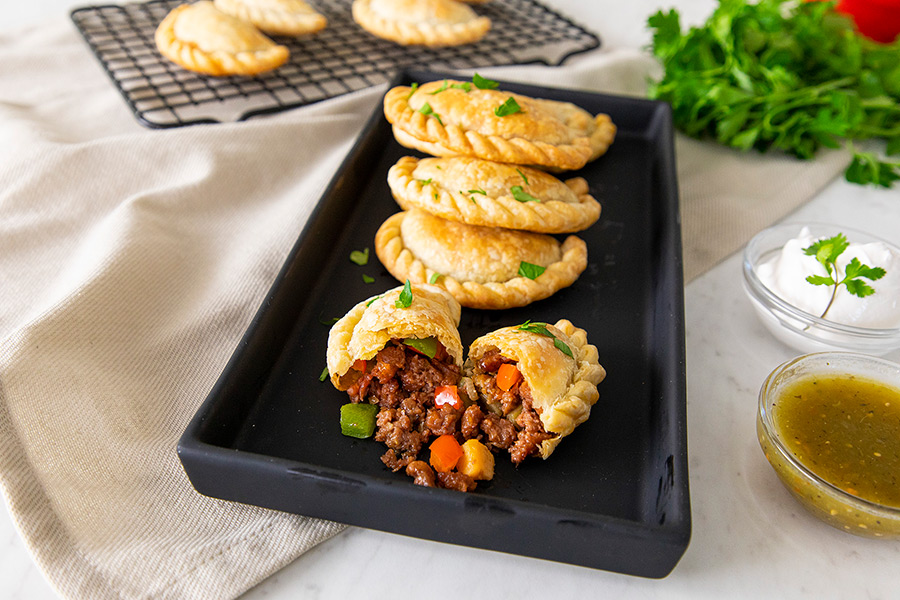
With layered dishes like shepherd’s pie, moussaka, biryani, pinon, cassoulet and chilaquiles (or sweet layers like tiramisu, fruit cobblers and parfaits), you can fortify your menu against the bracing storm.
Shuffle your ingredients
Canadian chefs have an amazing hand of ingredients to work with. With a simple shuffle, operators can pack and pile and heap and mound flavours to satisfy their customers’ cravings. Typically prepared in advance with cost-effective ingredients and sometimes even leftovers, layered dishes are convenient for operators yet a comforting and delicious choice for customers.
Comfort and classic mean different things to everyone. Take shepherd’s pie for instance: for some it can only be made with lamb, others only beef, and yet others are enamoured with just the idea of shepherd’s pie — saucy protein on the bottom, vegetable and root vegetable purée on top.
“The great thing about shepherd’s pie and all the other nationalities’ versions is that the ground beef can now be substituted with several equally good options. Where ground lamb was often replaced with ground beef, now we can suggest plant-based LightLife grounds and Field Roast Italian Sausage Crumble to offer flavourful ingredients for a traditional recipe. These can make for a vegetarian or vegan option of your dish and therefore making it available to more customers.”
Remember to go beyond just changing the protein. Vegetable combinations for the middle and unique mashes and purées for the top can elevate your stacked dishes and showcase the talents of your kitchen. Or take your dishes for a spin around the world to dazzle your customers’ tastebuds.
Shepherd’s Pie Variations
| Cuisine | Protein | Vegetable | Topping |
|---|---|---|---|
| Classic | Lamb | Carrots | Mashed Potatoes |
| Canadian (Cottage Pie) | Beef | Corn | Masked Yukon Gold Potatoes |
| Vegetarian | Lentils & Mushrooms | Carrots & Peas | Butternut Squash Mash |
| Vegan | LightLife Ground | Zucchini & Carrots | Cauliflower Mash |
| Indian | Chicken & Chickpea | Peppers & Green Beans | Spinach and Potato |
| Tex-Mex | Beef & Black Bean | Corn | Sweet Potato |
| Moroccan | Lamb | Tomatoes, Carrot & Celery | Sweet Potato |
Try plant-based
Plant-based is a big deal that’s here to stay. Whatever the reason — health, preference, ethical, religious or environmental — your customers are asking for more options. But, at the same time, they won’t compromise on taste.
The simplest approach is substitution. If up to now you’ve been a protein-centred establishment, take advantage of all the vegetarian options available.
“LightLife and Field Roast products include a varied list of plant-based products to use in your operation.”
James Keppy, Corporate Chef for Foodservice for Maple Leaf Foods
Keppy tells us, “LightLife and Field Roast products include a varied list of plant-based products to use in your operation. Grounds, sausage crumble, sausage patties, burgers, non-dairy cheese, hot dogs, pepperoni and chicken nuggets to start.”
Maple Leaf has made it straightforward and can add more plant-based options to your menu way beyond winter comfort foods.
“LightLife grounds look and cook the same as ground beef. They can be used to make meatballs, lasagnas and bolognese as well as allowing chefs to make their own signature dishes.”
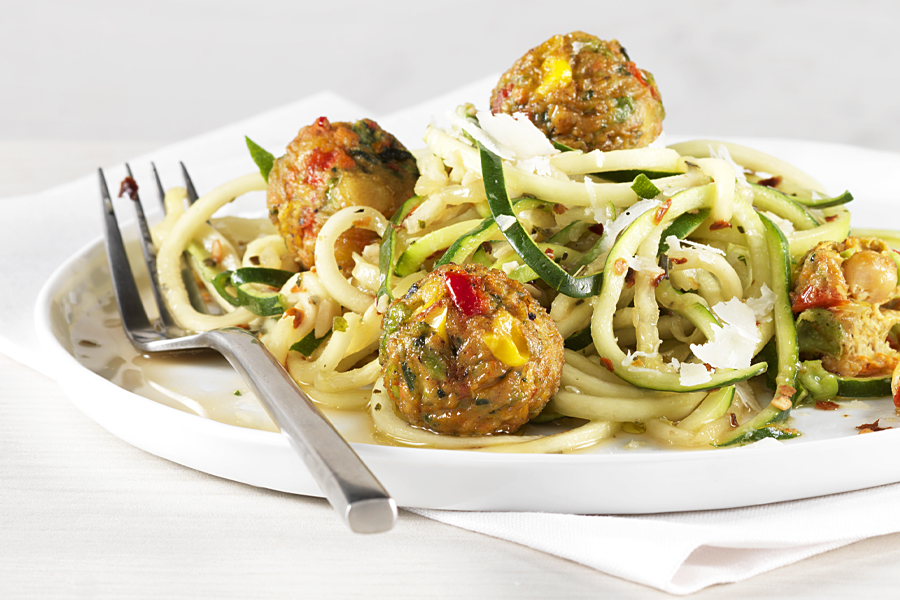
Traditional to Plant-Based
- Chicken Biryani → Chickpea Biryani
- Beef or Lamb Moussaka → Lentil Moussaka or LightLife Beef Moussaka
- Pinon → Black Bean Pinon
- Cassoulet → LightLife Sausage Cassoulet
- Chilaquiles → Vegetable Chilaquiles
Wild Card
It’s difficult to know what to expect this winter (not just talking about the weather), but one thing you can do is offer comfort through food using these winter favourites. As Maple Leaf’s Keppy said, no matter where your customers are dining, layered foods travel well for those picking up, are excellent for delivery, and also the option of selling unbaked for customers to bring warmth (and delectable scents) to their own kitchens.
At your table or theirs, play your stacked dishes and stack more of the odds in your favour.
As Canadians add layers to ward off the elements, they also crave menu options with added layers. Flavour, warmth and comfort are naturally built into layered foods and should feature on cold weather menus.
Enzo D’Adamo, sales and marketing director for foodservice at Grisspasta, agrees.
“Customers are looking for heartier meals when the temperature drops, and of course, pasta is one of those heartier dishes. Pasta dishes come back into vogue and should be prominent on winter menus — layered products like lasagna, stuffed cannelloni, filled jumbo shells, and macaroni casserole.”
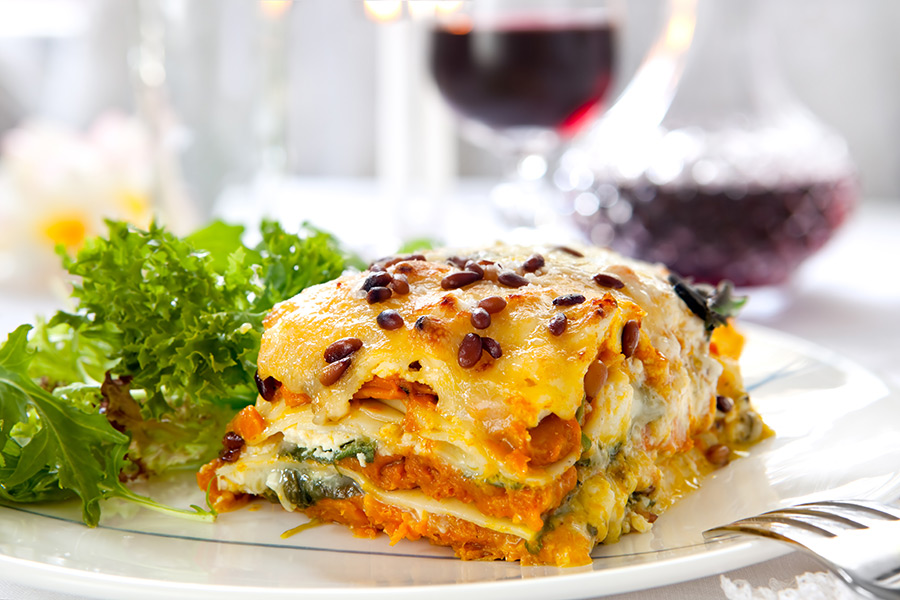
Strong foundations to build on
Quality ingredients are paramount to build strong foundations. For pasta, that means using ingredients grown in Canada and manufactured in Canada.
“Lasagna, by far, is my favourite quintessential cold weather layered food,” says D’Adamo.
“For an operator, lasagna covers all the bases. It can be made well in advance, has great portability and longevity. Lasagna thaws and reheats to serve while maintaining great taste and texture profile. Lasagna is a no brainer for operators.”
Grisspasta is well known for lasagna in the industry and offers many types (10″, 20″, thin-style, oven ready). With products packaged for foodservice — 10lb box with 4 x 2.5 lb individually wrapped packs to maintain integrity of the product — this family-owned company always puts quality first.
D’Adamo reminds us that “pasta remains a favourite and has become even more so in our desire for comfort throughout the pandemic. Pasta lends itself to so many possibilities, is delicious and nutritious.”
Benefits of layered pasta dishes
- Time savers – making ahead and in large quantities
- Outdoor patio friendly — portioned and baked in ceramic, these dishes retain heat
- Infinite combinations — easily tweaked to fit season
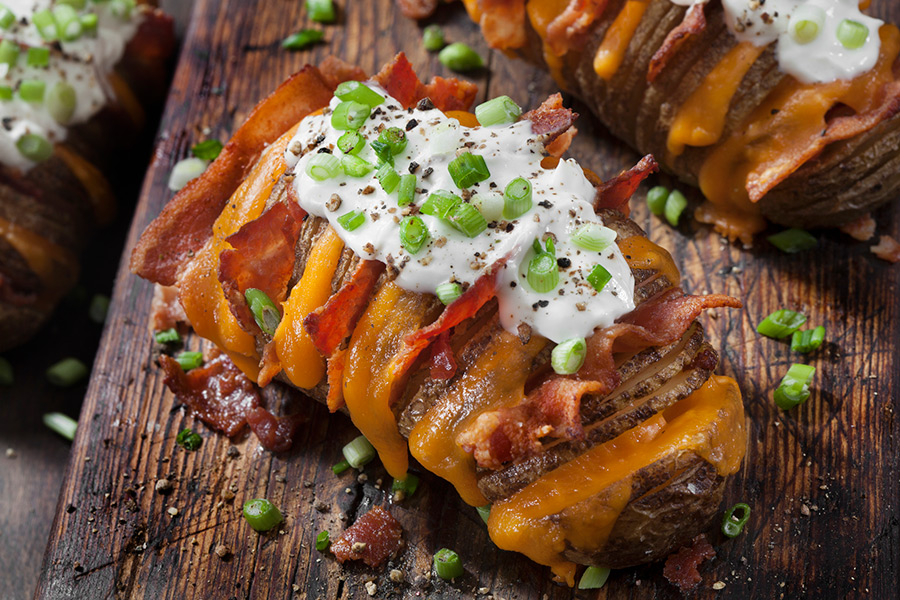
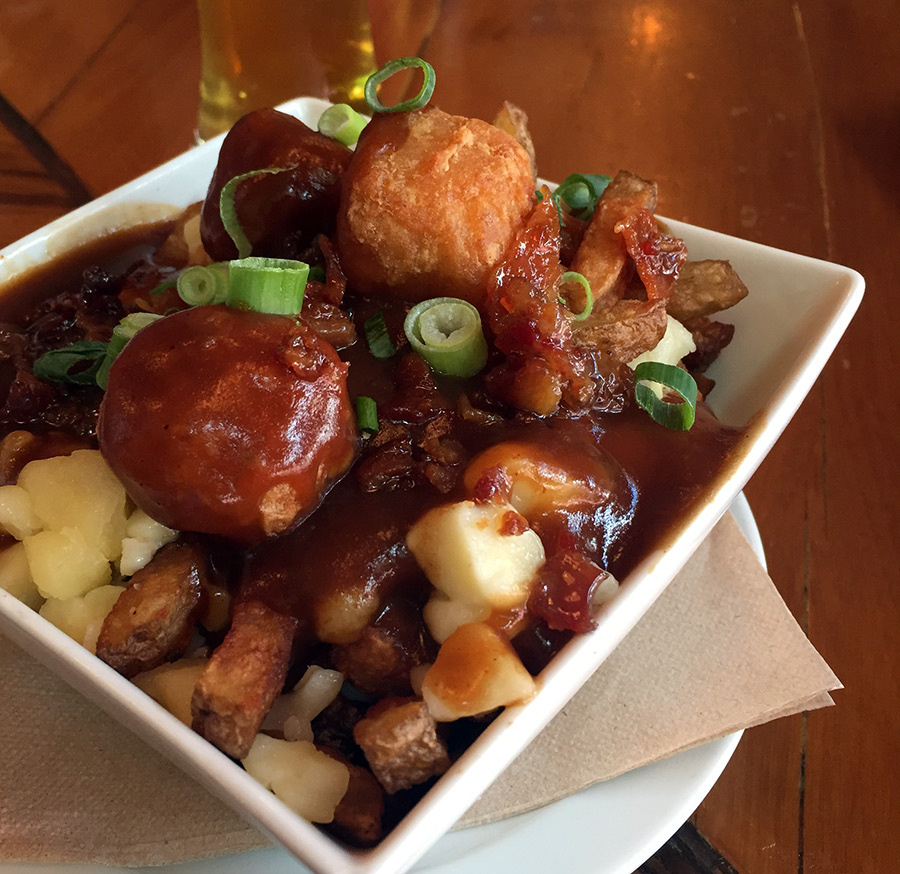
Towers of strength
Holding it all together is key to visually appealing layered dishes, whether open portioned or contained. Using an ingredient that provides strength but also brings flavour is a bonus.
“When I think of layered foods, I think of premium food, quality ingredients, taste variety and appetizing visual presentation — lasagna, casseroles, premium sandwiches and layered desserts,” says Steve Hutchinson, VP of marketing for foodservice, ingredients & export for Lactalis (Parmalat).
“Don’t underestimate the versatility of dairy in layered foods. Dairy is a fantastic ingredient. Cheese (hard, firm and soft varieties) is a great ingredient for taste variation and functionality (feta, fresh mozzarella, aged cheddar, etc.).”
And don’t count out cottage cheese, cream cheese, yogurt and whipping cream when assembling layered creations both sweet and savoury.
“When I think of layered foods, I think of premium food, quality ingredients, taste variety and appetizing visual presentation — lasagna, casseroles, premium sandwiches and layered desserts.”
Steve Hutchinson, VP of Marketing for Foodservice,
Ingredients & Export for Lactalis (Parmalat)
Building bridges (of flavour)
With a foundation of pasta and the strength of dairy, building hearty, quality layered dishes to winterize your menu is easy. The tricky part is choosing the combination that tells your story.
“Simply put, layered foods are a great way for operators to showcase their chef’s expertise and recipes that highlight their point of difference from other establishments,” says Hutchinson.
Customers’ flavour expectations are worldly. Yes, they love classics but they also desire more global mash-ups.
- Lasagna alla Bolognese → Butter Chicken Lasagna
- Spinach and Ricotta Lasagna → Harissa Roasted Vegetable Lasagna
- Pasta with Tomato Sauce → Pizza Pasta Skillet
- Greek Pastitsio → Southwest Style Pastitsio
- Classic Mac & Cheese → Chickpea Masala Mac & Cheese
Stack up layers and flavours to comfort customers and warm up your menu this winter.
Grisspasta/D’Adamo’s top lasagna tips:
- Never over-cook your lasagna. Stop cooking a minute or two before reaching al dente.
- Allow for rethermalizing. You also will have a product that resists breaking during assembly.
- Don’t use oil to separate pasta or lasagna sheets; oil will create a barrier on the pasta that will encourage the sauce to slide off.