
These questions don’t just apply to clothing, personal care products, and the latest bestsellers. They also apply to the foodservices industry. Being aware of applicable trends going into the new year will help restaurant owners make their customers’ experience so special that they will want to return often.
Below are what Technomic foresees as foodservice trends for 2023:
Financial Concerns
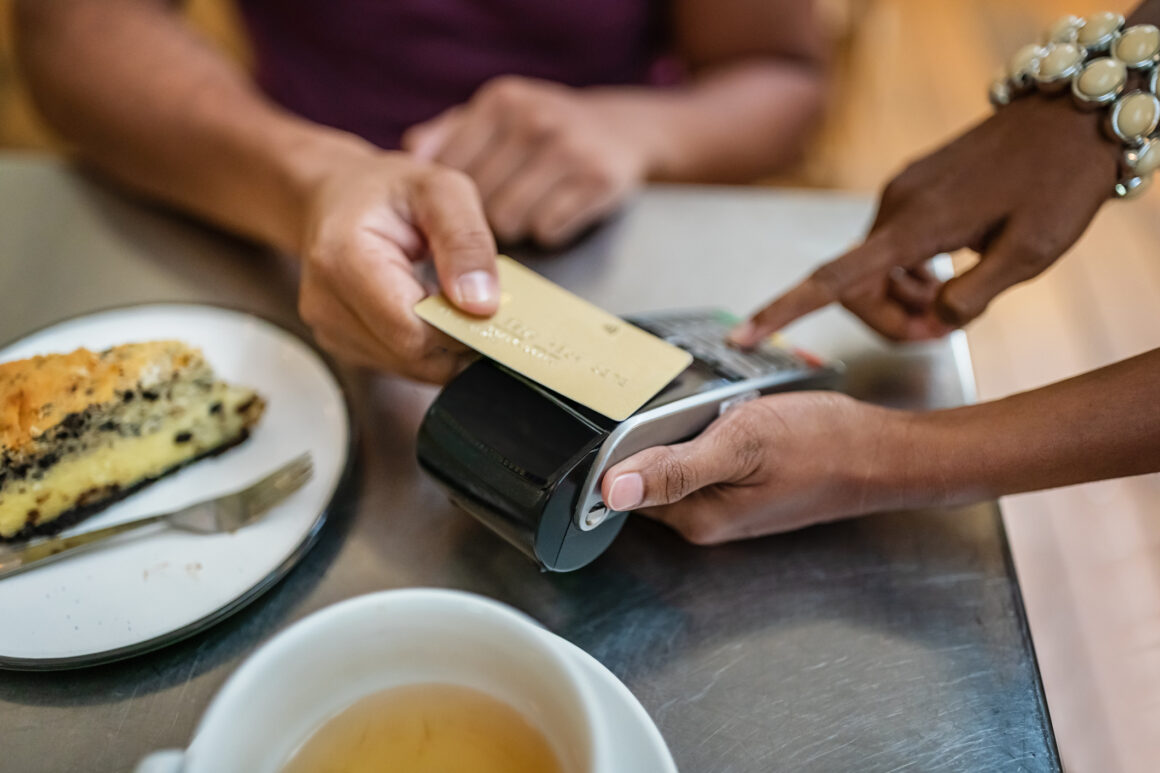
Because of current economic concerns, 58% of consumers are more cautious about eating out and 44% will no longer make impulse visits to a restaurant. Restaurant owners will want to keep this in mind when making decisions for the year ahead.
Social Highlight
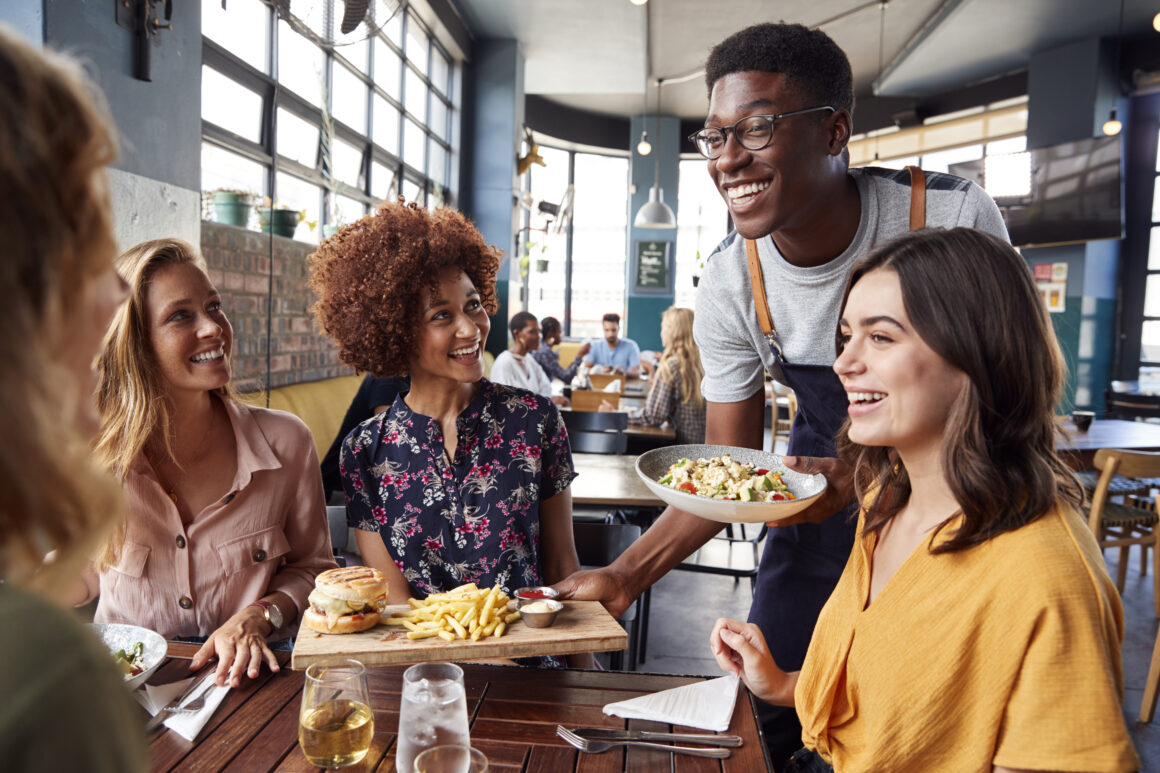
While the above statistics are of concern, there are statistics from the third quarter of 2022 that are encouraging. 71% of those surveyed indicated they enjoyed the social aspect of eating out and 65% said it was one of their favourite activities to do with friends. Restauranteurs who make their customers’ experience especially enjoyable will increase the likelihood of family and friends continuing to gather at their establishments.
Beyond the Social Aspect
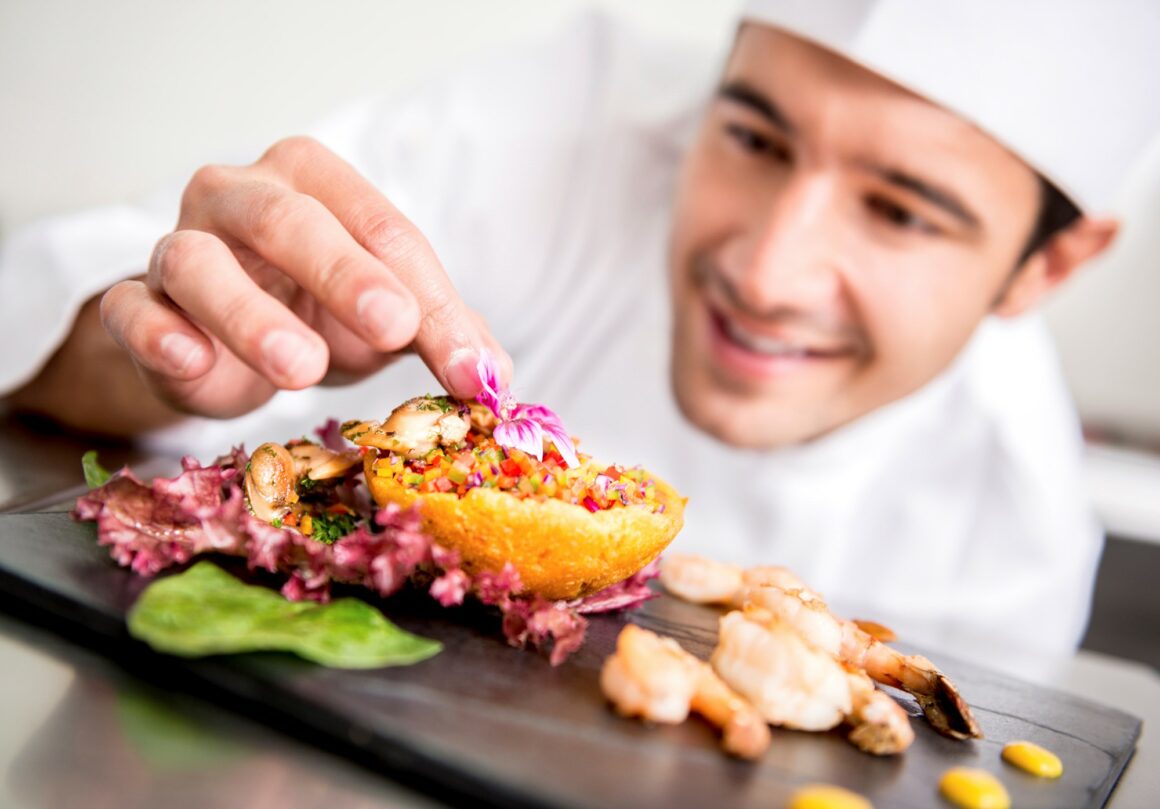
Customers also consider the following elements important to an enjoyable restaurant experience: the use of premium ingredients, the use of fresh ingredients, and appealing flavours. Gen Zers and Millennials in particular pointed out the importance of the following: knowledgeable staff that pays attention to the fundamentals and good value with quick, high-quality service.
The Use of Preserved Foods
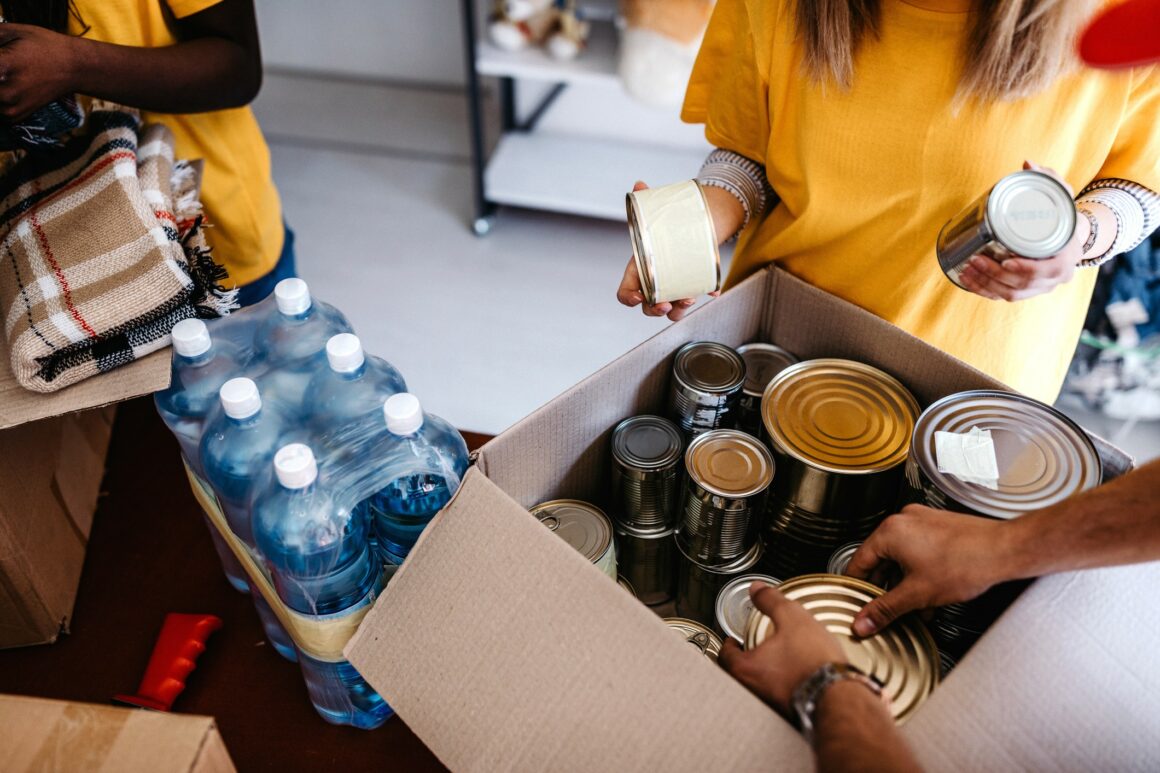
Research indicates there will be more preserved food on restaurant menus. Preservation methods will include pickling, fermenting, dehydrating, and freeze-drying. Stocking these foods when available will lessen supply chain issues, as they can be kept far longer than fresh ingredients. Restauranteurs will want to keep an eye on these trends in the coming months: fermented beverages other than kombucha (i.e.: the fermented sugarcane spirit cachaca and the Japanese fermented rice drink amazake) and global pickled or fermented condiments (i.e.: the Indonesian fermented kasundi sauce and the Indian pickled amba condiment).
Return to Physical Menus

While we rely on technology in virtually every aspect of life, a vast percentage of customers (82%) prefer a physical menu. More than half of restaurant-goers find the QR code menus lessen their dining experience. This is something restaurant owners will want to take into account when finalizing their 2023 budget.
Rewarding Loyalty

Loyalty programs keep customers coming back. 41% of Gen Xers actually prefer to visit restaurant that offer such a program. This is a good time for restaurant owners to brainstorm what type of program they could implement if they don’t already have one in place.
Food Items from Down South—Way Down South
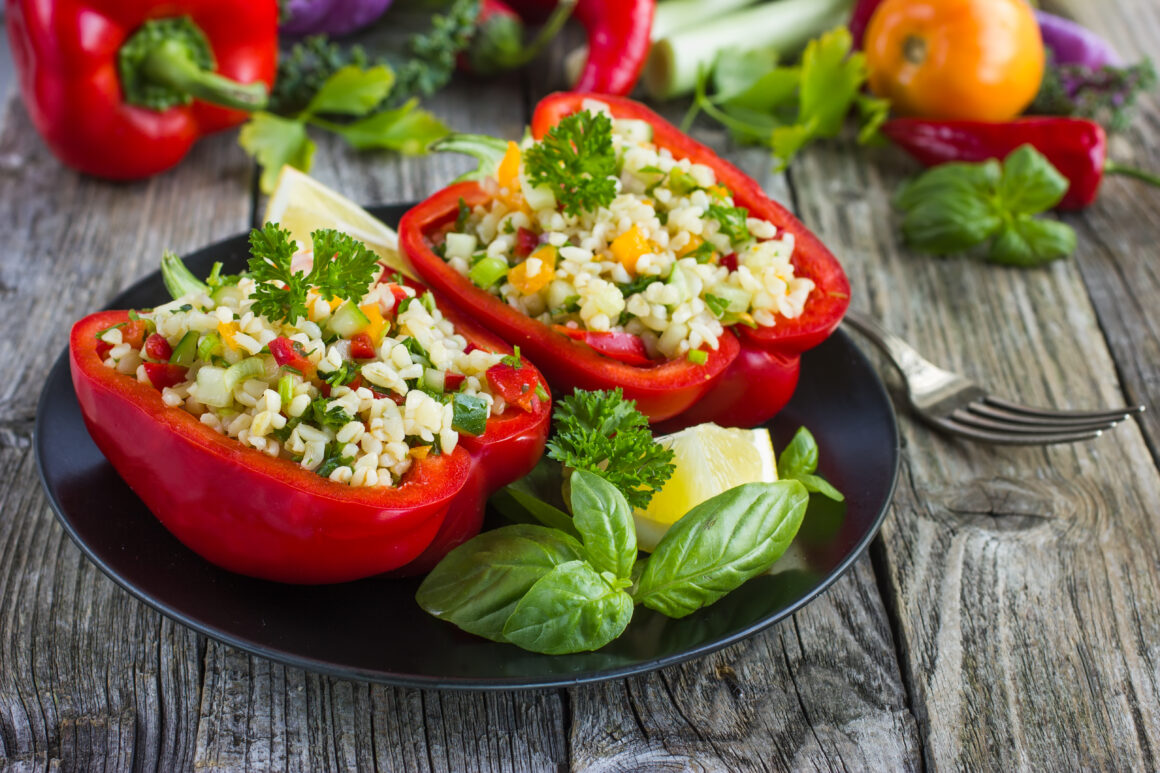
Canadian operators are looking for inspiration beyond the U.S. and Mexico. In particular, they are looking to food options from Central America and the South American Andean states. These are just three of the dishes with a southern flavour: quesadillas made with refried beans, cashew cheese, coconut crema, charred corn salsa, curtido, and sprouts, all served on flatbread; jerk cauliflower made from apple puree, wasakaka, and toasted coconut; and Honduran baleadas, flour tortillas with grilled flank steak or spiced sweet potato, scrambled eggs, refried beans, cotija cheese, avocado, and lime crema.
Health-Consciousness
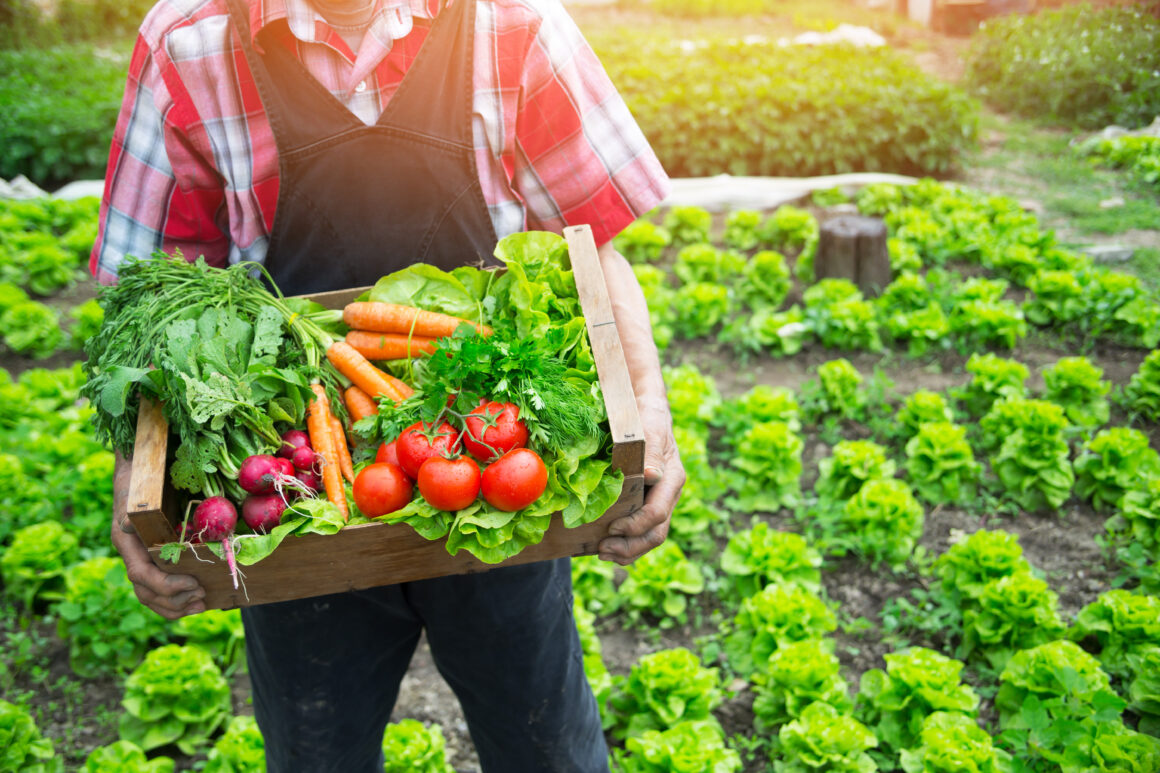
Restaurant owners will want to keep the following preference in mind: the desire for fresh offerings made from scratch, using locally sourced, preservative-free ingredients. Customers want their food to be “clean, natural, and real.” Many also want it to be low-calorie, low-fat, and low-salt.
So Much to Think About
Restaurant owners face many challenges for the year ahead. In summary, the experts at Technomics recommend going back to the basics, balancing the old with the new, and adding new and quirky styles and cuisines.
The past two years have brought unforeseen challenges to the foodservice industry, leaving many operators scrambling to adapt. Check out the Canadian Foodservice Trends for 2022 to see where Canadian foodservice is going, what consumers are craving, how operators are continuing to pivot, and what successes they might see in 2022. Will this be the make-it-or-break-it year?
Menu Pivots Support Supply Changes

Persistent supply chain issues will inspire creativity and require flexibility in 2022. Almost a third of foodservice operators surveyed (29%) will raise menu prices by 5% or more over the next twelve months so exploring new ingredients or innovative menu pivots is key moving forward (Source: Restaurants Canada Q2 2021 Outlook Survey) Specifically, quirky preparations of familiar ingredients will allow for exciting menu additions without new SKUs—think pickled apples, candied garlic or salt-baked root veggies to impart new flavours and/or textures while, in some situations, even extending shelf life.
Inventiveness with favourite fare will also help operators stand out such as global sauces and ingredients on classic dishes and less-traditional cuts of meal that are more economical, chicken thigh vs chicken wing.
Stat: Chicken Thighs have seen a 39% increase in menu mentions over the past year
Source: Ignite Menu data, Q3 2020 – Q3 2021
All Buttered Up
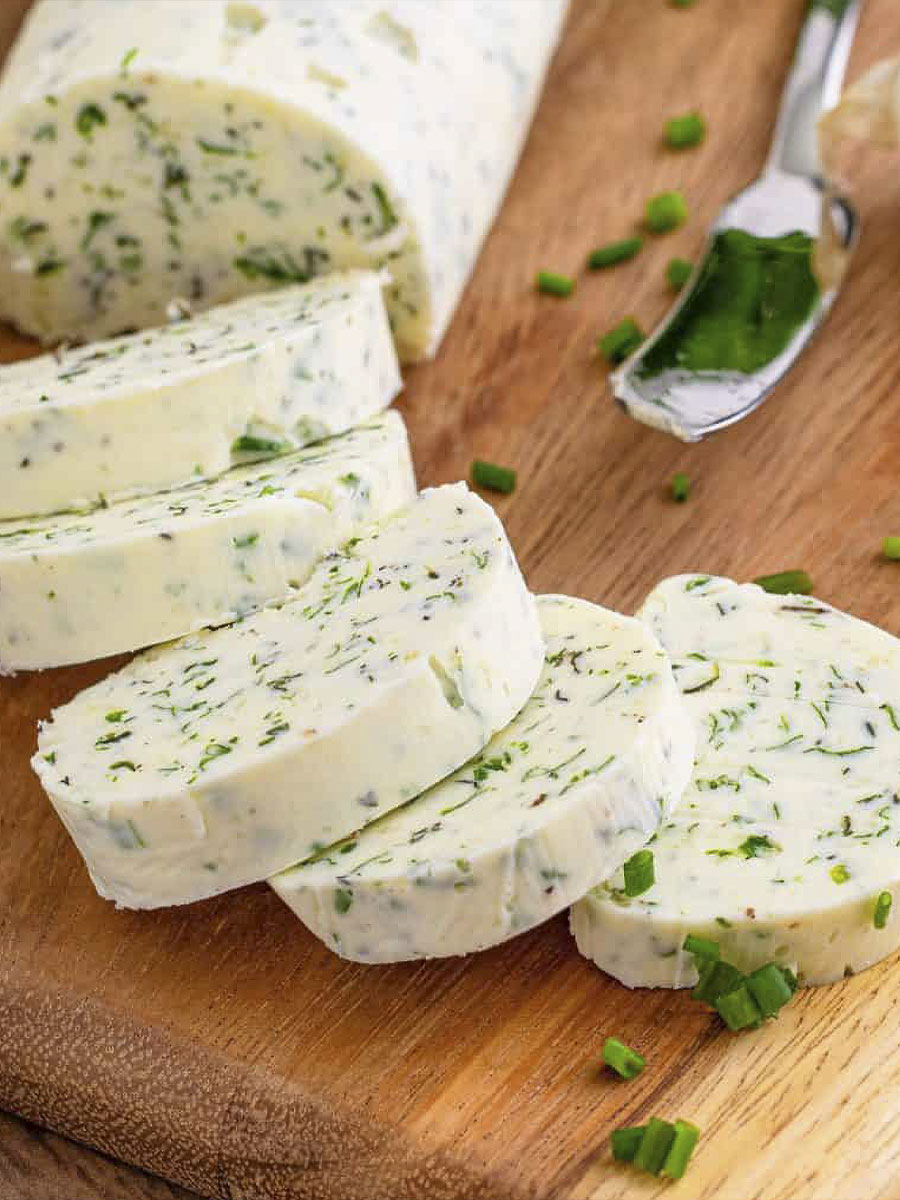
As the comfort food trend surges on, many foodservice operators will turn their attention to butter, a staple ingredient in most kitchens. Flavoured butter will be grounds for culinary experimentation, ranging from umami-rich kombu or yeast butters to cocktails featuring herb-infused and browned butters.
Other buttery ingredients such as buttermilk, buttercream, butterscotch and ghee/clarified butter will gain attention. Elevated versions and applications of nut butters will also continue to grow in conjunction with the plant-based trend, with pistachio and macadamia butters finding momentum, and peanut butter making headway in new directions, such as on burgers or in cocktails.
Stat: Buttermilk is on 14% of operator menus and about 2% of operators menu butterscotch or clarified butter
Source: Ignite Menu Data, Q2 2020-Q2 2021
The Breakfast Boom

The crisis may have prompted some chains to cut back on breakfast over the past year, but the daypart is poised for a big bounce back in 2022. With recovery scenarios on the horizon, consumers are settling into a less-disruptive reality, one in which some are fully homebased, while others head back to the workplace. And – crucially – kids are going back to school campuses. For many, sourcing a morning meal from a restaurant is once again a part of the routine.
Expect chains to employ subscription deals, multiperson bundles, product innovation and amped-up marketing to capture morning traffic and establish loyalty. We’ll also see the return of 24/7 breakfast offerings as well as new competition from casual dining in the form of morning-only virtual brands and later-day breakfast options.
Eggs are perfectly suited for a post-pandemic slot in the limelight – simple, universal, craveable, adaptable, suggestive of new beginnings. Eggs also create opportunity for punny concepts and quirky branding, bringing some fun back to the dining experience.
Stat: 62% of Canadian consumers would like breakfast to be offered beyond morning hours
Source: Technomic July 2021 consumer survey, 1,000 consumers
Spicy And Sweet Combinations

Beyond simple heat, operators are creating more complex flavour profiles, including sweet heat, to differentiate. There is growing demand for flavour experimentation and foodservice operators are upping their game by creating unique flavour profiles.
We are seeing more development of spice on the menu including spicy flavours combined with sweet flavours, which make spicy flavours more approachable for those looking for a hint of spice or a moderate spice level. From appetizers to desserts, operators are using ingredients like honey with chili oil and honey with hot sauce to create sweet-and-spicy combinations. Pidgin, located in Vancouver, menus szechuan pepper beignets that comes with sugar dusting, salted caramel and miso sauce.
Technology Boost
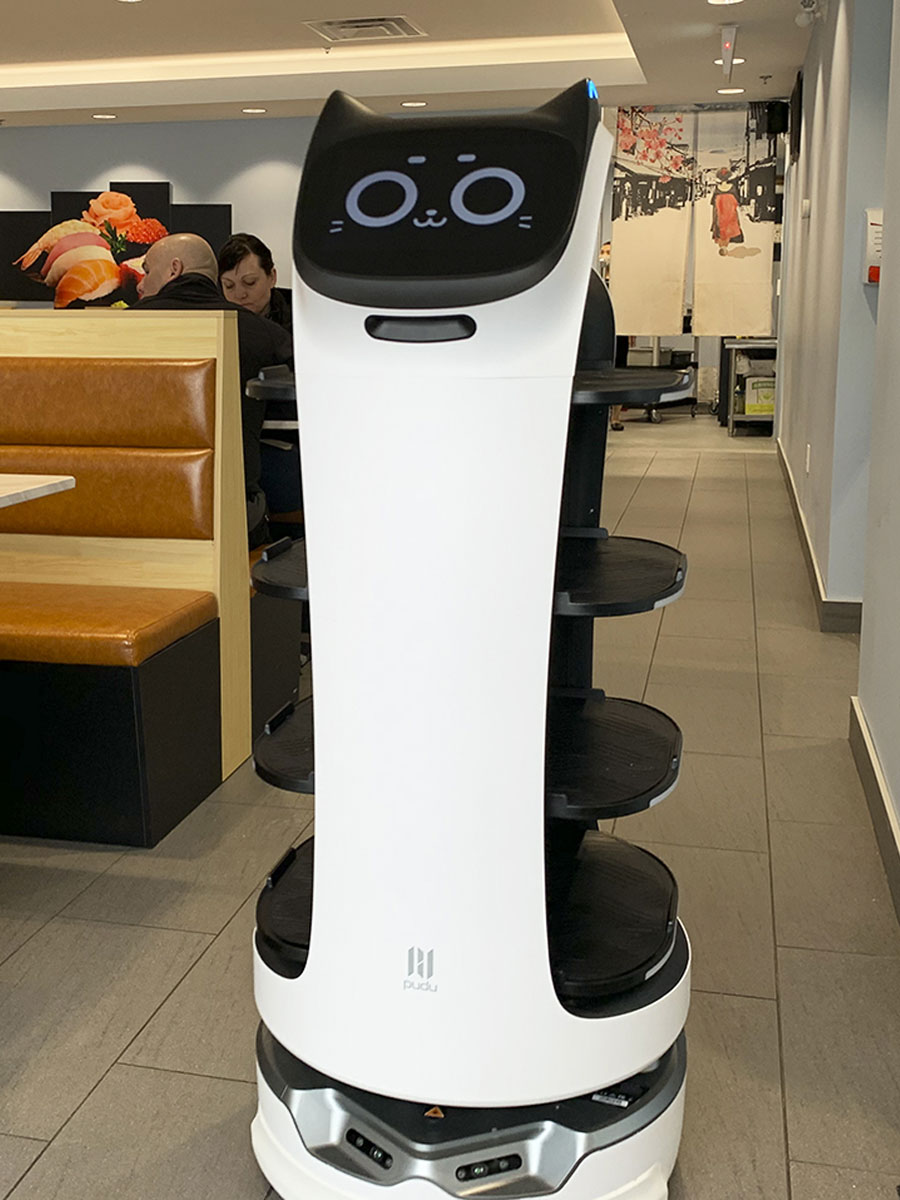
Technology has allowed restaurants to adapt to new expectations for contact-free foodservice. Online ordering and delivery have become a necessity for many operators and continues to evolve. More chains are starting to explore automated systems in both the front- and back-of-house, like grab-and-go cubbies from Paramount Fine Foods, or the Spyce Robotic Kitchen, as a way to improve safety during the pandemic as well as alleviate some of the challenges caused by labour shortages.
While many technologies remain cost-prohibitive to smaller operations, online ordering and menu solutions will continue to become more of an expectation for many consumers and are important to consider in strategic growth overall. We can expect further developments around mobile ordering, geofencing and other technologies; more tech-based self-delivery to help independents – especially – better control costs and quality.
Plant-Based Explosion

Plant-based ingredients have seen large increases in menu mentions, but the trend continues to grow further than just proteins. Dairy alternatives like oat milk are trending as well as plant-based condiments and cheeses.
Alternative and plant-based proteins have gained mainstream popularity, with many top chains adding the once-niche ingredients to their menus. Upcoming plant-based innovation includes vegan bacon, plant-based Bolognese, caviar and other non-traditional protein dishes.
Stat: Oat milk has grown 79% in menu incidence this year and plant-based beef has grown 21% in menu incidence
Source: Ignite Menu Data, Q3 2020-Q3 2021
Reliance On Delivery/Takeout Continues
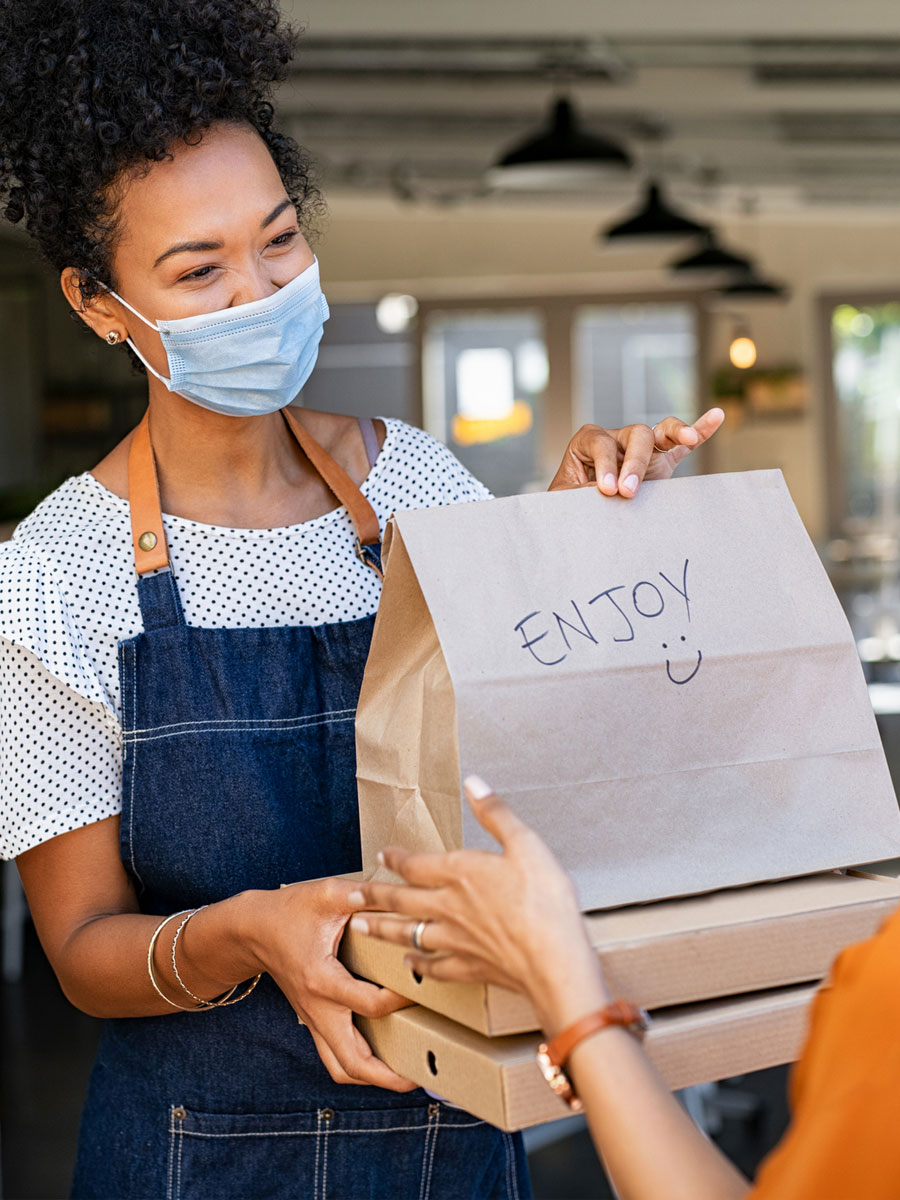
So many restaurants made the pivot to takeout and delivery over the past year, and this will continue to help drive sales for restaurants while some customers remain unsure about indoor dining. More than half of consumers (52%) indicate they will still rely more heavily on off-premise services such as takeout and delivery in the foreseeable future. The number of consumers who indicated they would be avoiding restaurants for the foreseeable future also went up from 23% in March to 25% in May (Source: Foodservice Digest for Canada September 2021).
Many restaurant operators are leaning into footprint innovation with more compact unit prototypes and delivery- or takeaway-only locations. While the threat of new variants and community spread remains a reality, ensuring there are menu items that are portable or more tailored for off-premise occasions will be key in keeping operations flexible as health and safety recommendations continue to shift.
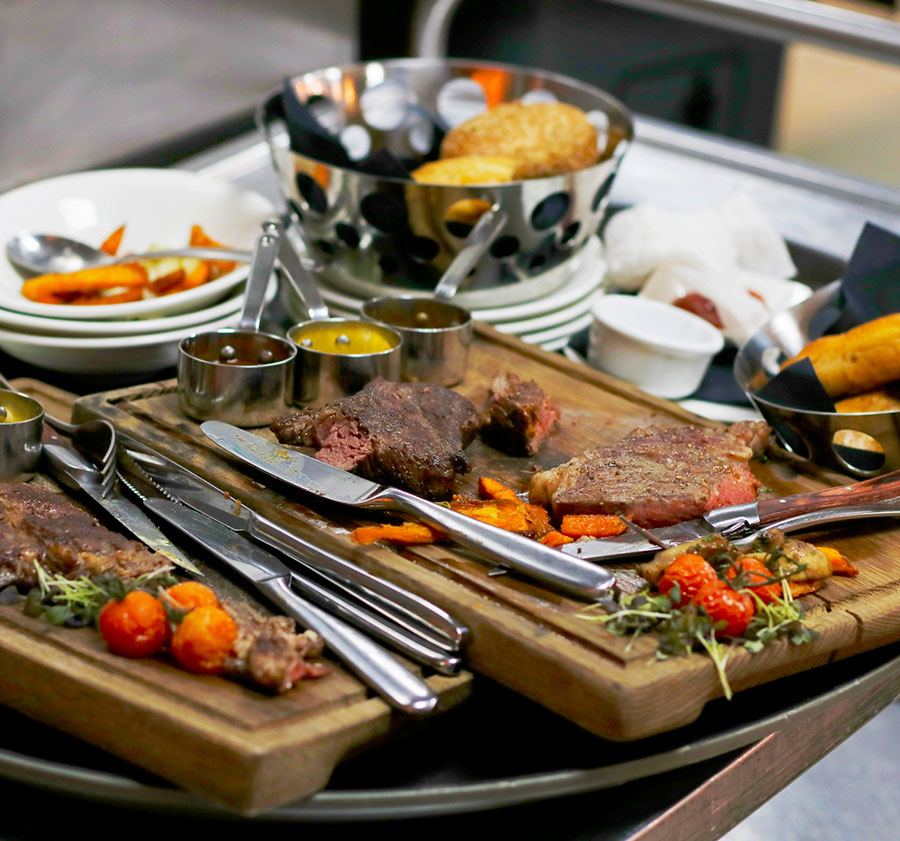
Every year, about 20% of all the food produced in Canada (11 million tonnes) is lost or wasted, according to Value Chain Management International (VCMI). Recent data collected from the foodservice industry (including restaurants, hotels and institutions), indicate 38% of produce, 21% of dairy, eggs and field crops, and 20% of meat products becomes waste.
Some estimates peg waste closer to 60%, or 35.5 million metric tonnes with a total value of nearly $50 billion annually. Nearly half of that, 11.2 million tonnes, is avoidable. That’s food that could have been eaten, but was instead landfilled, incinerated, or managed as organic waste.
Companies that are addressing the issue typically focus on food donation, and more are now identifying opportunities to reduce waste. In a 2019 survey of Restaurants Canada members, 98% reported they recycle and 77% track, compost or donate leftover food.
A 1% reduction in food waste can lead to the equivalent of a 4% increase in profits, according to VCMI.
| Before food is served, losses in the kitchen typically come from: |
|---|
| Food prepared but not served |
| Surplus inventory of ingredients |
| Inadequate storage |
| Post-consumer losses typically occur when: |
|---|
| Uneaten food is returned to the kitchen and must be disposed |
Second Harvest’s Food Rescue program connects foodservice operators with non-profits. It sets up networks between them to create mutually beneficial and sustainable uses for surplus food.
Top tips to reduce restaurant food waste
- Monitor sales and what customers most commonly leave on the plate to adjust the menu.
- Plate only what is needed and keep the rest properly stored so that unsold food can be donated to food rescue organizations.
- Watch portion control and use smaller plates if appropriate.
- Empower kitchen staff to be mindful of ways to reduce the food they waste during preparation.
- Design menus that cross-utilize ingredients.
- Rotate, label and date your stock.
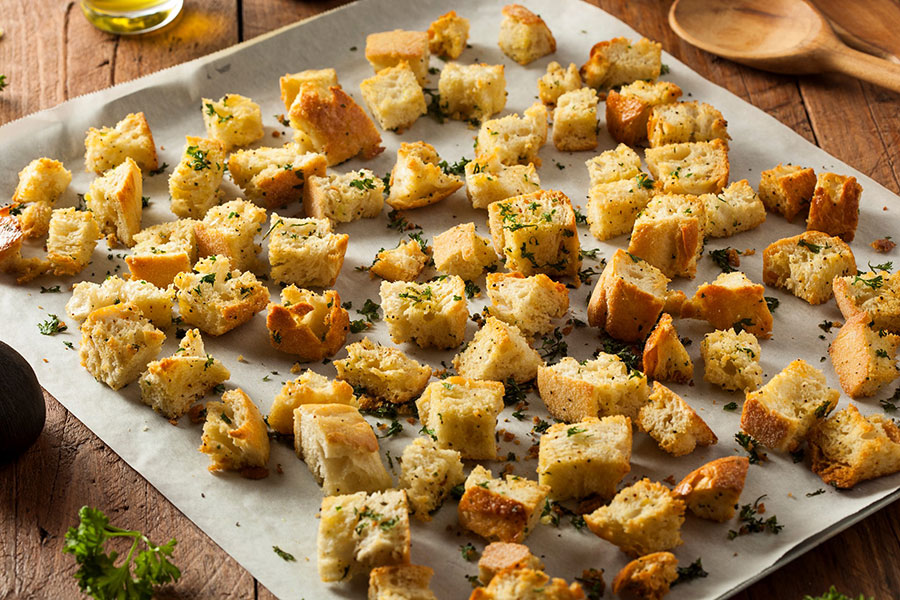
- Monitor prep waste and watch for reuse opportunities such as day-old bread as croutons.
- Use seasonal and fresh and keep your ingredients moving.
- Tell your guests about your waste reduction initiatives and other ways you are striving to be more sustainable and environmentally friendly.
Too Good To Go: end restaurant food waste
Founded in Denmark in 2016 and now in 15 countries, Too Good To Go provides a marketplace using an app that connects consumers to restaurant operators and grocery stores with surplus food. It has launched in Toronto and is expanding across Canada.
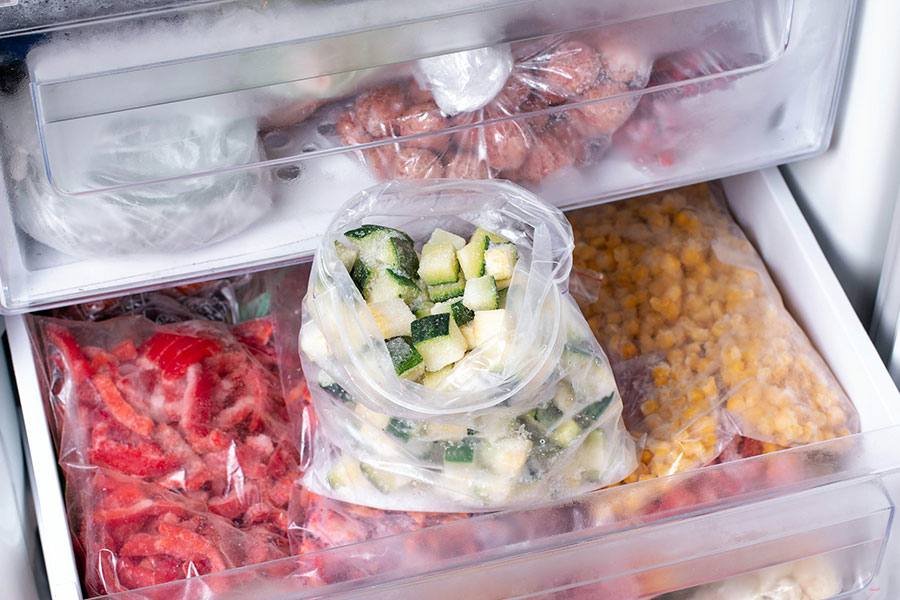
Rather than throwing food out at the end of the day, items are packed by the businesses into surprise bags that are sold at one-third retail price, and consumers with the app come to collect them at a defined pickup window. The surprise bag approach addresses the unpredictable nature of food waste. It provides the flexibility to save any and all food, including prepared food and meals, that would otherwise go to waste.
“Operators win because they reduce food waste, drive incremental revenue from food items that would have otherwise gone to waste, and a new consumer in their doors.”
Sam Kashani, country manager Canada, Too Good To Go
“Operators win because they reduce food waste, drive incremental revenue from food items that would have otherwise gone to waste, and a new consumer in their doors,” says Sam Kashani, country manager Canada for Too Good To Go. “Consumers win because they get delicious food at great value and benefit the environment as we reduce food waste.”
By using the app, consumers discover their local neighbourhoods, find new spots to try, and can become repeat business, too. The company reports that 76% of Too Good To Go customers end up returning to make other full-priced purchases.
Once restaurants sign on to the platform, they gain immediate access through the MyStore Dashboard and can manage their surplus supply through any smartphone, tablet or computer. Too Good To Go handles all customer service and transfer of funds. The Too Good To Go app is available for iOS download in the Apple App Store and Google Play for Android.
Other helpful resources: to help you reduce restaurant food waste:
- Taking stock: Reducing food loss and waste in Canada. A June 2019 report from Environment and Climate Change Canada.
- B.C.’s Ministry of Environment and Climate Change Strategy has developed a Foodservice Food Waste Prevention Toolkit to support food waste reduction in the food service industry.
- The Avoidable Crisis of Food Waste is a report and roadmap compiled by Second Harvest and VCMI.
- Leanpath and Winnow Solutions offer a range of resources including software-based analytics platforms and smart weight meter technologies that are used by some Canadian foodservice providers to track and identify opportunities to reduce food waste.
- Leaders in Environmentally Accountable Foodservice offers programs that include evaluation for actions to reduce food waste in restaurants.
Most foodservice operators have pivoted from their usual revenue streams to balance the ups and downs of the last year. Takeout has been a lifeline for many operators. Some just dabbled in it before but are now realizing the added new sales and opportunities it may offer.
But pivoting, while supplementing revenue, can also add unforeseen costs. To stand out from the crowd and create a successful takeout service, you have to do it right. Brand Points PLUS (BP+) is here to help.
Kristen Storer and Michelle DaSilva are responsible for the national sales and marketing strategy for Greenbridge Foodservice, representing 12,500 independent restaurant operators. They kindly shared their insights, knowledge and tips on how to strategically use the BP+ program to build a successful takeout service.
Keys to a successful takeout service:
- The Right Menu
- The Space
- Easy Ordering
- Proper Packaging
- Service
The Right Menu
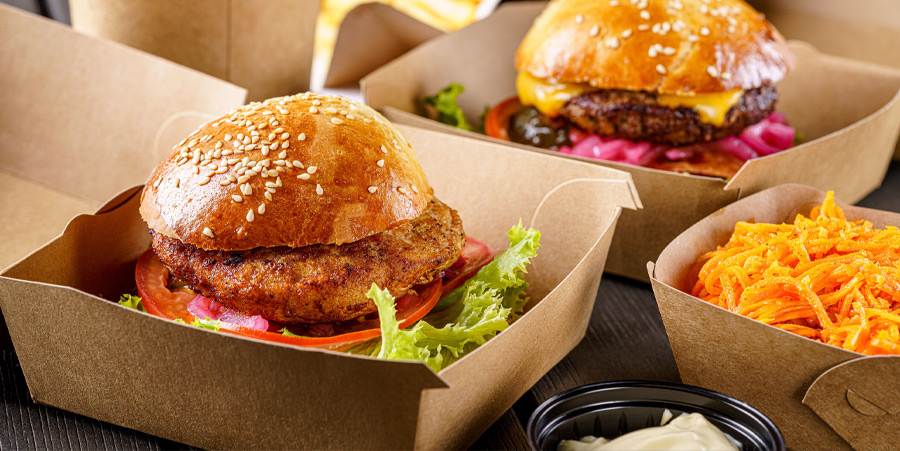
“Adjust, remove and add to build the best takeout menu. Winners from your dining room might not translate well to a 30-minute (or more) transit time. Plan a menu that is takeout worthy,” advises Kristen Storer.
Whether delivered or picked up, all food in your restaurant is now considered takeout, so the quality must be there to earn a returning customer.
Time, temperature, taste, texture and visual appeal must all be considered. The right product or ingredient can make a big difference in customer satisfaction.
“Vendors have a vested interest in operators’ success,” says Storer. “Cavendish, for example, has developed potato products and onion rings meant to hold their quality and texture specifically for takeout.”
Build a menu that uses products and ingredients within the BP+ program. With more than 75 nationally recognized and trusted vendors in the program, it’s simple to make strategic choices to add value to products that operators are already purchasing.
Every product in the program will earn points. Storer says to remember to check out the bi-monthly promotions to increase your point balance more quickly.
Create a takeout menu with BP+ vendors and their products in mind and reap the rewards.
The Space
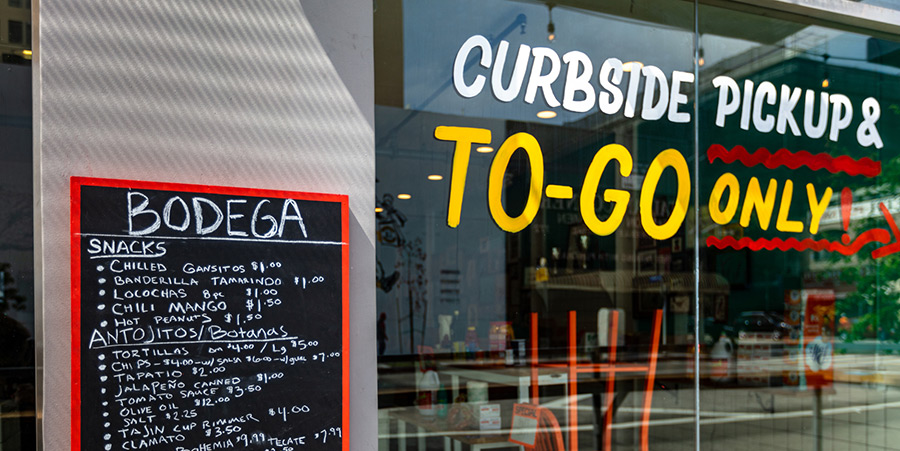
Making do will only work for the short term. As the “short term” becomes longer term, and if you want to continue successfully, your takeout space might need some adjustments — takeout counter, pickup area, retail space addition, new signage and appropriate lighting.
“Operators have been required to pivot their operations. Takeout, for example, has added costs like packaging and equipment — large and small. Why not use points to make your takeout service more successful?” asks Michelle DaSilva.
“The program is completely automatic. Operators don’t need to do any work,” she adds. “Just redeem their points for rewards.”
Although you can use your rewards any way you wish — from personal items to gifts for your valued employees — why not use them to help your takeout business?
- Display fridges and freezers for storing and to entice customers during pickup. Having as many menu items as possible (and think beyond to retail only items) prepackaged and ready to grab can save valuable time (and steps) and hopefully increase cheque size.
- Add signage for clarity. Chalkboards, whiteboards, a bigger (brighter) open sign, direction decals, tent boards or whatever you need to ensure customers clearly understand your business, your offerings and ways to stay safe.
- Increase lighting to brighten things up. Lighting, the proper type and location, can make a huge impact on customers. The ambience you established in the past for your dining room might not be suitable for pickup from customers (and delivery drivers) to do business effectively.
Easy Ordering
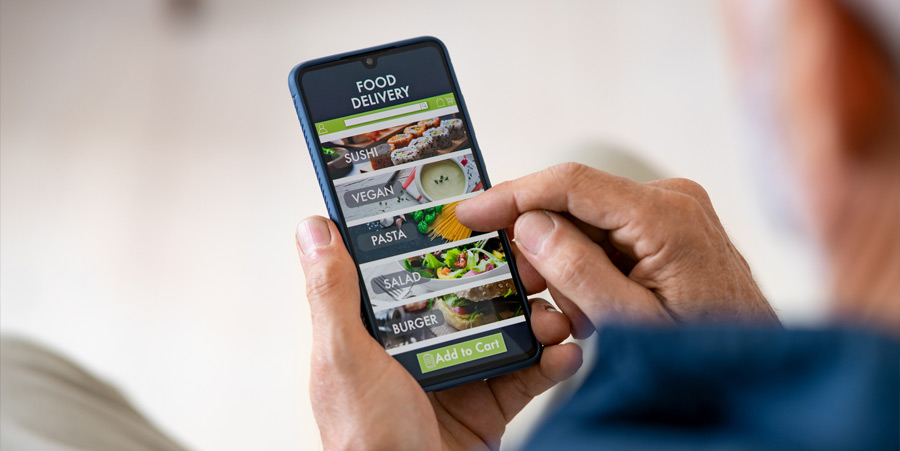
“Is the menu accessible? On a website? An app? Are the images of the food tasty-looking and entice the customer to place an order?” DaSilva suggests operators should ask themselves these questions.
The reality is that a paper menu isn’t going to cut it for these times. And as restaurants begin to reopen more widely, more operators are going completely digital. Ensure your online presence is clear, concise, true to your brand and continually updated.
The takeout menu should include: how to order, how to pick up/receive orders, your retail operation menu, and, importantly, details on how your business and staff are operating safely. Your customers want to know everything, especially now. Don’t make them have to think twice — they have a lot going on, too.
Proper Packaging
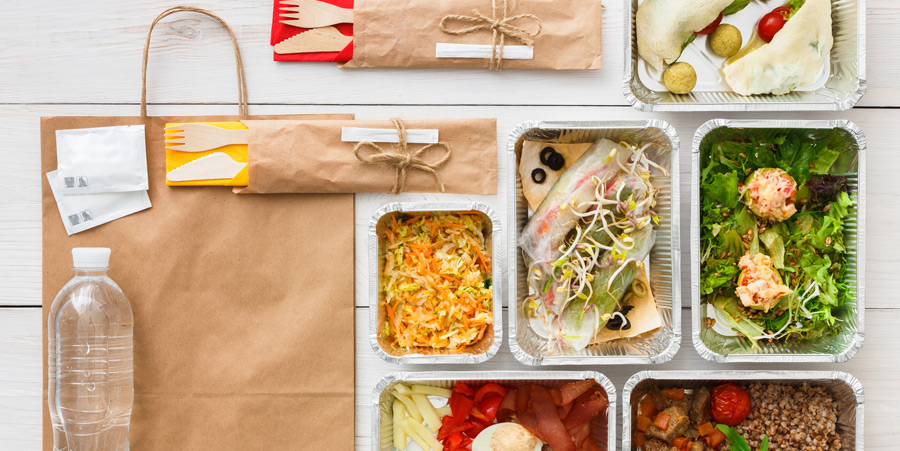
Once your food leaves the building, its quality is at the mercy of the package.
“Choice of packaging should depend on the menu item and not based on a standard takeout package that operators have always used,” says DaSilva.
Storer agrees, “Operators should consider packaging choices to maintain quality like vented lids to keep crisp food crisp. Try out some of these innovative products. Your food and your customers will appreciate the effort.”
Retail items, over and above your takeout menu, deserve attention as well. Typically stored for longer periods of time and requiring visual appeal, the packaging might be out of your budget. Again, why not use BP+ rewards, such as a vacuum sealer and bags (a reward that keeps on giving), divided snack and meal boxes, reusable bowls or glass jars for soups and chilis, or even a printer for eye-catching labels.
Service
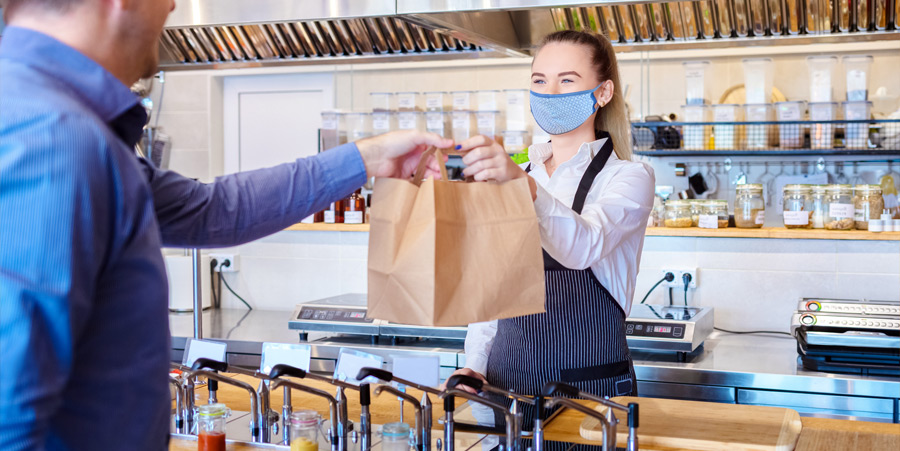
Be practically perfect in every way possible. It’s easier to fix problems in-house, a little more difficult when both the customer and the food have left the building. From having a dedicated expeditor on each shift to double-check orders to a policy if an error does occur, you should offer your customers the same service they’d receive in your dining room.
Can BP+ help with service? Yes! Rewards can be used for an exclusive rolling table for expediting orders and tamper-proof stickers to give your customers peace of mind. “We want to help you. The BP+ vendors want to help you,” says Storer. “So, help yourself by choosing products that earn you BP. And take advantage of our service. Use the tools and resources we have compiled to help you and your business. Your success is important to us. We’re all in it together.”
“The foodservice and hospitality industry is made up of many Black, Indigenous, People of Colour, and new Canadians, who all contribute to our industry, and it could not function without their input and work.”
Restaurants Canada, in their commitment to inclusion and anti-racism
The meaningful participation of Black, Indigenous and People of Colour (BIPOC) goes beyond numbers. It’s also measured by more nuanced matters of inclusion, such as their representation at higher levels in the workplace and the quality of their work experience.
Understanding barriers to inclusion and their impact on BIPOC
The first barrier to inclusion is the attitude that barriers don’t exist. Restaurants Canada states: “… the belief that there is no racism, discrimination and hatred within our industry is in itself a barrier to addressing it.”
Christina Veira, Bar and Beverage Curator for Restaurants Canada, General Manager of Bar Mordecai, and a Spirits Educator with WSET (Wine and Spirits Education Trust), says that inclusivity issues in foodservice don’t exist in isolation from broader society. “We like to think in hospitality of racism or sexism as being something that exists outside of our places that is brought in, either by guests or by certain elements. But I actually think it’s best to think of it being in our restaurants or bars or hotels as reflective of the general society.”
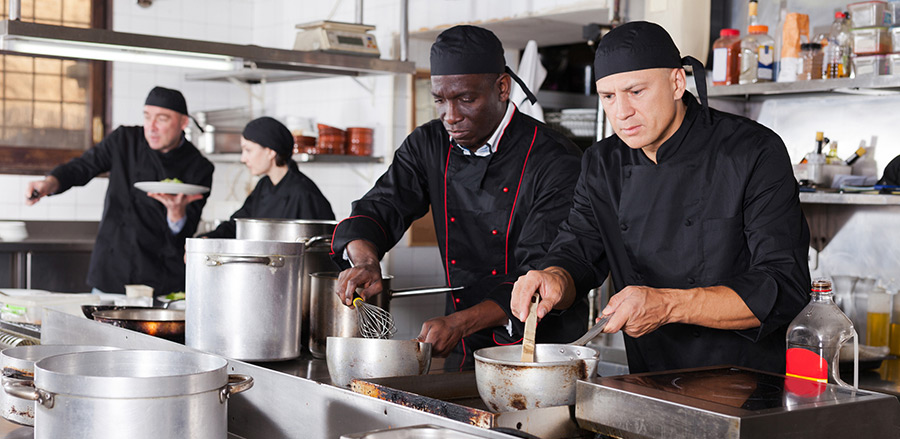
Trevor Lui, restaurateur, cookbook author and co-founder of the agency Quell, identifies the lack of clear paths of succession as an obvious barrier. He says, “If you take a look at the backbone of our industry, it’s generally the BIPOC community, immigrant community, and first generation of new Canadians doing the most labourious work.” He asks what a young dishwasher who wants to be GM one day sees when they look all the way to the leadership at the top. “If there isn’t someone who looks like someone like me and understands what my journey is going to be like, that path is not very clear.”
Veira notes that many establishments point to the diversity of their staff, but asks, “Does that translate to the various levels in your company, or does it tap out at the bottom or mid level?”
Lack of BIPOC involvement in inclusion discussions is also an issue. “What we cannot have is isolated discussions at a boardroom table, at the highest levels, about how to improve diversity and inclusion when you have no diversity at the boardroom table,” Lui says.
Misconceptions about merit are also barriers to BIPOC inclusion. “We don’t want to be given something as a token because we’re of colour and companies are looking to be more diverse,” he adds. “What we want people to understand is we have merit first. And so, I should qualify from my skillset first, but do not exclude me from the process because of my colour.”
“One of the biggest barriers is for organizations to understand what the barriers are for people of colour.”
Trevor Lui, restaurateur, cookbook author and co-founder of the agency Quell
Lui says, “One of the biggest barriers is for organizations to understand what the barriers are for people of colour. So, before understanding where an organization needs to be, the organization needs to understand where the BIPOC community and their struggles are on a day-to-day basis.”
Veira says it’s simplistic to look only at the career success of some BIPOC individuals as a hallmark of inclusion. She says this negates that they’ve had to navigate barriers and negative interactions that others, such as white males, don’t necessarily face. As an example, she speaks of the assumptions that suppliers and guests may have about the knowledge or competence of BIPOC in front-of-house roles:
“It’s not that there are not Black somms [sommeliers]. There are many Black somms. There are many good Black somms. There are many incredibly talented Black somms. But the average even very good Black somms often have a much higher barrier for success at a table because they battle against people’s stereotypes, against people’s expectations of what their knowledge level would be, even when it comes to their ability to upsell. They’re more likely to be seen as potentially scamming a table.”

What can the foodservice industry do to address BIPOC representation?
+ Review your HR practices.
Both Veira and Lui identify the need for restaurants and bars to review business practices such as hiring, training, and promoting staff, not only from a legal perspective, but also through the lens of inclusivity.
For example, Veira asks if restaurateurs consider that guest complaints against BIPOC staff may be informed by racism. She says, “It’s not necessarily being distrustful of everyone that enters, but you have to be able to look at all your interactions in a way that is protecting your staff and acknowledging [the tensions involved in] creating an inclusive environment in your place in a society that is inherently not inclusive.”
+ Review and audit your processes.
Lui says that BIPOC individuals should be included in discussions about addressing diversity and inclusion. He also suggests that you be open to engaging outside agencies such as his to perform audits on your processes and assist you in moving toward a more positive work environment.
+ Be truly inclusive, avoid tokenism.
He cautions against tokenism, like only including BIPOC in your marketing campaigns during occasions such as Black History Month or Lunar New Year. He says you need to “look within your organization to see how you can sustainably create a greater vision of what I would call authentic diversity and inclusion.”
Veira notes that embodying diversity and inclusion has benefits for guests too. She says that many people, especially from identities where they’re used to feeling unwelcome or that they have to build themselves up to enter a place, will see that and connect with your establishment as someplace they can easily go.
Learn more, do more
- How to Create a Positive and Inclusive Workplace, with complementary information sheets, by Restaurants Canada in partnership with Centennial College
- Inclusive Kitchen: Tackling Systemic Racism presentation at this year’s virtual RC show from February 28 to March 3