
Serve Warmth, Sell Value: Why Comfort Food Matters This Fall
As summer fades, the craving for warmth returns. Diners want dishes that feel like home — soups, braises, casseroles, and indulgent desserts that bring comfort and familiarity. For operators, this is more than a seasonal shift. It’s a chance to build menus around feel-good flavours that keep guests coming back and protect margins between patio season and the holiday rush.
Why It Matters
Comfort food carries emotional value and price flexibility. Guests associate these dishes with generosity, celebration, and care, which allows for slightly higher prices when quality and portions feel right. Many comfort classics also rely on affordable ingredients like root vegetables, pulses, grains, and secondary protein cuts, helping maintain margins even as costs fluctuate.
Operator Strategies
Seasonal Rotation and Limited Runs
Create two or three rotating features every six weeks, such as braised short rib with mashed roots, shepherd’s pie with PEI potatoes, or baked mac and cheese with Quebec cheddar and breadcrumb gremolata. Limited-time dishes create urgency and repeat visits.
Portions That Protect Profit
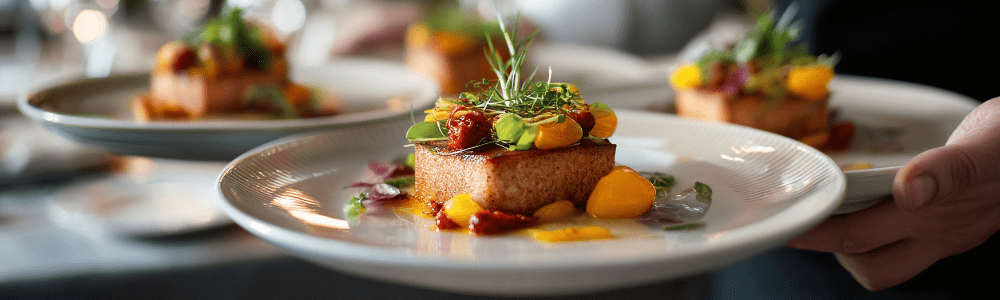
Hearty doesn’t have to mean oversized. Use plating techniques like height, colour, and texture to maintain satisfaction with right-sized proteins. Pair modest cuts with generous, filling sides such as barley, lentils, cabbage, or roasted squash. Add edible herbs or crunchy toppings to boost perceived value at little cost.
Cross-Utilize Ingredients
Plan for each ingredient to serve multiple dishes. Roasted squash can appear in soup, a warm grain salad, or alongside a roast. A beef braise can transform into next-day poutine or hand pies. This tightens inventory and reduces waste.
Mini Indulgences
Offer small, high-margin desserts like maple butter tart bites or mini apple crisps with coffee pairings. Even guests who only want a taste will increase the check average.
Batching and Make-Ahead
Choose items that hold well, such as soups, braises, or gratins. These reduce stress during rush periods and improve consistency.
Menu Engineering and Costing

Cost the Feature First
Reverse-engineer prices based on target food costs — for example, 28–32% for mains and 20–25% for desserts. If your sides are inexpensive, invest flavour where it counts, such as in reductions, quality stock, or premium cheese.
Offer a Comfort Combo
A soup, small salad, and half entrée combo adds weekday value, simplifies choices, and balances plate costs across items.
Vegetable-Forward Wins
Add plant-rich comfort dishes like mushroom stroganoff or lentil cottage pie. They photograph well, travel easily, and support profitability.
Marketing Approaches
Visual Warmth
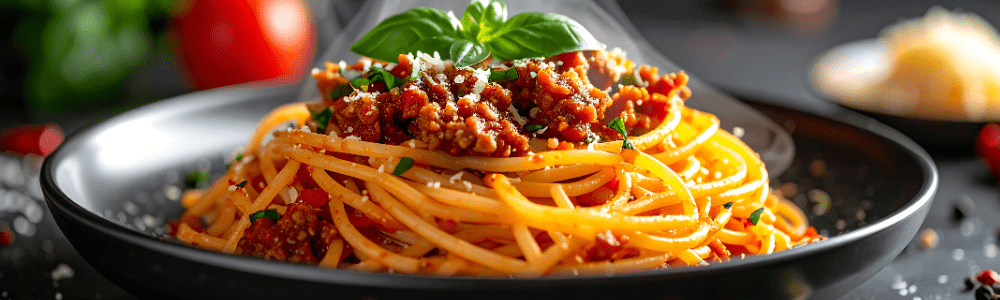
Use natural light to highlight steam, bubbling cheese, and golden crusts. A simple caption works best: “Your favourite sweater, in a bowl.”
Storytelling
Share origins and inspiration, such as “Our chef’s Sunday pot roast with prairie barley.” Memory-driven stories connect guests to your menu.
Feature Weeks
Host a “Comfort Classics Week” with daily variations to draw guests back multiple times.
Loyalty Boosts
Offer double points on comfort dishes or a punch card for “Soup of the Week” to encourage repeat orders.
Front-of-House Execution

Train servers to use gentle suggestive selling: “Would you like to start with a warming bowl of our squash bisque? It’s been this week’s favourite.” or “A mini butter tart to share?”
Serve soups and breads quickly to create an instant sense of hospitality. For takeout, use vented containers, separate sauces, and include a short reheat card to preserve quality.
The Takeaway
Comfort food is both emotional and economical. With portion control, smart ingredient use, and story-driven marketing, you can deliver cozy experiences guests crave — while keeping profits steady all season.
Restaurant Survival Guide: Menu Strategies Diners Will Appreciate
Inflation is squeezing Canadian restaurants. Proteins, produce, and utilities are more expensive than ever, while diners are watching every dollar. The challenge? Protecting margins without pushing guests away.
The truth is: raising prices is sometimes unavoidable. But the way you present and structure those changes makes the difference between guest resistance and guest loyalty.
Here are practical menu pricing strategies that go beyond simply charging more—tools you can use right now to maintain profitability while continuing to deliver value.
Focus on Value Perception
Guests are not calculating your food cost percentages. They are asking one question: Does this feel worth it?

- Lead with experience: Elevated presentation, attentive service, and thoughtful menu descriptions all make higher prices easier to accept.
- Bundle strategically: Pair an entrée with a side and drink at a slight discount. Guests see more value, while you grow cheque size.
- Promote add-ons: Small, low-cost upgrades such as “add soup for $3” or “make it a combo for $5” increase averages without alienating diners.
Rethink Portioning and Presentation
Instead of large, sudden price jumps, consider subtle changes to portions and plating.
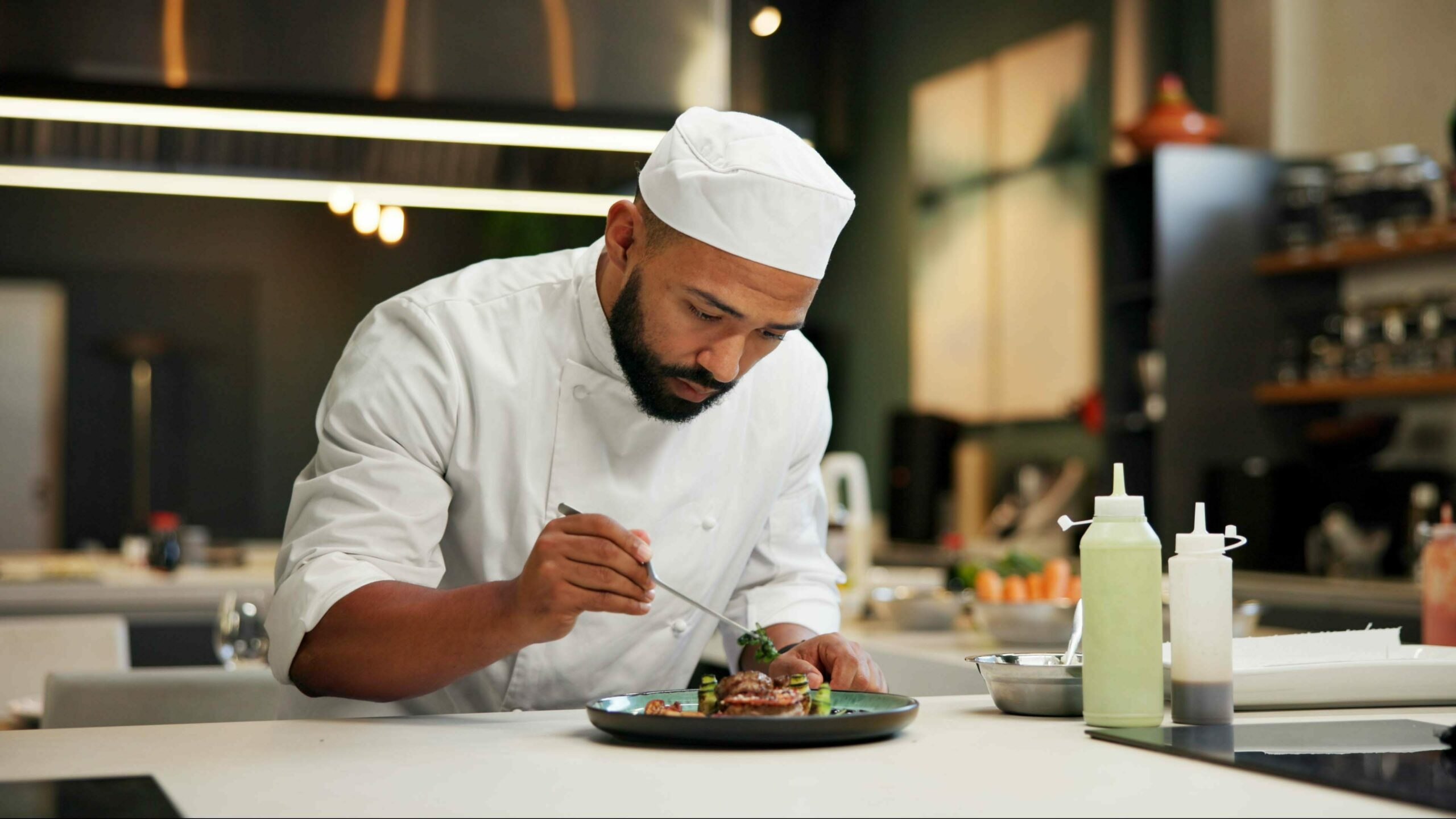
- Offer half portions at lower prices, giving diners flexibility while controlling your own costs.
- Slightly reduce protein ounces and balance plates with colourful, seasonal vegetables.
- Use creative plating—height, layers, and garnishes can all increase perceived value.
Engineer Your Menu for Profit
Your menu is more than a list of items—it is a sales tool. The design itself can encourage diners to choose profitable dishes.
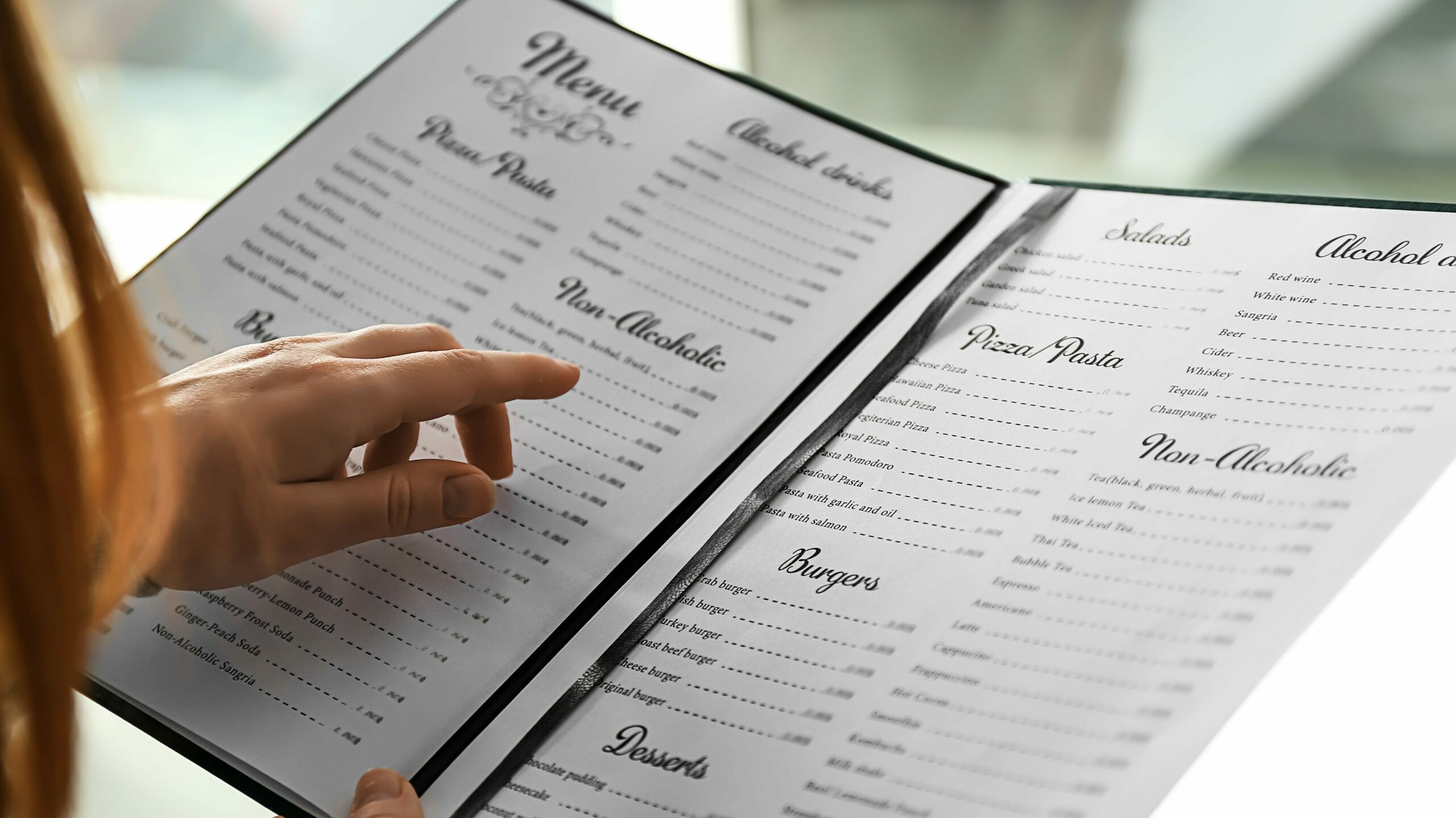
- Position high-margin items in prime locations such as the top-right corner.
- Use descriptive names. “Autumn Roast Chicken with Maple Glaze” feels worth more than simply “roast chicken.”
- Consider dynamic pricing—adjust items seasonally or in response to rising input costs instead of across-the-board increases.
Communicate to Build Trust
Price increases are sometimes unavoidable. Guests are more likely to understand when you are upfront.
Adding a short note such as, “Our seafood is sustainably sourced, and supplier costs have risen this season. Thank you for your continued support,” can go a long way.
Many diners value honesty over silence. Respect and transparency foster loyalty.
The Takeaway
Raising menu prices in today’s climate does not have to alienate guests. By focusing on value perception, presentation, smart bundling, and open communication, operators can protect their margins while maintaining strong customer relationships.
Smarter pricing means loyal diners and healthier profits.

Patio Panic? Turn Empty Tables into Tonight’s Hot Spot
Nothing hurts more in peak summer than seeing empty patio tables on a warm evening. The good news? You don’t always need weeks of planning to fill them. Nimble, last-minute marketing tactics, paired with quick-turn menu ideas, can transform a slow night into a profitable one.
With the right approach, same-day promotions can lead to same-day profits, giving you the flexibility to adapt to weather, staffing, and demand.
Why Nimble Patio Marketing Works in August
Summer creates a perfect storm for short-notice marketing:
- Unpredictable weather means diners often decide where to eat just hours in advance.
- Last-minute plans are common as people look for casual, no-reservation options.
- Patio dining is seen as a treat—and guests are often more spontaneous about it.
- Staffing levels fluctuate, so you can plan event size around who’s on shift.
Your Last-Minute Marketing Playbook
- Use Instagram Stories & Facebook Events – Post vibrant, real-time photos or a quick video of today’s patio setup. Announce the special, band, or menu in under 15 seconds.
- SMS & Email to Loyalty Guests – A quick “Flash Patio Happy Hour: Tonight Only!” can reach your most engaged customers and drive immediate response.
- Geo-Targeted Ads – Use Google or Meta ads to target mobile users within 10 km. Simple creative with “Tonight Only on the Patio!” and a mouthwatering image works best.
- Leverage Local Partnerships – Call your craft brewery rep, local musician, or nearby business to help promote to their audience for free.

Smart, Fast Event Ideas That Work
Choose events that are simple to execute and don’t require extensive prep:
- 2-for-1 App Hour – Focus on high-margin, easy-to-share items.
- Sunset Sliders & Sips Sampler Menu – A few small slider varieties and a flight of cocktails or mocktails.
- Local Brewery Feature Night – Pour one partner brewery’s lineup, offer tasting notes, and let them promote it.
- “Bring Your Dog” Yappy Hour – Dog-friendly treats and water bowls add charm and social media buzz.
- Acoustic Soloist or Trivia Host – Compact entertainment that doesn’t require major setup.
Operational Tips for Same-Day Patio Events
Even a pop-up event needs structure to run smoothly:
- Prep Menus & Signage Early – Have a few laminated “pop-up” menus ready to go for easy swaps.
- Limit the Menu – Focus on items that can be prepped quickly and executed consistently.
- Assign a Patio Lead – One person should oversee seating, pacing, and guest experience.

Promote Your Canadian Vibe
Use these events to highlight Canadian ingredients and suppliers:
- Host a “100% Canadian Tap List Night” featuring local craft beers.
- Create an “Ontario Harvest Patio Pairing” with seasonal produce and regional cheeses. Browse some delicious cheese options from ADL here.
- Work with your Canadian-owned foodservice distributor to source and showcase products that reinforce your “buy local” message.
These touches not only support the local economy but also give guests a story to share.
Empty seats don’t have to stay empty. Quick thinking and same-day marketing can make your patio go from quiet to buzzing in just a few hours. Want to learn more about how to increase patio profits? Click here to visit our post highlighting 5 ways to boost profits and keep guests on the patio longer! Keep the summer going, and the margins growing!

Do locals tell their friends and family members, “You definitely have to eat here”?
The chains and franchises may have big marketing budgets and instantly recognizable brands, but many people prefer—and are fiercely loyal to—the unique, small restaurants, bars, and coffee shops in their communities.
Here are ten big ideas that don’t require a big budget:
Follow your personality
Does your establishment have a homey Mom and Pop vibe, or is it funky and casual? Is it green and clean or elegant and sophisticated? Up your recognition factor by making that personality a consistent part of your brand through your storefront, signage, décor, food styling, digital presence, and even the music you play.
Carve out your niche
Focus on your signature dishes. When people feel your restaurant is the place to get these menu items, it’s a powerful way to establish your presence.
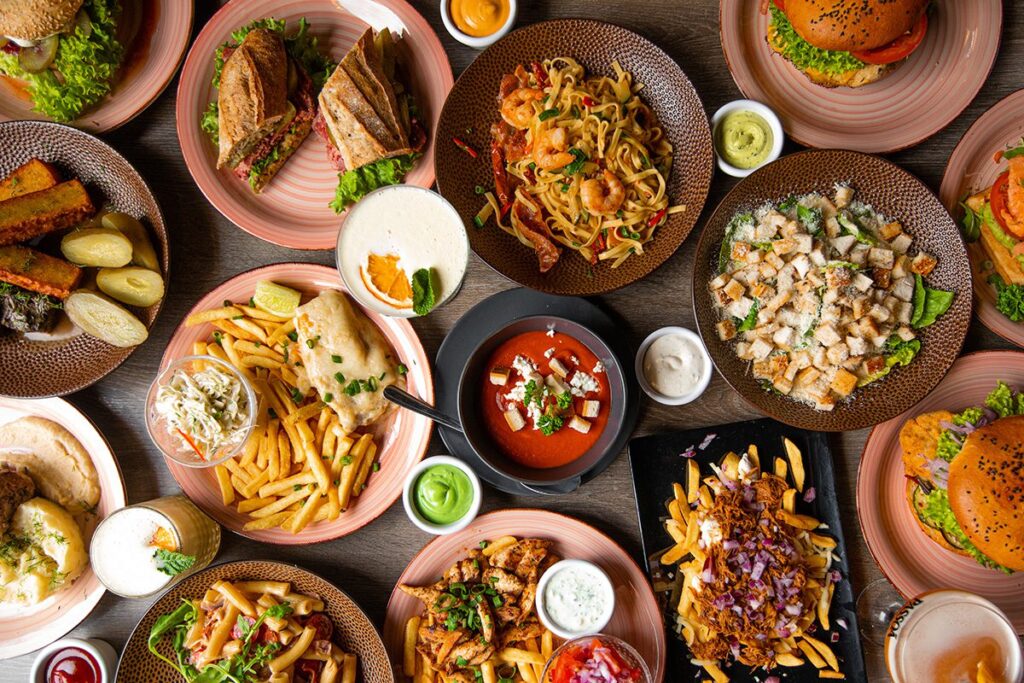
Celebrate local specialties
Go beyond the usual Canadian dishes available across the country to celebrate your local or regional specialties, including craft beer and wine.
Source locally
Locally sourced ingredients are becoming important to an increasing number of customers.
- Be a local booster – Promote your local producers and suppliers. If you’re flipping pancakes in Trois-Rivières, be loud and proud about serving them with local maple syrup. Making burgers in Red Deer? Celebrate local Alberta beef. Consider flags on the menu or a chalkboard featuring suppliers.
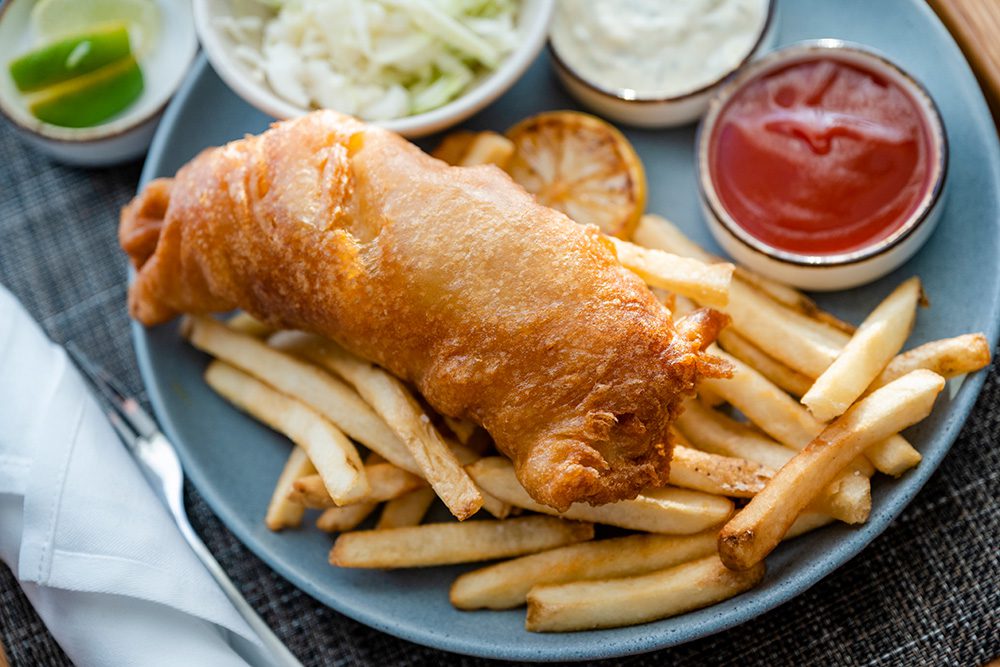
Rock your digital presence
Regardless of its size, your independent diner or sports bar can have an attention-grabbing Instagram account and popular videos on TikTok. A multi-functional website enhances the guest experience from ordering takeout to making reservations.
Ideas to amplify your restaurant’s presence digitally – Your social channels and website are powerful tools for complementing and amplifying what’s happening on your premises. Here are some tips to bolster your presence digitally:
- Ensure your digital presence is true to your eatery’s personality and stay on brand.
- Profile local dishes.
- Celebrate your signature dishes.
- Share the stories of local suppliers.
- Promote community events and fundraisers.
- Feature your staff.
- Honour your regulars with profiles or photos.
- Publicize pop-ups, special events, promotions and loyalty programs.
- Celebrate your history and thank the community for making it possible.
Support your community
While sponsoring sports teams and donating financially to important causes may not be in your budget, there are alternatives (i.e.: hosting an event at your establishment). Focusing on the cause rather than your contribution will prevent you from appearing boastful.
Know your customers well
Being small gives you a unique advantage to build relationships with your regulars.
Get out into the community
Feature your specialties at local fairs and events. You’ll not only contribute to the success of the events but also entice new customers to visit your restaurant.
Create standout promotions
Unique promotions, especially ones with a local angle, draw people in. Go beyond the standard holiday promotions by selecting a few signature days each year and creating special offers. You may also want to consider partnering with local suppliers for cross-promotions.
Be consistent
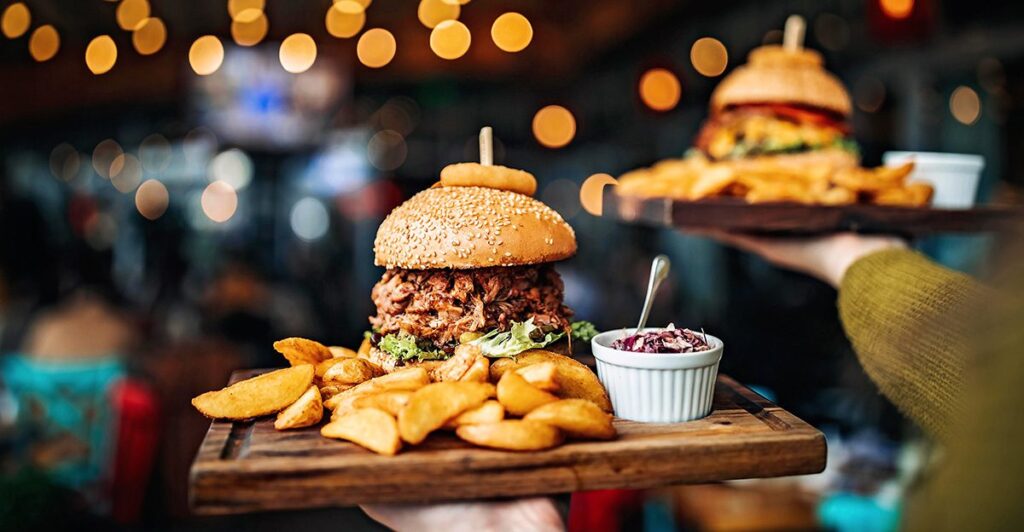
It’s not a bad thing to keep things fresh and occasionally add new dishes to your menu, but don’t change for the sake of change. Customers appreciate the sense of coming home to their favourite dishes that is provided by staff they’ve come to know.
Based on the post “Small restaurant, BIG presence—does size matter?” written by Marlene Cornelis.
As a hospitality brand, your business is built on the premise of serving customers’ needs with an experience and value aligning with their expectations. The question is, have you done the due diligence to truly identify and understand who your customer is?
The answer to this is critical to the success of effectively attracting the right customers who reflect your brand experience, to achieve a win-win customer-centric approach.
But why leave it to guesswork? It’s time to eliminate the stabs in the dark. Here are five easy strategies to identify who your guests are through relevant information and factual insights.
Customer-centric: you know who your customer is and your restaurant experience is designed foremost to service their needs and meet their expectations.

Location, Location, Location
It may be an old adage, but your restaurant location plays a significant role in identifying your largest potential customer base. Location acts as a convenience factor, meaning guests who reside or work nearby are more likely to frequent your restaurant, and more regularly as well. If your eatery is near a family suburban community, then you will likely be attracting more families with children, versus a downtown city restaurant. Your city or municipality can provide you with the demographic information of who resides in your area. The first step is to utilize these data to define your overall brand experience to match with the people most likely to dine with you, and the type of guests you want to attract to meet your objectives. Use this to guide the brand theme, service level, ambience, décor, menu offering, and price point.
Who’s eating there
Understanding who your closest competitors are and the types of guests they’re attracting is typically a realistic representation of those you can expect to serve as well. So, get out there and visit at least three competitors within the same restaurant category as you: quick service if you’re in the quick service sector and family casual if you’re catering to that market. Create a list of attributes you’ll be comparing such as operational flow, marketing, team uniforms, atmosphere, menu offering and price. Then take a seat at their table to truly understand the service experience and the types of guests also dining in or taking out. Be sure to note your observations on your checklist for easy comparison and analysis to help identify who your customer will be, or should be.
- TIP: Read your competitors’ customer reviews and browse their social media platforms to better understand the community of guests they are attracting and serving!
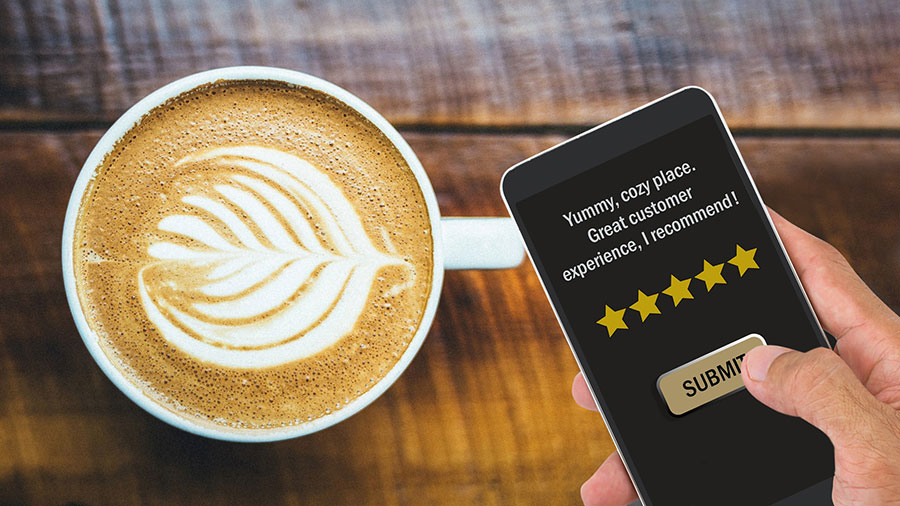
The digital customer is your customer
Some of the most useful information to understand your customer is right at your fingertips, literally! Social media platforms provide factual data on who is engaging with your brand from their location, age, gender, and the type of content they are most engaged in. The best part? All of this information is FREE and can be viewed over various time frames to observe how your digital customer community is growing and changing based on your marketing efforts. Start by creating a monthly report in Excel, so you can track user demographic and engagement results. Analyzing this info may uncover gaps between who is engaging with your digital brand versus who is actually dining with you, and where to focus your efforts to attract the right customer for better business results.
Have you asked them?
Ask and you shall receive, as the saying goes. If you’re an established restaurant with a social media community or a customer email list, an efficient low-cost strategy to better understand your actual customer is to ask them more about who they are. Go to the source for up-to-date intel, by creating surveys of one-10 questions or social media polls to collect data about their location, age, lifestyle, preferences, and ways you’re performing from their perspective. Remember to keep the questions short and sweet to improve customer response results. This info will be invaluable not only to identify who your current customer is, but also to improve operations and service levels to better align with guests’ expectations. Utilizing incentives such as gift cards or complimentary menu items is an effective way to motivate responses, while making guests feel valued by your brand. Total win-win!
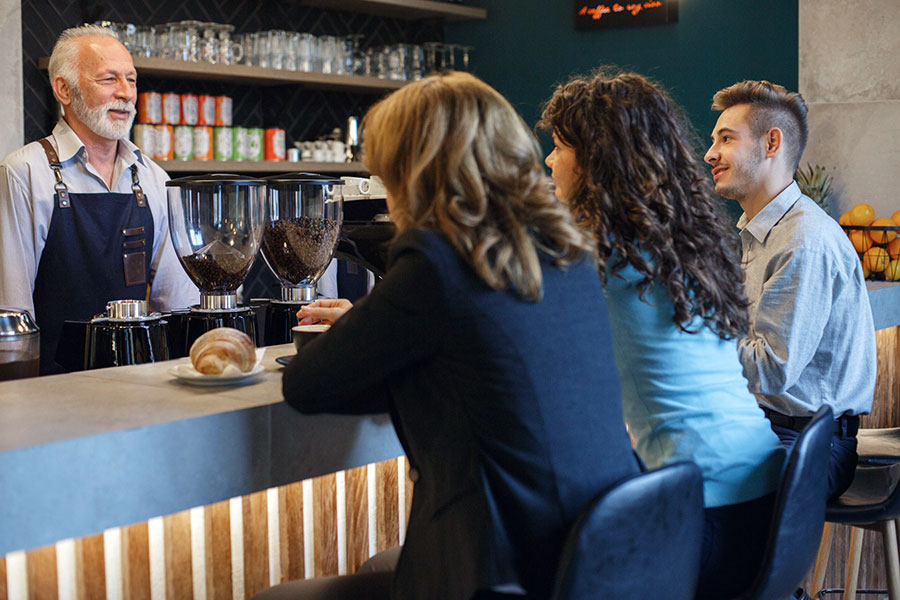
Get to know them, personally
An approach at the core of the most successful hospitality brands is taking the time to truly get to know your guests on a personal level. Everybody wants to feel welcomed and valued, so that when diners walk into their favourite restaurant, they feel special when greeted personally by a familiar face. The simplest and likely the most rewarding approach to understanding your customer base is to have your team take the few extra minutes per visit to ask guests questions that in turn create the customer-centric experience. (Be careful, though, to be subtle and not intrusive.) Turn this service approach into a strategy by having a set of questions each service team member is to utilize to spark conversation with each new table. Once they’ve received the guest responses, have them document the guest profile in a shared document. The result? Collectively, as a team, you are gathering relevant information to better understand your current customers, how to better serve them, and how to improve business success.
Key demographic data to try to collect:
| Gender |
| Ethnicity |
| Age range |
| # of guests dining |
| With or without children |
Here are a few question examples:
- Name introductions.
- Inquire if they live in the neighborhood. If they do, great; if they don’t, ask casually where they’re from.
Now you will gain an understanding of how far guests are willing to travel to experience your brand. - Have they dined with you before? If so, what did they order the last time? Did they enjoy it?
- TIP: Great opportunity for suggested upselling here!
- Find out how they first heard about your restaurant.
This will provide insight on the effectiveness of your marketing and communication strategies.
In addition to these consumer data collection strategies, most point-of-sale systems provide valuable customer lifestyle and preference data such as most popular dining times, preferred menu items, and average cheque size. Report on these findings monthly and summarize the results along with the demographic data collected. By combining these five strategies and analyzing the valuable information over an extended period of time, you will achieve a clearly defined customer base you can better serve with a more finely tuned customer-centric approach.