
Rising inflation, currently affecting food and many other goods, is challenging restaurateurs and consumers alike. And food inflation is just one of the factors that can lead to menu inflation in restaurants.
The challenge for restaurant operators is to create a menu that’s cost-effective for both themselves and consumers, so they can operate with the best possible margins while still encouraging business in this time of renewed restrictions and rising costs.
Understanding the restaurant inflation crunch
Canada’s Food Price Report 2022, an annual collaboration of Dalhousie University and the Universities of Guelph, Saskatchewan, and British Columbia, “forecasts an overall food price increase of 5% to 7% for the coming year, the highest predicted increase in food prices since the inception of the report 12 years ago.”
Given the current rate of food inflation, it’s not surprising that menu inflation is occurring in restaurants. Restaurants Canada’s Restaurant Outlook Survey Q3 2021 reports that “nearly six in 10 respondents are expecting to raise their menu prices by 4% or more, with 23% expected to raise menu prices by more than 7%,” (the highest level above 7% since the survey began in 2011).
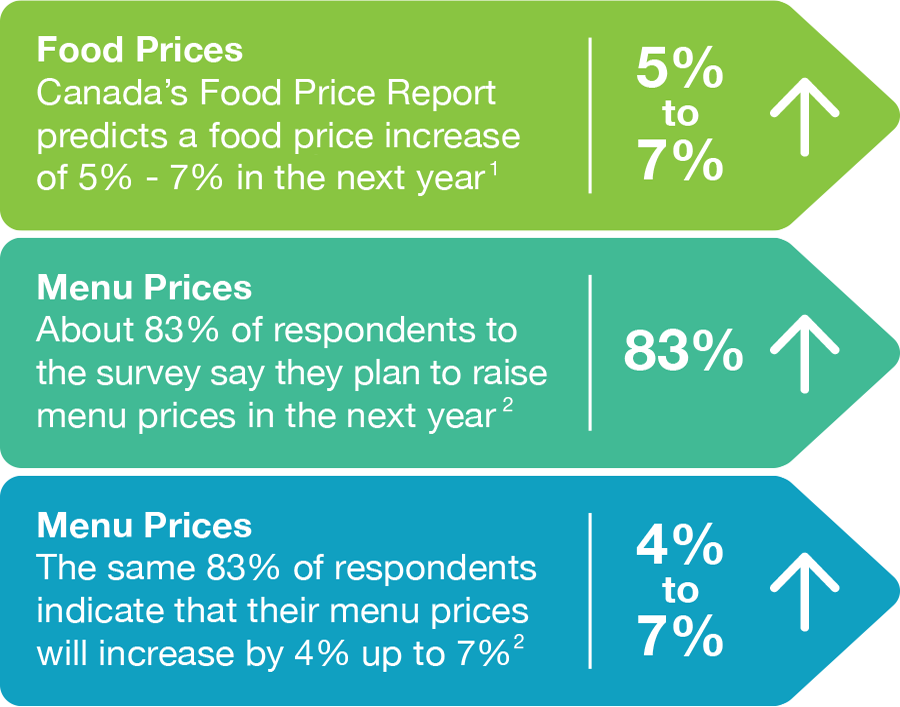

1. Source: Canada’s Food Price Report 2022
2 Source: Restaurants Canada’s Restaurant Outlook Survey Q3 2021
Food prices aren’t the only pressure contributing to menu inflation. Others include supply chain issues, labour shortages, pandemic-related dining-in restrictions, the costs of PPE and other safety measures, and the need to implement vaccine passports in some jurisdictions. Restaurants Canada reports that many of their survey respondents intend to partially absorb operating cost increases, rather than fully pass them downstream to customers via menu price increases.
Restaurant menus need to be as cost-effective as possible for the benefit of both operators and their price-conscious customers who may be responding to inflation by tightening their discretionary spending belts.
Here are 7 tips to increase restaurant profits
A combination of complementary strategies to address increasing food and operating costs can help you provide more cost-effective menus. And doing what you can to help those in need just may encourage your community to keep supporting your establishment through these difficult times.
Downsize Menus
Shorter menus are here to stay. They’re a good way to mitigate supply issues and higher costs, while managing a return yet again to takeout and delivery only in some provinces. Pared-down menus also help you streamline staffing, manage inventory more effectively, and reduce waste. They also make it easier for restaurant operators to benefit from dishes where high sales and maximum profit intersect.
Streamline Operations
With today’s labour supply challenges now further complicated by the higher absenteeism rates caused by the Omicron variant, restaurant operators must keep effective retention and recruitment top of mind. Optimizing scheduling, maintaining good employee relations, and showing appreciation for staff who step up to fill gaps in the schedule can help you avoid the costs of reduced capacity or closures due to absenteeism. Menu streamlining can help you reduce your base staffing complement – important in a time of labour shortages.
Manage the Supply Chain
Now more than ever, it’s important to have good lines of communication with your suppliers. Work with them to keep on top of product availability and price fluctuations so you can plan your menu accordingly. Also talk to them about any special offers you can benefit from.
Get Creative with Proteins
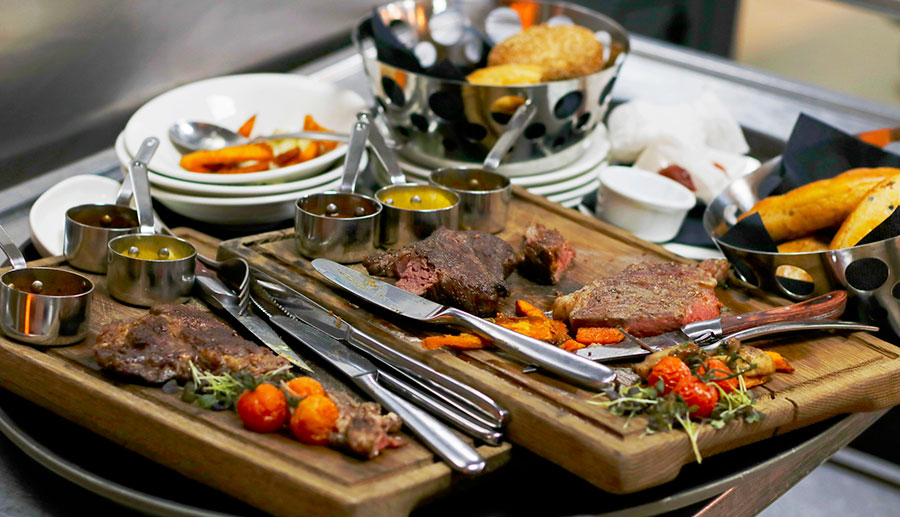
Proteins are usually the centrepiece of a dish. And animal proteins are generally the costliest ingredient. With some creativity, you can move beyond the extravagant steaks and typical chicken breasts to offer proteins in more affordable ways. In addition to smaller portions of meat and poultry, explore using cheaper cuts, which are often more flavourful and offer the chef more creative scope. Think chicken thighs in a hearty sauce instead of grilled breasts. More economical plant-based proteins, like chickpeas and lentils, either in wholly vegetarian or vegan dishes, or in combination with smaller portions of animal proteins, are another approach to a more cost-effective menu. For more ideas, see the article What’s the True Cost of Proteins for Foodservice Operators?
Reduce Waste and Pay It Forward
Wasted food and wasted supplies is wasted money, and who can afford that? A smaller menu leads to a tighter, more manageable inventory, helping you use items before their expiry dates. Designing your menu so ingredients can be used in multiple dishes is another waste reduction strategy.
Support community members who are suffering the effects of food inflation by donating food you can’t use in time to local food banks, shelters, and other programs.
Harness Technology for Agility
One word we’ve all heard over and over during the pandemic is pivot. With menus switching up frequently due to ongoing supply chain issues and price fluctuations, digital menus allow for easy revision. Having a website built on the Sociavore platform, for instance, provides you an online ordering system that frees up staff for other tasks. It also helps you avoid steep third-party fees by using local delivery networks or the DoorDash integration for order fulfillment.
And like many things today, when it comes to food waste there’s an app (or many) for that. For example, Too Good to Go has launched in Toronto, Vancouver, and Montreal, and allows restaurants, bakeries, grocers, et cetera to sell leftover food and prepared dishes at a discount through the app. Not only does this reduce waste and help you recoup a portion of your costs, but it helps build good community relations.
Utilize Government Support Programs
Inform yourself about the government support programs your business qualifies for and identify which meet your needs. Taking advantage of economic support can bolster your efforts to keep menu inflation at a level that still encourages your community to dine in or order out.
Marketing your restaurant brand successfully, meaning you’re actually experiencing a return on your marketing dollars, can often seem an insurmountable task.
It’s important to keep in mind that some of the most effective restaurant marketing strategies are designed to produce long-term results, as guests need constant visual reminders and communication about your brand to persuade their decision-making.
Here are 10 restaurant marketing strategies to leverage with the core objective of increasing revenue in the short- and long-term:
Targeted Digital Advertising
Instagram and Facebook have made it extremely easy to attract and gain new guests with targeted digital advertising. Set your ad objective to target audiences similar to who follows your social pages, and drive them right to your website for reservation bookings. You can track the results, and not only begin seeing your social community grow, but also your reservation bookings.
Ticketed Events and Experiences
Create a seasonally inspired ticketed experience or event that requires guests to secure their spot in advance with a ticket. Not only does this guarantee a full house, but also allows you to manage the profit margin to increase your revenue, while creating a unique experience for guests. Try EventBrite for ease of ticket management.


Promotional Marketing
Promotional marketing has a reputation of hurting the bottom line, but that isn’t always the case if planned strategically. There are many ways to maintain your brand experience and reputation, while offering a nominal perk to encourage guests to dine with you, and spend a little bit more. The objective with promotional incentives should be to increase the average check, by upselling the order on profitable menu items. Themed menu nights, pre-set menus, menu specials, alcohol features, and combos are all forms of promotional restaurant marketing that can increase revenue.
Sampling and Tastings
What better way to encourage sales than by giving someone a complimentary experience first! This marketing tactic allows you to communicate one on one the key selling features of the menu item or beverage, while making the guest feel special with a complimentary tasting. Work with your suppliers to create the experience and provide additional support and product, which will also reduce your expenses and increase your profit.
FACT: Customers are 93% more likely to purchase an upgraded bottle of wine ($10 more) when offered a sampling.

Pop-Up
Why wait for the guests to come to you, when you can go to them? Pop-up carts, booths, and street activations can be very a cost-effective way of reaching a new audience and marketing your brand experience directly. Be sure to hand out a promotional piece, such as a complimentary appetizer or dessert card, to invite guests to your physical location to dine again!
Private Label Products To Go
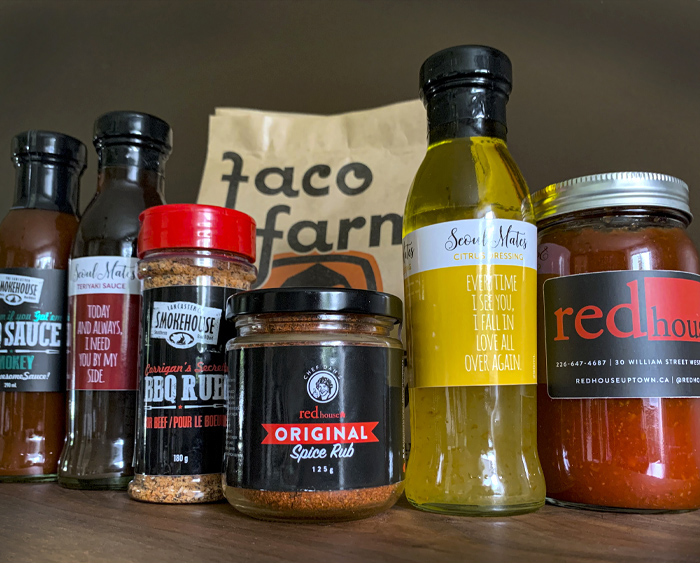
Consider leveraging your most popular dishes, sauces, or made-in-house products that have the highest profit margin, and packaging them to go for guests to enjoy at home. This out-the-door form of marketing keeps your brand top of mind in guest homes, sparks word-of-mouth advertising, and provides your business with another revenue stream.
Dining Rewards
Most restaurant point-of-sale systems have built-in rewards programs that track guest’s information and dining history. The systems are extremely sophisticated, and often provide digital marketing opportunities to reward guests based on their dining behaviour and milestones, such as birthdays and anniversaries. Whether it’s a complimentary birthday dessert or points towards achieving a unique experience, be sure to maximize the preexisting marketing tools in your point-of-sale, or reservation booking systems, to encourage repeat business.
Brand Collaborations
You know the saying – “Keep your friends close, and your enemies closer”? This rings true for restaurant competitors too! Over the last few years, as restaurants have struggled with new industry challenges, we’ve witnessed the birth of restaurant and chef collaborations with the objective of bringing unique experiences to guests and driving new business. Consider hiring a well-known chef to design your seasonal menu, or feature some unique menu items designed by another popular restaurant that serves a different type of cuisine, or collaborate on a pop-up to share costs. The ideas are endless, and with the right collaboration the results can be very positive for the bottom line.
Google Business
When it comes to marketing your restaurant brand, Google Business is a tactic that many restaurant brands have still not tapped into fully. Google Business pages provide a platform where you can showcase images, post daily updates, create digital promotions for guests, link to your website and social platforms, and encourage guests to reward you with 5-star reviews. When a guest Googles your brand, your Google Business page is likely the first thing that pops up, which is why it’s so critical to manage this platform. The best part, all of the digital tools are free.
Own Your Restaurant Website
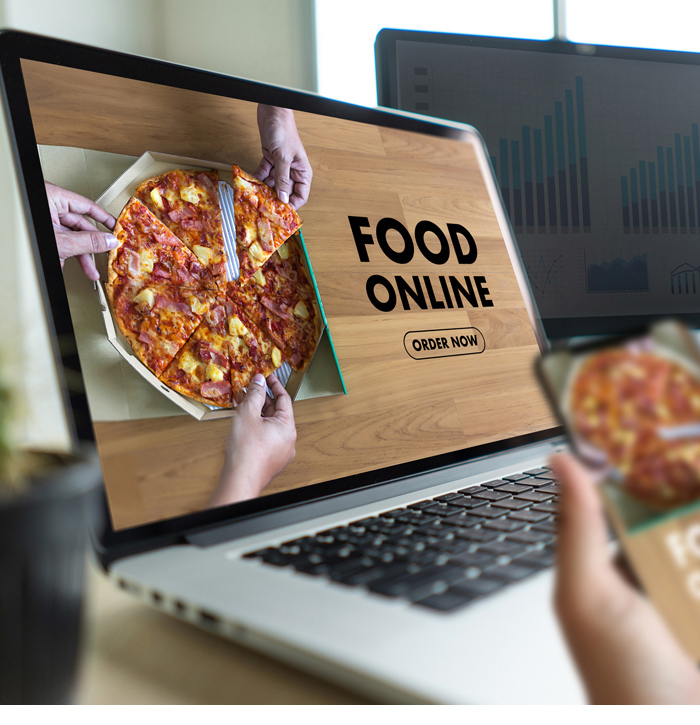
Let your website be the front door to your restaurant where diners can learn about you before they make a reservation. Your online strategy isn’t complete without one and sites such as the all-in-one platform Sociavore was developed for independent restaurant operators like you to be in full control of your brand, content, online ordering and reservation booking system. Your website attracts visitors and drives sales, so take control of your online presence. Book a Sociavore demo here.
Take your marketing efforts to a more profitable level by implementing one or more of these creative strategies for your restaurant brand.
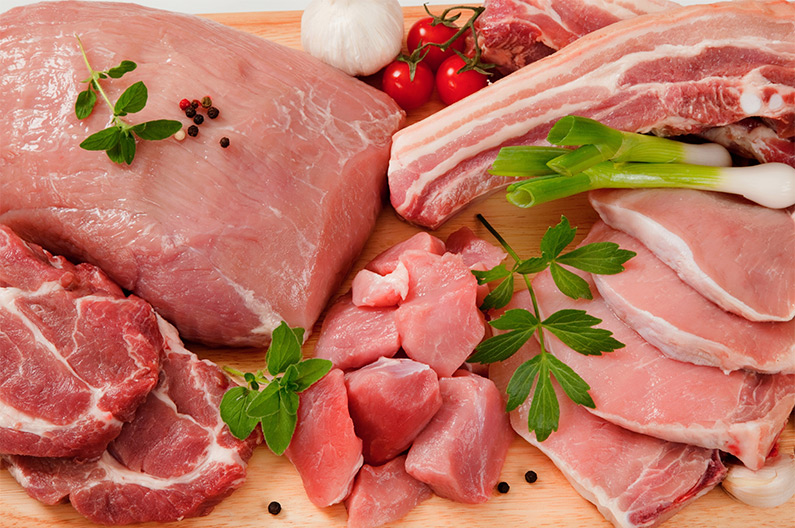
Centre-of-plate proteins are some of the most expensive ingredients. Implementing strategies to lower food costs without sacrificing quality and presentation can help your bottom line while feeding creativity and inspiration in the kitchen. Selecting less expensive cuts, marinating with creative sauces, creating soups and stews, and choosing sides that complement well while providing exceptional value are just some of the ways to tame the food cost beast.
Contribution to margin
Rather than deciding what proteins to use based solely on food cost percentage, consider contribution to margin by subtracting food cost from your selling price. “By working from a contribution to margin calculation, operators can more clearly see how customers might choose one item over another if the value isn’t strong enough on price point,” says James Keppy, national culinary chef, Maple Leaf Foods. “It also illustrates how paying attention to pricing can make the difference between making a sale or not, and to your overall sales and profit margin.”
“Do you go to a lower grade or a smaller portion?” Keppy asks. “Does it have to be a 10-ounce steak or could it be an eight-ounce? If you go to a smaller cut, then you can add protein with chick peas and lentil options. And by keeping your sides flexible, you add ability to respond to food cost pressures.”
Fresh vs frozen
No surprise, fresh product is time-limited. Frozen cases offer more flexibility since you can take out as many bags as you need without fearing that the rest will spoil. This flexibility enables you to plan ahead, forward buy, and more accurately assess your needs.
Remember that markets dictate price, and by understanding the fluctuations, operators can gain maximum pricing advantage. Supply and demand pushes steak prices up during grilling season; hips and chucks begin to rise in August based on future bookings for delivery in October.
The AAAs have it
According to meat experts, a well-aged AA program will produce higher value steak than a lesser-aged AAA program. A quality product depends on proper aging, but if you age AA and AAA beef in the same ways, the AAA will offer a consistent, flavourful and juicy product.
Working with chicken? Test for yield.
Do your due diligence and carry out a proper yield test on your raw chicken breast to see cooking loss against a competitor, Keppy recommends. “The loss can be significant if you are buying an inexpensive frozen chicken breast. Protein is reduced by the amount of water that is added and that water is purged out leaving a smaller cooked product.”
“It is the sign of a good cook who can prepare tougher cuts.”
James Keppy, national culinary chef, Maple Leaf Foods
Lesser cuts can mean more profit
Offering a skirt steak or top sirloin in place of tenderloin, or a chicken thigh instead of chicken breast can make a great meal with even more flavour, Keppy says. “It is the sign of a good cook who can prepare tougher cuts. Depending on your operation, a value-added product may be the best answer because of the staff savings, portioning and hold times that can balance off a raw product with labour, cook time and waste.”
Celebrate the story
Canadian meats are among the best in the world. By proclaiming place of origin on menus, operators can build pride and customer loyalty.
Quick tips
- TIP: Build a feature menu item. Try offering a mix grill with three smaller servings of protein like a three-ounce chicken breast, a small dinner sausage, and three-ounce piece of steak.
- TIP: Work your seasonings. A cheaper cut marinated and seasoned properly can show off your talents as much as a top cut.