
Serve Warmth, Sell Value: Why Comfort Food Matters This Fall
As summer fades, the craving for warmth returns. Diners want dishes that feel like home — soups, braises, casseroles, and indulgent desserts that bring comfort and familiarity. For operators, this is more than a seasonal shift. It’s a chance to build menus around feel-good flavours that keep guests coming back and protect margins between patio season and the holiday rush.
Why It Matters
Comfort food carries emotional value and price flexibility. Guests associate these dishes with generosity, celebration, and care, which allows for slightly higher prices when quality and portions feel right. Many comfort classics also rely on affordable ingredients like root vegetables, pulses, grains, and secondary protein cuts, helping maintain margins even as costs fluctuate.
Operator Strategies
Seasonal Rotation and Limited Runs
Create two or three rotating features every six weeks, such as braised short rib with mashed roots, shepherd’s pie with PEI potatoes, or baked mac and cheese with Quebec cheddar and breadcrumb gremolata. Limited-time dishes create urgency and repeat visits.
Portions That Protect Profit
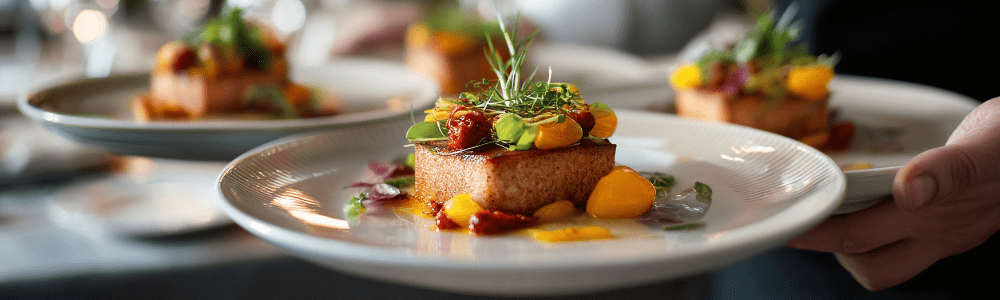
Hearty doesn’t have to mean oversized. Use plating techniques like height, colour, and texture to maintain satisfaction with right-sized proteins. Pair modest cuts with generous, filling sides such as barley, lentils, cabbage, or roasted squash. Add edible herbs or crunchy toppings to boost perceived value at little cost.
Cross-Utilize Ingredients
Plan for each ingredient to serve multiple dishes. Roasted squash can appear in soup, a warm grain salad, or alongside a roast. A beef braise can transform into next-day poutine or hand pies. This tightens inventory and reduces waste.
Mini Indulgences
Offer small, high-margin desserts like maple butter tart bites or mini apple crisps with coffee pairings. Even guests who only want a taste will increase the check average.
Batching and Make-Ahead
Choose items that hold well, such as soups, braises, or gratins. These reduce stress during rush periods and improve consistency.
Menu Engineering and Costing
Cost the Feature First
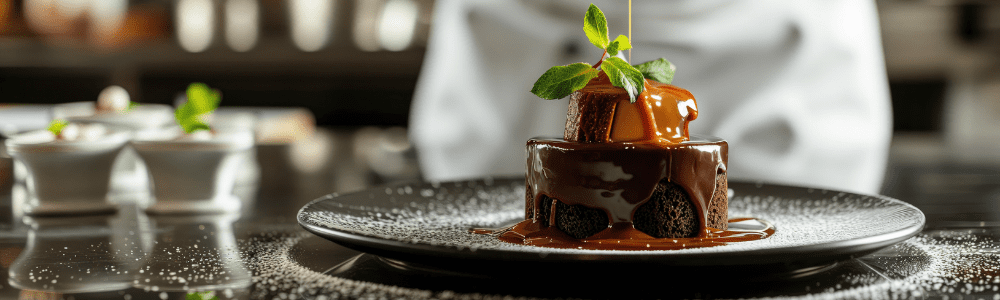
Reverse-engineer prices based on target food costs — for example, 28–32% for mains and 20–25% for desserts. If your sides are inexpensive, invest flavour where it counts, such as in reductions, quality stock, or premium cheese.
Offer a Comfort Combo
A soup, small salad, and half entrée combo adds weekday value, simplifies choices, and balances plate costs across items.
Vegetable-Forward Wins
Add plant-rich comfort dishes like mushroom stroganoff or lentil cottage pie. They photograph well, travel easily, and support profitability.
Marketing Approaches
Visual Warmth
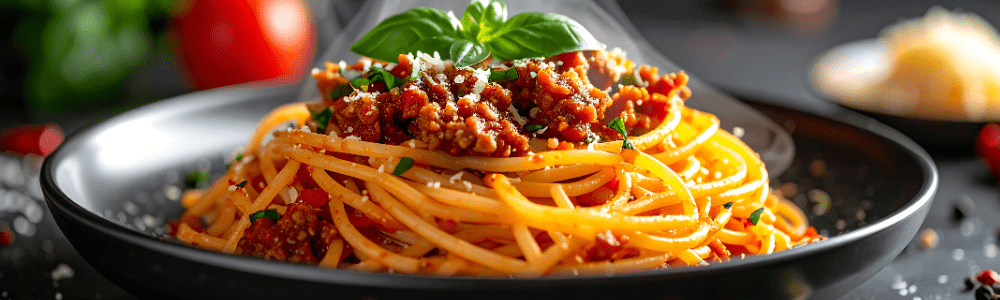
Use natural light to highlight steam, bubbling cheese, and golden crusts. A simple caption works best: “Your favourite sweater, in a bowl.”
Storytelling
Share origins and inspiration, such as “Our chef’s Sunday pot roast with prairie barley.” Memory-driven stories connect guests to your menu.
Feature Weeks
Host a “Comfort Classics Week” with daily variations to draw guests back multiple times.
Loyalty Boosts
Offer double points on comfort dishes or a punch card for “Soup of the Week” to encourage repeat orders.
Front-of-House Execution

Train servers to use gentle suggestive selling: “Would you like to start with a warming bowl of our squash bisque? It’s been this week’s favourite.” or “A mini butter tart to share?”
Serve soups and breads quickly to create an instant sense of hospitality. For takeout, use vented containers, separate sauces, and include a short reheat card to preserve quality.
The Takeaway
Comfort food is both emotional and economical. With portion control, smart ingredient use, and story-driven marketing, you can deliver cozy experiences guests crave — while keeping profits steady all season.
Restaurant Survival Guide: Menu Strategies Diners Will Appreciate
Inflation is squeezing Canadian restaurants. Proteins, produce, and utilities are more expensive than ever, while diners are watching every dollar. The challenge? Protecting margins without pushing guests away.
The truth is: raising prices is sometimes unavoidable. But the way you present and structure those changes makes the difference between guest resistance and guest loyalty.
Here are practical menu pricing strategies that go beyond simply charging more—tools you can use right now to maintain profitability while continuing to deliver value.
Focus on Value Perception
Guests are not calculating your food cost percentages. They are asking one question: Does this feel worth it?

- Lead with experience: Elevated presentation, attentive service, and thoughtful menu descriptions all make higher prices easier to accept.
- Bundle strategically: Pair an entrée with a side and drink at a slight discount. Guests see more value, while you grow cheque size.
- Promote add-ons: Small, low-cost upgrades such as “add soup for $3” or “make it a combo for $5” increase averages without alienating diners.
Rethink Portioning and Presentation
Instead of large, sudden price jumps, consider subtle changes to portions and plating.
- Offer half portions at lower prices, giving diners flexibility while controlling your own costs.
- Slightly reduce protein ounces and balance plates with colourful, seasonal vegetables.
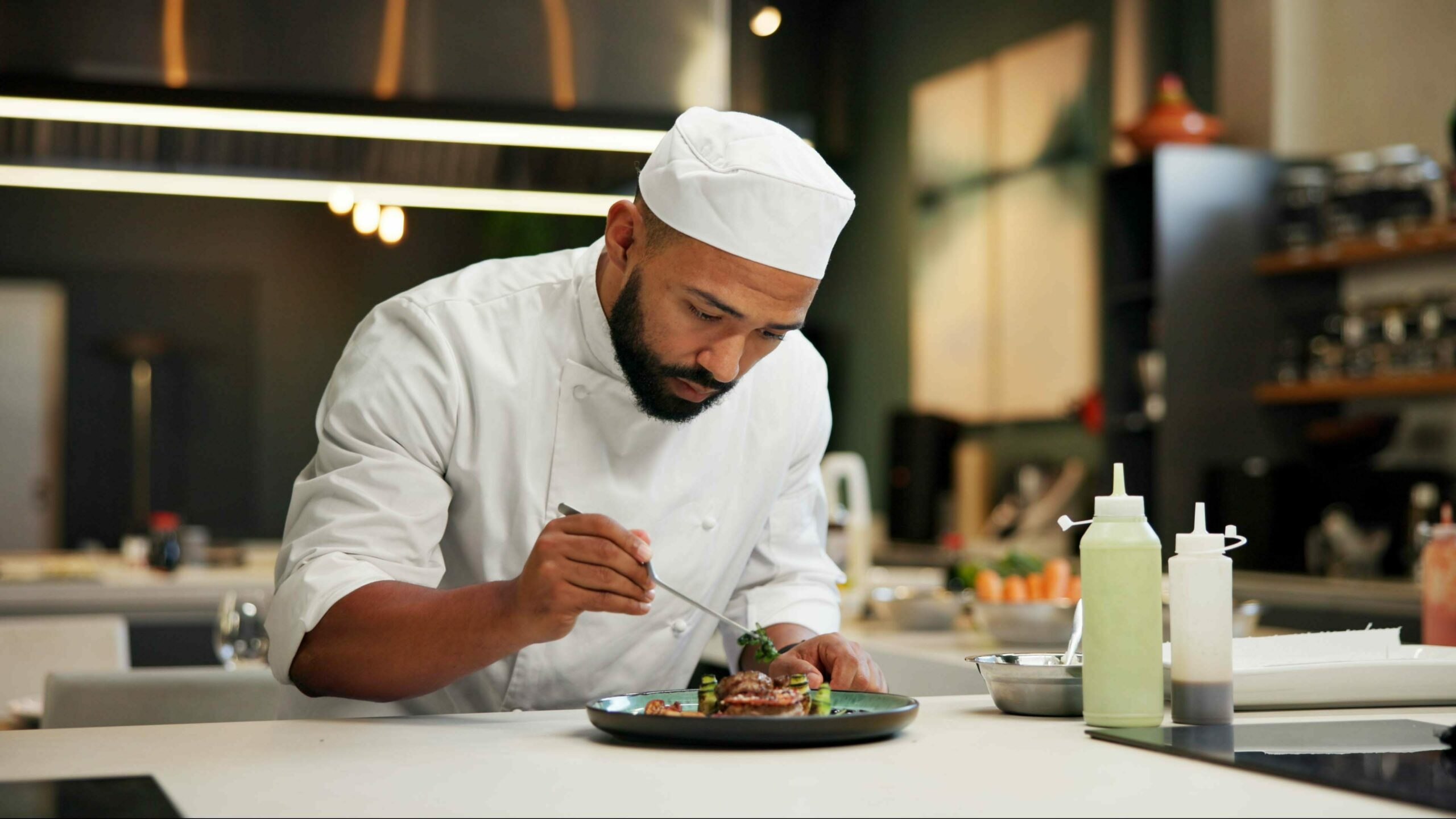
- Use creative plating—height, layers, and garnishes can all increase perceived value.
Engineer Your Menu for Profit
Your menu is more than a list of items—it is a sales tool. The design itself can encourage diners to choose profitable dishes.

- Position high-margin items in prime locations such as the top-right corner.
- Use descriptive names. “Autumn Roast Chicken with Maple Glaze” feels worth more than simply “roast chicken.”
- Consider dynamic pricing—adjust items seasonally or in response to rising input costs instead of across-the-board increases.
Communicate to Build Trust
Price increases are sometimes unavoidable. Guests are more likely to understand when you are upfront.
Adding a short note such as, “Our seafood is sustainably sourced, and supplier costs have risen this season. Thank you for your continued support,” can go a long way.
Many diners value honesty over silence. Respect and transparency foster loyalty.
The Takeaway
Raising menu prices in today’s climate does not have to alienate guests. By focusing on value perception, presentation, smart bundling, and open communication, operators can protect their margins while maintaining strong customer relationships.
Smarter pricing means loyal diners and healthier profits.

2025 Cocktail Trends Restaurant Operators Shouldn’t Miss
As diners continue to crave unique and memorable experiences, your cocktail menu is a powerful way to set your restaurant apart. From zero-proof innovation to unexpected flavour fusions, 2025 is serving up some bold new trends in the world of mixology. Here are the cocktail trends worth shaking (or stirring) into your bar program this year.

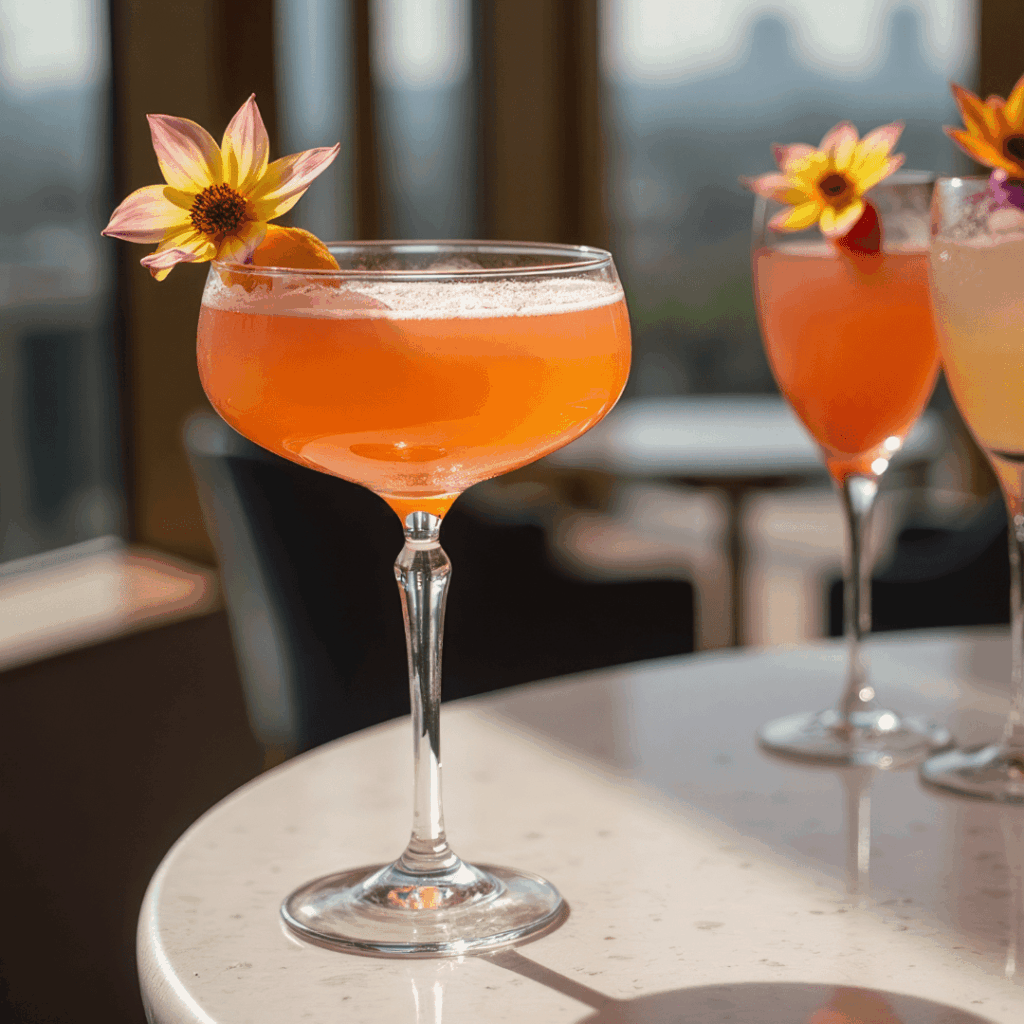
1. Elevated Zero-Proof Cocktails: The non-alcoholic movement is far from a fad; it’s now an essential part of any well-rounded drink menu. This year, expect to see:
- House-made zero-proof spirits using botanicals, teas, and spices.
- Complex no-ABV cocktails that mimic the depth of traditional drinks.
- Spirit-free pairing menus to accompany tasting menus.
Pro tip: Label them as “zero-proof” or “crafted non-alcoholic cocktails” to better highlight the artistry and elevate guest perception.
2. Global Flavour Profiles: International inspiration is taking over the cocktail scene. Look for ingredients like:
- Yuzu, shiso, and miso from Japan.
- Tamarind, cardamom, and rosewater from South Asia.
- Smoky mezcal, tepache, and mole bitters from Latin America.
Incorporate these flavours with storytelling behind the ingredients to connect with adventurous guests.
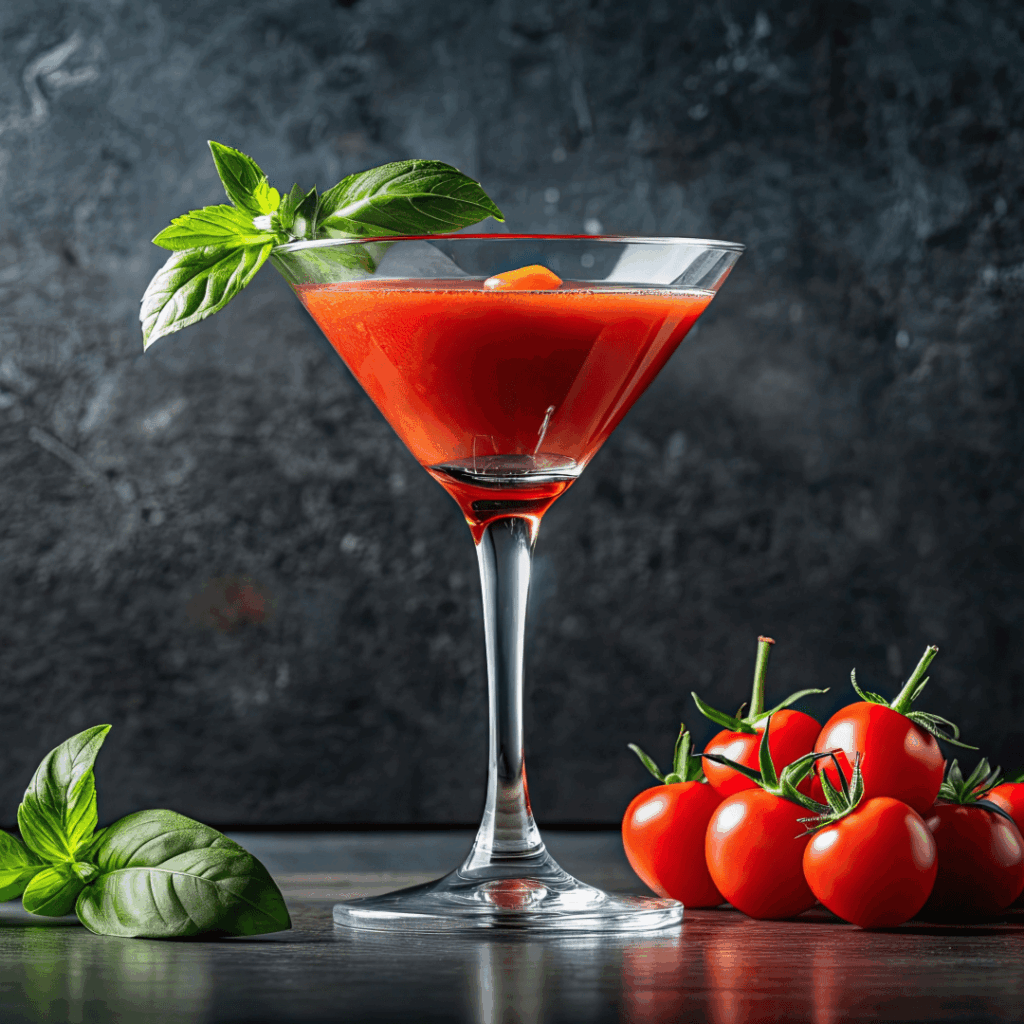
3. Savoury & Umami-Forward Cocktails: Savoury drinks are making waves this year, moving beyond the Bloody Mary. Think:
- Tomato water martinis
- Mushroom-infused bourbons
- Umami-packed syrups made from soy, seaweed, or roasted vegetables
These work especially well with food-friendly concepts like tasting menus or chef-driven bars.

4. Eco-Conscious Cocktail Crafting: Sustainability is influencing every corner of the kitchen, and now the bar too. In 2025, guests expect:
- Repurposed ingredients (e.g., citrus peels for infusions, aquafaba instead of egg whites)
- Nationally sourced spirits and seasonal garnishes
- Minimal-waste garnishing and reusable decor
Highlight these practices on your menu or via social media for added appeal.
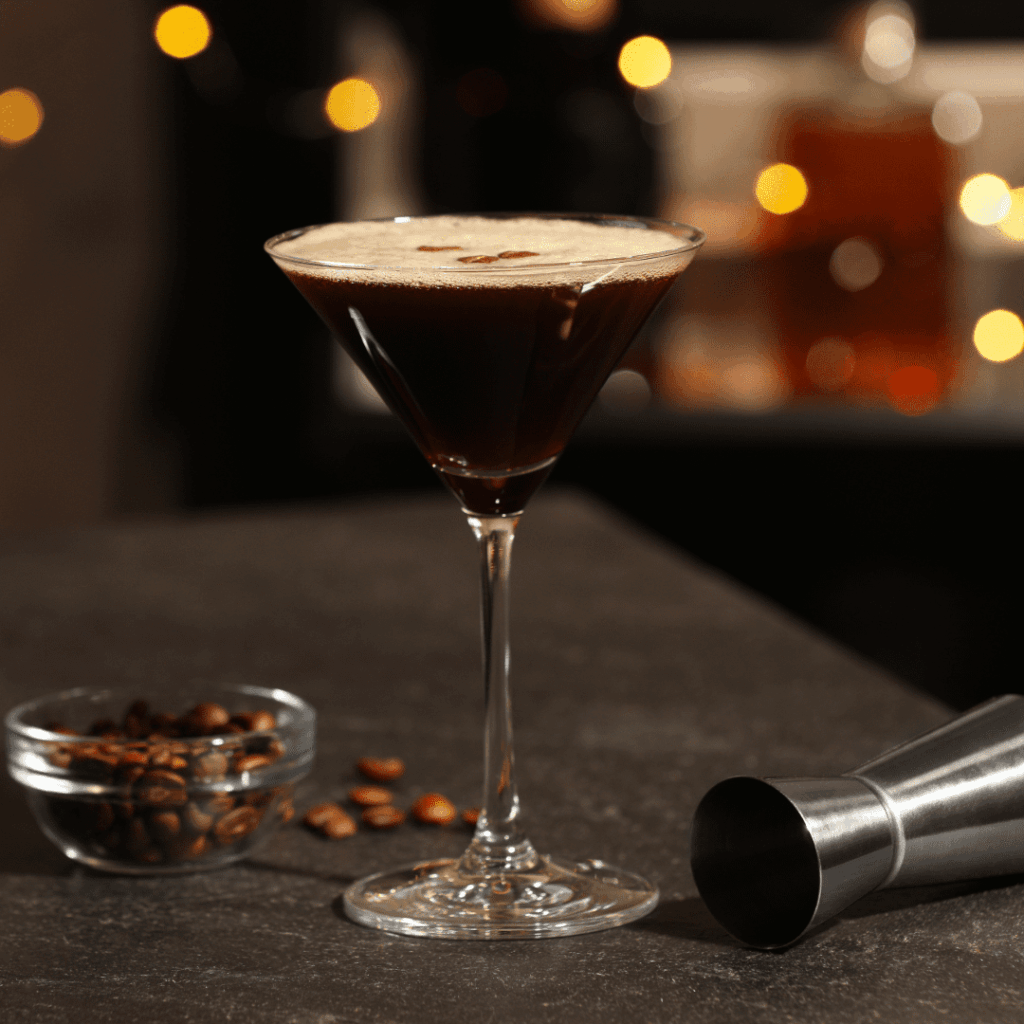
5. Retro Recipes with a Modern Execution: Nostalgia is trending hard. Classic cocktails from the ’70s, ’80s, and even early 2000s are getting modern upgrades:
- Blue lagoon with clarified citrus and artisan curaçao
- Espresso martinis with single-origin cold brew and house liqueurs
- Piña coladas with coconut fat-washed rum
Add a contemporary twist with upgraded ingredients and elegant presentation.

6. Tableside and Interactive Cocktails: In the TikTok era, drinks need to be as shareable as they are sippable. Consider:
- Smoke-filled cloches or bubble-topped drinks
- Mini cocktail flights
- DIY garnish or infusion options brought to the table
It’s all about creating that “wow” moment and giving guests a reason to snap and share.
Final Shake:
Your cocktail program is more than a menu, it’s a storytelling tool, a revenue driver, and a differentiator. By embracing these trends with creativity and authenticity, you’ll not only meet customer expectations—you’ll exceed them.
Cheers to a flavourful, forward-thinking 2025!

These questions don’t just apply to clothing, personal care products, and the latest bestsellers. They also apply to the foodservices industry. Being aware of applicable trends going into the new year will help restaurant owners make their customers’ experience so special that they will want to return often.
Below are what Technomic foresees as foodservice trends for 2023:
Financial Concerns
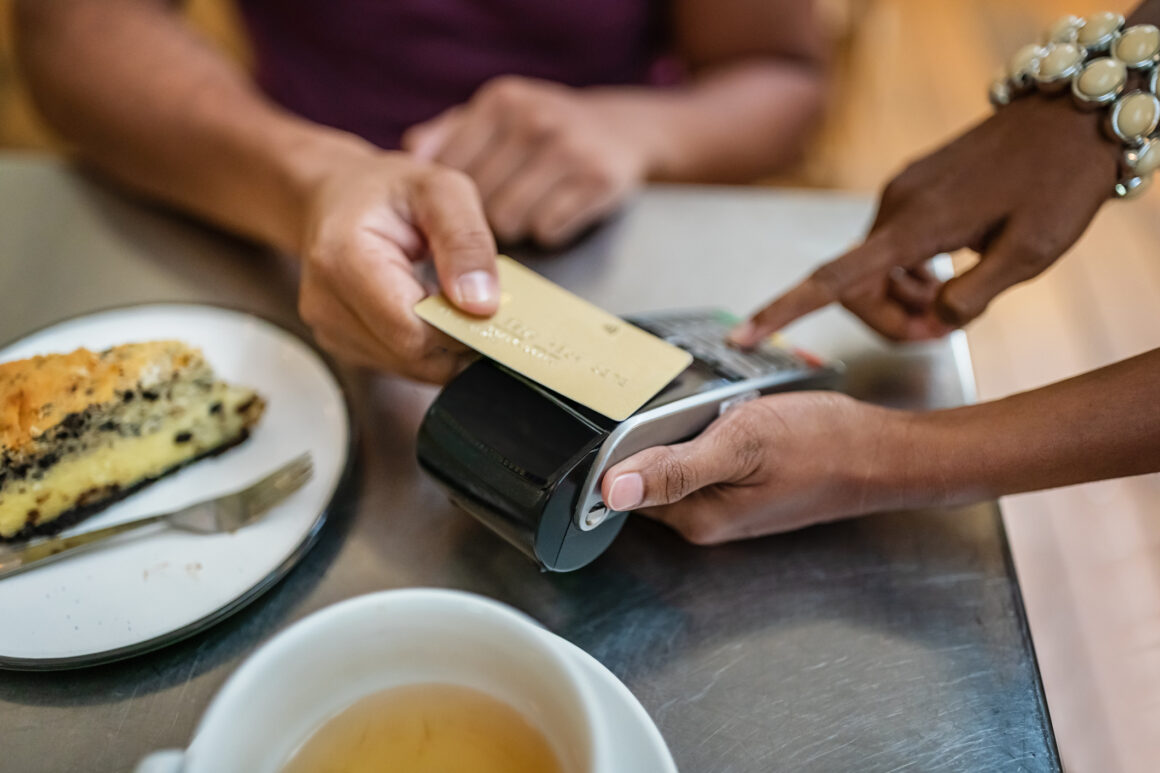
Because of current economic concerns, 58% of consumers are more cautious about eating out and 44% will no longer make impulse visits to a restaurant. Restaurant owners will want to keep this in mind when making decisions for the year ahead.
Social Highlight

While the above statistics are of concern, there are statistics from the third quarter of 2022 that are encouraging. 71% of those surveyed indicated they enjoyed the social aspect of eating out and 65% said it was one of their favourite activities to do with friends. Restauranteurs who make their customers’ experience especially enjoyable will increase the likelihood of family and friends continuing to gather at their establishments.
Beyond the Social Aspect
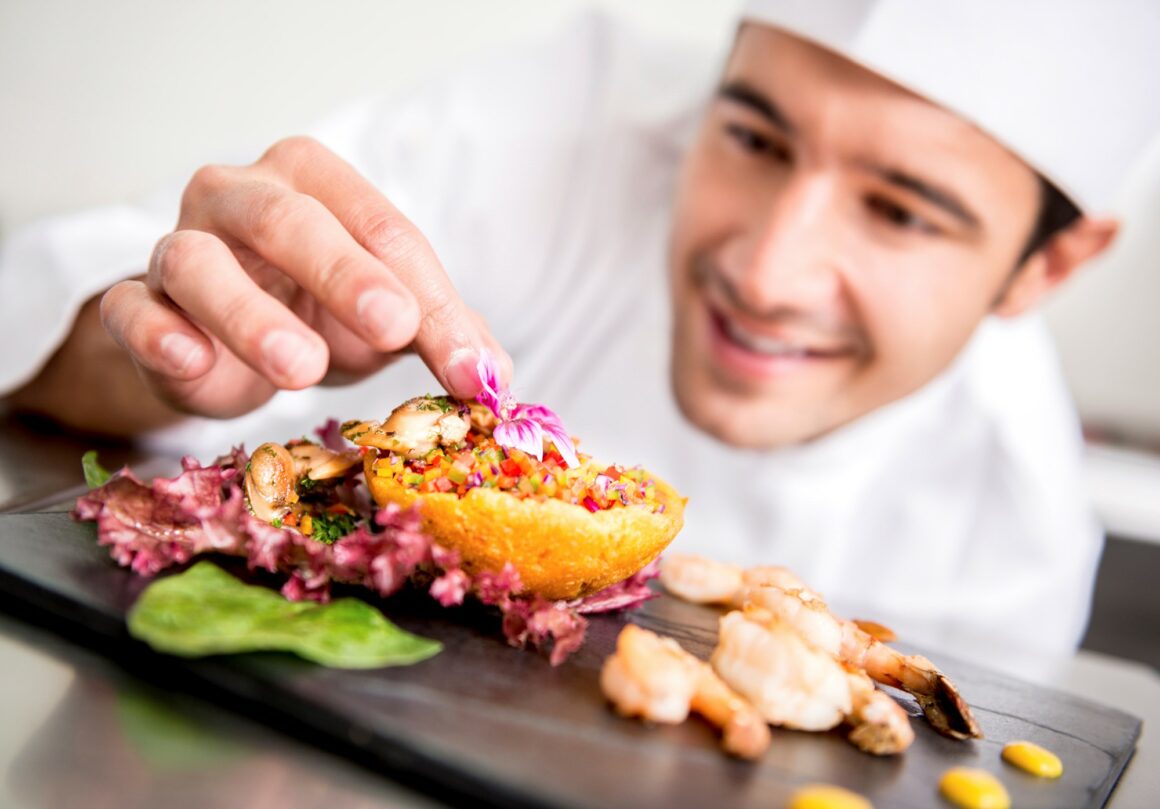
Customers also consider the following elements important to an enjoyable restaurant experience: the use of premium ingredients, the use of fresh ingredients, and appealing flavours. Gen Zers and Millennials in particular pointed out the importance of the following: knowledgeable staff that pays attention to the fundamentals and good value with quick, high-quality service.
The Use of Preserved Foods

Research indicates there will be more preserved food on restaurant menus. Preservation methods will include pickling, fermenting, dehydrating, and freeze-drying. Stocking these foods when available will lessen supply chain issues, as they can be kept far longer than fresh ingredients. Restauranteurs will want to keep an eye on these trends in the coming months: fermented beverages other than kombucha (i.e.: the fermented sugarcane spirit cachaca and the Japanese fermented rice drink amazake) and global pickled or fermented condiments (i.e.: the Indonesian fermented kasundi sauce and the Indian pickled amba condiment).
Return to Physical Menus

While we rely on technology in virtually every aspect of life, a vast percentage of customers (82%) prefer a physical menu. More than half of restaurant-goers find the QR code menus lessen their dining experience. This is something restaurant owners will want to take into account when finalizing their 2023 budget.
Rewarding Loyalty

Loyalty programs keep customers coming back. 41% of Gen Xers actually prefer to visit restaurant that offer such a program. This is a good time for restaurant owners to brainstorm what type of program they could implement if they don’t already have one in place.
Food Items from Down South—Way Down South
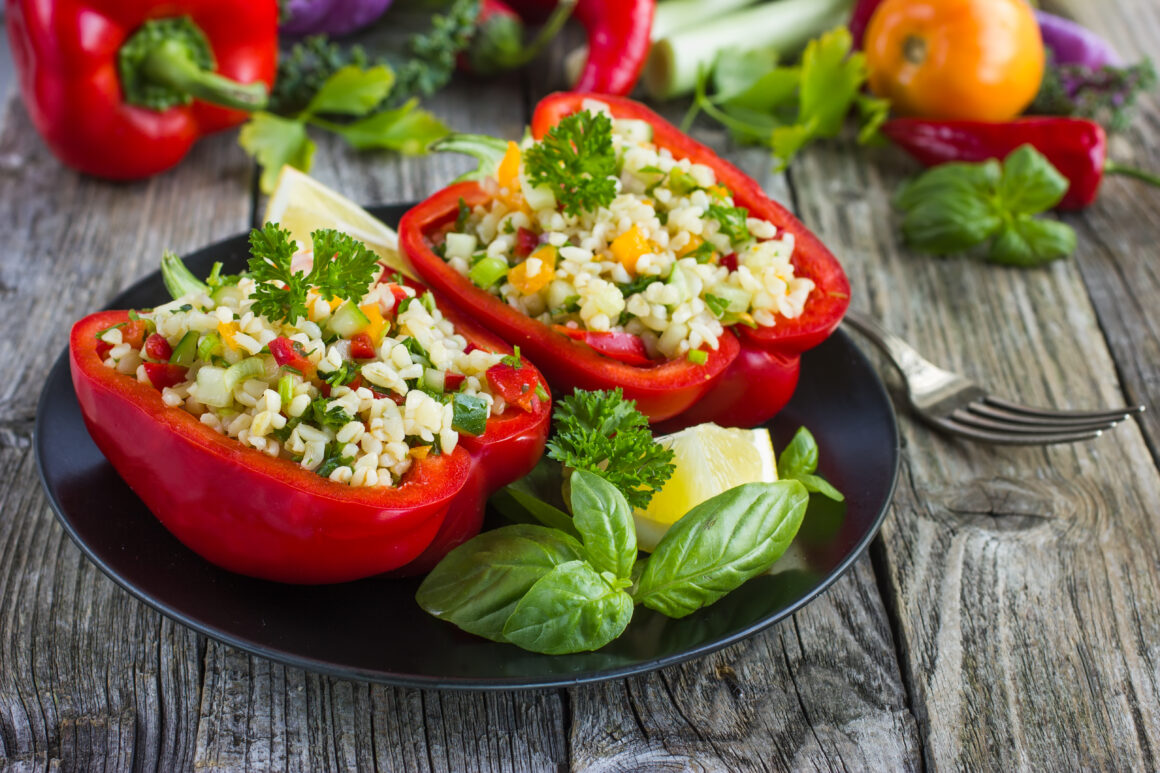
Canadian operators are looking for inspiration beyond the U.S. and Mexico. In particular, they are looking to food options from Central America and the South American Andean states. These are just three of the dishes with a southern flavour: quesadillas made with refried beans, cashew cheese, coconut crema, charred corn salsa, curtido, and sprouts, all served on flatbread; jerk cauliflower made from apple puree, wasakaka, and toasted coconut; and Honduran baleadas, flour tortillas with grilled flank steak or spiced sweet potato, scrambled eggs, refried beans, cotija cheese, avocado, and lime crema.
Health-Consciousness
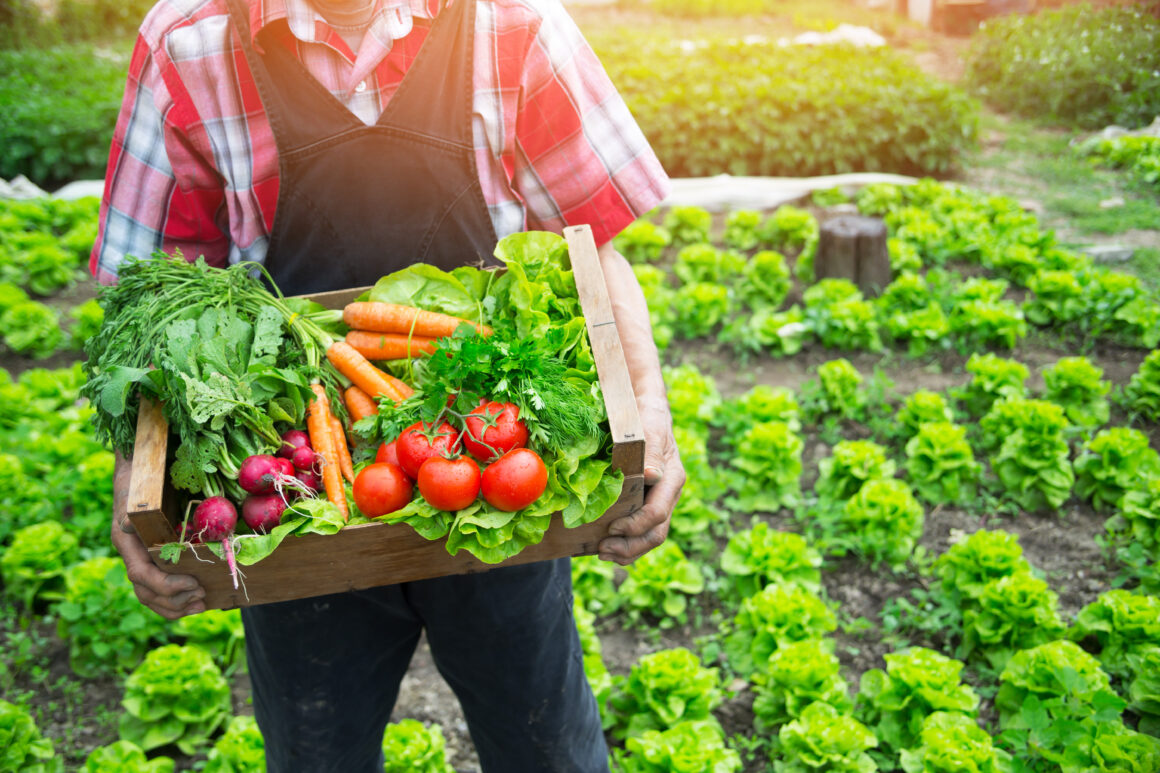
Restaurant owners will want to keep the following preference in mind: the desire for fresh offerings made from scratch, using locally sourced, preservative-free ingredients. Customers want their food to be “clean, natural, and real.” Many also want it to be low-calorie, low-fat, and low-salt.
So Much to Think About
Restaurant owners face many challenges for the year ahead. In summary, the experts at Technomics recommend going back to the basics, balancing the old with the new, and adding new and quirky styles and cuisines.
Canadians are serious about tea. Hot, iced, infused, blended, as an ingredient or crafted into cocktails, they can’t get enough – for flavour, health, wellness or comfort. Does your restaurant beverage menu offer the sips they crave?
“Tea is the third most consumed beverage in Canada,” according to Mother Parkers Tea & Coffee Inc., a fourth-generation family owned and operated company that has worked in the foodservice industry for almost 110 years. “Worldwide, tea is second only to water as the most popular beverage.”
“Tea is the third most consumed beverage in Canada. Worldwide, tea is second only to water as the most popular beverage.”
Mother Parkers Tea & Coffee Inc.
Scott Garrett, account executive with Mother Parkers, agrees. “As Canada becomes more diverse, tea is becoming more relevant. Tea is a complement to any hot beverage program and more and more consumers are adding tea consumption to their daily routine.”
Why do restaurant customers want tea?
It matters to your customers so it should matter to you.
“Consumers are looking to tea and herbal tea products because wellness is top of mind for them. They see tea as a complement to their coffee consumption. Or they see tea as a good substitute for coffee, to help relieve stress or as a healthier alternative,” says Garrett.
“We continue to see that sustainability is important to our consumers, too. Mother Parkers’ Higgins and Burke Teas have no artificial ingredients. Our premium quality teas start with hand-picked and high-grown teas. And we contribute to the Ethical Tea Partnership, which supports tea workers around the globe.”
Terroir and types of flavourful teas
Every tea has its own character that comes from terroir, just like wine. Tea all starts with the same plant, Camellia sinensis, but the ecosystem (how the location, climate, sun exposure, shade, soil, rain and elevation work together) plays an integral role in the final flavour of the tea. Even teas of the same variety can have significantly different flavours between regions.
Offering a variety of at least a couple of the main types of tea – green, black, oolong, white, Pu’er and yellow – in multiple flavour profiles is the first step to improve your tea service.
“Variety is key,” says Garrett. “Close to 70 per cent of specialty tea drinkers want a variety of interesting flavours when they select a brand. Younger consumers are ordering more green and herbal teas, in both the hot and iced tea formats.”
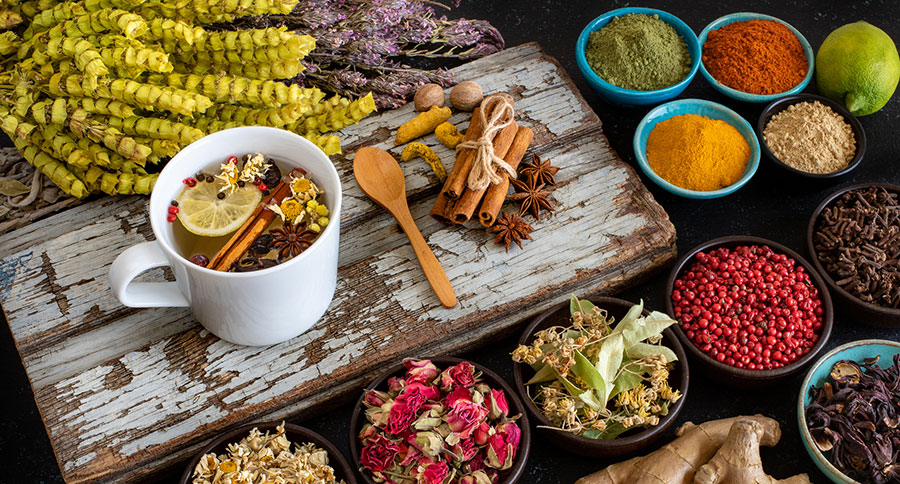
- Interesting fact about tea: Some teas don’t actually contain any tea. Meaning they don’t contain any of the plant, Camellia sinensis. We use the word tea because we typically use these products – herbal teas, botanicals, tisanes – in a similar way, steeping in liquid and drinking the result. Herbal teas can be one ingredient, mint for example, or a mix of leaves, roots, bark, seeds, flowers and fruit. The flavour possibilities are endless.
Trending teas for your menu
According to Technomic Insights, Hot Tea Menu Trends offer a diverse flavour portfolio to weave into your beverage menu.
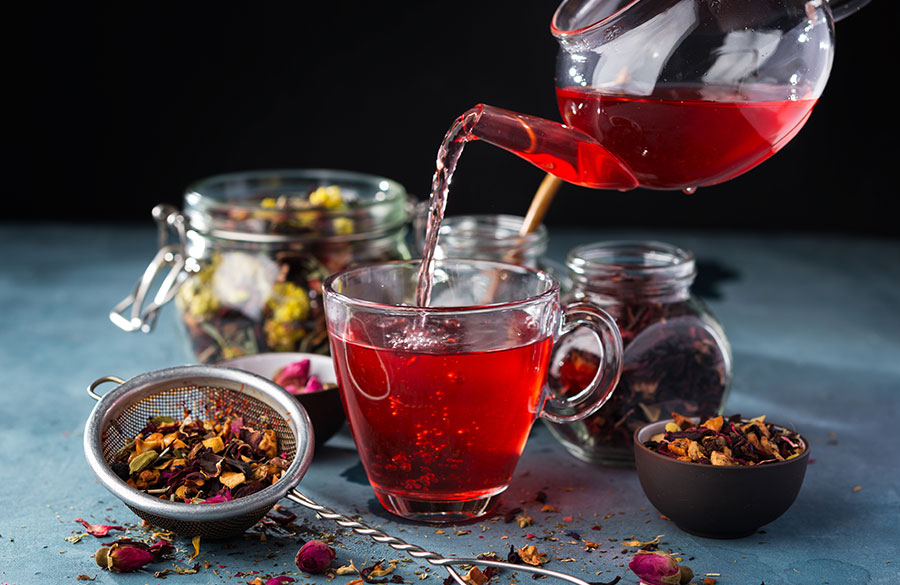
Foodservice industry innovators are introducing these flavours within their hot tea menu offerings: ginger, rose, hibiscus, lavender, raspberry and distinctly Assam tea (grown in India and the base for many traditional breakfast teas).
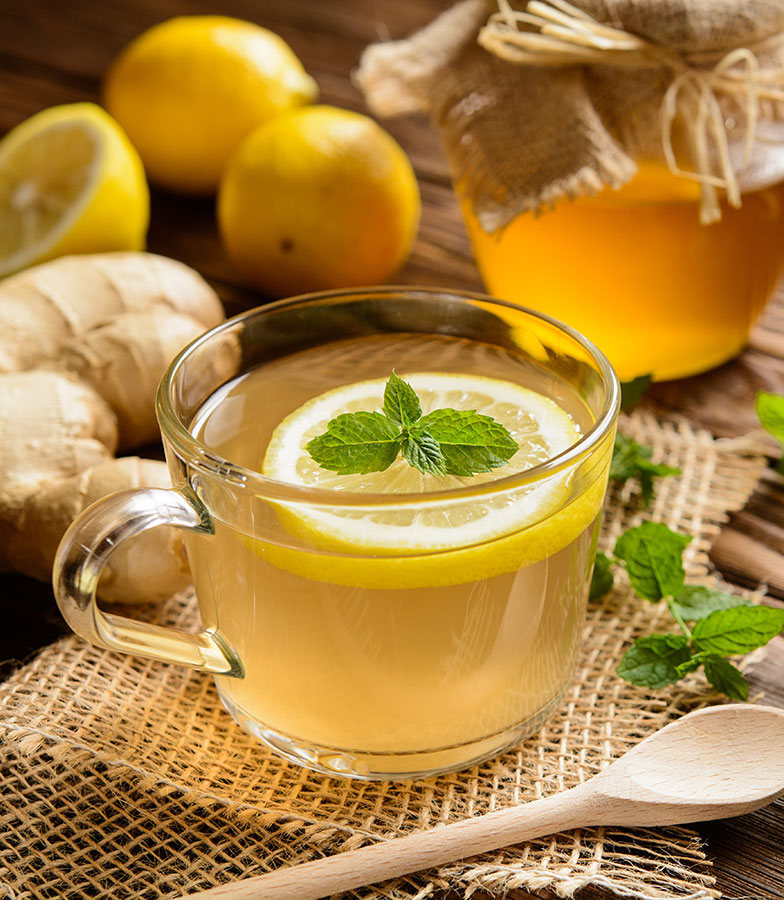
Proven favourites that will never leave menus include Earl Grey, mint, (masala) chai, green and lemon. The oldies but goodies, you could say, but not just your granny’s favourites. Take them out of the cup and into a different part of your restaurant menu or give them an up-to-date tweak – think Masala Chai Biscotti, Savory Green Tea Shortbread, Earl Grey Martini or Cold Brew Method Lemon Iced Tea.
Serving tea
Once you have expanded your tea menu, take these flavours for a spin. With prices ranging from $2.00 to $5.70 for a freshly steeped cup, according to Technomic’s study of menus nationwide, tea is an excellent opportunity for upselling at the end of a meal, no matter the daypart. Think of it as a flavourful indulgence without the guilt.
Chances are you have everything you need to serve a great cup of tea or herbal tea. Boil the water, slice up the lemons, pour the milk (or cream) and polish up the spoons. Make it a sip they will remember, for both taste and presentation.
Tea parties
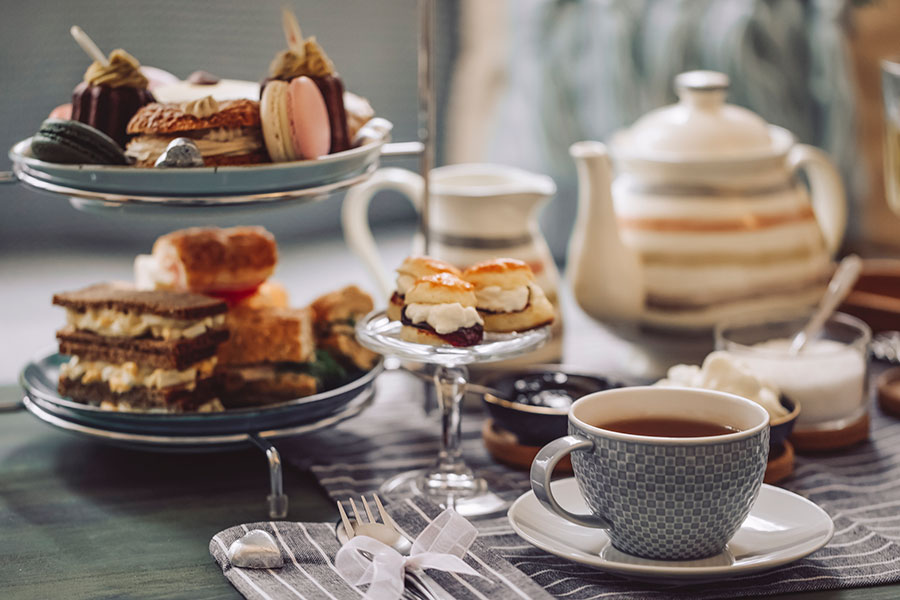
Who doesn’t love a good tea party? Imaginary or real, chances are memories evoke times of fun and frivolity. Hanging with family and friends. Bring out the good cups and saucers, assemble delicious sandwiches, pastries and bite-sized treats and invite everyone to your table.
Tea tastings
Tea flights are a delightfully simple way to entice customers to try new teas (and get a feel for what types they prefer). Up the ante by setting up tea tasting events, and include some simple competitions and offer delicious prizes.
Tea menus
As Mother Parkers says, “A great cup of tea is the best complement to any meal.” Why not design an LTO menu enhanced by being paired with a wonderful cup or two of tea? Or suggest tea pairings with menu choices or on the dessert menu?
Afternoon teas
Those odd hours in the afternoon too late for lunch but too soon for dinner, afternoon teas can drive traffic during this alternate daypart. They’re a charming option to try out some menu flavours in small bites which require significantly less labour than a full meal. But those little extras can all add up to more profits if your tea menu and food offerings are too hard to pass on.
Good to the last sip
“Tea is a high margin category to utilize,” Garrett reminds us. “The iced tea segment is growing as consumers are seeking healthier options. We are bringing more herbal iced tea products to the market to meet this demand for menus at any type of establishment.”
Jump into this bountiful, colourful and delicious category. Improving your tea offering and service might just be your cuppa tea.
Try this:
Mother Parkers Gingerbread Cookie Latte, 2 ways
PrintGingerbread Cookie Latte Version 1
Ingredients
- 1 Chai tea bag
- ½ oz Gingerbread syrup
- Steamed milk
- Whipped topping
- Cinnamon
Instructions
- Steep chai tea bag in 2 oz of hot water in the cup
- Add in gingerbread syrup
- Steam milk and add to the cup
- Top with whipped topping and add cinnamon on top
Gingerbread Cookie Latte Version 2
Ingredients
- 1 Chai tea bag
- ½ oz Gingerbread syrup
- 1 shot Espresso (or 2 oz dark coffee)
- Steamed milk
- Cinnamon
Instructions
- Steep chai tea bag in 2 oz of hot water in the cup
- Add in gingerbread syrup
- Add espresso or dark coffee
- Steam milk and add to the cup
- Top with cinnamon