
Every week, websites across the country like DineSafe present a list of foodservice establishments that have been closed, or issued conditional warnings of closure, and the violations that have been cited.
Inspection results identify restaurants, cocktail bars/beverage rooms, bakeries and QSRs deemed by Health Inspectors to be in violation of the provincial food safety regulations.
Violators can run the gamut from independent bakeries, food court operators, and franchise restaurants, to independent family restaurants. The element that violators have in common is a breakdown in the processes and procedures that ensure food safety.
In a world of open social networks, there’s nowhere to hide from the downside risks of violating health codes and/or consumers being affected by foodborne illness. During the pandemic, concerns about food safety have only been magnified. Thus, interest in and attention to safety needs to permeate the business culture of absolutely all operators, no matter their size or location, working with food.
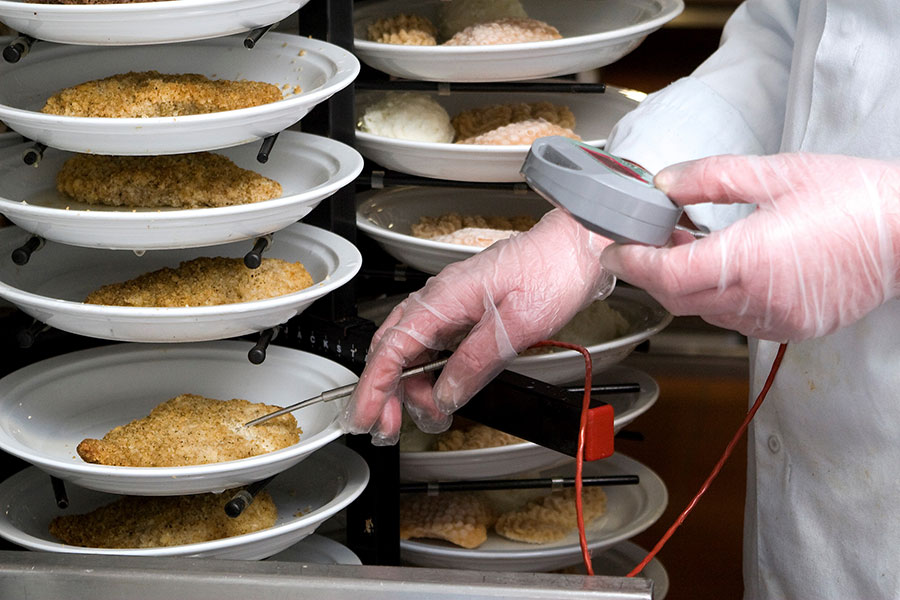
The 5 top restaurant food safety areas of concern
The vast majority of food safety violations fall into the following problem categories commonly identified in foodservice inspections. Roughly 80% of the food handling practices leading to foodborne illnesses are covered by five specific breakdowns:
- Keeping hot/cold food at correct temperatures
- Proper handwashing practices
- Food contact surfaces protected from contamination
- Sanitation plan and cleaning schedule
- Dishwasher procedures
Root causes
Pam Mandarino, an environmental health officer in Vancouver, conducted an extensive food safety study (2017) which analyzed inspection report data on temporary restaurant closures and food handling violations in British Columbia. The study cross-referenced findings of similar studies conducted in the U.S.
Mandarino concluded that multiple factors, and not just food safety knowledge, affect safe food handling practices.
Below are some of the factors she found that influence safe restaurant food preparation practices:
- Time pressures
- Manager indifference toward proper food safety practices
- Food safety certification and food safety training
- Inadequate food handler knowledge
- Poorly designed kitchen facilities and insufficient standard operating procedures
Stop food safety problems before they begin
Proactive attention to food safety practices and processes is your best bet to circumvent a food safety crisis. That being said, having an action plan in place to address a crisis, isolate the causes, and map a recovery path can forestall devastating outcomes.
Myths and Truths About Food Poisoning
| Not True | True |
|---|---|
| A food with enough pathogens to make you sick will look, smell or taste bad. | A food with enough pathogens to make you sick may look, smell or taste good. |
| Really fresh food cannot make people sick. | Really fresh food can cause food poisoning if it is not properly handled. |
| Only dirty kitchens can make people sick. | Even clean kitchens can make people sick. |
| Properly cooked food can never cause food poisoning. | Food poisoning can occur even when foods are properly cooked. |
Source: BC Centre for Disease Control (2009), Ensuring Food Safety Writing Your Own Food Safety Plan – A Guide for Food Service Operators.
Gathering storm
In 2019, the Canadian Food Inspection Agency introduced the Safe Food for Canadians Regulations (SFCR). The SFCR legislation requires food suppliers, importers/exporters, and foodservice operators to mandate preventability and to improve traceability – not an insignificant ask, given that the majority of the food we consume in Canada comes from abroad.
Lawrence Goodridge, Director at Canadian Research Institute for Food Safety, University of Guelph, feels that SFCR does not go far enough. He compares the traditional “surveillance” approach to food safety to predicting the weather: Each of us checks the weather each day, yet no individual feels strongly that their specific observations can accurately predict what will happen.
Smartphone apps are being engaged to accumulate user weather observations and their geo-locations. Feeding this data into artificial intelligence algorithms can create more accurate meta-reports on local weather patterns in real time.
Imagine now that food safety was tracked in a similarly proactive fashion. Responses on foodborne outbreaks could be identified very early on, via smartphone, by individual consumers, leading to faster removal of contaminated food from the food chain.
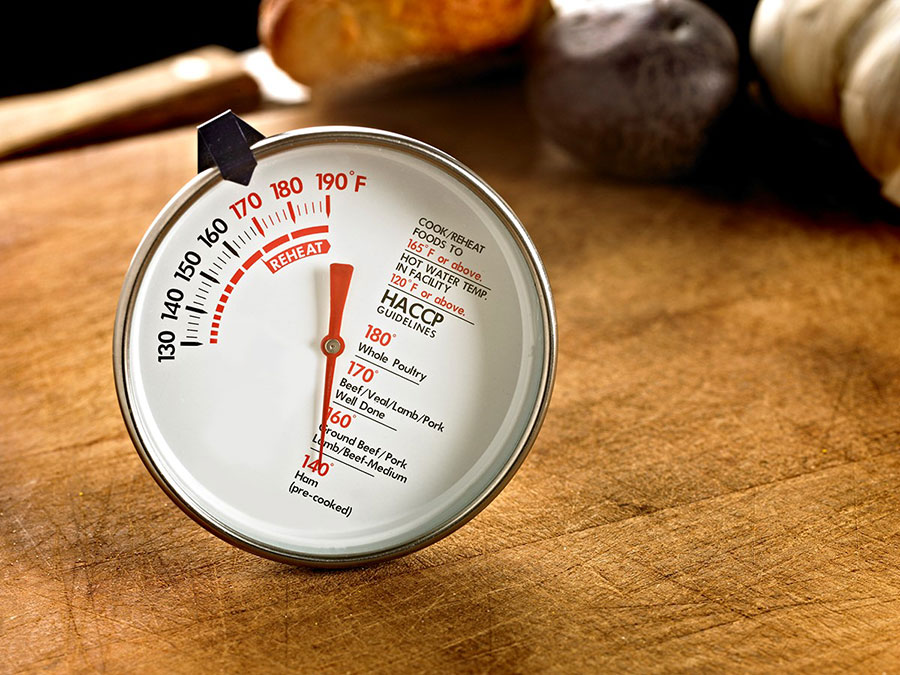
Top tips to prevent food safety situations
Restaurant food handling tip sheet
- Label and date your products when you receive them or when you prepare them.
- Understand proper food storage temperatures and storage.
- Rotate your food products (first in, first out). This should be standard procedure for everything: canned goods, produce, meat, dairy.
- Constantly do checks of the food in your fridges and ensure they’re set at the proper temperature.
- Reheat foods properly.
- Ensure correct handling of fresh produce, for instance not leaving it standing in cold water.
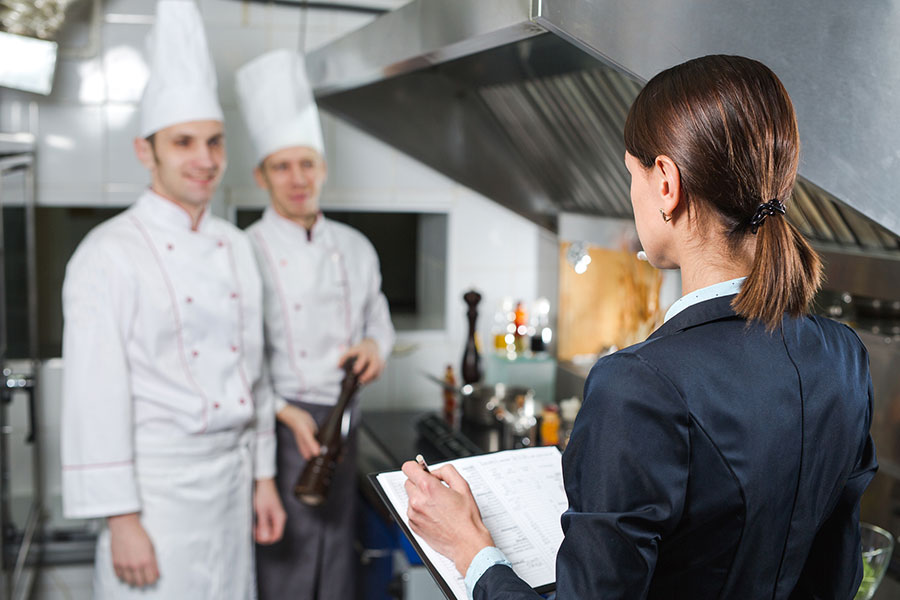
Restaurant food handling training
- Consider hiring a licensed cook with responsibility for ongoing staff training.
- Make sure all staff take a food handling course.
- Make equipment handling courses mandatory, including an annual refresher so staff understand correct operation and cleaning of all equipment.
- Work the relationship with your local health unit and ask if they’ll help with training.
- Rehearse your food handling procedures. Don’t wait for a crisis to happen, be prepared to respond.
Restaurant cleaning
- Maintain a cleaning checklist, posted prominently for kitchen staff.
- Ensure your equipment is cleaned and sanitized.
- Work with your cleaning equipment supplier to recommend best products to use in the kitchen. A lot of suppliers will come in and train your staff.
Educating
- Stay on top of food safety issues. The CFIA publishes regular updates on food-borne issues along with the latest acts and regulations. Food manufacturers publish regular bulletins on their products, and many distributors also send out food safety alerts.
- Sign up for the National Food Safety Training Program, offered across the country.
The COVID-19 pandemic has placed unprecedented stresses on supply chains worldwide. Policies adapted to contain the spread of the virus have contributed to bottlenecks in farm labour, processing, transport and logistics and momentous shifts in demand, according to the OECD. Factory shutdowns and slowdowns, staff shortages, congested shipping routes and lean manufacturing with low inventories have all contributed to major obstructions at each stage of the supply chain.
As some shipments are delayed or unavailable, foodservice operators are adapting and embracing flexibility. With recent storms knocking out primary supply routes, operators in B.C. and Newfoundland in particular have had additional challenges to face that exacerbate supply chain challenges.
“Buy what you need … and trust the system. The long-term goal of sourcing locally-made ingredients that are plentiful is the best way to shelter your business from disruptions.”
Peter De Bruyn, provincial chair of the BCRFA
Peter De Bruyn, provincial chair of the BCRFA, says the best way for foodservice operators to get through this is to “buy what you need, not necessarily overbuy, and trust the system. The long-term goal of sourcing locally-made ingredients that are plentiful is the best way to shelter your business from disruptions.”
Experts recommend that foodservice operators focus on what they can control. That means nurturing strong (and local, when possible) partnerships, creating flexible menus that can be easily adapted, working out dish substitutions in advance, and keeping the lines of communication open with your staff, customers, and suppliers.
Building relationships to enhance supply links
- Maintain good relationships with your suppliers to ensure adequate warning of any shortages or even price increases.
By working with your foodservice distributors, operators can be better positioned to alleviate the impact on their business. “The supply challenges we have all faced have made the communication between operators and suppliers that much more important,” says Jason Voisey, purchasing manager at F. J. Wadden and Sons, based in Mount Pearl, Newfoundland.
“When distributors communicate any supply issues to their operators as soon as possible, the operator can adjust or modify menu plans,” he adds. “Addressing the circumstance early and working closely together helps ease the frustration and improves the relationship.”
Tips to streamline your menus and simplify kitchen operations
- Pay attention to which menu items are most impacted by restaurant supply chain issues.
- Remove them or offer them as features when ingredients are available.
- Reduce your number of items to those you are confident you can deliver for guests that day.
- Be ready to adjust menus on short notice.
- Make regular items feature items until ingredient supply returns to stability.
- Ensure your menu prices can absorb small increases from rising costs.
- Pay attention to how today’s events will affect next week’s menu…and beyond.
Be flexible to achieve results
- Build greater efficiency and stability of supply and don’t run out of menu items nearly as often.
During these challenging times, being open to more generic products adds flexibility, Voisey advises. “Each operator has preferred products that they would like to use. By working with their distributors to understand which products are available, operators can find suitable alternatives. This may impact some recipes and plate profiles, but it can help keep items on the menu and avoid guest disappointment.”
Suppliers may have several SKUs of similar products, and while some work well, others don’t, De Bruyn says. “Know what items you can easily substitute while you wait for your main supply to return.”
Managing expectations is important, adds Sylvain Charlebois, director, Agri-food Analytics Lab at Dalhousie University. “We are already seeing menus shrinking as well, which is not a bad strategy. Less could and will likely be better in the future, from a supply chain perspective.”
Carrying extra inventories can help get through the current challenges, Voisey says. “But equally, distributors have to monitor their carrying costs and cash flow closely.”

Assess your risk and plan ahead
- Update your emergency plan to include the learning from this pandemic and supply disruptions.
Audits and stress tests will become more critical for companies, Charlebois says. And more supplier options will also be critical if the company experiences a breach of some sort across the supply chain.
“Most companies have an emergency plan, but most did not include a strategy for dealing with a pandemic. Cybersecurity is another issue most companies will need a plan for, and that plan needs to be linked to the supply chain.”
Technology can help
- Online ordering systems, sales trackers and target marketers can mitigate restaurant supply chain impacts.
Using technology by tracking sales helps the foodservice operator make more informed decisions when it comes deciding if an option should be kept on the menu, Voisey says. “Focusing on the most popular items and working with the supplier to ensure these items are available allows the operator to focus on what they can sell and not what is unavailable.”
Data and technology are more important now than ever, and we generally have great access to it, De Bruyn says. “Most of us have point-of-sale systems; as well, we may have the data from our third-party delivery companies. This data can help us understand not only what products consumers are buying specifically, but what trends exist with purchasing behaviour. In times of supply shortages especially, there is no benefit to investing extra labour sourcing ingredients for a low-selling menu item.”
The use of more predictive analytics and forecasting are great tools to understand what lies ahead for foodservice businesses, Charlebois says. “We are expecting more companies in the sector to use promising technologies offered by machine learning, for example.”
Ingredient tips
- Develop or modify menus with ingredients that are common among several suppliers.
- Use reliable ingredients in several menu items wherever possible.
- Source local ingredients from trusted suppliers or even directly from farmers.
Great idea 💡
If a popular menu item is unavailable for a time, advertise it on social media when it does return – even for just a limited time offer – to build diner excitement.
More information:
Food Supply Chains and COVID-19: Impacts and Policy Lessons
The perennial challenge of staffing in the labour-intensive foodservice industry has only been exacerbated by the COVID-19 pandemic. Widespread staffing shortages as restaurants reopen, coupled with serious financial losses due to long periods of closures and restrictions, mean savvy foodservice operators are looking for effective retention and hiring strategies that won’t break the bank.
Understanding the Issue
Objective analysis of a problem’s root causes is the first step to finding solutions. While some reasons for staff shortages are beyond your control, be open to the possibility that your own practices may be a factor. For instance, ongoing government support programs may be one reason foodservice staff aren’t flocking back. But telling staff that their colleagues who haven’t returned would rather collect a benefit cheque than work could backfire: finger pointing may be part of your retention problem.
There are many nuanced reasons that many have chosen to leave the foodservice industry — or perhaps your establishment — including:
- Pandemic downtime that led to reflection about career and life priorities, with some workers choosing to retrain online or start businesses from home.
- Safety concerns about serving the public and/or taking public transportation to work in a pandemic that’s now in its worsening fourth wave.
- Childcare shortages or the need to stay home with children who are schooling remotely.
- Your wages, benefits, advancement opportunities and workplace culture may be less attractive than the competition’s.
But What About Cost?
Some retention and recruitment strategies come with a price tag. Assess that against the costs of losing valuable employees you’ve already invested in and operating short-staffed. You may find that you can’t afford not to implement some of those strategies.
The cost of turnover can run to several thousands of dollars per departure, based on hiring process and training costs, lost productivity, and other factors. In pandemic times, turnover cost cuts even more sharply. Without enough staff to run your restaurant, tables may sit empty; some restaurateurs have even had to cut back on operating hours or close altogether.
Which Comes First: Hiring or Retention?
It may seem counterintuitive, but think about retention before hiring strategies. Why? Because the reasons your staff want to stay are also why people want to join your workplace. A poor reputation in the job market due to high turnover has a chilling effect on hiring; being known as a great employer attracts applicants.
The pandemic created a seller’s market in real estate, but when it comes to foodservice jobs, it’s a buyer’s market. Job seekers have their pick and so do your current staff — retention is more important than ever.

Retention and Hiring Strategies
Pay Increases
In addition to providing competitive starting wages, consider implementing pay ranges with increases at set intervals. On a four-step scale, the starting rate could be followed by three incremental increases every six months to a year to encourage employees to stay.
Tip Distribution
Is your tipping policy — or lack of one — a source of staff dissatisfaction? You may not be ready to build gratuities into menu costs, but tip sharing could address compensation inequities between front- and back-of-house staff.
Benefits
Jeff Dover, principal at the foodservice consultancy fsSTRATEGY Inc., says health and/or dental benefits can be cost effective for small operators. “Benefits are important and, given that many restaurants don’t offer them, can make a restaurant an attractive place to work. Help with childcare is very beneficial as well.” Dover says paid sick days are timely given the pandemic. While some employees may treat them as vacation days, there is a pressing need for employees not to come to work sick.
Referral Bonuses
“Referral bonuses are becoming more prevalent,” Dover adds. Not only are they attractive to current staff, but he says they work well too. “New hires are more likely to stay if they know someone, especially if that person has stuck their neck out to recommend them.”
Ongoing Training
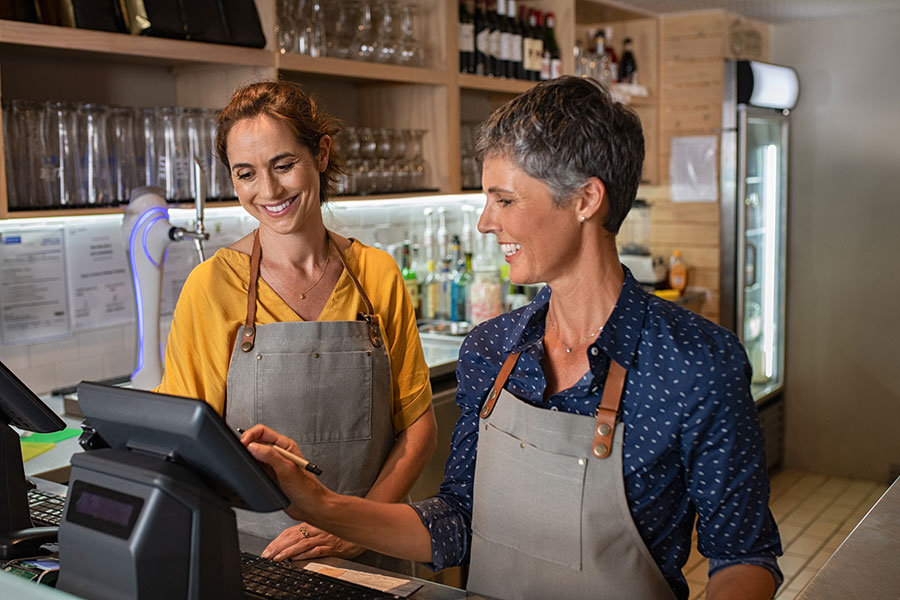
Training isn’t just for new hires. Offer ongoing training and development for staff who’d like to learn new skills, rotate through different jobs, or advance into leadership. Ask what they’d like to learn more about to keep it timely and meet their needs.
Establish Career Paths
Communicate the career paths in your establishment. Dover says, “Teaching people what it takes to get promoted and helping them do so is great for retention.”
Prioritize Staff Health and Safety
Health and safety is top of mind these days. Make it a topic at all staff meetings, reviewing protocols to bolster employees’ confidence that they and their co-workers are doing the right things the right way for safety. Be proactive about discussing mental health, and consult industry and community resources to address any issues.
General Culture
Is your culture rigid or flexible? Do schedules take staff needs into account? Are minor repairs and interpersonal issues addressed quickly to minimize day-to-day work frustrations? Do you communicate openly with your team? Do staff feel safe bringing forward concerns? Do you offer open recognition but private criticism (constructive, of course)? Never underestimate the retention and hiring power of your staff feeling supported and heard.

Hiring Strategies that Reflect the Times
Asking applicants to drop off paper résumés can be off-putting for a digital-savvy labour pool. Trendy speed-dating-style hiring fairs are problematic during the pandemic. Think about recruiting online, offering applicants the choice of submitting traditional or video résumés, and conducting Zoom interviews. If you want to meet in person before making the final decision, use those tools to shortlist candidates.
Use Your Website for Hiring
Your website is an important tool in your hiring process. Amina Gilani, co-founder and COO of Sociavore, the independent restaurant website platform and Brand Points PLUS partner, says: “Use the Sociavore job creator tool to create customized job listings and generate mobile-friendly application pages right on your restaurant website. You will receive virus-screened application packages directly in your email — no third-party recruiting website required. Accept and manage application submissions all from one dashboard.”
Go Social for Recruiting
You work hard to build your social media accounts, so why not harness them for recruitment? Your followers just may want to work for you or refer candidates to you, so let them know you’re hiring and link to your website job listings.
Signing and Retention Bonuses
Signing and retention bonuses can sweeten the deal for potential new hires.
“The best thing you can do is make your restaurant a great place to work.”
Jeff Dover, principal at fsSTRATEGY Inc.
When it comes to hiring and retention, Dover says, “The best thing you can do is make your restaurant a great place to work. […] Treat employees like a valuable commodity (which they are), and do what you can to keep people happy. […] Make your restaurant a place where Gen Z wants to work. They want to work for a company whose values align with theirs, so be environmentally friendly, address social issues, etc. Get the staff involved in implementing programs. If you nail this, you will have a way easier time than other restaurants finding and retaining staff.”
With the coming of cooler days, getting ready for a return to more inside dining is an annual practice in the foodservice business. Autumn is a time to begin scaling back patio operations and introducing more menu items that use the bounty of the harvest to best advantage.
It’s also a good time to review operational procedures, says consultant Lionel Morey of Vancouver Island Hospitality Consulting. “Why not initiate a conversation with your trusted foodservice rep to pick their brain on trends, ideas, or new products? I spoke to a manager who was thrilled his rep mentioned transitioning them away from liquid fuel-based votive inserts for their tables to rechargeable ones – an upfront cost that paid for itself in less than one winter.”
The end of summer usually means big staffing changes, too, as many employees head back to school or embark on other life changes. Look carefully at how many team members you will need based on your sales projections and then determine how many you need to hire and when you need to start training them. Slightly shorten shifts to retain more key staff over the downtime and avoid paying overtime.
Restaurant patio’s winding down, now what?
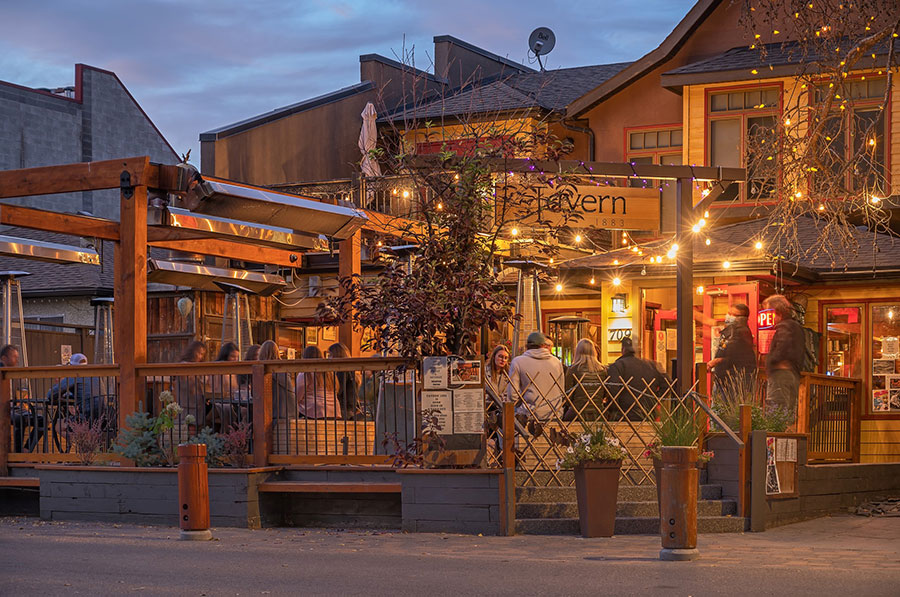
Create a checklist of what needs to be done for winter storage for the furniture, flower pots, and outdoor host stands/bars/side stations. “I have a client who donates the flowers to a local seniors’ facility who has room for them and she picks them up in the spring – a win-win! Just remember for the furniture to check the manufacturer’s specs on cleaning and storage, and a basic rule of thumb is clean/dry/stack/store ideally in a warm, moisture controlled room,” Morey says.
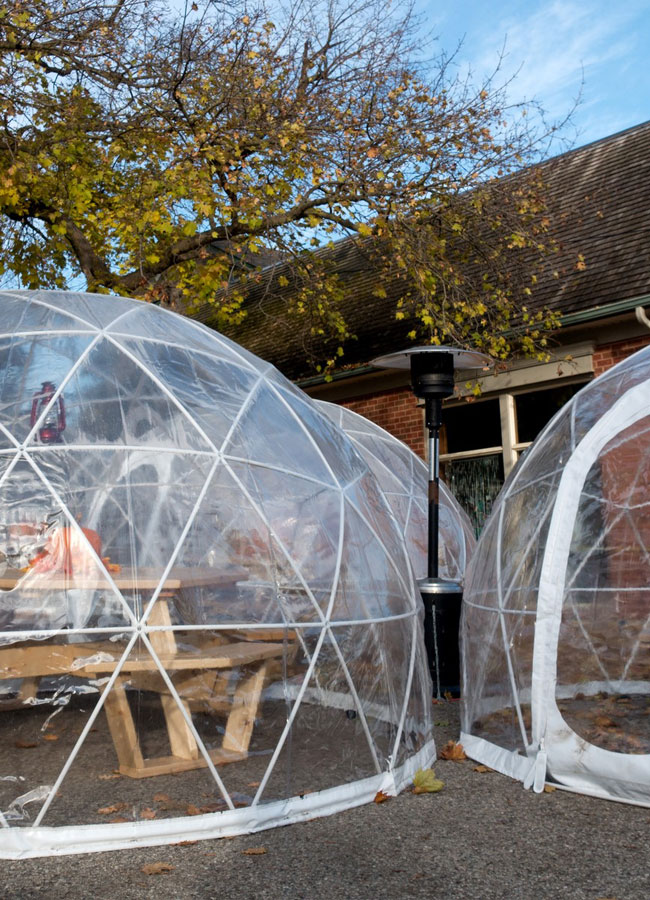
Consider a covered and heated patio. It’s a great way to attract those guests not ready to return indoors, says Jenny Companion, VP eastern operations for hospitality consulting agency The Fifteen Group. “It also provides more options for operators should there be any changes to indoor dining restrictions.”
If your traffic slows in the fall, the season is a perfect time to schedule a deep clean and complete repairs, upgrades and seasonal maintenance. Consider smaller details, too, like updating your music playlist, auditioning live entertainment, and trying out an alternative seating plan.
Change is in the air
Fall may be the perfect time to consider changes to seating styles and layouts, Companion says. “Replacing fixed seating with more flexible chairs and tables may be a good way to accommodate more guests and a smart investment for the fall and cooler temperatures when guests choose the indoors. Being flexible should restrictions change will be an asset for operators.”
“Replacing fixed seating with more flexible chairs and tables may be a good way to accommodate more guests and a smart investment for the fall.”
Jenny Companion, VP eastern operations, The Fifteen Group
Now is also the time to start thinking about the return of large groups and holiday season celebrations, Companion says. “Being prepared is the key to selling this type of business and capitalizing on opportunities.”
Showcase the bounty of the harvest
It’s never too early to start planning a fall menu built around some key considerations:
- Locally/regionally-sourced fruits and vegetables, the essence of fresh and good.
- Comfort food classics like mac and cheese.
- Desserts loaded with fruits of the season – pies, puddings, cobblers, and more.
- Incorporating savoury spices that warm and wow.
- Announcing your fall menus on social media.
Don’t forget that a $3 head of cauliflower turns into a $7 head in January, so sharpen your pencil and cost out with the peak numbers you’ll be seeing. “Involving your suppliers in these conversations can save a lot of grief,” Morey advises.
Recharge!
If you are a seasonal operation and fall and winter are your downtime, take the opportunity to find that elusive work/life balance. “Send your chef on an R&D trip to see what’s hot, plan that management getaway that’s heavy on fun and light on work, and just step away from your business as much as possible to diminish the fatigue and burnout so often associated with restaurants,” says Morey.
Let loose a little
Prepare for the days (and nights!) when restrictions are lifted and people are allowed to gather indoors again. Pubs have success with open mic night or a comedy show, diners have quirky promotions that guests love like “flip a coin and you pay double or nothing,” or do food challenges, Morey says.
“Upscale cocktail lounges can offer a “dealer’s choice” drink special or feature industry experts for a fun night of Q&A with guests or more typically other industry folks. Late night offerings are rapidly growing as well so let your teams involve the more junior staff in these promotions and they benefit from both the experience and camaraderie – a real team building exercise.”
COVID-19 considerations for restaurants
With COVID-19, there’s a lot more to consider, and careful planning and attention to detail are even more crucial.
- Various health bodies including the Canadian Centre for Occupational Health and Safety recommend that all customer parties remain at least two metres (six feet) apart. Where that is not possible, certain tables and chairs can be marked as unavailable for use.
- Where practical, separate booth seating with physical barriers such as clear acrylic plastic or plexiglass. Temporary table dividers may be installed to make social distancing easier for restaurants with communal seating or larger tables.
- Create separation from action stations or open kitchens. Separate guests from the kitchen or plating team with high, clear dividers if the distance between guest and staff is less than two metres.
- Install physical barriers, such as sneeze guards and partitions, particularly in areas where it is difficult for individuals to remain at least two metres apart. Barriers can be useful in restaurant kitchens and at cash registers, host stands, or food pickup areas where maintaining physical distance is difficult.
- So that people can speak as quietly as possible and reduce aerosol transmission, reduce noise levels as much as possible including turning off or down the volume of background music. Suspend live music and performances.
- Configure order pick-up areas in such a way as to provide the greatest possible distance possible (minimum two metres) between guests and employees. Use floor markings for clarity.
- Modify payment pads to have long handles to help employees and guests maintain greater separation.
Thinking ahead
- Offer drive-through, curbside takeout, or delivery options as applicable.
- Ask customers to wait in their cars or away from the establishment while waiting to pick up food or when waiting to be seated.
- Discourage crowded waiting areas by using phone app, text technology, or signs to alert patrons when their table is ready.
- Consider options for dine-in customers to order ahead of time to limit the amount of time spent in the establishment.
- Provide a weather permitting overflow waiting area outside, if possible.
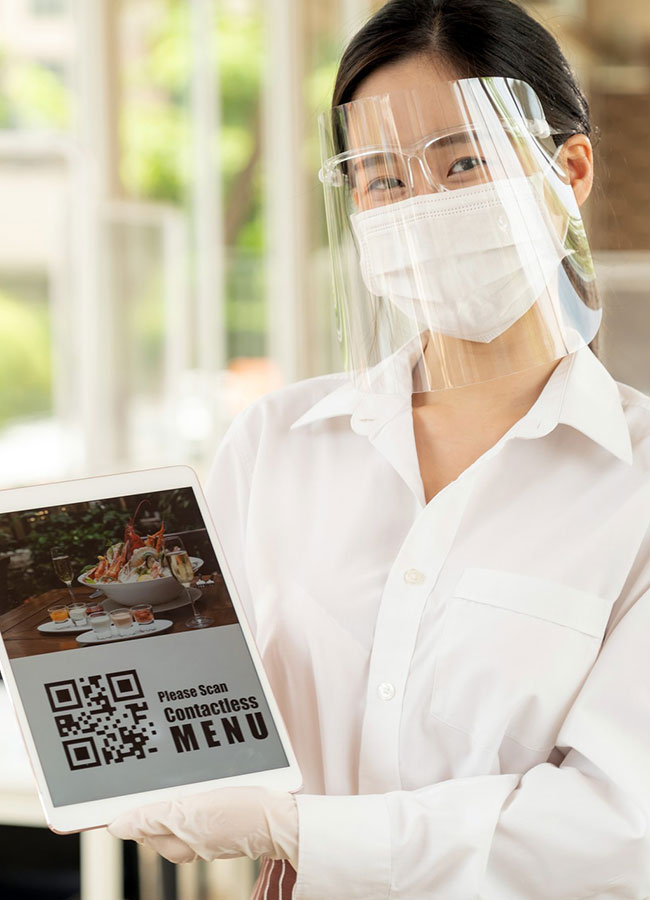
- Replace traditional menus with easy-to-disinfect, laminated menus or replace them with one-time use paper sheets.
- Temporarily suspend self-serve options that require using shared utensils such as salad bars, breakfast bars, or buffets.
- Provide physical guides, such as tape on floors or sidewalks and signage, to ensure that individuals remain apart, especially where lines form.
- Have cutlery, condiments, napkins, and other items behind a counter and available upon request instead of in communal dispensers.
Masking
Health and safety remain very important in the consumer’s mind. It’s important to follow provincial and municipal guidelines and to post and communicate your actions to your customers, Companion says. “Beyond that, the key importance is to stay diligent with enforcing these restrictions for the safety of your staff.”
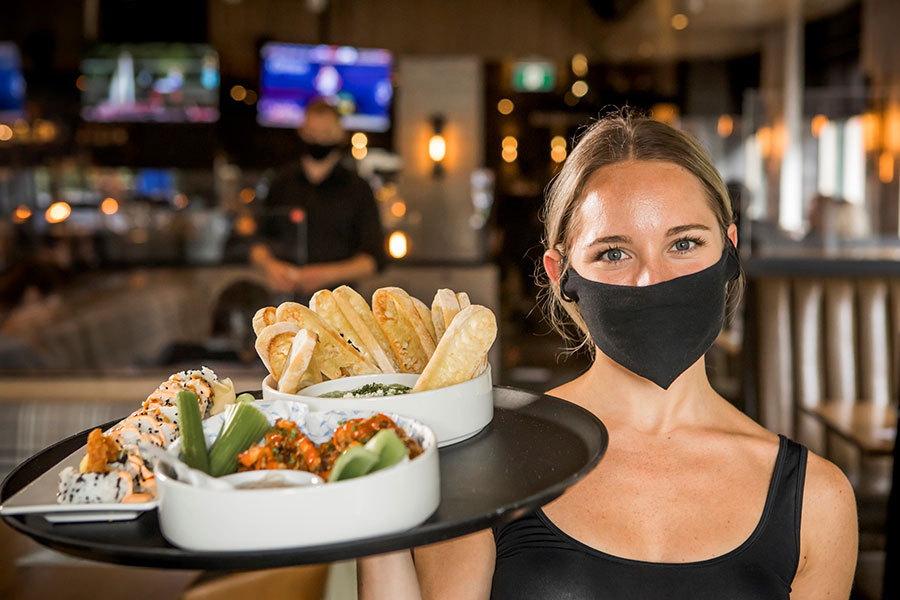
The CCOHS recommends that all foodservice operators implement a mask-wearing policy. Require employees to properly wear well-constructed and well-fitting masks. Masks should cover the nose, mouth, and chin without gaps.
Vaccines
- Encourage employees to get the COVID-19 vaccine as it is eligible and available in your jurisdiction.
- Share additional information on the vaccine by posting it on your premises or sharing it electronically.
More COVID resources:
- Restaurants Canada COVID-19 Rapid Recovery Guide
- CCOHS COVID-19 Health and Safety Resources – Restaurants
- CDC’s Considerations for Restaurant and Bar Operators
Eating out is a whole body and mind experience. Sure, the food brings in the diners, but the experience continues in places you might not normally consider, such as behind the privy door. You know, that place.
So, what’s behind your bathroom door? And if you think your WC doesn’t matter, think again. People talk/text/message/post about the good, the bad and the ugly. Never mind the stinky. If renovations are not in the budget to make your washrooms veritable palaces, what can you do, especially in the COVID19 era? Simply use good sense — in fact, use all five senses for a well-planned and maintained bathroom.

Seeing is believing

You never have a second chance at a first impression, so make that first one count. Proper signage to find the facilities is a good start, but this is a no-brainer. Open the door to a clean, well-lit space with everything customers need and you will be off to the races. Well-placed hooks in stalls and near counters for purses and a garbage can in more than one place are two touches appreciated by customers with minimal cost to you.
Don’t cheap out on towels, dispensers and hand driers
Your guests will notice if your washrooms aren’t well-stocked and neatly-stocked. Make sure to have on hand high-capacity dispensers and paper products. High-capacity dispensers ensure you always have supplies at the ready during busy periods, and they require fewer roll changes than standard dispensers.
The nose knows

A bathroom doesn’t need to be doused in fragrance to be appealing. In fact, it is likely the opposite. The best “air freshener” is, in fact, a clean washroom. Be cautious of the hand soap scent as well. When a customer goes back to the table, you don’t want the lingering smell from the soap to overpower or detract from your delectable meal.
Ear to the ground

The vibe of your establishment should be continued in the bathroom and that includes sound. Music in the dining room sounds different in a tiled and porcelain space — check the volume. If you are using hand dryers, is the decibel level too loud for the size of your space? Young children in particular can be put off by loud sounds.
Keep in touch

…with the environmental times and let your customers know you care. Green cleaning products are growing in popularity and can help both your staff and guests by protecting them from harmful chemicals. Take it a step further with 100% recycled fibre and green-certified paper products.
An acquired taste

No one likes to clean the bathrooms. However, managers and employees need to be well trained and committed to a regular cleaning schedule (hourly, daily, weekly and monthly) to ensure a consistent experience for your customers. Even a less than designer facility can shine when well maintained. Make it a contest among the employees — “the most pristine latrine of the month.” The taste of success is a win-win for everyone.
Especially during the COVID19 era, washrooms need regular deep cleaning. That means toilets, stalls, hand dryers, toilet paper dispensers, sinks, waste bins, and any other people-facing equipment.
Easy upgrades
- Add extra hooks for purses in stalls and near counters
- Consider an extra garbage pail near the door
- Minimize nooks and crannies to enable easier cleaning
- Make sure the stall doors close properly
- Add a fresh coat of paint to brighten your washrooms
Customers typically don’t pick a restaurant because of the washroom facilities (unless it’s on Canada’s Best Restroom list). However, over half of customers may not return if the bathroom doesn’t measure up. Using good sense — and scents — behind closed doors will keep them coming back. You might be so proud of your facilities, you keep the door open.