
How do foodservice operators plan for the unknowable? While not recommended, surviving a previously unimaginable experience — like the first wave of a pandemic — is one way.
Before Canada confirmed its first COVID-19 case in late January 2020, dining out was something operators and patrons took for granted. But in March all provinces prohibited in-restaurant dining. During the summer, eateries could reopen, but with restrictions in place.
As we face the unknowns of the upcoming colder months, it’s timely to reflect on lessons for the foodservice business learned during the pandemic to date:
Income and expense management
Statistics Canada reports that sales in foodservice and drinking establishments fell 36.6% in March. David Lefebvre, VP, federal & Quebec for Restaurants Canada, says a top lesson is “the necessity to have multiple streams of income.” Operators who were able to pivot to alternative income strategies like takeout, delivery, grocery services, and meal boxes were generally more successful.
Both Lefebvre and Jeff Dover, principal of foodservice and hospitality consultants fsSTRATEGY INC., point to the need to also reduce expenses to withstand lower revenues.
Communicating protocols and compliance
Communicating safety measures is increasingly important, Dover says. “Best practice has become making sure cleaning and sanitation is visible,” for example, by seating guests at unset tables and then giving them disposable menus and sanitized cutlery.
Lefebvre advises operators to respect all public health requirements, “because you definitely don’t want a second wave to close you. We want to make sure that restaurants are seen as part of the solution, not part of the problem.”
Customer relations and experience
The pandemic has highlighted the importance of the core relationship with the customer, Lefebvre says. Patrons want to support restaurants they have good relationships with. Dover advocates that operators connect proactively with their guest base and listen to their feedback.
Sylvain Charlebois, senior director of Dalhousie University’s Agri-Food Analytics Lab, says restaurants have been open and transparent in communicating their need for support to the public. “The tone was right too, and I think people showed up.”
Despite measures like physical distancing, masks and plexiglass barriers, guests can still enjoy the customer experience while feeling safe. Charlebois says operators have “done a pretty good job just allowing people to forget about things and relax and enjoy their time there.”
Staff relations
As Lefebvre notes, operators with positive labour relationships were better able to survive pandemic-related business disruption. This included closures, operational changes, the impact of government support programs like work-sharing agreements, and a more challenging work environment.
Embracing technology
Customer demand for contactless payment increased during the pandemic, and Dover says embracing technology is a major lesson. “Mobile order and pay, apps, websites, etc. were around before the pandemic and increasing in popularity; however, adoption rates have soared. We are three years ahead in technological acceptance to where we were before the pandemic.”
“We want to make sure that restaurants are seen as part of the solution, not part of the problem.”
David Lefebvre, VP, federal & Quebec for Restaurants Canada
These lessons have better prepared operators for the fall and winter challenges ahead, including the end of patio season, ongoing physical distancing, PPE requirements, and changes to government support programs.
What about future catastrophes?
But has the pandemic better prepared Canada’s foodservice operators to survive as yet unknown catastrophes like fires, floods, or other public health crises?
Charlebois points to foodservice operators’ collective resiliency. And Dover says, “going through the COVID pandemic will make operators better prepared for the next challenge; however, I think operators are able to react to whatever challenges come.”
Lefebvre says the pandemic itself has been a worst-case scenario, and those who survive it will be better at making contingency plans for future worst-case scenarios.
If you’re not on Instagram, you don’t exist. That’s the hard truth. The social media landscape has quickly become the dominant marketing tool for restaurants to connect globally and directly with existing and potential customers. No biggie, there are just around 1 billion of them.
The “gram” user, combined with Instagram algorithms, continues to challenge restaurants to push creative limits, in order to achieve Follows, Likes and Comments.
What are some social media tactics your restaurant can employ to develop impactful social campaigns?
Start with a monthly plan
Take the time to plan out your key messages and posts for the upcoming month by developing a social media content calendar. Your goal should be to support and highlight initiatives within your restaurant operation that set your brand apart, while reinforcing key brand messages.

Put your best post forward
Instagram can be a powerful tool to stay in touch with your loyal customers, to let them know what you’re doing:
- How you’ve changed your menu for takeout and delivery
- Strategies you’ve put in place to retain staff
- Gift cards and other loyalty promotions to keep customers engaged if your restaurant is closed to eat-in dining
Times to post
Social media reporting suggests that the social guest is most engaged in the early mornings, lunch and dinner hours, and later in the evening. These moments tend to be when we are taking a “break,” which results in spikes in social media activity. Instagram for businesses also provides effective reporting on your social guests’ most engaged days and times per day. Utilize this data to identify the optimal days and times of when to post.
#Hashtag
Hashtags can make or break the effectiveness of your content strategy by how relevant they are to the content you are posting. Digital users can follow hashtags to collect content on their feed that is of interest to them. The goal is to use hashtags that will place your content on the feeds of your target guests. Popular hashtags are identified in the “TAGS” search bar on Instagram by the number of times they have been used in a post.
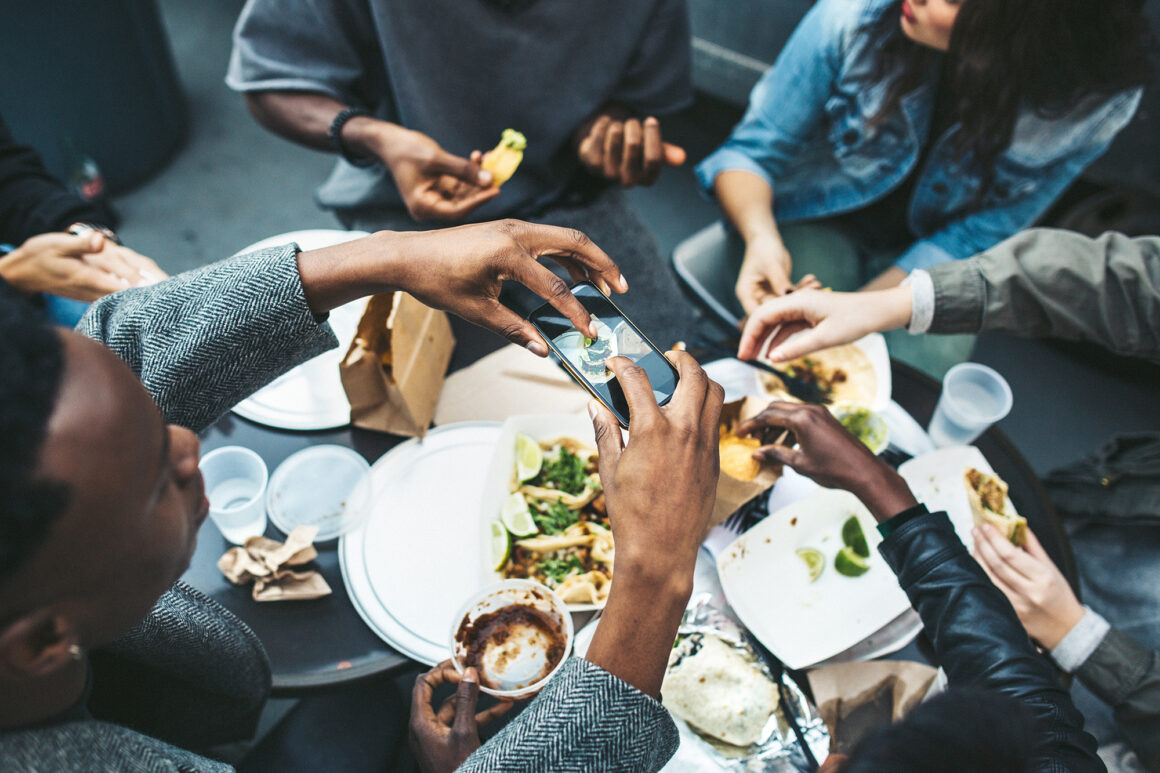
Follow these five top tips to develop a list of hashtags relevant to your brand content:
- Research what competitors and the foodie community are using as popular hashtags.
- Identify 30-50 hashtags that align with your menu offerings and location, and are popular, and reference them selectively within your content calendar.
- Post hashtags that match the photography or video content you are sharing.
- Post the hashtags as a “comment” to your post, versus within the post.
- Post between 15 and 30 hashtags from your list per post.
As you monitor the effectiveness of your social campaign, be aware of spikes in your engagement when certain hashtags are used in your posted content, to identify your top-performing hashtags.
Utilize apps
Developers are launching innovative useful social media content editing, organizing and publishing apps on a monthly basis to support small businesses in managing digital campaigns. We recommend downloading a few different apps to test them out and understand which will be most effective in supporting your social media goals.
Using Instagram and Facebook to build a community of engaged brand advocates can seem intimidating, until you realize what makes them work. Implement these tactics to see what a powerful tool social media campaigns can be for your restaurant business.
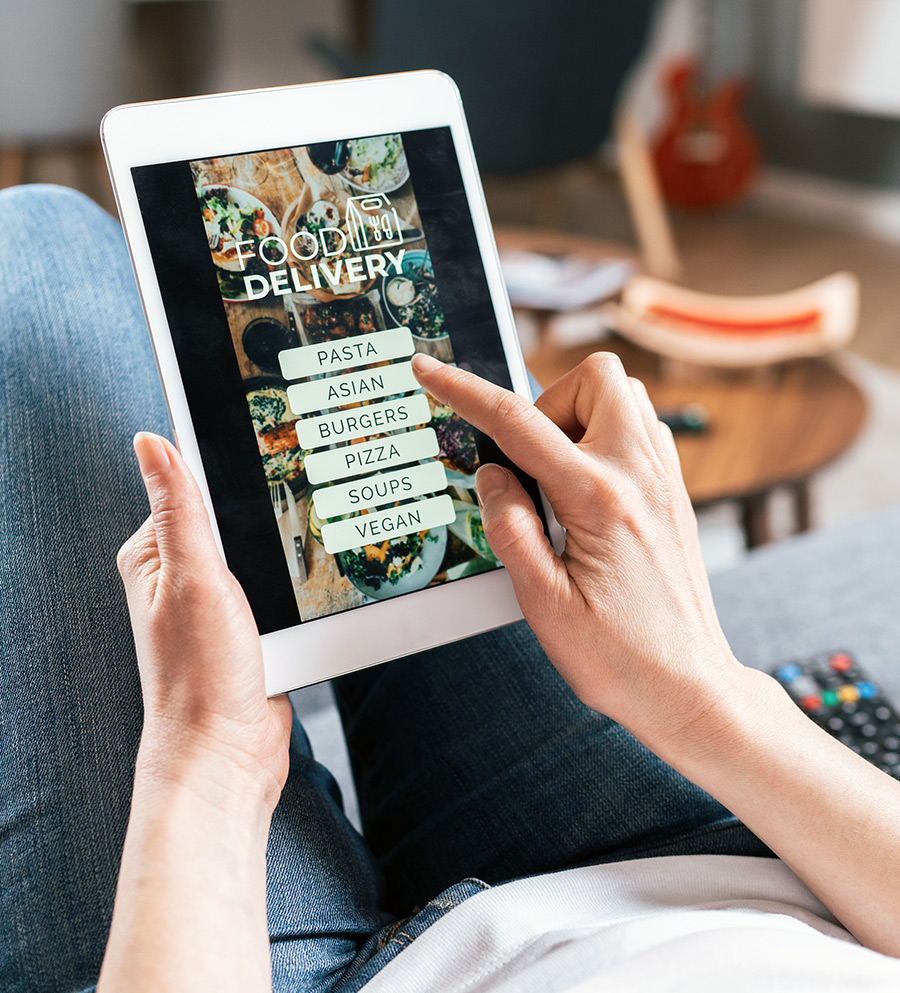
During the pandemic restaurant operators have had to up their technology game, whether by launching apps, beefing up online ordering, or introducing contactless payment options.
The National Restaurant Association in their report, Reopening Guidance, recommends that you make technology your friend: “Contactless payment systems, automated ordering systems, mobile ordering apps, website updates and simple texts can help you to communicate and conduct business with reduced need for close contact. As you begin to reopen, keep communicating with customers (your hours, menu items, reservations, etc.), and help promote your social distancing and safety efforts.”
Here are some tech solutions you’ll want to keep on board when you’re planning to reopen:
Contactless payment systems, pre-ordering and mobile ordering
Talk to your POS provider for more solutions to help you go completely contactless without losing contact.
Use texts to diners to let them know their table is ready to eliminate lineups and encourage pre-payments where possible.
Other tech hacks are set to change and improve the dining experience, to help operators pivot from takeout back to dine-in and to help reassure guests that dining-in is a safe experience.
Registry and contact tracing
“To restore economic growth and jobs, public healthcare experts are wrestling with how best to transition bars and restaurants from takeout to dine-in and how to reintroduce the public to gathering safely in public spaces as stay-at-home orders are relaxed,” said Alberio Bathory-Frota, CEO of Patronscan, a worldwide I.D. scanning firm.
Patronscan has developed an electronic guest registry that measures occupancy levels and makes contact tracing faster and safer. New Zealand already requires the hospitality industry to register all guests, and some states in the US have already introduced similar services. If a guest or employee contracts COVID-19, healthcare providers are able to use the information from the registry to notify staff and customers of their need to be tested. These heightened measures will help create a safe dining experience for everyone.
Get friendly with QR codes
Suddenly, they’re everywhere — those “interesting” barcodes so common in grocery stores. Now they’re finding a new home in restaurants concerned with contact during the pandemic. Operators are placing them at host/hostess stands and outside the restaurant’s front door where diners can call up menus on their phones. QR codes also allow guests to order and pre-pay using their phones — another way to avoid unnecessary contact.
New POS solutions
More than ever, operators will need to consider all the POS hardware, menu and ordering iPads, and other types of tech used daily in the restaurant. Many of these surfaces, used by both staff and guests, are plastic, and may allow germs to survive for an extended period of time. Before reopening, you’ll want to research new solutions, such as anti-microbial POS screens, to keep germs at bay. What about voice-ordering technology? If Amazon, Google and Apple can do it (“Hey, Alexa!”), can this technology be so far-fetched?