
Could catering help restaurants bolster their bottom line? The question may seem counterintuitive since catering, like other areas of foodservice, has been hard-hit by the pandemic. But restaurateurs who have weathered pandemic restrictions and public hesitancy about dining out may be considering whether or not to add a catering operation.
The pros and cons of adding a catering operation
Glenn Whitehead, owner of Plant Matter Kitchen and Plant Matter Café in London, Ontario, says, “Adding any possible revenue stream is probably just good common sense, to be honest. […] If you own a business right now and you’re open, then offering whatever you can is certainly something that I would strongly suggest.”
Jeff Dover, principal at fsSTRATEGY Inc., a foodservice and hospitality industry consultancy, adds, “The pro is that catering is more profitable than the restaurant business. Some of the fixed costs that impact the profitability of restaurants are known. You know how many orders, of what, and at what time. It also makes use of kitchens and kitchen labour that are idle or have excess capacity during COVID.”
On the con side, he points out that pandemic gathering limits affect the size of events, decreasing demand for catering. And many businesses that used to have staff meals catered now have those staff working remotely for the foreseeable future. No staff = no office catering.
Is the future in event or office catering?
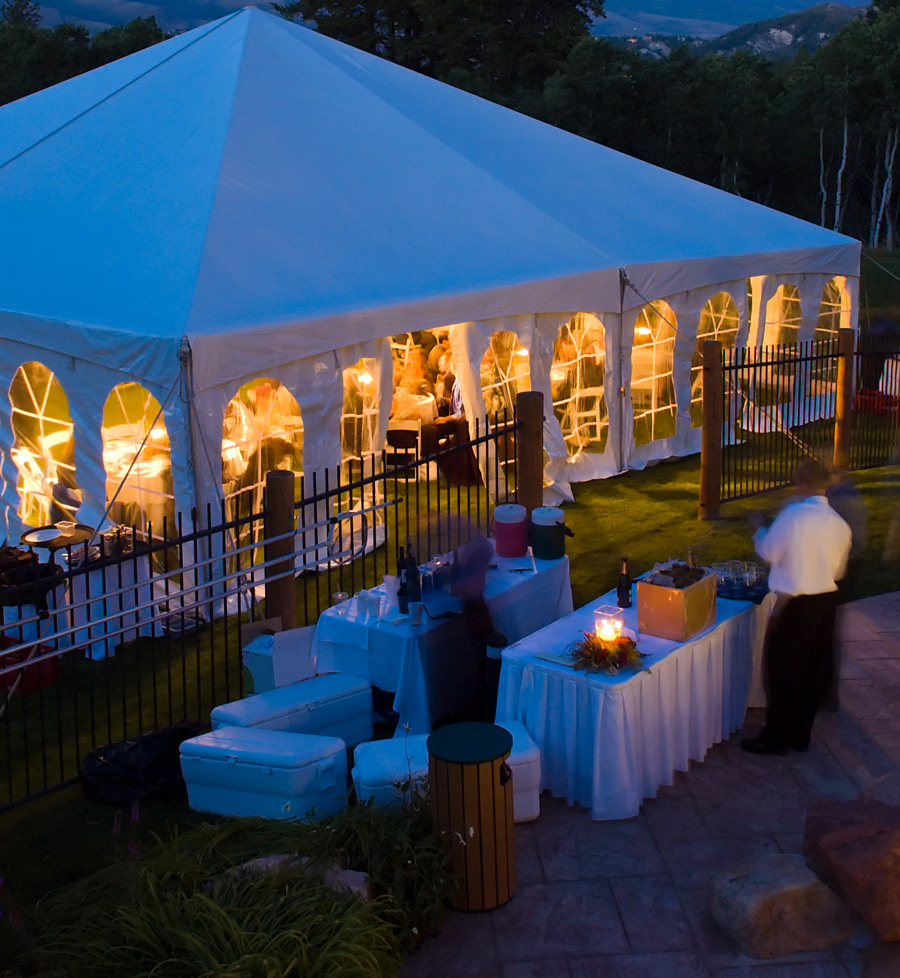
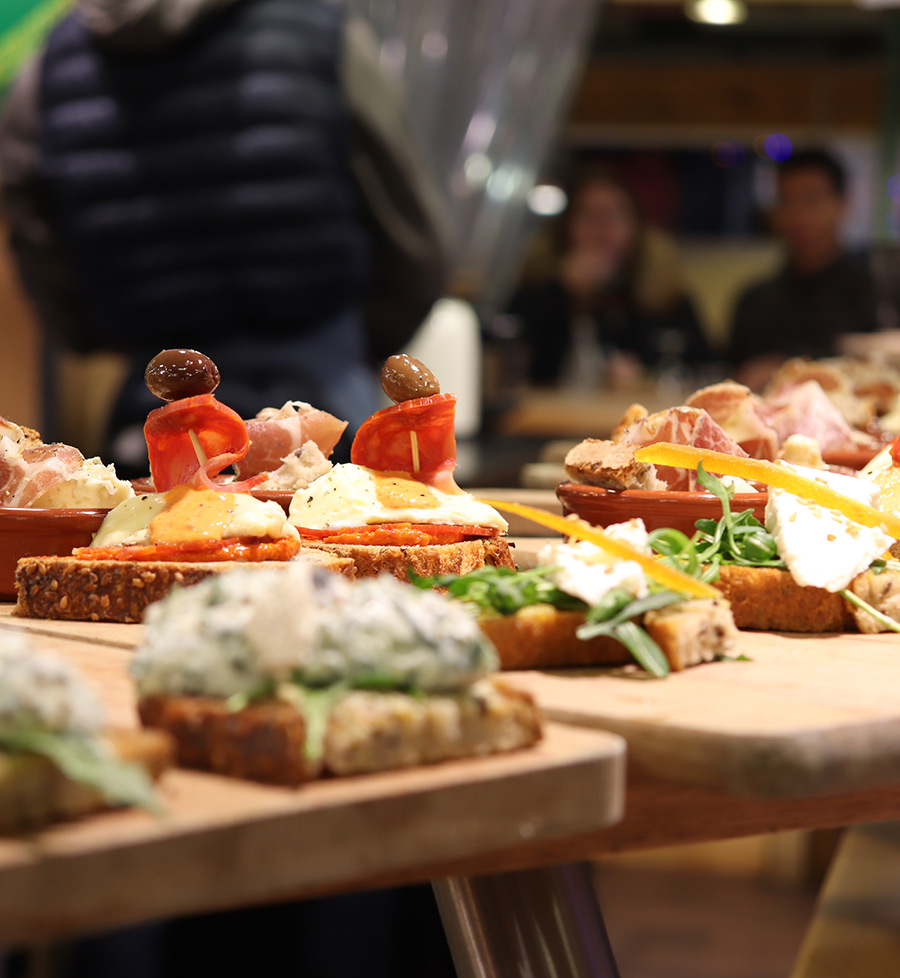
Which has a better future: event (e.g., weddings) or office catering? The answer depends on whether you’re looking at the short term or beyond.
Dover says he’d choose event catering because these contracts “are typically larger and can involve alcohol-generating additional revenues.” He also notes the pent-up demand for event catering.
Public health restrictions, however, continue to restrict catering demand for such events. Whitehead is well aware of the pandemic’s impact on this part of his business. He catered hundreds of events before COVID-19 took hold, but that business dried up once restrictions hit. “Basically, we haven’t done a thing in a year,” he says.
Many variables influence when a hundred or more people will be able to get together again, Whitehead says. He doesn’t anticipate catering large events of any kind before mid- to late-2022. However, he does see opportunity in catering office lunches, especially in office towers where there are multiple businesses open with non-skeletal staffing.
Think of catering differently
Adding a catering operation requires fresh thinking about what catering means and how to plan carefully, especially as the third wave of the pandemic is making its presence felt in Canada.
Whitehead says, “Looking for other [revenue] streams is a critical piece to try to get enough sales to cover things and keep moving forward.”
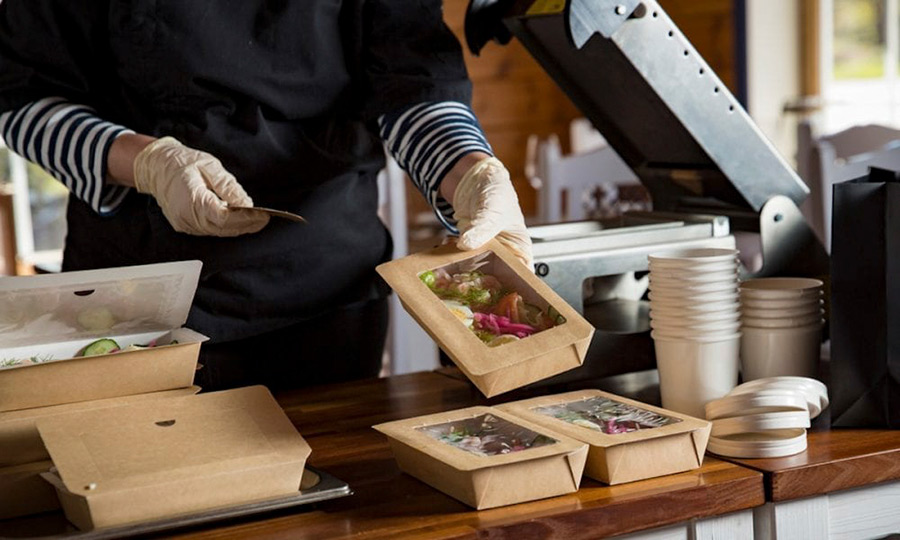
Rather than the traditional weddings and conferences, foodservice operators looking to get into catering need to consider smaller-scale approaches that can generate revenues in the short term. In addition to the office lunch trade, options include catering meals for small gatherings at people’s homes and meal kits, both of which have become more popular during the pandemic.
“45% of younger consumers, including Gen Zers and millennials, are buying more meal kits now from restaurants compared to before the pandemic.”
Technomic, Inc.
Technomic, Inc., which provides insights to the foodservice industry, reports that for the second quarter of 2020 in Canada “45% of younger consumers, including Gen Zers and millennials, are buying more meal kits now from restaurants compared to before the pandemic.”
Whitehead says that with people being more cautious but also bored of cooking, restaurants can offer them more variety through items like meal plans and seasonal kits. “It’s a little bit less catering and more meal kits, but I would put it under that same category.”
He has always offered a meal plan service, with clients who come twice a week to pick up several days’ worth of assembled meals. “They don’t have to do anything but heat them up,” he says, “so that’s certainly an option that I think will continue to grow.”
Tips for adding a catering operation
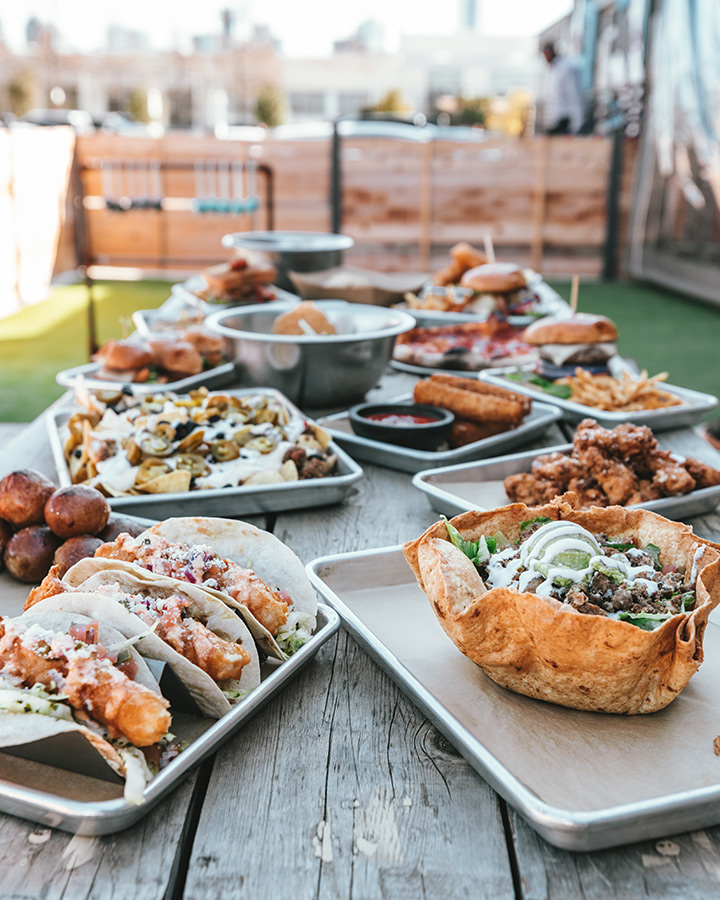
Operators exploring adding a catering operation should think about the following considerations.
- Investments — The equipment you need depends on the type of catering you’re doing. Dover suggests you may need smallwares for preparing and transferring food, and equipment to reheat or finish food on site. Whitehead advises you keep any investments to scale.
- Menu — “Play off your existing menu,” he says, “because every time you add or change something, you’re adding to your food costs [and potentially] everything else, like labour.” Dover suggests you select menu items that travel well, and you should also consider special diets.
- Marketing — “Try to get the word out without investing too much money, effort, or energy,” Whitehead recommends. He suggests marketing through social media and flyers attached to pickup and delivery orders.
- Feedback — Improve your catering efforts based on the feedback you receive, Whitehead advises.
- Adaptability — If there’s one thing we know about the pandemic environment, it’s that restrictions and rules can change with little notice as the situation evolves. Factor flexiblity into your catering operation.
Thinking like a retailer is not something most foodservice operators consider. Embracing retail can and will assist restaurants bridge the revenue gap until customers come back to the dining room. Adopt one or two, or more of these top tips to jump-start the retail side of your business.
Chef John Placko is an independent culinary consultant and educator who specializes in modern (molecular) cuisine. Combining his specialty with 45 years in the hospitality industry from restaurants, hotels, airlines and food manufacturing, Chef John has shared his expert advice:
Create mouth-watering meal kits
You are doing it anyway. So, why not jump into the meal kit game? Meal kits are a retail version of your mise en place. Pack it up before you cook for the customer to prepare instead. Ingredients you have on hand become value-added when you provide the prep and portioning before packing.
Offering meal kits in line with your brand but different from your current menu offerings adds variety — for you and your customer. Planning meal kits within your current ingredient inventory is smart management and can encourage creativity.
Most meal kit services are offered as a subscription. Yes, that is an option, but also consider offering meal kits by preorder only and/or have them available as a grab ‘n go when customers are picking up their takeout.
Package to perfection
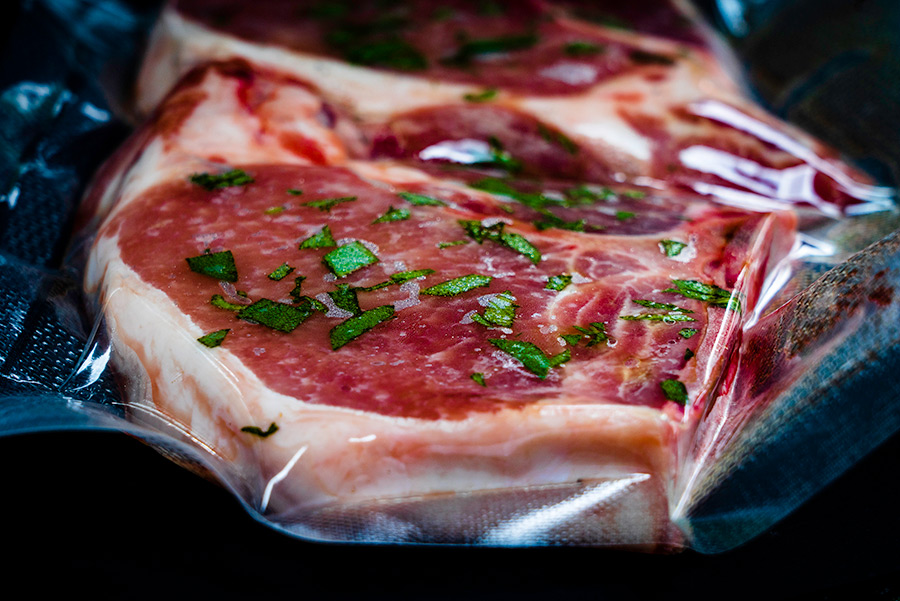
We aren’t talking about take-out packaging. We mean pre-packaging: scheduling and planning to properly package products and ingredients for the sole purpose of selling retail. Ready for your customers to grab from the cooler or shelf or your staff to quickly add to orders.
“Vacuum packaging, or sealing, is an excellent choice for operators adding retail offerings to their business,” says Placko. “Whether you vacuum pack for the purpose of sous vide cooking or just for storage, there are numerous benefits for the operator.”
“With vacuum packed bags, both you and the customer can easily see the contents. Simply add a sticker with all of the pertinent information.”
| Benefits of Vacuum Packaging |
|---|
| Increases shelf life |
| Maximizes storage space (fridge, freezer or ambient) |
| Provides portion control |
| Aids in inventory management |
| Increases food safety |
| No cross contamination |
| Inexpensive storage method (pennies per bag) |
Keep it fresh part 1 — for operators
Change is hard. But it can be good. It provides new opportunities, new experiences and a fresh perspective on what’s important.
By adding retail options or even embracing a new cooking technique you can keep it fresh for you and your staff. Involving staff — who know your business and your customers as well as you do — can invigorate your team with a new sense of energy and excitement.
And bonus? Your customers reap the benefits, too.
“The sous vide technique is a perfect solution for operators wanting to increase their retail offering,” says Chef John. “You can portion, pack, cook and sell in the same bag, minimizing handling, reducing cleanup and providing your customers with a perfectly cooked product. Sous vide cooking in essence is a pasteurization method and can give your cooked products a shelf life of a week or two or more.”
Keep it fresh part 2 — for customers with social media
“It’s imperative to continually engage with your customers. Everyone has been thrown the same curveball. There is so much noise out there. How are you going to break through?” says Placko.
“Social media is an inexpensive way to regularly connect with customers. Keep them engaged and checking back to see what’s new.”
Chef John Placko, independent culinary consultant and educator
“Social media is an inexpensive way to regularly connect with customers. Keep them engaged and checking back to see what’s new.”
How can you do that? Daily updates on what’s been added to your retail offering. Presentation tips. Photographs. Build up to weekend specials by talking throughout the week. It doesn’t need to be complicated to be effective.
Mind your price points
No matter how your business has pivoted to manage through the ups and downs of the last year and to prepare for the coming months, you always want to be targeting your key margins… even when thinking like a retailer.
“Prepackaging keeps you in charge of your time and labour. Most operators have moved to takeout and delivery. Maybe that wasn’t a normal business channel for your operation. Remember to revisit your costs as it takes more time and labour to package takeout and delivery. Offering a retail version (prepackaged) dessert menu might allow your selling price to drop slightly and possibly be more enticing to your customers.”
Consider a niche customer focus
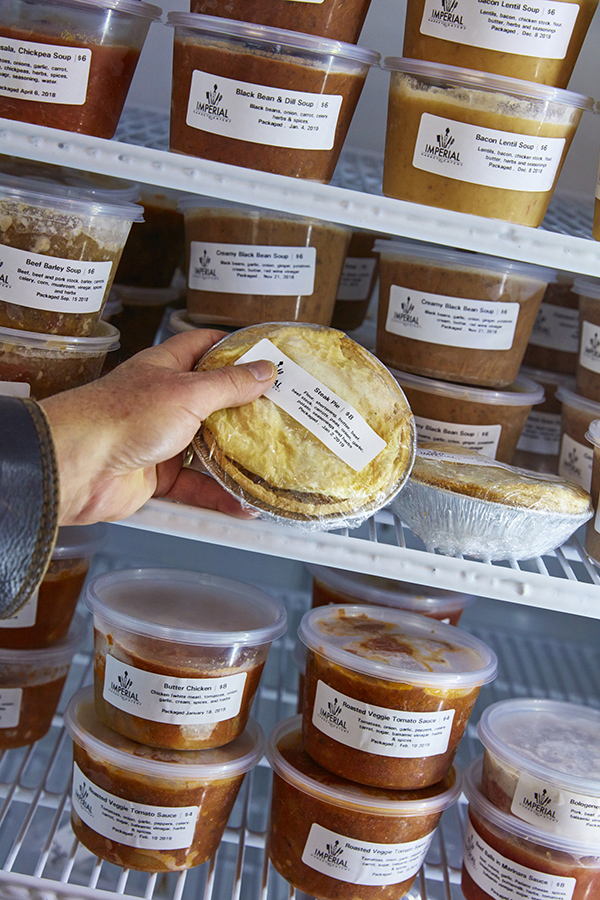
Your customers are looking for foods that meet their needs — nutritional, allergen free, plant-based, keto-friendly. Why not use your retail offering to address at least one of these needs? Build yourself a niche. It can be as simple as offering portion-controlled nutritious breakfast options. Or as complex as a mix and match for a full keto-friendly meal.
Ensure you are working within your operation’s strengths (and expertise).
Don’t forget your front of house
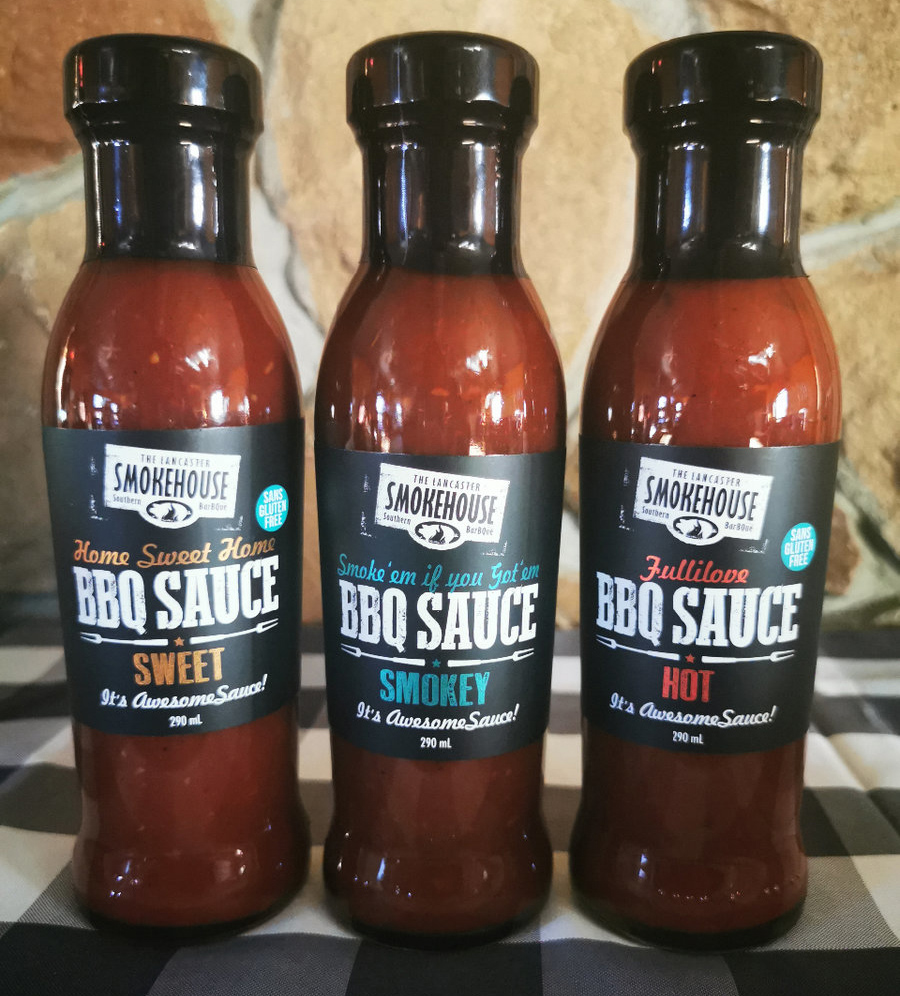
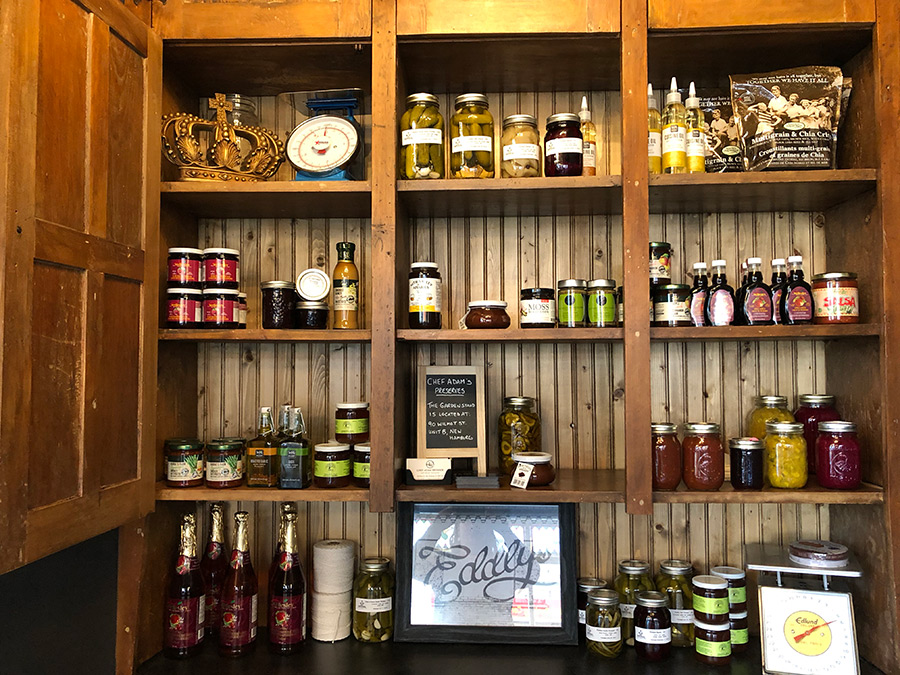
Create a convenient location right inside the door but allowing for social distancing within that space. Customers are more likely to increase their cheque size if items are conveniently placed for grab and go.
If you have a good takeout area or can expand your takeout area into your dining room space, you could show short video loops while your customers are waiting/social distancing. The short videos might show the preparation of dishes — include two to five dishes, some current and some dishes being planned for the future to build anticipation.
Remember the next meal
Offering retail add-ons to your current menu offering is a good start.
Your customers may be ordering for what they want to eat right away but entice them with the next meal, much the way they might shop at a food retailer: “Buy dinner and get lunch (breakfast)” or buy lunch and get something (not necessarily the whole meal) to go with dinner. With an adequate selection of retail items — with no need to order in advance — your customers could end up picking up their entire next meal.
Build a community
Social distancing for our physical health is also affecting our mental health. With limited options for gatherings/hanging out/clubs/meetings, why not embrace some online options? Invite customers (virtually) into your kitchen or dining room. Offer a cooking lesson on a recipe you don’t offer on your menu or instructions on putting together a meal kit. Show off your knife skills. Have your mixologist (virtually) put together some cocktail kits and recipes.
Linking your retail options to online sessions is a great way to build relationships and interest while increasing revenues. Making them invitation only — buy this kit for exclusive access — builds excitement.
Retail selling offers operators another revenue stream while remaining true to their brand and current menu offering. Pack it up with creativity and soon you will think like a retailer.