
Playing the right music at the right time and at the right volume is as essential to a restaurant’s health as the food on the menu or the décor of the room. The music you play tells your guests that you want them to linger and relax, get up and dance, or leave quickly and never come back.
Music engages us on an emotional level and has the power to help us through the most challenging times. Combine good music with great food and the result can be a positive and comfortable experience your guests will cherish – and make them more likely to linger, spend, and return.
In an increasingly competitive market space, progressive businesses are realizing the power of music to define themselves and communicate the aesthetic of their brand, says Noel Steen, creative director of Bespoke Music Services at MOOD:MEDIA. “The strategic selection of music can help communicate and strengthen a brand’s identity, can influence consumer behaviour, and increase sales.”
“The strategic selection of music can help communicate and strengthen a brand’s identity, can influence consumer behaviour, and increase sales.”
Noel Steen, creative director of Bespoke Music Services at MOOD:MEDIA
One study showed consumers are more likely to purchase higher priced wines when a restaurant is playing classical music rather than pop or top 40. The power of suggestion is strong, and customers are more apt to choose French wines when a restaurant plays French music.
Music impacts food choices
We perceive our environment through five senses: touch, taste and sight are proactive, while smell and hearing are passive. Unless we plug our ears, we cannot actively decide whether we want to hear something.
“Because our ability to listen is always present, hearing music is pervasive,” Steen says. “Guests in a retail or restaurant environment will always hear the music that’s played, which makes it an extremely effective part of the environment, but also stresses the importance of getting it right. Music is evocative – it speaks to emotion and it sets the tone and creates a mood that adds to the experience and can have a significant influence on a listener.”
“Music is evocative – it speaks to emotion and it sets the tone and creates a mood that adds to the experience and can have a significant influence on a listener.”
Noel Steen, creative director of Bespoke Music Services at MOOD:MEDIA
Studies show that faster paced music encourages faster eating. When it comes to volume, age and gender impact preferences, research shows younger people will linger when music is louder, while older people prefer restaurants where music is in the background. Volume impacts the food choices guests make, too, and can have an influence on overall sales, according to this 2018 study.
For foodservice operators to take control of the music and truly realize its powerful effect (in a legal way), it’s best to partner with a professional music curation and licensing provider. “Reducing your music program to the whim of your staff is a sure way to miss the mark,” Steen says.
“It’s also really important to understand the flow of a typical weekday or weekend, evening or dinner and to ensure that your music selection and volume is appropriate for each. Not every part of your day is the same, and the music should reflect that.”

7 music strategy tips for your restaurant
- Sound systems should meet the needs of your room and your format. Pay attention to sound quality, speaker selection and placement, and volume levels.
- Online, streaming, disc or satellite? The choice is yours.
- A music designer can help to create your custom playlists, a fully branded soundtrack that your customers won’t hear anywhere else.
- As the mood and tempo of the day change, so too should the music you play. Answering the demand of dayparts means not only offering different food menus, but also different musical menus.
- An effective music program might include faster paced tunes for the business lunch crowd, relaxing background for mid-afternoon loungers, sophisticated slower paced selections during dinner, then up-tempo choices for night caps and late-night diners.
- Music should make the dining experience fun, refreshing and relaxing for your guests. Give them a place they can put aside the stresses of the outside world for a while.
- Feedback from your customers and staff about what they like and what they don’t should be part of your music choices. Elevated conversations can be a sure sign background music is too loud.
Licensing and regulations to play music in your restaurant
When a business plays music in a commercial setting, it is using an artist’s work to enhance their business. Regulation requires that these artists be compensated for the commercial use of their intellectual property.
There is currently no license available that allows the end users, restaurant operators, to select music ‘on-demand’ and manage this content themselves. To be compliant, a subscription to a commercial background music provider is required. In short, consumer products, like Spotify, are not allowed.
Music creators and their publishers have rights under Canada’s Copyright Act. Any time music is played in restaurants, whether downloaded or streamed, copyright laws apply, and public performance license fees must be paid through performing rights organizations, like the Society of Composers, Authors and Music Publishers of Canada (SOCAN).
In Canada, SOCAN music licenses take into consideration the value of music to a business and ensure that the owners of that music are compensated legally and ethically. Entandem is a joint venture between RE:SOUND and SOCAN, created to simplify the licensing process.
Understand what your customers want to hear
A signature sound says a lot about your restaurant and your brand, and it’s often underutilized. Music consultants say it’s vital to evaluate selections for their energy and sound density and to understand your target demographic and those you want to attract – both as customers and employees. If the music stimulates and makes your staff happy, they’re going to do a much better job keeping diners happy.
Consultants recommend that restaurateurs ask themselves a simple question that sometimes doesn’t have a simple answer: Do you want to keep people in their comfort zone or do you want to play up to them? So-called “randomization,” so the music remains fresh and ever changing, is a critical element. Playing the same song or the same playlist over and over is a sure recipe for staff malaise and customer irritation.
The content and relative variety of a music program really depend on the particular aesthetic of the brand, Steen says. “The brand identity should lead all creative decisions. If a brand values variety, then the music should reflect this. At the same time, if a brand’s values are narrow, I would expect a more consistent sounding music program.”
Choosing the right music mix can lift restaurant sales. When the music fits, it elevates the restaurant, the food and the service, and sets it apart from the competition. The best restaurants are more than just places to eat; they are places that sing with positive energy and ambience as they say precisely what their guests want to hear.
Rising inflation, currently affecting food and many other goods, is challenging restaurateurs and consumers alike. And food inflation is just one of the factors that can lead to menu inflation in restaurants.
The challenge for restaurant operators is to create a menu that’s cost-effective for both themselves and consumers, so they can operate with the best possible margins while still encouraging business in this time of renewed restrictions and rising costs.
Understanding the restaurant inflation crunch
Canada’s Food Price Report 2022, an annual collaboration of Dalhousie University and the Universities of Guelph, Saskatchewan, and British Columbia, “forecasts an overall food price increase of 5% to 7% for the coming year, the highest predicted increase in food prices since the inception of the report 12 years ago.”
Given the current rate of food inflation, it’s not surprising that menu inflation is occurring in restaurants. Restaurants Canada’s Restaurant Outlook Survey Q3 2021 reports that “nearly six in 10 respondents are expecting to raise their menu prices by 4% or more, with 23% expected to raise menu prices by more than 7%,” (the highest level above 7% since the survey began in 2011).
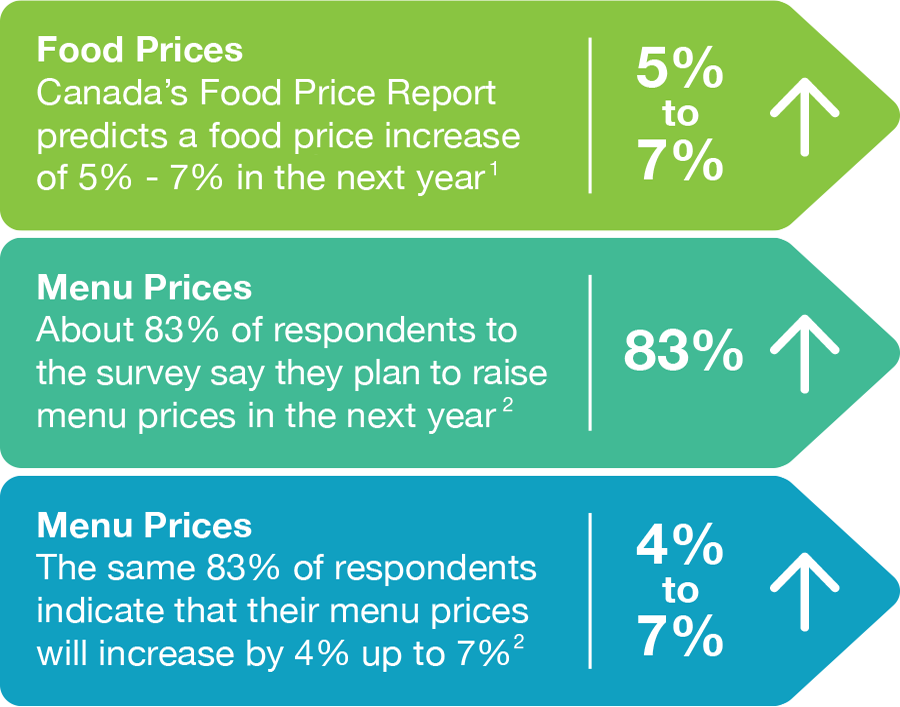

1. Source: Canada’s Food Price Report 2022
2 Source: Restaurants Canada’s Restaurant Outlook Survey Q3 2021
Food prices aren’t the only pressure contributing to menu inflation. Others include supply chain issues, labour shortages, pandemic-related dining-in restrictions, the costs of PPE and other safety measures, and the need to implement vaccine passports in some jurisdictions. Restaurants Canada reports that many of their survey respondents intend to partially absorb operating cost increases, rather than fully pass them downstream to customers via menu price increases.
Restaurant menus need to be as cost-effective as possible for the benefit of both operators and their price-conscious customers who may be responding to inflation by tightening their discretionary spending belts.
Here are 7 tips to increase restaurant profits
A combination of complementary strategies to address increasing food and operating costs can help you provide more cost-effective menus. And doing what you can to help those in need just may encourage your community to keep supporting your establishment through these difficult times.
Downsize Menus
Shorter menus are here to stay. They’re a good way to mitigate supply issues and higher costs, while managing a return yet again to takeout and delivery only in some provinces. Pared-down menus also help you streamline staffing, manage inventory more effectively, and reduce waste. They also make it easier for restaurant operators to benefit from dishes where high sales and maximum profit intersect.
Streamline Operations
With today’s labour supply challenges now further complicated by the higher absenteeism rates caused by the Omicron variant, restaurant operators must keep effective retention and recruitment top of mind. Optimizing scheduling, maintaining good employee relations, and showing appreciation for staff who step up to fill gaps in the schedule can help you avoid the costs of reduced capacity or closures due to absenteeism. Menu streamlining can help you reduce your base staffing complement – important in a time of labour shortages.
Manage the Supply Chain
Now more than ever, it’s important to have good lines of communication with your suppliers. Work with them to keep on top of product availability and price fluctuations so you can plan your menu accordingly. Also talk to them about any special offers you can benefit from.
Get Creative with Proteins
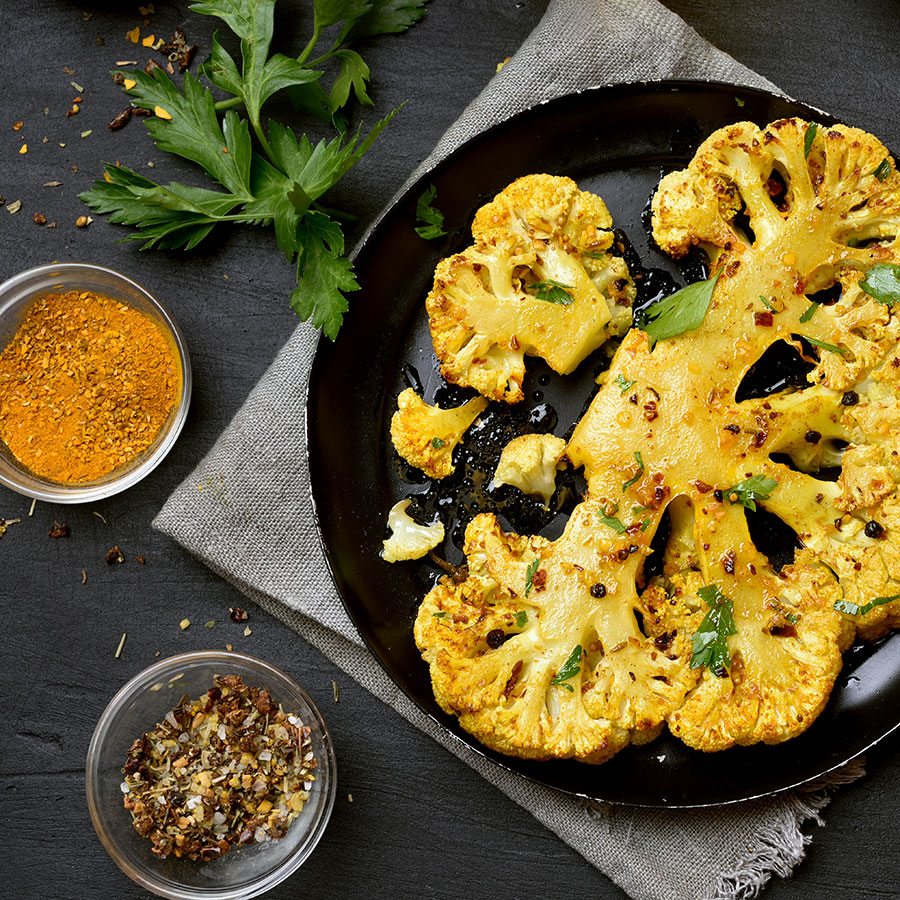
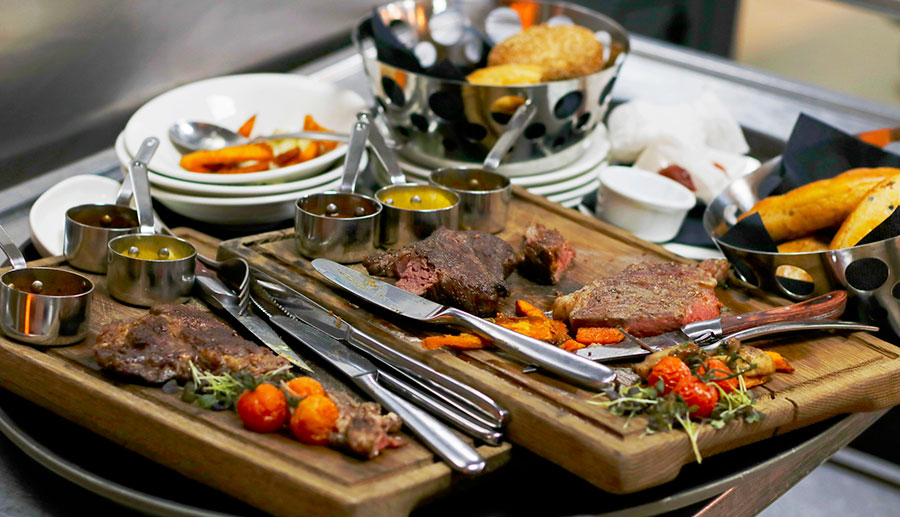
Proteins are usually the centrepiece of a dish. And animal proteins are generally the costliest ingredient. With some creativity, you can move beyond the extravagant steaks and typical chicken breasts to offer proteins in more affordable ways. In addition to smaller portions of meat and poultry, explore using cheaper cuts, which are often more flavourful and offer the chef more creative scope. Think chicken thighs in a hearty sauce instead of grilled breasts. More economical plant-based proteins, like chickpeas and lentils, either in wholly vegetarian or vegan dishes, or in combination with smaller portions of animal proteins, are another approach to a more cost-effective menu. For more ideas, see the article What’s the True Cost of Proteins for Foodservice Operators?
Reduce Waste and Pay It Forward
Wasted food and wasted supplies is wasted money, and who can afford that? A smaller menu leads to a tighter, more manageable inventory, helping you use items before their expiry dates. Designing your menu so ingredients can be used in multiple dishes is another waste reduction strategy.
Support community members who are suffering the effects of food inflation by donating food you can’t use in time to local food banks, shelters, and other programs.
Harness Technology for Agility
One word we’ve all heard over and over during the pandemic is pivot. With menus switching up frequently due to ongoing supply chain issues and price fluctuations, digital menus allow for easy revision. Having a website built on the Sociavore platform, for instance, provides you an online ordering system that frees up staff for other tasks. It also helps you avoid steep third-party fees by using local delivery networks or the DoorDash integration for order fulfillment.
And like many things today, when it comes to food waste there’s an app (or many) for that. For example, Too Good to Go has launched in Toronto, Vancouver, and Montreal, and allows restaurants, bakeries, grocers, et cetera to sell leftover food and prepared dishes at a discount through the app. Not only does this reduce waste and help you recoup a portion of your costs, but it helps build good community relations.
Utilize Government Support Programs
Inform yourself about the government support programs your business qualifies for and identify which meet your needs. Taking advantage of economic support can bolster your efforts to keep menu inflation at a level that still encourages your community to dine in or order out.
Family-owned businesses possess many strengths, such as their ability to look at the long-term development of their operation and align interests between management and owner.
This is especially true of “owner-operator” structures often seen with independent restaurant operators. However, restaurant owner/operators also face some challenges, such as how to objectively evaluate performance and capabilities and how best to ensure talent development within the family.
In some cases, families – despite having a common base to build on and often working together day-to-day – find it difficult to conduct conversations among themselves about important financial issues. It’s very hard to disconnect emotions and be fact-based and objective in a family business. Therefore, obtaining some external impartial support can be a source of great assistance.
According to the Family Firm Institute, 70% of family businesses will not survive into the second generation and 90% will not survive to the third generation. As well, a Canadian Business Insights study from 2021 found that “only 34% of Canadian family businesses have a robust, documented and communicated succession plan in place.”
Succession planning for family-owned restaurants need not be a frightening prospect.
Here’s how you can plan your family-based restaurant for success:
Not a one-off succession plan
The first thing to understand about succession planning is that it is not a one-off exercise, but rather a way of managing the family business professionally during the business’s lifetime. In addition, this is not only about succession at the top, but throughout your entire operation. The same issues appear across the business on all levels. Having adequate processes in place is necessary for all family-owned businesses.
Start early
Engaging family to determine their personal aspirations and wishes is no small feat. It takes time and rarely proceeds in a straight line. It’s important to start early so the family’s collective goals and values can percolate over the years and lead to a broadly accepted family vision.
In multi-generational family businesses involving various branches, it’s crucial to encourage full participation of the entire family or representatives of the various family branches. Family meetings can be a productive way to promote communication, cooperation, and, most importantly, trust. Creating a board of family advisors might be a good idea. Emotions can run high when dealing with family issues. Holding regular “check-ins” can help manage the emotions around succession planning.
Prepare for your business transition
Comparing internal factors that a family can control versus external factors that are beyond a family’s control helps the decision-making process.
Internal factors within the control of the family are: the corporate structure (including the current shareholders agreement), culture, employees, business profitability, and access to financing.
External factors include changes in competition, technology, market demand, and public policy. By blending both internal and external analysis with family member communication, it should become clear whether your family should keep the business in the family or consider selling. The family should set out steps and milestones within the framework of a strategic plan.
Prepare for your personal transition
Succession planning tends to focus on technical aspects like tax and estate, while insufficient attention is paid to planning for lifestyle balance and building a new identity post-succession.
Only in hindsight do many owners realize the impact that succession of the family business creates. Inevitably, leaving the business can create a void. Some owners even haunt their former restaurant, never quite yielding control to the next generation, and, in some extreme cases, may actually disrupt the succession plan they put in place. Take the time to create your personal post-succession life plan.
Work with the right team of advisors
Given the generation-to-generation nuances of a family-owned business, choosing the right type of support is critical. Typically, succession planning issues appear across generations, so it’s useful if you already work with a trusted advisor, with that trust spanning across multiple generations of family members. Your trusted advisor can head up a larger team of specialists (such as an accountant, lawyer, banker and insurance broker) skilled in succession planning itself, but also in related key areas such as talent and career planning, skills development, governance, communications, and role definition across the generations.
Quick tips to plan for family business transition
- Establish timelines to keep on track.
- Set milestones for achieving goals.
- Keep your succession plan up to date.
- Review your plan at least once a year to reflect changes.
- Prepare a communication plan to notify your successors, staff, suppliers and customers of your succession plans.
- Work with professional advisors.
Menu engineering, the process restaurateurs use to analyze the cost and popularity of menu items and adjust pricing to maximize profitability, is more important than ever for Canada’s foodservice operators.
The industry faces many challenges in this late-pandemic period, including staffing shortages, supply issues and rising costs. As patio season winds down, consumer hesitancy about in-restaurant dining continues, yet many people are eager to return to their favourite spots. Demand for takeout & delivery and expectations for a demonstrably safe dining experience remain high.
As a result, many restaurants are looking to downsize menus to upsize revenue, focusing on dishes that hit the sweet spot where high sales and maximum profit meet. They also need the flexibility to quickly change what’s on offer, as well as ways to demonstrate their ongoing commitment to in-house dining safety.
Operators need to go beyond the traditional, time-honoured calculations of menu engineering to reconsider the very nature of menus. How can they be easily changeable and available to patrons as conveniently and safely as possible?
The answer is digital restaurant menus.

“The main benefits of using digital menus are ease of access and flexibility. Any customer can view a digital menu anywhere . . . restaurant owners can add or modify menu items at any time.”
Amina Gilani, Co-Founder and COO of Sociavore
The benefits of digital restaurant menus
- Access and Agility — Amina Gilani, Co-Founder and COO of Sociavore, the independent restaurant website platform and Brand Points PLUS partner, says, “The main benefits of using digital menus are ease of access and flexibility. Any customer can view a digital menu anywhere, right from their smartphone, tablet or computer, even after hours when the restaurant is closed. Restaurant owners can add or modify menu items at any time without having to print new physical menus.”
- Many Ways to Share Your Brand Story — Digital menus go beyond simply listing food choices; they’re important marketing tools, since so many people check out menus online before choosing a restaurant to visit or order from. Your digital menu is a way to complement the brand story you tell on your website and in your physical premises.
- Maximizing Profit — Designing menus to highlight the most profitable items can influence customer choices to help restaurants maximize profit. Gilani says that digital menus give you the ability to “create engaging menu descriptions and add mouth-watering food photography to accompany each menu choice.”
- Expanded Information — Digital menus allow customers to easily access information about dietary concerns and restrictions, which traditionally have required conversations with the server. With the click of a link, customers can check ingredients and nutritional details.
- A Shoppable Experience — Your static digital menu can be converted into a shoppable ordering menu. Gilani says this allows customers “to browse and place orders for pickup or delivery right from your restaurant website.” With Sociavore’s commission-free delivery integration you can save on third-party delivery fees and retain your customer data too.
Different Ways to Digitize Your Menu
Menu digitization ranges from low-tech options to highly integrated systems:
- At the lowest tech level, some restaurants simply post photographs of menus on their website or Facebook page. The photography isn’t always optimal, but even when it is, readability can be an issue, especially on mobile devices. And the photos need to be reloaded each time the menu changes.
- Other restaurants upload PDF menus to their website and social media. This approach has the same mobile readability and reloading challenges as photos.
- Next level up are web-based menus. “Restaurateurs can use Sociavore to create and manage digital menus on their restaurant websites. With a few clicks of a button, you can add new items, limit inventory, add custom fees and taxes, and more,” says Gilani.
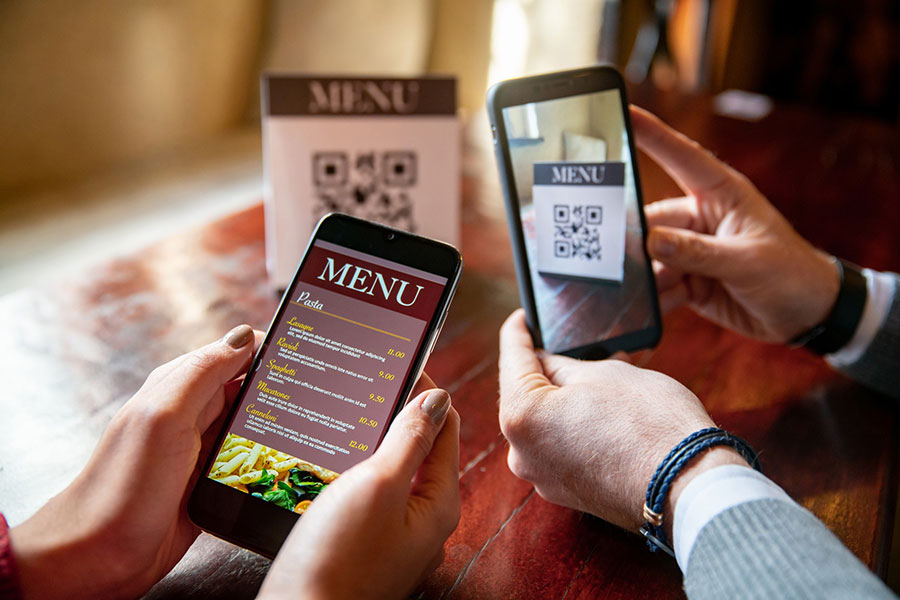
- Making QR (quick response) codes — those square barcodes that look a bit like abstract art — available on tabletop, at the storefront, and on marketing materials is the next rung up the digital menu ladder. They allow customers to quickly click through to the most current version of your digital menu as soon as they’re seated.
- Finally, QR codes can be integrated with contactless ordering and payment systems. A Restaurants Canada press release from December 2020 states: “QR codes are the new norm for menu viewing, touchless ordering, and paying the bill.”
A Deeper Dive into QR Codes
While QR codes have been around since the ’90s, they’ve really taken off as foodservice operators and consumers adapted to the realities of the COVID-19 pandemic. Using them is easier than ever, helping foster their ready acceptance by the dining public.
Many newer smartphones have built-in QR code viewers, so no special app is needed. A patron can simply open their phone’s photo app, focus on the QR code, and then follow the pop-up link to the restaurant’s menu. This makes ordering faster and minimizes contact with the server.
The right website platform can take QR codes to the next level with contactless ordering and payment system integration. Customers can order and even pay the bill from their phone to have their meal delivered to their table (or for takeout and delivery), for the ultimate in convenience and contactless dining.
“Guests can easily access the restaurant’s ordering menu via the QR code and order directly from the menu. This reduces short-term labour costs and increases table turnover with faster, more efficient ordering.”
Amina Gilani, Co-Founder and COO of Sociavore
QR codes also benefit restaurant operations, as Gilani explains: “Sociavore’s contactless dining feature streamlines the restaurant’s service by sending orders directly from the guest’s phone to the kitchen. Guests can easily access the restaurant’s ordering menu via the QR code and order directly from the menu. This reduces short-term labour costs and increases table turnover with faster, more efficient ordering.” She says, for instance, that this feature has powered the largest patios in Toronto (the Distillery District and RendezViews) as well as many independent restaurants.
Letting your community know about these safety enhancements may encourage the hesitant to return to in-person dining more quickly. It’s also helpful in retaining and attracting staff, a major industry concern.
Bye-bye Paper Menus?
The pandemic has certainly accelerated the demise of the formal printed menu. Many restaurants switched to single-use menus for safety reasons before moving to QR codes. But it may be premature to declare paper menus as passé as paper letters.
Not everyone has a smartphone. Some don’t have data and need your WiFi to use QR codes. Sometimes people simply forget their phone. Even the most tech-advanced restaurant should have some single-use paper menus available as a contingency.
Tips for the Digital Menu Age
- Embrace digital design — “Let your menu reflect your brand!” Gilani says. “Don’t be afraid to switch it up and create new menus for special events or holidays. Also, be sure to include a clear, well-lit photograph of each menu item — you’ll notice a significant increase in online sales and basket size.”
- Help customers become tech savvy — Some customers need to get comfortable with menu technology. Tactfully show them the ropes. Demonstrate that using QR codes is as easy as opening their phone app, and show them how to find more details about menu items. Once they’ve got the hang of how simple it is to use a tabletop QR code, they’ll be converts.
- Be generous with those QR codes — Consider placing several QR code stickers on each table. After all, patrons clamouring to click through to your digital menu won’t want to queue up for their chance!
Is your small restaurant the place that locals most often name following the phrase, “You have to eat at …”?
Your eatery may be small, but that doesn’t mean it can’t be mighty. The chains and franchises may have big marketing budgets and instantly recognizable brands, but many people prefer – and are fiercely loyal to — the unique small restaurants, bars and coffee shops in their communities.
Translate your uniqueness into a big presence with the resources available to you. These 10 tips will help you make a big splash without a big budget:
Follow your personality
What’s your establishment’s personality? A homey Mom and Pop vibe, or funky and casual? Is it green and clean, or elegant and sophisticated? A restaurant’s personality may reflect the style of food it serves, the owner’s character, and more. Up your recognition factor by making that personality a consistent part of your brand through your storefront, signage, decor, food styling, digital presence and even the music you play.
Carve out your niche
Obviously, everything you serve should be delicious, but focus on your signature dishes. When people feel yours is the only place to go for homemade pie or vegan falafel, that’s a powerful way of establishing your presence.


Celebrate local specialties
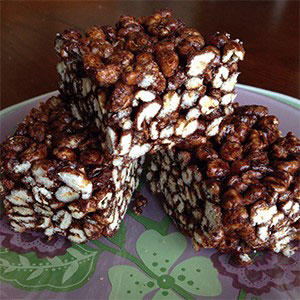
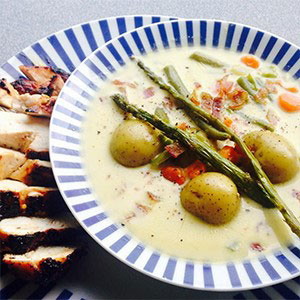
Go beyond the usual Canadian dishes seen on menus across the country (poutine and a Caesar, anyone?) to celebrate your local or regional specialties. Serving brunch in St. John’s? Put touton on the menu, and how about salt beef hash with those eggs? Offer up hodgepodge for dinner in Truro, flapper pie for dessert in Edmonton, and puffed wheat squares in your Saskatoon coffee shop’s bakery case.
Source locally
Many locals and visitors are drawn to a locally-sourced menu. Paula and Richard Shea, owners of O’Shea’s Pub and Eatery in Kinkora, PEI, say, “Being part of a rural community, we are lucky to be surrounded by a variety of wonderful farms and resources. […] We have built relationships with those farmers and suppliers, which has helped keep a consistent supply of the freshest foods that our customers expect.”
- Be a local booster – Promote your local producers and suppliers. If you’re flipping pancakes in Trois-Rivières, be loud and proud about serving them with local maple syrup. Making burgers in Red Deer? Celebrate local Alberta beef. Feature local growers and producers in your small restaurant, from the fishery that provides your seafood to the farm that grows your spuds. Consider flags on the menu or a chalkboard featuring suppliers: Today’s asparagus comes from.…
Rock your digital presence
When it comes to having an attention-getting presence on social media, size doesn’t matter. Your independent diner or sports bar can have an attention-grabbing Instagram account and popular videos on TikTok. A multi-functional website enhances the guest experience from ordering takeout to making reservations to keeping in touch through your newsletter. The Sheas say, “Social Media is a great cost-effective way to grow a business.” Time invested in keeping your accounts current and well-managed is well spent.
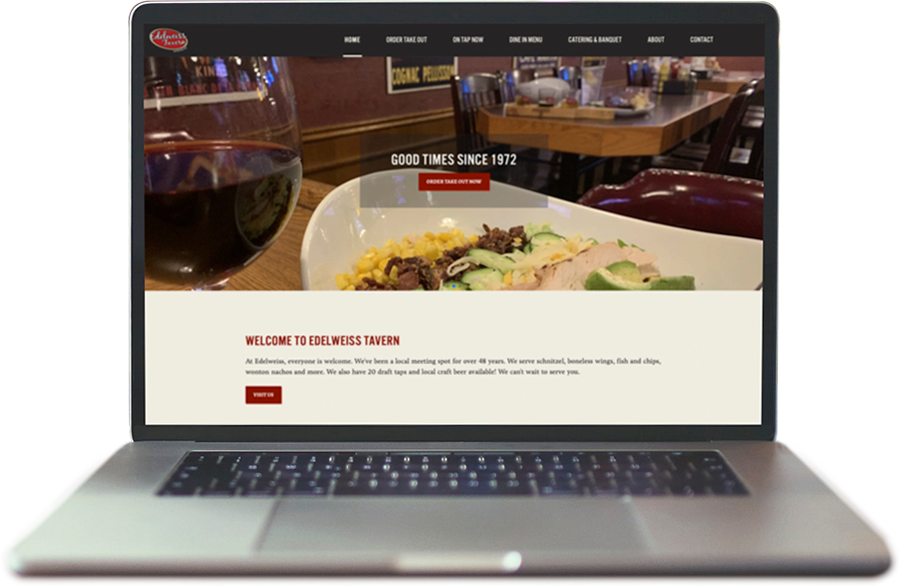
Ideas to amplify your restaurant’s presence digitally – Your social channels and website are powerful tools for complementing and amplifying what’s happening on your premises. Here are some tips to bolster your presence digitally:
- Ensure your digital presence is true to your eatery’s personality and stay on brand.
- Profile local dishes, especially those unfamiliar outside your area like fish and brewis, to whet the appetite of visitors and stir local pride.
- Celebrate your signature dishes.
- Share the stories of local suppliers.
- Promote community events and fundraisers and maintain a digital calendar of events.
- Feature your staff and their stories.
- Honour your regulars with profiles or photos.
- Publicize pop-ups, special events, promotions and loyalty programs.
- Celebrate your history and thank the community for making it possible.
Support your community
Sponsoring sports teams and donating to causes may be top of mind as community support activities. But not every way of giving back requires a budget. Local organizations appreciate a well-managed community bulletin board to publicize their causes. Hosting events on your premises helps them and also boosts your profile. Just remember to keep the focus on the causes and not on your contributions to avoid the turn-off of appearing boastful.
“Whether it be donating to fundraisers, hosting events or contributing to local initiatives, we like to give the same support back to the community that we feel we get from them,” say the Sheas of O’Shea’s Pub and Eatery.
Know your customers well
Being small gives you a unique advantage in building relationships with your regulars, and so does having loyal, long-standing staff. “Listening to and engaging with our locals, learning their likes and dislikes and using that to maximize their experience are all factors we believe have helped grow our long-lasting business,” add the Sheas. “It makes our customers feel good when we have their beverage and table ready as they walk in our door.”
Get out into the community
Consider having a pop-up at local fairs and events, featuring your specialties. You’ll not only contribute to the success of community events but entice new customers to your establishment.
Create standout promotions
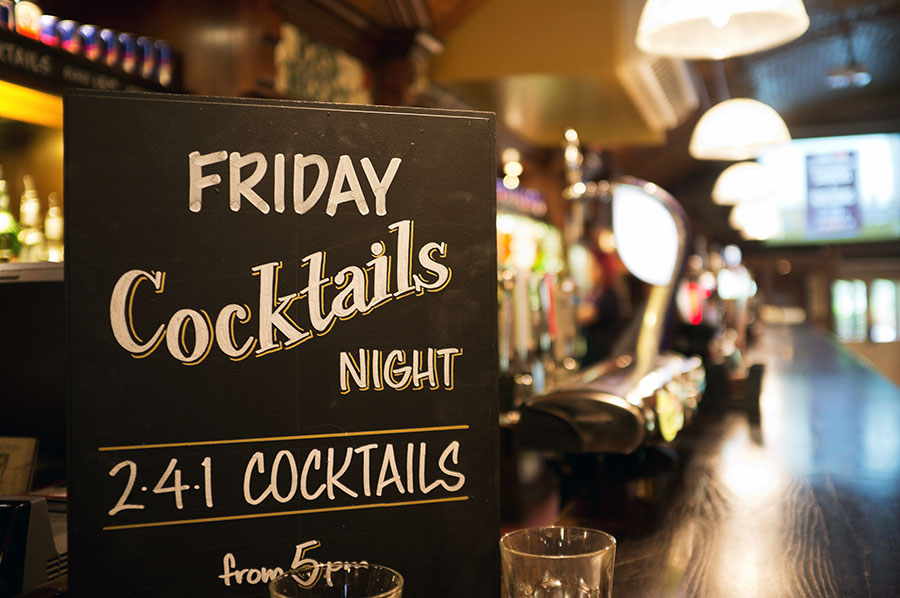
Unique promotions, especially ones with a local angle, draw people in. Go beyond the standard holiday promotions by selecting a few signature days each year and creating special offers for them. For example, celebrate your founder’s birthday for a multi-generation family restaurant or commemorate an important day in your community’s history. Leverage national food days or create your own days for your specialties! Partner with local suppliers for cross-promotions too. If you’re famous for your beer stew, you and the local craft brewery can collaborate on specials for your very own Beer Stew Day.
Loyalty cards can also work well. “Buy ten coffees and get one free” can be a powerful way of keeping regulars coming through your doors.
Be consistent
It’s not a bad thing to keep things fresh and add new dishes to your menu from time to time, but don’t change for the sake of change. As the adage goes, “If it ain’t broke, don’t fix it!” Customers appreciate the sense of coming home to their favourite dishes, maybe cooked and served by staff they’ve come to know over the years.
“Consistency is key,” say the Sheas. “We have been operating for 18 years and feel our customers know what to expect when they walk in the door. We do our best to offer the same meals with the same locally sourced ingredients and it seems to keep them coming back!”