Canadians are serious about tea. Hot, iced, infused, blended, as an ingredient or crafted into cocktails, they can’t get enough – for flavour, health, wellness or comfort. Does your restaurant beverage menu offer the sips they crave?
“Tea is the third most consumed beverage in Canada,” according to Mother Parkers Tea & Coffee Inc., a fourth-generation family owned and operated company that has worked in the foodservice industry for almost 110 years. “Worldwide, tea is second only to water as the most popular beverage.”
“Tea is the third most consumed beverage in Canada. Worldwide, tea is second only to water as the most popular beverage.”
Mother Parkers Tea & Coffee Inc.
Scott Garrett, account executive with Mother Parkers, agrees. “As Canada becomes more diverse, tea is becoming more relevant. Tea is a complement to any hot beverage program and more and more consumers are adding tea consumption to their daily routine.”
Why do restaurant customers want tea?
It matters to your customers so it should matter to you.
“Consumers are looking to tea and herbal tea products because wellness is top of mind for them. They see tea as a complement to their coffee consumption. Or they see tea as a good substitute for coffee, to help relieve stress or as a healthier alternative,” says Garrett.
“We continue to see that sustainability is important to our consumers, too. Mother Parkers’ Higgins and Burke Teas have no artificial ingredients. Our premium quality teas start with hand-picked and high-grown teas. And we contribute to the Ethical Tea Partnership, which supports tea workers around the globe.”
Terroir and types of flavourful teas
Every tea has its own character that comes from terroir, just like wine. Tea all starts with the same plant, Camellia sinensis, but the ecosystem (how the location, climate, sun exposure, shade, soil, rain and elevation work together) plays an integral role in the final flavour of the tea. Even teas of the same variety can have significantly different flavours between regions.
Offering a variety of at least a couple of the main types of tea – green, black, oolong, white, Pu’er and yellow – in multiple flavour profiles is the first step to improve your tea service.
“Variety is key,” says Garrett. “Close to 70 per cent of specialty tea drinkers want a variety of interesting flavours when they select a brand. Younger consumers are ordering more green and herbal teas, in both the hot and iced tea formats.”
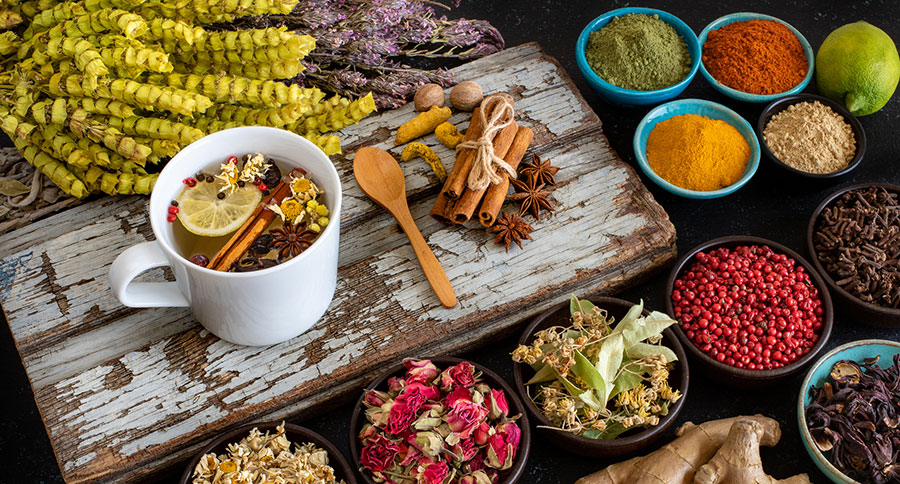
- Interesting fact about tea: Some teas don’t actually contain any tea. Meaning they don’t contain any of the plant, Camellia sinensis. We use the word tea because we typically use these products – herbal teas, botanicals, tisanes – in a similar way, steeping in liquid and drinking the result. Herbal teas can be one ingredient, mint for example, or a mix of leaves, roots, bark, seeds, flowers and fruit. The flavour possibilities are endless.
Trending teas for your menu
According to Technomic Insights, Hot Tea Menu Trends offer a diverse flavour portfolio to weave into your beverage menu.
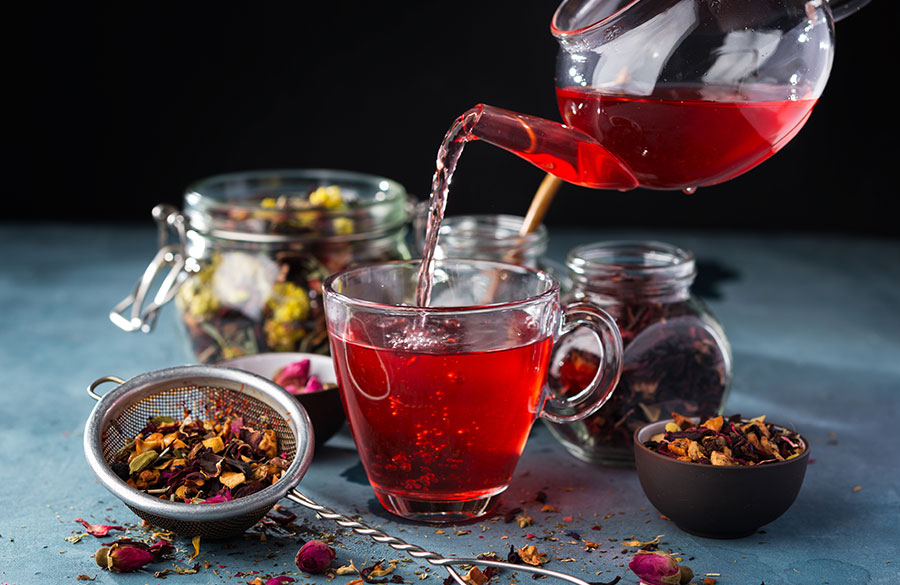
Foodservice industry innovators are introducing these flavours within their hot tea menu offerings: ginger, rose, hibiscus, lavender, raspberry and distinctly Assam tea (grown in India and the base for many traditional breakfast teas).
Proven favourites that will never leave menus include Earl Grey, mint, (masala) chai, green and lemon. The oldies but goodies, you could say, but not just your granny’s favourites. Take them out of the cup and into a different part of your restaurant menu or give them an up-to-date tweak – think Masala Chai Biscotti, Savory Green Tea Shortbread, Earl Grey Martini or Cold Brew Method Lemon Iced Tea.
Serving tea
Once you have expanded your tea menu, take these flavours for a spin. With prices ranging from $2.00 to $5.70 for a freshly steeped cup, according to Technomic’s study of menus nationwide, tea is an excellent opportunity for upselling at the end of a meal, no matter the daypart. Think of it as a flavourful indulgence without the guilt.
Chances are you have everything you need to serve a great cup of tea or herbal tea. Boil the water, slice up the lemons, pour the milk (or cream) and polish up the spoons. Make it a sip they will remember, for both taste and presentation.

Tea parties
Who doesn’t love a good tea party? Imaginary or real, chances are memories evoke times of fun and frivolity. Hanging with family and friends. Bring out the good cups and saucers, assemble delicious sandwiches, pastries and bite-sized treats and invite everyone to your table.
Tea tastings
Tea flights are a delightfully simple way to entice customers to try new teas (and get a feel for what types they prefer). Up the ante by setting up tea tasting events, and include some simple competitions and offer delicious prizes.

Tea menus
As Mother Parkers says, “A great cup of tea is the best complement to any meal.” Why not design an LTO menu enhanced by being paired with a wonderful cup or two of tea? Or suggest tea pairings with menu choices or on the dessert menu?
Afternoon teas
Those odd hours in the afternoon too late for lunch but too soon for dinner, afternoon teas can drive traffic during this alternate daypart. They’re a charming option to try out some menu flavours in small bites which require significantly less labour than a full meal. But those little extras can all add up to more profits if your tea menu and food offerings are too hard to pass on.
Good to the last sip
“Tea is a high margin category to utilize,” Garrett reminds us. “The iced tea segment is growing as consumers are seeking healthier options. We are bringing more herbal iced tea products to the market to meet this demand for menus at any type of establishment.”
Jump into this bountiful, colourful and delicious category. Improving your tea offering and service might just be your cuppa tea.
Try this:
Mother Parkers Gingerbread Cookie Latte, 2 ways
PrintGingerbread Cookie Latte Version 1
Ingredients
- 1 Chai tea bag
- ½ oz Gingerbread syrup
- Steamed milk
- Whipped topping
- Cinnamon
Instructions
- Steep chai tea bag in 2 oz of hot water in the cup
- Add in gingerbread syrup
- Steam milk and add to the cup
- Top with whipped topping and add cinnamon on top
Gingerbread Cookie Latte Version 2
Ingredients
- 1 Chai tea bag
- ½ oz Gingerbread syrup
- 1 shot Espresso (or 2 oz dark coffee)
- Steamed milk
- Cinnamon
Instructions
- Steep chai tea bag in 2 oz of hot water in the cup
- Add in gingerbread syrup
- Add espresso or dark coffee
- Steam milk and add to the cup
- Top with cinnamon
Rising inflation, currently affecting food and many other goods, is challenging restaurateurs and consumers alike. And food inflation is just one of the factors that can lead to menu inflation in restaurants.
The challenge for restaurant operators is to create a menu that’s cost-effective for both themselves and consumers, so they can operate with the best possible margins while still encouraging business in this time of renewed restrictions and rising costs.
Understanding the restaurant inflation crunch
Canada’s Food Price Report 2022, an annual collaboration of Dalhousie University and the Universities of Guelph, Saskatchewan, and British Columbia, “forecasts an overall food price increase of 5% to 7% for the coming year, the highest predicted increase in food prices since the inception of the report 12 years ago.”
Given the current rate of food inflation, it’s not surprising that menu inflation is occurring in restaurants. Restaurants Canada’s Restaurant Outlook Survey Q3 2021 reports that “nearly six in 10 respondents are expecting to raise their menu prices by 4% or more, with 23% expected to raise menu prices by more than 7%,” (the highest level above 7% since the survey began in 2011).
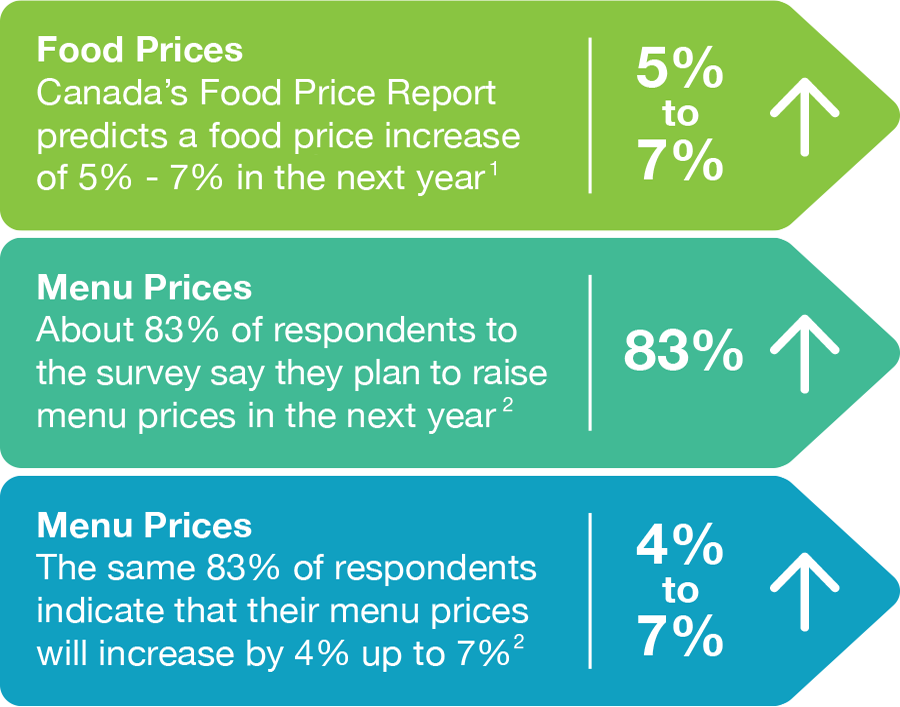

1. Source: Canada’s Food Price Report 2022
2 Source: Restaurants Canada’s Restaurant Outlook Survey Q3 2021
Food prices aren’t the only pressure contributing to menu inflation. Others include supply chain issues, labour shortages, pandemic-related dining-in restrictions, the costs of PPE and other safety measures, and the need to implement vaccine passports in some jurisdictions. Restaurants Canada reports that many of their survey respondents intend to partially absorb operating cost increases, rather than fully pass them downstream to customers via menu price increases.
Restaurant menus need to be as cost-effective as possible for the benefit of both operators and their price-conscious customers who may be responding to inflation by tightening their discretionary spending belts.
Here are 7 tips to increase restaurant profits
A combination of complementary strategies to address increasing food and operating costs can help you provide more cost-effective menus. And doing what you can to help those in need just may encourage your community to keep supporting your establishment through these difficult times.
Downsize Menus
Shorter menus are here to stay. They’re a good way to mitigate supply issues and higher costs, while managing a return yet again to takeout and delivery only in some provinces. Pared-down menus also help you streamline staffing, manage inventory more effectively, and reduce waste. They also make it easier for restaurant operators to benefit from dishes where high sales and maximum profit intersect.
Streamline Operations
With today’s labour supply challenges now further complicated by the higher absenteeism rates caused by the Omicron variant, restaurant operators must keep effective retention and recruitment top of mind. Optimizing scheduling, maintaining good employee relations, and showing appreciation for staff who step up to fill gaps in the schedule can help you avoid the costs of reduced capacity or closures due to absenteeism. Menu streamlining can help you reduce your base staffing complement – important in a time of labour shortages.

Manage the Supply Chain
Now more than ever, it’s important to have good lines of communication with your suppliers. Work with them to keep on top of product availability and price fluctuations so you can plan your menu accordingly. Also talk to them about any special offers you can benefit from.
Get Creative with Proteins
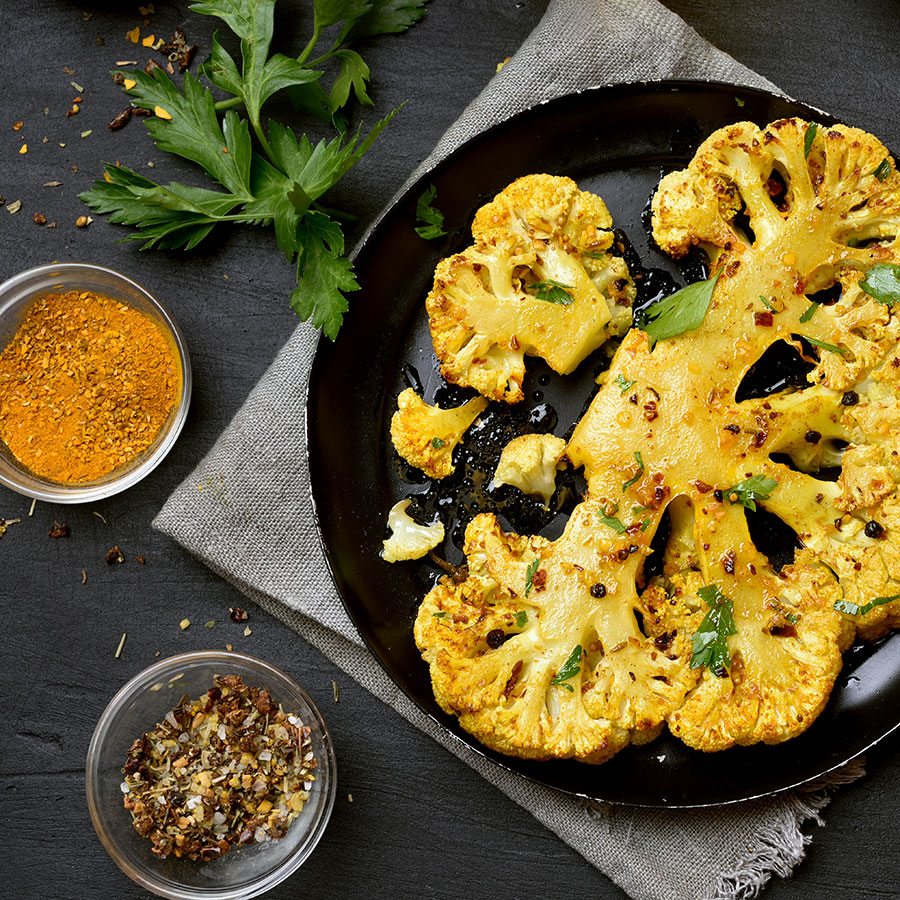
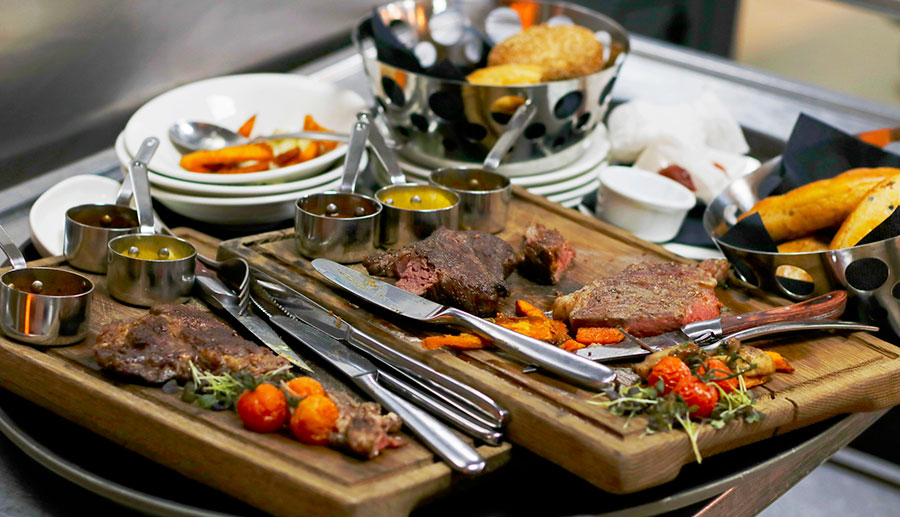
Proteins are usually the centrepiece of a dish. And animal proteins are generally the costliest ingredient. With some creativity, you can move beyond the extravagant steaks and typical chicken breasts to offer proteins in more affordable ways. In addition to smaller portions of meat and poultry, explore using cheaper cuts, which are often more flavourful and offer the chef more creative scope. Think chicken thighs in a hearty sauce instead of grilled breasts. More economical plant-based proteins, like chickpeas and lentils, either in wholly vegetarian or vegan dishes, or in combination with smaller portions of animal proteins, are another approach to a more cost-effective menu. For more ideas, see the article What’s the True Cost of Proteins for Foodservice Operators?
Reduce Waste and Pay It Forward
Wasted food and wasted supplies is wasted money, and who can afford that? A smaller menu leads to a tighter, more manageable inventory, helping you use items before their expiry dates. Designing your menu so ingredients can be used in multiple dishes is another waste reduction strategy.
Support community members who are suffering the effects of food inflation by donating food you can’t use in time to local food banks, shelters, and other programs.
Harness Technology for Agility
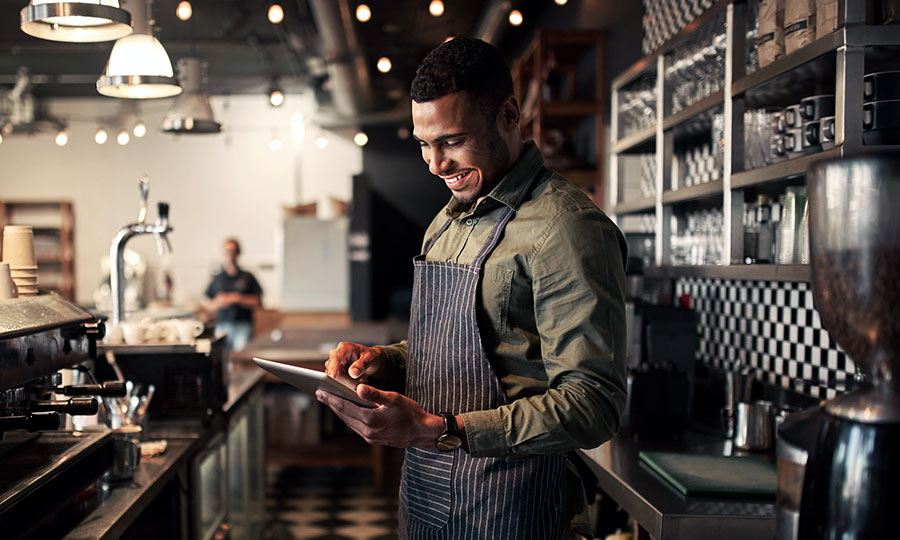
One word we’ve all heard over and over during the pandemic is pivot. With menus switching up frequently due to ongoing supply chain issues and price fluctuations, digital menus allow for easy revision. Having a website built on the Sociavore platform, for instance, provides you an online ordering system that frees up staff for other tasks. It also helps you avoid steep third-party fees by using local delivery networks or the DoorDash integration for order fulfillment.
And like many things today, when it comes to food waste there’s an app (or many) for that. For example, Too Good to Go has launched in Toronto, Vancouver, and Montreal, and allows restaurants, bakeries, grocers, et cetera to sell leftover food and prepared dishes at a discount through the app. Not only does this reduce waste and help you recoup a portion of your costs, but it helps build good community relations.
Utilize Government Support Programs
Inform yourself about the government support programs your business qualifies for and identify which meet your needs. Taking advantage of economic support can bolster your efforts to keep menu inflation at a level that still encourages your community to dine in or order out.
The past two years have brought unforeseen challenges to the foodservice industry, leaving many operators scrambling to adapt. Check out the Canadian Foodservice Trends for 2022 to see where Canadian foodservice is going, what consumers are craving, how operators are continuing to pivot, and what successes they might see in 2022. Will this be the make-it-or-break-it year?
Menu Pivots Support Supply Changes

Persistent supply chain issues will inspire creativity and require flexibility in 2022. Almost a third of foodservice operators surveyed (29%) will raise menu prices by 5% or more over the next twelve months so exploring new ingredients or innovative menu pivots is key moving forward (Source: Restaurants Canada Q2 2021 Outlook Survey) Specifically, quirky preparations of familiar ingredients will allow for exciting menu additions without new SKUs—think pickled apples, candied garlic or salt-baked root veggies to impart new flavours and/or textures while, in some situations, even extending shelf life.
Inventiveness with favourite fare will also help operators stand out such as global sauces and ingredients on classic dishes and less-traditional cuts of meal that are more economical, chicken thigh vs chicken wing.
Stat: Chicken Thighs have seen a 39% increase in menu mentions over the past year
Source: Ignite Menu data, Q3 2020 – Q3 2021
All Buttered Up
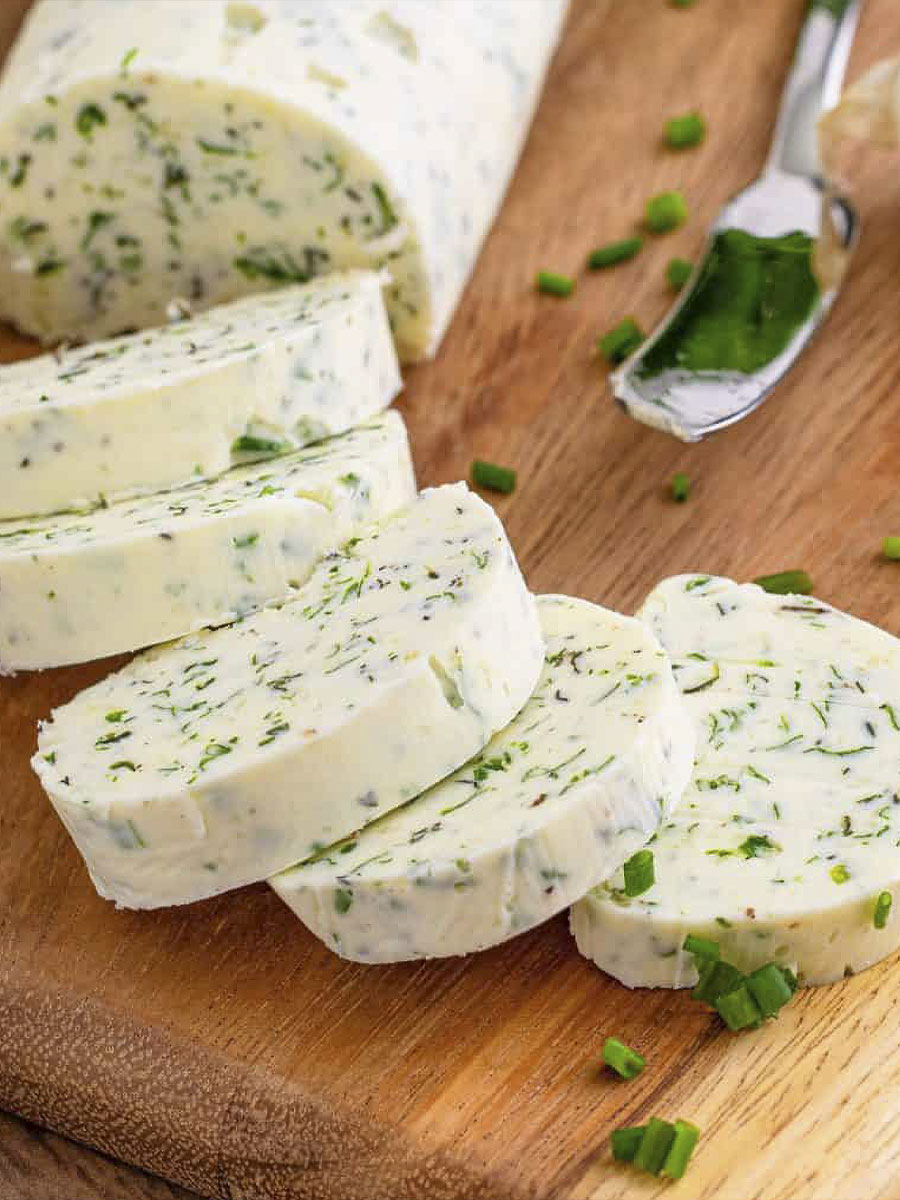
As the comfort food trend surges on, many foodservice operators will turn their attention to butter, a staple ingredient in most kitchens. Flavoured butter will be grounds for culinary experimentation, ranging from umami-rich kombu or yeast butters to cocktails featuring herb-infused and browned butters.
Other buttery ingredients such as buttermilk, buttercream, butterscotch and ghee/clarified butter will gain attention. Elevated versions and applications of nut butters will also continue to grow in conjunction with the plant-based trend, with pistachio and macadamia butters finding momentum, and peanut butter making headway in new directions, such as on burgers or in cocktails.
Stat: Buttermilk is on 14% of operator menus and about 2% of operators menu butterscotch or clarified butter
Source: Ignite Menu Data, Q2 2020-Q2 2021
The Breakfast Boom

The crisis may have prompted some chains to cut back on breakfast over the past year, but the daypart is poised for a big bounce back in 2022. With recovery scenarios on the horizon, consumers are settling into a less-disruptive reality, one in which some are fully homebased, while others head back to the workplace. And – crucially – kids are going back to school campuses. For many, sourcing a morning meal from a restaurant is once again a part of the routine.
Expect chains to employ subscription deals, multiperson bundles, product innovation and amped-up marketing to capture morning traffic and establish loyalty. We’ll also see the return of 24/7 breakfast offerings as well as new competition from casual dining in the form of morning-only virtual brands and later-day breakfast options.
Eggs are perfectly suited for a post-pandemic slot in the limelight – simple, universal, craveable, adaptable, suggestive of new beginnings. Eggs also create opportunity for punny concepts and quirky branding, bringing some fun back to the dining experience.
Stat: 62% of Canadian consumers would like breakfast to be offered beyond morning hours
Source: Technomic July 2021 consumer survey, 1,000 consumers
Spicy And Sweet Combinations
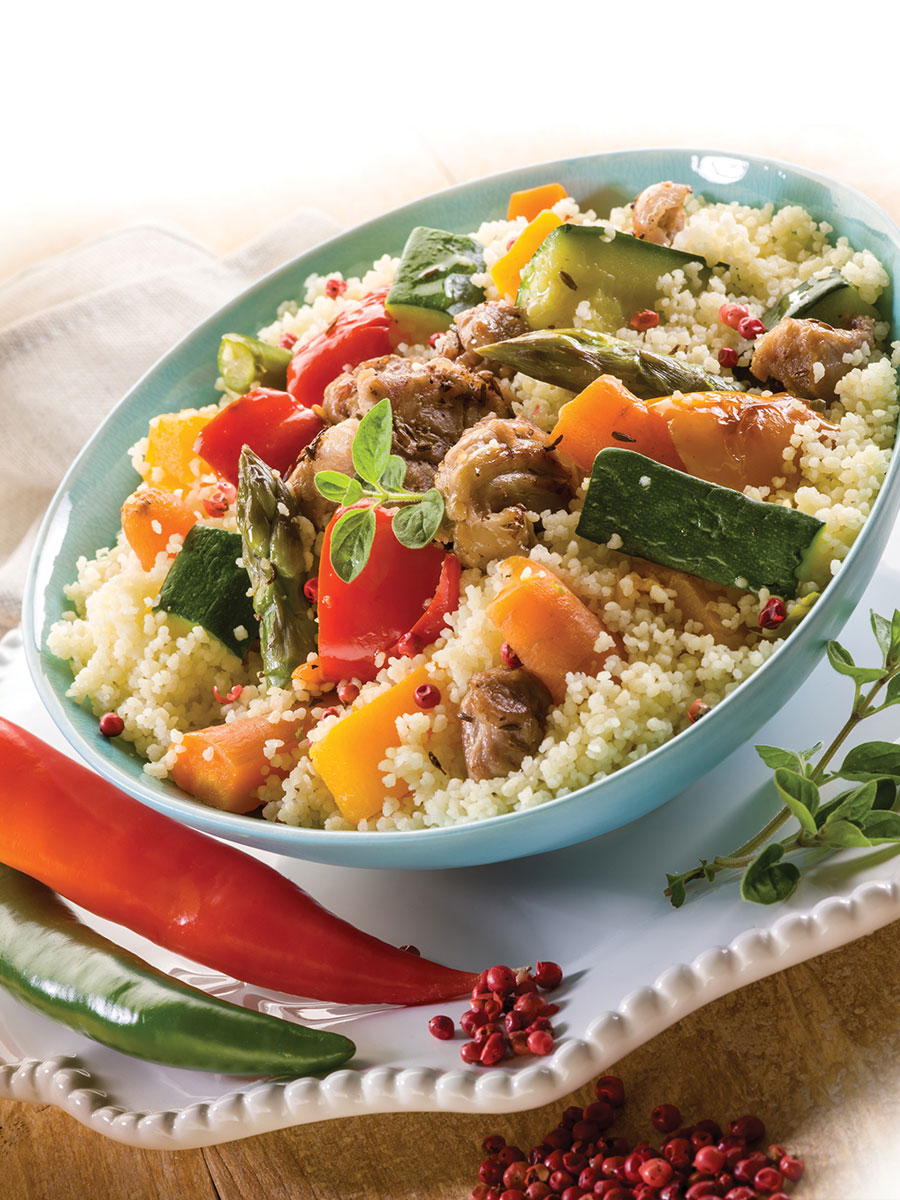
Beyond simple heat, operators are creating more complex flavour profiles, including sweet heat, to differentiate. There is growing demand for flavour experimentation and foodservice operators are upping their game by creating unique flavour profiles.
We are seeing more development of spice on the menu including spicy flavours combined with sweet flavours, which make spicy flavours more approachable for those looking for a hint of spice or a moderate spice level. From appetizers to desserts, operators are using ingredients like honey with chili oil and honey with hot sauce to create sweet-and-spicy combinations. Pidgin, located in Vancouver, menus szechuan pepper beignets that comes with sugar dusting, salted caramel and miso sauce.
Technology Boost
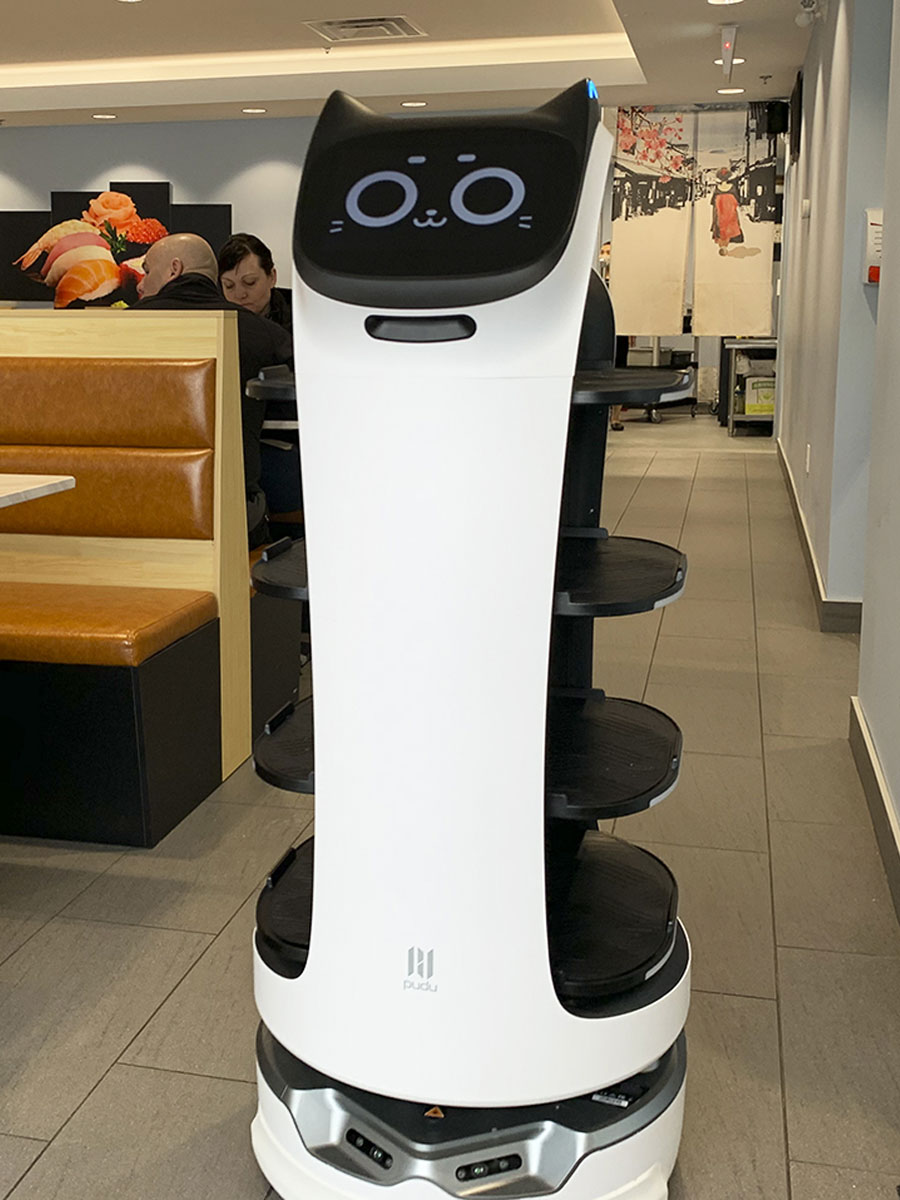
Technology has allowed restaurants to adapt to new expectations for contact-free foodservice. Online ordering and delivery have become a necessity for many operators and continues to evolve. More chains are starting to explore automated systems in both the front- and back-of-house, like grab-and-go cubbies from Paramount Fine Foods, or the Spyce Robotic Kitchen, as a way to improve safety during the pandemic as well as alleviate some of the challenges caused by labour shortages.
While many technologies remain cost-prohibitive to smaller operations, online ordering and menu solutions will continue to become more of an expectation for many consumers and are important to consider in strategic growth overall. We can expect further developments around mobile ordering, geofencing and other technologies; more tech-based self-delivery to help independents – especially – better control costs and quality.
Plant-Based Explosion

Plant-based ingredients have seen large increases in menu mentions, but the trend continues to grow further than just proteins. Dairy alternatives like oat milk are trending as well as plant-based condiments and cheeses.
Alternative and plant-based proteins have gained mainstream popularity, with many top chains adding the once-niche ingredients to their menus. Upcoming plant-based innovation includes vegan bacon, plant-based Bolognese, caviar and other non-traditional protein dishes.
Stat: Oat milk has grown 79% in menu incidence this year and plant-based beef has grown 21% in menu incidence
Source: Ignite Menu Data, Q3 2020-Q3 2021
Reliance On Delivery/Takeout Continues

So many restaurants made the pivot to takeout and delivery over the past year, and this will continue to help drive sales for restaurants while some customers remain unsure about indoor dining. More than half of consumers (52%) indicate they will still rely more heavily on off-premise services such as takeout and delivery in the foreseeable future. The number of consumers who indicated they would be avoiding restaurants for the foreseeable future also went up from 23% in March to 25% in May (Source: Foodservice Digest for Canada September 2021).
Many restaurant operators are leaning into footprint innovation with more compact unit prototypes and delivery- or takeaway-only locations. While the threat of new variants and community spread remains a reality, ensuring there are menu items that are portable or more tailored for off-premise occasions will be key in keeping operations flexible as health and safety recommendations continue to shift.
Looking for a fun way to woo guests back inside for winter dining? How about adding some game time to your menu? Increasingly, guests are bringing their “game face” to restaurants where they are expecting entertainment that goes beyond food and drink.
Kids’ games – such as paper placemats and crayons for colouring – have been around for years as a way to entertain the younger generation and keep them occupied while waiting for their meals. But what about the adults? How do you keep them engaged, ordering, and off their smartphones?
Many family restaurants, bars and sports-themed eateries already include active play on their menu, like such popular options as dart boards, billiards tables, trivia games, foosball tables, and more.
Games keep your guests engaged and may encourage them to linger longer – with more opportunities to upsell and increase check size. They also brand your restaurant as a fun venue and the place to be, plus games can help build a bond between staff and guests.

Raise your table stakes
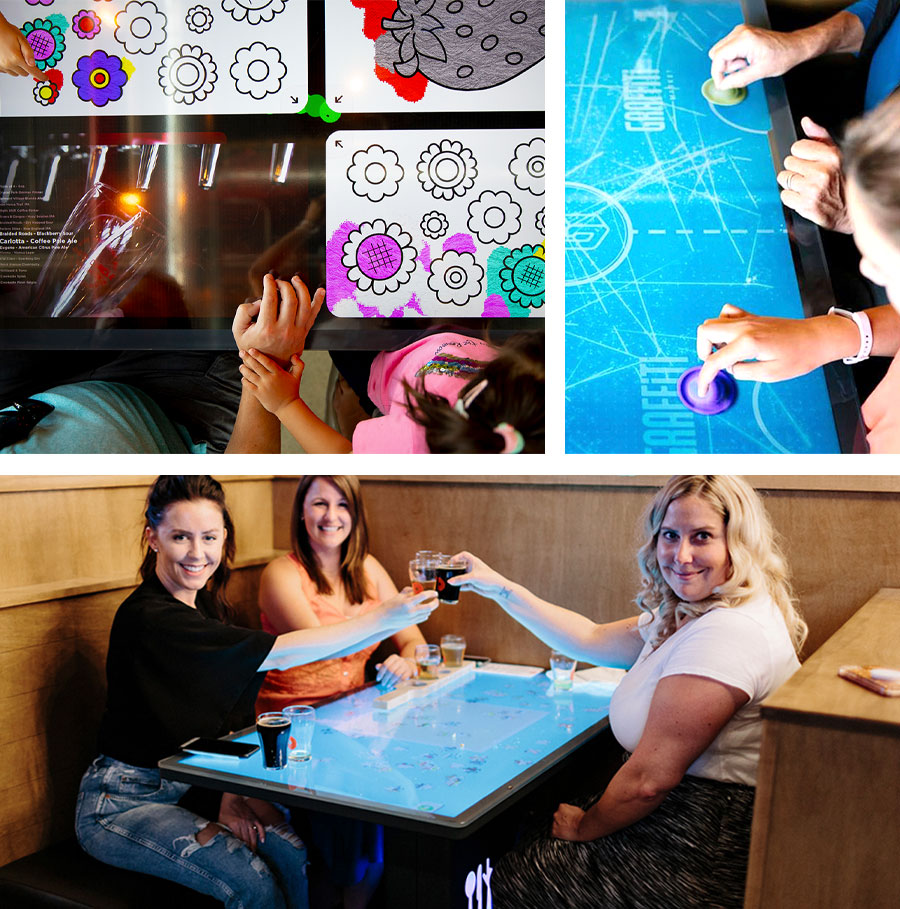
One restaurant offers a gaming option with a twist. Graffiti Market in Kitchener, Ont., a combination restaurant, microbrewery, market, coffee roaster and bakery, features highly interactive game play right at diners’ tables.
Ryan Lloyd-Craig, co-owner of the Ignite Restaurant Group, of which Graffiti Market is a part, wasn’t even thinking of games when he saw his first interactive smart table. “The idea didn’t come to me overnight. I was walking the technology section of the Restaurants Canada show and came across a gentleman standing on what looked like a giant iPad until I got closer and found that it was an interactive table made by Kodisoft (a tech company based in Ukraine).”
Lloyd-Craig’s original thought was not even about games but mainly about using the tables as a way for guests to order interactively, have food runners bring the items to the tables, and then have the tables function as a complete POS system. Other countries were already using the Kodisoft system successfully, but no one in Canada had tapped into combining business with pleasure right at the table.
The games people play
Lloyd-Craig’s interest in the tables quickly evolved into something different from an ordering and POS solution. “The benefit of these tables is that you can visually see every item on the menu so it makes it easier to order, but their main appeal is keeping people engaged and entertaining them while waiting for their food. People are putting down their cellphones and actually talking to each other. That’s kind of neat.”
The tables offer a variety of gaming options. He started with a simple colouring application, then a doodling app after the first month, before adding puzzles for all age groups (from a basic jigsaw puzzle for kids), air hockey, Chinese checkers, and most recently, chess, all of which can be turned on or off depending on how busy the restaurant is.

The tables can also support advertising, both internal and external (for instance from sports businesses running commercials and interacting with guests), though so far Lloyd-Craig hasn’t tapped that potential.
Interestingly, far from encouraging guests to linger, guests using these interactive restaurant tables want to clear the menus and food off faster to get back to their games. Lloyd-Craig’s initial goal, in fact, was not to get diners to stay longer, but to realize labour savings from integrating ordering with serving and paying for a total POS solution – “any way you can save two or three per cent off the bottom line,” as he puts it. The restaurant hasn’t been open long enough for him to see these savings yet, but he has experienced a steady increase in sales since he brought in the game tables – and that means he’s already ahead of the game.
Not all games have to cost the earth for you to add. Take trivia. This option’s been around since Trivial Pursuit took off decades ago and has become a bar and casual restaurant staple. Trivia is a particular hit with Millennials looking for interactive experiences and can liven up slower winter months in any family-style restaurant. Companies like QuizRunners and Quizzholics design, create and can run your trivia games professionally. Who knows? Your eatery could become a stop on a trivia circuit.
Tabletop inspiration
- Visual menus encourage ordering, and ordering more – especially highly visual desserts.
- Restaurants can market and advertise their promotions and potentially attract outside advertisers.
- Table games encourage guests to put down their smartphones and focus on the dining experience.
Top tips to add games in your restaurant
- Develop a games budget. You can start with something as simple as setting up game nights and bringing in board games from home. But the sky’s the limit on what you could spend to add a games component. Each of Ryan Lloyd-Craig’s 23 smart tables (Graffiti also has 25 “dumb” tables) costs $15,000 US, not including maintenance.
- Create a brand theme and strategy. What will set you apart? A sports bar, for instance, might naturally gravitate to sports-themed games, while a family-friendly eatery would pair well with trivia nights.
- Know your demographics. Kid-friendly restaurants are perfect venues for everything from fun “play” menus to dedicated kids’ games areas, while adult-oriented restaurants might be better venues for trivia nights, darts, even bingo.
- Be clear on your goals. Are games a way to encourage your guests to linger longer, an opportunity to entertain young diners, a chance to bring in business during slow periods, a way to attract new guests, or an opportunity for guests to put their devices down and enjoy some family time?
- Check your real estate. If you decide to bring in game tables, dart boards, foosball tables, do you have the space for these plus your dining tables? Don’t bring in games at the expense of your regular eating areas. After all, it’s still mainly about the food!
Give your customers the pleasure of slow food in this fast-paced world. Simple, yet sublime with infinite variety, this staple of kitchens worldwide brings comfort in every bite. Slow and relaxed, evoking an island state of mind.
Stew defines you. Ethnically diverse using cost-effective (and local) ingredients, stew can warm up your menu this fall and winter while at the same time keep your budget cool.
Love cooked into every bite
Yes, the love is in every serving of stew. You can smell and taste the memories – home, family, friends, meals shared. As one-pot wonders, traditionally using simple ingredients, stew is undeniably greater than the sum of its parts and a part of every nationality.
Find a stew that tells customers your story and transports them to happiness.
Philman George, corporate chef for High Liner Foods, has a life full of stew. “Every Sunday, my mother, who hails from the Caribbean, would prepare a one-pot stew. The house would smell so good, with aromatics like thyme and ginger root.”
Now, Chef Phil loves dry stew, a traditional West African dish, an influence of his wife, who is from Sierra Leone.
“It consists of taking a mix of vegetables and spices and cooking this mixture with roasted chicken legs and thighs until nearly all of the liquid has evaporated. What’s left is a rich paste that sticks to the chicken,” he says. As a fish and seafood-focused chef, he has adapted this stewing method and created a dry fish stew.
“Great care is taken to ensure that the seafood retains all its natural tenderness. I season and sear the seafood in cast iron and set aside. The vegetables, stock and aromatics are stewed down and seafood is added at the end. It’s big time comfort food!”
Chef Phil prides himself on fun, ethnic and approachable food. His goal is to place craveable seafood on your menu and generate more profit through the “Heart of the House.”
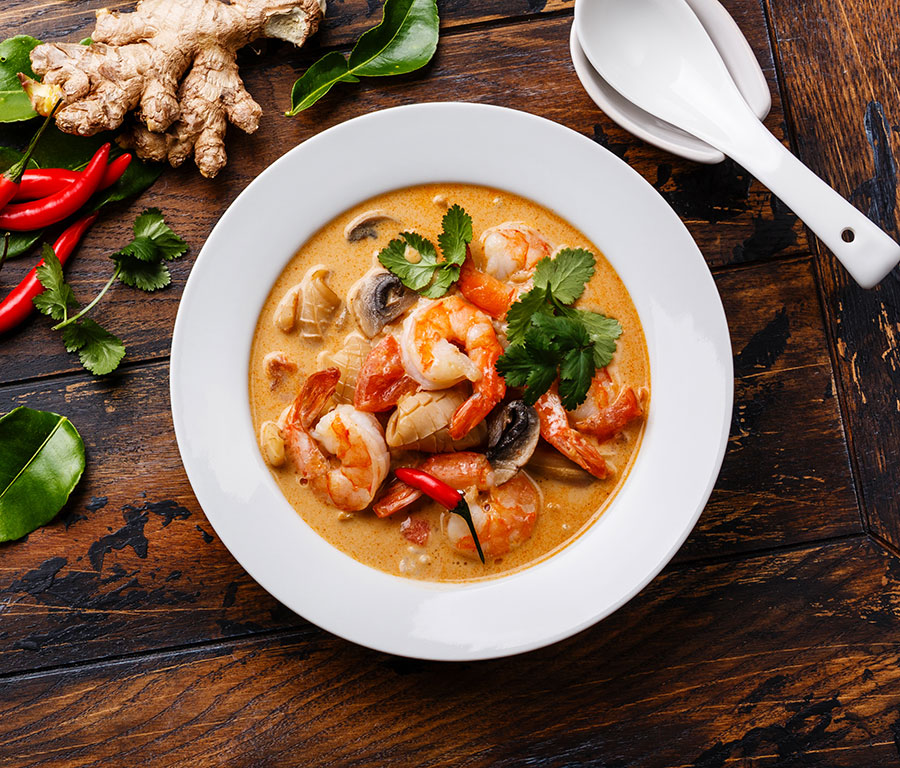
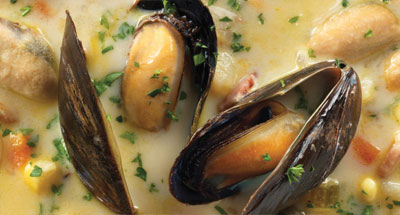
“Every culture has their version of stew. In Canada, especially on the east coast, chowders are our seafood stew! High Liner has some delicious stew recipes using cod and PEI mussels.”
Philman George, corporate chef for High Liner Foods
“Every culture has their version of stew. In Canada, especially on the east coast, chowders are our seafood stew! High Liner has some delicious stew recipes using cod and PEI mussels.”
As he says, “Stews are the go-to bowl for winter and fall.”
Stir up some fun with innovative approaches
“All ethnic stews can find a place on cold weather menus, when there is a focus on a single stew. There needs to be a story behind it – where the recipe comes from or a signature ingredient or cooking method the chef used to make it stand out,” says James Keppy, national culinary manager foodservice at Maple Leaf.
A favourite of his is a Mexican-Style Chicken Stew with chicken thighs, black beans, tomatoes and hot sauce, finished off with sour cream and tortilla chips.
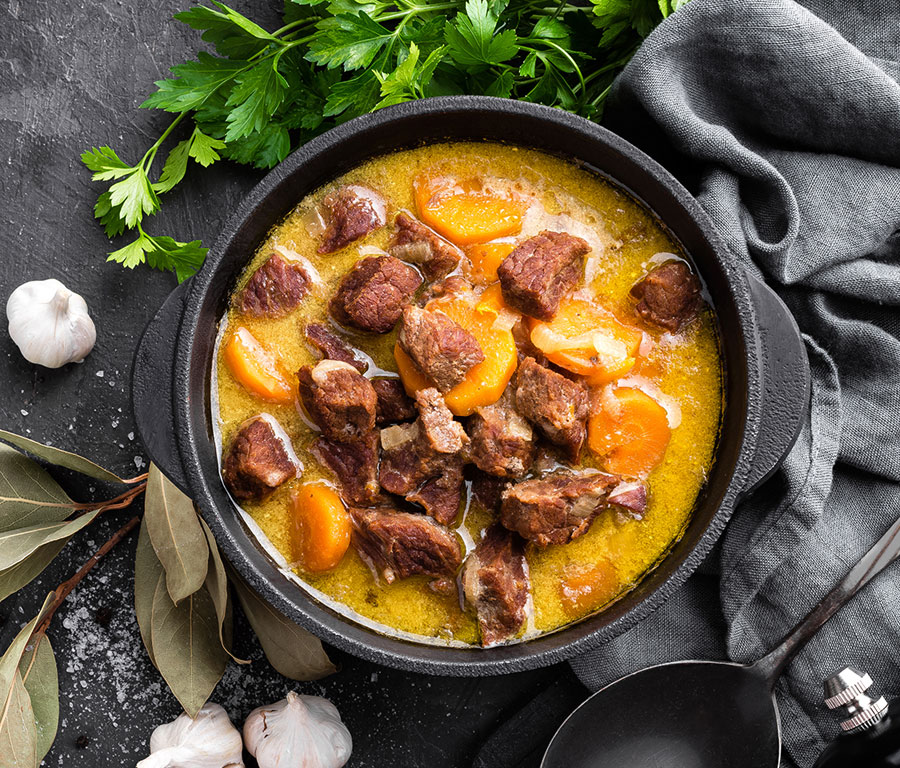
“All ethnic stews can find a place on cold weather menus. There needs to be a story behind it … to make it stand out.”
James Keppy, national culinary manager foodservice at Maple Leaf
Coaxing flavour and tenderness from underappreciated cuts is the real magic of stew, he says. “Using raw boneless, skinless chicken thighs and the pork cuts from the shoulder are cost-effective options for a great stew,” the chef reminds us.
Mix and match flavours and ingredients
Definitely not a thing of the past, a stew session using ingredients and flavours which do not regularly play together or crossing ethnic boundaries will create a unique stew that tells your story. If you do it right, it may even transport the ingredients to a new, undiscovered place.
Plant-based proteins will continue to drive menus. Maple Leaf’s au naturel! line of products and their Lightlife Plant Based Burger and Grounds deserve a place on your stew menu. Good for you, your customers and the planet – and distinctly on-trend.
“Maple Leaf also offers turkey breasts, pulled pork and beef, and sausages (Oktoberfest, Mediterranean, Andouille and Spanish Chorizo) for non-traditional twists to a stew,” adds Chef James.
With infinite protein, vegetable and spice combinations, there is a stew that is right for you and your customers. You will run out time before you run out of ideas!
Stew tips
- Think frozen. With the increasing number of dietary requests and restrictions, you may want to stew up delicious solutions that can be at the ready in the freezer. Simple additions like a hazelnut parsley gremolata add a punch of freshness and detail your customer appreciates.
- Go beyond the bowl. Elevate your stew with a puff pastry topper, drop in some signature dumplings or pull out a vegetable and showcase on top. Present with artisanal breads (great for getting every last morsel), mash, steamed grains, polenta or pasta. Or when in doubt, serve with more veggies.
- Consider the upsell. “Remember that shrimp is the most consumed seafood item in Canada. So, no matter what stew you’ve made in your establishment, upsell that stew with the addition of shrimp,” says High Liner’s Chef Phil.
Your time-starved kitchen deserves a break. Stew, a hands-free, budget-saving option that tastes even better the next day is the perfect solution. Don’t you worry about a thing, because in a stew, everything is going to be alright!
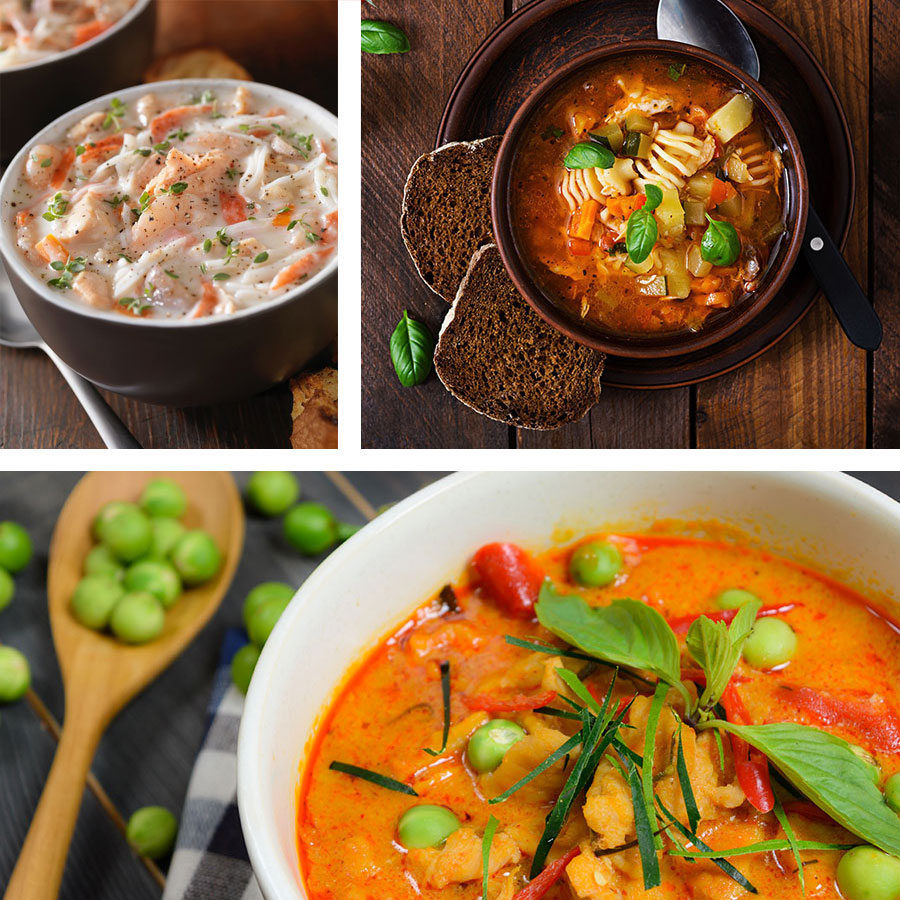
Try veggies (and fruit) first
Stews can showcase delicious locally available ingredients throughout the fall and winter months. Creatively choose seasonal options and design a stew around them, maybe a specific farm-focused flavour profile.
Customers increasingly crave food transparency, even for their fruits and veggies. Why not choose your veggies and fruit first? For instance, the humble rutabaga (not the same as turnip) soars out of obscurity in a spice-drenched Tagine.
Fruits deserve a spot in the pot, too. Apples, peaches, pears and plums add sweetness and a native flavour. How about Rhubarb Koresh, for instance? A fruit stew is a new approach to the dessert menu in the colder months.
Using seasonal vegetables and fruits in stew makes sense – and cents – cost-effective, locally sourced, with a twist on the flavours of home. Keep customers coming back for seconds and thirds.
Go global with your stews!
| Bredie Paprikash Bourgignon Irish Babotie Ratatouille Pot au feu | Chili Stroganoff Daal Feijoada Goulash Gumbo | Pozole Tagine Waterzooi Bo Kho Stifado Chowder |