
Designing Shareable Fall Appetizers and Platters
As evenings cool, diners crave connection and cozy experiences. Shareable fall appetizers and platters tap into that feeling — encouraging conversation, longer stays, and higher spending. With a creative mix of boards and bites, operators can turn slower nights into profitable, social occasions
Why It Matters
- Shared plates can raise per-table spend by 20–30% as groups add extra rounds or desserts.
- Centralized prep keeps the line calm while boards assemble quickly during service.
- Beautiful platters become organic marketing when guests post and tag your restaurant.
Operator Strategies

Start with a set foundation:
- Harvest Veg & Dips: Roasted squash hummus, pickled beets, warm bread.
- Cheese & Cured: Ontario cheeses, prairie mustards.
- Warm Bites: Maple-glazed pork bites, fried mushrooms, pretzels with fondue.
Rotate one or two components weekly to stay fresh.
2. Make the Math Work
A $24 board for four equals $6 per guest — often better than individual apps. Keep food cost under 28% by focusing on vegetables, grains, and dips, while one premium ingredient adds the “wow.”
3. Balance Portions
Aim for three to four bites per guest. Too much food looks generous but reduces profit and slows second orders.
4. Prep Once, Sell Often
Roast, pickle, and blend dips during off-peak hours. Cross-use these items in sandwiches, mains, or sides.
5. Pairings Boost Profit
Offer cider or craft beer flights as optional add-ons. Small pours feel special without overwhelming the check.
Marketing and Programming

- Theme Nights: Try “Share & Save Tuesdays” or “Tapas & Tasting Thursdays.” Consistency builds habits.
- Table Prompts: Add a table card that says, “Perfect to share — start with our Harvest Board.”
- Takeout and Events: Offer charcuterie-to-go kits with a simple assembly guide.
Front-of-House Tips
Send out warm bread or spiced nuts right away to set the tone. Train staff to say, “Would you like something to share while you decide?” or “Our Harvest Board is a guest favorite — perfect for four.” Suggest boards early to increase attachment rates.
Menu Engineering and Pricing
Price boards based on perceived value first, then engineer costs below that point. Use one premium anchor ingredient and balance with cost-effective sides. Offer tiered options — Classic, Deluxe, Vegan — so guests self-select.
Dietary-Friendly Options
Include at least one gluten-aware and one plant-forward board. Roasted mushrooms, olives, nuts, and bean purées add satisfying textures.
Catering and Corporate Opportunities
Promote “Hour Two Boards” for office meetings or after-hours events. Pre-orders can increase weekday revenue with minimal labour.
The Takeaway
Sharing is both social and strategic. With smart prep, balanced portions, and creative presentation, shareable platters turn cool nights into your warmest opportunities.
Serve Warmth, Sell Value: Why Comfort Food Matters This Fall
As summer fades, the craving for warmth returns. Diners want dishes that feel like home — soups, braises, casseroles, and indulgent desserts that bring comfort and familiarity. For operators, this is more than a seasonal shift. It’s a chance to build menus around feel-good flavours that keep guests coming back and protect margins between patio season and the holiday rush.
Why It Matters
Comfort food carries emotional value and price flexibility. Guests associate these dishes with generosity, celebration, and care, which allows for slightly higher prices when quality and portions feel right. Many comfort classics also rely on affordable ingredients like root vegetables, pulses, grains, and secondary protein cuts, helping maintain margins even as costs fluctuate.
Operator Strategies
Seasonal Rotation and Limited Runs
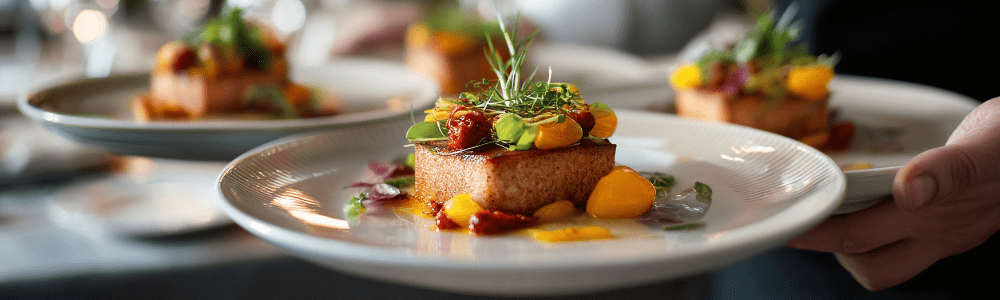
Create two or three rotating features every six weeks, such as braised short rib with mashed roots, shepherd’s pie with PEI potatoes, or baked mac and cheese with Quebec cheddar and breadcrumb gremolata. Limited-time dishes create urgency and repeat visits.
Portions That Protect Profit
Hearty doesn’t have to mean oversized. Use plating techniques like height, colour, and texture to maintain satisfaction with right-sized proteins. Pair modest cuts with generous, filling sides such as barley, lentils, cabbage, or roasted squash. Add edible herbs or crunchy toppings to boost perceived value at little cost.
Cross-Utilize Ingredients
Plan for each ingredient to serve multiple dishes. Roasted squash can appear in soup, a warm grain salad, or alongside a roast. A beef braise can transform into next-day poutine or hand pies. This tightens inventory and reduces waste.
Mini Indulgences
Offer small, high-margin desserts like maple butter tart bites or mini apple crisps with coffee pairings. Even guests who only want a taste will increase the check average.
Batching and Make-Ahead
Choose items that hold well, such as soups, braises, or gratins. These reduce stress during rush periods and improve consistency.
Menu Engineering and Costing

Cost the Feature First
Reverse-engineer prices based on target food costs — for example, 28–32% for mains and 20–25% for desserts. If your sides are inexpensive, invest flavour where it counts, such as in reductions, quality stock, or premium cheese.
Offer a Comfort Combo
A soup, small salad, and half entrée combo adds weekday value, simplifies choices, and balances plate costs across items.
Vegetable-Forward Wins
Add plant-rich comfort dishes like mushroom stroganoff or lentil cottage pie. They photograph well, travel easily, and support profitability.
Marketing Approaches
Visual Warmth
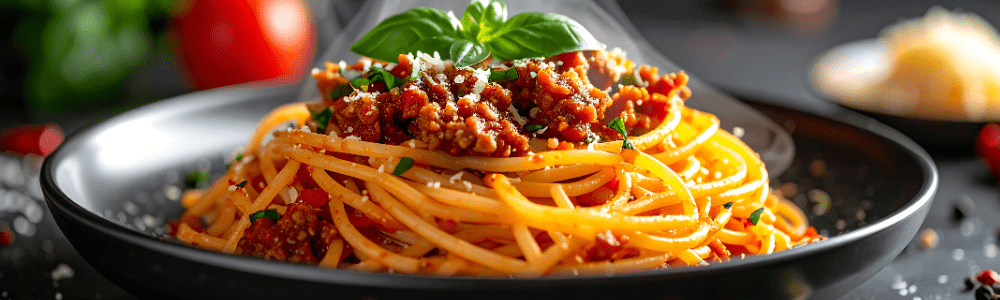
Use natural light to highlight steam, bubbling cheese, and golden crusts. A simple caption works best: “Your favourite sweater, in a bowl.”
Storytelling
Share origins and inspiration, such as “Our chef’s Sunday pot roast with prairie barley.” Memory-driven stories connect guests to your menu.
Feature Weeks
Host a “Comfort Classics Week” with daily variations to draw guests back multiple times.
Loyalty Boosts
Offer double points on comfort dishes or a punch card for “Soup of the Week” to encourage repeat orders.
Front-of-House Execution

Train servers to use gentle suggestive selling: “Would you like to start with a warming bowl of our squash bisque? It’s been this week’s favourite.” or “A mini butter tart to share?”
Serve soups and breads quickly to create an instant sense of hospitality. For takeout, use vented containers, separate sauces, and include a short reheat card to preserve quality.
The Takeaway
Comfort food is both emotional and economical. With portion control, smart ingredient use, and story-driven marketing, you can deliver cozy experiences guests crave — while keeping profits steady all season.
Restaurant Survival Guide: Menu Strategies Diners Will Appreciate
Inflation is squeezing Canadian restaurants. Proteins, produce, and utilities are more expensive than ever, while diners are watching every dollar. The challenge? Protecting margins without pushing guests away.
The truth is: raising prices is sometimes unavoidable. But the way you present and structure those changes makes the difference between guest resistance and guest loyalty.
Here are practical menu pricing strategies that go beyond simply charging more—tools you can use right now to maintain profitability while continuing to deliver value.
Focus on Value Perception
Guests are not calculating your food cost percentages. They are asking one question: Does this feel worth it?

- Lead with experience: Elevated presentation, attentive service, and thoughtful menu descriptions all make higher prices easier to accept.
- Bundle strategically: Pair an entrée with a side and drink at a slight discount. Guests see more value, while you grow cheque size.
- Promote add-ons: Small, low-cost upgrades such as “add soup for $3” or “make it a combo for $5” increase averages without alienating diners.
Rethink Portioning and Presentation
Instead of large, sudden price jumps, consider subtle changes to portions and plating.
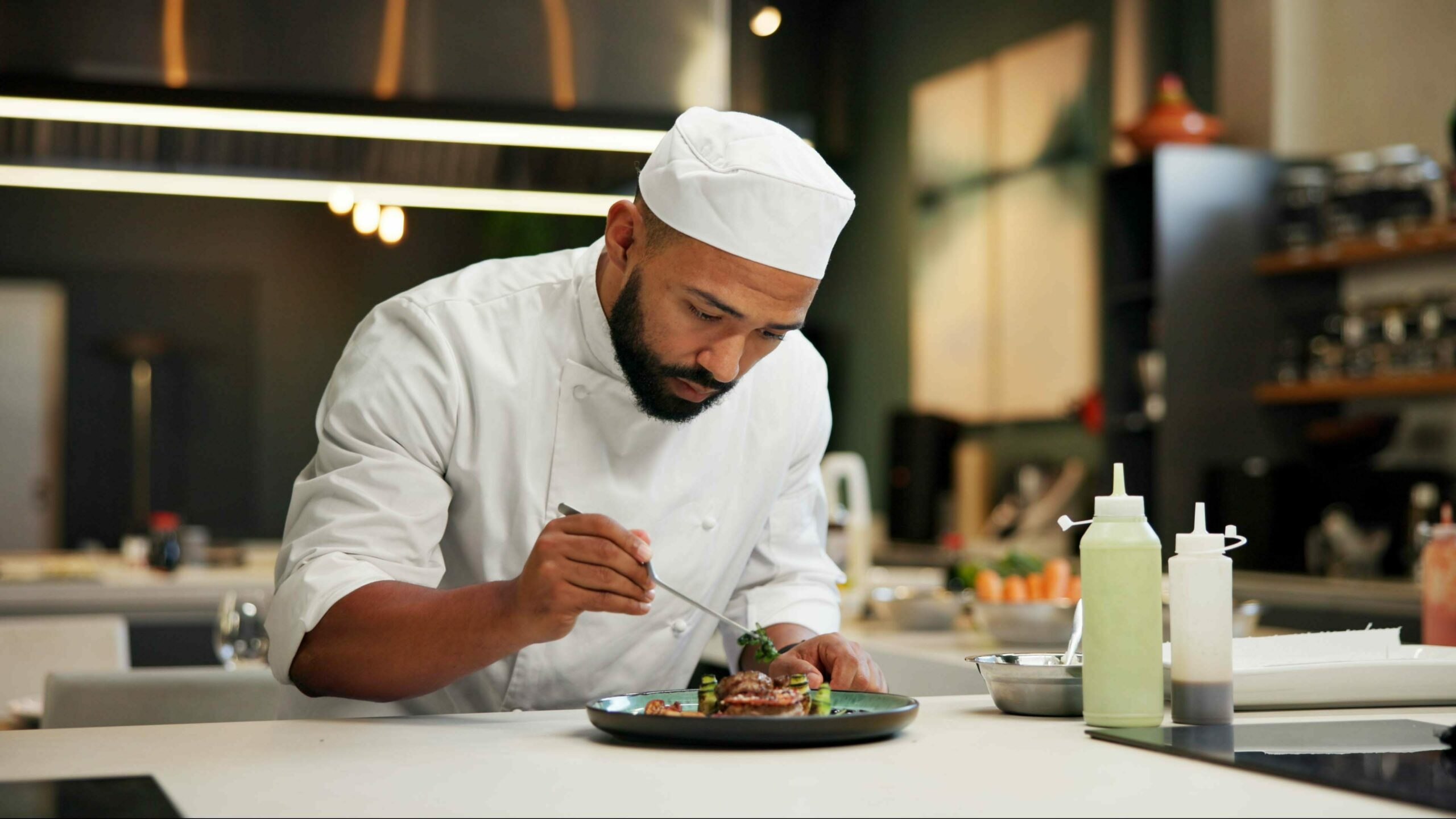
- Offer half portions at lower prices, giving diners flexibility while controlling your own costs.
- Slightly reduce protein ounces and balance plates with colourful, seasonal vegetables.
- Use creative plating—height, layers, and garnishes can all increase perceived value.
Engineer Your Menu for Profit
Your menu is more than a list of items—it is a sales tool. The design itself can encourage diners to choose profitable dishes.
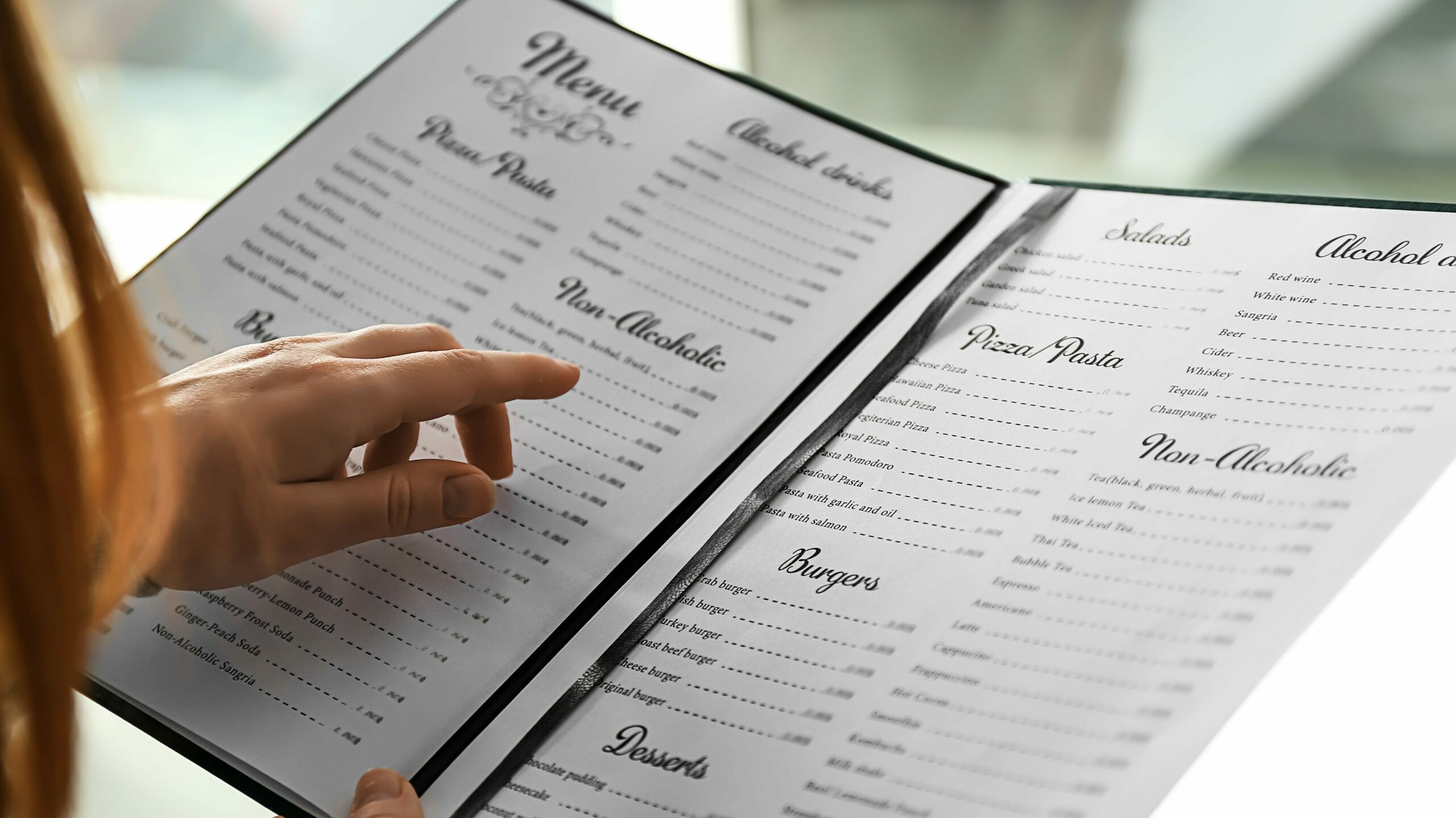
- Position high-margin items in prime locations such as the top-right corner.
- Use descriptive names. “Autumn Roast Chicken with Maple Glaze” feels worth more than simply “roast chicken.”
- Consider dynamic pricing—adjust items seasonally or in response to rising input costs instead of across-the-board increases.
Communicate to Build Trust
Price increases are sometimes unavoidable. Guests are more likely to understand when you are upfront.
Adding a short note such as, “Our seafood is sustainably sourced, and supplier costs have risen this season. Thank you for your continued support,” can go a long way.
Many diners value honesty over silence. Respect and transparency foster loyalty.
The Takeaway
Raising menu prices in today’s climate does not have to alienate guests. By focusing on value perception, presentation, smart bundling, and open communication, operators can protect their margins while maintaining strong customer relationships.
Smarter pricing means loyal diners and healthier profits.
Navigating Supply Shortages: How Restaurants Can Stay Resilient Through Adaptability and Alternative Sourcing
The restaurant industry thrives on consistency, quality, and timeliness. But supply chain disruptions—whether due to global events, natural disasters, labour shortages, or economic shifts—can throw even the best-run kitchens into disarray. When your usual vendors run dry or prices skyrocket, how can your restaurant maintain service, quality, and profitability?
The answer lies in adaptability and resourcefulness. Here’s how restaurants can effectively handle supply shortages using alternative sources and a flexible mindset:
Simplify and Streamline the Menu
When ingredients are hard to come by, a large menu becomes a liability. Consider a flexible, rotating menu with fewer dishes that rely on common, easy-to-source components. Highlight “Chef’s Specials” based on available stock and communicate openly with diners about these dynamic offerings. Transparency builds customer trust and appreciation for your adaptability.
Train Staff for Flexibility
Train your kitchen and front-of-house teams to adapt to change quickly. Chefs should be comfortable substituting ingredients without compromising flavour or presentation, while servers must be prepared to communicate changes and recommend alternatives to guests. This internal agility can turn a potential disruption into a seamless guest experience.
Leverage Technology for Smarter Inventory
Invest in inventory and supply chain management software that can forecast demand, track usage trends, and alert you to potential shortages in advance. These tools can also help identify alternative vendors or similar products, making quick decision-making easier when supply chains are under pressure. For this, Navi Cost Control is a great option. With Navi Cost Control, you can easily track your inventory, manage your vendors, and monitor your food costs in real-time. Their powerful analytics tools provide you with insights that help you make data-driven decisions to optimize your menu, reduce waste, and improve your bottom line. Learn more here: https://brandpointspluscanada.com/exclusive-offers/navi-cost-control/
Communicate with Transparency
Customers are more understanding than ever about industry challenges. Be open about ingredient substitutions or menu changes caused by supply issues. Use social media, in-house signage, and staff training to explain the situation. Honesty combined with creativity can even become part of your brand story.
Get Creative with Waste and Surplus
When certain ingredients are scarce, it’s more important than ever to minimize waste. Repurpose surplus items into soups, sauces, or daily specials. Consider fermentation, pickling, or other preservation methods to extend the shelf life of key ingredients.

Final Note
Supply shortages are inevitable, but how your restaurant responds can make all the difference. By embracing flexibility, strengthening supplier networks, and fostering a culture of adaptability, you can not only survive disruptions, but potentially come out stronger and more innovative.
In an industry built on precision and predictability, resilience is becoming the new secret ingredient.
In an era where dining out is as much about the experience as it is about the food, restaurants are finding creative ways to connect with customers. One innovative approach is hosting culinary workshops—engaging, hands-on classes that not only showcase your restaurant’s culinary expertise but also build lasting relationships with customers. Whether you’re a small bistro or a fine-dining establishment, culinary workshops can elevate your brand, enhance loyalty, and create new revenue streams.
Why Culinary Workshops?
1. Enhance Brand Awareness
Culinary workshops provide a unique opportunity to highlight your restaurant’s strengths—be it a signature cooking style, local ingredients, or a celebrated chef. These interactive sessions allow customers to see and experience the craftsmanship behind your menu, making them ambassadors for your brand. Positive word-of-mouth and glowing online reviews often follow, strengthening your restaurant’s reputation.
2. Build Loyal Customer Connections
Workshops foster personal connections between your staff and customers. Participants feel a sense of belonging as they learn techniques, ask questions, and interact directly with chefs. These memorable experiences often translate into repeat visits, catering orders, or even attendees sharing their positive experiences with friends and family.
3. Unlock Additional Revenue Streams
Culinary classes generate revenue beyond the ticket price:
- Future Reservations: Many attendees book tables for future visits after discovering your restaurant’s unique offerings.
- Dining: Attendees often pair their workshop with a meal at your restaurant.
- Merchandise Sales: Offer branded items such as aprons, recipe books, or specialty kitchen tools.

How to Plan a Successful Culinary Workshop
1. Know Your Audience
Tailor your workshops to specific demographics:
- Food Enthusiasts: Dive into advanced techniques or exotic cuisines.
- Corporate Teams: Offer team-building experiences with interactive cooking challenges.
- Families: Focus on fun, kid-friendly recipes.
2. Choose the Right Themes
Highlight your strengths by aligning the workshop with your restaurant’s identity. For instance:
- A French bistro could teach the art of making sauces like béarnaise or velouté.
- A BBQ joint might offer lessons on smoker techniques or crafting the perfect dry rub.oks, or specialty kitchen tools.
3. Pick the Best Times and Locations
Host workshops during off-peak hours to maximize use of your space or collaborate with local venues for broader exposure. Factor in customer availability and restaurant traffic when scheduling.
4. Prepare for Hands-On Engagement
Ensure you have:
- The right tools and appliances for an interactive experience.
- Fresh, high-quality ingredients to demonstrate your commitment to excellence.
- A comfortable setup with enough space for all participants.
Marketing Your Culinary Workshops
1. Leverage Social Media
Platforms like Instagram, Facebook, and TikTok are perfect for showcasing your workshops. Share videos, chef introductions, and stunning food photos to generate buzz.
2. Partner with Influencers
Local food bloggers and influencers can help you reach new audiences. Invite them to attend and promote your workshops in exchange for a complimentary experience.
3. Offer Enticing Promotions
Encourage participation with discounts, group packages, or loyalty rewards for repeat attendees.
Executing a Flawless Workshop
1. Hire the Right Chefs
Select instructors who are not only skilled but also personable and engaging. Their enthusiasm will set the tone for the event.
2. Make It Interactive
Incorporate hands-on activities where participants can cook, taste, and discuss. Provide take-home recipes or small samples to extend the experience.
3. Create a Welcoming Atmosphere
A warm, inviting space with good lighting, comfortable seating, and essential supplies—like aprons and utensils—ensures participants feel valued.

After the Workshop: Keeping the Connection Alive
1. Gather Feedback
Distribute quick surveys to participants to understand what they loved and how you can improve.
2. Share the Story
Post photos, videos, and testimonials from the event on your social media channels and website. Highlight the excitement and success of the workshop to attract future participants.
3. Encourage Repeat Attendance
Offer exclusive discounts or loyalty points for returning attendees. Build anticipation for your next event with sneak peeks of upcoming themes.
Measuring Success
Track these metrics to gauge the effectiveness of your workshops:
- Customer Retention: Use surveys and CRM data to measure how many workshop participants become repeat customers.
- Attendance and Revenue: Compare ticket sales and dining revenues before and after the event.
- Engagement: Monitor website traffic, social media likes, shares, and comments.
Ready to Host Your First Culinary Workshop?
Culinary workshops are more than just events—they’re experiences that create meaningful connections, build your brand, and drive revenue. By carefully planning, promoting, and executing these classes, your restaurant can stand out in a competitive market while delivering unforgettable moments to your customers.