
Crispy Haddock Sandwiches
Serve up a comforting pub classic, with your own twist. This recipe kicks up the heat on your traditional tartar sauce, and added some sweetness with an apple slaw.
- Yield: 6 1x
Ingredients
- 6 High Liner Beer Battered Haddock Fillets
- 6 ciabatta buns, toasted
- jalapenos, sliced
- tomatoes, sliced
Jalapeno Tartar Sauce
- 237 ml mayonnaise
- 1 jalapeno, seeded and finely diced
- 30 ml sans marcus verte sauce
- 15 ml sweet relish
Apple and Kale Slaw
- 710 ml apples, julienned
- 473 ml heirloom carrots, julienned
- 237 ml green kale, julienned
- 237 ml purple kale
- 118 ml poppy seed dressing
Instructions
- Cook fish according to package directions.
- Make your slaw. Combine apples, carrots and kale. Add poppy seed dressing and mix well to coat.
- Make the tartar sauce. Combine all ingredients and mix well.
- Build your sandwiches. Spread tartar sauce on open bun. Add cooked haddock, and top with slaw, tomatoes and jalapenos. Serve with lime wedges.
Notes

<!-- wp:wp-tasty/tasty-recipe {"id":12143,"lastUpdated":1635979626498} /-->Canadians love Canadian beer. Now, more than ever, what they prefer is local craft beers. Beers designed to make the most of quality ingredients and build complex flavours into every bottle, can or glass. Sophisticated brews that taste like home.
What a sommelier means to wine, a cicerone means to beer. The mark of a beer professional, this relatively new certification trains and tests individuals on a vast knowledge of beer, including proper service and pairings. But having a cicerone on staff is not practical for most operators.
Whether beer is on the menu, in the menu, or the menu is built around a special brew, using trusted national food brands and working with local breweries can raise the bar on your beer offering.
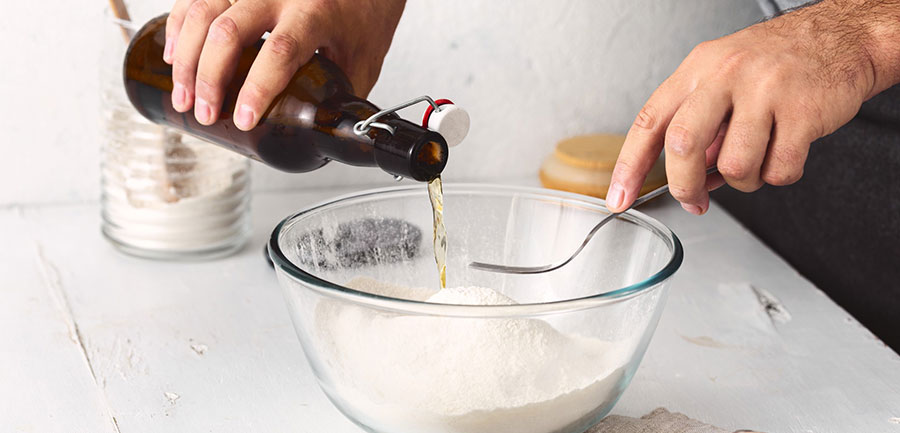
Beer in the food menu
“A major trend coming out of the pandemic is that people are gravitating more towards comfort food,” says Kirk Borchardt, Executive Chef Advisor for Ardent Mills. “Our diverse portfolio can help operators meet this trend AND bring beer to their menus in a variety of ways. Everything from making hamburger buns and pizza crusts using beer, to making a simple roux for thickening beer sauces or a quick beer bread.”
“A major trend coming out of the pandemic is that people are gravitating more towards comfort food.”
Kirk Borchardt, Executive Chef Advisor for Ardent Mills
Bonus: beer is a natural go-to beverage to accompany hamburgers and pizza.
Ardent Mills offers innovative and nutritious grain-based solutions for Canadian foodservice operators. Borchardt does everything from product development (new pizza doughs) to recipe creation to fit today’s consumer trends and make it easier for commercial kitchens.
“We have a great recipe for beer-infused pizza crust. Infused crusts are a top Canadian foodservice pizza trend. For beers in bread and crusts, I find that wheat beers really bring out the flavours of the flour and reinforce that nice rounded subtle sweetness. Wheat beer-infused crusts go great with more delicate ingredients like caramelized onions and goat cheese. Heavier beers, like porters and stouts, stand up great to heavier ingredients like roasted mushrooms and cheddar cheese and bring a nice deep earthiness to the dough.”
Beer on the food menu
Beer and seafood make a delicious match.
Says High Liner Foodservice Corporate Chef Chef Philman George, “My goal is to place craveable seafood on your menu and help you generate more profit. High Liner is North American’s leader in beer-battered seafood. Just like craft beer, we rely on quality ingredients and experience to create unique seafood products.”
Guinness Beer Battered Cod Fillets and Guinness Beer Battered Shrimp are great examples of winning beer and seafood combos.
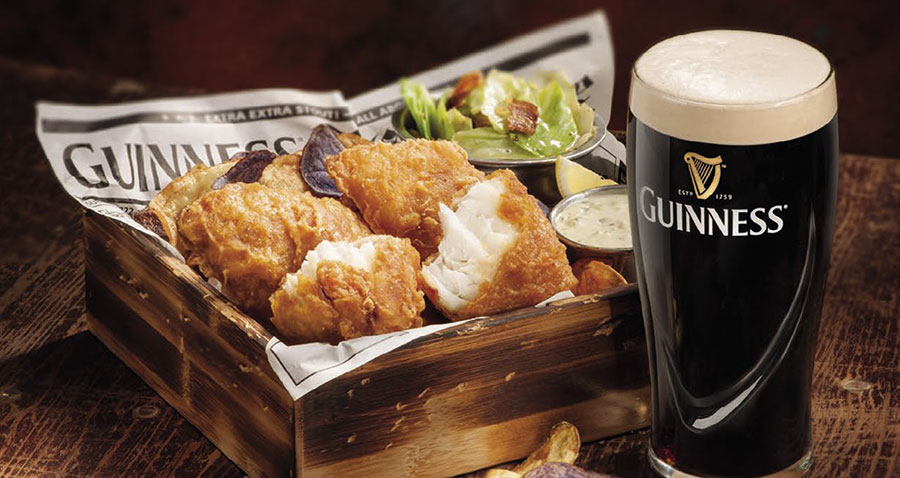
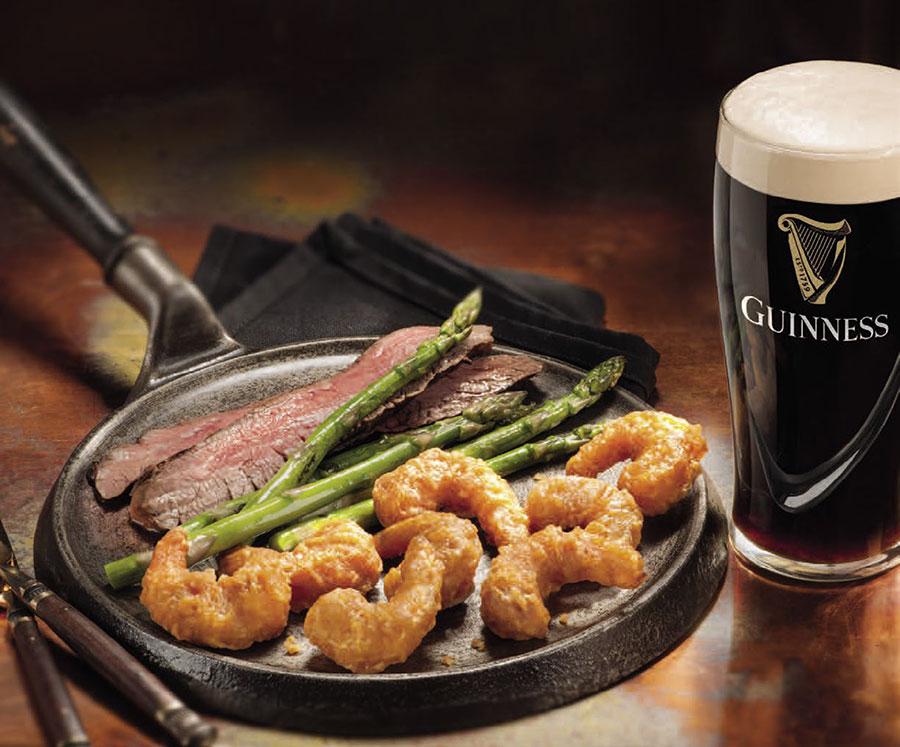
“Local craft beers pride themselves on brewing quality, unique beers with an attention to sourcing the finest ingredients,” says Chef Phil. “They often create seasonal varieties such as pumpkin spice ales or chocolate imperial stouts that flow nicely in the fall and winter months. These seasonal beer varieties and experimentation with intriguing ingredients mirrors up nicely with what restaurant chefs do with their menus and create opportunities for food and beer pairings.”
Pairing beer and your business
Jeff Macdonald is brewmaster for Black Donnelly’s Brewing Company, a small craft brewery located outside Mitchell, Ont. The six core beers are available in their 25-seat tap room, on-site retail store and at 10 local pubs and restaurants.
“Foodservice operators are bringing innovation to their menus through food flavours,” says Macdonald. “It makes sense to pair these dishes with beers that are just as complex.”
“Foodservice operators are bringing innovation to their menus through food flavours. It makes sense to pair these dishes with beers that are just as complex.”
Jeff Macdonald, brewmaster for Black Donnelly’s Brewing Company
“Choosing the right craft beers for your business comes down to understanding your customers, their drink preferences and the type of food you offer. If your customers primarily choose lagers, adding stouts and porters isn’t the right direction. But offering a variety of local craft lagers will add depth (and a local twist) to your beer list.”
Pairing beer and food
Pairing beer with food, as it is with wine, can be an extremely complex, but the beer-food combo, when done right, can definitely hit diners’ sudsy sweet spot.
The simplest approach is using colour. As the colour of beer typically ranges from light to dark, so does the depth of food flavours it can be paired with. Yes, an oversimplification but a good place to start.
Macdonald explains, “Colour is just one factor. Let’s use an IPA for an example. A light hoppy IPA is a great pairing with spicy Mexican dishes. But that hop flavour, depending on the brew, can be piney or have mango/fruity undertones which would pair better with other foods.”
You can choose brews that balance the food or choose brews that emphasize the food.
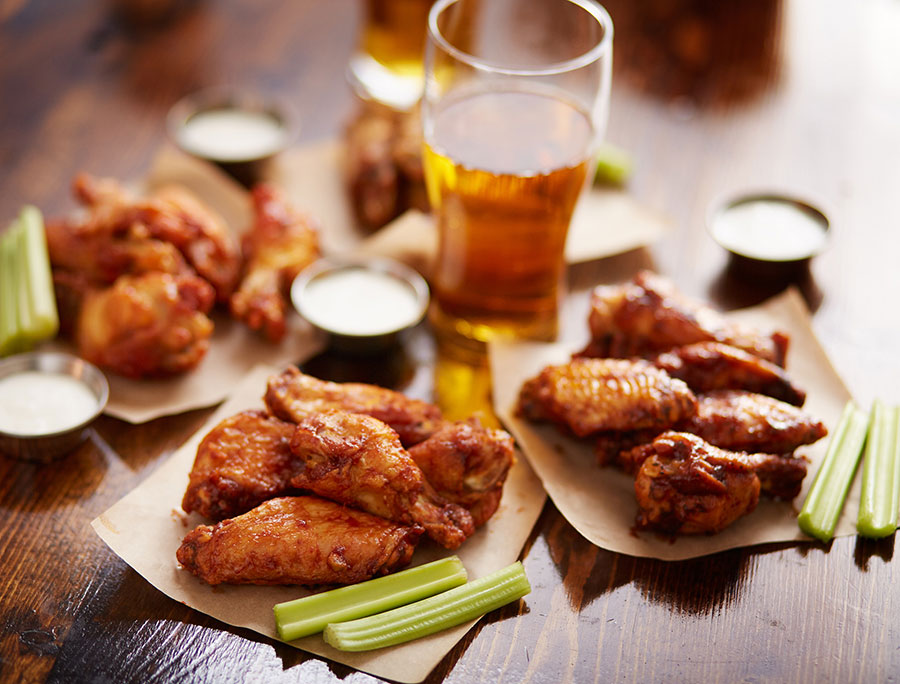
Carbonation level, hop level, alcohol content, maltiness (amount and roast level) are all considerations.
“Take a dark ale. In general, a great choice to pair with steak. One with low carbonation would pair extremely well with steak. However, one with high carbonation wouldn’t work as well, as the extra ‘bubbles’ take the flavour of the steak away from the tastebuds too quickly.”
“That’s why beers with higher carbonation are a go-to for summer months as they are palate cleansers and have that refreshing finish.”
Use a personal connection with the local brewers to work through your menu for best pairing opportunities. Match their brew expertise with your menu expertise.
But Macdonald also cautions, “You can make suggestions, and more customers are looking for pairing suggestions, but it will always come down to the type of beer your customer enjoys.”
Build a beer community
Communicating with local brewers is key to the best pairings but also supports the community.
“Try the beer, build the relationship,” Macdonald suggests. “Show them who you are and find out who they are, what they are doing. Everyone is busy, but a five- or 10-minute conversation can start a mutually beneficial business arrangement.”
Even foodservice operators without a liquor license can pair up with local craft breweries to cross-promote one another. Food trucks on a rotating schedule are a boon to small breweries that offer sampling but don’t have a kitchen.
Adding suggested beer pairing for local brews on takeout menus and local brewers posting your takeout menu doubles up on exposure and spreading the word.
Like all the best things in life, beer and food are best when they’re shared. Start brewing your plan. Cheers!
Recipes made with beer:
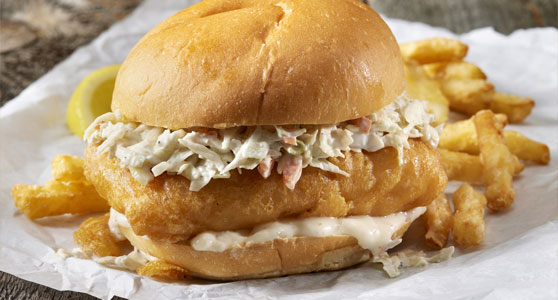
Crispy Haddock Sandwiches
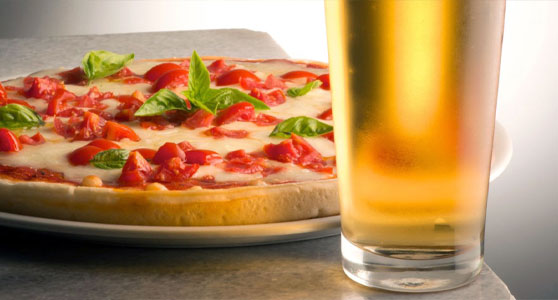
Beer-Infused Pizza Crust
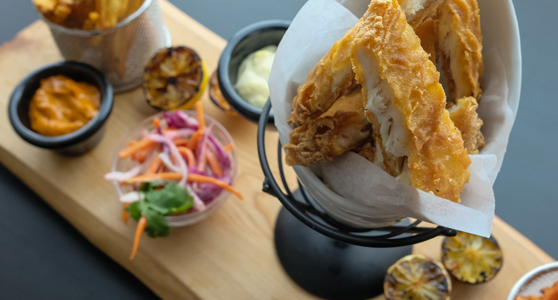
Big Bob’s® Haddock Surf Board
Canadians long for the sight, sound, smell and taste of the sea no matter the season or how close they are to the coast. Seaworthy operators are reeling in these customers with menu options using frozen seafood. Are you?
Make waves with seafood options
Chef Philman George is the corporate chef for High Liner Foodservice, which is on a mission to remind everyone just how healthy, versatile and tasty seafood is.
Chef Phil knows seafood; with both parents hailing from Barbuda, he naturally learned to appreciate seafood at a young age. “My goal is to place craveable seafood on your menu and help you generate more profit. I work closely with operators to help them succeed and reach their full potential with seafood offerings.”
Why seafood on your menu?
- Seafood drives traffic. Customers tend to order food they can’t easily make or don’t like to cook at home. Most Canadians are simply not that comfortable with creating a quality seafood meal and prefer a restaurant curated seafood experience.
- Seafood increases profits. Seafood plays a critical role in maximizing profits and increasing customer satisfaction. Profitable operations frequently use seafood such as shrimp to upsell and pair with other proteins to ensure that no money is left behind. “Would you like some garlic & herb shrimp to go with your steak/salad?”
- Customers crave seafood. Coming out of the pandemic, customers stated that seafood is a highly craved item – the second most highly missed restaurant dish, according to Datassential.
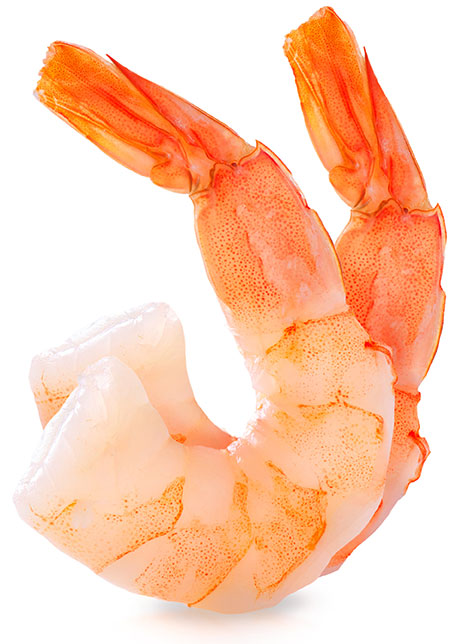
Rocking the boat on frozen seafood misconceptions
Foodservice operators need to add the word “fresh” when they think about frozen seafood.
Chef Phil explains: “I’ve hosted many presentations surrounding the benefits of frozen seafood. I often start by asking the attendees, ‘what is the opposite of fresh?’ Over 90% of the participants answer with ‘frozen.’ There is a perception that frozen cannot be fresh.”
“Significant advancements in freezing technology allow seafood to be flash frozen moments after harvest to preserve the texture, taste and appearance. Flash freezing seafood is like pressing pause on mother nature. The freshness is sealed in until you are ready to use it.”
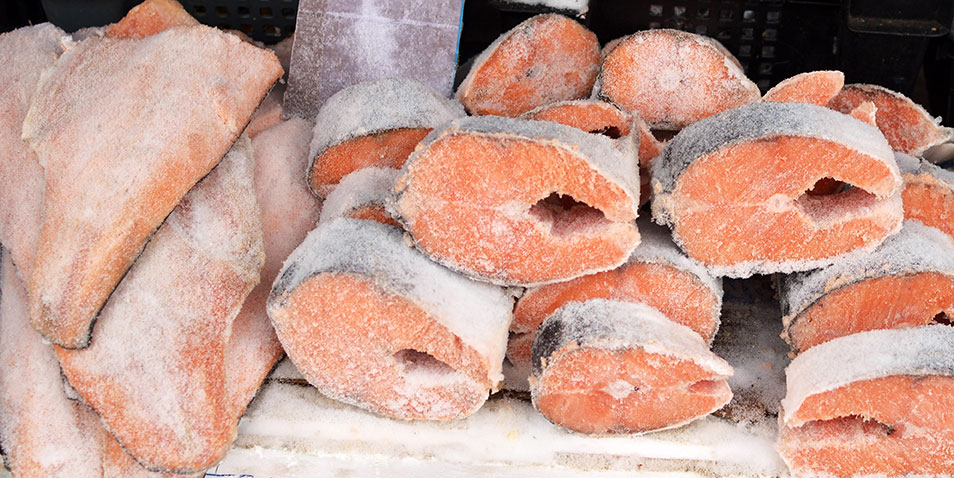
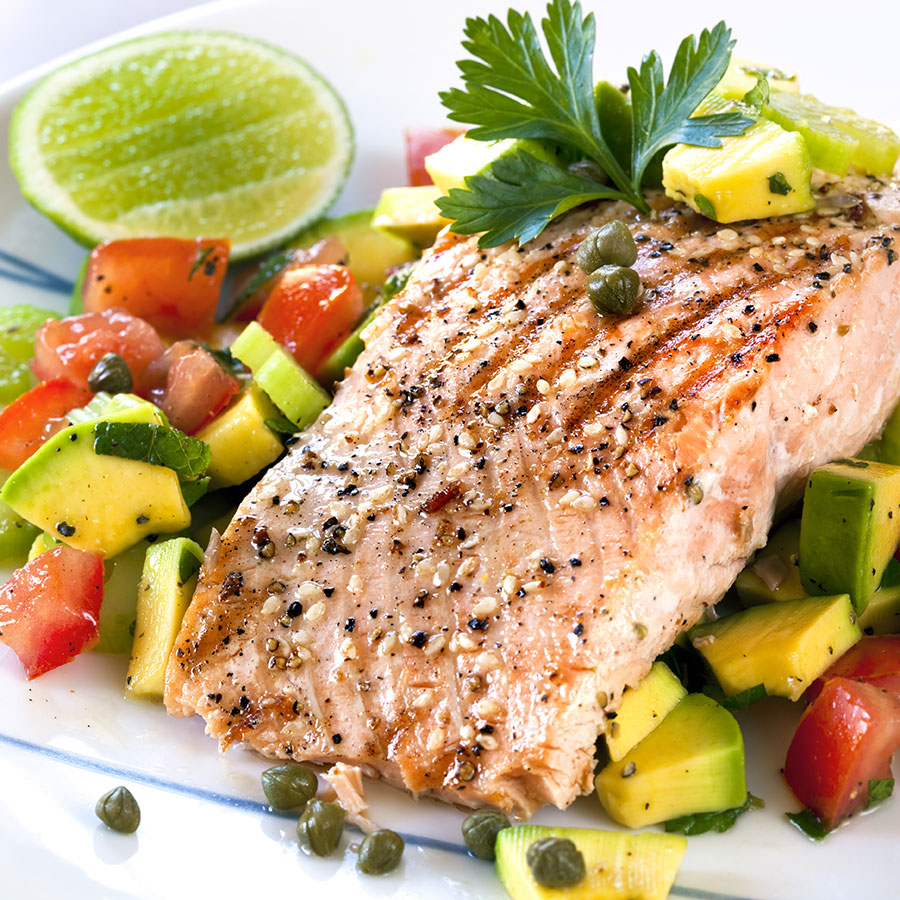
“Flash freezing seafood is like pressing pause on mother nature. The freshness is sealed in until you are ready to use it.”
Chef Philman George, Corporate Chef, High Liner Foodservice
Run a tight ship using frozen seafood
The shot across the bow that foodservice businesses received this last year and a half has only reiterated the importance of keeping a close watch on all the nickels and dimes that can make or break an operation. Utilizing frozen seafood on menus just makes sense (and cents). Chef Phil breaks it down:
- Availability – Frozen seafood gives the operator access to a larger variety of seafood that can be utilized all year-round.
- Portion Control – A foodservice operator can order specific sizes and cuts from a large variety of species. For example, 4oz Pacific Cod Loins, 6oz Pollock Fillets or 4oz Haddock Tails.
- Pricing – Ability to lock in pricing on specific species, cuts and sizes for an extended period helps an operator better determine profit margins and stay one step ahead of changing market conditions.
- Profits – Using value-added seafood allows an operator to go from freezer to cooking source to plate, a process which virtually eliminates waste and helps maximize profits.
- Quality – Seafood that has been flash frozen moments after harvest locks in the freshness by preserving the natural appearance, texture and flavour of the seafood.
- Sustainability – Gone are the days where we can brag about seafood being flown/air freighted into a restaurant from overseas. Preserved seafood travels through the supply chain using methods that are far more efficient and favourable to our environment when compared to air freight.
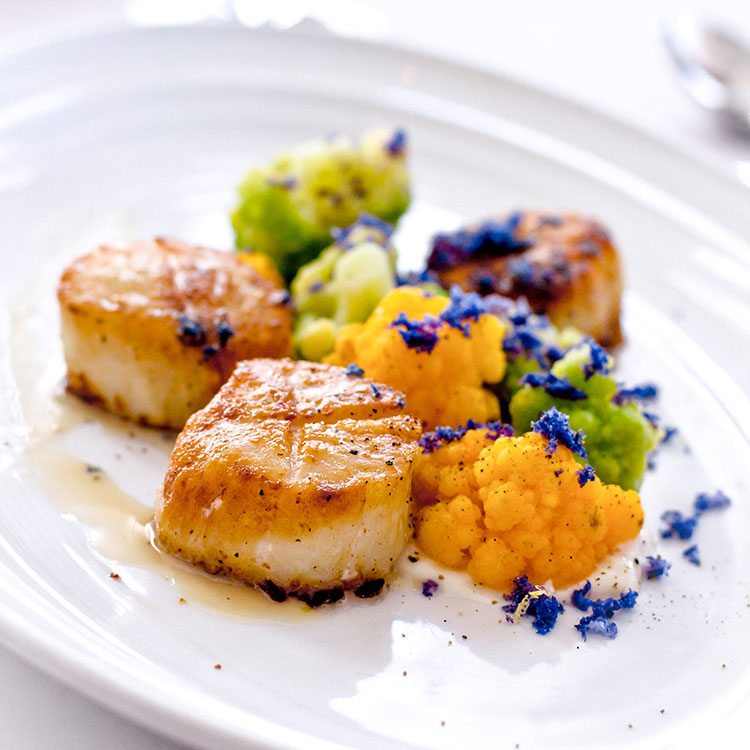
Always on board
Delicious is always trending and frozen seafood is always in season, it’s a match made by the sea.
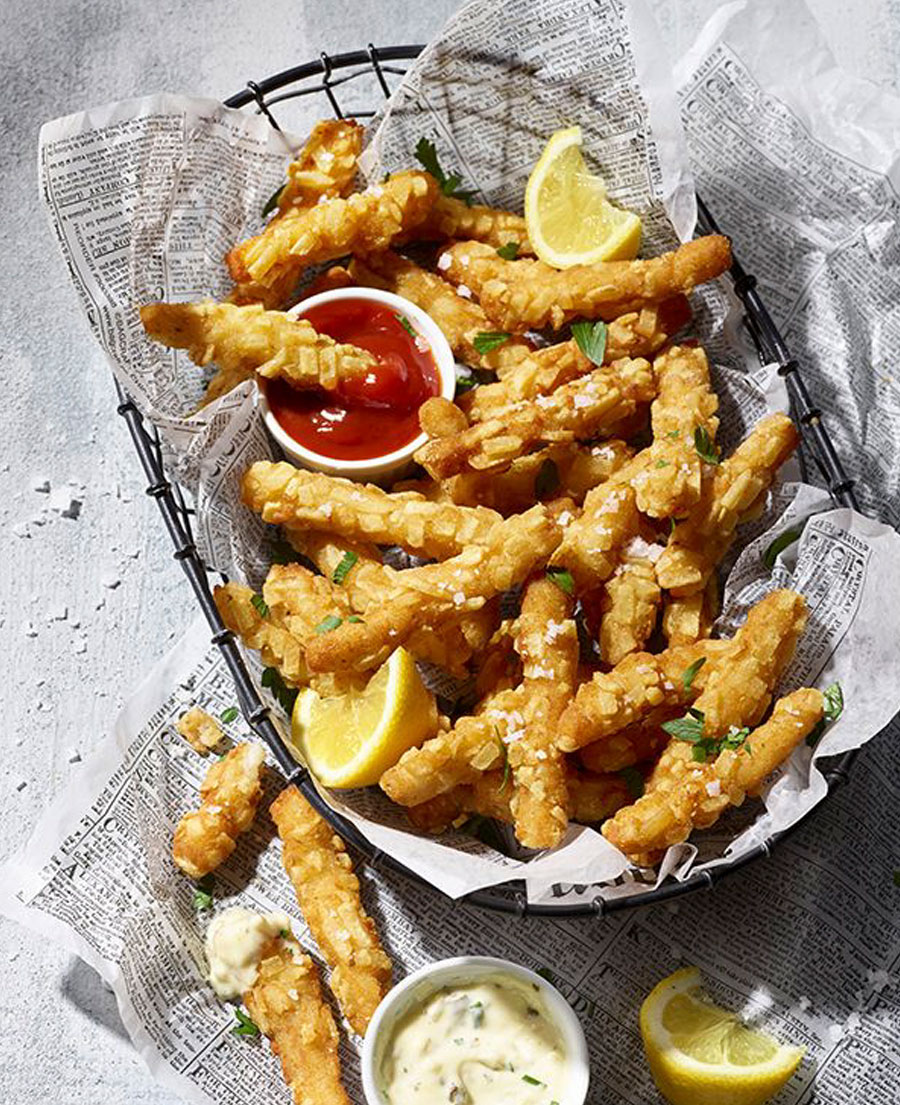
High Liner Foodservice, says Chef Phil, continues to add trend-worthy options to the product portfolio. “Our new Wild Alaska Fish Fries make it easy for the operator to add seafood to menus and take advantage of snacking and handheld trends. They come in two versatile, on-trend flavours, Salt & Pepper and Dill Pickle.”
Canadians request and expect healthy options, and frozen seafood definitely can help foodservice operators deliver. These ingredients also help busy foodservice kitchens by reducing labour needs, increasing consistency, providing versatility and saving time and money. It’s quite simple: choosing frozen seafood means clear sailing.
Seafood Recipes
Check out some seafood appetizer recipes by High Liner Foodservice:
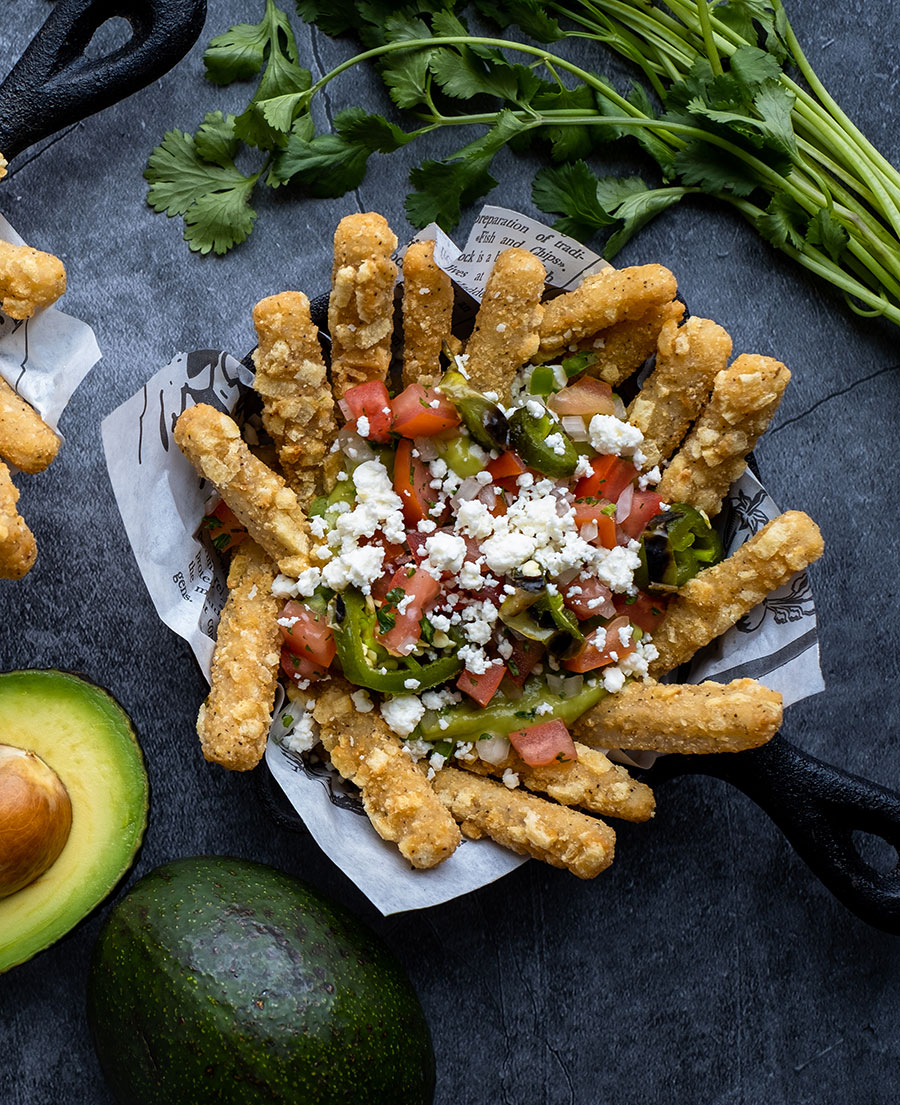
Baja Style Loaded Fish Fries
Ingredients:
- 1 portion Alaska Wild Fish Fries
- 2 tbsp guacamole
- 2 tbsp pico de gallo
- 1 tbsp crumbled Mexican cheese
- 3 slices charred jalapeno (garnish)
Method:
- Cook Alaska wild fish fries according to box directions
- Strategically place the remaining ingredients on top of the fries and serve
Global Dippers
Ingredients:
- 12 portions Alaska Wild Fish Fries
- 2 cups mayonnaise
- 1 tbsp east Indian curry powder
- 1 tbsp lemon juice
- 1 cup ketchup
- 2 tsp chipotle, ground
- 2 tbsp lime juice
- 1 tbsp wasabi powder
- 1 tbsp rice vinegar
- 1 tsp fish sauce
Method:
- Cook Alaska wild fish fries as per box directions
- For curry citrus mayo – Combine curry with lemon juice, add to 1 cup mayo and whisk until incorporated
- For chipotle lime ketchup – combine chipotle with lime juice, add to ketchup and whisk until incorporated
- For wasabi aioli – Combine wasabi powder with rice vinegar, and fish sauce, add to remaining 1 cup of mayo and whisk until incorporated
- Serve each portion of fries with all three sauces
Tiki Island Shrimp Roll
For a fresh, healthy snack that’s always a crowd pleaser, try Vietnamese-style salad rolls. Not only can you add your favourite ingredients inside the roll, but you get to play around with all the amazing dipping sauces that complement a salad roll, like spicy peanut sauce.
Technique and flavours are, of course, very important in any dish you create, but another important factor to keep in mind is mouth feel. Tiki Island Shrimp provides the perfect marriage of flavour and mouth feel. Large premium Pacific white shrimp rolled in crushed wontons and sandwiched in the middle of all that fresh veg is the perfect protein to complete this healthy snack.
Ingredients
- 16 pieces Tiki Island Shrimp (1008627)
- 4 oz dried rice vermicelli
- 16 (8½ in.) round rice paper wrappers
- 32 medium fresh mint leaves
- 32 fresh basil or Thai basil leaves
- 2 Serrano chiles, stemmed, halved, seeds removed and julienned
- 1 medium English cucumber, peeled and cut into sticks (¼ x ¼ x 2½ inch)
- 3 medium scallions, quartered length-wise, then cut crosswise into 2½-inch pieces
- 1 large carrot, matchstick cut
- 1 red/green pepper, matchstick cut
Peanut sauce
- ¾ cup natural creamy peanut butter
- â…” cup water
- 3 tbsp hoisin sauce
- 2 tbsp freshly squeezed lime juice
- 4½ tsp soy sauce
- 1 tbsp granulated sugar
- 2¼ tsp chili garlic paste
- 1 medium garlic clove, mashed to a paste
- ½ tsp toasted sesame oil
Instructions
- Whisk all sauce ingredients together.
- Cook the Tiki Island Shrimp and rice noodles according to package directions..
- Place a clean, damp kitchen towel on a work surface. Fill a large bowl with hot tap water. Working with 1 wrapper at a time, completely submerge the wrapper until it is soft and pliable, about 15 seconds. Remove the wrapper from the water and place it on the towel.
- Working quickly for each roll, lay down 2 mint leaves, 2 basil leaves, rice noodles, half the veg you would like to use, shrimp and rest of veg.
- Roll into a tight wrap using the same technique you would use for rolling a burrito. Serve with dipping sauce.
Tip: For more variety, replace Tiki Island Shrimp with other proteins such as grilled fish or scallops.
Notes
Irish Nachos Featuring Guinness Beer Battered Shrimp & Waffle Cut Fries
A unique spin on a Nacho platter with an Irish flare. Irish Nachos made with golden crispy waffle fries and topped with melted cheese and crispy Guinness Beer Battered Shrimp… this dish tops the charts as a perfectly shareable crowd pleaser.
- Yield: 4 1x
Ingredients
- 454 g Guinness Beer Battered Shrimp
- 454 g waffle cut french fries
- 227 g sharp cheddar cheese, shredded
- 500 ml Pico de Gallo
- 250 ml sliced pickled jalapenos
- 227 g sour cream
- 57 g scallions, sliced (optional)
- 57 g crispy bacon, chopped (optional)
Instructions
- Begin by preparing the waffle cut french fries. Deep-fry according to the package instructions until golden brown and crispy throughout.
- Separate the waffle fries into four equal servings onto an over safe plate or dish. Top with the shredded cheddar cheese and bake in the oven for 3-5 minutes until the cheese is melty and gooey.
- While the cheese melts in the oven, deep-fry the Guinness Beer Battered Shrimp until golden brown and cooked throughout. Once the cheese is fully melted, top the individual servings of ‘nachos’ with Pico de Gallo, pickled jalapenos and sour cream. Top each serving with equal amounts of Guinness Beer Battered Shrimp and if desired garnish with sliced scallions and chopped crispy bacon.
Notes