
Serve Warmth, Sell Value: Why Comfort Food Matters This Fall
As summer fades, the craving for warmth returns. Diners want dishes that feel like home — soups, braises, casseroles, and indulgent desserts that bring comfort and familiarity. For operators, this is more than a seasonal shift. It’s a chance to build menus around feel-good flavours that keep guests coming back and protect margins between patio season and the holiday rush.
Why It Matters
Comfort food carries emotional value and price flexibility. Guests associate these dishes with generosity, celebration, and care, which allows for slightly higher prices when quality and portions feel right. Many comfort classics also rely on affordable ingredients like root vegetables, pulses, grains, and secondary protein cuts, helping maintain margins even as costs fluctuate.
Operator Strategies
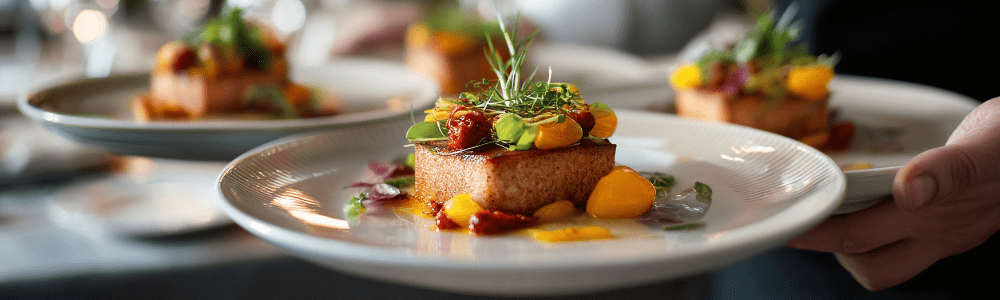
Seasonal Rotation and Limited Runs
Create two or three rotating features every six weeks, such as braised short rib with mashed roots, shepherd’s pie with PEI potatoes, or baked mac and cheese with Quebec cheddar and breadcrumb gremolata. Limited-time dishes create urgency and repeat visits.
Portions That Protect Profit
Hearty doesn’t have to mean oversized. Use plating techniques like height, colour, and texture to maintain satisfaction with right-sized proteins. Pair modest cuts with generous, filling sides such as barley, lentils, cabbage, or roasted squash. Add edible herbs or crunchy toppings to boost perceived value at little cost.
Cross-Utilize Ingredients
Plan for each ingredient to serve multiple dishes. Roasted squash can appear in soup, a warm grain salad, or alongside a roast. A beef braise can transform into next-day poutine or hand pies. This tightens inventory and reduces waste.
Mini Indulgences
Offer small, high-margin desserts like maple butter tart bites or mini apple crisps with coffee pairings. Even guests who only want a taste will increase the check average.
Batching and Make-Ahead
Choose items that hold well, such as soups, braises, or gratins. These reduce stress during rush periods and improve consistency.
Menu Engineering and Costing
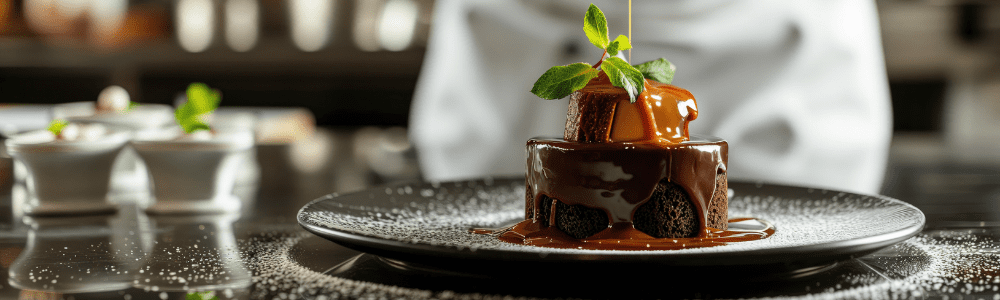
Cost the Feature First
Reverse-engineer prices based on target food costs — for example, 28–32% for mains and 20–25% for desserts. If your sides are inexpensive, invest flavour where it counts, such as in reductions, quality stock, or premium cheese.
Offer a Comfort Combo
A soup, small salad, and half entrée combo adds weekday value, simplifies choices, and balances plate costs across items.
Vegetable-Forward Wins
Add plant-rich comfort dishes like mushroom stroganoff or lentil cottage pie. They photograph well, travel easily, and support profitability.
Marketing Approaches
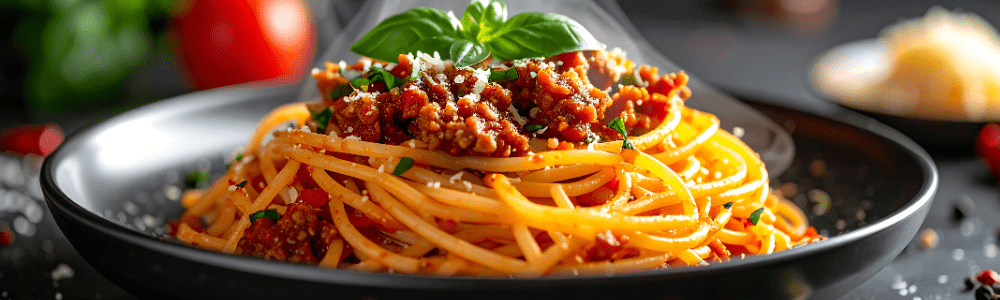
Visual Warmth
Use natural light to highlight steam, bubbling cheese, and golden crusts. A simple caption works best: “Your favourite sweater, in a bowl.”
Storytelling
Share origins and inspiration, such as “Our chef’s Sunday pot roast with prairie barley.” Memory-driven stories connect guests to your menu.
Feature Weeks
Host a “Comfort Classics Week” with daily variations to draw guests back multiple times.
Loyalty Boosts
Offer double points on comfort dishes or a punch card for “Soup of the Week” to encourage repeat orders.
Front-of-House Execution

Train servers to use gentle suggestive selling: “Would you like to start with a warming bowl of our squash bisque? It’s been this week’s favourite.” or “A mini butter tart to share?”
Serve soups and breads quickly to create an instant sense of hospitality. For takeout, use vented containers, separate sauces, and include a short reheat card to preserve quality.
The Takeaway
Comfort food is both emotional and economical. With portion control, smart ingredient use, and story-driven marketing, you can deliver cozy experiences guests crave — while keeping profits steady all season.
Restaurant Survival Guide: Menu Strategies Diners Will Appreciate
Inflation is squeezing Canadian restaurants. Proteins, produce, and utilities are more expensive than ever, while diners are watching every dollar. The challenge? Protecting margins without pushing guests away.
The truth is: raising prices is sometimes unavoidable. But the way you present and structure those changes makes the difference between guest resistance and guest loyalty.
Here are practical menu pricing strategies that go beyond simply charging more—tools you can use right now to maintain profitability while continuing to deliver value.
Focus on Value Perception
Guests are not calculating your food cost percentages. They are asking one question: Does this feel worth it?

- Lead with experience: Elevated presentation, attentive service, and thoughtful menu descriptions all make higher prices easier to accept.
- Bundle strategically: Pair an entrée with a side and drink at a slight discount. Guests see more value, while you grow cheque size.
- Promote add-ons: Small, low-cost upgrades such as “add soup for $3” or “make it a combo for $5” increase averages without alienating diners.
Rethink Portioning and Presentation
Instead of large, sudden price jumps, consider subtle changes to portions and plating.
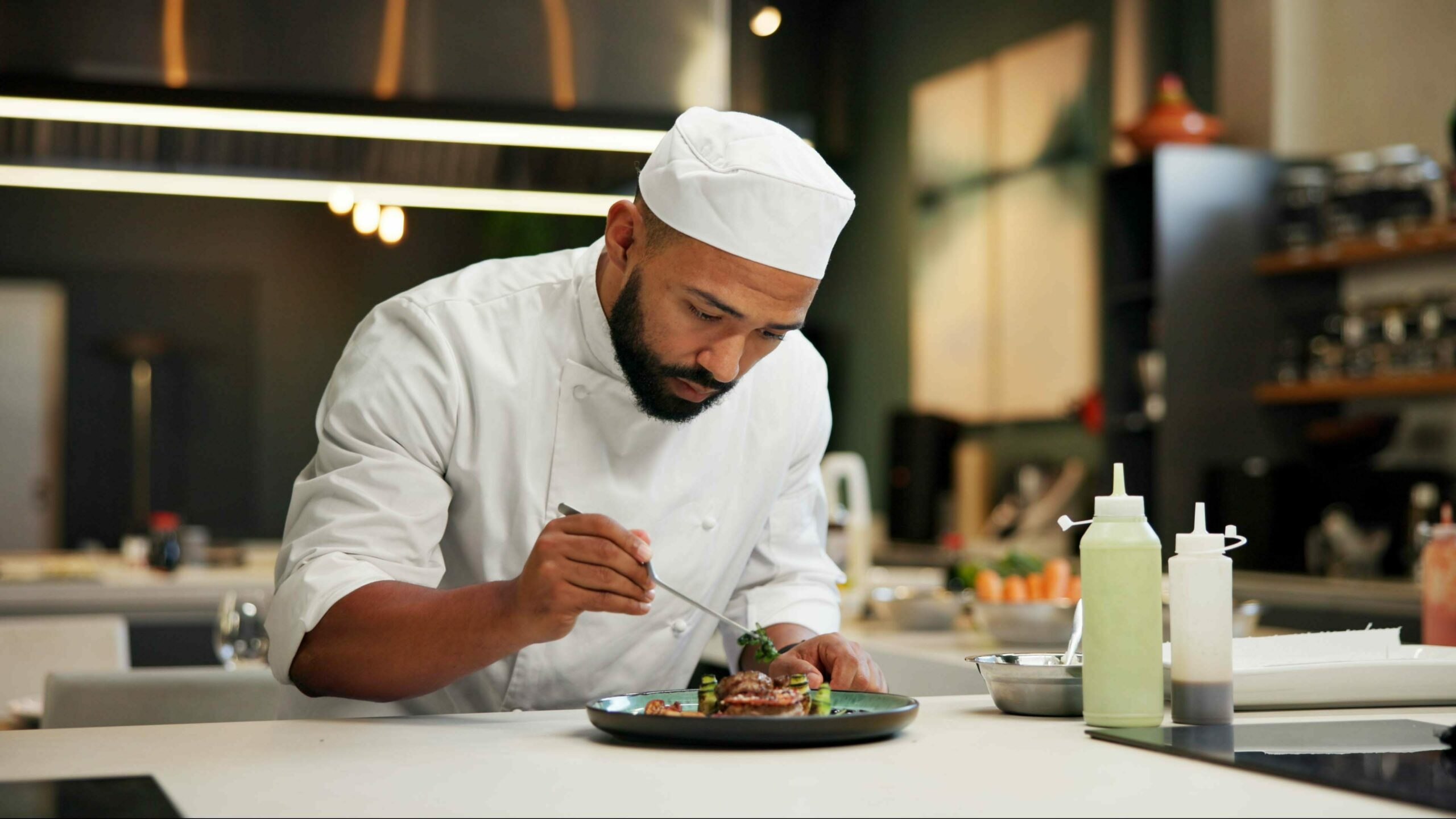
- Offer half portions at lower prices, giving diners flexibility while controlling your own costs.
- Slightly reduce protein ounces and balance plates with colourful, seasonal vegetables.
- Use creative plating—height, layers, and garnishes can all increase perceived value.
Engineer Your Menu for Profit
Your menu is more than a list of items—it is a sales tool. The design itself can encourage diners to choose profitable dishes.
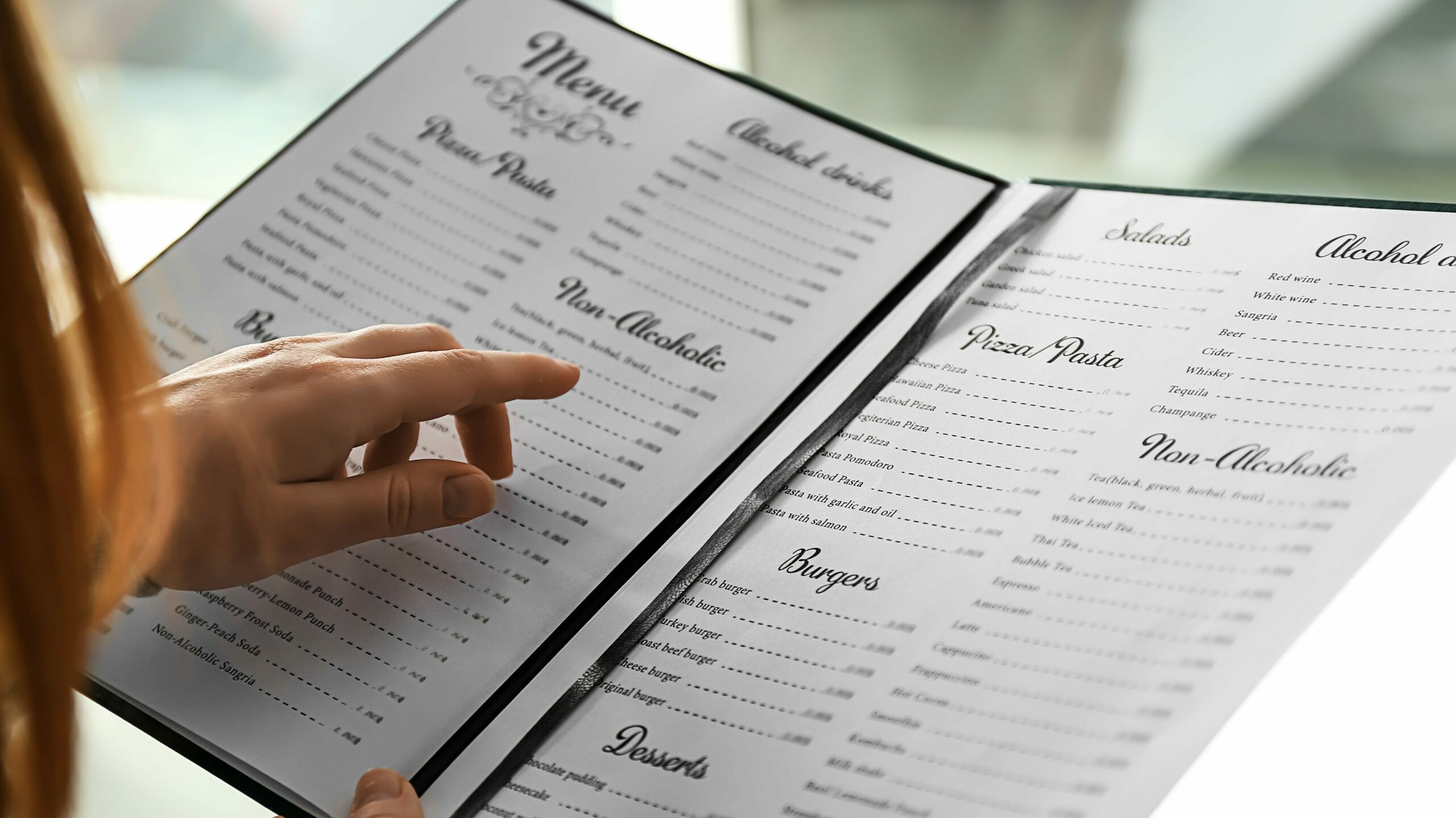
- Position high-margin items in prime locations such as the top-right corner.
- Use descriptive names. “Autumn Roast Chicken with Maple Glaze” feels worth more than simply “roast chicken.”
- Consider dynamic pricing—adjust items seasonally or in response to rising input costs instead of across-the-board increases.
Communicate to Build Trust
Price increases are sometimes unavoidable. Guests are more likely to understand when you are upfront.
Adding a short note such as, “Our seafood is sustainably sourced, and supplier costs have risen this season. Thank you for your continued support,” can go a long way.
Many diners value honesty over silence. Respect and transparency foster loyalty.
The Takeaway
Raising menu prices in today’s climate does not have to alienate guests. By focusing on value perception, presentation, smart bundling, and open communication, operators can protect their margins while maintaining strong customer relationships.
Smarter pricing means loyal diners and healthier profits.
6 Strategies for Restaurants to Thrive During Inflationary Periods
As a restaurant owner, you may be feeling the pressure of inflationary periods.
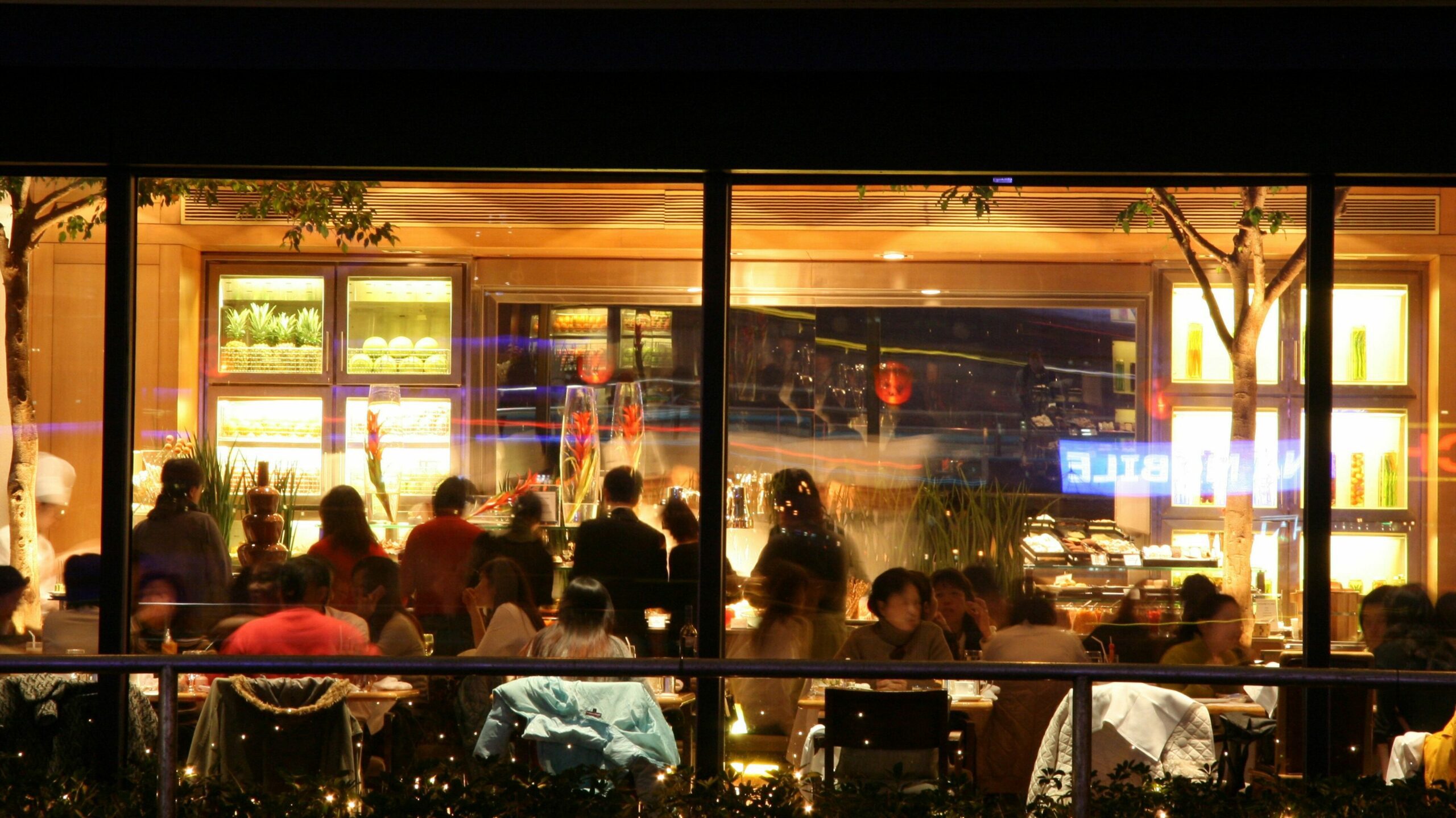
With the cost of goods and services on the rise, it can be difficult to maintain profitability while still delivering high-quality food and service to your customers. However, there are several strategies you can implement to improve your business during these challenging times.
- Monitor Your Food Costs: One of the biggest expenses for restaurants is food. During inflationary periods, the cost of ingredients can skyrocket, which can seriously impact your bottom line. It’s important to regularly review your food costs and make adjustments as needed. This might mean finding new suppliers or sourcing ingredients locally to cut down on transportation costs. You can also consider adjusting your menu prices to reflect the increased costs of your ingredients.
- Focus on Efficiency: Another way to improve your business during inflationary periods is to focus on efficiency. Look for ways to streamline your operations and reduce waste. This might mean investing in new equipment or technology that can help you cook faster and more efficiently. It could also mean rethinking your menu to focus on dishes that are easier to prepare and require less prep time.
- Offer Special Deals: During inflationary periods, consumers are often more price-sensitive. Offering special deals or promotions can help attract customers and boost sales. For example, you might offer a “happy hour” promotion with discounted drinks or appetizers during off-peak hours. You could also create a “family meal” deal that offers a discounted price on a larger meal for families or groups.
- Prioritize Customer Service: Inflationary periods can be stressful for everyone, including your customers. It’s important to prioritize customer service and ensure that your guests feel valued and appreciated. This might mean training your staff to be more attentive and responsive to customer needs or investing in technology that can help you provide faster and more personalized service.
- Consider Alternative Revenue Streams: Finally, during inflationary periods, it’s important to think creatively about alternative revenue streams. This might mean offering catering services or partnering with local businesses to offer packaged meals or meal kits. You could also consider expanding your delivery or takeout options to reach more customers who may be hesitant to dine in.
- Buy Canadian-Made Products: Supporting local Canadian suppliers can help restaurants navigate inflationary pressures more effectively. Purchasing Canadian-made products reduces reliance on international supply chains, which are often affected by rising costs and delays. Locally sourced ingredients not only ensure fresher, higher-quality food but also contribute to the local economy. Additionally, marketing your restaurant as one that prioritizes Canadian products can attract customers who are passionate about supporting homegrown businesses.
In conclusion, while inflationary periods can be challenging for restaurant owners, there are several strategies you can implement to improve your business. By monitoring your food costs, focusing on efficiency, offering special deals, prioritizing customer service, and considering alternative revenue streams, you can position your restaurant for success during these challenging times. Remember, with a little creativity and hard work, you can weather any economic storm and continue to deliver high-quality food and service to your loyal customers.
Do locals tell their friends and family members, “You definitely have to eat here”?
The chains and franchises may have big marketing budgets and instantly recognizable brands, but many people prefer—and are fiercely loyal to—the unique, small restaurants, bars, and coffee shops in their communities.
Here are ten big ideas that don’t require a big budget:
Follow your personality
Does your establishment have a homey Mom and Pop vibe, or is it funky and casual? Is it green and clean or elegant and sophisticated? Up your recognition factor by making that personality a consistent part of your brand through your storefront, signage, décor, food styling, digital presence, and even the music you play.
Carve out your niche
Focus on your signature dishes. When people feel your restaurant is the place to get these menu items, it’s a powerful way to establish your presence.
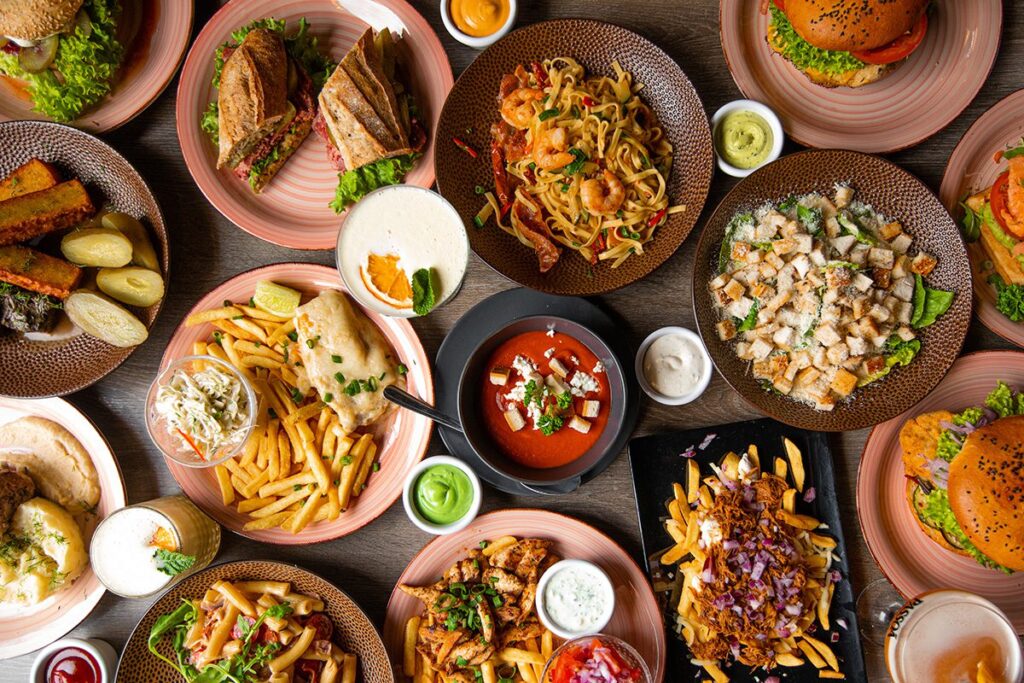
Celebrate local specialties
Go beyond the usual Canadian dishes available across the country to celebrate your local or regional specialties, including craft beer and wine.
Source locally
Locally sourced ingredients are becoming important to an increasing number of customers.
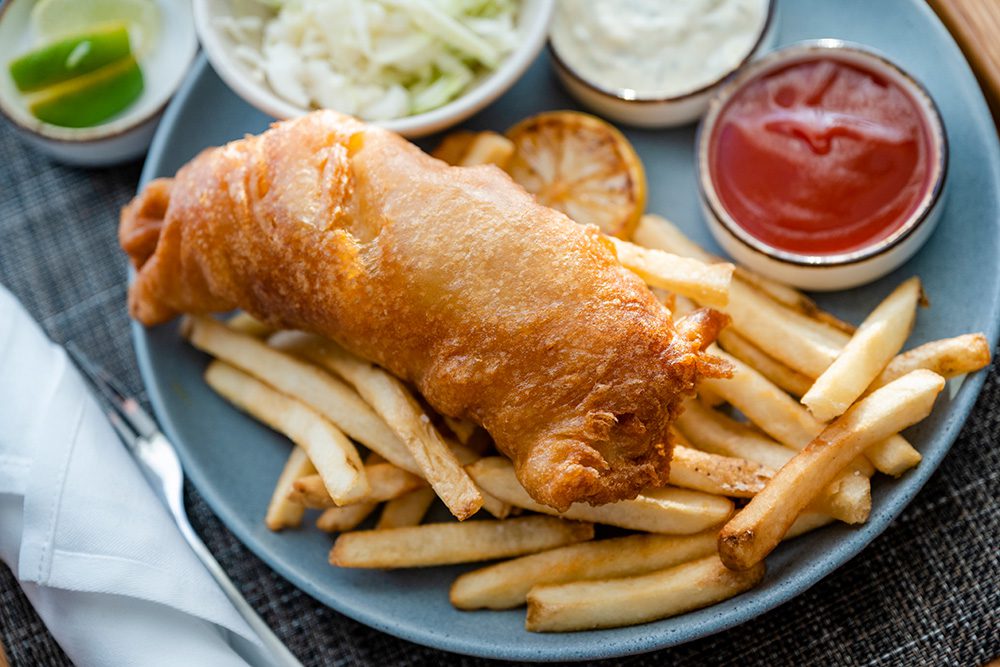
- Be a local booster – Promote your local producers and suppliers. If you’re flipping pancakes in Trois-Rivières, be loud and proud about serving them with local maple syrup. Making burgers in Red Deer? Celebrate local Alberta beef. Consider flags on the menu or a chalkboard featuring suppliers.
Rock your digital presence
Regardless of its size, your independent diner or sports bar can have an attention-grabbing Instagram account and popular videos on TikTok. A multi-functional website enhances the guest experience from ordering takeout to making reservations.
Ideas to amplify your restaurant’s presence digitally – Your social channels and website are powerful tools for complementing and amplifying what’s happening on your premises. Here are some tips to bolster your presence digitally:
- Ensure your digital presence is true to your eatery’s personality and stay on brand.
- Profile local dishes.
- Celebrate your signature dishes.
- Share the stories of local suppliers.
- Promote community events and fundraisers.
- Feature your staff.
- Honour your regulars with profiles or photos.
- Publicize pop-ups, special events, promotions and loyalty programs.
- Celebrate your history and thank the community for making it possible.
Support your community
While sponsoring sports teams and donating financially to important causes may not be in your budget, there are alternatives (i.e.: hosting an event at your establishment). Focusing on the cause rather than your contribution will prevent you from appearing boastful.
Know your customers well
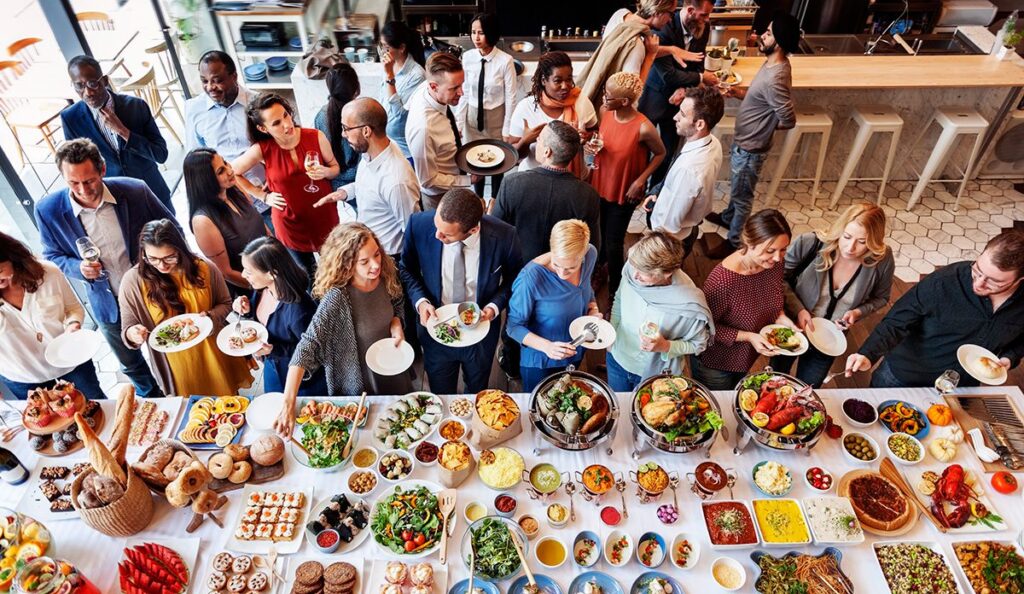
Being small gives you a unique advantage to build relationships with your regulars.
Get out into the community
Feature your specialties at local fairs and events. You’ll not only contribute to the success of the events but also entice new customers to visit your restaurant.
Create standout promotions
Unique promotions, especially ones with a local angle, draw people in. Go beyond the standard holiday promotions by selecting a few signature days each year and creating special offers. You may also want to consider partnering with local suppliers for cross-promotions.
Be consistent
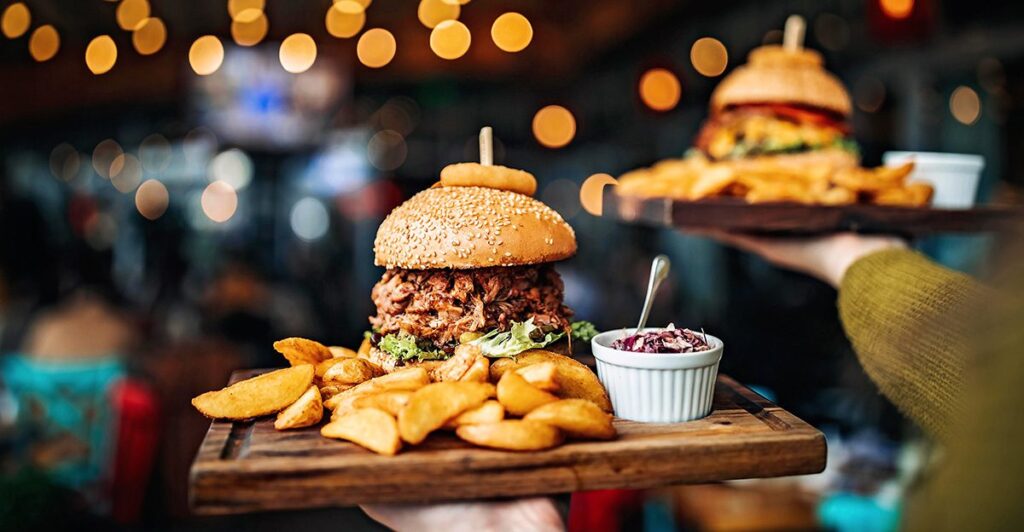
It’s not a bad thing to keep things fresh and occasionally add new dishes to your menu, but don’t change for the sake of change. Customers appreciate the sense of coming home to their favourite dishes that is provided by staff they’ve come to know.
Based on the post “Small restaurant, BIG presence—does size matter?” written by Marlene Cornelis.
Just when you thought you were getting the hang of social media and content marketing, along comes another digital platform to shake things up!
Although it may seem relatively new, TikTok began in 2016, and since then has become the fastest growing social media platform, with more than 1 billion people worldwide and an average of 3.2 million Canadians, engaging in the video platform monthly. That’s a BIG consumer audience that you can be tapping into, and similar to Instagram, food, drinks and recipe creation continue to be top trending topics. And as any successful foodservice operator knows, it is important to stay ahead of the latest trends in restaurant marketing.
Currently on TikTok there are more users generating restaurant content with a rise in hospitality brands beginning to utilize the platform. Let’s dive into 101 on how restaurants can utilize TikTok’s video sharing platform to generate buzz and reach more guests.
Who’s your TikTok audience?
Since launching, the platform has continued to attract a younger audience with more than 50% of global users being under the age of 34, 41% of them aged 16-24, and in Canada 60% of users are female. Even if this core audience doesn’t represent your average customers, it is still worth having them connect with your restaurant brand for future business, and keep in mind, the other 50% are 35 and over. These audience profiles are critical to developing effective TikTok content and messaging.
TikTok Basics
TikTok videos can range between 5 and 60 seconds in length. One of the most exciting benefits for restaurant brands is that unlike other social platforms that are driven by highly professional and polished content, TikTok is popular for videos that are fun, creative, authentic, personalized, and humorous. As you get started, forgo hiring a professional videographer until you understand if this platform is right for your brand. However, invest in a phone camera adjustable tripod that allows you to set up shots from many angles, and provides some additional lighting. Prices range from $30-$200, and tripods can easily be sourced through Amazon.ca.
- TIP: Natural lighting always produces the best video and photography results. If your restaurant space is darker, then it’s worth the $100 to invest in softbox lighting and reflectors to achieve the best shot. This type of portable equipment is available at photography stores as well as Amazon.ca.
3 Steps to follow before you create your first TikTok post:
- Set Up a TikTok Business Account, versus a personal account, as it provides you with performance analytics that will be useful for future advertising campaigns.
- Use a well-branded image or logo (recommended size 200 x 200), as your profile picture, include a brief description including a custom hashtag unique to your brand, and links to either your website or takeout platform. Link your TikTok account to Instagram for automatic sharing.
- Follow similar businesses to yours within your industry, and follow their followers. Then monitor the types of video content that your competitors are sharing, and make note of what is achieving engagement, likes, and comments.
Explore your creative side
TikTok’s unique in-app content creation features have set the platform apart, as the creative opportunities are endless yet they do take some time to master.
- Music – TikTok will suggest music for your post from popular songs, trending songs, and your video length. Music selection can lead to viral content, so choose wisely.
- Filters/Effects – you can easily add in creative effects and filters to make your video stand out in the feed. Create or select a unique element for your brand that is consistent across all of your videos.
- Timing and Voiceover – within the app you can edit your video, add in text, pauses and sounds at key moments, as well as voiceovers to help share your message further. Incorporating popular voiceovers is a fun and easy way to achieve more engagement.

TikTok content ideas for your restaurant
Start creating simple and fun video content that showcases what your brand does best.
- Your team – create fun short videos of your team in action from front to back of the house. Record personalized messages from team members who feel comfortable speaking on camera about why they enjoy working at your business, and what they enjoy on the menu.
- Space – engage new guests with a tour of your restaurant space so they know what to expect from the moment they step through your front doors.
- Menu – your menu is one of your differentiating brand experiences so leading with this content will be effective in establishing for new followers what your offering is all about. Share your unique dishes, seasonal changes, ingredients and where they come from, as well as daily specials.
- How to make – TikTokers love tutorials that can be replicated at home, turned into challenges, or just for brand insight. Create videos of your team preparing signature dishes, cocktails, and unique menu items with a wow factor that generates shares.
Post and grow your restaurants TikTok account
Here are additional tips to effective posting, and growing your TikTok reach:
- Keep your post descriptions short and to the point, as you only have 150 characters to work with.
- Use hashtags relevant to your content and trending, while repeating a hashtag that is unique to your brand for content searchability.
- Encourage guests to follow you – send DMs on Instagram, post a QR code in your restaurant, add the TikTok icon and link to your website, and send an e-newsletter to increase your followers.
- Encourage diners to create and share content about your restaurant, then comment and share their video content for increased engagement.
- Post weekly, with a goal of sharing daily as you become a TikTok pro.
Stay tuned for TikTok 102 for restaurants, to learn how to leverage influencer campaigns and advertising best practices.